


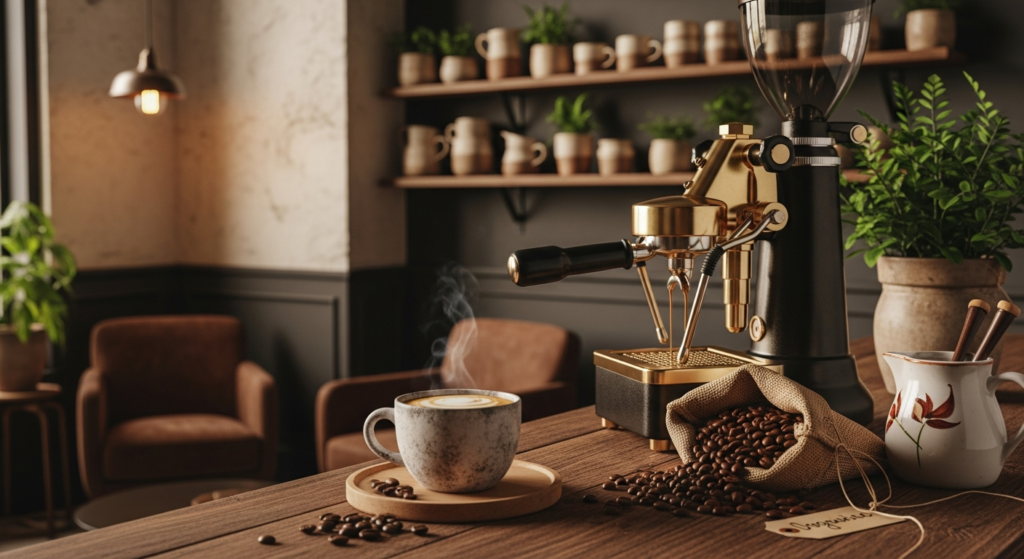
The Best Organic Coffee Beans for Espresso: The 2026 Ultimate Guide for Home Baristas
For the modern coffee enthusiast, the morning ritual is more than a caffeine delivery system; it is a precision-engineered moment of Zen. As we move into 2026, the demand for high-quality, sustainable, and chemical-free coffee has reached an all-time high. Home baristas are no longer satisfied with “standard” espresso blends. Instead, they are seeking out the **best organic coffee beans for espresso**—beans that offer a harmonious balance of rich crema, complex flavor profiles, and environmental integrity.
Choosing organic isn’t just about avoiding synthetic pesticides; it’s about tasting the purity of the terroir. When you pull a shot of organic espresso, you are experiencing the unadulterated essence of the soil, the altitude, and the meticulous processing that defines specialty coffee. In this comprehensive guide, we will explore why organic certification matters, what to look for in a 2026 espresso roast, and how to dial in these premium beans to achieve the perfect “god shot” in your home kitchen.
1. Why Choose Organic Coffee Beans for Espresso?
The transition to organic espresso beans is driven by two main factors: health-consciousness and flavor clarity. In the traditional coffee industry, coffee is one of the most chemically treated crops in the world. For a home barista who consumes two to three shots a day, those trace chemicals can add up. Organic certification ensures that no synthetic fertilizers, herbicides, or pesticides were used during cultivation.
Beyond the health benefits, there is a significant taste advantage. Organic farming practices, such as shade-growing and the use of natural compost, allow coffee cherries to mature more slowly. This slow maturation results in a denser bean with a higher concentration of sugars and complex acids. For espresso, which involves a highly concentrated extraction process, these sugars are vital. They provide the viscous mouthfeel and the lingering sweetness that cuts through the intense bitterness often associated with lower-quality dark roasts.
Furthermore, in 2026, the “Organic” label often goes hand-in-hand with regenerative agriculture. This means the farms are not just “doing no harm” but are actively restoring the soil health and biodiversity of the surrounding ecosystem. When you buy the best organic coffee beans for espresso, you are supporting a supply chain that prioritizes the longevity of the planet as much as the quality of the cup.
2. What to Look for in a Premium Organic Espresso Bean
Not every organic bean is destined for the portafilter. Espresso requires specific physical and chemical properties to withstand high-pressure extraction. When shopping for your 2026 supply, keep these four criteria in mind:
#
The Roast Profile: Beyond “Oily” Beans
Traditionally, espresso was synonymous with ultra-dark, oily roasts. However, 2026 trends favor “Medium-Dark” or “Full City” roasts. These roasts develop the sugars enough to provide chocolatey and nutty notes without carbonizing the bean. Look for beans that have a matte finish or a slight sheen; overly oily beans can clog your grinder and often taste like burnt rubber rather than coffee.
#
Freshness and the “Roasted On” Date
Organic beans are “living” products. Once roasted, they begin to degas carbon dioxide. For espresso, you want beans that are between 7 and 21 days past their roast date. If the beans are too fresh, the excess CO2 will create an uneven extraction and a sour taste. If they are too old, the crema will be thin and the flavors muted. Always check for a specific date, not an “expiration” date.
#
Altitude and Density
Beans grown at higher altitudes (above 1,200 meters) are denser and more acidic. This acidity, when balanced correctly during the roast, provides the “brightness” in an espresso shot—think notes of citrus or stone fruit. Look for origins like Ethiopia, Peru, or the volcanic regions of Guatemala for the best organic results.
#
Certifications
While “Organic” is the keyword, look for secondary certifications like Fair Trade or Bird Friendly. These ensure that the environmental benefits of organic farming are matched by social equity for the farmers, ensuring a sustainable future for the specialty coffee industry.
3. Top Regional Profiles for Organic Espresso in 2026
As we look at the global coffee map in 2026, several regions have emerged as leaders in organic espresso production. Depending on your palate, you may prefer one over the others:
* **Peru (The Smooth All-Rounder):** Peru has become a powerhouse for organic Arabica. These beans are famous for their low acidity and heavy body, featuring notes of milk chocolate, toasted almond, and caramel. They are incredibly forgiving to dial in, making them a favorite for those new to home espresso.
* **Ethiopia (The Floral Specialty):** For the adventurous barista, organic Ethiopian Yirgacheffe or Sidamo beans offer a “modern” espresso experience. Expect high acidity, tea-like bodies, and intense floral and berry aromas. These work best as a “Salami Shot” or a long black.
* **Honduras (The Sweet & Spicy):** Organic Honduran beans often provide a unique spicy undertone, reminiscent of cinnamon or clove, balanced by a deep molasses sweetness. They produce a thick, stable crema that looks beautiful in a glass demitasse.
* **Sumatra (The Earthy Powerhouse):** If you prefer a traditional, heavy-hitting espresso that stands up well in a large latte, organic Sumatran beans are the way to go. They are processed using the “Giling Basah” (wet-hulled) method, which yields earthy, cedar, and tobacco notes with almost zero acidity.
4. The Science of the Shot: Dialing in Organic Beans
Extracting organic espresso is an art form that requires an understanding of variables. Because organic beans often have more delicate flavor compounds, they can be more sensitive to temperature and pressure.
#
The Grind Size
Organic beans, especially those grown at high altitudes, can be quite hard. You will likely need a high-quality burr grinder to achieve the fine, uniform consistency required for espresso. If your shot is running too fast (under 20 seconds), your grind is too coarse. If it’s dripping slowly and tastes bitter, you’ve gone too fine.
#
Water Temperature
For medium-roast organic beans, aim for a brew temperature between 198°F and 202°F (92°C – 94°C). If you are using a lighter organic roast, you may need to increase the temperature to 205°F to help break down the dense cellular structure of the bean and extract those hidden sugars.
#
The Ratio
In 2026, the standard “double shot” ratio is 1:2. This means if you put 18 grams of ground organic coffee into your portafilter, you should aim for 36 grams of liquid espresso in the cup. This ratio typically highlights the balance between the bright organic acids and the deep roast flavors.
5. Storage and Freshness: Protecting Your Investment
You’ve spent the money on the best organic coffee beans for espresso; don’t let them go stale in a week. Organic beans are particularly sensitive to oxidation.
The biggest enemies of your coffee beans are light, heat, moisture, and oxygen. Never store your beans in the hopper of your grinder overnight, as hoppers are rarely airtight. Instead, use an opaque, vacuum-sealed canister. Some 2026 models of coffee storage even feature one-way valves that allow CO2 to escape while preventing oxygen from entering.
Contrary to old myths, do not store your espresso beans in the fridge or freezer unless you are planning to store them for more than a month. The moisture in the fridge can damage the delicate oils, and taking beans in and out of the freezer causes condensation, which ruins the flavor profile instantly. Keep them in a cool, dark cupboard, and only grind what you need immediately before brewing.
6. Ethics and Sustainability in the 2026 Coffee Market
The “organic” label is just the tip of the iceberg in 2026. The most discerning home baristas are now looking for “Carbon Neutral” and “Plastic-Free” packaging. When sourcing your espresso beans, look for roasters who use compostable bags or refillable tin programs.
Sustainability also extends to the economic side. “Direct Trade” is a term to watch for. It means the roaster has a personal relationship with the organic farmer, often paying well above the Fair Trade minimum. This ensures the farmer can afford the labor-intensive practices required for organic farming. By choosing these brands, you are ensuring that the high-quality organic espresso you enjoy today will still be available for decades to come.
FAQ: Everything You Need to Know About Organic Espresso
**Q1: Is organic espresso less acidic than regular espresso?**
Not necessarily. The acidity of an espresso is determined by the bean’s origin, altitude, and roast level. However, many people find organic coffee “smoother” because it lacks the chemical aftertaste sometimes present in mass-produced, non-organic beans.
**Q2: Can I use organic “drip” coffee beans in my espresso machine?**
Technically, yes, but it isn’t recommended. “Drip” or “Filter” roasts are usually lighter. When subjected to the 9 bars of pressure in an espresso machine, these beans can taste extremely sour and thin. Look for beans specifically labeled as “Espresso Roast” or “Omni-Roast.”
**Q3: Does organic coffee produce a better crema?**
Crema is a byproduct of CO2 and oils. While organic farming produces high-quality oils, the thickness of the crema depends more on the freshness of the roast and the presence of Robusta beans (though most specialty organic espresso is 100% Arabica).
**Q4: Why is organic espresso more expensive?**
Organic farming is more labor-intensive. Farmers must manage pests manually or with natural deterrents, and organic fertilizers cost more than synthetic ones. Additionally, the certification process itself is an added expense for the farmer and the roaster.
**Q5: How can I tell if my beans are truly organic?**
Look for the USDA Organic seal or the equivalent logo from your country (such as the EU Organic leaf). Furthermore, reputable specialty roasters will often provide “transparency reports” on their websites, detailing the exact farm and certification status of the crop.
Conclusion: The Future of Your Morning Cup
As we embrace the coffee trends of 2026, it is clear that the best organic coffee beans for espresso represent the pinnacle of home brewing. They offer a guilt-free luxury that respects both the body of the consumer and the health of the planet. By selecting high-altitude, medium-dark organic roasts and mastering the variables of your espresso machine, you can achieve a cafe-quality experience that is purer and more flavorful than ever before.
Whether you prefer the chocolatey depths of a Peruvian roast or the bright, floral complexity of an Ethiopian bean, the world of organic espresso is vast and rewarding. Invest in quality, prioritize freshness, and enjoy the ritual of crafting the perfect organic shot. Your palate—and the planet—will thank you.