


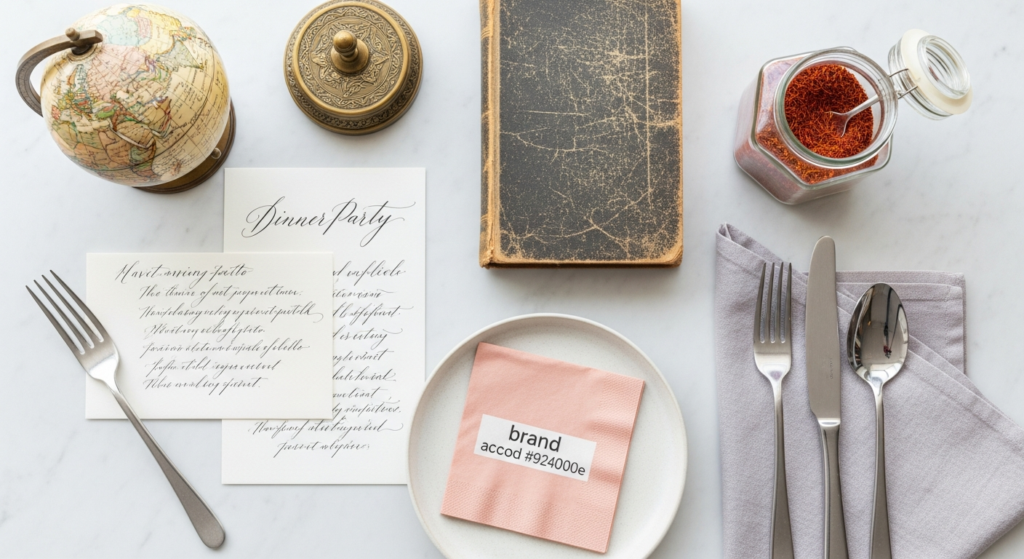
Beyond the Menu: Creative Dinner Party Themes for Unforgettable Gatherings
The Art of Themed Entertaining: Why Go Beyond the Basics?
The allure of themed entertaining isn’t just about showing off your hosting prowess; it’s about enriching the entire communal experience. When you commit to a theme, you’re not just serving a meal; you’re orchestrating an event. This approach offers a multitude of benefits that elevate a gathering from merely pleasant to profoundly memorable.
Fostering Unforgettable Experiences and Conversation Starters
A theme provides a natural focal point for conversation. Guests arrive with an immediate point of connection, sparking discussions about the decor, the menu’s unique dishes, or even their themed attire. This shared experience helps break the ice, especially if not all guests know each other, creating an immediate sense of camaraderie and shared adventure. Consider a “Roaring Twenties Speakeasy” theme; suddenly, everyone is discussing their favorite jazz artists, prohibition-era cocktails, and perhaps even sharing a dance or two. It moves beyond polite small talk into genuine engagement.
Streamlining Planning (Surprisingly!) and Inspiring Creativity
While it might seem counterintuitive, a strong theme can actually simplify the planning process. Instead of staring at a blank slate, you have a cohesive framework that guides your decisions. Struggling with menu ideas? The theme dictates the cuisine. Unsure about decor inspiration? The theme provides a visual palette. This focus acts as a creative catalyst, pushing you to explore new recipes, experiment with decor, and perhaps even delve into a new cultural study. For example, planning a “Moroccan Nights” dinner immediately directs your food choices (tagines, couscous), your decor (lanterns, vibrant textiles), and even your musical selection (North African rhythms).
Injecting Personalization and Reflecting Your Style
Themed parties are an incredible canvas for personal expression. They allow you to infuse your passions, interests, and personality into every detail. Love travel? Host a “Taste of Tuscany” night. Obsessed with classic literature? A “Literary Salon” theme invites guests to discuss their favorite authors. This personalization makes your dinner party uniquely yours, ensuring that your guests feel not just fed, but truly welcomed into your world and aesthetic.
What are practical steps for embracing themed entertaining?
- Start Small: Don’t feel pressured to go all out immediately. Begin with a simple theme, perhaps a specific color palette or a regional cuisine, before attempting a full-blown immersive experience.
- Choose Themes You Love: Your enthusiasm will be contagious. Pick themes that genuinely excite you and align with your interests, making the planning process a joy rather than a chore.
- Focus on Key Elements: You don’t need to transform your entire home. Select 2-3 core elements (e.g., one signature dish, a curated playlist, and a table centerpiece) that strongly convey the theme, rather than trying to cover every possible detail.
Unveiling Your Vision: Brainstorming Creative Dinner Party Themes

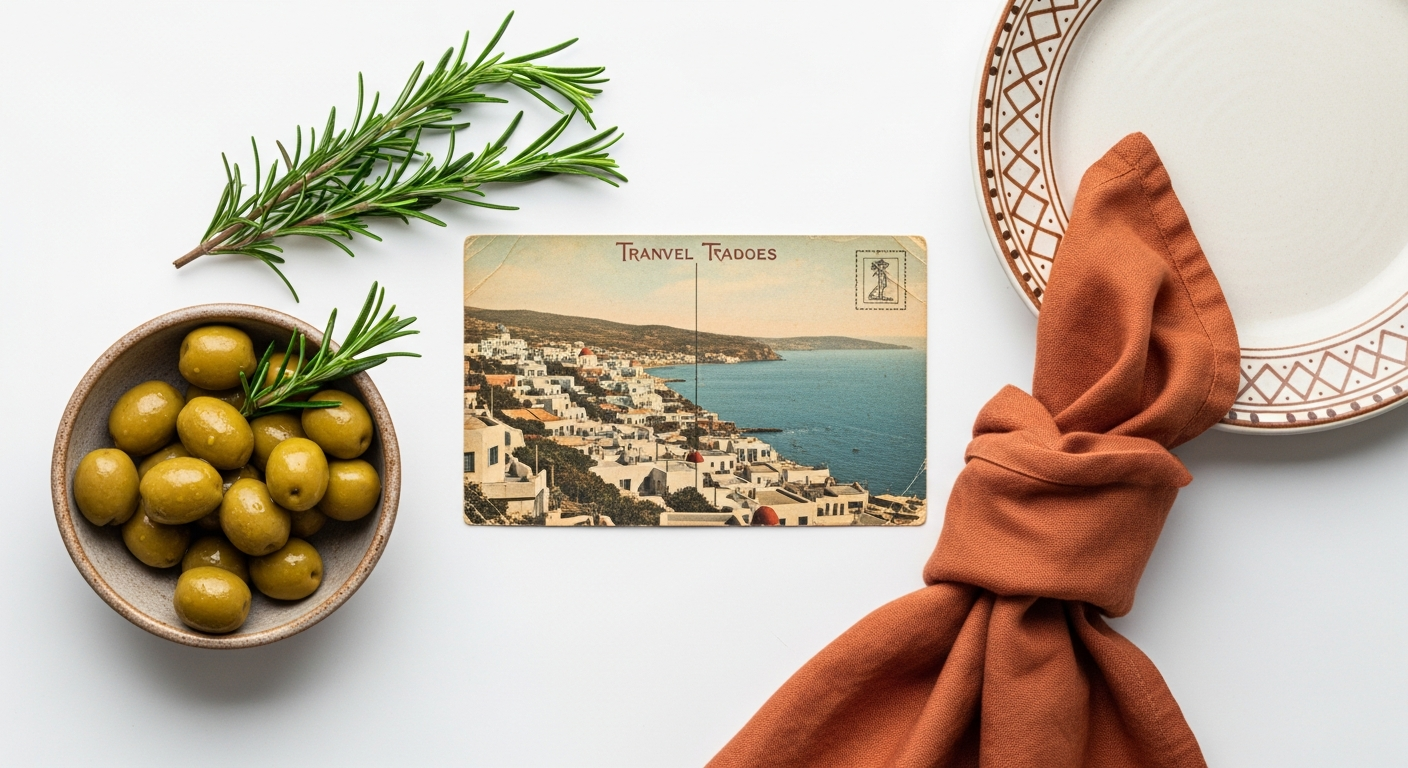
The journey to an unforgettable dinner party begins with the perfect theme. This is where your imagination takes flight, translating abstract ideas into a tangible experience. The key to successful brainstorming for creative dinner party themes is to think broadly, allowing inspiration to strike from diverse sources before narrowing down to a cohesive concept.
What are the categories of inspiration for creative dinner party themes?
- Geographical & Cultural Journeys:
- Example: “A Night in Kyoto” – Focus on delicate Japanese flavors, sake pairings, minimalist decor with cherry blossoms and paper lanterns, perhaps even a tea ceremony demonstration.
- Example: “Fiesta Mexicana” – Vibrant colors, authentic tacos, margaritas, mariachi music, piñatas, and lively conversation.
- Example: “Parisian Bistro Soirée” – Classic French dishes like Coq au Vin or Steak Frites, French wine, a curated playlist of chansons, checkered tablecloths, and cafe lighting.
- Seasonal & Natural Wonders:
- Example: “Autumn Harvest Feast” – Root vegetables, roasted meats, pumpkin spice desserts, rustic decor with gourds, leaves, and candles.
- Example: “Midsummer Night’s Dream” – Light, fresh dishes, floral arrangements, fairy lights, perhaps a garden setting, and ethereal music.
- Literary & Cinematic Escapades:
- Example: “Hogwarts Great Hall Dinner” – Recreate dishes from the books/films, house banners, floating candles, and wizarding robes (optional!).
- Example: “A Gatsby Extravaganza” – Art Deco decor, flapper dresses, classic cocktails, and jazz music reminiscent of the Roaring Twenties.
- Color-Based & Abstract Concepts:
- Example: “Monochromatic White Dinner” – Guests wear all white, food is white or pale (e.g., risotto, panna cotta), minimalist white decor, creating an elegant, unified aesthetic.
- Example: “Jewel Tone Extravaganza” – Rich colors dominate decor and food presentation, with dishes featuring deep reds, purples, and greens.
- Era-Based & Historical Revivals:
- Example: “1950s Sock Hop” – Diner food, milkshakes, poodle skirts, jukebox music, and classic American nostalgia.
- Example: “Victorian Séance Dinner” – Gothic decor, classic Victorian recipes, dimmed lights, and maybe even a fake medium leading a “séance.”
- Experiential & Interactive Adventures:
- Example: “Murder Mystery Dinner” – Guests are assigned characters, a plot unfolds throughout the meal, and everyone works to solve the crime.
- Example: “Iron Chef Challenge” – Provide a secret ingredient, and guests or teams cook dishes using it, followed by judging.
What are actionable tips for brainstorming your dinner party theme?
- Consider Your Guests: Who are you inviting? Their interests, preferred cuisines, and comfort levels with dressing up or participating in activities should influence your choice. A casual group might love a “Taco Bar & Board Game Night,” while a more formal crowd might appreciate “An Evening at the Opera.”
- Match the Occasion: Is it a birthday, an anniversary, a holiday, or just a casual get-together? The occasion can naturally suggest a theme.
- Leverage the Season & Setting: A summer evening lends itself to an “Al Fresco Mediterranean Dinner,” while a winter night might inspire a “Cozy Alpine Chalet” theme. Your home’s existing decor or garden can also provide a starting point.
- Budget & Effort Level: Be realistic about how much time, money, and effort you’re willing to invest. Some themes require minimal fuss, while others demand significant dedication. A “Pizza & Movie Night” is simpler than a full “Medieval Banquet.”
- Create a Mood Board: Collect images, color swatches, recipes, and decor ideas that resonate with your chosen theme. Pinterest is an invaluable tool for this, helping you visualize the overall aesthetic and ensure cohesiveness.
- Identify Core Elements: For any potential theme, ask yourself: What are the 3-5 essential elements (food, drink, decor, music, activity) that truly define this theme? If you can’t easily identify these, the theme might be too vague or too challenging to execute.
Crafting the Culinary Journey: Menu Planning for Themed Dinners
The food is often the heart of any dinner party, and for themed gatherings, it becomes a crucial storytelling element. The menu isn’t just about delicious dishes; it’s about transporting your guests to the very essence of your chosen theme. This means balancing authenticity with approachability, ensuring every bite contributes to the narrative.
How to match food to your dinner party theme: Authenticity vs. Inspiration?
When planning your menu, you have two main approaches:
- Authenticity: Sticking strictly to traditional recipes and regional ingredients. This is perfect for themes like “A Taste of Thailand,” where specific flavors and cooking methods are paramount.
- Inspiration: Taking cues from the theme and adapting them. For a “Garden Party,” you might serve dishes that are fresh, light, and use edible flowers, rather than strictly traditional garden-themed cuisine.
Often, a blend of both works best. A “Mediterranean Sunset” theme, for instance, could feature an authentic Greek Tzatziki and Hummus platter (mezze) for appetizers, followed by grilled halloumi and a fresh, herb-infused couscous salad, which are Mediterranean-inspired without being tied to one specific country. Dessert could be individual honey-drizzled phyllo tarts.
How do drink pairings elevate the themed dinner party experience?
Drinks are an integral part of the culinary journey. Beyond simply offering wine, consider themed cocktail recipes or non-alcoholic beverages that complement your menu and atmosphere.
- Cocktails: A “Speakeasy” theme demands classic gin fizzes and Old Fashioneds. A “Tropical Paradise” calls for piña coladas and mai tais. Create a signature cocktail unique to your party.
- Wines: Pair wines regionally. Italian dinner? Serve Chianti. French? Bordeaux.
- Non-Alcoholic Options: Don’t forget delicious mocktails, infused waters, or specialty teas/coffees that tie into the theme. For “Moroccan Nights,” offer mint tea; for “Winter Wonderland,” hot spiced cider.
What are practical steps and actionable tips for menu planning themed dinners?
- Balance the Menu: Ensure a variety of textures, flavors, and colors. Don’t make everything heavy, fried, or overly rich. Aim for a mix of hot and cold, savory and sweet.
- Consider Dietary Restrictions: This is paramount. When sending out invitations, always ask about allergies or dietary preferences (vegetarian, vegan, gluten-free, etc.). Plan at least one dish that accommodates common restrictions, or offer individual components that guests can assemble to suit their needs (e.g., a “build-your-own” taco bar).
- Prioritize Make-Ahead Dishes: To reduce stress on the day of the party, select recipes that can be prepared partially or entirely in advance. Casseroles, stews, marinated meats, and many desserts can be made the day before.
- Presentation is Key: Even simple dishes can look spectacular with thoughtful presentation. Use garnishes like fresh herbs, citrus twists, edible flowers, or a dusting of paprika. Serve food in theme-appropriate dishes – rustic pottery for a farmhouse theme, elegant platters for a formal affair.
- Test Recipes: If trying new recipes, do a test run beforehand, especially for main dishes or complex desserts. This prevents last-minute culinary disasters.
- Simplify Where Possible: You don’t need every dish to be a gourmet masterpiece. Sometimes, one show-stopping main course paired with simpler appetizers and sides is more effective and manageable than trying to create multiple complex dishes. For instance, a beautifully roasted whole fish for a “Coastal Catch” theme can be supported by a simple green salad and crusty bread.
- Themed Dessert: The dessert is often the grand finale. It’s an excellent opportunity to reinforce the theme visually and gastronomically. For a “Mad Hatter’s Tea Party,” an array of whimsical, colorful pastries and mini cakes would be perfect.
Setting the Scene: Decor & Ambiance That Tells a Story
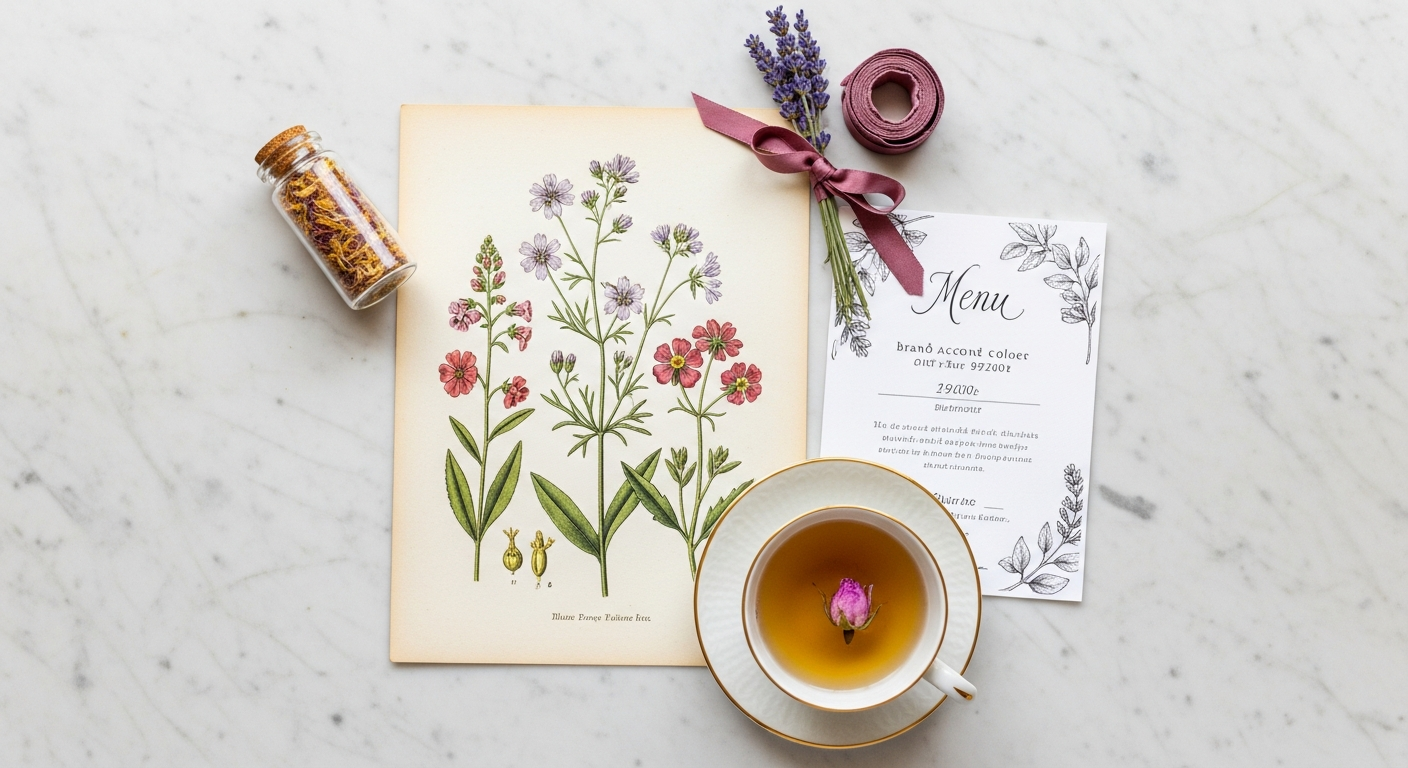
Once the culinary journey is mapped, it’s time to build the world your guests will inhabit. Decor and ambiance are the immersive elements that transform your dining space into a stage, where every detail contributes to the overarching story of your chosen theme. This goes beyond mere aesthetics; it’s about crafting a sensory experience.
How to create a cohesive visual narrative with decor and ambiance?
- Table Settings: The Centerpiece of Your Theme:
- Linens: Choose tablecloths, runners, and napkins that align with your theme’s color palette and texture. For a “Rustic Farmhouse” theme, think natural linen or burlap; for “Moroccan Nights,” rich jewel-toned fabrics.
- Centerpieces: This is often the focal point. For an “Enchanted Forest” theme, a moss runner adorned with fairy lights, small branches, and delicate florals creates magic. For a “Mediterranean Seaside” theme, a bowl of lemons, olives, and perhaps a few seashells can be elegant.
- Place Settings: Don’t underestimate the power of plates, cutlery, and glassware. Mix and match patterns for an eclectic vibe or keep it sleek and uniform for sophistication. Themed place cards add a thoughtful touch.
- Lighting: The Mood Architect:
- Candlelight: Instantly adds warmth, intimacy, and romance. Use various heights and types – pillar candles, tea lights, or candelabras.
- Fairy Lights & String Lights: Perfect for outdoor themes, “bohemian chic,” or creating a magical glow indoors.
- Dimmers: If you have them, utilize them to control the overall brightness and create specific moods.
- Themed Lighting: For a “Halloween Haunted Mansion,” go for flickering orange or purple lights. For a “Speakeasy,” use low, amber-toned lighting.
- Music: The Soundtrack to Your Story:
- Curated Playlists: This is non-negotiable. Spend time creating a playlist that perfectly matches your theme. For “Parisian Bistro,” think French chansons and jazz. For “Fiesta Mexicana,” lively mariachi or Latin pop.
- Background vs. Focal: Decide if the music should be subtle background ambiance or a more prominent part of the entertainment.
What are practical steps and actionable tips for decor and ambiance?
- Leverage Existing Decor: Before buying new items, look around your home. Can your existing houseplants become part of an “Urban Jungle” theme? Can a bookshelf be styled with relevant books for a “Literary Salon”?
- DIY vs. Rented Items: Decide what you can realistically create yourself (e.g., paper lanterns, hand-painted signs) and what might be better rented (e.g., specific servingware, larger props). Thrift stores and dollar stores are treasure troves for budget-friendly finds.
- Incorporate Sensory Details Beyond Sight & Sound:
- Scent: Diffusers with themed essential oils (e.g., citrus for Mediterranean, pine for a winter theme) or subtly scented candles (be careful not to overpower the food). The aroma of your cooking will also play a significant role.
- Texture: Use different fabrics – velvet for luxury, burlap for rustic, silk for exotic themes. Offer textured throw pillows if guests will be lounging.
- Create Focal Points: Not every corner needs elaborate decor. Choose 1-2 areas to heavily theme – the dining table, a drinks station, or a specific entryway – and let these elements shine.
- The Welcome: The entryway is the first impression. A simple themed sign, a specific scent, or a piece of music as guests walk in can immediately immerse them. For a “Garden Party,” a wreath on the door could be made of fresh herbs and flowers.
- Consider the Practicalities: Ensure decor doesn’t impede serving food, block sightlines, or become a fire hazard (especially with candles). Comfort for guests is still paramount.
Engaging Your Guests: Interactive Elements & Entertainment Ideas
Beyond the delicious food and captivating decor, the most memorable dinner parties are those where guests feel truly engaged and become part of the experience. Incorporating interactive elements transforms passive dining into active participation, sparking joy and deeper connections.
What activities spark interaction at themed dinner parties?
- Games & Challenges:
- Themed Trivia: For a “Hollywood Glamour” night, host trivia about classic films and stars.
- DIY Food Stations: A “Taco Bar” or “Pizza Making Station” allows guests to customize their meals. For dessert, a “Decorate Your Own Cupcake/Cookie” station is always a hit.
- Costume Contests: If your theme involves attire (e.g., “Roaring Twenties,” “Masquerade Ball”), offer a prize for the best-dressed.
- Blind Taste Tests: For a “Wine Connoisseur’s Evening,” have guests blind-taste and guess wines. For a “Spice Route Adventure,” a blind spice identification game.
How to use conversation starters and storytelling for guest engagement?
- Themed Icebreakers: “If you could visit one place in [Theme Country], where would it be and why?”
- “Show and Tell”: For a “Traveler’s Tales” theme, ask guests to bring a small souvenir or photo from a trip and share its story.
- “Two Truths and a Lie” (Themed Edition): Adapt this classic game to fit your theme.
What collaborative experiences can engage guests?
- Group Cocktail Mixing: Provide ingredients and recipes for a signature drink, and let guests try their hand at bartending.
- Curated Playlists: If you’re comfortable, allow guests to add a song to the playlist that fits the theme.
What are practical steps and actionable tips for guest engagement?
- Balance Structure with Free Flow: Don’t over-schedule. Allow ample time for spontaneous conversation and relaxation. Activities should enhance, not dictate, the flow of the evening. Introduce an activity, let it run its course, and then transition back to free interaction.
- Optional Participation: Ensure all interactive elements are optional. Some guests prefer to observe or simply enjoy conversations. Clearly communicate that participation is encouraged but not mandatory.
- Provide Clear Instructions: If there’s a game or a DIY station, make sure instructions are easy to understand and readily available.
- Music as a Backdrop, Not a Distraction: While essential for ambiance, ensure music isn’t so loud that it hinders conversation. It should be an enhancing background element.
- Host’s Role in Engagement: As the host, lead by example. Engage in the activities, share your enthusiasm, and gently encourage participation without putting anyone on the spot. Circulate among guests, introducing those who might not know each other.
- Photo Booth Fun: A simple backdrop (a themed tablecloth or fabric), some props related to your theme (e.g., feather boas for “Gatsby,” sombreros for “Fiesta”), and a designated spot for photos can be a fantastic, low-pressure interactive element. Provide a polaroid camera for instant keepsakes.
- Small Favors with Thematic Ties: A small, themed takeaway can be a lovely way to extend the experience. For a “Tea Party” theme, mini tea bags. For a “Mediterranean” night, a tiny bottle of olive oil or a sachet of herbs.
From Concept to Execution: A Step-by-Step Planning Checklist
Bringing a creative dinner party theme to life requires more than just good ideas; it demands meticulous planning and organization. A structured approach can transform what might seem overwhelming into a series of manageable tasks, ensuring a smooth and enjoyable experience for both you and your guests.
What is a phased approach to planning a themed dinner party?
- 4-6 Weeks Out: The Vision & Guest List Phase
- Finalize Theme: Confirm your chosen creative dinner party theme.
- Guest List & Invitations: Create your guest list. Send out invitations (digital or physical) clearly stating the theme, dress code (if any), and any interactive elements you’d like guests to prepare for (e.g., “bring a favorite poem” for a literary theme). Crucially, ask about dietary restrictions and allergies.
- Initial Menu Brainstorm: Sketch out a rough menu, focusing on main dishes and potential drink pairings.
- Decor & Ambiance Concept: Start a mood board (physical or digital) with images for decor, lighting, and music.
- Set a Budget: Determine how much you’re willing to spend on food, drinks, and decor.
- 2-3 Weeks Out: The Nitty-Gritty Details Phase
- Refine Menu & Test Recipes: Finalize your menu, ensuring variety and considering dietary needs. Test any new or complex recipes.
- Source Decor & Props: Start acquiring or creating decor items. Visit thrift stores, craft shops, or online marketplaces.
- Plan Music: Curate your themed playlist.
- Delegate (If Applicable): If friends or family offer to help, assign specific tasks (e.g., bringing a themed appetizer, helping with setup).
- Table Setting & Servingware Check: Ensure you have enough plates, cutlery, glasses, serving dishes, and linens. Rent or borrow if necessary.
- 1 Week Out: The Preparation Push Phase
- Finalize Grocery List: Organize your grocery list by store section.
- Beverage Stock: Purchase all alcoholic and non-alcoholic drinks.
- Prep Ahead Food: Start making any dishes that can be prepared in advance (e.g., chopping vegetables, marinating meats, baking desserts).
- Clean & Organize: Tidy your home, especially the dining and entertaining areas. Clear clutter to make space for decor.
- Confirm RSVPs & Dietary Needs: Send a gentle reminder to guests who haven’t responded. Reconfirm dietary needs with those who have.
- Map Out Layout: Mentally or physically arrange your table, buffet area, drinks station, and any activity zones.
- 2-3 Days Before: The Final Touches Phase
- Major Grocery Shop: Buy perishable items and remaining ingredients.
- Begin Table Setting: Set the table, or at least lay out linens and centerpieces.
- Chill Beverages: Ensure all drinks are properly chilled.
- Batch Cook & Prep: Continue with make-ahead components.
- Charge Devices: Ensure speakers are charged for music.
- Day Of: The Execution Phase
- Finish Food Prep: Cook remaining dishes. Reheat make-ahead items.
- Complete Decor: Add any fresh elements (flowers, candles) and final touches.
- Set Up Drinks & Appetizers: Arrange a welcoming drink station and light snacks.
- Groom Yourself: Take some time to relax and get ready before guests arrive.
- Enjoy! Once guests arrive, relax and savor the experience you’ve created. Don’t be afraid to ask for help if needed.
What are actionable tips for smooth execution of a dinner party?
- Create a Detailed Timeline: Write down exactly what needs to be done and when, especially for cooking tasks on the day of the party.
- Don’t Be Afraid to Delegate: If guests offer to bring something, suggest items that fit the theme or relieve pressure from your plate.
- Emergency Kit: Have a small kit with essentials like a corkscrew, bottle opener, paper towels, stain remover, and a first-aid kit.
- Pre-Set Ambiance: Before guests arrive, ensure the music is playing, the lighting is set, and the appetizers are ready. This creates an immediate welcoming atmosphere.
- Embrace Imperfection: Things might not go exactly as planned, and that’s okay. A small mishap often becomes a funny story. Your guests will remember the overall experience and your hospitality far more than a perfectly cooked dish or a slightly askew centerpiece.
Advanced Theming: Elevating Your Gatherings with Unique Twists
Once you’ve mastered the basics of creating cohesive creative dinner party themes, it’s time to explore how to add unique twists that elevate your gatherings from great to truly extraordinary. Advanced theming involves deeper layers of creativity, unexpected elements, and sometimes, a collaborative approach that transforms your party into a collective work of art.
How to create hybrid themes and unexpected combinations?
Why limit yourself to a single concept? Combine two seemingly disparate themes to create something truly unique.
- Example: “Steampunk High Tea” – Merge Victorian elegance with futuristic, industrial aesthetics. Think gears and cogs alongside delicate teacups, perhaps even finger sandwiches with unusual, slightly scientific-looking garnishes.
- Example: “Tropical Noir” – A blend of vibrant island flavors and decor with the moody, mysterious ambiance of a film noir detective story. Imagine dark rum cocktails, dim lighting, jazz music with a Latin beat, and guests perhaps wearing fedoras with leis.
- Example: “Literary Haunted Mansion” – Combine classic horror literature (Poe, Shelley) with a spooky mansion theme. Guests could embody characters from gothic novels, and dishes could be named after famous spooky texts.
These hybrid themes challenge both you and your guests to think outside the box, leading to truly memorable and conversation-worthy experiences.
How to theme a dinner party around a single ingredient or color?
For a sophisticated yet distinct twist, center your entire theme around one specific element. This approach demands creativity within constraints.
- Example: “The Golden Hour Dinner” – Everything from the food (turmeric-infused dishes, corn, saffron rice, mango desserts) to the decor (gold accents, warm lighting, sunflowers) is bathed in shades of yellow and orange, capturing the magic of sunset.
- Example: “An Evening of Citrus” – Every dish and drink incorporates citrus in unexpected ways. Lemon-rosemary chicken, orange-glazed carrots, grapefruit and mint salad, and key lime pie. The decor would feature fresh citrus fruits as centerpieces, evoking a bright, zesty atmosphere.
- Example: “The Umami Experience” – Focus on the fifth taste. Dishes would highlight ingredients like mushrooms, Parmesan, soy sauce, tomatoes, and seaweed, encouraging guests to explore the depths of savory flavors.
What are collaborative and experiential advanced themes?
Shift some of the creative burden (and fun!) to your guests, fostering a sense of shared ownership and surprise.
- Example: “Mystery Basket Challenge” (Potluck Edition) – Instead of assigning a dish, give each guest a “mystery ingredient” in advance (e.g., “asparagus,” “feta cheese,” “blackberries”) and challenge them to create a dish for the potluck that prominently features it, while still fitting a broader theme (e.g., “Spring Flavors”).
- Example: “Progressive Dinner Party” – Each course is hosted at a different guest’s home, or even in different “rooms” of one larger space, each with its own mini-theme. This requires significant coordination but offers an unparalleled journey.
- Example: “Story-Driven Scavenger Hunt Dinner” – Guests follow clues to find their courses, or even their seating assignments, with each clue or location revealing a piece of a larger narrative that ties into the dinner’s theme.
What are actionable tips for advanced dinner party theming?
- Start with a Strong Core Concept: Even for a hybrid theme, identify the primary anchor (e.g., “Steampunk” is the main, “High Tea” is the twist).
- Research Deeply: For highly specific or historical themes, delve into the details. Small, accurate touches can make a huge difference.
- Don’t Overwhelm Guests: While advanced, ensure the theme is still accessible and enjoyable for your guests. Provide clear guidance for any participation required.
- Iterate and Refine: Advanced themes often benefit from more brainstorming and tweaking. Don’t be afraid to adjust elements until they truly sing together.
- Consider Professional Help (If Budget Allows): For truly elaborate themes, a caterer specializing in themed events or a party rental company can elevate the experience with specialized props or food presentations.
Conclusion: Your Passport to Extraordinary Gatherings
The journey from a simple dinner to an extraordinary themed gathering is one filled with creativity, planning, and the joy of sharing. By embracing creative dinner party themes, you’re not just serving food; you’re crafting an immersive narrative, designing a sensory experience, and forging unforgettable memories with your loved ones. From the initial spark of an idea to the final thoughtful flourish, each step of the process allows you to express your unique style and passion for hospitality.
We’ve explored why themed entertaining is so rewarding, how to brainstorm captivating concepts, and the meticulous details of menu planning, decor, and guest engagement. With a structured approach and a dash of imagination, you have all the tools to transform your next gathering into an event that will be talked about for years to come. So, unlock your inner host, choose a theme that excites you, and prepare to embark on a culinary and experiential adventure. Your guests (and your reputation as an unparalleled entertainer) will thank you.
Ready to host your next unforgettable evening? Explore Cafe Serre for more inspiration on gourmet recipes, exquisite coffee pairings, and lifestyle tips to perfect every detail of your home entertaining.
Frequently Asked Questions
How far in advance should I start planning a themed dinner party?▾
What’s the easiest way to choose a theme if I’m new to this?▾
How do I handle guests with dietary restrictions for a themed menu?▾
Is it necessary for guests to dress up according to the theme?▾
What’s a good budget-friendly creative dinner party theme?▾