


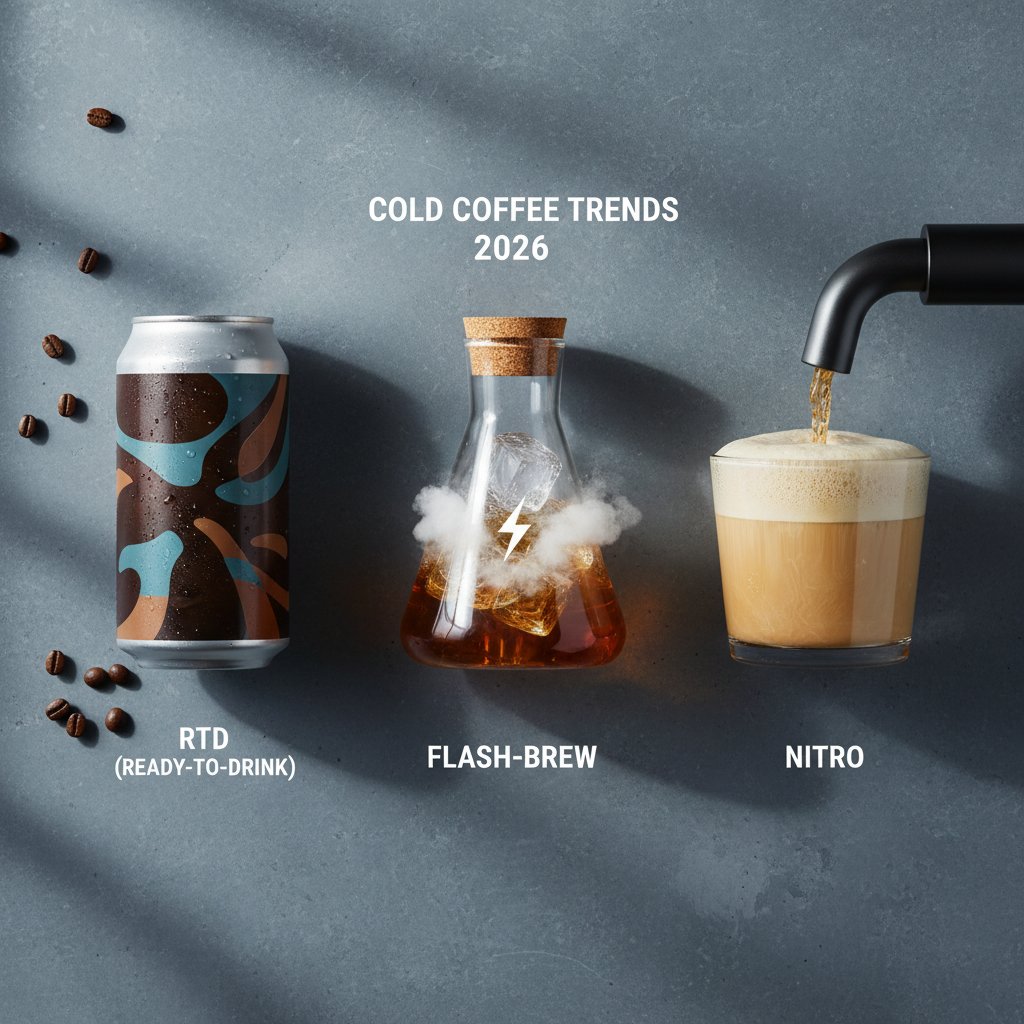
Cold Coffee Trends in 2026: RTD, Flash-Brew, and Nitro Innovations
Affiliate disclosure: This article may contain affiliate links. Recommendations are independent and editorially driven.
The coffee landscape is constantly evolving, but few sectors have seen as explosive growth and innovation as cold coffee. As we navigate 2026, the trends shaping this chilled beverage category are more dynamic and diverse than ever before. From the pervasive convenience of **Ready-to-Drink (RTD) formulations** to the nuanced complexity of **flash-brew techniques** and the luxurious indulgence of **nitro infusions**, cold coffee is no longer a seasonal novelty but a year-round staple. This deep dive explores the cutting-edge developments, consumer preferences, and technological advancements that are defining the cold coffee experience today.
For coffee connoisseurs and casual drinkers alike, the progression from basic iced coffee to today’s sophisticated offerings reflects a broader shift towards quality, convenience, and functional benefits. The industry is responding to discerning palates and busy lifestyles, providing options that cater to every need, from a quick energy boost to a gourmet experience on the go. The focus has sharpened on optimizing extraction methods, enhancing mouthfeel, and integrating health-conscious elements, all while pushing the boundaries of flavor profiles.
At cafeserre, we’ve observed these shifts firsthand, tracking the emergence of new technologies and the re-imagination of traditional brewing methods. Our analysis is based on industry reports, consumer data, and extensive sensory evaluations, ensuring we capture the pulse of the market. This article aims to provide a comprehensive overview, equipping you with the knowledge to understand and appreciate the intricate world of cold coffee in 2026.
The RTD Revolution: Convenience Meets Craft
The **Ready-to-Drink (RTD) coffee market** continues its meteoric rise, projected to dominate a significant share of the global coffee industry in 2026. What began as a grab-and-go convenience has transformed into a sophisticated category offering artisanal quality, diverse flavor profiles, and highly specialized functional benefits. Today’s RTD landscape is characterized by innovation in both form and function, catering to an increasingly health-conscious and discerning consumer base.
Micro-Roaster Movement in RTD
Once the domain of large corporations, the RTD space has seen a significant influx of **small-batch, micro-roasters**. These companies are leveraging their expertise in sourcing and roasting specialty beans to produce premium cold coffee beverages. By emphasizing **single-origin craft** and direct-trade relationships, they offer transparency and a unique narrative that resonates with consumers seeking authenticity. This trend blurs the lines between café culture and convenience, bringing barista-quality coffee directly to the consumer’s fridge.
- **Traceability:** Consumers expect to know the origin of their beans, the ethical practices involved, and the roasting profile. RTD brands are responding with detailed labeling and QR codes linking to farm-to-cup stories.
- **Flavor Innovation:** Beyond traditional dairy and sweetener combinations, micro-roasters are experimenting with natural fruit infusions, botanical extracts, and exotic spice blends, offering complex, layered experiences.
- **Partnerships:** Collaborations between established craft brewers and specialty coffee roasters are yielding inventive hybrid beverages, often featuring unique fermentation or aging techniques.
Functional Coffee: Beyond the Buzz
The integration of **functional ingredients** into RTD coffee is no longer a niche concept but a mainstream expectation. Consumers are looking for more than just a caffeine kick; they want beverages that support their overall well-being. By 2026, categories like adaptogen-enriched RTD and cognitive-boosting blends are experiencing robust growth, driven by scientific advancements and increased consumer awareness.
One of the most significant entities in this space is the strategic pairing of caffeine with **L-theanine**, an amino acid found in green tea. L-theanine is known to promote relaxation without drowsiness, offsetting the jitters sometimes associated with caffeine and creating a smoother, more focused energy. This synergistic effect is highly sought after by professionals and students alike.
In addition to L-theanine, other popular functional additions include:
- **Adaptogens:** Mushrooms like Reishi, Chaga, and Lion’s Mane, as well as botanicals like Ashwagandha and Rhodiola, are increasingly common. These ingredients are chosen for their purported stress-reducing, immune-modulating, and cognitive-enhancing properties.
- **MCT Oil (Medium-Chain Triglycerides):** Popularized by the ‘bulletproof’ coffee movement, MCT oil is celebrated for its ability to provide sustained energy, support cognitive function, and aid in satiety. RTD brands are integrating it into creamy coffee alternatives.
- **Soluble Dietary Fiber:** To improve gut health and add a satiety factor, some RTD options now include prebiotic fibers, contributing to a more holistic health benefit.
- **Nootropics:** Beyond L-theanine, other cognitive enhancers like Alpha-GPC, Citicoline, and various B vitamins are being incorporated to support memory, focus, and mental clarity.
This evolving focus on functionality means that RTD coffee is increasingly viewed as a wellness beverage, fitting seamlessly into various lifestyle choices, from athletic recovery to busy workday productivity.
Sustainable Packaging and Production
Environmental concerns remain at the forefront of consumer decisions, and the RTD market is responding with innovative **sustainable packaging solutions**. The move away from single-use plastics towards **aluminum cans**, recyclable glass bottles, and **compostable materials** is accelerating. Beyond packaging, brands are also emphasizing sustainable sourcing practices and energy-efficient production methods.
A crucial technological advancement in ensuring the premium quality and extended shelf-life of these functional RTD beverages is **High-Pressure Processing (HPP)**. HPP is a non-thermal pasteurization method that utilizes extremely high pressure to inactivate bacteria, yeasts, and molds, all while preserving the delicate flavor profiles, nutrient content, and fresh characteristics of the coffee without resorting to heat pasteurization. This means that the vibrant, complex notes of specialty beans and the efficacy of sensitive functional ingredients like adaptogens and L-theanine are maintained, providing a superior product to the consumer.
[INLINE IMAGE 1: 

Flash-Brew: The Art and Science of Iced Coffee Perfection

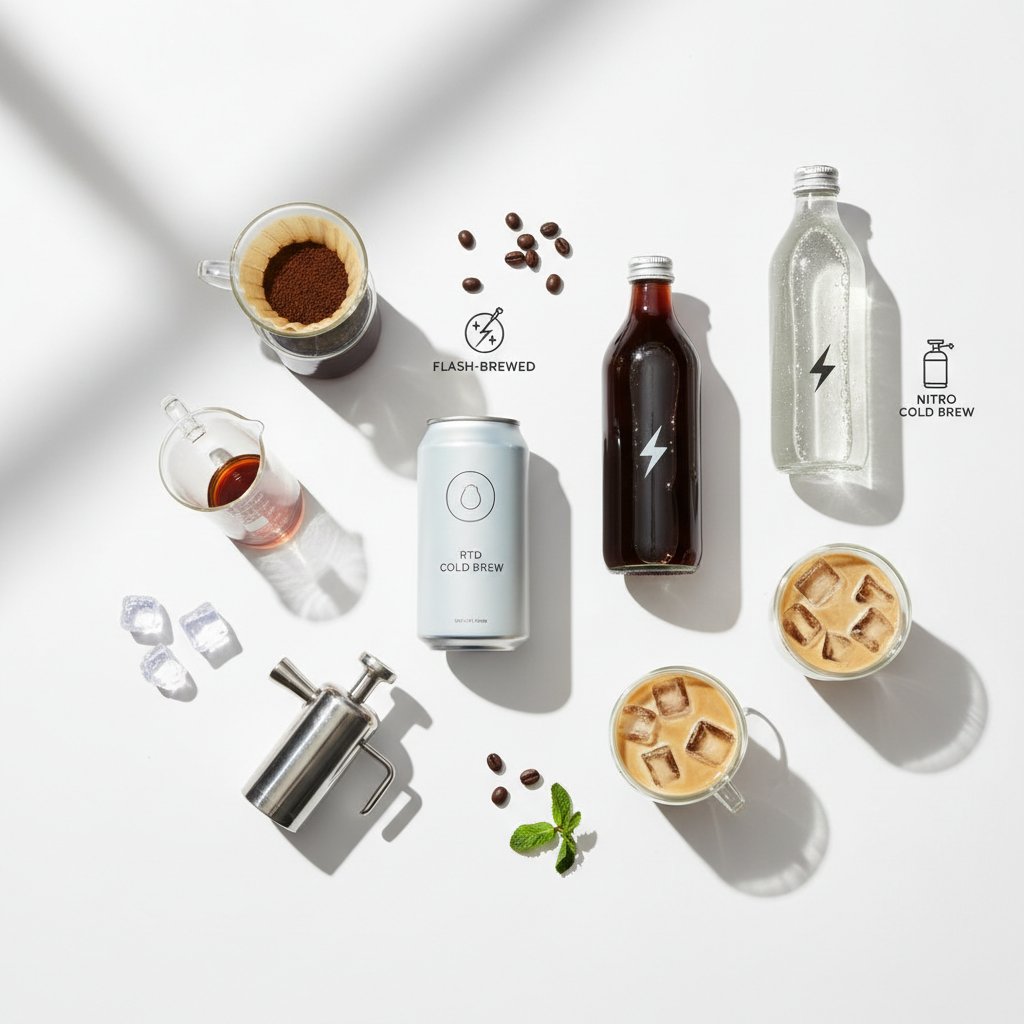
While cold brew has enjoyed immense popularity, **flash-brewing** (also known as Japanese iced coffee) is experiencing a resurgence and refinement, particularly in specialty coffee circles. This method involves brewing hot coffee directly over ice, intentionally leveraging the rapid cooling to preserve delicate aromatics and bright acidity that can be lost in slower, cold-steeping processes. In 2026, advancements in brewing equipment and a deeper understanding of the chemical thermodynamics involved are elevating flash-brew to an art form.
The Thermodynamics of Flavor Preservation
The core principle of flash-brewing revolves around the immediate thermal shock. When hot coffee liquid at optimal brewing temperature (typically between 195-205°F or 90-96°C) comes into contact with ice, the rapid temperature drop locks in volatile aromatic compounds. These compounds are responsible for the fragile, floral, citrus, and nuanced fruit notes often found in high-quality specialty beans. If these compounds were allowed to linger in a hot environment, they would quickly dissipate or oxidize, leading to a flatter, less vibrant cup.
Isabella Sterling, our SCA-certified Q-Grader and Roaster, notes, “The magic of flash-brew lies in its ability to capture the coffee’s true essence. The immediate cooling ‘freezes’ the aromatic profile, presenting a cleaner, brighter acidity and a more nuanced flavor spectrum than traditional cold brew, which often emphasizes body over brightness. It’s a method that truly highlights the origin characteristics of exceptional coffees.”
The ice not only chills the coffee but also provides a precisely calculated amount of meltwater to dilute the brew to its ideal serving strength. This controlled dilution is crucial; too much ice can result in a watery coffee, while too little can make it overly concentrated. The optimal ratio is often 1:2 coffee-to-ice, followed by a brewing ratio of 1:12-1:15 coffee-to-water, but these can be adjusted based on bean roast and desired strength.
Brewing Technology Innovations
The increasing demand for consistently excellent flash-brew has spurred innovation in brewing equipment. While basic pour-over setups still thrive, advanced systems offer precision and consistency for both home enthusiasts and commercial establishments.
- **Automated Pour-Over Machines:** Brands are releasing highly sophisticated automatic pour-over systems that precisely control water temperature, flow rate, and saturation time, ensuring a perfect flash-brew with minimal user intervention.
- **Specialized Drippers & Vessels:** Design advancements in drippers (like those enhancing uniform extraction) and ice reservoirs (to minimize ice melt before brewing begins) contribute to superior flavor.
- **Rapid Cooling Solutions:** Beyond just ice, some commercial setups integrate pre-chilling systems or advanced heat exchangers to achieve near-instantaneous cooling, further enhancing flavor preservation.
The Rise of Vacuum-Infusion and Ultrasonic Extraction
For those pushing the boundaries of cold extraction, technologies like **vacuum-infusion systems** and **ultrasonic extraction** are gaining traction. These methods accelerate the brewing process while maintaining cold temperatures, offering a balance between speed and flavor integrity:
- **Vacuum-Infusion:** By creating a vacuum, air is pulled from the coffee grounds, allowing cold water to penetrate more rapidly and efficiently. This significantly reduces cold brew times from hours to minutes, yielding a concentrated extract with remarkable clarity and low bitterness.
- **Ultrasonic Extraction:** Utilizing high-frequency sound waves, ultrasonic technology agitates the coffee grounds on a microscopic level, facilitating the rapid release of dissolved solids and aromatic compounds into cold water. This innovative method produces intensely flavored cold coffee concentrates in mere minutes, often showcasing a unique aromatic profile. Commercial systems, like those from Hardtank, are paving the way for scalable, high-quality rapid cold brew.
These advanced techniques represent a significant leap forward, offering cafes and RTD manufacturers the ability to produce exceptional cold coffee with unprecedented speed and consistency, capturing flavor nuances previously difficult to achieve without lengthy steeping times.
Nitro Coffee: The Creamy Revolution
**Nitro cold brew** has moved beyond a novelty item to an expected offering in many cafes and a burgeoning segment in the RTD market. The infusion of nitrogen gas creates a cascade of tiny bubbles that give the coffee a velvety smooth texture, a rich, stout-like head, and a naturally sweeter perception without added sugar. In 2026, the innovations in nitro coffee are enhancing its accessibility and perfecting its sensory experience.
The Science of the Stout-Like Cascade
The magic of nitro coffee lies in the physical properties of nitrogen gas. Unlike carbon dioxide, which creates large, sharp bubbles, nitrogen produces incredibly fine, microscopic bubbles. When the nitrogen-infused cold brew is dispensed through a special draft tap – often equipped with a restrictor plate (similar to those used for Guinness stout) – these tiny bubbles are released. The dramatic visual begins as masses of these bubbles rapidly rise, creating an effect known as the “cascade” or “waterfall.” These bubbles coalesce at the top to form a dense, creamy, long-lasting head, akin to a craft beer.
This unique texture isn’t just aesthetic; it profoundly impacts the taste. The smooth, frothy head and the increased viscosity of the coffee coat the palate differently, reducing perceived bitterness and acidity, making the coffee taste inherently sweeter and richer, often eliminating the need for milk or sugar.
Innovations in Draft Systems and Experience
Cafes are continually refining their nitro draft systems to optimize the pour and maintain consistency. Advances include:
- **Precision Infusion Systems:** Better control over nitrogen pressure and saturation levels ensures a perfectly creamy pour every time, preventing over-carbonation or flat, lifeless nitro.
- **Customizable Taps:** Cafes are investing in specialized taps that allow for adjustable flow rates and restrictor plates, enabling baristas to fine-tune the texture of their nitro coffee for different roasts or customer preferences.
- **Home Nitro Kits:** Recognizing consumer demand, companies are developing compact, user-friendly home nitro kegerators and infusers, bringing the premium cafe experience into the domestic setting. These systems are becoming more affordable and easier to maintain.
RTD Nitro: Preserving the Head
The greatest challenge for **RTD nitro coffee** has always been replicating the draft experience in a can. The dense, creamy head is crucial, and maintaining it requires sophisticated canning technology.
A significant innovation in RTD nitro canning is the use of **liquid nitrogen dosing**. Just before sealing, a tiny drop of liquid nitrogen is injected into the can. As the can is sealed, the liquid nitrogen rapidly vaporizes, creating internal pressure with gaseous nitrogen. When the can is opened, this pressure is released through a specialized opening geometry, causing the infused nitrogen in the coffee to break out of solution and form those signature micro-bubbles, resulting in the desired cascading effect and a beautiful, creamy head. Some brands also use a “widget” (a small, nitrogen-filled device inside the can) to achieve a similar effect, ensuring a consistent, delicious pour.
This technological leap has allowed RTD nitro brands to deliver a café-quality experience regardless of location, making premium nitro coffee accessible in supermarkets, convenience stores, and online. The market is now flooded with diverse flavor profiles, from unsweetened black nitro to sweetened, dairy-free options.
[INLINE IMAGE 2: 
The Global Influence on Cold Coffee Culture
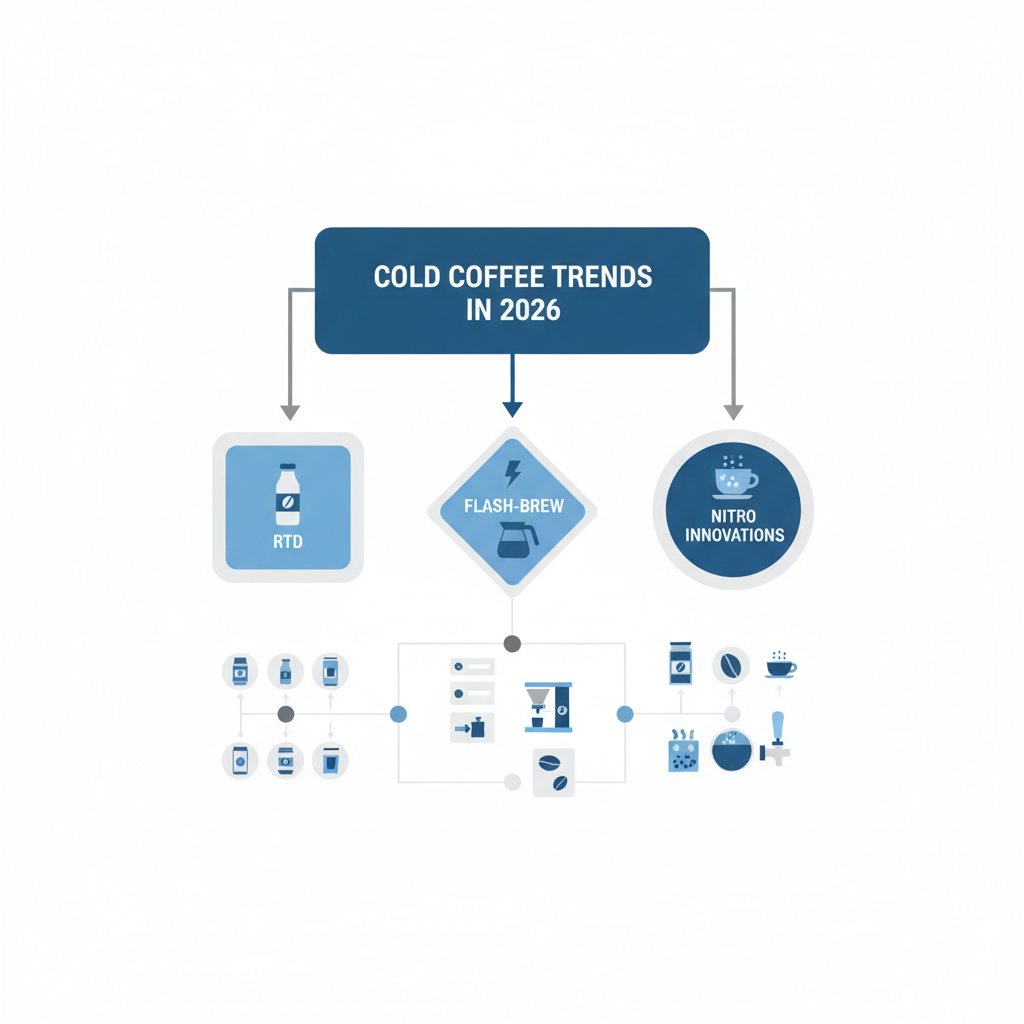
Cold coffee is not a monolithic entity; its evolution is deeply intertwined with global culinary trends and regional adaptations. As we advance through 2026, the cross-pollination of ideas from various coffee-producing and coffee-consuming nations continues to enrich the category.
Asian Innovations and Inspirations
Asia, particularly countries like Japan, South Korea, and Southeast Asian nations, has long been a hotbed for cold coffee innovation. **Japanese iced coffee**, foundational to the flash-brew technique, showcases a meticulous approach to brewing and precision. South Korea has popularized **Dalgona coffee** (though typically hot, its whipped nature has inspired cold foamed toppings) and a wide array of fruit-infused cold brews. Southeast Asian influences bring bold, sweetened, and often condensed milk-laden cold coffees to the forefront, providing a counterpoint to the more delicate Western styles.
- **Yuzu Cold Brews:** The citrusy, aromatic Japanese yuzu fruit is increasingly being used as a flavor enhancer in cold brews, offering a bright, refreshing twist.
- **Coffee with Chewy Toppings:** Inspired by bubble tea, some cold coffee establishments are experimenting with tapioca pearls or fruit jellies as delightful textural additions to their cold coffee beverages.
- **Ready-to-Drink RTD Tea-Coffee Blends:** The fusion of traditional teas with cold brew coffee, sometimes with botanical additions, is gaining traction, particularly in health-conscious markets.
Nordic and European Minimalism
Conversely, the Nordic and European specialty coffee scenes often favor a minimalist approach, emphasizing the intrinsic qualities of high-grade beans. This translates to cold coffee through:
- **Single-Origin Focus:** Cold brews and flash-brews are often crafted from single-origin beans, highlighting distinct regional tasting notes without heavy additions.
- **Fermented Cold Brews:** Some Nordic roasters are experimenting with controlled fermentation techniques for their coffee beans, adding complex, wine-like notes to their cold extractions.
- **Sparkling Coffee:** Carbonated coffee, often lightly sweetened or infused with fruit, offers a refreshing, sophisticated alternative to traditional cold coffee, aligning with European preferences for sparkling beverages.
Latin American and African Varietals in Focus
The rich diversity of coffee varietals from Latin America and Africa is being celebrated in cold coffee. Roasters are specifically selecting beans whose flavor profiles (e.g., Ethiopian floral notes, Colombian fruitiness, Kenyan berry brightness) shine through in cold preparations. The focus is on lighter roasts for cold applications, preserving the delicate aromatics and vibrant acidity.
The Evolution of Coffee Extraction: Beyond Immersion
The quest for the perfect cold coffee has led to a deeper exploration of extraction methods. While traditional cold brew relies on prolonged immersion, newer techniques are challenging this paradigm, aiming for faster, more efficient, and often more aromatic extractions.
Perc-o-lation and Drip Systems at Cold Temperatures
Moving beyond full immersion, modified percolation and drip systems are emerging for cold extraction. These methods involve slowly dripping cold water over coffee grounds, similar to traditional hot drip but at refrigerated temperatures. This slow, steady contact aims to extract flavors more gently and selectively, often resulting in a remarkably clean cup with low bitterness.
- **Dutch Coffee Towers:** These visually striking systems, popular in parts of Asia, exemplify cold drip. They can take many hours, but the resulting concentrate is intensely flavorful and exceptionally smooth, with an oilier mouthfeel. Modern versions are automating temperature and drip rate.
- **Vacuum Cold Extraction:** As mentioned previously, but worth reiterating in this context, systems that pull cold water through grounds using a vacuum offer accelerated cold extraction. This significantly cuts down on the hours typically required for cold brew, delivering a cleaner, brighter profile than traditional long-immersion methods.
The Intersection of Flavor Science and Consumer Psychology
Understanding how different extraction methods influence the chemical composition of cold coffee is paramount. Researchers are analyzing **Total Dissolved Solids (TDS)** and **pH levels** across various cold brewing techniques to quantify bitterness, acidity, and overall strength. This scientific approach helps roasters and brands fine-tune their offerings for specific flavor profiles and consumer preferences. For example, a lower TDS might be linked to a “lighter” mouthfeel often preferred in flash-brew, while higher TDS could indicate a “bolder” cold brew concentrate.
Consumer psychology plays a vital role too. The visual appeal of a cascading nitro coffee, the perceived health benefits of functional RTDs, or the artisanal narrative behind a single-origin flash-brew all contribute to the overall experience and willingness to pay a premium.
The Future of Cold Coffee: Personalization and Sustainability Deep Dive
Looking ahead, the trajectory of cold coffee in 2026 and beyond points towards even greater personalization, sustainable practices, and the integration of advanced technology at every stage, from bean to cup.
Hyper-Personalization at Home and in Cafes
Consumers increasingly expect products tailored to their specific needs and tastes. In cold coffee, this manifests in several ways:
- **DIY Customization Kits:** Home users will find more sophisticated kits for making their own flash-brew or nitro coffee, complete with gourmet syrups, unique toppings, and perfectly portioned specialty beans.
- **AI-Driven Recommendation Systems:** Cafes and subscription services will leverage AI to recommend cold coffee options based on individual preference, dietary restrictions, and even local weather conditions. Imagine an app suggesting a lighter, fruity flash-brew on a hot day and a richer, creamy nitro on a cooler afternoon.
- **Subscription Boxes with Curated Experiences:** Personalizable cold coffee subscription boxes will offer a rotating selection of RTDs, cold brew concentrates, and gourmet additions, often highlighting limited-edition seasonal offerings.
Sustainability as a Core Brand Value
Beyond packaging, **sustainability** is becoming an inherent part of cold coffee brands’ identities. This includes:
- **Regenerative Agriculture Coffee:** Sourcing beans from farms implementing regenerative agricultural practices (improving soil health, biodiversity, and carbon sequestration) will become a key differentiator.
- **Closed-Loop Systems:** Brands will invest in closed-loop production systems that minimize water waste and energy consumption during coffee extraction and bottling.
- **Upcycling Coffee Byproducts:** Innovations in upcycling coffee grounds and other byproducts (e.g., cascara into beverages, grounds into biodegradable materials) will contribute to a more circular economy within the coffee industry.
Comparative Analysis of Cold Coffee Formats
To help navigate the burgeoning cold coffee market in 2026, here’s a comparative look at the characteristics, advantages, and ideal applications of the three leading formats discussed:
| Feature | RTD (Ready-to-Drink) | Flash-Brew (Japanese Iced) | Nitro Cold Brew |
|---|---|---|---|
| Preparation Method | Pre-brewed, packaged, often HPP-treated. | Hot coffee brewed directly over ice, rapidly cooled. | Cold brew infused with nitrogen gas then dispensed under pressure. |
| Flavor Profile | Highly variable (black, sweetened, milked, functional). Can be very specific to brand/ingredients. Often clean and consistent. | Bright, clean, vibrant acidity; emphasizes delicate floral/fruity notes. Mimics characteristics of hot pour-over. | Smooth, creamy, naturally sweet perception, low acidity/bitterness; roasty notes often mellowed by texture. |
| Texture / Mouthfeel | Smooth, consistent; can vary from thin to creamy depending on additions (dairy, non-dairy, MCT). | Light-bodied, clean, refreshing, akin to chilled hot coffee. | Velvety, luxurious, stout-like, dense, thick foam head. |
| Aromatics | Preserved via HPP/cold filling; can be enhanced with added flavors. | Excellent preservation of volatile aromatics from rapid cooling. Very expressive. | Subtle aromatics, sometimes diminished by the texture, but can be concentrated beneath the foam. |
| Convenience Level | Highest. Grab-and-go from refrigerated section. | Moderate. Requires brewing equipment and ice; best fresh, but can be made ahead. | Moderate (cafe draft) to High (RTD cans with specific tech). Home kits require setup. |
| Cost (Per Serving) | Moderate to High (premium ingredients, functional benefits affect price). | Moderate (depends on bean quality and home vs. cafe). | High (gas, specialized equipment, increased processing complexity). |
| Ideal Occasion | Commute, quick energy boost, post-workout, on-the-go. | Leisurely home brewing, cafe experiences for nuanced flavor, specialty coffee shops. | Indulgent treat, special occasion, rich cafe experience, alternative to milky drinks. |
| Key Innovation | Functional ingredients (adaptogens, L-theanine), HPP, sustainable packaging. | Automated pour-over, rapid cooling, vacuum/ultrasonic extraction for concentrates. | Liquid nitrogen dosing for RTD, advanced draft systems, home nitro kegerators. |
Each of these cold coffee formats offers a distinct experience, catering to different moments and preferences in a coffee lover’s day. The simultaneous advancement across all these categories signifies a robust and thriving cold coffee market.
Conclusion: A Chilled Future for Coffee
The cold coffee segment in 2026 is a vibrant testament to innovation, consumer demand, and a relentless pursuit of quality. From the ever-expanding convenience and functional benefits of sophisticated **RTD offerings** to the refined acidity and aromatic brilliance of **flash-brew techniques**, and the luxurious, creamy experience of **nitro infusions**, cold coffee is an undisputed pillar of modern coffee culture. The technological advancements, such as HPP for RTDs, ultrasonic extraction for rapid cold brew, and liquid nitrogen dosing for canned nitro, underscore an industry committed to pushing boundaries.
As we continue to explore new extraction methods, delve deeper into the science of flavor preservation, and integrate global inspirations, the future of cold coffee promises even more exciting developments. Cafes and brands are not just selling beverages; they are crafting experiences that blend taste, health, convenience, and sustainability. For the coffee enthusiast, this means an ever-richer and more diverse landscape of chilled delights awaits. Embrace the cold, for it is here to stay, and it’s more exciting than ever before.
Frequently Asked Questions
Q1: What are the main differences between cold brew, flash-brew, and nitro coffee?
A1: **Cold brew** involves steeping coffee grounds in cold water for an extended period (12-24 hours), resulting in a low-acid, smooth concentrate. **Flash-brew** (Japanese iced coffee) is hot coffee brewed directly over ice, rapidly cooling it to preserve bright acidity and delicate aromatics. **Nitro coffee** is cold brew infused with nitrogen gas, creating a creamy texture and a cascading, stout-like appearance when poured, often making it taste sweeter without added sugar.
Q2: Why is “functional coffee” a growing trend in RTD cold coffee?
A2: Functional coffee is popular because consumers are seeking beverages that offer more than just a caffeine boost. They want drinks that support overall well-being, focusing on benefits like improved focus, stress reduction, and gut health. This trend incorporates ingredients like L-theanine, adaptogens (e.g., Reishi, Lion’s Mane mushrooms, Ashwagandha), MCT oil, and soluble dietary fibers to deliver these enhanced benefits.
Q3: How does flash-brewing preserve delicate coffee flavors better than traditional iced coffee?
A3: Flash-brewing (hot coffee over ice) preserves delicate coffee flavors by rapidly chilling the freshly brewed hot coffee. The immediate thermal shock locks in volatile aromatic compounds that would otherwise dissipate or oxidize if the coffee were allowed to cool slowly to room temperature. This results in a brighter, cleaner cup with pronounced floral and fruity notes, making it superior to simply pouring hot coffee over ice after it has cooled.
Q4: What technological advancements are crucial for RTD nitro coffee to replicate the draft experience?
A4: The key technological advancement for RTD nitro coffee is **liquid nitrogen dosing**. A tiny drop of liquid nitrogen is injected into the can just before sealing. This liquid nitrogen rapidly vaporizes upon sealing, creating internal pressure with gaseous nitrogen. When the can is opened, this pressure helps release the dissolved nitrogen within the coffee, creating the desired micro-bubbles, cascading effect, and creamy head that mimic a fresh draft pour.
Q5: What is High-Pressure Processing (HPP) and why is it important for premium RTD cold coffee?
A5: **High-Pressure Processing (HPP)** is a non-thermal pasteurization method crucial for premium RTD cold coffee. It uses extremely high pressure to inactivate spoilage microorganisms and pathogens without the need for heat. This allows RTD products to achieve extended shelf-life while preserving the fresh taste, vibrant aromatics, and heat-sensitive nutrients or functional ingredients (like adaptogens and L-theanine) that would be compromised by traditional heat pasteurization, ensuring a high-quality, fresh-tasting product.
Cold Coffee Trends in 2026: RTD, Flash-Brew, and Nitro Innovations
Affiliate disclosure: This article may contain affiliate links. Recommendations are independent and editorially driven.
The coffee landscape is constantly evolving, but few sectors have seen as explosive growth and innovation as cold coffee. As we navigate 2026, the trends shaping this chilled beverage category are more dynamic and diverse than ever before. From the pervasive convenience of **Ready-to-Drink (RTD) formulations** to the nuanced complexity of **flash-brew techniques** and the luxurious indulgence of **nitro infusions**, cold coffee is no longer a seasonal novelty but a year-round staple. This deep dive explores the cutting-edge developments, consumer preferences, and technological advancements that are defining the cold coffee experience today.
For coffee connoisseurs and casual drinkers alike, the progression from basic iced coffee to today’s sophisticated offerings reflects a broader shift towards quality, convenience, and functional benefits. The industry is responding to discerning palates and busy lifestyles, providing options that cater to every need, from a quick energy boost to a gourmet experience on the go. The focus has sharpened on optimizing extraction methods, enhancing mouthfeel, and integrating health-conscious elements, all while pushing the boundaries of flavor profiles.
At cafeserre, we’ve observed these shifts firsthand, tracking the emergence of new technologies and the re-imagination of traditional brewing methods. Our analysis is based on industry reports, consumer data, and extensive sensory evaluations, ensuring we capture the pulse of the market. This article aims to provide a comprehensive overview, equipping you with the knowledge to understand and appreciate the intricate world of cold coffee in 2026.
The RTD Revolution: Convenience Meets Craft
The **Ready-to-Drink (RTD) coffee market** continues its meteoric rise, projected to dominate a significant share of the global coffee industry in 2026. What began as a grab-and-go convenience has transformed into a sophisticated category offering artisanal quality, diverse flavor profiles, and highly specialized functional benefits. Today’s RTD landscape is characterized by innovation in both form and function, catering to an increasingly health-conscious and discerning consumer base.
Micro-Roaster Movement in RTD
Once the domain of large corporations, the RTD space has seen a significant influx of **small-batch, micro-roasters**. These companies are leveraging their expertise in sourcing and roasting specialty beans to produce premium cold coffee beverages. By emphasizing **single-origin craft** and direct-trade relationships, they offer transparency and a unique narrative that resonates with consumers seeking authenticity. This trend blurs the lines between café culture and convenience, bringing barista-quality coffee directly to the consumer’s fridge.
- **Traceability:** Consumers expect to know the origin of their beans, the ethical practices involved, and the roasting profile. RTD brands are responding with detailed labeling and QR codes linking to farm-to-cup stories.
- **Flavor Innovation:** Beyond traditional dairy and sweetener combinations, micro-roasters are experimenting with natural fruit infusions, botanical extracts, and exotic spice blends, offering complex, layered experiences.
- **Partnerships:** Collaborations between established craft brewers and specialty coffee roasters are yielding inventive hybrid beverages, often featuring unique fermentation or aging techniques.
Functional Coffee: Beyond the Buzz
The integration of **functional ingredients** into RTD coffee is no longer a niche concept but a mainstream expectation. Consumers are looking for more than just a caffeine kick; they want beverages that support their overall well-being. By 2026, categories like adaptogen-enriched RTD and cognitive-boosting blends are experiencing robust growth, driven by scientific advancements and increased consumer awareness.
One of the most significant entities in this space is the strategic pairing of caffeine with **L-theanine**, an amino acid found in green tea. L-theanine is known to promote relaxation without drowsiness, offsetting the jitters sometimes associated with caffeine and creating a smoother, more focused energy. This synergistic effect is highly sought after by professionals and students alike.
In addition to L-theanine, other popular functional additions include:
- **Adaptogens:** Mushrooms like Reishi, Chaga, and Lion’s Mane, as well as botanicals like Ashwagandha and Rhodiola, are increasingly common. These ingredients are chosen for their purported stress-reducing, immune-modulating, and cognitive-enhancing properties.
- **MCT Oil (Medium-Chain Triglycerides):** Popularized by the ‘bulletproof’ coffee movement, MCT oil is celebrated for its ability to provide sustained energy, support cognitive function, and aid in satiety. RTD brands are integrating it into creamy coffee alternatives.
- **Soluble Dietary Fiber:** To improve gut health and add a satiety factor, some RTD options now include prebiotic fibers, contributing to a more holistic health benefit.
- **Nootropics:** Beyond L-theanine, other cognitive enhancers like Alpha-GPC, Citicoline, and various B vitamins are being incorporated to support memory, focus, and mental clarity.
This evolving focus on functionality means that RTD coffee is increasingly viewed as a wellness beverage, fitting seamlessly into various lifestyle choices, from athletic recovery to busy workday productivity.
Sustainable Packaging and Production
Environmental concerns remain at the forefront of consumer decisions, and the RTD market is responding with innovative **sustainable packaging solutions**. The move away from single-use plastics towards **aluminum cans**, recyclable glass bottles, and **compostable materials** is accelerating. Beyond packaging, brands are also emphasizing sustainable sourcing practices and energy-efficient production methods.
A crucial technological advancement in ensuring the premium quality and extended shelf-life of these functional RTD beverages is **High-Pressure Processing (HPP)**. HPP is a non-thermal pasteurization method that utilizes extremely high pressure to inactivate bacteria, yeasts, and molds, all while preserving the delicate flavor profiles, nutrient content, and fresh characteristics of the coffee without resorting to heat pasteurization. This means that the vibrant, complex notes of specialty beans and the efficacy of sensitive functional ingredients like adaptogens and L-theanine are maintained, providing a superior product to the consumer.
[INLINE IMAGE 1:
Flash-Brew: The Art and Science of Iced Coffee Perfection
While cold brew has enjoyed immense popularity, **flash-brewing** (also known as Japanese iced coffee) is experiencing a resurgence and refinement, particularly in specialty coffee circles. This method involves brewing hot coffee directly over ice, intentionally leveraging the rapid cooling to preserve delicate aromatics and bright acidity that can be lost in slower, cold-steeping processes. In 2026, advancements in brewing equipment and a deeper understanding of the chemical thermodynamics involved are elevating flash-brew to an art form.
The Thermodynamics of Flavor Preservation
The core principle of flash-brewing revolves around the immediate thermal shock. When hot coffee liquid at optimal brewing temperature (typically between 195-205°F or 90-96°C) comes into contact with ice, the rapid temperature drop locks in volatile aromatic compounds. These compounds are responsible for the fragile, floral, citrus, and nuanced fruit notes often found in high-quality specialty beans. If these compounds were allowed to linger in a hot environment, they would quickly dissipate or oxidize, leading to a flatter, less vibrant cup.
Isabella Sterling, our SCA-certified Q-Grader and Roaster, notes, “The magic of flash-brew lies in its ability to capture the coffee’s true essence. The immediate cooling ‘freezes’ the aromatic profile, presenting a cleaner, brighter acidity and a more nuanced flavor spectrum than traditional cold brew, which often emphasizes body over brightness. It’s a method that truly highlights the origin characteristics of exceptional coffees.”
The ice not only chills the coffee but also provides a precisely calculated amount of meltwater to dilute the brew to its ideal serving strength. This controlled dilution is crucial; too much ice can result in a watery coffee, while too little can make it overly concentrated. The optimal ratio is often 1:2 coffee-to-ice, followed by a brewing ratio of 1:12-1:15 coffee-to-water, but these can be adjusted based on bean roast and desired strength.
Brewing Technology Innovations
The increasing demand for consistently excellent flash-brew has spurred innovation in brewing equipment. While basic pour-over setups still thrive, advanced systems offer precision and consistency for both home enthusiasts and commercial establishments.
- **Automated Pour-Over Machines:** Brands are releasing highly sophisticated automatic pour-over systems that precisely control water temperature, flow rate, and saturation time, ensuring a perfect flash-brew with minimal user intervention.
- **Specialized Drippers & Vessels:** Design advancements in drippers (like those enhancing uniform extraction) and ice reservoirs (to minimize ice melt before brewing begins) contribute to superior flavor.
- **Rapid Cooling Solutions:** Beyond just ice, some commercial setups integrate pre-chilling systems or advanced heat exchangers to achieve near-instantaneous cooling, further enhancing flavor preservation.
The Rise of Vacuum-Infusion and Ultrasonic Extraction
For those pushing the boundaries of cold extraction, technologies like **vacuum-infusion systems** and **ultrasonic extraction** are gaining traction. These methods accelerate the brewing process while maintaining cold temperatures, offering a balance between speed and flavor integrity:
- **Vacuum-Infusion:** By creating a vacuum, air is pulled from the coffee grounds, allowing cold water to penetrate more rapidly and efficiently. This significantly reduces cold brew times from hours to minutes, yielding a concentrated extract with remarkable clarity and low bitterness.
- **Ultrasonic Extraction:** Utilizing high-frequency sound waves, ultrasonic technology agitates the coffee grounds on a microscopic level, facilitating the rapid release of dissolved solids and aromatic compounds into cold water. This innovative method produces intensely flavored cold coffee concentrates in mere minutes, often showcasing a unique aromatic profile. Commercial systems, like those from Hardtank, are paving the way for scalable, high-quality rapid cold brew.
These advanced techniques represent a significant leap forward, offering cafes and RTD manufacturers the ability to produce exceptional cold coffee with unprecedented speed and consistency, capturing flavor nuances previously difficult to achieve without lengthy steeping times.
Nitro Coffee: The Creamy Revolution
**Nitro cold brew** has moved beyond a novelty item to an expected offering in many cafes and a burgeoning segment in the RTD market. The infusion of nitrogen gas creates a cascade of tiny bubbles that give the coffee a velvety smooth texture, a rich, stout-like head, and a naturally sweeter perception without added sugar. In 2026, the innovations in nitro coffee are enhancing its accessibility and perfecting its sensory experience.
The Science of the Stout-Like Cascade
The magic of nitro coffee lies in the physical properties of nitrogen gas. Unlike carbon dioxide, which creates large, sharp bubbles, nitrogen produces incredibly fine, microscopic bubbles. When the nitrogen-infused cold brew is dispensed through a special draft tap – often equipped with a restrictor plate (similar to those used for Guinness stout) – these tiny bubbles are released. The dramatic visual begins as masses of these bubbles rapidly rise, creating an effect known as the “cascade” or “waterfall.” These bubbles coalesce at the top to form a dense, creamy, long-lasting head, akin to a craft beer.
This unique texture isn’t just aesthetic; it profoundly impacts the taste. The smooth, frothy head and the increased viscosity of the coffee coat the palate differently, reducing perceived bitterness and acidity, making the coffee taste inherently sweeter and richer, often eliminating the need for milk or sugar.
Innovations in Draft Systems and Experience
Cafes are continually refining their nitro draft systems to optimize the pour and maintain consistency. Advances include:
- **Precision Infusion Systems:** Better control over nitrogen pressure and saturation levels ensures a perfectly creamy pour every time, preventing over-carbonation or flat, lifeless nitro.
- **Customizable Taps:** Cafes are investing in specialized taps that allow for adjustable flow rates and restrictor plates, enabling baristas to fine-tune the texture of their nitro coffee for different roasts or customer preferences.
- **Home Nitro Kits:** Recognizing consumer demand, companies are developing compact, user-friendly home nitro kegerators and infusers, bringing the premium cafe experience into the domestic setting. These systems are becoming more affordable and easier to maintain.
RTD Nitro: Preserving the Head
The greatest challenge for **RTD nitro coffee** has always been replicating the draft experience in a can. The dense, creamy head is crucial, and maintaining it requires sophisticated canning technology.
A significant innovation in RTD nitro canning is the use of **liquid nitrogen dosing**. Just before sealing, a tiny drop of liquid nitrogen is injected into the can. As the can is sealed, the liquid nitrogen rapidly vaporizes, creating internal pressure with gaseous nitrogen. When the can is opened, this pressure is released through a specialized opening geometry, causing the infused nitrogen in the coffee to break out of solution and form those signature micro-bubbles, resulting in the desired cascading effect and a beautiful, creamy head. Some brands also use a “widget” (a small, nitrogen-filled device inside the can) to achieve a similar effect, ensuring a consistent, delicious pour.
This technological leap has allowed RTD nitro brands to deliver a café-quality experience regardless of location, making premium nitro coffee accessible in supermarkets, convenience stores, and online. The market is now flooded with diverse flavor profiles, from unsweetened black nitro to sweetened, dairy-free options.
[INLINE IMAGE 2:
The Global Influence on Cold Coffee Culture
Cold coffee is not a monolithic entity; its evolution is deeply intertwined with global culinary trends and regional adaptations. As we advance through 2026, the cross-pollination of ideas from various coffee-producing and coffee-consuming nations continues to enrich the category.
Asian Innovations and Inspirations
Asia, particularly countries like Japan, South Korea, and Southeast Asian nations, has long been a hotbed for cold coffee innovation. **Japanese iced coffee**, foundational to the flash-brew technique, showcases a meticulous approach to brewing and precision. South Korea has popularized **Dalgona coffee** (though typically hot, its whipped nature has inspired cold foamed toppings) and a wide array of fruit-infused cold brews. Southeast Asian influences bring bold, sweetened, and often condensed milk-laden cold coffees to the forefront, providing a counterpoint to the more delicate Western styles.
- **Yuzu Cold Brews:** The citrusy, aromatic Japanese yuzu fruit is increasingly being used as a flavor enhancer in cold brews, offering a bright, refreshing twist.
- **Coffee with Chewy Toppings:** Inspired by bubble tea, some cold coffee establishments are experimenting with tapioca pearls or fruit jellies as delightful textural additions to their cold coffee beverages.
- **Ready-to-Drink RTD Tea-Coffee Blends:** The fusion of traditional teas with cold brew coffee, sometimes with botanical additions, is gaining traction, particularly in health-conscious markets.
Nordic and European Minimalism
Conversely, the Nordic and European specialty coffee scenes often favor a minimalist approach, emphasizing the intrinsic qualities of high-grade beans. This translates to cold coffee through:
- **Single-Origin Focus:** Cold brews and flash-brews are often crafted from single-origin beans, highlighting distinct regional tasting notes without heavy additions.
- **Fermented Cold Brews:** Some Nordic roasters are experimenting with controlled fermentation techniques for their coffee beans, adding complex, wine-like notes to their cold extractions.
- **Sparkling Coffee:** Carbonated coffee, often lightly sweetened or infused with fruit, offers a refreshing, sophisticated alternative to traditional cold coffee, aligning with European preferences for sparkling beverages.
Latin American and African Varietals in Focus
The rich diversity of coffee varietals from Latin America and Africa is being celebrated in cold coffee. Roasters are specifically selecting beans whose flavor profiles (e.g., Ethiopian floral notes, Colombian fruitiness, Kenyan berry brightness) shine through in cold preparations. The focus is on lighter roasts for cold applications, preserving the delicate aromatics and vibrant acidity.
The Evolution of Coffee Extraction: Beyond Immersion
The quest for the perfect cold coffee has led to a deeper exploration of extraction methods. While traditional cold brew relies on prolonged immersion, newer techniques are challenging this paradigm, aiming for faster, more efficient, and often more aromatic extractions.
Perc-o-lation and Drip Systems at Cold Temperatures
Moving beyond full immersion, modified percolation and drip systems are emerging for cold extraction. These methods involve slowly dripping cold water over coffee grounds, similar to traditional hot drip but at refrigerated temperatures. This slow, steady contact aims to extract flavors more gently and selectively, often resulting in a remarkably clean cup with low bitterness.
- **Dutch Coffee Towers:** These visually striking systems, popular in parts of Asia, exemplify cold drip. They can take many hours, but the resulting concentrate is intensely flavorful and exceptionally smooth, with an oilier mouthfeel. Modern versions are automating temperature and drip rate.
- **Vacuum Cold Extraction:** As mentioned previously, but worth reiterating in this context, systems that pull cold water through grounds using a vacuum offer accelerated cold extraction. This significantly cuts down on the hours typically required for cold brew, delivering a cleaner, brighter profile than traditional long-immersion methods.
The Intersection of Flavor Science and Consumer Psychology
Understanding how different extraction methods influence the chemical composition of cold coffee is paramount. Researchers are analyzing **Total Dissolved Solids (TDS)** and **pH levels** across various cold brewing techniques to quantify bitterness, acidity, and overall strength. This scientific approach helps roasters and brands fine-tune their offerings for specific flavor profiles and consumer preferences. For example, a lower TDS might be linked to a “lighter” mouthfeel often preferred in flash-brew, while higher TDS could indicate a “bolder” cold brew concentrate.
Consumer psychology plays a vital role too. The visual appeal of a cascading nitro coffee, the perceived health benefits of functional RTDs, or the artisanal narrative behind a single-origin flash-brew all contribute to the overall experience and willingness to pay a premium.
The Future of Cold Coffee: Personalization and Sustainability Deep Dive
Looking ahead, the trajectory of cold coffee in 2026 and beyond points towards even greater personalization, sustainable practices, and the integration of advanced technology at every stage, from bean to cup.
Hyper-Personalization at Home and in Cafes
Consumers increasingly expect products tailored to their specific needs and tastes. In cold coffee, this manifests in several ways:
- **DIY Customization Kits:** Home users will find more sophisticated kits for making their own flash-brew or nitro coffee, complete with gourmet syrups, unique toppings, and perfectly portioned specialty beans.
- **AI-Driven Recommendation Systems:** Cafes and subscription services will leverage AI to recommend cold coffee options based on individual preference, dietary restrictions, and even local weather conditions. Imagine an app suggesting a lighter, fruity flash-brew on a hot day and a richer, creamy nitro on a cooler afternoon.
- **Subscription Boxes with Curated Experiences:** Personalizable cold coffee subscription boxes will offer a rotating selection of RTDs, cold brew concentrates, and gourmet additions, often highlighting limited-edition seasonal offerings.
Sustainability as a Core Brand Value
Beyond packaging, **sustainability** is becoming an inherent part of cold coffee brands’ identities. This includes:
- **Regenerative Agriculture Coffee:** Sourcing beans from farms implementing regenerative agricultural practices (improving soil health, biodiversity, and carbon sequestration) will become a key differentiator.
- **Closed-Loop Systems:** Brands will invest in closed-loop production systems that minimize water waste and energy consumption during coffee extraction and bottling.
- **Upcycling Coffee Byproducts:** Innovations in upcycling coffee grounds and other byproducts (e.g., cascara into beverages, grounds into biodegradable materials) will contribute to a more circular economy within the coffee industry.
Comparative Analysis of Cold Coffee Formats
To help navigate the burgeoning cold coffee market in 2026, here’s a comparative look at the characteristics, advantages, and ideal applications of the three leading formats discussed:
| Feature | RTD (Ready-to-Drink) | Flash-Brew (Japanese Iced) | Nitro Cold Brew |
|---|---|---|---|
| Preparation Method | Pre-brewed, packaged, often HPP-treated. | Hot coffee brewed directly over ice, rapidly cooled. | Cold brew infused with nitrogen gas then dispensed under pressure. |
| Flavor Profile | Highly variable (black, sweetened, milked, functional). Can be very specific to brand/ingredients. Often clean and consistent. | Bright, clean, vibrant acidity; emphasizes delicate floral/fruity notes. Mimics characteristics of hot pour-over. | Smooth, creamy, naturally sweet perception, low acidity/bitterness; roasty notes often mellowed by texture. |
| Texture / Mouthfeel | Smooth, consistent; can vary from thin to creamy depending on additions (dairy, non-dairy, MCT). | Light-bodied, clean, refreshing, akin to chilled hot coffee. | Velvety, luxurious, stout-like, dense, thick foam head. |
| Aromatics | Preserved via HPP/cold filling; can be enhanced with added flavors. | Excellent preservation of volatile aromatics from rapid cooling. Very expressive. | Subtle aromatics, sometimes diminished by the texture, but can be concentrated beneath the foam. |
| Convenience Level | Highest. Grab-and-go from refrigerated section. | Moderate. Requires brewing equipment and ice; best fresh, but can be made ahead. | Moderate (cafe draft) to High (RTD cans with specific tech). Home kits require setup. |
| Cost (Per Serving) | Moderate to High (premium ingredients, functional benefits affect price). | Moderate (depends on bean quality and home vs. cafe). | High (gas, specialized equipment, increased processing complexity). |
| Ideal Occasion | Commute, quick energy boost, post-workout, on-the-go. | Leisurely home brewing, cafe experiences for nuanced flavor, specialty coffee shops. | Indulgent treat, special occasion, rich cafe experience, alternative to milky drinks. |
| Key Innovation | Functional ingredients (adaptogens, L-theanine), HPP, sustainable packaging. | Automated pour-over, rapid cooling, vacuum/ultrasonic extraction for concentrates. | Liquid nitrogen dosing for RTD, advanced draft systems, home nitro kegerators. |
Each of these cold coffee formats offers a distinct experience, catering to different moments and preferences in a coffee lover’s day. The simultaneous advancement across all these categories signifies a robust and thriving cold coffee market.
Conclusion: A Chilled Future for Coffee
The cold coffee segment in 2026 is a vibrant testament to innovation, consumer demand, and a relentless pursuit of quality. From the ever-expanding convenience and functional benefits of sophisticated **RTD offerings** to the refined acidity and aromatic brilliance of **flash-brew techniques**, and the luxurious, creamy experience of **nitro infusions**, cold coffee is an undisputed pillar of modern coffee culture. The technological advancements, such as HPP for RTDs, ultrasonic extraction for rapid cold brew, and liquid nitrogen dosing for canned nitro, underscore an industry committed to pushing boundaries.
As we continue to explore new extraction methods, delve deeper into the science of flavor preservation, and integrate global inspirations, the future of cold coffee promises even more exciting developments. Cafes and brands are not just selling beverages; they are crafting experiences that blend taste, health, convenience, and sustainability. For the coffee enthusiast, this means an ever-richer and more diverse landscape of chilled delights awaits. Embrace the cold, for it is here to stay, and it’s more exciting than ever before.
Frequently Asked Questions
Q1: What are the main differences between cold brew, flash-brew, and nitro coffee?
A1: **Cold brew** involves steeping coffee grounds in cold water for an extended period (12-24 hours), resulting in a low-acid, smooth concentrate. **Flash-brew** (Japanese iced coffee) is hot coffee brewed directly over ice, rapidly cooling it to preserve bright acidity and delicate aromatics. **Nitro coffee** is cold brew infused with nitrogen gas, creating a creamy texture and a cascading, stout-like appearance when poured, often making it taste sweeter without added sugar.
Q2: Why is “functional coffee” a growing trend in RTD cold coffee?
A2: Functional coffee is popular because consumers are seeking beverages that offer more than just a caffeine boost. They want drinks that support overall well-being, focusing on benefits like improved focus, stress reduction, and gut health. This trend incorporates ingredients like L-theanine, adaptogens (e.g., Reishi, Lion’s Mane mushrooms, Ashwagandha), MCT oil, and soluble dietary fibers to deliver these enhanced benefits.
Q3: How does flash-brewing preserve delicate coffee flavors better than traditional iced coffee?
A3: Flash-brewing (hot coffee over ice) preserves delicate coffee flavors by rapidly chilling the freshly brewed hot coffee. The immediate thermal shock locks in volatile aromatic compounds that would otherwise dissipate or oxidize if the coffee were allowed to cool slowly to room temperature. This results in a brighter, cleaner cup with pronounced floral and fruity notes, making it superior to simply pouring hot coffee over ice after it has cooled.
Q4: What technological advancements are crucial for RTD nitro coffee to replicate the draft experience?
A4: The key technological advancement for RTD nitro coffee is **liquid nitrogen dosing**. A tiny drop of liquid nitrogen is injected into the can just before sealing. This liquid nitrogen rapidly vaporizes upon sealing, creating internal pressure with gaseous nitrogen. When the can is opened, this pressure helps release the dissolved nitrogen within the coffee, creating the desired micro-bubbles, cascading effect, and creamy head that mimic a fresh draft pour.
Q5: What is High-Pressure Processing (HPP) and why is it important for premium RTD cold coffee?
A5: **High-Pressure Processing (HPP)** is a non-thermal pasteurization method crucial for premium RTD cold coffee. It uses extremely high pressure to inactivate spoilage microorganisms and pathogens without the need for heat. This allows RTD products to achieve extended shelf-life while preserving the fresh taste, vibrant aromatics, and heat-sensitive nutrients or functional ingredients (like adaptogens and L-theanine) that would be compromised by traditional heat pasteurization, ensuring a high-quality, fresh-tasting product.