



Fuel Your Body: A Beginner’s Guide to Essential Nutrition Principles
By Jane Doe, Certified Nutritionist at Cafe Serre
Imagine waking up each day with a newfound vitality, your body humming with efficient energy, your mind sharp and focused. This isn’t just a dream; it’s the natural outcome of providing your body with the nutrients it craves. We’ll break down the key components of a balanced diet, explain why each element is vital, and offer practical, actionable tips you can integrate into your daily routine starting today. From understanding the mighty macronutrients to deciphering food labels, and from the power of hydration to the art of mindful eating, prepare to embark on an enlightening journey that will transform your relationship with food and, ultimately, with yourself.
The Foundation: Understanding Macronutrients – The Big Three
At the heart of all nutritional science are macronutrients: carbohydrates, proteins, and fats. These are the nutrients your body needs in larger quantities to provide energy, build and repair tissues, and regulate vital processes. Grasping the role of each is fundamental to understanding nutrition basics for beginners.
Carbohydrates: Your Body’s Primary Energy Source
Often misunderstood and unfairly villainized, carbohydrates are the body’s preferred and most efficient source of energy. They are broken down into glucose, which fuels everything from your brain function to muscle movement. Not all carbs are created equal, however.
- Simple Carbohydrates: These are quickly digested and absorbed, leading to rapid spikes in blood sugar. Found in sugary drinks, candies, white bread, and many processed snacks. While they offer a quick energy boost, they often lead to an energy crash soon after.
- Complex Carbohydrates: Rich in fiber, these are digested more slowly, providing a steady release of glucose into the bloodstream. This promotes sustained energy, better blood sugar control, and prolonged satiety. Excellent sources include whole grains (oats, brown rice, quinoa, whole wheat bread), legumes (beans, lentils), and starchy vegetables (sweet potatoes, corn, peas).
Practical Tip: Prioritize Complex Carbs. Aim to get the majority of your carbohydrate intake from whole, unprocessed sources. For instance, swap your morning pastry for a bowl of oatmeal with berries, or choose brown rice instead of white rice with your dinner. According to the Dietary Guidelines for Americans, a typical recommendation for adults is that carbohydrates should make up 45-65% of your total daily calories, but focusing on the quality of those carbs is paramount.
Proteins: The Building Blocks of Life
Proteins are essential for building and repairing tissues, making enzymes and hormones, and supporting immune function. Every cell in your body contains protein. They are made up of amino acids, some of which (essential amino acids) your body cannot produce and must obtain from food.
- Complete Proteins: Contain all nine essential amino acids. Primarily found in animal products like lean meats (chicken breast, lean beef), fish (salmon, tuna), eggs, and dairy (Greek yogurt, cottage cheese).
- Incomplete Proteins: Lack one or more essential amino acids. Found in plant-based sources like legumes, nuts, seeds, and grains. Vegetarians and vegans can get all essential amino acids by combining different incomplete protein sources (e.g., rice and beans, hummus and whole-wheat pita).
Fats: More Than Just Energy Storage
Fats are vital for energy, hormone production, nutrient absorption (especially fat-soluble vitamins A, D, E, and K), and insulating organs. Despite their bad rap in past decades, healthy fats are crucial for overall well-being.
- Unsaturated Fats (Good Fats):
- Monounsaturated Fats (MUFAs): Found in avocados, olive oil, nuts (almonds, cashews, pecans). Known to reduce bad cholesterol levels.
- Polyunsaturated Fats (PUFAs): Include Omega-3 and Omega-6 fatty acids, essential for brain function and reducing inflammation. Omega-3s are particularly beneficial and found in fatty fish (salmon, mackerel), flaxseeds, chia seeds, and walnuts.
- Saturated Fats: Found primarily in animal products (red meat, butter, cheese) and some tropical oils (coconut oil, palm oil). While not entirely evil, they should be consumed in moderation as excessive intake can raise LDL (bad) cholesterol.
- Trans Fats (Bad Fats): Artificially created through a process called hydrogenation, found in many processed foods, fried items, and baked goods. These fats are detrimental to heart health and should be avoided entirely.
Practical Tip: Opt for Healthy Fats in Moderation. Incorporate sources like a quarter of an avocado in your salad, a tablespoon of olive oil for cooking, or a small handful of nuts for a snack. Fats are calorie-dense, so portion control remains key.
Micronutrients: The Unsung Heroes – Vitamins and Minerals

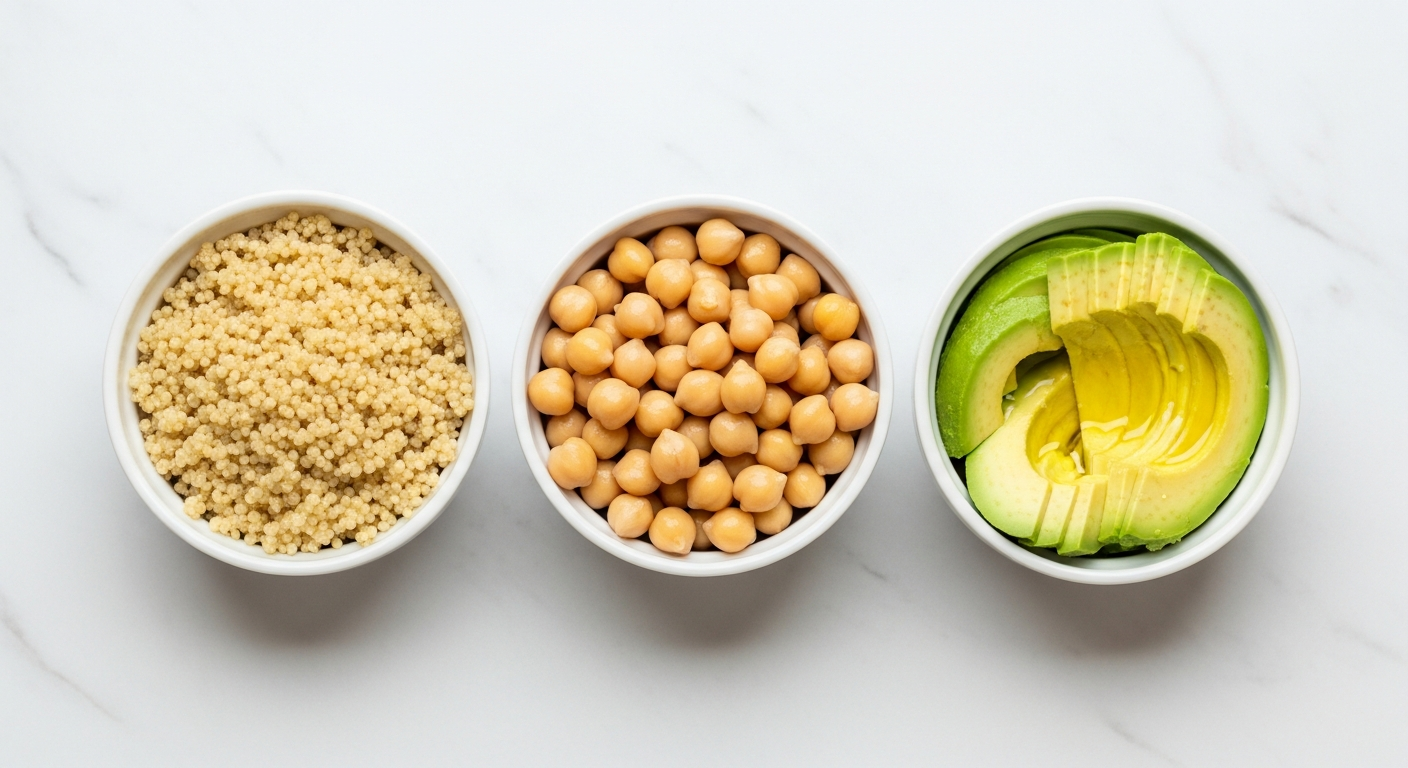
While macronutrients provide the bulk of your energy, micronutrients – vitamins and minerals – are equally critical. Though needed in smaller amounts, they are indispensable for countless bodily functions, from immune support and bone health to nerve function and energy production. Neglecting these can lead to subtle deficiencies that impact your overall health and vitality.
Vitamins: Organic Catalysts for Life
Vitamins are organic compounds your body needs to function properly and stay healthy. They are divided into two categories:
- Fat-Soluble Vitamins (A, D, E, K): Stored in the body’s fatty tissues and liver, they are absorbed best when consumed with fat.
- Vitamin A: Vision, immune function (carrots, sweet potatoes, spinach).
- Vitamin D: Bone health, immune support (fatty fish, fortified milk, sunlight).
- Vitamin E: Antioxidant, skin health (nuts, seeds, leafy greens).
- Vitamin K: Blood clotting, bone health (kale, spinach, broccoli).
- Water-Soluble Vitamins (B-complex, C): Not stored in the body and need to be replenished regularly.
- Vitamin C: Immune function, collagen production (citrus fruits, bell peppers, broccoli).
- B Vitamins (B1, B2, B3, B5, B6, B7, B9, B12): Energy metabolism, nerve function (whole grains, meat, eggs, legumes). Vitamin B12 is particularly important for vegetarians and vegans as it’s primarily found in animal products.
Minerals: Inorganic Essentials for Structure and Function
Minerals are inorganic elements that come from the soil and water and are absorbed by plants or eaten by animals. They play crucial roles in building strong bones, transmitting nerve impulses, maintaining fluid balance, and many other processes.
- Major Minerals: Needed in larger amounts (e.g., Calcium, Potassium, Sodium, Magnesium, Phosphorus).
- Calcium: Bone and teeth health, muscle function (dairy, leafy greens, fortified plant milks).
- Potassium: Fluid balance, nerve signals, muscle contractions (bananas, potatoes, spinach, avocados).
- Magnesium: Muscle and nerve function, blood glucose control (nuts, seeds, legumes, dark chocolate).
- Trace Minerals: Needed in smaller amounts (e.g., Iron, Zinc, Iodine, Selenium).
- Iron: Oxygen transport, energy production (red meat, lentils, spinach).
- Zinc: Immune function, wound healing (meat, shellfish, legumes, nuts).
- Iodine: Thyroid hormone production (seafood, iodized salt).
Practical Tip: Eat the Rainbow. The simplest way to ensure you’re getting a broad spectrum of vitamins and minerals is to consume a diverse range of colorful fruits and vegetables daily. Each color often signifies different nutrient profiles. While supplements can fill gaps, they should never replace nutrient-dense whole foods. Aim for at least 5-9 servings of fruits and vegetables per day.
The Indispensable Role of Water and Fiber
Beyond macronutrients and micronutrients, two other components are absolutely vital for optimal health: water and fiber. Often overlooked, these elements play critical roles in nearly every bodily process.
Hydration: Water is Life
Water is the most abundant compound in the human body, making up about 55-78% of an adult’s body weight. It’s involved in virtually every bodily function:
- Temperature Regulation: Through sweating.
- Nutrient Transport: Carries nutrients and oxygen to cells.
- Waste Removal: Flushes out toxins through urine and feces.
- Joint Lubrication: Keeps joints moving smoothly.
- Organ Protection: Cushions organs and tissues.
- Cognitive Function: Even mild dehydration can impair concentration and mood.
Health organizations often recommend drinking around eight 8-ounce glasses (about 2 liters) of water per day, but individual needs vary based on activity level, climate, and overall health. Listen to your body’s thirst cues, and remember that fruits and vegetables also contribute to your daily water intake.
Practical Tip: Make Water Your Go-To Beverage. Start your day with a glass of water, keep a reusable water bottle handy throughout the day, and opt for water instead of sugary drinks. If plain water feels boring, add slices of lemon, cucumber, or berries for natural flavor.
Fiber: Your Digestive System’s Best Friend
Fiber is a type of carbohydrate that your body cannot digest. While it doesn’t provide calories, its benefits are immense, particularly for digestive health and overall well-being. There are two main types:
- Soluble Fiber: Dissolves in water, forming a gel-like substance. It can help lower blood cholesterol and glucose levels. Found in oats, barley, nuts, seeds, beans, lentils, and many fruits (apples, citrus).
- Insoluble Fiber: Does not dissolve in water. It adds bulk to stool, helping food pass more quickly through the digestive system, which can prevent constipation. Found in whole wheat flour, wheat bran, nuts, beans, and vegetables (green beans, potatoes).
Benefits of adequate fiber intake (recommended 25-30 grams per day for adults):
- Improved Digestion: Prevents constipation and promotes regularity.
- Blood Sugar Control: Slows down sugar absorption, preventing sharp spikes.
- Heart Health: Soluble fiber can help reduce LDL cholesterol.
- Weight Management: Fiber-rich foods are generally more filling, helping you feel satisfied on fewer calories.
Practical Tip: Gradually Increase Fiber Intake. If you’re currently consuming little fiber, increase it slowly to avoid digestive discomfort. Add more whole grains, fruits, vegetables, and legumes to your diet. Remember to also increase your water intake when boosting fiber, as water helps fiber move through your system efficiently.
Portion Control and Mindful Eating: Cultivating a Healthy Relationship with Food

Understanding what to eat is one thing; knowing how much to eat and how to eat it is another crucial aspect of nutrition basics for beginners. Portion control and mindful eating are not about deprivation, but about listening to your body’s signals and fostering a healthier, more intuitive relationship with food.
Mastering Portion Control: Not a Diet, But Awareness
Portion control simply means being aware of how much food you’re consuming. Many people unintentionally overeat because they misjudge appropriate portion sizes. Restaurant servings, for example, are often two to three times larger than a standard serving size.
- Carbohydrates (Grains/Pasta): About the size of your cupped hand or a tennis ball.
- Protein (Meat/Fish): About the size and thickness of your palm or a deck of cards.
- Vegetables: As much as you can fit in both hands (aim for a large amount!).
- Healthy Fats (Nuts/Cheese): About the size of your thumb.
Mindful Eating: Savoring Every Bite
Mindful eating is the practice of paying full attention to the experience of eating and drinking, both inside and outside the body. It involves noticing the colors, smells, textures, and tastes of your food, as well as your body’s hunger and fullness cues. In our fast-paced world, many of us eat distractedly, rushing through meals or eating in front of screens, leading to overeating and reduced enjoyment.
Benefits of mindful eating:
- Increased enjoyment of food.
- Better recognition of hunger and fullness signals.
- Reduced overeating and emotional eating.
- Improved digestion.
- Greater appreciation for where your food comes from.
Practical Tip: Slow Down and Tune In. Before you eat, take a moment to observe your food. Put away distractions like your phone or TV. Chew slowly and thoroughly, noticing the flavors and textures. Put your fork down between bites. Ask yourself if you’re truly hungry or eating for other reasons (boredom, stress). Stop eating when you feel satisfied, not stuffed. Aim for 20 minutes to finish a meal, as it takes that long for your brain to register fullness.
Navigating the Supermarket: Reading Food Labels for Smart Choices
The supermarket aisle can be a minefield of marketing claims and confusing jargon. Learning to read and understand food labels is a powerful skill for anyone looking to master nutrition basics for beginners and make healthier choices.
Deciphering the Nutrition Facts Panel
The Nutrition Facts panel provides standardized information about the nutritional content of packaged foods. Here’s what to look for:
- Serving Size: This is the most crucial piece of information. All other nutritional values listed are for ONE serving. Be aware that many packages contain multiple servings, so multiply accordingly if you eat more.
- Calories: The total energy provided by one serving. Pay attention to how many calories you’re actually consuming if you eat multiple servings.
- Macronutrients:
- Total Fat: Look at saturated and trans fats specifically. Aim for low trans fats (ideally 0g) and moderate saturated fat.
- Cholesterol: Keep an eye on this, especially if you have heart concerns.
- Sodium: High sodium intake can contribute to high blood pressure. Aim for foods with lower sodium content.
- Total Carbohydrates:
- Dietary Fiber: Aim for higher fiber content.
- Total Sugars: This includes naturally occurring and added sugars.
- Added Sugars: This separate line item is key. The American Heart Association recommends no more than 25g (6 teaspoons) for women and 36g (9 teaspoons) for men daily. Processed foods are often high in added sugars.
- Protein: Note the amount per serving.
- Micronutrients: Vitamins and minerals (e.g., Vitamin D, Calcium, Iron, Potassium) are listed, often with their % Daily Value (DV). Aim for higher % DV for beneficial nutrients.
Understanding the Ingredients List
The ingredients list is perhaps even more telling than the nutrition panel. Ingredients are listed in descending order by weight, meaning the first ingredients are present in the largest amounts.
- Look for Whole Foods First: Prioritize products where whole ingredients (e.g., whole grain oats, chicken, vegetables, fruits) are listed at the top.
- Beware of Added Sugars: Sugar can hide under many names: high-fructose corn syrup, sucrose, dextrose, maltose, corn syrup, fruit juice concentrate, etc. If several types of sugar appear early in the list, the product is likely high in added sugars.
- Limit Highly Processed Ingredients: Long lists of unpronounceable chemicals, artificial colors, and preservatives are often indicators of highly processed foods with less nutritional value.
- Identify Unhealthy Fats: Look out for partially hydrogenated oils (trans fats) and excessive amounts of saturated fats.
Practical Tip: Compare Products. When choosing between similar products (e.g., different brands of yogurt or bread), compare their nutrition labels. You’ll quickly learn to identify healthier options based on fiber content, added sugars, and types of fats. Start by focusing on one or two key nutrients, like added sugars or fiber, to make it less overwhelming.
Building Your Balanced Plate: Putting It All Together
Now that we’ve covered the core elements of nutrition basics for beginners, how do you actually apply this knowledge to your daily meals? The concept of a “balanced plate” is a simple, visual guide to ensure you’re getting a good mix of macronutrients and micronutrients at each meal without overcomplicating things.
The Plate Method: A Simple Visual Guide
Imagine your dinner plate divided into sections:
- Half Your Plate: Fruits and Vegetables. Aim for a colorful variety of non-starchy vegetables (broccoli, spinach, bell peppers, salad greens) and some fruit. These are packed with vitamins, minerals, fiber, and antioxidants, and are generally low in calories.
- One-Quarter Your Plate: Lean Protein. Fill this section with sources like grilled chicken, fish, lean beef, tofu, beans, or lentils. Protein helps with satiety and muscle maintenance.
- One-Quarter Your Plate: Whole Grains or Starchy Vegetables. Choose complex carbohydrates like brown rice, quinoa, whole-wheat pasta, sweet potatoes, or corn. These provide sustained energy and fiber.
Additionally, remember to include a small amount of healthy fats (e.g., a drizzle of olive oil on your salad, a few slices of avocado) and make water your primary beverage.
Example Meal:
- Half: Large mixed green salad with cucumbers, tomatoes, and bell peppers.
- Quarter: Baked salmon fillet.
- Quarter: Quinoa.
- Healthy Fat: Light vinaigrette dressing with olive oil.
- Drink: Water.
Practical Steps for Meal Planning and Preparation
Consistency is key to sustainable healthy eating. Here are some actionable steps:
- Start Small: Don’t overhaul your entire diet overnight. Begin by focusing on one meal, like breakfast. Can you swap sugary cereal for oatmeal with fruit and nuts?
- Plan Ahead: Take 30 minutes once a week to plan your meals. This reduces decision fatigue and impulse eating. Write a grocery list based on your plan.
- Batch Cook: Prepare larger quantities of staples like cooked grains (quinoa, brown rice), roasted vegetables, or grilled chicken at the beginning of the week. This makes assembling quick, healthy meals much easier.
- Healthy Snacking: Keep nutritious snacks readily available to avoid reaching for processed options when hunger strikes. Examples include an apple with peanut butter, a handful of almonds, Greek yogurt with berries, or vegetable sticks with hummus.
- Cook at Home More Often: When you cook your own food, you have full control over the ingredients, portion sizes, and cooking methods. This significantly impacts the nutritional quality of your meals.
- Experiment and Explore: Healthy eating doesn’t have to be bland. Explore new recipes, spices, and cooking techniques. Discovering new favorite healthy dishes makes the journey enjoyable and sustainable.
Practical Tip: Aim for Consistency, Not Perfection. There will be days when you deviate from your plan, and that’s perfectly normal. The goal is to build consistent healthy habits over time. Don’t let one less-than-perfect meal derail your entire effort. Get back on track with your next meal.
Conclusion: Your Journey to Fueling a Better You
Embarking on a journey to understand and implement essential nutrition basics for beginners is one of the most empowering decisions you can make for your health. It’s not about strict rules or fad diets, but about building a foundational understanding of how food interacts with your body, providing the fuel it needs to thrive. We’ve explored the roles of macronutrients and micronutrients, highlighted the critical importance of hydration and fiber, and provided strategies for mindful eating and informed grocery shopping.
Remember, true nutrition is a lifelong learning process, a continuous exploration of what makes your unique body feel its best. It’s about nourishment, not deprivation; balance, not restriction. The small, consistent changes you make today will compound over time, leading to profound improvements in your energy levels, mood, physical health, and overall quality of life. Start by choosing one or two actionable tips from this guide and integrate them into your routine. Be patient with yourself, celebrate small victories, and stay curious.
Your body is an incredible machine, and with the right fuel, there’s no limit to what you can achieve. At Cafe Serre, we’re here to support you every step of the way. Continue to explore our resources for more delicious, healthy recipes, mindful living tips, and expert advice to enrich your wellness journey. What small step will you take today to fuel a better you?
About the Author: Jane Doe is a registered dietitian and certified nutritionist with 10 years of experience helping individuals achieve their health goals through sustainable nutrition practices. She is passionate about making healthy eating accessible and enjoyable for everyone. You can learn more about Jane and her work on the Cafe Serre About Us page.
Here are some frequently asked questions to further clarify nutrition basics for beginners:
Frequently Asked Questions
How much protein do I actually need?▾
Are carbohydrates really bad for me?▾
Do I need to take supplements to get all my nutrients?▾
How quickly will I see results from changing my diet?▾
Is it okay to have “cheat meals” or indulgences?▾