


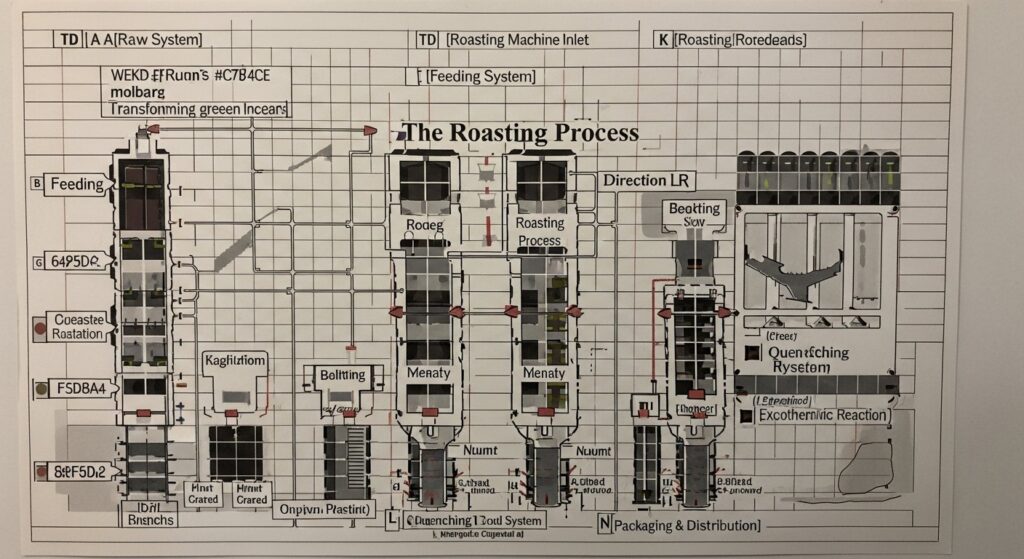
How Coffee is Roasted: A Comprehensive Guide for Home Enthusiasts
Coffee roasting is the transformative process that turns raw, dense green coffee beans into the aromatic, flavorful beans we brew daily. This intricate ‘how-to’ involves carefully controlled heat application, progressing through distinct stages like drying, the Maillard reaction, and caramelization, culminating in audible ‘cracks.’ For home coffee & culinary arts enthusiasts, mastering these steps is essential to unlock a bean’s full potential, developing its unique acidity, body, and flavor notes. Understanding this journey is not just about making coffee; it’s about appreciating the art and science behind every delicious cup, empowering you to experiment and achieve your ideal roast at home.
Understanding Green Coffee Beans: The Foundation of a Great Roast
Before any heat is applied, the journey of how coffee is roasted begins with the green coffee bean itself. These raw, unroasted seeds are far from the familiar brown nuggets; they are typically pale green to yellowish, dense, and possess a grassy or fresh scent rather than a rich coffee aroma. Their intrinsic qualities profoundly influence the roasting process and the final flavor profile.
Key Attributes of Green Coffee Beans
- Origin and Varietal: The geographic origin (e.g., Ethiopia, Colombia, Brazil) and specific coffee varietal (e.g., Arabica, Robusta, Gesha, Bourbon) dictate the bean’s inherent flavor potential, genetic density, and cellular structure. A high-altitude Arabica bean, for instance, typically has a denser structure and more complex sugars than a lower-altitude bean, impacting how it absorbs and transfers heat.
- Processing Method: How green beans are processed after harvest significantly affects their moisture content, sugar profile, and cleanliness.
- Washed (Wet) Process: Beans are de-pulped, fermented, and then dried. This method generally results in cleaner, brighter, and more acidic coffees, with a more uniform moisture content, which can make roasting more predictable.
- Natural (Dry) Process: Cherries are dried whole, allowing the fruit sugars to impart unique flavors to the bean. These beans often have lower acidity, heavier body, and distinct fruity or winey notes, but their irregular moisture content and residual fruit mucilage can make them challenging to roast evenly.
- Honey Process: A hybrid method where some mucilage is left on the bean during drying, offering a balance of sweetness and acidity.
- Moisture Content: An ideal moisture content for green coffee beans typically ranges between 10-12%. Beans that are too moist can roast slowly and unevenly, potentially leading to “baked” flavors. Conversely, excessively dry beans can roast too quickly, leading to scorching or tipping. Monitoring moisture is critical for consistent heat transfer.
- Density: Denser beans (often from higher altitudes) generally require more energy to roast but can develop more complex flavors due to their tighter cellular structure. Less dense beans roast faster and can be more prone to scorching.
Selecting high-quality green coffee beans is the crucial first step for any home roaster. Understanding these attributes allows you to anticipate how a particular bean will react to heat and to adjust your roasting strategy accordingly, laying the groundwork for a truly exceptional cup.
The Stages of Coffee Roasting: From Green to Brown
To truly understand how coffee is roasted, one must delve into the distinct physical and chemical transformations that occur as green beans absorb heat. This section breaks down the entire roasting journey, from initial drying to the final cooling, detailing the critical changes at each step.
-
What is the Drying Phase and Why is it Critical?
The roasting process begins with the drying phase, an essential but often underestimated stage. Green coffee beans contain roughly 10-12% moisture by weight. During this initial, endothermic (heat-absorbing) phase, the beans gradually absorb heat, and this internal moisture slowly evaporates. Visually, the beans transition from their original green hue to a pale yellow or straw color.
This phase is critical because uneven drying can lead to uneven roasting later on, causing some beans to roast faster or slower than others. A gentle and consistent heat application is key here, typically lasting 3-8 minutes, with internal bean temperatures rising from ambient to around 300°F (149°C). Proper drying prepares the bean for the more intense chemical reactions to come, ensuring uniform heat penetration.
-
The Maillard Reaction: Unlocking Complex Flavors
As the internal bean temperature continues to rise beyond the drying phase, reaching approximately 300-380°F (149-193°C), the Maillard reaction commences. This complex non-enzymatic browning reaction is arguably the most significant chemical transformation in coffee roasting, responsible for developing hundreds of the flavor and aroma compounds we associate with roasted coffee.
The Maillard reaction involves the interaction between amino acids and reducing sugars within the bean. This intricate dance of molecules creates a vast spectrum of flavors, from nutty and toasty notes to savory and chocolatey undertones, as well as the characteristic brown color of roasted coffee. This phase is characterized by an increasingly aromatic smell, often described as baking bread or hay, and the beans continue to brown, entering a light brown stage.
-
First Crack: The Audible Signal of Development
Continuing past the Maillard reaction, as the internal bean temperature reaches approximately 385-401°F (196-205°C), the beans undergo a dramatic physical change marked by the unmistakable sound of First Crack. This stage is exothermic (heat-releasing) and signifies the rapid expansion of the bean as accumulated steam and carbon dioxide inside the cellulose structure exert enough pressure to “crack” the bean open.
Audibly, First Crack sounds like popcorn popping – distinct, sharp snaps. Visually, the beans visibly expand, shed their silvery chaff, and take on a more uniform light brown color with a slightly textured surface. This is a pivotal moment for roasters, as it marks the beginning of true “development” where much of the final flavor profile is refined.
-
How Does Development Time Impact Flavor?
The period immediately following First Crack, known as development time or post-crack development, is crucial for refining a coffee’s flavor. During this phase, typically lasting 1-4 minutes (depending on the desired roast level), the internal cellular structure continues to transform, and various sugars and acids continue to caramelize and break down.
Insufficient development time can result in “underdeveloped” or “sour” coffee, where desirable flavors haven’t fully emerged, and acidity can be harsh. Conversely, excessively long development time can lead to “baked” flavors, where the coffee loses its vibrancy and complexity, becoming dull or bitter. Mastering development time is key to achieving a balanced, sweet, and complex cup, where the inherent characteristics of the green bean are highlighted.
-
Second Crack: Approaching Darker Roasts
If the roasting process continues past First Crack and through significant development time, the beans will eventually reach Second Crack. This occurs at higher internal temperatures, typically between 420-440°F (215-227°C), and sounds like a more brittle, continuous series of snaps and faint crinkling, often likened to rice krispies. It’s less distinct than First Crack.
Second Crack signifies a more aggressive breakdown of the bean’s cellular structure, as internal oils begin to migrate to the surface. At this stage, many of the nuanced, origin-specific flavors diminish, giving way to roast-derived notes like smoky, roasty, or bitter flavors. Beans roasted into Second Crack are typically considered medium-dark to dark roasts. For many specialty coffee enthusiasts, stopping the roast before or just at the beginning of Second Crack is preferred to preserve the coffee’s unique character.
-
Cooling: Halting the Roast
Once the desired roast level is achieved, typically by observing color, listening for cracks, and monitoring temperature, the beans must be cooled rapidly. Cooling is an essential final step that immediately halts the roasting process and prevents the beans from continuing to cook from residual heat. Fast cooling helps to lock in the developed flavors and aromas. Most home roasters use cooling trays with fans, though some simpler methods involve tossing beans in a colander.
| Stage | Description | Temperature Range (Internal Bean Temp) | Visual Cues | Audible Cues | Flavor Impact |
|---|---|---|---|---|---|
| Drying Phase | Moisture evaporation, prepares bean for chemical changes. Endothermic. | ~200-300°F (93-149°C) | Green to pale yellow/straw | None | Minimal flavor development, sets stage |
| Yellowing | Further moisture loss, start of subtle browning. | ~300-340°F (149-171°C) | Pale yellow to light brown | None | Hay-like aroma, slight sweetness |
| Maillard Reaction | Amino acids & sugars react, browning. Exothermic. | ~340-380°F (171-193°C) | Light brown, increasing browning | None | Complex flavor development (nutty, bready, chocolatey), intense aromas |
| First Crack | Rapid bean expansion as CO2 & steam release. Exothermic. | ~385-401°F (196-205°C) | Visible expansion, chaff separation | Distinct “popcorn” snaps | Start of true roast flavor, acidity development |
| Post-Crack Development | Time between cracks, refining flavor complexity. | ~401-420°F (205-215°C) | Darkening brown, minor oil sheen | Fading first crack, quiet | Sweetness, body, balance, origin characteristics emphasized |
| Second Crack | Cellular breakdown, internal oils migrate. More exothermic. | ~420-440°F (215-227°C) | Darker brown, visible oil on surface | Brittle “snaps,” crinkling sound | Roast-derived flavors (smoky, bitter), reduced acidity, diminished origin notes |
| Cooling | Rapidly halts the roasting process. | Rapid drop from peak temp | Stabilized roast color | None | Preserves developed flavors, prevents over-roasting |
[INLINE IMAGE 1: Diagram showing coffee beans at different roasting stages (green, yellow, light brown, first crack, medium, dark)]
Key Factors Influencing Roast Quality
Understanding the stages of how coffee is roasted is one thing, but consistently achieving a high-quality roast requires careful control over several critical variables. These factors directly impact how heat is transferred to the beans and, consequently, the chemical transformations that occur, ultimately shaping the final cup.
How Do Temperature and Airflow Affect Roast Progression?
- Temperature (Heat Application): Temperature control is paramount. The roaster’s temperature profile—how heat is applied and adjusted throughout the roast—determines the rate of rise (ROR), which is the speed at which the bean’s internal temperature increases.
- Initial Charge Temperature: The temperature of the roasting environment when the green beans are first introduced. A higher charge temperature can speed up the drying phase, while a lower one extends it.
- Ramp Rate: The pace at which the temperature increases. A controlled ramp rate is vital for even heat distribution and allows for adequate development of flavors. Too fast can lead to scorching; too slow can “bake” the coffee, making it flat.
- Ending Temperature: The temperature at which the roast is terminated dictates the roast level. Precision here ensures consistency between batches.
- Heat Transfer Methods: Roasters primarily use a combination of conduction (beans touching hot drum/surface), convection (hot air circulating around beans), and radiation (heat waves). The balance of these methods, controlled by temperature and airflow, is crucial for evenness.
- Airflow (Fan Speed/Damper Control): Airflow plays multiple roles in the roasting process:
- Heat Transfer: Convective airflow is a primary method of heat transfer, especially in fluid-bed (air) roasters. In drum roasters, it supplements conduction.
- Chaff Removal: Airflow effectively removes the papery outer layer (chaff) that separates from the beans during roasting, preventing it from burning and imparting smoky flavors.
- Smoke Management: As beans darken, they release smoke. Adequate airflow removes this smoke, preventing it from recirculating and tainting the beans.
- Moisture Removal: Airflow helps carry away the moisture evaporating from the beans during the drying phase, facilitating a more efficient and even dry.
- Temperature Control: Adjusting airflow can directly impact the roasting temperature, either by introducing cooler ambient air or by increasing the rate of heat transfer.
Mastering the interplay between temperature and airflow is the hallmark of an experienced roaster. Small adjustments can significantly alter the roast’s trajectory, impacting everything from acidity and body to sweetness and overall flavor clarity. Home roasters often gain this intuition through careful observation and meticulous note-taking for each batch.
Exploring Coffee Roast Levels and Their Flavor Profiles
One of the most exciting aspects of understanding how coffee is roasted is recognizing the spectrum of roast levels and the distinct flavor profiles they yield. The longer and hotter a bean is roasted, the more its inherent origin characteristics transform into roast-derived flavors.
| Roast Level | Color | Internal Temp Range (Approx.) | Acidity | Body | Flavor Notes | Caffeine Content | Best Brewing Method(s) |
|---|---|---|---|---|---|---|---|
| Light Roast | Light brown, no oil, often just past First Crack | 385-401°F (196-205°C) | High, vibrant, complex | Light to Medium | Fruity, floral, citrus, herbal, distinct origin characteristics | Slightly higher (by weight) | Pour Over, AeroPress, Syphon |
| Medium Roast | Medium brown, no oil, between First & Second Crack | 401-420°F (205-215°C) | Balanced, rounded | Medium | Chocolate, caramel, nutty, balanced sweetness, good origin character | Balanced | Drip Coffee, French Press, Espresso |
| Medium-Dark Roast | Darker brown, some oil sheen, light Second Crack | 420-435°F (215-224°C) | Lower, mellow | Medium to Full | Dark chocolate, roasted nuts, smoky undertones, bold | Slightly lower (by weight) | Espresso, French Press, Automatic Drip |
| Dark Roast | Very dark brown, oily surface, deep into Second Crack | 435-445°F (224-229°C) | Very low, often bitter | Full, heavy | Smoky, carbon, bitter chocolate, burnt sugar, minimal origin character | Lower (by weight) | Espresso, Cold Brew, French Press |
Understanding the Nuances of Each Roast Level
- Light Roasts (e.g., Cinnamon, New England): These roasts are pulled shortly after First Crack, preserving most of the bean’s origin characteristics. They tend to be bright, acidic, and complex, highlighting delicate floral, fruity, or citrus notes. The bean’s intrinsic sweetness can also shine through. While often perceived as having more caffeine, the difference is negligible by the cup, though slightly higher by weight due to less mass loss.
- Medium Roasts (e.g., City, American, Breakfast): A popular sweet spot for many, medium roasts achieve a balance between origin characteristics and roast-derived flavors. They are roasted further into the development phase, resulting in a more rounded body, balanced acidity, and flavors of caramel, chocolate, or nuts. This level is versatile and often highlights a coffee’s inherent sweetness.
- Medium-Dark Roasts (e.g., Full City, Vienna): These roasts push closer to, or just into, Second Crack. They develop a richer body and lower acidity. Origin flavors begin to recede, and bolder, roast-derived notes like dark chocolate, toasted nuts, and a subtle smokiness emerge. A slight oil sheen might be visible on the bean surface.
- Dark Roasts (e.g., French, Italian, Espresso): Roasted well into Second Crack, dark roasts are characterized by a heavy body, very low acidity, and prominent roast flavors. The beans are very dark brown, often oily, and can exhibit notes of smoke, char, bitter chocolate, or burnt sugar. The unique characteristics of the green bean are largely masked, giving way to the roast itself. While popular for strong espresso, their intense flavors may not appeal to those seeking nuanced origin notes.
Choosing the right roast level is a personal preference and often depends on the green bean’s quality and the desired brewing method. A truly great coffee can be roasted across different levels to showcase various aspects of its flavor potential.
[INLINE IMAGE 2: Visual comparison of various roasted coffee beans, from light to dark, showcasing color and oil differences.]
Cooling and Storing Your Freshly Roasted Coffee
The journey of how coffee is roasted doesn’t end when the heat is turned off. The steps taken immediately after roasting and in the days that follow are crucial for preserving flavor and ensuring a superior brewing experience.
Cooling: The Immediate Halt
Rapid cooling is essential to prevent the beans from continuing to cook from their residual heat, which can lead to over-roasting or “baking.” The goal is to bring the bean temperature down as quickly as possible, ideally within 2-4 minutes, to halt the chemical reactions. For home roasters, common cooling methods include:
- Cooling Trays with Fans: Many dedicated home roasters come with built-in cooling trays that rapidly draw air over and through the beans.
- Colander and Fan: For smaller batches, quickly transferring hot beans to a metal colander and stirring them vigorously under a household fan is an effective manual method.
- Air Agitation: Simply tossing or stirring the beans in a cool environment can help, though it’s less efficient than forced air.
Proper cooling locks in the developed flavors and aromas, ensuring the roast profile is precisely what you intended.
Degassing: The Flavor Maturation Process
Freshly roasted coffee beans release a significant amount of carbon dioxide (CO2), a process known as degassing. This is a natural byproduct of the roasting process, and it continues for several days after the roast. Degassing is important for several reasons:
- Flavor Development: While CO2 is released, other volatile aromatics develop, contributing to the coffee’s complexity.
- Improved Extraction: Excessive CO2 can create a “bloom” that hinders even water penetration during brewing, leading to uneven extraction. Allowing beans to degas improves brewing consistency.
The optimal degassing period varies by roast level and bean density, but generally:
- Light Roasts: May benefit from 3-5 days of degassing.
- Medium Roasts: Typically ideal after 4-7 days.
- Dark Roasts: Tend to degas faster but may still benefit from 2-4 days.
Always store freshly roasted coffee in a container that allows CO2 to escape without allowing oxygen in, such as a bag with a one-way valve or a specialized coffee canister.
Storing Your Roasted Coffee: Preserving Freshness
Once your coffee has degassed sufficiently, proper storage is paramount to maintain its freshness and flavor. Oxygen, moisture, heat, and light are the primary enemies of roasted coffee.
- Airtight Container: Store coffee in an opaque, airtight container, ideally with a one-way valve to allow residual CO2 to escape without oxygen entering. Glass jars, ceramic canisters, or specialized coffee storage containers work well.
- Cool, Dark Place: Keep your coffee away from direct sunlight and heat sources (like stovetops or windows). A pantry or cupboard is ideal.
- Whole Bean is Best: For optimal freshness, always store coffee as whole beans and grind them just before brewing. Grinding increases the surface area exposed to oxygen, accelerating staleness.
- Avoid Refrigeration: The refrigerator is not recommended for coffee storage as it can introduce moisture and cause the beans to absorb unwanted odors from other foods.
- Freezing for Long-Term: For extended storage (weeks to months), freezing whole beans in an airtight, freezer-safe bag or container can preserve freshness. Thaw only the amount you need to avoid repeated freezing and thawing cycles.
By diligently cooling and properly storing your freshly roasted coffee, you ensure that the effort put into the roasting process translates into the best possible cup, preserving those precious aromas and flavors.
Common Home Roasting Mistakes to Avoid
Even with a thorough understanding of how coffee is roasted, home roasting can present challenges. Recognizing and avoiding common mistakes is key to improving consistency and quality, turning potential failures into learning opportunities for any home coffee roaster.
- Uneven Roasts: This is a frequent issue, especially with less sophisticated home equipment or poor bean agitation. Some beans may be dark while others are light.
- Cause: Inconsistent heat distribution, insufficient agitation, uneven bean size/density.
- Solution: Ensure beans are constantly moving in the roaster. Sort green beans by size if possible. Preheat your roaster adequately.
- Scorching or Tipping: Scorching occurs when parts of the bean (often the flat side) are burned due to direct contact with a very hot surface. Tipping is similar but affects the ends of the bean.
- Cause: Too high an initial charge temperature, direct flame contact, insufficient agitation.
- Solution: Lower your charge temperature. Increase agitation. Adjust heat source if using a manual method like pan roasting.
- Baking: This results from a roast that is too long at too low a temperature, especially during the drying and Maillard phases. The coffee tastes flat, muted, and lacks vibrancy.
- Cause: Insufficient heat, too slow a ramp rate, long overall roast time.
- Solution: Increase heat application, especially in the early stages, to maintain a proper rate of rise. Aim for typical roast times (e.g., 8-15 minutes).
- Under-roasting: Pulling the roast too early, before adequate development has occurred.
- Cause: Impatience, misjudging First Crack, insufficient development time.
- Solution: Listen carefully for First Crack. Allow sufficient development time after First Crack to bring out sweetness and complexity.
- Over-roasting: Pushing the roast too far, beyond the desired level, often into or past Second Crack for light/medium roast goals.
- Cause: Not stopping the roast in time, slow cooling.
- Solution: Pay close attention to visual cues, audible cracks, and temperature. Cool beans rapidly and immediately.
- Ignoring Roasting Logs: Not tracking parameters like time, temperature, and observations.
- Cause: Over-reliance on intuition.
- Solution: Keep a detailed log for every roast. Note green bean type, starting temperature, time to yellowing, time to First Crack, end time, end temperature, and taste notes. This data is invaluable for learning and consistency.
Signs of Under-Roasted vs. Over-Roasted Coffee
Learning to identify the characteristics of under-roasted and over-roasted coffee will help you fine-tune your technique and achieve your desired results.
- Under-Roasted Coffee:
- Appearance: Pale brown, some green/yellow spots, inconsistent color, dull surface.
- Aroma: Grassy, hay-like, bready, or popcorn-like.
- Taste: Sour, harsh, underdeveloped, sometimes salty, lacking sweetness, thin body. The acidity is often unpleasant and sharp rather than vibrant.
- Over-Roasted Coffee:
- Appearance: Very dark brown to black, oily sheen, brittle, often uniform very dark color.
- Aroma: Smoky, burnt, rubbery, acrid, carbon.
- Taste: Bitter, burnt, empty, ashy, carbonized. All origin characteristics are gone, replaced by the taste of the roast itself. Body can be heavy but often feels flat.
The sweet spot lies in between, where the bean’s inherent flavors are harmonized with the complexities developed during the roasting process, creating a balanced and delightful cup.
Choosing Your Home Roaster: An Overview
For home enthusiasts learning how coffee is roasted, selecting the right equipment is a significant step. Various types of home coffee roasters offer different levels of control, capacity, and learning curves. Understanding the pros and cons of each can help you make an informed decision.
| Roaster Type | Pros | Cons | Ideal for… | Price Range (USD) |
|---|---|---|---|---|
| Air Roaster (Fluid Bed) | Fast roasting (5-10 min), excellent visibility, clean roast, good for lighter roasts. | Smaller batch sizes (4-6 oz), can be loud, less control over heat curve, often limited for darker roasts. | Beginners, those wanting quick batches of light/medium roasts, experimenting with single origins. | $100 – $400 |
| Drum Roaster (Small Batch) | More control over heat & airflow, larger batch sizes (up to 1 lb), good for all roast levels, often yields complex flavors. | Longer roast times (10-20 min), higher learning curve, higher initial cost, more smoke. | Intermediate to advanced roasters, those wanting precise control & larger batches, exploring various roast profiles. | $300 – $1,500+ |
| Pan Roasting (Manual) | Extremely low cost (requires a cast iron pan), direct control over heat, highly tactile experience. | Very inconsistent & uneven roasts, high effort, lots of smoke, difficult to replicate results. | Curiosity, emergency roasting, very small experimental batches, those on a minimal budget. | $20 – $50 (for pan) |
| Oven Roasting | No specialized equipment needed beyond a baking sheet & oven. | Very uneven roasting, heavy smoke, often produces “baked” flavors, difficult to monitor/control. | Rarely recommended due to poor results. | $0 (uses existing oven) |
Considerations When Choosing a Roaster
- Budget: Roasters range from simple and affordable to highly sophisticated and expensive.
- Batch Size: How much coffee do you want to roast at once? This impacts how often you’ll need to roast.
- Control: Do you want precise control over temperature and airflow, or are you happy with a more automated process?
- Learning Curve: Some roasters are more forgiving for beginners, while others require more skill and practice.
- Ventilation: All roasting produces smoke and odors. Ensure you have adequate ventilation, especially for larger batches or darker roasts.
Regardless of the type of roaster you choose, the principles of how coffee is roasted remain the same: careful heat management, attentive observation of the stages, and rapid cooling. With practice and persistence, any home enthusiast can transform green beans into delicious, freshly roasted coffee.