


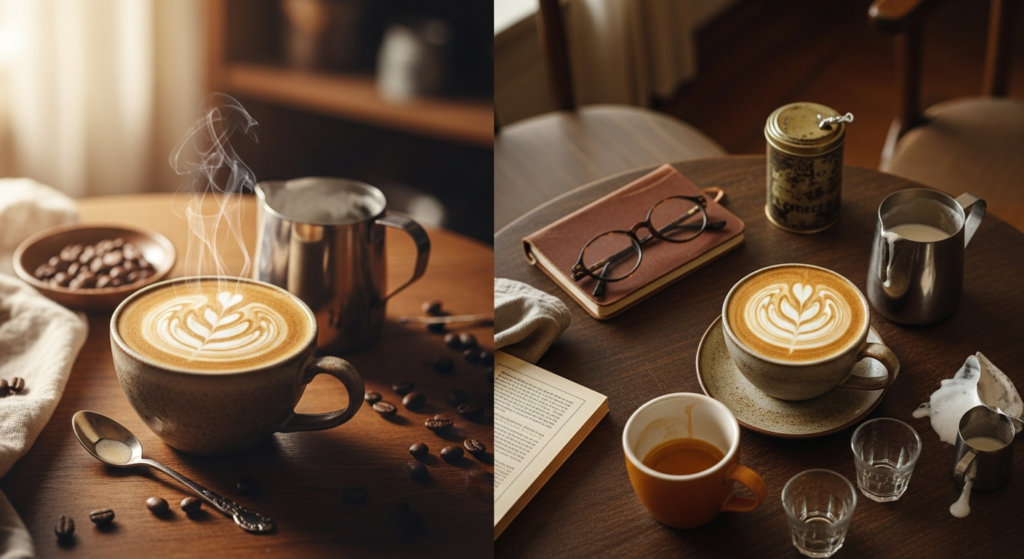
Master the Pour: Essential Latte Art Tips for Beginners in 2026
The transition from a simple cup of coffee to a masterpiece in a mug is a journey every coffee enthusiast dreams of taking. As we move through 2026, the home barista movement has evolved from a niche hobby into a sophisticated lifestyle. With professional-grade technology now sitting on kitchen counters worldwide, the barrier to entry for creating café-quality aesthetics has never been lower. However, while the machines have become smarter, the soul of latte art remains in the hands of the creator.
Learning latte art is a rite of passage. It is the perfect marriage of fluid dynamics, culinary precision, and artistic expression. Whether you are aiming to impress your guests or simply want to start your morning with a visual representation of your craft, mastering the pour requires patience, the right technique, and a bit of science. In this comprehensive guide, we will explore the essential latte art tips for beginners in 2026, helping you turn that blank canvas of crema into a stunning work of art.
—
1. The Foundation: Nailing the Espresso and Microfoam
Before you can draw, you must prepare your canvas. In the world of latte art, your canvas consists of two elements: a rich, elastic espresso crema and perfectly textured microfoam. By 2026 standards, precision is everything.
#
The Perfect Crema
Your espresso shot is the “paint” of your artwork. If the espresso is too watery, the milk will simply sink and vanish. If it is too thick or over-extracted, the surface tension will be difficult to break. Aim for a 1:2 ratio (18g of coffee to 36g of liquid) pulled over 25–30 seconds. A healthy layer of crema—the golden-brown foam on top of the shot—acts as the surface that holds your milk in place. If your crema is dissipating, try swirling the espresso in the cup to keep it integrated before you begin your pour.
#
The “Wet Paint” Texture
The secret to latte art isn’t just “foam”; it’s *microfoam*. You are looking for a texture that resembles wet, glossy white paint. To achieve this in 2026, many home baristas are utilizing smart steam wands that monitor temperature in real-time.
1. **Stretching:** Place the tip of the steam wand just below the surface of the milk. You should hear a “paper tearing” sound. This introduces air. For a latte, you only need to stretch the milk for 2–3 seconds.
2. **Texturing (The Vortex):** Submerge the wand slightly deeper and tilt the pitcher to create a whirlpool effect. This breaks down large bubbles into microscopic ones.
3. **Temperature:** Stop when the pitcher reaches 60–65°C (140–150°F). Anything hotter will scald the proteins in the milk, causing the foam to stiffen and lose its sweetness.
—
2. Essential Gear for the 2026 Home Barista
While skill is paramount, the tools of 2026 have made the learning curve significantly shallower. If you are serious about your progress, investing in specific gear will change the way you interact with your milk.
#
The Precision Pitcher
Gone are the days of generic stainless steel jugs. Modern pitchers feature specialized spouts designed for different styles of art. For beginners, a **classic round-spout pitcher** is ideal. It allows for a flow that is easier to control when creating hearts and tulips. As you progress toward intricate rosettas, you might switch to a **sharp-spout pitcher** for finer lines.
#
Smart Scales and Flow Rate Monitors
In 2026, connectivity is key. Using a smart scale that links to your phone can help you track the weight of your milk and the speed of your pour. Consistency is the hardest part of latte art; by measuring your inputs, you remove the guesswork.
#
The Right Cup
Many beginners make the mistake of using narrow, deep mugs. For latte art, you want a **bowl-shaped cup** with a wide surface area. A cup that curves outward allows the milk to glide across the surface of the espresso rather than diving straight to the bottom. Look for “tazza” style cups, which are the industry standard for competitive pouring.
—
3. Mastering the Pour: The Mechanics of Movement
Latte art is as much about physics as it is about art. There are three primary phases to a successful pour: the integration, the drop, and the finish.
#
Phase 1: The Integration (High and Slow)
Start with your cup tilted at a 45-degree angle. Hold your pitcher about 2-3 inches above the cup. Pour a thin, steady stream into the deepest part of the espresso. This “sets the base” by mixing the milk and espresso without breaking the surface tension of the crema.
#
Phase 2: The Drop (Low and Fast)
Once the cup is about half full, bring the spout of the pitcher as close to the liquid as possible—almost touching it. This is where the magic happens. By bringing the pitcher low, the white foam will begin to “bloom” or stay on top of the crema instead of sinking. Increase your flow rate slightly as you bring the pitcher down.
#
Phase 3: The Finish (High and Thin)
To complete most designs, you need to “cut” through the shape. To do this, lift the pitcher back up to the starting height and pour a very thin stream through the center of your design. Lifting the pitcher thins the stream, which prevents the design from being dragged or distorted into a messy blob.
—
4. Three Classic Designs for Beginners
Don’t try to pour a “swan” on day one. In 2026, the most respected baristas still emphasize the importance of mastering the fundamentals. Focus on these three shapes in order.
#
The Heart
The heart is the foundation of all latte art.
* **The Technique:** Pour into the center with the pitcher low. Keep the pitcher stationary. As a white circle forms, lift the pitcher and draw a line through the center to pull the circle into a heart shape.
#
The Tulip
The tulip introduces the concept of “stacking.”
* **The Technique:** Pour a small circle and stop. Move the pitcher slightly back and pour a second circle that “pushes” the first one. Repeat this 3-4 times. Finally, lift and cut through all the layers to create a tiered tulip.
#
The Rosetta
The rosetta introduces the “wiggle.”
* **The Technique:** As you bring the pitcher low, begin a gentle side-to-side rocking motion with your wrist. This creates “leaves.” As you move the pitcher toward the back of the cup, continue wiggling, then lift and cut through the center to create the stem.
—
5. Troubleshooting: Why Your Art Isn’t Working
Every beginner faces the same frustrations. Understanding the “why” behind your failures is the fastest way to improve.
* **The “Ghost” Art:** If your white foam disappears into the coffee, your milk is likely too thin (not enough stretching) or you are pouring from too high a distance during the design phase.
* **The “Cloud” Effect:** If your art looks like a blurry white blob, your milk is likely too thick. You’ve introduced too much air, creating “dry” foam that doesn’t flow.
* **Off-Center Designs:** This usually happens because the cup isn’t being leveled as it fills. Remember to slowly tilt the cup back to a horizontal position as the liquid nears the rim.
* **Bubbles on Top:** If you see large bubbles in your finished product, you didn’t “groom” your milk. After steaming, tap the pitcher on the counter and swirl it vigorously to integrate the foam before pouring.
—
6. 2026 Trends: Plant-Based Milks and Sustainable Art
As we progress through 2026, the demand for dairy-free latte art has reached an all-time high. However, alternative milks behave differently under steam.
#
Oat and Pea Milks
Oat milk remains the king of plant-based latte art in 2026 due to its high fat and protein content, which mimics dairy. When steaming oat milk, stretch it for slightly less time than dairy, as it tends to become “stiff” quickly.
#
Precision Steaming for Alts
Many modern machines now have “Alternative Milk” settings on their steam wands. These settings adjust the pressure to account for the lower protein structures in almond or soy milk. If you are struggling with plant-based art, ensure you are using “Barista Edition” versions of these milks, which contain added stabilizers to help the microfoam hold its shape.
—
Frequently Asked Questions (FAQ)
#
1. Can I practice latte art without wasting coffee and milk?
Yes! A popular 2026 pro-tip is to use water with a drop of dish soap in your pitcher to practice the “vortex” and texturing. To practice pouring, you can use water and a dash of cocoa powder on top of the water in your cup to simulate the crema surface.
#
2. How long does it take to learn latte art?
For most beginners, it takes about 20 to 50 attempts to pour a recognizable heart. To master a complex rosetta, expect to spend 3–6 months of daily practice. Consistency is more important than the number of pours in a single day.
#
3. Does the fat content of the milk matter?
Absolutely. Whole milk (3.5% fat) is the gold standard for beginners because the fat provides the necessary lubrication for the foam to slide, while the proteins provide the structure. Skim milk creates “stiff” foam that is difficult to manipulate.
#
4. My milk is glossy, but it still won’t form a shape. Why?
You might be pouring too slowly. If the flow isn’t fast enough when the pitcher is low, the foam stays in the pitcher and only the liquid milk comes out. Give the pitcher a slight “push” or increase the flow rate once you start the design.
#
5. Why does my espresso crema look “broken” before I start?
This is often caused by using beans that are too old or too fresh. In 2026, look for beans roasted between 7 and 21 days ago. If they are too fresh (under 3 days), the excess CO2 will create large, unstable bubbles in your crema.
—
Conclusion: The Path to Barista Mastery
As we embrace the coffee innovations of 2026, it is easy to get caught up in the gadgets and high-tech gear. Yet, the most important tool you possess is your own muscle memory. Latte art is a meditative practice; it rewards those who pay attention to the subtle sounds of the steam wand and the gentle resistance of the milk against the crema.
Don’t be discouraged by a “messy” cup. Even the world-class baristas of today once poured unidentifiable blobs. Every pour is a lesson in temperature, height, and speed. By focusing on the fundamentals—perfecting your microfoam, understanding the physics of the pour, and practicing the classic shapes—you will eventually find that moment of “flow” where the design appears as if by magic. Keep your equipment clean, your milk cold, and your spirit patient. Your journey toward the perfect latte art has only just begun. High-quality coffee is a luxury, but the ability to turn it into art is a gift you give to yourself every morning. Enjoy the process!