


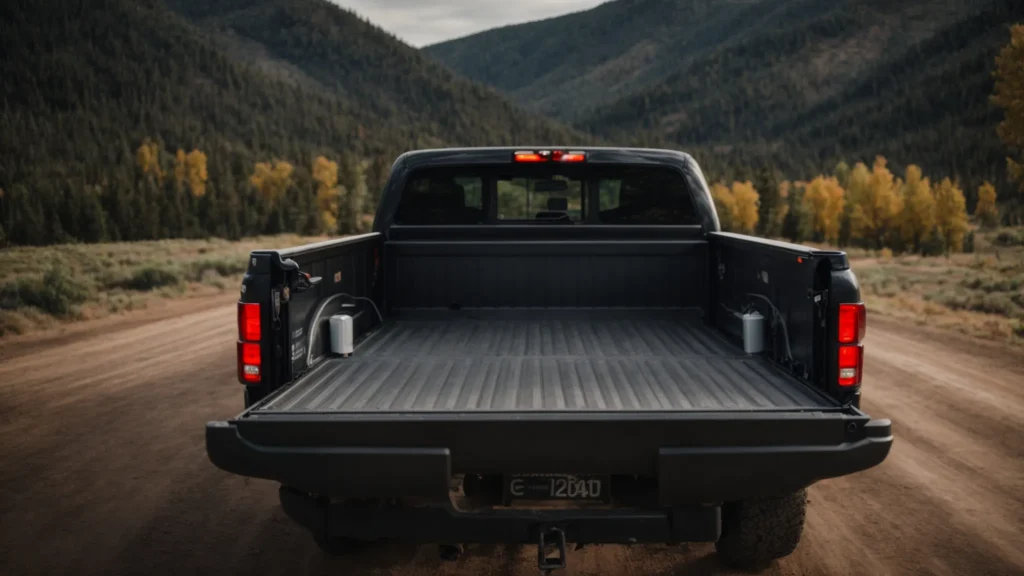
When purchasing a new truck bed, selecting the right one can be as vital to your vehicle’s performance and productivity as the engine itself. The market offers a plethora of truck bed options, each with unique features and specifications suited to different needs and preferences. With businesses reporting up to a 23% increase in operational efficiency simply by choosing the right truck bed, this decision warrants thorough consideration.
Understanding the nuances of truck bed design, materials, and features can significantly enhance your vehicle’s versatility and durability. Below, we delve into the critical factors you should consider to ensure you maximize the functionality of your new truck bed.
Assessing Truck Bed Sizes and Compatibility With Your Vehicle


One of the first steps in selecting a truck bed is to confirm the compatibility between the bed and your vehicle. The truck bed must align with the make, model, and year of your truck to ensure a proper fit and avoid any operational difficulties.
Truck beds come in various sizes—from short, standard, to long beds—and knowing the exact bed dimensions your vehicle requires is paramount. A mismatch can lead to increased costs due to modifications or even render the bed unusable. The standard pickup truck bed typically ranges from about 5 to 8 feet in length.
To guarantee a seamless fit, always consult the vehicle’s manual for specifications or seek guidance from professionals who can recommend compatible truck beds, such as those offered by https://www.hillsboroindustries.com/. They can provide detailed insights into which models will synchronize with your truck’s design.
Material Matters: Weighing Durability and Weight in Truck Bed Selection
Choosing the right material for your truck bed is crucial for balancing durability and weight. The material influences not just the longevity of the bed but also the vehicle’s fuel efficiency and payload capacity.
Steel truck beds are known for their robustness and are well-suited for heavy-duty applications, but they’re also heavier, which might reduce fuel efficiency. On the other hand, aluminum beds are lighter, offer good durability, and can improve fuel economy; however, they may not withstand the same level of abuse as steel beds. Fiberglass and plastic options are available for those prioritizing weight savings over ruggedness.
When considering materials, factor in the typical cargo and conditions your truck bed will face. Evaluate if the weight savings from lighter materials justify any potential sacrifices in durability for your specific usage scenario.
Functional Features and Customization Options for Truck Beds
The functionality of a truck bed extends beyond its size and material; additional features and customization options can significantly enhance its utility. Examining these features in light of your needs can transform a standard bed into a tailored tool for your work.
Consider options such as built-in toolboxes, tie-down points, and bed liners which protect against damage and corrosion while improving cargo management. Some truck beds offer modular designs allowing for additions like side rails, racks, and dividers that make organization and access to materials more manageable.
Before making a purchase, list the functions you require from your truck bed and inquire about customization options. Manufacturers often provide packages that include popular combinations of features or offer a la carte additions that can align with your specific requirements.
Evaluating Cost Versus Quality for Long-Term Truck Bed Value

Price should not be the sole determinant when investing in a truck bed, as initial savings may translate to higher costs over time. A quality truck bed made with top-tier materials and craftsmanship might have a higher upfront cost but can offer greater durability, reducing the need for replacements or repairs.
Studies show that vehicle uptime can increase by up to 15% when high-quality equipment is used, underscoring the importance of investing in superior products. Look for truck beds with warranties and check customer reviews to gauge the long-term performance and reliability of different models.
Consider the lifespan of the truck bed and calculate the total cost of ownership, including maintenance and potential downtime. Weighing these factors will help ascertain the true value and ensure that your investment pays off in the long run.
Ultimately, selecting the right truck bed involves a comprehensive evaluation of size, material, functionality, and cost. By addressing each of these factors with precise attention to your truck’s specifications and your workload demands, you can enhance the overall performance and efficiency of your vehicle. Remember, a strategic investment in a quality truck bed will resonate with every mile and task conquered.