


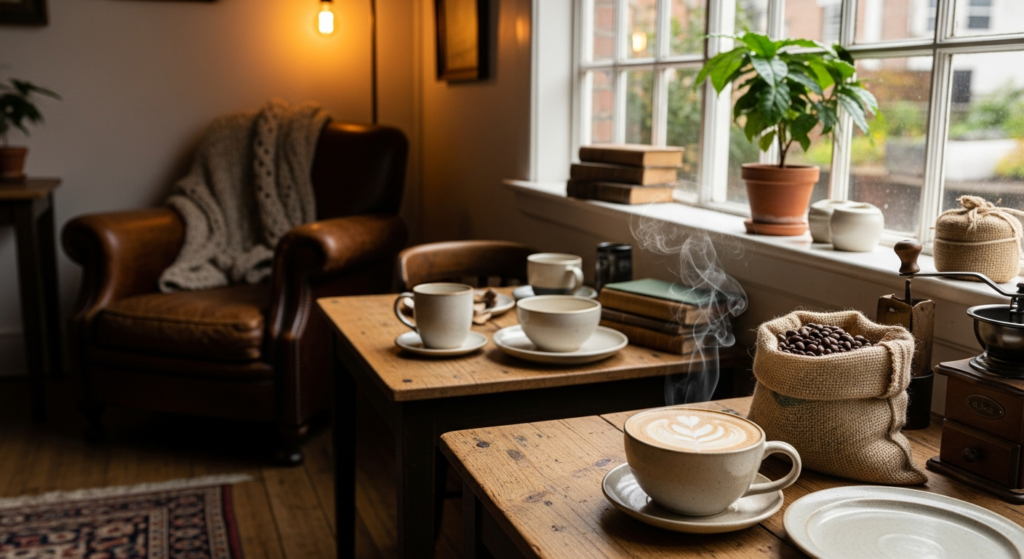
The Best Sustainable Coffee Bean Brands of 2026: A Guide for Conscious Home Baristas
For the modern home barista, the perfect cup of coffee is no longer just about the precise extraction time or the silkiness of the microfoam. In 2026, the definition of “premium coffee” has fundamentally shifted. Excellence is now measured as much by the health of the soil in Ethiopia or the living wage of a picker in Colombia as it is by the flavor notes on the bag. As we navigate a world where climate change increasingly threatens the “Bean Belt,” sustainability has moved from a niche marketing term to a survival mandate for the coffee industry.
Choosing sustainable coffee bean brands in 2026 means looking beyond the surface-level “organic” sticker. It involves understanding complex supply chains, regenerative agricultural practices, and the revolutionary shift toward carbon-neutral logistics. For those who take pride in their morning ritual, your choice of beans is your strongest vote for the future of the planet. This guide explores the vanguard of the coffee industry—brands that are not only roasting world-class beans but are also pioneering a regenerative, ethical, and transparent future for every cup.
1. The New Standard of Sustainability: Regenerative Agriculture
By 2026, the conversation around sustainable coffee has evolved from “doing no harm” to “actively healing the earth.” This shift is headlined by **Regenerative Agriculture**. Unlike traditional organic farming, which focuses on the absence of synthetic chemicals, regenerative farming seeks to restore the ecosystem.
For the home barista, this means looking for brands that prioritize soil health. Healthy soil acts as a massive carbon sink, sequestering CO2 from the atmosphere and helping to mitigate climate change. In 2026, top-tier brands are increasingly moving toward **Regenerative Organic Certified (ROC)** status. This certification requires farmers to implement crop rotation, cover cropping, and composting, which results in more resilient coffee plants and, ultimately, a more complex flavor profile.
When you buy beans from a regenerative source, you are supporting a farm that likely mimics a natural forest. These “shade-grown” environments protect biodiversity, providing habitats for migratory birds and beneficial insects that naturally control pests. In 2026, the connection between a healthy ecosystem and a delicious, high-scoring specialty coffee is more apparent than ever.
2. Top Sustainable Coffee Bean Brands to Watch in 2026
The following brands have distinguished themselves as leaders in the 2026 market, balancing exceptional roast quality with radical transparency and environmental stewardship.
#
Pachamama Coffee
Pachamama remains a gold standard because it is 100% farmer-owned. In 2026, their business model is the ultimate expression of direct trade. Because the farmers themselves own the roasting and distribution arms of the company, a significantly higher percentage of the retail price goes back to the origin communities. Their 2026 lineup features incredible single-origins that are fully traceable via blockchain, allowing you to see exactly when your beans were harvested and how much the farmer was paid.
#
Equator Coffees
As a certified B Corp and a pioneer in the “Fair Trade” movement, Equator Coffees has spent decades refining its impact. In 2026, they are leading the way in carbon-neutral roasting. Their California-based facilities utilize high-efficiency Loring Smart Roasters, which reduce fuel consumption and greenhouse gas emissions by up to 80% compared to traditional roasters. Their “Tigerwalk” espresso remains a favorite for home baristas seeking a sustainable, chocolatey base for lattes.
#
Counter Culture Coffee
Transparency has always been Counter Culture’s hallmark, but in 2026, their annual Transparency Reports have set a new industry benchmark. They provide granular data on every cent spent in their supply chain. Their commitment to “Climate Change Adaption” projects helps their partner farmers implement irrigation systems and drought-resistant cultivars, ensuring that these legendary coffee-growing regions remain viable for decades to come.
#
Driftaway Coffee
For the tech-savvy home barista, Driftaway Coffee offers a personalized subscription model that emphasizes sustainability at every touchpoint. In 2026, they have achieved 100% home-compostable packaging—a feat many brands still struggle with. Their “Explorer” kits allow you to taste various profiles while reading digital stories about the farmers, creating a deep emotional connection to the source of your caffeine.
3. Beyond the Label: Understanding 2026 Certifications
Navigating the world of coffee certifications can feel like swimming in alphabet soup. However, for the conscious consumer in 2026, understanding these marks is essential for verifying a brand’s claims.
* **Fair Trade Certified:** This remains the baseline for ethical sourcing. It ensures farmers receive a “Fair Trade Minimum Price,” which acts as a safety net when market prices plummet. In 2026, look for “Fair Trade Plus” models where brands pay well above the minimum to ensure a living wage.
* **Rainforest Alliance:** This certification focuses on the intersection of environmental protection and social equity. In 2026, the Rainforest Alliance has strengthened its requirements regarding deforestation-free supply chains, ensuring your coffee isn’t contributing to the loss of tropical canopies.
* **Bird Friendly (Smithsonian):** Often cited as the “gold standard” for environmentalism, this certification requires 100% organic production and a minimum of 40% shade cover. It is the best way to ensure your morning cup supports global bird populations.
* **B Corp Certification:** This doesn’t just apply to the beans, but to the entire company. A B Corp-certified roaster has met rigorous standards of social and environmental performance, accountability, and transparency.
4. The Role of Innovative Packaging and Waste Reduction
In 2026, a truly sustainable coffee brand must address the “plastic problem.” Traditionally, coffee bags required a plastic-and-foil lining with a one-way plastic valve to keep beans fresh. This created a recycling nightmare.
The most innovative brands of 2026 have transitioned to **bio-based materials**. We are now seeing bags made from cornstarch, sugarcane, and even mushroom-based mycelium that can be tossed into a backyard compost bin and disappear within months. Furthermore, the “Valve Problem” has been solved with the invention of compostable degassing valves.
As a home barista, sustainability also extends to your kitchen. To complement your sustainable beans:
1. **Switch to Reusable Filters:** Whether you use a Hario V60 or a Chemex, stainless steel or organic cloth filters eliminate the waste of bleached paper.
2. **Compost Your Pucks:** Spent coffee grounds are nitrogen-rich and perfect for your garden. In 2026, many urban areas offer “circular economy” services that collect used grounds to grow gourmet mushrooms.
3. **Mind the Water:** Coffee is 98% water. Using a high-quality, long-lasting water filtration system reduces the need for bottled water and protects your espresso machine from scale, extending its lifespan and reducing electronic waste.
5. Direct Trade 2.0: The Digital Revolution in Sourcing
The term “Direct Trade” has been used for years, but in 2026, it has entered its “2.0” phase. In the past, direct trade simply meant a roaster visited a farm once a year. Today, it is powered by **Blockchain and AI**.
Sustainable brands are now using blockchain to create an immutable ledger of every transaction. When you scan a QR code on a bag of beans in 2026, you can see the “digital twin” of your coffee. This includes the exact GPS coordinates of the farm, the date of the harvest, the moisture content of the beans during shipping, and the precise timestamp of the roast.
This technology eliminates “greenwashing.” A brand can no longer simply claim to be ethical; they must prove it with data. This level of transparency ensures that the premiums paid by home baristas are actually reaching the farmers, enabling them to invest in their communities, schools, and healthcare. For the barista, this adds a layer of “ethical terroir”—the knowledge that the coffee tastes good because it was produced under good conditions.
6. How to Choose Your Beans: A 2026 Buyer’s Checklist
When you are browsing your local specialty roaster or an online shop, use this checklist to ensure your 2026 coffee selection is truly sustainable:
1. **Roast Date vs. Best Buy Date:** Sustainable specialty brands always provide a roast date. Freshness is a hallmark of quality, and quality is a hallmark of sustainability (as it prevents waste).
2. **Specific Farm or Co-op Names:** Avoid bags that only say “Central American Blend.” Look for specific names like “Finca La Amistad” or “The Agaro Co-operative.” Specificity equals accountability.
3. **Processing Information:** Was the coffee “Washed,” “Natural,” or “Honey Processed”? In 2026, look for “Water-Wise” processing methods that recycle the water used to strip the coffee cherries, preventing pollution in local waterways.
4. **The “Why” Behind the Price:** If a bag of specialty coffee is suspiciously cheap, someone, somewhere, is paying the price. Expect to pay a premium for beans that support regenerative soil and living wages.
5. **Altitude and Variety:** Higher altitude beans (1,500m+) often require more care but result in denser, more flavorful beans. Supporting diverse heirloom varieties (like Bourbon, Geisha, or SL-28) helps preserve the genetic diversity of coffee, which is crucial for surviving future climate shifts.
FAQ: Sustainable Coffee in 2026
**Q1: Is organic coffee always better for the environment?**
Not necessarily. While organic coffee avoids synthetic pesticides, “Regenerative Organic” or “Bird Friendly” certifications are more holistic. Some small-scale farmers practice organic methods but cannot afford the expensive certification. In 2026, direct trade transparency is often a better indicator of sustainability than a standard organic label.
**Q2: What is the most eco-friendly way to brew coffee at home?**
The French Press and the AeroPress (with a reusable metal filter) are among the most sustainable because they produce zero paper waste and use no electricity other than what is required to boil water. Manual burr grinders are also more eco-friendly than electric ones.
**Q3: Does decaf coffee use harmful chemicals?**
In the past, yes. However, in 2026, sustainable brands almost exclusively use the **Swiss Water Process** or **CO2 Method**. These are chemical-free ways to remove caffeine using only water or naturally occurring carbon dioxide, preserving the flavor and the environment.
**Q4: Can coffee pods ever be sustainable?**
They are getting closer. By 2026, several brands have released 100% industrial-compostable pods made from plant fibers. However, for the true home barista, buying whole-bean coffee and grinding it fresh remains the most sustainable (and delicious) option.
**Q5: Why is “Shade-Grown” coffee so important?**
Traditional “sun-grown” coffee requires clearing forests, which destroys habitats and requires more chemical fertilizers. Shade-grown coffee preserves the canopy, promotes biodiversity, and results in a slower-ripening cherry with a more complex sugar profile.
Conclusion: The Future in Your Cup
As we look at the landscape of sustainable coffee bean brands in 2026, it is clear that the industry has reached a turning point. The romanticism of the “perfect cup” has been grounded in the reality of ethical responsibility. For the home barista, this is an empowering era. We have more access to information, more innovative brewing technology, and a wider variety of ethically sourced beans than ever before.
By choosing brands that prioritize regenerative agriculture, carbon-neutral logistics, and radical transparency, you are doing more than just making a morning beverage. You are participating in a global movement to protect the heritage of coffee and the dignity of those who produce it. In 2026, the best-tasting coffee is the one that leaves the world better than it found it. So, grind your beans, check your water temperature, and enjoy the rich, complex flavors of a truly sustainable brew. Your palate—and the planet—will thank you.