


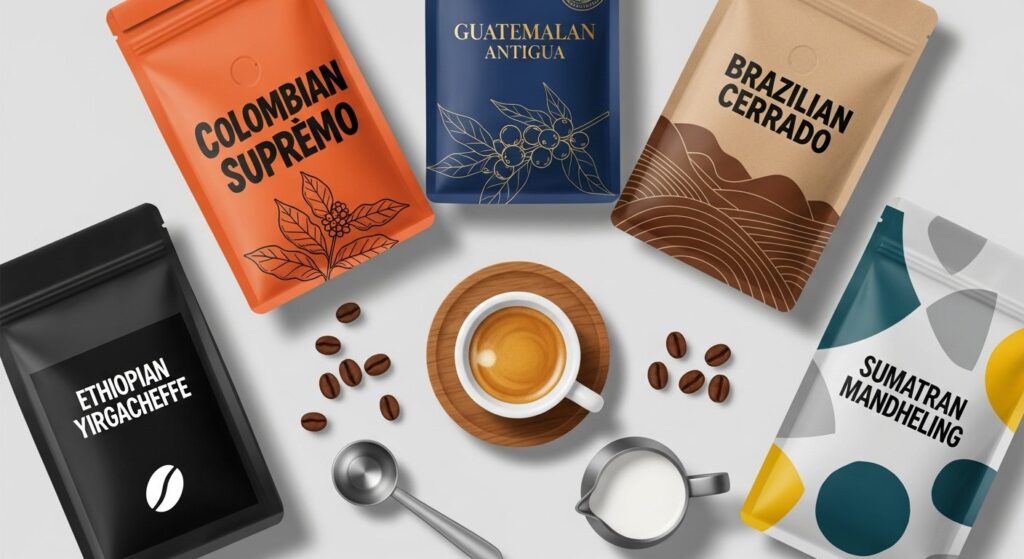
The Ultimate Guide to Finding the Best Coffee for Espresso: Elevate Your Home Barista Game
Affiliate disclosure: This article may contain affiliate links. Recommendations are independent and editorially driven.
For the discerning coffee enthusiast, the quest for the perfect espresso is a lifelong journey. It’s a pursuit of balance, depth, and that elusive shot that transcends mere caffeine delivery, becoming an experience in itself. At the heart of this quest lies a fundamental truth: the bean. Choosing the best coffee for espresso isn’t just about picking a bag off the shelf; it’s a nuanced decision influenced by myriad factors, from origin and varietal to roast profile and freshness. This comprehensive guide from cafeserre is designed to demystify the process, empowering you to make informed choices that will transform your home barista setup and consistently pull shots worthy of the finest cafés.
Espresso is more than just concentrated coffee; it’s a method of extraction that amplifies certain characteristics of the bean while subduing others. The high pressure and specific temperature used in espresso machines demand beans that can withstand this intense process, yielding a rich, full-bodied, and beautifully aromatic cup. Whether you’re chasing the traditional Italian shot with its thick crema and robust flavors or exploring the vibrant acidity and complex notes of modern third-wave espresso, understanding your coffee is the first step. Join us as we delve deep into the world of espresso beans, uncovering the secrets to finding your ideal brew.
The Espresso Conundrum: Why Bean Choice Matters So Much
Espresso is often described as the most challenging and rewarding brewing method. Unlike drip coffee or French press, where water saturation is slow and gentle, espresso blasts hot water through finely ground coffee at high pressure. This extreme method extracts a concentrated elixir, but it also magnifies both the desirable and undesirable qualities of the coffee. This intense process is precisely why the selection of the best coffee for espresso is paramount. Every variable, from the bean’s density to its cellular structure, plays a crucial role in the final output.
More Than Just a Shot: The Science Behind Espresso Extraction
At its core, espresso is a scientific marvel. When water at approximately 9 bars of pressure and 90-96°C (195-205°F) is forced through a compacted puck of finely ground coffee, it rapidly dissolves soluble solids, oils, and gasses. The result is a viscous, aromatic beverage topped with a distinctive reddish-brown foam known as crema. Crema is a crucial indicator of a well-pulled shot, formed by emulsified coffee oils and carbon dioxide trapped during the extraction. The very presence and quality of crema are profoundly influenced by the bean itself—its freshness, roast level, and inherent oil content. Beans that are too stale, or roasts that are too light, might struggle to produce a stable, desirable crema, immediately signalling a less-than-ideal espresso experience.
Furthermore, the high-pressure extraction demands a certain robustness from the coffee bean. Delicate beans or those roasted to an extreme light level might not stand up to the process, leading to under-extraction, sourness, or a thin body. Conversely, overly dark, brittle beans can succumb to over-extraction, leading to bitterness and astringency. The interaction between water, pressure, and coffee particles is a delicate balance, and the right bean provides the necessary foundation for this alchemy.
Flavor Profiles: Understanding What Your Beans Bring to the Table
Just as wine grapes vary wildly in flavor depending on varietal and terroir, so too do coffee beans. The origin of your coffee—whether it’s from the high altitudes of Ethiopia, the rich volcanic soils of Colombia, or the lush plantations of Brazil—imparts unique flavor characteristics. These are often described using a wide lexicon of descriptors: fruity, floral, nutty, chocolatey, caramel, earthy, spicy, and so on. The inherent flavor compounds within the green bean are then transformed and developed during the roasting process, creating an even more complex tapestry of tastes.
When selecting coffee for espresso, it’s essential to consider what flavor profile you desire in your shot. Do you prefer a bright, acidic, and complex cup that sings with notes of berries and citrus? Or do you lean towards a more traditional, rich, and comforting shot with hints of dark chocolate and roasted nuts? The “best” coffee isn’t universal; it’s deeply personal. Understanding the common flavor notes associated with different regions and processing methods will guide you toward beans that align with your palate. For instance, a natural-processed Ethiopian might offer intense blueberry notes, while a washed Colombian could provide crisp apple and caramel sweetness. These distinct profiles are amplified and presented in a highly concentrated form through espresso, making the initial bean selection critical to your enjoyment.
The Roast Level Spectrum: Light, Medium, Dark, and Their Impact
The roasting process is where green coffee beans undergo a miraculous transformation, developing hundreds of aromatic compounds. The degree to which coffee is roasted—its roast level—is perhaps the most significant determinant of its flavor profile and its suitability for espresso. This spectrum ranges from light, barely developed beans to dark, almost charred ones, each offering a unique experience:
- Light Roasts: These beans are roasted just enough to develop their intrinsic flavors without introducing significant roast notes. They tend to be bright, acidic, and highlight the coffee’s origin characteristics, often with fruity, floral, or tea-like notes. When pulled as espresso, light roasts can be challenging, requiring precise technique to avoid sourness, but yield incredibly vibrant and complex shots.
- Medium Roasts: The sweet spot for many, medium roasts strike a balance between origin characteristics and roast-derived flavors. They typically feature a fuller body, lower acidity than light roasts, and notes of chocolate, caramel, nuts, and a pleasant sweetness. Medium roasts are often considered ideal for espresso due to their versatility and ability to produce well-rounded, balanced shots with good crema.
- Dark Roasts: These beans are roasted until oils begin to surface, resulting in a bold, robust flavor dominated by roast notes. Dark roasts typically have low acidity, a heavy body, and flavors of dark chocolate, smoke, burnt sugar, and often a pleasant bitterness. They are the traditional choice for classic Italian espresso, known for their powerful kick and thick, lasting crema. However, overly dark roasts can be brittle and challenging to grind consistently, leading to bitterness or a lack of nuance in the cup.
The roast level directly impacts solubility, which in turn dictates how the coffee will behave under espresso pressure. Lighter roasts are denser and less soluble, requiring finer grinding and higher extraction temperatures to fully develop their flavors. Darker roasts are more porous and soluble, extracting faster and potentially becoming bitter if over-extracted. Choosing the right roast level for your preferred espresso style is a cornerstone of selecting the best coffee for espresso.
Decoding the Bean: Arabica vs. Robusta for Espresso

[INLINE IMAGE 1: place after second H2 | alt=”best coffee for espresso concept illustration”]
When you look at a bag of coffee beans, one of the first pieces of information you’ll often encounter is whether it’s Arabica, Robusta, or a blend of both. These two species of coffee account for the vast majority of global production, and their distinct characteristics have a profound impact on what makes the best coffee for espresso. Understanding the fundamental differences between Arabica and Robusta is crucial for anyone serious about crafting exceptional espresso.
Arabica: The King of Complexity and Aromatics
Coffea arabica is by far the most popular species, making up roughly 60% or more of the world’s coffee production. Renowned for its delicate aroma, complex flavor profile, and higher acidity, Arabica thrives in high altitudes, consistent rainfall, and moderate temperatures. Growing Arabica is more challenging and costly, making it generally more expensive than Robusta.
For espresso, Arabica beans are prized for their ability to deliver a wide spectrum of flavors:
- Aroma and Flavor: Arabica beans boast a rich, nuanced aromatic profile, often described with notes of fruit, chocolate, nuts, caramel, and floral undertones. They offer a sweeter, more refined taste experience.
- Acidity: Generally higher in acidity, Arabica contributes to a brighter, more vibrant espresso shot. This acidity, when balanced, adds to the complexity and perceived freshness of the coffee.
- Body: Arabica typically produces an espresso with a medium to full body, often described as smooth and silky.
- Crema: While Arabica does produce crema, it tends to be thinner and less persistent than that from Robusta, with a finer texture.
- Caffeine Content: Arabica contains significantly less caffeine than Robusta, typically ranging from 1.5% to 2.5% by weight.
Most specialty coffee roasters exclusively work with Arabica beans, particularly for single-origin offerings, precisely because of their inherent complexity and ability to express unique terroir. For a purist seeking a sophisticated and aromatic espresso, 100% Arabica is often the preferred choice.
Robusta: The Unsung Hero of Crema and Caffeine
Coffea canephora, commonly known as Robusta, accounts for about 30-40% of the world’s coffee production. As its name suggests, Robusta is a hardier plant, able to grow in hotter climates and lower altitudes, and is more resistant to diseases and pests. This makes it easier and cheaper to cultivate, hence its lower market price.
While often seen as the less “gourmet” option, Robusta brings distinct advantages to espresso, particularly in traditional Italian blends:
- Flavor Profile: Robusta generally has a bolder, stronger flavor with notes of chocolate, earth, and rubber. It can sometimes be described as having a harsher, more bitter, or rubbery taste when not carefully sourced and roasted.
- Acidity: Much lower in acidity than Arabica, Robusta contributes to a less bright but often more intense and direct flavor.
- Body: Robusta beans are known for producing an espresso with a significantly heavier body and a thicker, more viscous texture.
- Crema: This is where Robusta truly shines for espresso. Its higher oil content and ability to produce more carbon dioxide during roasting result in a much thicker, richer, and longer-lasting crema, a highly desirable trait in traditional espresso.
- Caffeine Content: Robusta lives up to its name, containing roughly twice the caffeine of Arabica, typically ranging from 2.5% to 4.5% by weight.
For those who prioritize a strong, punchy espresso with a robust body and a luxurious crema, Robusta plays a crucial role. High-quality Robusta, often referred to as “fine Robusta,” is gaining recognition in the specialty coffee world for its contribution to texture and unique flavor notes, challenging its long-standing reputation as merely a filler bean.
Blends: The Art of Synergy
The majority of espresso coffees, especially in commercial settings and traditional Italian styles, are blends of Arabica and Robusta. This blending is an art form, aiming to combine the best attributes of both species to create a harmonious and consistent espresso shot. A typical Italian espresso blend might feature 70-80% Arabica for its aroma and complexity, and 20-30% Robusta for body, caffeine kick, and, crucially, a thick, stable crema.
The goal of an espresso blend is to achieve a cup that is greater than the sum of its parts, offering:
- Balance: Combining the sweetness and acidity of Arabica with the boldness and body of Robusta.
- Consistency: Roasters can adjust the blend ratios to maintain a consistent flavor profile year-round, compensating for variations in single-origin harvests.
- Crema: Robusta’s contribution significantly enhances the visual appeal and mouthfeel of the espresso.
- Affordability: Including Robusta can make a high-quality blend more economically viable without sacrificing essential espresso characteristics.
When searching for the best coffee for espresso, don’t shy away from blends. Many master blenders meticulously craft their ratios to achieve specific characteristics perfect for espresso, offering a compelling argument for their versatility and completeness in a shot.
Roasting for Espresso: Unveiling the Perfect Profile
The journey from a green coffee bean to the aromatic, flavorful coffee we brew begins with roasting. This transformative process is an art and a science, demanding precision and an understanding of how heat interacts with the bean’s complex chemistry. For espresso, roasting is particularly critical, as the chosen profile must prepare the beans to withstand intense pressure and heat while still yielding a balanced and delicious shot. The “perfect profile” for the best coffee for espresso is not universal; it depends heavily on the desired final taste and the specific characteristics of the green beans.
The Maillard Reaction and Caramelization: Flavor Development
During roasting, green coffee beans undergo two primary chemical reactions responsible for developing their characteristic flavors and aromas:
- Maillard Reaction: This complex chemical reaction occurs between amino acids and reducing sugars under heat, creating hundreds of new flavor compounds. It’s responsible for the browning of the beans and the development of notes like toasted bread, roasted nuts, and savory undertones. This reaction begins early in the roast and continues as the temperature rises.
- Caramelization: As sugars within the bean are heated to high temperatures, they caramelize, contributing notes of caramel, toffee, butterscotch, and a general sweetness. This process occurs later in the roast, often overlapping with the Maillard reaction, and is crucial for developing the rich, sweet notes often desired in espresso.
A skilled roaster carefully monitors these reactions, adjusting temperature and airflow to ensure optimal flavor development for the intended brewing method. For espresso, the goal is often to maximize these reactions to achieve a robust and well-rounded flavor profile that can stand up to the intense extraction.
Light Roasts: Brightness and Acidity in Your Shot
Light roasts are typically stopped shortly after the “first crack” (the audible popping sound of beans expanding under heat). These beans retain most of their origin characteristics, showcasing vibrant acidity, delicate floral notes, and prominent fruit flavors. Visually, they are light brown, often with no visible oils on the surface.
For espresso, light roasts are a relatively modern trend, popularized by third-wave coffee culture. They are challenging to master due to their density and lower solubility, which can lead to sour, under-extracted shots if not managed correctly. However, when executed perfectly, a light roast espresso can be incredibly rewarding, offering a bright, complex, and intensely aromatic experience that highlights the bean’s unique terroir. Expect notes of citrus, berries, stone fruit, and sometimes tea-like nuances. These shots often have a thinner crema but burst with vibrant flavors.
Medium Roasts: The Sweet Spot of Balance and Body
Medium roasts continue past the first crack, developing further into a medium-brown color, often before the “second crack” (a quieter, more rapid series of pops). This roast level balances the origin flavors with roast-derived sweetness and body. Some specialty roasters consider this the ideal sweet spot for espresso.
Medium roast espresso typically offers:
- Balance: A harmonious blend of sweetness, acidity, and bitterness.
- Body: A richer, fuller mouthfeel than light roasts.
- Flavor: Notes of chocolate, caramel, nuts, and sometimes a hint of spice, complementing the remaining fruit or floral characteristics of the bean.
- Crema: Good, consistent crema that is visually appealing and contributes to the mouthfeel.
This versatility makes medium roasts a popular choice for the best coffee for espresso, appealing to a wide range of palates. They are generally more forgiving to brew than light roasts, providing a reliable and delicious shot for most home baristas.
Dark Roasts: Boldness, Bitterness, and Traditional Italian Style
Dark roasts continue well past the second crack, becoming dark brown and often exhibiting an oily sheen as internal oils migrate to the surface. At this stage, origin characteristics take a backseat to robust, roast-driven flavors. This is the traditional choice for classic Italian espresso.
Dark roast espresso is characterized by:
- Boldness: A powerful, intense flavor profile.
- Bitterness: A prominent, often pleasant bitterness, balanced by strong caramelization.
- Flavor: Dominant notes of dark chocolate, toasted nuts, smoke, and sometimes a hint of spice or earthiness. Acidity is very low.
- Body: A heavy, viscous body.
- Crema: A thick, dense, and typically long-lasting crema, often considered a hallmark of traditional espresso.
While some specialty coffee enthusiasts might avoid very dark roasts for espresso due to a perceived lack of nuance, they remain incredibly popular for those who prefer a strong, robust shot, especially for milk-based drinks like lattes and cappuccinos, where their intense flavors cut through milk beautifully. The key to finding the best coffee for espresso in this category is ensuring the roast isn’t burnt, but rather deeply caramelized and rich.
Freshness is Key: The Golden Window After Roasting
Regardless of the roast level, freshness is arguably the single most important factor for espresso. Coffee beans degas (release carbon dioxide) after roasting. This gas is vital for crema formation and aids in even extraction. However, after about 2-4 weeks post-roast, the degassing significantly diminishes, and the beans begin to oxidize, leading to a loss of flavor and aroma.
For optimal espresso, aim to use beans that are:
- Aged for 5-14 days after roasting: This “rest period” allows significant degassing to occur, making the beans more stable and easier to extract consistently, while still retaining peak freshness.
- Within 1-4 weeks of roast date: Beyond this, even properly stored beans will start to noticeably degrade in quality for espresso.
Always check the roast date on the package. Coffee without a roast date should be approached with caution, as it’s nearly impossible to gauge its freshness. Freshly roasted coffee is not just a preference; it’s a fundamental requirement for pulling truly exceptional espresso shots.
Single Origin vs. Blends: Crafting Your Signature Espresso

[INLINE IMAGE 2: place after fourth H2 | alt=”best coffee for espresso comparison illustration”]
The choice between single-origin coffees and expertly crafted blends is a significant decision when searching for the best coffee for espresso. Each approach offers a distinct philosophy and outcome, appealing to different palates and preferences. Understanding their nuances will help you navigate the vast world of coffee and pinpoint what truly elevates your espresso experience.
The Allure of Single Origin Espresso: Terroir in a Cup
Single-origin coffees are sourced from a single farm, a specific region, or even a particular lot within a farm. The appeal lies in their ability to showcase the unique characteristics of their terroir—the combination of climate, soil, altitude, and processing methods specific to their growing environment. When a single-origin coffee is roasted and prepared for espresso, the goal is often to highlight these distinct attributes, offering a transparent glimpse into its origins.
Advantages of single-origin espresso:
- Distinct Flavor Profiles: Single-origins can offer incredibly unique and vibrant flavor notes that might get lost in a blend. You might discover rare berry notes from an Ethiopian Yirgacheffe, rich chocolate from a Brazilian Cerrado, or bright citrus from a Colombian Huila.
- Traceability and Transparency: Many single-origin coffees come with detailed information about their farm, varietal, and processing, connecting the drinker directly to the source.
- Educational Experience: Exploring different single origins can be a fantastic way to deepen your understanding of coffee geography, processing, and how these factors influence taste. It allows for a connoisseur’s journey of discovery.
- Purity of Expression: For those who appreciate the unadulterated essence of a particular bean, single-origin espresso offers a pure, unblended experience.
However, single-origin espressos can also present challenges:
- Inconsistency: As they come from a single source, their flavor profiles can vary from harvest to harvest.
- Brewing Difficulty: Some single origins, particularly lighter roasted, higher-acidity beans, can be more challenging to extract perfectly as espresso, requiring precise adjustments to grind, dose, and temperature to avoid sourness or bitterness.
- Limited Crema: Many prized single origins, particularly those of 100% Arabica, tend to produce less crema than robusta-inclusive blends.
For the adventurous home barista who loves to explore new flavors and is willing to dial in their shots with meticulous care, single-origin coffees can provide some of the most exciting and rewarding espresso experiences. They are often chosen for pour-over or filter coffee, but specialty roasters are increasingly adept at finding and roasting single origins that shine as espresso, making them a strong contender for the best coffee for espresso if you prioritize unique flavor.
The Magic of Espresso Blends: Consistency and Depth
Blends, as discussed earlier, combine different beans, often from various origins and sometimes including both Arabica and Robusta. The art of blending lies in leveraging the strengths of each component to create a harmonious and consistent flavor profile that is optimized specifically for espresso extraction.
Advantages of espresso blends:
- Consistency: Blenders can adjust ratios to maintain a stable flavor profile year-round, even if individual components vary slightly due to harvest changes. This reliability is highly valued in cafés and by home baristas seeking a consistent morning ritual.
- Balance and Complexity: Blends are designed to achieve a specific balance of acidity, sweetness, bitterness, and body that might be difficult to find in a single bean. For instance, a blend might combine the bright acidity of an East African Arabica with the chocolatey notes of a South American Arabica and the crema-boosting power of a high-quality Robusta.
- Optimal Espresso Characteristics: Many blends are explicitly formulated to produce excellent crema, a robust body, and a flavor profile that stands up well to milk, making them ideal for lattes and cappuccinos.
- Forgiving to Brew: Generally, well-designed espresso blends are more forgiving to dial in than highly sensitive single origins, making them a great choice for daily use.
While blends might sometimes sacrifice the extreme uniqueness of a single origin, they offer a reliable and deeply satisfying espresso experience. They are the workhorse of the espresso world, crafted by roasters with years of experience in understanding how different beans interact under pressure and temperature. For many, particularly those seeking a traditional or consistently delicious espresso, a carefully crafted blend represents the pinnacle of the best coffee for espresso.
Ultimately, your choice between single origin and blend will depend on your personal preferences and what you seek in your cup. There’s no single “right” answer; both offer incredible possibilities for exploring the vast and delicious world of espresso.
Key Factors in Choosing the Best Coffee for Espresso
Beyond the fundamental decisions of Arabica vs. Robusta, single origin vs. blend, and roast level, several other critical factors influence whether a coffee is truly the best coffee for espresso for your particular setup and taste. Paying attention to these details can make a significant difference in the quality of your daily shot.
Grind Size and Consistency: The Unsung Hero
While not strictly about the bean itself, the way you grind your coffee is so intrinsically linked to espresso quality that it bears mentioning as a crucial factor. Espresso requires an extremely fine and, more importantly, consistent grind. The goal is to create a compact puck that offers sufficient resistance to the high-pressure water, allowing for proper extraction.
- Fineness: Espresso grind is much finer than for other brewing methods, resembling powdered sugar or fine sand. If it’s too coarse, water rushes through too quickly, leading to under-extraction (sour, weak). If it’s too fine, water is restricted, leading to over-extraction (bitter, burnt).
- Consistency: Uneven grind particles—boulders and fines—are the enemy of good espresso. Fines can clog the filter, leading to channeling, while boulders allow water to bypass the coffee, leading to under-extraction in some parts of the puck. A high-quality burr grinder (conical or flat burr) is an indispensable tool for achieving the necessary consistency. Without a consistent grind, even the most expensive, freshly roasted beans will fail to produce excellent espresso.
Understanding the importance of a good grinder is as vital as choosing the beans themselves.
Origin and Varietal: A World of Flavors
The geographical origin of your coffee imparts distinct characteristics. High-altitude coffees, often from regions like Ethiopia, Colombia, or Kenya, tend to be denser, more complex, and exhibit brighter acidity and more pronounced fruit or floral notes. Coffees grown at lower altitudes, such as those from Brazil or Vietnam, often have a heavier body, lower acidity, and notes of chocolate, nuts, and caramel.
Within each origin, different varietals (cultivars) of Arabica or Robusta also possess unique genetic predispositions for flavor. Common Arabica varietals include:
- Bourbon & Typica: Heirloom varietals, foundational to many others, known for balance and sweetness.
- Geisha/Gesha: A highly prized varietal, often producing exquisite floral, jasmine, and citrus notes, particularly when lightly roasted.
- Caturra & Mundo Novo: Common, productive varietals with good body and balanced flavors.
- SL-28 & SL-34: Kenyan varietals known for their distinctive blackcurrant and savory notes.
While not always listed on every bag, understanding the general flavor profiles associated with different origins and varietals can help you narrow down your preferences for the best coffee for espresso. For example, if you prefer a bright, fruity shot, look for Ethiopian or Kenyan Arabicas. If you prefer a more traditional, chocolatey shot, Brazilian or Central American beans might be your go-to.
Processing Methods: Washed, Natural, Honey
How coffee cherries are processed after harvesting significantly impacts the final flavor. The three main methods are:
- Washed (Wet) Process: The coffee fruit is removed before drying. This method typically results in a cleaner, brighter, and more acidic cup, highlighting the inherent characteristics of the bean. Many high-quality single-origin espressos use this method.
- Natural (Dry) Process: The coffee cherries are dried whole, with the fruit intact around the bean. This allows the sugars from the fruit to impart sweetness and fruity notes to the bean. Natural-processed coffees often have a fuller body, lower acidity, and intense berry, tropical fruit, or wine-like flavors. These can make for incredibly unique and exciting espresso shots, though they can sometimes be more challenging to brew due to potential unevenness in the roast.
- Honey (Pulped Natural) Process: A hybrid method where the skin is removed, but some of the sticky mucilage (the “honey”) is left on the bean to dry. This method often produces a balance between the clean notes of washed coffee and the sweetness/body of natural-processed coffee, with notes of caramel, honey, and dried fruit.
Your preferred processing method can greatly influence the final taste of your espresso. If you like clean, crisp shots, lean towards washed. For a sweeter, fruitier, and heavier-bodied shot, explore natural or honey processes.
Ethical Sourcing and Sustainability: Making a Conscious Choice
Increasingly, the best coffee for espresso isn’t just about taste; it’s also about ethics. Sustainable and ethically sourced coffee supports farmers, protects the environment, and ensures the long-term viability of quality coffee production. Look for certifications like Fair Trade, Rainforest Alliance, or direct trade relationships:
- Fair Trade: Guarantees a minimum price for farmers and promotes sustainable farming practices.
- Rainforest Alliance: Focuses on environmental conservation and social sustainability.
- Direct Trade: Many specialty roasters engage in direct trade, building direct relationships with farmers, paying above market prices, and ensuring transparency in the supply chain. This often results in higher quality beans as farmers are incentivized to produce their best.
Choosing ethically sourced coffee means you’re not just enjoying a great shot, but also contributing to a more equitable and sustainable coffee industry.
Storage: Preserving Peak Freshness
Even the finest beans will degrade quickly if not stored properly. Oxygen, light, heat, and moisture are the enemies of freshness. To preserve the quality of your chosen coffee for espresso:
- Airtight Container: Store beans in an opaque, airtight container.
- Cool, Dark Place: Keep the container in a cool, dark pantry or cupboard, away from direct sunlight and heat sources.
- Avoid Refrigeration/Freezing: For short-term storage (1-2 weeks), avoid the fridge, as it can introduce moisture and off-flavors. Freezing can be an option for longer-term storage of whole beans, but requires specific techniques to avoid freezer burn and condensation upon thawing.
- Buy Whole Bean: Always buy whole beans and grind them just before brewing. Pre-ground coffee loses its freshness significantly faster.
Espresso Bean Comparison Table: Finding Your Ideal Match
To help you navigate the choices, here’s a comparison of different types of coffee beans and their general suitability for espresso, guiding you towards what might be the best coffee for espresso for your particular palate.
| Bean Type/Origin Example | Typical Roast Level | Primary Flavor Notes | Body / Acidity | Crema Potential | Ideal For |
|---|---|---|---|---|---|
| Ethiopian Washed Arabica (e.g., Yirgacheffe) | Light to Medium-Light | Bright citrus, floral, tea-like, bergamot | Light-Medium / High Acidity | Thin, delicate | Vibrant, complex, modern espresso shots; black espresso |
| Colombian Washed Arabica (e.g., Supremo) | Medium | Caramel, chocolate, sweet fruit (apple), balanced | Medium / Medium Acidity | Good, consistent | Versatile, balanced espresso; milk-based drinks |
| Brazilian Natural Arabica (e.g., Cerrado) | Medium to Medium-Dark | Nutty, chocolate, low acidity, heavy body, sweet | Medium-Heavy / Low Acidity | Excellent, thick | Traditional, comforting espresso; basis for blends, milk drinks |
| Italian Espresso Blend (Arabica/Robusta) | Medium-Dark to Dark | Dark chocolate, roasted nuts, bold, smoky, spicy | Heavy / Low Acidity | Very thick, persistent | Traditional Italian espresso; robust milk-based drinks |
| Vietnamese Robusta (Fine Grade) | Medium-Dark | Intense, chocolate, rubbery (if low quality), high caffeine | Very Heavy / Very Low Acidity | Exceptional, very thick | Adds intense body & crema to blends; very strong shots |
| Sumatran Mandheling (Natural/Semi-Washed) | Medium-Dark | Earthy, savory, dark chocolate, low acidity, heavy body | Heavy / Very Low Acidity | Good, rich | Unique, deep, contemplative espresso; bold black coffee |
Explore our guide to coffee processing methods for a deeper dive.
Top Picks for the Best Coffee for Espresso (Recommendations & Brands)
While the “best” coffee is ultimately subjective, some roasters consistently deliver exceptional beans optimized for espresso. These recommendations are based on a track record of quality, freshness, and profiles that excel under espresso extraction. Remember to always check the roast date!
For the Traditionalist: Classic Italian-Style Blends
If your ideal espresso evokes the bustling piazzas of Italy – rich, bold, with a thick crema and a powerful dark chocolate finish – then these blends are for you. They typically incorporate a percentage of high-quality Robusta to achieve that iconic body and crema, balanced by premium Arabica for depth of flavor.
- Lavazza Super Crema: A widely available and highly respected blend that lives up to its name. Offers a sweet, balanced flavor with notes of hazelnut and brown sugar, and a consistently excellent crema. Great for both black espresso and milk drinks.
- Illy Classico Whole Bean Espresso: A benchmark for Italian espresso. 100% Arabica, medium roast, known for its consistent quality, smooth taste, and notes of caramel, toast, and chocolate. While it doesn’t contain Robusta, Illy’s meticulous blending and quality control create a surprisingly rich crema and body.
- Vergnano Espresso Classico 600: A historical Italian brand with a blend designed for classic espresso. Often features a rich, balanced profile with notes of chocolate and nuts, and a good crema.
- Counter Culture Coffee Hologram: A modern roaster’s take on a classic blend, Hologram is consistent, rich, and versatile. While it leans towards a more contemporary profile, it offers a satisfyingly full-bodied shot with notes of chocolate and dried fruit that appeals to traditionalists looking for nuance.
These blends are designed to be forgiving and deliver a satisfying shot consistently, making them an excellent choice for daily home use, especially if you enjoy milk-based beverages.
For the Modern Palate: Specialty Light & Medium Roasts
For those who appreciate the brighter, more complex, and often fruit-forward notes of specialty coffee, these roasters focus on lighter to medium roasts that highlight the bean’s origin characteristics. These require a bit more precision in brewing but offer a deeply rewarding experience.
- George Howell Coffee – Alchemy Espresso:
The Ultimate Guide to Finding the Best Coffee for Espresso: Elevate Your Home Barista Game
Affiliate disclosure: This article may contain affiliate links. Recommendations are independent and editorially driven.
For the discerning coffee enthusiast, the quest for the perfect espresso is a lifelong journey. It’s a pursuit of balance, depth, and that elusive shot that transcends mere caffeine delivery, becoming an experience in itself. At the heart of this quest lies a fundamental truth: the bean. Choosing the best coffee for espresso isn’t just about picking a bag off the shelf; it’s a nuanced decision influenced by myriad factors, from origin and varietal to roast profile and freshness. This comprehensive guide from cafeserre is designed to demystify the process, empowering you to make informed choices that will transform your home barista setup and consistently pull shots worthy of the finest cafés.
Espresso is more than just concentrated coffee; it’s a method of extraction that amplifies certain characteristics of the bean while subduing others. The high pressure and specific temperature used in espresso machines demand beans that can withstand this intense process, yielding a rich, full-bodied, and beautifully aromatic cup. Whether you’re chasing the traditional Italian shot with its thick crema and robust flavors or exploring the vibrant acidity and complex notes of modern third-wave espresso, understanding your coffee is the first step. Join us as we delve deep into the world of espresso beans, uncovering the secrets to finding your ideal brew.
The Espresso Conundrum: Why Bean Choice Matters So Much
Espresso is often described as the most challenging and rewarding brewing method. Unlike drip coffee or French press, where water saturation is slow and gentle, espresso blasts hot water through finely ground coffee at high pressure. This extreme method extracts a concentrated elixir, but it also magnifies both the desirable and undesirable qualities of the coffee. This intense process is precisely why the selection of the best coffee for espresso is paramount. Every variable, from the bean’s density to its cellular structure, plays a crucial role in the final output.
More Than Just a Shot: The Science Behind Espresso Extraction
At its core, espresso is a scientific marvel. When water at approximately 9 bars of pressure and 90-96°C (195-205°F) is forced through a compacted puck of finely ground coffee, it rapidly dissolves soluble solids, oils, and gasses. The result is a viscous, aromatic beverage topped with a distinctive reddish-brown foam known as crema. Crema is a crucial indicator of a well-pulled shot, formed by emulsified coffee oils and carbon dioxide trapped during the extraction. The very presence and quality of crema are profoundly influenced by the bean itself—its freshness, roast level, and inherent oil content. Beans that are too stale, or roasts that are too light, might struggle to produce a stable, desirable crema, immediately signalling a less-than-ideal espresso experience.
Furthermore, the high-pressure extraction demands a certain robustness from the coffee bean. Delicate beans or those roasted to an extreme light level might not stand up to the process, leading to under-extraction, sourness, or a thin body. Conversely, overly dark, brittle beans can succumb to over-extraction, leading to bitterness and astringency. The interaction between water, pressure, and coffee particles is a delicate balance, and the right bean provides the necessary foundation for this alchemy.
Flavor Profiles: Understanding What Your Beans Bring to the Table
Just as wine grapes vary wildly in flavor depending on varietal and terroir, so too do coffee beans. The origin of your coffee—whether it’s from the high altitudes of Ethiopia, the rich volcanic soils of Colombia, or the lush plantations of Brazil—imparts unique flavor characteristics. These are often described using a wide lexicon of descriptors: fruity, floral, nutty, chocolatey, caramel, earthy, spicy, and so on. The inherent flavor compounds within the green bean are then transformed and developed during the roasting process, creating an even more complex tapestry of tastes.
When selecting coffee for espresso, it’s essential to consider what flavor profile you desire in your shot. Do you prefer a bright, acidic, and complex cup that sings with notes of berries and citrus? Or do you lean towards a more traditional, rich, and comforting shot with hints of dark chocolate and roasted nuts? The “best” coffee isn’t universal; it’s deeply personal. Understanding the common flavor notes associated with different regions and processing methods will guide you toward beans that align with your palate. For instance, a natural-processed Ethiopian might offer intense blueberry notes, while a washed Colombian could provide crisp apple and caramel sweetness. These distinct profiles are amplified and presented in a highly concentrated form through espresso, making the initial bean selection critical to your enjoyment.
The Roast Level Spectrum: Light, Medium, Dark, and Their Impact
The roasting process is where green coffee beans undergo a miraculous transformation, developing hundreds of aromatic compounds. The degree to which coffee is roasted—its roast level—is perhaps the most significant determinant of its flavor profile and its suitability for espresso. This spectrum ranges from light, barely developed beans to dark, almost charred ones, each offering a unique experience:
- Light Roasts: These beans are roasted just enough to develop their intrinsic flavors without introducing significant roast notes. They tend to be bright, acidic, and highlight the coffee’s origin characteristics, often with fruity, floral, or tea-like notes. When pulled as espresso, light roasts can be challenging, requiring precise technique to avoid sourness, but yield incredibly vibrant and complex shots.
- Medium Roasts: The sweet spot for many, medium roasts strike a balance between origin characteristics and roast-derived flavors. They typically feature a fuller body, lower acidity than light roasts, and notes of chocolate, caramel, nuts, and a pleasant sweetness. Medium roasts are often considered ideal for espresso due to their versatility and ability to produce well-rounded, balanced shots with good crema.
- Dark Roasts: These beans are roasted until oils begin to surface, resulting in a bold, robust flavor dominated by roast notes. Dark roasts typically have low acidity, a heavy body, and flavors of dark chocolate, smoke, burnt sugar, and often a pleasant bitterness. They are the traditional choice for classic Italian espresso, known for their powerful kick and thick, lasting crema. However, overly dark roasts can be brittle and challenging to grind consistently, leading to bitterness or a lack of nuance in the cup.
The roast level directly impacts solubility, which in turn dictates how the coffee will behave under espresso pressure. Lighter roasts are denser and less soluble, requiring finer grinding and higher extraction temperatures to fully develop their flavors. Darker roasts are more porous and soluble, extracting faster and potentially becoming bitter if over-extracted. Choosing the right roast level for your preferred espresso style is a cornerstone of selecting the best coffee for espresso.
Decoding the Bean: Arabica vs. Robusta for Espresso
[INLINE IMAGE 1: place after second H2 | alt=”best coffee for espresso concept illustration”]
When you look at a bag of coffee beans, one of the first pieces of information you’ll often encounter is whether it’s Arabica, Robusta, or a blend of both. These two species of coffee account for the vast majority of global production, and their distinct characteristics have a profound impact on what makes the best coffee for espresso. Understanding the fundamental differences between Arabica and Robusta is crucial for anyone serious about crafting exceptional espresso.
Arabica: The King of Complexity and Aromatics
Coffea arabica is by far the most popular species, making up roughly 60% or more of the world’s coffee production. Renowned for its delicate aroma, complex flavor profile, and higher acidity, Arabica thrives in high altitudes, consistent rainfall, and moderate temperatures. Growing Arabica is more challenging and costly, making it generally more expensive than Robusta.
For espresso, Arabica beans are prized for their ability to deliver a wide spectrum of flavors:
- Aroma and Flavor: Arabica beans boast a rich, nuanced aromatic profile, often described with notes of fruit, chocolate, nuts, caramel, and floral undertones. They offer a sweeter, more refined taste experience.
- Acidity: Generally higher in acidity, Arabica contributes to a brighter, more vibrant espresso shot. This acidity, when balanced, adds to the complexity and perceived freshness of the coffee.
- Body: Arabica typically produces an espresso with a medium to full body, often described as smooth and silky.
- Crema: While Arabica does produce crema, it tends to be thinner and less persistent than that from Robusta, with a finer texture.
- Caffeine Content: Arabica contains significantly less caffeine than Robusta, typically ranging from 1.5% to 2.5% by weight.
Most specialty coffee roasters exclusively work with Arabica beans, particularly for single-origin offerings, precisely because of their inherent complexity and ability to express unique terroir. For a purist seeking a sophisticated and aromatic espresso, 100% Arabica is often the preferred choice.
Robusta: The Unsung Hero of Crema and Caffeine
Coffea canephora, commonly known as Robusta, accounts for about 30-40% of the world’s coffee production. As its name suggests, Robusta is a hardier plant, able to grow in hotter climates and lower altitudes, and is more resistant to diseases and pests. This makes it easier and cheaper to cultivate, hence its lower market price.
While often seen as the less “gourmet” option, Robusta brings distinct advantages to espresso, particularly in traditional Italian blends:
- Flavor Profile: Robusta generally has a bolder, stronger flavor with notes of chocolate, earth, and rubber. It can sometimes be described as having a harsher, more bitter, or rubbery taste when not carefully sourced and roasted.
- Acidity: Much lower in acidity than Arabica, Robusta contributes to a less bright but often more intense and direct flavor.
- Body: Robusta beans are known for producing an espresso with a significantly heavier body and a thicker, more viscous texture.
- Crema: This is where Robusta truly shines for espresso. Its higher oil content and ability to produce more carbon dioxide during roasting result in a much thicker, richer, and longer-lasting crema, a highly desirable trait in traditional espresso.
- Caffeine Content: Robusta lives up to its name, containing roughly twice the caffeine of Arabica, typically ranging from 2.5% to 4.5% by weight.
For those who prioritize a strong, punchy espresso with a robust body and a luxurious crema, Robusta plays a crucial role. High-quality Robusta, often referred to as “fine Robusta,” is gaining recognition in the specialty coffee world for its contribution to texture and unique flavor notes, challenging its long-standing reputation as merely a filler bean.
Blends: The Art of Synergy
The majority of espresso coffees, especially in commercial settings and traditional Italian styles, are blends of Arabica and Robusta. This blending is an art form, aiming to combine the best attributes of both species to create a harmonious and consistent espresso shot. A typical Italian espresso blend might feature 70-80% Arabica for its aroma and complexity, and 20-30% Robusta for body, caffeine kick, and, crucially, a thick, stable crema.
The goal of an espresso blend is to achieve a cup that is greater than the sum of its parts, offering:
- Balance: Combining the sweetness and acidity of Arabica with the boldness and body of Robusta.
- Consistency: Roasters can adjust the blend ratios to maintain a consistent flavor profile year-round, compensating for variations in single-origin harvests.
- Crema: Robusta’s contribution significantly enhances the visual appeal and mouthfeel of the espresso.
- Affordability: Including Robusta can make a high-quality blend more economically viable without sacrificing essential espresso characteristics.
When searching for the best coffee for espresso, don’t shy away from blends. Many master blenders meticulously craft their ratios to achieve specific characteristics perfect for espresso, offering a compelling argument for their versatility and completeness in a shot.
Roasting for Espresso: Unveiling the Perfect Profile
The journey from a green coffee bean to the aromatic, flavorful coffee we brew begins with roasting. This transformative process is an art and a science, demanding precision and an understanding of how heat interacts with the bean’s complex chemistry. For espresso, roasting is particularly critical, as the chosen profile must prepare the beans to withstand intense pressure and heat while still yielding a balanced and delicious shot. The “perfect profile” for the best coffee for espresso is not universal; it depends heavily on the desired final taste and the specific characteristics of the green beans.
The Maillard Reaction and Caramelization: Flavor Development
During roasting, green coffee beans undergo two primary chemical reactions responsible for developing their characteristic flavors and aromas:
- Maillard Reaction: This complex chemical reaction occurs between amino acids and reducing sugars under heat, creating hundreds of new flavor compounds. It’s responsible for the browning of the beans and the development of notes like toasted bread, roasted nuts, and savory undertones. This reaction begins early in the roast and continues as the temperature rises.
- Caramelization: As sugars within the bean are heated to high temperatures, they caramelize, contributing notes of caramel, toffee, butterscotch, and a general sweetness. This process occurs later in the roast, often overlapping with the Maillard reaction, and is crucial for developing the rich, sweet notes often desired in espresso.
A skilled roaster carefully monitors these reactions, adjusting temperature and airflow to ensure optimal flavor development for the intended brewing method. For espresso, the goal is often to maximize these reactions to achieve a robust and well-rounded flavor profile that can stand up to the intense extraction.
Light Roasts: Brightness and Acidity in Your Shot
Light roasts are typically stopped shortly after the “first crack” (the audible popping sound of beans expanding under heat). These beans retain most of their origin characteristics, showcasing vibrant acidity, delicate floral notes, and prominent fruit flavors. Visually, they are light brown, often with no visible oils on the surface.
For espresso, light roasts are a relatively modern trend, popularized by third-wave coffee culture. They are challenging to master due to their density and lower solubility, which can lead to sour, under-extracted shots if not managed correctly. However, when executed perfectly, a light roast espresso can be incredibly rewarding, offering a bright, complex, and intensely aromatic experience that highlights the bean’s unique terroir. Expect notes of citrus, berries, stone fruit, and sometimes tea-like nuances. These shots often have a thinner crema but burst with vibrant flavors.
Medium Roasts: The Sweet Spot of Balance and Body
Medium roasts continue past the first crack, developing further into a medium-brown color, often before the “second crack” (a quieter, more rapid series of pops). This roast level balances the origin flavors with roast-derived sweetness and body. Some specialty roasters consider this the ideal sweet spot for espresso.
Medium roast espresso typically offers:
- Balance: A harmonious blend of sweetness, acidity, and bitterness.
- Body: A richer, fuller mouthfeel than light roasts.
- Flavor: Notes of chocolate, caramel, nuts, and sometimes a hint of spice, complementing the remaining fruit or floral characteristics of the bean.
- Crema: Good, consistent crema that is visually appealing and contributes to the mouthfeel.
This versatility makes medium roasts a popular choice for the best coffee for espresso, appealing to a wide range of palates. They are generally more forgiving to brew than light roasts, providing a reliable and delicious shot for most home baristas.
Dark Roasts: Boldness, Bitterness, and Traditional Italian Style
Dark roasts continue well past the second crack, becoming dark brown and often exhibiting an oily sheen as internal oils migrate to the surface. At this stage, origin characteristics take a backseat to robust, roast-driven flavors. This is the traditional choice for classic Italian espresso.
Dark roast espresso is characterized by:
- Boldness: A powerful, intense flavor profile.
- Bitterness: A prominent, often pleasant bitterness, balanced by strong caramelization.
- Flavor: Dominant notes of dark chocolate, toasted nuts, smoke, and sometimes a hint of spice or earthiness. Acidity is very low.
- Body: A heavy, viscous body.
- Crema: A thick, dense, and typically long-lasting crema, often considered a hallmark of traditional espresso.
While some specialty coffee enthusiasts might avoid very dark roasts for espresso due to a perceived lack of nuance, they remain incredibly popular for those who prefer a strong, robust shot, especially for milk-based drinks like lattes and cappuccinos, where their intense flavors cut through milk beautifully. The key to finding the best coffee for espresso in this category is ensuring the roast isn’t burnt, but rather deeply caramelized and rich.
Freshness is Key: The Golden Window After Roasting
Regardless of the roast level, freshness is arguably the single most important factor for espresso. Coffee beans degas (release carbon dioxide) after roasting. This gas is vital for crema formation and aids in even extraction. However, after about 2-4 weeks post-roast, the degassing significantly diminishes, and the beans begin to oxidize, leading to a loss of flavor and aroma.
For optimal espresso, aim to use beans that are:
- Aged for 5-14 days after roasting: This “rest period” allows significant degassing to occur, making the beans more stable and easier to extract consistently, while still retaining peak freshness.
- Within 1-4 weeks of roast date: Beyond this, even properly stored beans will start to noticeably degrade in quality for espresso.
Always check the roast date on the package. Coffee without a roast date should be approached with caution, as it’s nearly impossible to gauge its freshness. Freshly roasted coffee is not just a preference; it’s a fundamental requirement for pulling truly exceptional espresso shots.
Single Origin vs. Blends: Crafting Your Signature Espresso
[INLINE IMAGE 2: place after fourth H2 | alt=”best coffee for espresso comparison illustration”]
The choice between single-origin coffees and expertly crafted blends is a significant decision when searching for the best coffee for espresso. Each approach offers a distinct philosophy and outcome, appealing to different palates and preferences. Understanding their nuances will help you navigate the vast world of coffee and pinpoint what truly elevates your espresso experience.
The Allure of Single Origin Espresso: Terroir in a Cup
Single-origin coffees are sourced from a single farm, a specific region, or even a particular lot within a farm. The appeal lies in their ability to showcase the unique characteristics of their terroir—the combination of climate, soil, altitude, and processing methods specific to their growing environment. When a single-origin coffee is roasted and prepared for espresso, the goal is often to highlight these distinct attributes, offering a transparent glimpse into its origins.
Advantages of single-origin espresso:
- Distinct Flavor Profiles: Single-origins can offer incredibly unique and vibrant flavor notes that might get lost in a blend. You might discover rare berry notes from an Ethiopian Yirgacheffe, rich chocolate from a Brazilian Cerrado, or bright citrus from a Colombian Huila.
- Traceability and Transparency: Many single-origin coffees come with detailed information about their farm, varietal, and processing, connecting the drinker directly to the source.
- Educational Experience: Exploring different single origins can be a fantastic way to deepen your understanding of coffee geography, processing, and how these factors influence taste. It allows for a connoisseur’s journey of discovery.
- Purity of Expression: For those who appreciate the unadulterated essence of a particular bean, single-origin espresso offers a pure, unblended experience.
However, single-origin espressos can also present challenges:
- Inconsistency: As they come from a single source, their flavor profiles can vary from harvest to harvest.
- Brewing Difficulty: Some single origins, particularly lighter roasted, higher-acidity beans, can be more challenging to extract perfectly as espresso, requiring precise adjustments to grind, dose, and temperature to avoid sourness or bitterness.
- Limited Crema: Many prized single origins, particularly those of 100% Arabica, tend to produce less crema than robusta-inclusive blends.
For the adventurous home barista who loves to explore new flavors and is willing to dial in their shots with meticulous care, single-origin coffees can provide some of the most exciting and rewarding espresso experiences. They are often chosen for pour-over or filter coffee, but specialty roasters are increasingly adept at finding and roasting single origins that shine as espresso, making them a strong contender for the best coffee for espresso if you prioritize unique flavor.
The Magic of Espresso Blends: Consistency and Depth
Blends, as discussed earlier, combine different beans, often from various origins and sometimes including both Arabica and Robusta. The art of blending lies in leveraging the strengths of each component to create a harmonious and consistent flavor profile that is optimized specifically for espresso extraction.
Advantages of espresso blends:
- Consistency: Blenders can adjust ratios to maintain a stable flavor profile year-round, even if individual components vary slightly due to harvest changes. This reliability is highly valued in cafés and by home baristas seeking a consistent morning ritual.
- Balance and Complexity: Blends are designed to achieve a specific balance of acidity, sweetness, bitterness, and body that might be difficult to find in a single bean. For instance, a blend might combine the bright acidity of an East African Arabica with the chocolatey notes of a South American Arabica and the crema-boosting power of a high-quality Robusta.
- Optimal Espresso Characteristics: Many blends are explicitly formulated to produce excellent crema, a robust body, and a flavor profile that stands up well to milk, making them ideal for lattes and cappuccinos.
- Forgiving to Brew: Generally, well-designed espresso blends are more forgiving to dial in than highly sensitive single origins, making them a great choice for daily use.
While blends might sometimes sacrifice the extreme uniqueness of a single origin, they offer a reliable and deeply satisfying espresso experience. They are the workhorse of the espresso world, crafted by roasters with years of experience in understanding how different beans interact under pressure and temperature. For many, particularly those seeking a traditional or consistently delicious espresso, a carefully crafted blend represents the pinnacle of the best coffee for espresso.
Ultimately, your choice between single origin and blend will depend on your personal preferences and what you seek in your cup. There’s no single “right” answer; both offer incredible possibilities for exploring the vast and delicious world of espresso.
Key Factors in Choosing the Best Coffee for Espresso
Beyond the fundamental decisions of Arabica vs. Robusta, single origin vs. blend, and roast level, several other critical factors influence whether a coffee is truly the best coffee for espresso for your particular setup and taste. Paying attention to these details can make a significant difference in the quality of your daily shot.
Grind Size and Consistency: The Unsung Hero
While not strictly about the bean itself, the way you grind your coffee is so intrinsically linked to espresso quality that it bears mentioning as a crucial factor. Espresso requires an extremely fine and, more importantly, consistent grind. The goal is to create a compact puck that offers sufficient resistance to the high-pressure water, allowing for proper extraction.
- Fineness: Espresso grind is much finer than for other brewing methods, resembling powdered sugar or fine sand. If it’s too coarse, water rushes through too quickly, leading to under-extraction (sour, weak). If it’s too fine, water is restricted, leading to over-extraction (bitter, burnt).
- Consistency: Uneven grind particles—boulders and fines—are the enemy of good espresso. Fines can clog the filter, leading to channeling, while boulders allow water to bypass the coffee, leading to under-extraction in some parts of the puck. A high-quality burr grinder (conical or flat burr) is an indispensable tool for achieving the necessary consistency. Without a consistent grind, even the most expensive, freshly roasted beans will fail to produce excellent espresso.
Understanding the importance of a good grinder is as vital as choosing the beans themselves.
Origin and Varietal: A World of Flavors
The geographical origin of your coffee imparts distinct characteristics. High-altitude coffees, often from regions like Ethiopia, Colombia, or Kenya, tend to be denser, more complex, and exhibit brighter acidity and more pronounced fruit or floral notes. Coffees grown at lower altitudes, such as those from Brazil or Vietnam, often have a heavier body, lower acidity, and notes of chocolate, nuts, and caramel.
Within each origin, different varietals (cultivars) of Arabica or Robusta also possess unique genetic predispositions for flavor. Common Arabica varietals include:
- Bourbon & Typica: Heirloom varietals, foundational to many others, known for balance and sweetness.
- Geisha/Gesha: A highly prized varietal, often producing exquisite floral, jasmine, and citrus notes, particularly when lightly roasted.
- Caturra & Mundo Novo: Common, productive varietals with good body and balanced flavors.
- SL-28 & SL-34: Kenyan varietals known for their distinctive blackcurrant and savory notes.
While not always listed on every bag, understanding the general flavor profiles associated with different origins and varietals can help you narrow down your preferences for the best coffee for espresso. For example, if you prefer a bright, fruity shot, look for Ethiopian or Kenyan Arabicas. If you prefer a more traditional, chocolatey shot, Brazilian or Central American beans might be your go-to.
Processing Methods: Washed, Natural, Honey
How coffee cherries are processed after harvesting significantly impacts the final flavor. The three main methods are:
- Washed (Wet) Process: The coffee fruit is removed before drying. This method typically results in a cleaner, brighter, and more acidic cup, highlighting the inherent characteristics of the bean. Many high-quality single-origin espressos use this method.
- Natural (Dry) Process: The coffee cherries are dried whole, with the fruit intact around the bean. This allows the sugars from the fruit to impart sweetness and fruity notes to the bean. Natural-processed coffees often have a fuller body, lower acidity, and intense berry, tropical fruit, or wine-like flavors. These can make for incredibly unique and exciting espresso shots, though they can sometimes be more challenging to brew due to potential unevenness in the roast.
- Honey (Pulped Natural) Process: A hybrid method where the skin is removed, but some of the sticky mucilage (the “honey”) is left on the bean to dry. This method often produces a balance between the clean notes of washed coffee and the sweetness/body of natural-processed coffee, with notes of caramel, honey, and dried fruit.
Your preferred processing method can greatly influence the final taste of your espresso. If you like clean, crisp shots, lean towards washed. For a sweeter, fruitier, and heavier-bodied shot, explore natural or honey processes.
Ethical Sourcing and Sustainability: Making a Conscious Choice
Increasingly, the best coffee for espresso isn’t just about taste; it’s also about ethics. Sustainable and ethically sourced coffee supports farmers, protects the environment, and ensures the long-term viability of quality coffee production. Look for certifications like Fair Trade, Rainforest Alliance, or direct trade relationships:
- Fair Trade: Guarantees a minimum price for farmers and promotes sustainable farming practices.
- Rainforest Alliance: Focuses on environmental conservation and social sustainability.
- Direct Trade: Many specialty roasters engage in direct trade, building direct relationships with farmers, paying above market prices, and ensuring transparency in the supply chain. This often results in higher quality beans as farmers are incentivized to produce their best.
Choosing ethically sourced coffee means you’re not just enjoying a great shot, but also contributing to a more equitable and sustainable coffee industry.
Storage: Preserving Peak Freshness
Even the finest beans will degrade quickly if not stored properly. Oxygen, light, heat, and moisture are the enemies of freshness. To preserve the quality of your chosen coffee for espresso:
- Airtight Container: Store beans in an opaque, airtight container.
- Cool, Dark Place: Keep the container in a cool, dark pantry or cupboard, away from direct sunlight and heat sources.
- Avoid Refrigeration/Freezing: For short-term storage (1-2 weeks), avoid the fridge, as it can introduce moisture and off-flavors. Freezing can be an option for longer-term storage of whole beans, but requires specific techniques to avoid freezer burn and condensation upon thawing.
- Buy Whole Bean: Always buy whole beans and grind them just before brewing. Pre-ground coffee loses its freshness significantly faster.
Espresso Bean Comparison Table: Finding Your Ideal Match
To help you navigate the choices, here’s a comparison of different types of coffee beans and their general suitability for espresso, guiding you towards what might be the best coffee for espresso for your particular palate.
Bean Type/Origin Example Typical Roast Level Primary Flavor Notes Body / Acidity Crema Potential Ideal For Ethiopian Washed Arabica (e.g., Yirgacheffe) Light to Medium-Light Bright citrus, floral, tea-like, bergamot Light-Medium / High Acidity Thin, delicate Vibrant, complex, modern espresso shots; black espresso Colombian Washed Arabica (e.g., Supremo) Medium Caramel, chocolate, sweet fruit (apple), balanced Medium / Medium Acidity Good, consistent Versatile, balanced espresso; milk-based drinks Brazilian Natural Arabica (e.g., Cerrado) Medium to Medium-Dark Nutty, chocolate, low acidity, heavy body, sweet Medium-Heavy / Low Acidity Excellent, thick Traditional, comforting espresso; basis for blends, milk drinks Italian Espresso Blend (Arabica/Robusta) Medium-Dark to Dark Dark chocolate, roasted nuts, bold, smoky, spicy Heavy / Low Acidity Very thick, persistent Traditional Italian espresso; robust milk-based drinks Vietnamese Robusta (Fine Grade) Medium-Dark Intense, chocolate, rubbery (if low quality), high caffeine Very Heavy / Very Low Acidity Exceptional, very thick Adds intense body & crema to blends; very strong shots Sumatran Mandheling (Natural/Semi-Washed) Medium-Dark Earthy, savory, dark chocolate, low acidity, heavy body Heavy / Very Low Acidity Good, rich Unique, deep, contemplative espresso; bold black coffee Explore our guide to coffee processing methods for a deeper dive.
Top Picks for the Best Coffee for Espresso (Recommendations & Brands)
While the “best” coffee is ultimately subjective, some roasters consistently deliver exceptional beans optimized for espresso. These recommendations are based on a track record of quality, freshness, and profiles that excel under espresso extraction. Remember to always check the roast date!
For the Traditionalist: Classic Italian-Style Blends
If your ideal espresso evokes the bustling piazzas of Italy – rich, bold, with a thick crema and a powerful dark chocolate finish – then these blends are for you. They typically incorporate a percentage of high-quality Robusta to achieve that iconic body and crema, balanced by premium Arabica for depth of flavor.
- Lavazza Super Crema: A widely available and highly respected blend that lives up to its name. Offers a sweet, balanced flavor with notes of hazelnut and brown sugar, and a consistently excellent crema. Great for both black espresso and milk drinks.
- Illy Classico Whole Bean Espresso: A benchmark for Italian espresso. 100% Arabica, medium roast, known for its consistent quality, smooth taste, and notes of caramel, toast, and chocolate. While it doesn’t contain Robusta, Illy’s meticulous blending and quality control create a surprisingly rich crema and body.
- Vergnano Espresso Classico 600: A historical Italian brand with a blend designed for classic espresso. Often features a rich, balanced profile with notes of chocolate and nuts, and a good crema.
- Counter Culture Coffee Hologram: A modern roaster’s take on a classic blend, Hologram is consistent, rich, and versatile. While it leans towards a more contemporary profile, it offers a satisfyingly full-bodied shot with notes of chocolate and dried fruit that appeals to traditionalists looking for nuance.
These blends are designed to be forgiving and deliver a satisfying shot consistently, making them an excellent choice for daily home use, especially if you enjoy milk-based beverages.
For the Modern Palate: Specialty Light & Medium Roasts
For those who appreciate the brighter, more complex, and often fruit-forward notes of specialty coffee, these roasters focus on lighter to medium roasts that highlight the bean’s origin characteristics. These require a bit more precision in brewing but offer a deeply rewarding experience.
- George Howell Coffee – Alchemy Espresso: