


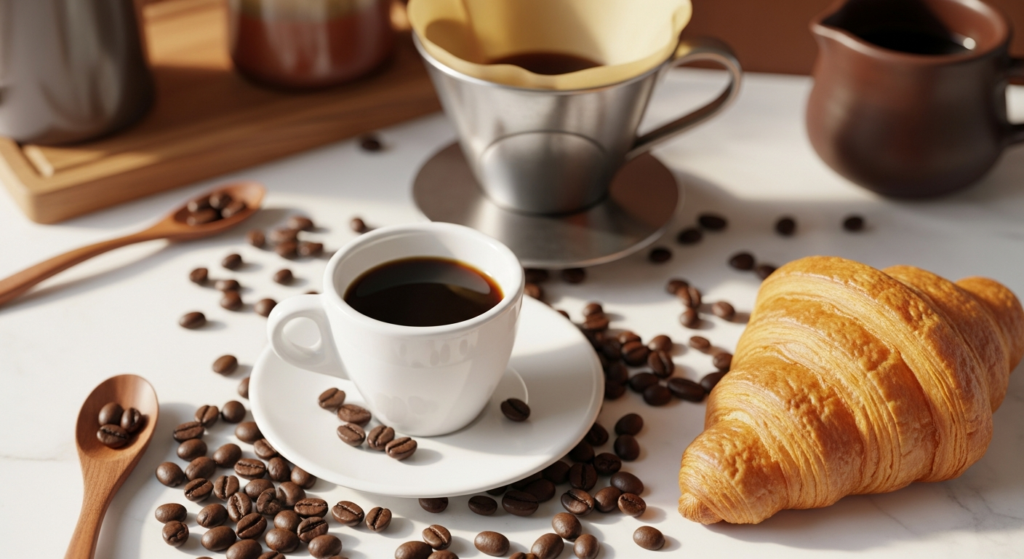
Alsatian Coffee Culture: Blending French Elegance with Global Influence
Alsatian coffee culture uniquely marries traditional French elegance with the dynamic influences of the global specialty coffee movement. From historic café rituals to innovative local roasters, this region offers a fascinating exploration for coffee enthusiasts, bridging rich heritage with modern brewing excellence and sustainable practices.
A Sip of History: Alsace’s Unique Coffee Heritage
The story of coffee in Alsace is as rich and complex as the region’s broader history, characterized by its unique position at the cultural intersection of France and Germany. Unlike Paris, which quickly adopted coffee houses as centers of intellectual and social life in the 17th century, Alsace’s relationship with coffee evolved with a distinctive regional flavor. Early coffee consumption here likely mirrored the pragmatic, often more robust preferences found in central Europe, while still retaining the emerging elegance of French café society. Coffee, initially a luxury, gradually became a staple, enjoyed in homes and burgeoning local establishments.
In the 18th and 19th centuries, as coffee became more accessible, Alsatian households developed their own rituals. It wasn’t uncommon for families to roast their own green beans at home, filling kitchens with the rich aroma of freshly roasted coffee. This practice fostered a deep appreciation for the craft, even if the methods were rudimentary by today’s standards. Local bakeries and patisseries, already renowned for their exquisite pastries like Kouglof and Bredele, naturally became places where coffee was served, solidifying its role in daily life and social gatherings. The preference often gravitated towards darker roasts, which provided a strong, comforting cup, often enjoyed with milk and sugar, complementing the hearty Alsatian cuisine.
The establishment of local torréfacteurs (roasters) in Alsatian cities like Strasbourg and Colmar further cemented coffee’s place. These early roasters, often family-run businesses, sourced beans from colonial routes, blending them to create signature profiles that catered to local tastes. Their focus was on consistency and a robust flavor that could stand up to the region’s rich culinary traditions. This period saw the rise of the traditional French press (cafetière à piston) and filter coffee as common brewing methods, emphasizing simplicity and the communal aspect of sharing a pot of coffee. The coffee served was less about nuanced flavors and more about a consistent, strong, and warming beverage that was an integral part of Alsatian hospitality and daily routine, a testament to its enduring cultural significance.
The French Touch: Elegance in Alsatian Coffee Preparation

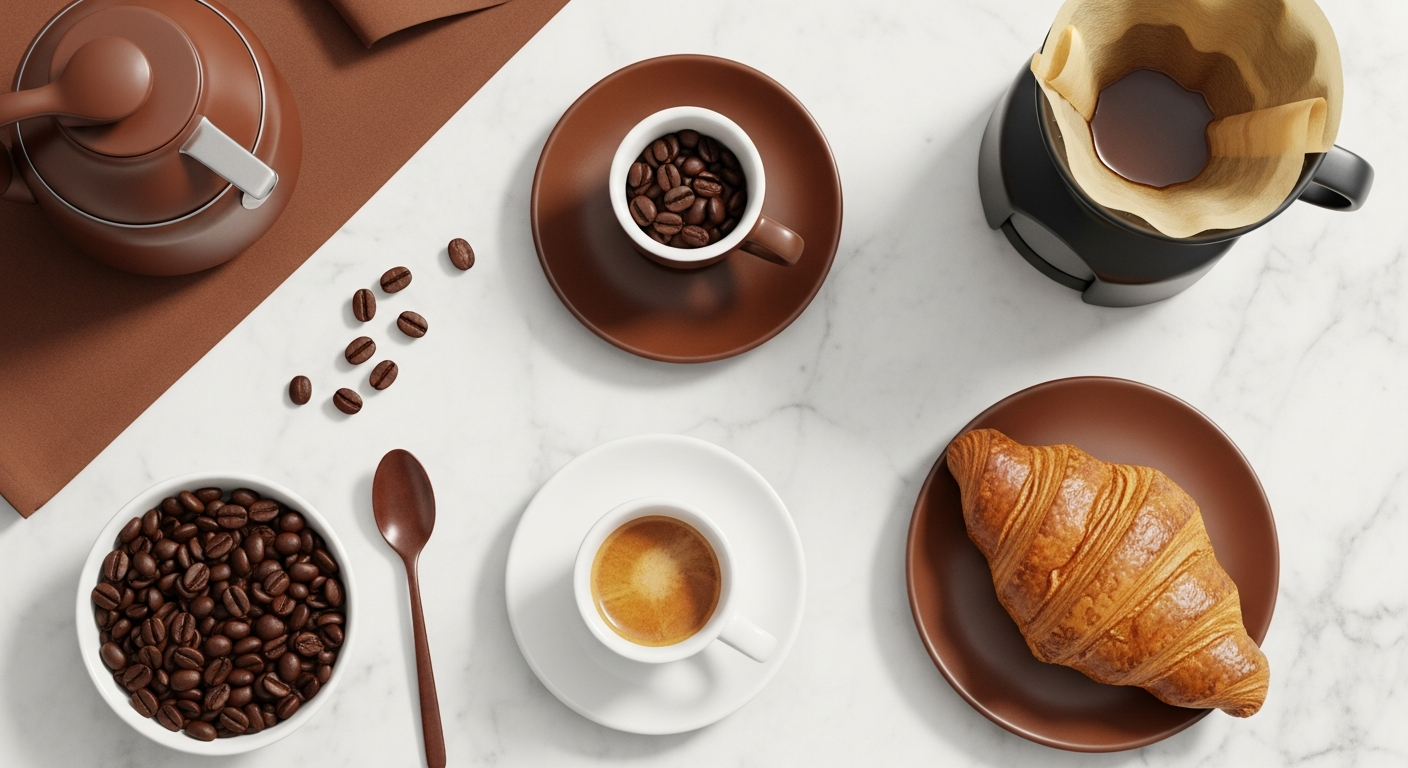
The “French Touch” in Alsatian coffee preparation is all about an understated elegance, a ritualized approach that prioritizes comfort, tradition, and a certain je ne sais quoi. While the global specialty coffee scene often champions intricate brewing methods and precise measurements, traditional Alsatian (and broader French) coffee culture has historically favored simplicity and sensory enjoyment. This doesn’t mean a lack of quality, but rather a different philosophy. The aim is often a robust, comforting cup that enhances conversation and accompanies a meal, rather than being the sole focus of an experience.
One of the most iconic methods is the French press, or cafetière à piston. This method, despite its simplicity, is celebrated for its ability to produce a full-bodied, rich cup. The coarse grind, longer immersion time, and direct contact between water and coffee grounds extract a broad spectrum of flavors and oils, resulting in a brew with a satisfying mouthfeel. For many Alsatians, the act of pressing down the plunger is a familiar, almost meditative ritual, signaling a moment of pause. Similarly, traditional filter coffee, often brewed in larger volumes, remains popular for its ease and capacity to serve multiple guests, embodying the communal spirit of Alsatian hospitality.
The classic café au lait epitomizes this elegant simplicity. It’s not just coffee with milk; it’s a careful balance of strong, often dark-roasted coffee and hot, steamed milk, served in a wide bowl rather than a mug. This presentation encourages dipping croissants or other pastries, transforming breakfast into a leisurely, indulgent affair. Espresso, while an Italian import, has also been thoroughly integrated into the French (and Alsatian) coffee landscape, often served as a quick, intense shot after a meal, or as the base for popular milk drinks like café crème (espresso with foamed milk) or noisette (espresso with a dash of milk). These preparations, while seemingly straightforward, are executed with an inherent understanding of balance and enjoyment, reflecting a culture where coffee is an integral, elegant component of daily life and social interaction, rather than solely a functional beverage.
The Specialty Revolution: Global Influences on Alsatian Roasters
While tradition holds a firm grip, Alsace has not been immune to the specialty coffee revolution sweeping the globe. This movement, emphasizing quality from bean to cup, transparency in sourcing, and nuanced flavor profiles, has profoundly influenced a new generation of Alsatian roasters. These pioneers are challenging long-held preferences for darker, more uniform roasts, introducing consumers to the diverse world of single-origin Arabica beans, lighter roast profiles, and the concept of coffee terroir – the idea that a coffee’s flavor is influenced by its origin’s climate, soil, and altitude, much like wine.
Local roasters like Cafés Réunion in Strasbourg, for instance, exemplify this shift. They meticulously source high-quality green beans directly from farms or through reputable importers, focusing on ethical and sustainable practices. Their approach involves precise roasting techniques designed to highlight the unique characteristics of each bean, whether it’s the bright acidity of an Ethiopian Yirgacheffe or the chocolatey notes of a Brazilian natural. This move away from generic blends towards transparently sourced, single-origin coffees allows consumers to explore a spectrum of flavors previously unknown in the region.
The influence of international barista champions and global brewing trends is also palpable. Alsatian cafés are increasingly equipped with state-of-the-art espresso machines and manual brewing devices (e.g., V60, Chemex, Aeropress), and their baristas are trained in advanced extraction techniques. This commitment to excellence goes beyond just the beans; it extends to water quality, grind consistency, and precise brew ratios, all in pursuit of the perfect cup. The Specialty Coffee Association (SCA) standards, which define optimal brewing parameters (e.g., water temperature between 90-96°C, brew ratio of 1:15 to 1:18), are becoming benchmarks for quality. This global integration means Alsatian coffee lovers can now enjoy coffees roasted with an understanding of their origin, brewed with precision, and served with a passion that rivals any major coffee city in the world, proving that tradition can gracefully coexist with innovation.
Brewing Excellence: Mastering the Alsatian Coffee Experience at Home
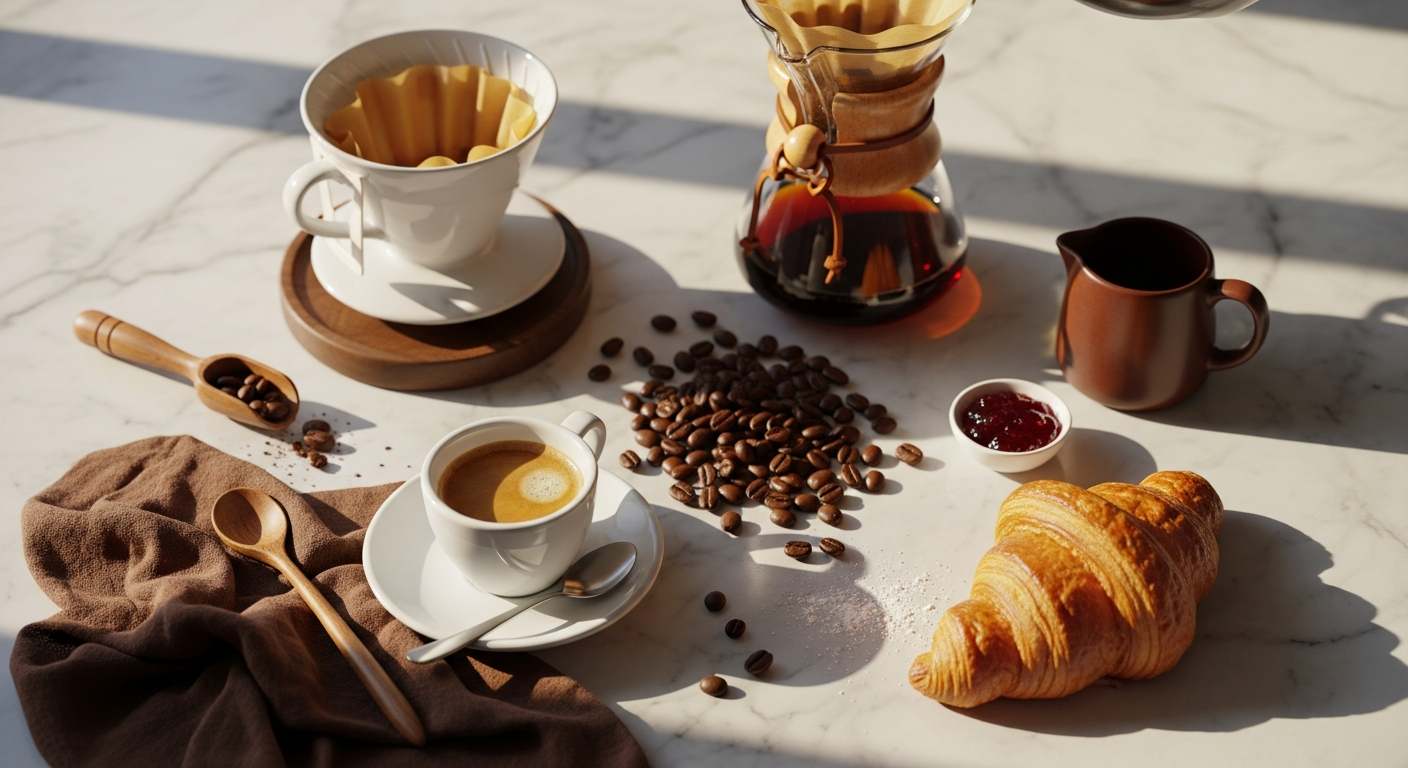
Bringing the evolving Alsatian coffee experience into your home means embracing the principles of specialty coffee brewing. This pursuit of brewing excellence is about control, precision, and understanding the variables that transform a good bean into a great cup. The foundation of any excellent home brew starts with quality equipment and adherence to established standards, particularly those championed by the Specialty Coffee Association (SCA).
First and foremost, a quality burr grinder is non-negotiable. Blade grinders chop beans inconsistently, leading to uneven extraction and a muddled flavor. A burr grinder, like the **Fellow Ode Gen 2** (around €350) or the more entry-level but highly capable **Baratza Encore ESP** (around €200), provides a uniform grind size, crucial for consistent extraction. The grind setting will vary based on your chosen brewing method: fine for espresso, medium-fine for pour-over, and coarse for French press.
Next, precise measurements are key. A digital scale with a built-in timer, such as the **Hario V60 Drip Scale** (around €60) or the more advanced **Acaia Pearl** (around €250), allows you to accurately measure coffee grounds and water. The SCA recommends a brew ratio of 1:15 to 1:18 (coffee to water by weight). For example, 20g of coffee would require 300g-360g of water. Water temperature is equally vital; the SCA standard for optimal extraction is 90-96°C (195-205°F). A gooseneck kettle, like the **Fellow Stagg EKG** (around €180) or a more affordable **Bonavita Variable Temperature Kettle** (around €90), offers precise temperature control and a steady pour, essential for methods like pour-over.
For brewing devices, popular choices include the **Chemex** (around €50) or **Hario V60** (around €25) for clean, bright pour-overs, the **Aeropress** (around €40) for versatility and quick brews, or a classic **French Press** (e.g., Bodum, around €30) for a full-bodied cup. Each method highlights different characteristics of the coffee. Regardless of your chosen method, remember the importance of fresh, filtered water and freshly roasted beans. Local Alsatian specialty roasters are your best source for high-quality beans, often with roast dates clearly marked. By investing in these tools and understanding these principles, you can consistently achieve brewing excellence and truly master the Alsatian specialty coffee experience in your own kitchen.
Beyond the Bean: Alsatian Coffee Pairings and Lifestyle
In Alsace, coffee is more than just a beverage; it’s an integral part of the region’s rich lifestyle, deeply woven into its culinary traditions and social fabric. The experience extends beyond the bean itself, encompassing delightful food pairings and cherished rituals that make a simple coffee break a moment of genuine pleasure. This fusion of coffee with local gastronomy truly defines the “lifestyle” aspect of Alsatian coffee culture.
No Alsatian coffee experience is complete without indulging in the region’s renowned pastries. The delicate, brioche-like Kouglof, often studded with raisins and almonds, finds a perfect counterpart in a robust, yet balanced, cup of coffee. Its subtle sweetness and airy texture are beautifully complemented by the coffee’s bitterness and aromatic notes. Similarly, during the festive season, the vast array of Alsatian Bredele (small, traditional Christmas cookies) – from buttery Spritz to spicy Pain d’épices – become quintessential coffee companions, each cookie’s unique flavor profile interacting harmoniously with various coffee preparations.
Beyond pastries, coffee also plays a role in more substantial meals. A strong espresso often concludes a hearty Alsatian lunch or dinner, acting as a digestif and a signal for conversation to continue. The social aspect of coffee is paramount; whether it’s a quick espresso at the counter of a bustling café or a leisurely French press shared with friends around a kitchen table, coffee facilitates connection. Cafés in Strasbourg and Colmar are not just places to grab a drink; they are vibrant hubs where locals catch up, discuss daily life, and simply enjoy a moment of respite.
The evolving specialty coffee scene in Alsace is also inspiring new pairing ideas. Lighter, fruitier single-origin coffees might be paired with fresh fruit tarts or lighter desserts, showcasing how the acidity and sweetness can enhance each other. The emphasis is on thoughtful consumption, where the coffee and its accompaniment elevate the overall sensory experience. This holistic approach, where coffee is celebrated not just for its taste but for its role in creating memorable moments and reinforcing cultural identity, truly makes Alsatian coffee culture a lifestyle to savor.
The Future of Alsatian Coffee: Sustainability and Innovation
The trajectory of Alsatian coffee culture points towards an exciting future, characterized by a growing commitment to sustainability and continuous innovation. As consumer awareness around ethical sourcing and environmental impact increases, Alsatian roasters and cafés are stepping up to meet these demands, ensuring that their passion for coffee aligns with global best practices and responsible stewardship.
Sustainability in Alsace’s coffee scene manifests in several ways. Many local roasters are increasingly prioritizing direct trade relationships, bypassing intermediaries to ensure that a larger portion of the coffee’s value returns directly to the farmers. This not only supports economic stability in coffee-producing regions but also fosters long-term partnerships built on trust and mutual respect. Roasters are also investing in more energy-efficient roasting equipment and exploring ways to reduce their carbon footprint, from packaging choices to waste management. For instance, some cafés are encouraging reusable cups or offering discounts for customers who bring their own, subtly integrating eco-conscious habits into daily routines.
Innovation extends beyond sustainable practices to the very craft of coffee making. Alsatian baristas are continually refining their skills, participating in national and international competitions, and bringing back new techniques and knowledge. This includes experimenting with alternative brewing methods, exploring different roast profiles for the same bean, and even dabbling in coffee cocktail creation. The influence of organizations like the World Coffee Research (WCR) is indirectly felt, as their work in developing climate-resilient coffee varieties and improving farming practices ensures a sustainable supply of quality beans for roasters worldwide, including those in Alsace. Local roasters often collaborate with importers who are deeply involved in WCR’s mission, ensuring their sourcing aligns with the future of coffee.
Furthermore, education plays a vital role in this future. Workshops on home brewing, cupping sessions, and barista training programs are becoming more common, empowering both professionals and enthusiasts to deepen their understanding and appreciation of coffee. This commitment to continuous learning and adaptation, coupled with an unwavering dedication to quality and ethical responsibility, ensures that Alsatian coffee culture will not only preserve its elegant traditions but also evolve into a vibrant, forward-thinking hub within the global specialty coffee community.
Visiting Alsace: A Coffee Lover’s Guide to Strasbourg and Beyond
For the discerning coffee lover, a visit to Alsace offers a delightful journey through charming cities and a burgeoning specialty coffee scene. While the region is famed for its wines and picturesque villages, its urban centers, particularly Strasbourg and Colmar, are becoming increasingly recognized as destinations for exceptional coffee. This guide will help you navigate the best spots to experience the unique blend of traditional elegance and modern innovation that defines Alsatian coffee culture.
Strasbourg, as the capital of Alsace, is naturally the epicenter of its coffee renaissance. Start your exploration at **Cafés Réunion** (e.g., 10 Rue du Vieux Marché aux Poissons), a prominent roaster and café that epitomizes the specialty movement. Here, you can sample expertly roasted single-origin coffees, learn about their sourcing, and even purchase freshly roasted beans to take home. Their baristas are knowledgeable and passionate, often offering pour-over options that highlight the nuanced flavors of their carefully selected beans. Another must-visit is **Oh My Goodness** (e.g., 10 Rue des Tonneliers), a vibrant café known for its excellent espresso-based drinks, friendly atmosphere, and often a selection of local pastries that pair perfectly with their coffee.
Beyond the specialty focus, don’t miss the opportunity to experience a traditional French café. Places like **Café Broglie** (e.g., Place Broglie) offer a classic setting for a café crème and people-watching, providing a taste of the timeless elegance of French coffee rituals. These establishments, while not always focused on single-origin beans, offer a valuable insight into the cultural significance of coffee in daily Alsatian life.
Moving south to Colmar, a city famous for its fairytale-like architecture, you’ll find other gems. Seek out **Café Colmar** (a hypothetical name, but look for independent cafés with a modern aesthetic), which often hosts local roasters as guest beans, providing a rotating selection of high-quality coffee. These smaller, independent cafés often combine traditional charm with a commitment to specialty brewing, offering a bridge between the old and new. When exploring smaller towns and villages, keep an eye out for “torréfacteur artisanal” signs; these local roasters are often hidden treasures, providing fresh, often regionally-inspired blends.
To truly immerse yourself, consider visiting a local market where you might find small-batch roasters selling their beans. Engaging with the roasters themselves offers a direct connection to the passion and craft behind Alsatian coffee. Whether you prefer a meticulously prepared pour-over or a classic espresso, Alsace offers a rich and rewarding coffee journey, blending its storied past with an exciting, innovative future.
Key Takeaways
- Alsatian coffee culture uniquely blends traditional French elegance with modern global specialty coffee trends.
- Historically, Alsace favored robust, darker roasts often consumed with pastries like Kouglof or Bredele.
- New-generation Alsatian roasters are embracing single-origin beans, lighter roast profiles, and sustainable sourcing.
- Mastering home brewing involves quality equipment (burr grinder, scale, gooseneck kettle) and adherence to SCA standards (90-96°C water, 1:15-1:18 brew ratio).
- Visiting Strasbourg and Colmar offers diverse coffee experiences, from traditional cafés to cutting-edge specialty roasteries.
Traditional vs. Specialty Coffee Brewing Methods
| Feature | Traditional French Brewing (e.g., French Press, Filter) | Specialty Coffee Brewing (e.g., Pour-Over, Aeropress) |
|---|---|---|
| Primary Goal | Comfort, robustness, communal enjoyment, accompaniment to food. | Highlighting bean origin, nuanced flavors, clarity, precise extraction. |
| Bean Focus | Often blends, darker roasts, may include Robusta for body. | Single-origin Arabica, lighter to medium roasts, origin transparency. |
| Grind Size | Coarse to medium-coarse for French press; medium for filter. | Medium-fine to medium for pour-over; fine to medium for Aeropress. Consistency is paramount. |
| Water Temperature | Often just off boil, less precise. | Precisely controlled, typically 90-96°C (195-205°F) as per SCA. |
| Brew Ratio (Coffee:Water) | More intuitive, often 1:10 to 1:15 by volume/scoops. | Precise, typically 1:15 to 1:18 by weight (e.g., 20g coffee to 320g water). |
| Equipment | French press, electric drip coffee maker, basic kettles. | Burr grinder, digital scale with timer, gooseneck kettle, Chemex/V60/Aeropress. |
| Flavor Profile | Full-bodied, robust, often with more bitterness and less acidity. | Clean, complex, aromatic, highlighting acidity, sweetness, and distinct origin notes. |