


French Apéritif Hour Practices Worth Adopting
Imagine unwinding after a long day, not with a frantic rush, but with a deliberate pause. The French Apéritif, or “apéro” as it’s affectionately known, is precisely this—a pre-dinner social ritual designed to stimulate the appetite, relax the mind, and spark conversation. It’s a testament to the French art of living, where quality over quantity, and presence over haste, define the moment. For us at Café Serre, this resonates deeply with the ethos of specialty coffee: the meticulous attention to detail, the appreciation for origin and craft, and the joy of sharing a beautifully prepared beverage. Let’s explore how we can infuse our modern routines with this timeless French elegance, creating spaces and moments for mindful indulgence and meaningful interaction, all while celebrating the rich world of coffee.
The Philosophy of Slow Living and Connection
At its heart, the French Apéritif Hour is a masterclass in slow living. In a world that constantly pushes for speed and efficiency, the apéro offers a radical counter-narrative: a deliberate deceleration. It’s not just about what you drink or eat, but about the intentional creation of a pause. This philosophy aligns perfectly with the burgeoning movement around specialty coffee, where the emphasis shifts from merely consuming caffeine to appreciating the journey of the bean, the artistry of the barista, and the sensory experience of each sip. Just as an apéritif prepares the palate for dinner, a mindful coffee ritual can prepare the mind for deeper engagement, reflection, or a relaxed evening.
The French understand that true connection flourishes in unhurried moments. The apéro isn’t about formal entertaining; it’s about casual conviviality. Friends gather, often spontaneously, to share stories, laughter, and light conversation before the main meal. This fosters a sense of community and belonging that is increasingly rare in our hyper-connected yet often isolated society. We can translate this into our coffee culture by making space for similar moments. Instead of grabbing a coffee on the go, imagine inviting a friend over for a meticulously brewed pour-over, taking the time to discuss the bean’s origin, its flavor notes, and life’s happenings. This shared ritual elevates the simple act of drinking coffee into a profound act of connection.
Consider the impact of a dedicated “coffee apéritif” on your daily rhythm. It could be an afternoon ritual to break up the workday, a pre-dinner non-alcoholic alternative, or even a sophisticated start to a weekend brunch. By treating coffee with the same reverence as the French treat their pastis or kir royale, we infuse our lives with a touch of European elegance and intentionality. The Specialty Coffee Association (SCA) emphasizes the entire coffee value chain, from seed to cup, highlighting the craft and care involved. This mirrors the French appreciation for artisanal quality in their apéritifs, from small-batch vermouths to regional cheeses. By embracing this philosophy, we not only savor our coffee more deeply but also cultivate a richer, more connected lifestyle, one intentional sip and conversation at a time.
Crafting the Perfect Apéritif: Beyond Alcohol

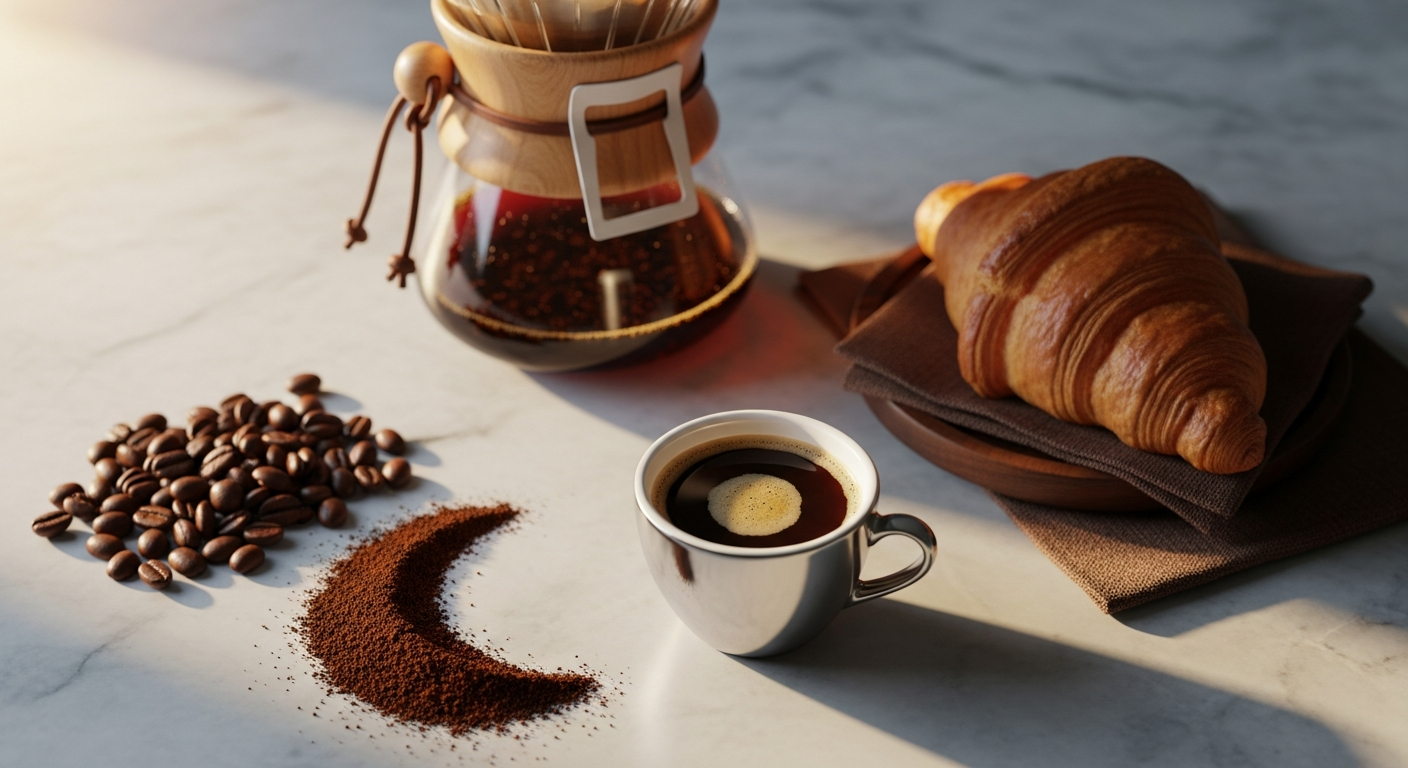
While traditional French apéritifs often involve alcoholic beverages like pastis, Lillet, or Kir Royale, the true essence lies in the *ritual* of sophisticated refreshment. This is where specialty coffee shines as an elegant, non-alcoholic alternative. Imagine a beautifully presented coffee apéritif, designed to stimulate the senses and prepare the palate. The key is to move beyond a simple mug of coffee and instead craft a beverage experience. Think espresso-based drinks with a twist, or meticulously prepared single-origin brews that highlight unique flavor profiles.
For a sophisticated coffee apéritif, consider an Espresso Tonic. This refreshing drink combines a shot of high-quality espresso, ideally a vibrant single origin with citrus notes, poured over ice and topped with premium tonic water. The bitterness of the tonic perfectly complements the coffee’s acidity and sweetness, creating a complex and invigorating taste profile. Another excellent option is a Japanese-style flash-chilled iced coffee, brewed hot directly onto ice to lock in aromatics. Using an elegant pour-over setup like a Hario V60 or Chemex for this method allows for precise control over extraction. For instance, brewing a light-roasted Ethiopian Yirgacheffe with a 1:16 brew ratio (e.g., 20g coffee to 320g water, with half the water as ice) at an SCA-recommended temperature of 93°C (199.4°F) will yield a bright, floral, and incredibly refreshing beverage. The SCA’s Golden Cup Standard for optimal extraction typically recommends a brew ratio between 1:15 and 1:18, and a Total Dissolved Solids (TDS) percentage of 1.15-1.35% for ideal strength and balance.
Beyond iced options, a small, perfectly pulled espresso or a ristretto served with a sparkling water chaser can also serve as an excellent apéritif. The intensity and clarity of a well-executed espresso, perhaps from a high-end machine like a La Marzocco Linea Mini (around $5,000-$7,000) or a Decent Espresso DE1 (around $3,500-$5,000), allows for a moment of pure sensory focus. Renowned barista champions like James Hoffmann often advocate for precise temperature control and grind consistency, achievable with grinders such as the Mahlkönig EK43 (around $3,000) or a Niche Zero (around $600). The aim is to present coffee not just as a drink, but as a crafted experience, much like a fine wine or spirit, setting the stage for conversation and enjoyment. Pairing these with small, complementary bites, as we’ll discuss next, elevates the experience even further, proving that coffee can indeed be the star of a refined apéritif hour.
The Art of Small Bites: Pairing and Presentation
No French Apéritif is complete without an array of “amuse-bouches” – small, flavorful bites designed to awaken the palate and accompany the drinks. This isn’t about filling up before dinner, but rather about tantalizing the taste buds and encouraging conversation. When adapting this practice for a coffee-centric apéritif, the art of pairing becomes paramount. Just as wine sommeliers consider varietals with food, coffee connoisseurs can thoughtfully match their brews with complementary flavors, enhancing both the coffee and the snack.
Consider the diverse flavor profiles of specialty coffee. A bright, fruity African coffee might sing alongside a fresh goat cheese and fig crostini, or even a delicate madeleine. A rich, chocolatey South American espresso could find its perfect match in a square of high-quality dark chocolate (70% cacao or higher) or a mini flourless chocolate cake. For a savory pairing, mini quiches, olive tapenade on small toasts, or even artisanal crackers with a selection of cured meats can provide a delightful contrast to the coffee’s inherent sweetness or acidity. The key is balance – ensuring neither the coffee nor the food overwhelms the other. World Coffee Research (WCR) provides a lexicon for coffee flavors, which can be an invaluable tool for identifying tasting notes and guiding your pairing decisions.
Presentation is equally crucial. The French take pride in the visual appeal of their food, even for simple snacks. Serve your small bites on elegant platters, slate boards, or small individual plates. Use linen napkins, attractive glassware (even for coffee!), and perhaps some fresh herbs or edible flowers as garnish. For example, a simple bruschetta topped with finely chopped tomatoes and basil can look incredibly sophisticated when artfully arranged. A small bowl of Marcona almonds or gourmet olives, often costing around $10-$20 for a quality jar, can elevate the spread. The goal is to create an inviting visual feast that encourages guests to linger and savor each element. This attention to detail transforms a casual snack into a deliberate, luxurious experience. By consciously selecting and presenting your small bites, you honor the French tradition of culinary artistry and elevate your coffee apéritif into a truly memorable occasion, fostering an environment where every detail contributes to the overall enjoyment and conversation.
Setting the Scene: Ambiance and Atmosphere
The French Apéritif is as much about the mood as it is about the refreshments. Creating the right ambiance is essential for encouraging relaxation, conversation, and a sense of occasion. This doesn’t require an elaborate setup or a complete home renovation; rather, it’s about thoughtful touches that transform an ordinary space into an inviting sanctuary. Think about sensory elements: lighting, sound, comfort, and even subtle aromas that contribute to a welcoming atmosphere.
Lighting: Harsh overhead lights are the enemy of relaxation. Opt for soft, warm lighting. Dimmer switches are ideal, but you can also achieve this with strategically placed lamps, candles (scented or unscented, depending on your preference and coffee pairings), or even string lights. The goal is to create a cozy, intimate glow that encourages guests to settle in and unwind. Imagine the soft flicker of a beeswax candle (a set of quality candles might cost $20-$40) casting a warm light over your coffee setup, instantly elevating the mood.
Sound: Background music should be present but unobtrusive. Choose genres that promote relaxation and conversation, such as soft jazz, classical, or ambient instrumental music. Avoid anything too loud or with distracting lyrics. The idea is to create an auditory backdrop that enhances, rather than dominates, the interaction. A good quality portable speaker, like a Sonos Roam (around $179) or a Bose SoundLink (around $149), can provide excellent sound quality without being visually intrusive.
Comfort and Arrangement: Ensure comfortable seating arrangements that facilitate easy conversation. Arrange chairs and sofas to encourage face-to-face interaction rather than having everyone facing a TV. Clear away clutter to create a sense of calm and order. A small, elegant coffee table or side tables are perfect for holding drinks and small plates. Consider adding throw pillows or blankets to enhance coziness. Even a simple vase with fresh flowers (a small bouquet from a local market might be $10-$20) can add a touch of natural elegance and freshness to the space.
Aromas: While we want the coffee’s aroma to be prominent, subtle complementary scents can enhance the experience. Avoid overpowering air fresheners. Instead, consider diffusers with essential oils like lavender or bergamot, or even the natural scent of freshly baked pastries if you’re serving them. The overall goal is to create a multi-sensory environment that encourages guests to fully immerse themselves in the moment, fostering the unhurried, joyful spirit of the French Apéritif Hour. By consciously curating these elements, you transform a simple gathering into a truly memorable and restorative ritual.
Intentional Pauses: Integrating Ritual into Daily Life
One of the most valuable lessons from the French Apéritif Hour is the power of intentional pauses. In our fast-paced lives, moments of true stillness and mindful transition are rare. The apéro serves as a deliberate bridge between the workday and personal time, a mental and physical recalibration. Adopting this practice isn’t just about what you consume, but about carving out dedicated time for reflection and relaxation, integrating meaningful rituals into your daily life.
For coffee enthusiasts, this concept can be profoundly transformative. Instead of mindlessly brewing a pot, turn your coffee preparation into a ritual. Engage all your senses: the aroma of freshly ground beans (a high-quality grinder like a Baratza Encore, around $170, or a Fellow Ode Brew Grinder, around $300, is essential), the visual elegance of a pour-over setup (a Chemex 6-cup, around $50, or a Fellow Stagg EKG kettle, around $160), the sound of bubbling water, and the tactile feel of the brewing process. This focus on the craft, often championed by figures like Sasa Sestic, founder of Project Origin and World Barista Champion, elevates the act from routine to ritual.
Consider dedicating a specific time each day for your “coffee apéritif.” It could be a 15-20 minute window in the late afternoon, a moment to decompress before transitioning to evening activities, or a peaceful start to your weekend. During this time, put away distractions – silence your phone, close your laptop, and simply be present. Sip your meticulously prepared coffee slowly, savoring its nuances. Reflect on your day, engage in light reading, or simply enjoy a moment of quiet contemplation. This deliberate act of pausing not only reduces stress but also enhances cognitive function and creativity, as numerous studies on mindfulness suggest.
This ritual can extend beyond solitary moments. Invite a neighbor, a family member, or a friend to share this intentional pause with you. The act of sharing a carefully brewed cup of coffee and light conversation, even for a short period, strengthens bonds and creates lasting memories. Just as the French value their apéro as a cornerstone of social life, we can elevate our coffee moments into cherished rituals that punctuate our days with beauty, mindfulness, and connection. By consistently integrating these intentional pauses, we not only adopt a French practice but also cultivate a richer, more balanced, and appreciative way of living.
Community and Conversation: The Heart of the Apéritif
While the drinks and bites are delightful, the true essence of the French Apéritif Hour lies in its capacity to foster community and spark genuine conversation. It’s a social lubricant, a time when people gather, shed the day’s burdens, and reconnect on a human level. This emphasis on shared experience and dialogue is a practice that specialty coffee culture can, and should, wholeheartedly embrace and adapt.
Coffee shops have long been hubs for community, from the intellectual salons of 18th-century Paris to modern third-wave cafés. The apéritif tradition elevates this further by creating a more intimate, intentional setting. Imagine hosting a “coffee apéritif” where the focus is entirely on engaging with your guests. Encourage them to try different coffee varietals, discuss their tasting notes, and share their experiences. This can be a wonderful way to introduce friends to the intricacies of specialty coffee, moving beyond the functional aspect of caffeine to an appreciation of craft and terroir.
To facilitate conversation, consider prompts or activities. Perhaps a blind tasting of two different single-origin coffees, encouraging guests to describe what they taste and smell. Or a discussion about the origins of the coffee, exploring the stories of farmers and roasters like Tim Wendelboe or La Cabra. These shared explorations create common ground and naturally lead to deeper discussions. The World Coffee Research (WCR) flavor wheel can be a fantastic tool to guide these conversations, offering a common language for describing coffee attributes, helping both novices and experts articulate their perceptions.
Beyond structured activities, simply creating an atmosphere where people feel comfortable to open up is key. The relaxed, unhurried nature of the apéritif is perfect for this. Without the pressure of a formal dinner or the distractions of a typical evening, conversations can flow more freely, delving into topics beyond surface-level pleasantries. This is where the magic happens – where friendships are deepened, new perspectives are shared, and a sense of collective well-being is cultivated. By prioritizing community and conversation during our coffee rituals, we not only honor the French apéritif tradition but also enrich our own lives and the lives of those around us, transforming a simple beverage into a powerful catalyst for human connection.
From Evening to Morning: Adapting the Ritual for Coffee Enthusiasts
The beauty of the French Apéritif Hour lies in its adaptability. While traditionally an evening affair, its core principles of intentionality, sensory pleasure, and social connection can be seamlessly translated to any time of day, particularly for coffee enthusiasts seeking to elevate their daily routines. Imagine starting your day, or transitioning into your afternoon, with the same mindful elegance that the French bring to their pre-dinner ritual.
For a morning “coffee apéritif,” consider a gentle, invigorating brew. A light-roasted, washed-process coffee from Ethiopia or Kenya, brewed as a pour-over, offers bright acidity and floral notes that can awaken the senses without overwhelming them. Use a precise scale like an Acaia Pearl (around $250) for accurate coffee and water measurements, adhering to an SCA-recommended brew ratio of 1:16 (e.g., 25g coffee to 400ml water) and a water temperature of 94°C (201.2°F). Pair this with delicate pastries like croissants or pain au chocolat, or even a small fruit salad, creating a light yet satisfying start to the day. This ritual encourages you to savor the quiet moments before the day truly begins, setting a tone of calm and appreciation.
Alternatively, the “coffee apéritif” can serve as an elegant afternoon pick-me-up. Instead of a heavy second lunch, opt for a small, intensely flavorful espresso or a cold brew. A single-origin espresso from a renowned roaster like Square Mile Coffee Roasters or Counter Culture, served in a demitasse cup, can provide a focused burst of flavor and energy. Cold brew, prepared by steeping coarsely ground coffee in cold water for 12-24 hours (a 1:8 coffee-to-water ratio is common, e.g., 100g coffee to 800ml water), offers a smooth, low-acid option that pairs wonderfully with savory snacks like mini cheese tarts or artisanal crackers. The lack of bitterness in cold brew makes it incredibly versatile for pairing.
The essence remains the same: dedicate a moment, prepare with care, and engage your senses. Whether it’s a quiet solo contemplation or a shared moment with loved ones, adapting the apéritif philosophy to your coffee routine elevates it from a mere habit to a cherished ritual. It’s about injecting beauty, intention, and a touch of French sophistication into the everyday, transforming ordinary moments into extraordinary experiences. By embracing this adaptability, coffee enthusiasts can discover new ways to enjoy their favorite beverage and enrich their lives with mindful pauses, no matter the time of day.
Key Takeaways for Adopting Apéritif Practices:
- Embrace Slow Living: Prioritize intentional pauses and unhurried moments to decompress and connect.
- Craft Thoughtful Beverages: Elevate coffee into a sophisticated drink experience, like espresso tonics or flash-chilled brews, using SCA standards for quality.
- Master Pairing & Presentation: Select small, complementary bites that enhance coffee flavors and serve them with aesthetic appeal.
- Curate Ambiance: Use soft lighting, gentle music, and comfortable arrangements to create a welcoming and relaxing atmosphere.
- Foster Connection: Use these moments as opportunities for genuine conversation and community building, making them about shared experience.
Comparison Table: Traditional French Apéritif vs. Café Serre’s Coffee Apéritif
| Feature | Traditional French Apéritif | Café Serre’s Coffee Apéritif |
|---|---|---|
| Core Purpose | Stimulate appetite, relax, socialize before dinner. | Mindful pause, sensory delight, connection, pre-dinner alternative or afternoon ritual. |
| Primary Beverage | Alcoholic (Pastis, Kir Royale, Lillet, Vermouth, Wine). | Specialty Coffee (Espresso Tonic, Flash-Chilled Iced Coffee, Pour-Over, Elegant Espresso). |
| Typical Time | Early evening (6-8 PM). | Late afternoon (3-5 PM), pre-dinner, or even morning/brunch. |
| Small Bites (Amuse-bouches) | Olives, nuts, cured meats, cheese, mini quiches, tapenade. | Mini quiches, artisanal cheeses, dark chocolate, madeleines, fruit tarts, gourmet nuts, olive tapenade. |
| Ambiance | Relaxed, intimate, often outdoors or in a cozy setting. Soft lighting, convivial atmosphere. | Relaxed, intimate, inviting. Soft lighting, curated music, comfortable seating, focus on sensory details. |
| Key Equipment/Ingredients | Specific spirits/wines, simple snacks. | High-quality coffee beans, precise brewing equipment (e.g., Chemex, Fellow Stagg, Acaia Scale), premium mixers (tonic water), gourmet snacks. |
| Mindset | Unwind, transition, enjoy company. | Intentionality, sensory exploration, mindful presence, fostering deep connection. |
What is the core philosophy behind the French Apéritif Hour?
The French Apéritif Hour is fundamentally about slowing down, connecting with others, and transitioning mindfully from the day’s activities to the evening. It’s a ritual dedicated to relaxation, conversation, and stimulating the appetite with light drinks and small bites, fostering a sense of community and appreciation for life’s simple pleasures.
How can specialty coffee be incorporated into an Apéritif-style ritual?
Specialty coffee can serve as the sophisticated, non-alcoholic anchor of an Apéritif-style ritual. Think of elegant espresso-based drinks like an espresso tonic, cold brew, or a precisely brewed pour-over. These can be paired with small, gourmet snacks, offering a complex flavor profile and an invigorating yet relaxing experience that encourages conversation without the effects of alcohol.
What kind of small bites pair well with specialty coffee for an Apéritif?
For a coffee-centric Apéritif, focus on small bites that complement coffee’s diverse flavor notes. Savory options like mini quiches, artisanal cheeses, olive tapenade on crostini, or smoked salmon blinis work well. For sweet pairings, consider dark chocolate, madeleines, financiers, or fruit tarts, ensuring they don’t overpower the coffee’s delicate nuances.
What are SCA Golden Cup standards and why are they important for an Apéritif coffee?
The Specialty Coffee Association (SCA) Golden Cup standards represent the ideal parameters for brewing coffee, ensuring optimal extraction and flavor. They specify water temperature (90-96°C), brew ratio (1:15 to 1:18 coffee-to-water), and TDS (Total Dissolved Solids) for a balanced cup. Adhering to these standards guarantees that the coffee served during your Apéritif is of the highest quality, showcasing its full potential and enhancing the overall experience.
How does creating a specific ambiance contribute to a successful Apéritif Hour?
Ambiance is crucial for setting the right mood for an Apéritif. It transforms a simple gathering into a memorable ritual. Soft lighting, comfortable seating, perhaps some background jazz or classical music, and thoughtfully arranged serving ware all contribute to a relaxed, inviting atmosphere. This intentional creation of space encourages guests to unwind, engage in deeper conversation, and fully immerse themselves in the experience, much like the French do.
Conclusion: Cultivating a Culture of Intentional Enjoyment
The French Apéritif Hour is far more than just a pre-dinner drink; it’s a profound cultural practice centered on intentional enjoyment, connection, and the art of slowing down. For us at Café Serre, and for specialty coffee enthusiasts everywhere, these French Apéritif Hour Practices Worth Adopting offer a blueprint for enriching our daily lives, transforming mundane moments into cherished rituals. By embracing the philosophy of slow living, meticulously crafting our beverages, thoughtfully pairing them with small bites, and curating an inviting ambiance, we infuse our lives with a touch of European elegance and mindfulness.
We’ve seen how specialty coffee, with its incredible diversity and complexity, can serve as the sophisticated anchor for these adapted rituals. From a vibrant Espresso Tonic to a precisely brewed pour-over, coffee offers a world of sensory exploration that can rival any traditional apéritif. More importantly, it provides a non-alcoholic pathway to fostering genuine human connection, encouraging conversation, and creating a sense of community that is deeply restorative in our busy modern lives.
Our recommendation is simple: start small. Choose one element of the apéritif – perhaps a dedicated 15-minute pause for an afternoon coffee, or a commitment to serving your coffee with one small, elevated bite. Experiment with different coffee origins and brewing methods, paying attention to SCA standards to maximize flavor. Invite a friend over, set the mood with soft lighting and gentle music, and just be present. You don’t need to speak French or travel to Paris to experience the magic of the apéro. You only need the intention to slow down, savor, and connect. By doing so,