


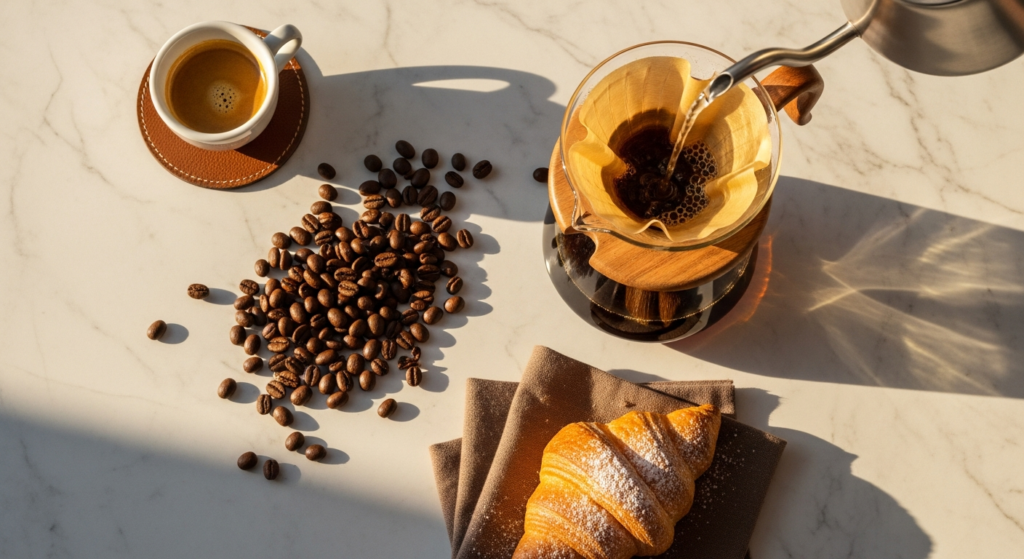
For an authentic French bread bakery visit, aim for early mornings to savor the freshest croissants and baguettes. Pair these delicate pastries with a light-roasted, nuanced specialty coffee, like a washed Ethiopian pour-over, to elevate the experience. Explore the diverse menu, from buttery pains au chocolat to rustic sourdoughs, each finding its perfect complement in the vast world of specialty coffee, brewed to exacting SCA standards for optimal flavor.
French Bread Bakery Visits: When and What to Order
The Allure of the French Boulangerie-Pâtisserie: A Cultural Awakening for Coffee Lovers
The French boulangerie-pâtisserie isn’t merely a place to buy bread; it’s a cultural institution, a daily pilgrimage for many, and a testament to centuries of culinary tradition. Stepping inside, one is immediately enveloped by an intoxicating aroma – the warm, yeasty scent of freshly baked bread mingling with the sweet, buttery fragrance of pastries. The visual feast is equally compelling: golden-crusted baguettes stacked high, rows of glistening fruit tarts, intricately decorated éclairs, and the irresistible allure of a perfectly laminated croissant. This multisensory experience is deeply ingrained in French identity, representing a commitment to quality ingredients, artisanal techniques, and the simple pleasure of good food.
For the specialty coffee enthusiast, this setting presents a unique opportunity. While traditional French cafés often serve robust, dark-roasted coffee – a staple that has its own charm – the true potential for flavor harmony lies in carefully selecting specialty coffees that complement the nuanced profiles of French baked goods. Imagine the delicate fruit notes of a washed Ethiopian coffee cutting through the richness of a croissant, or the chocolatey undertones of a Brazilian natural process coffee enhancing a pain au chocolat. This isn’t just about drinking coffee *with* your pastry; it’s about crafting a symphony of flavors where each element enhances the other, creating a more profound and memorable experience.
Historically, coffee has been an integral part of the French morning ritual, often enjoyed with a croissant or tartine. However, as the specialty coffee movement gains global traction, there’s a growing appreciation for the diverse origins, processing methods, and brewing techniques that unlock a spectrum of flavors far beyond the traditional “café noir.” This guide aims to bridge these two worlds, showing how the precision and passion inherent in specialty coffee can perfectly align with the artistry of French baking. By understanding the characteristics of both your chosen pastry and your coffee, you can elevate your French bread bakery visit from a routine stop to a curated culinary adventure, a true cultural awakening for the discerning palate.
Timing Your Visit: When to Experience Peak Freshness and Ambiance (and What Coffee to Sip)

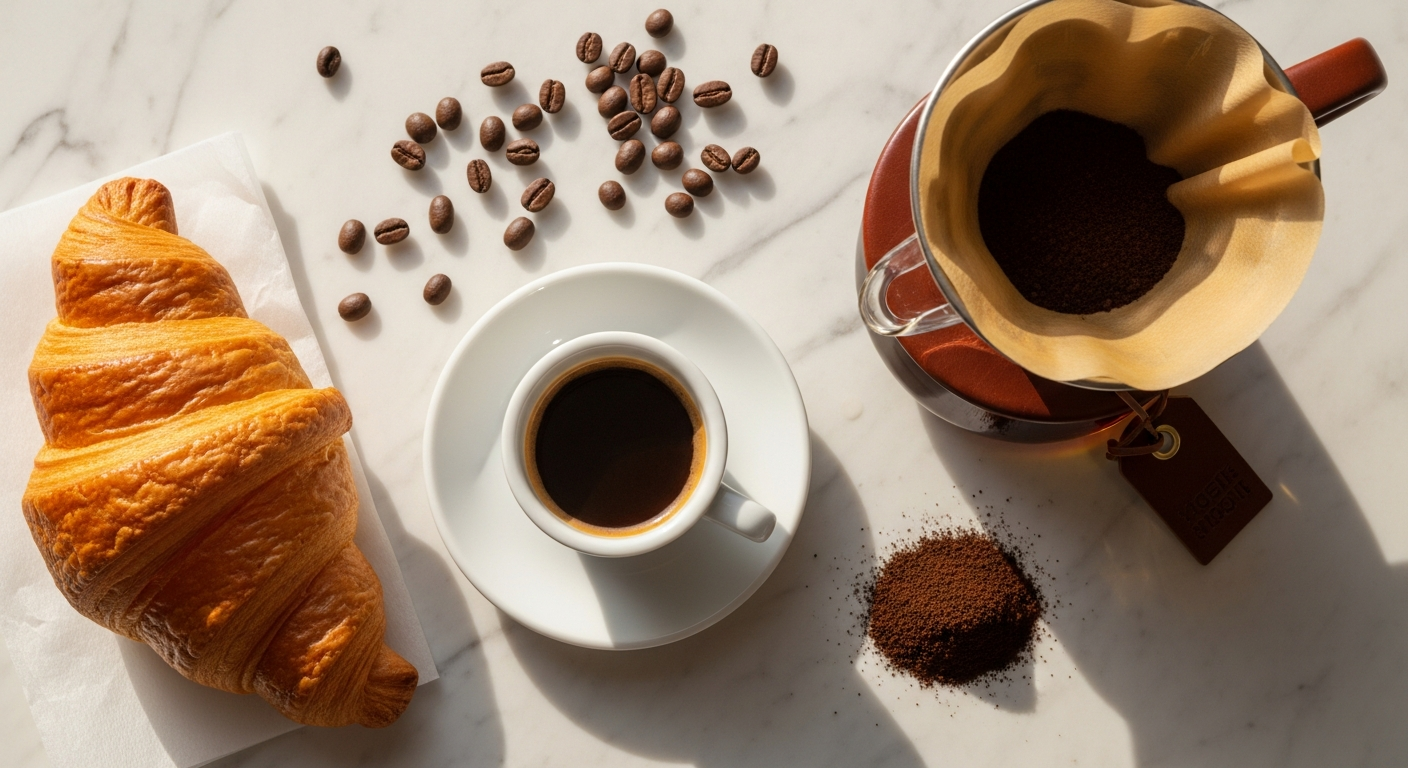
Timing is everything when it comes to maximizing your French bread bakery visit. Each part of the day offers a distinct ambiance and a particular selection of freshly baked goods, which in turn influences the ideal specialty coffee pairing. Understanding these rhythms allows you to tailor your experience, whether you seek quiet contemplation or a bustling immersion in local life.
Early Morning (6-8 AM): The Quiet Dawn of Freshness
This is arguably the best time for the connoisseur. Baguettes are often pulled from the oven, still warm and crackling, and croissants are at their flakiest, their butter content perfectly melted and fragrant. The bakery is typically quieter, allowing for a more serene experience. For this pristine freshness, a delicate, bright specialty coffee is ideal. Consider a light-roasted, washed Ethiopian Yirgacheffe or Sidamo brewed as a pour-over. These coffees often present notes of jasmine, bergamot, and stone fruit, with a vibrant acidity that cuts through the richness of a croissant without overpowering it. The clarity of a pour-over, achieved with precise SCA-recommended water temperatures of 90-96°C (195-205°F) and a brew ratio of 1:15 (e.g., 20g coffee to 300ml water), highlights the coffee’s nuanced aromatics, creating a harmonious balance with the subtle sweetness and buttery layers of a pain au chocolat or a classic croissant.
Mid-Morning (8-11 AM): The Bustle and Full Selection
By mid-morning, the bakery is usually bustling with locals grabbing their daily bread or enjoying a leisurely breakfast. The full range of pastries, breads, and perhaps even some savory quiches are available. This is a great time to explore a wider variety. For this more dynamic setting, a coffee with a bit more body and balance is appropriate. A medium-roasted Central American coffee (e.g., a washed Colombian or Guatemalan), perhaps prepared as an Americano or a well-crafted flat white, would be excellent. These coffees often feature notes of caramel, chocolate, and apple, with a pleasant acidity and medium body that stands up to richer pastries or even a savory item. The milk in a flat white, when properly steamed to a silky microfoam, adds a touch of creamy sweetness that complements many bakery items.
Lunchtime (12-2 PM): Savory Delights and Robust Brews
Many French bakeries offer simple lunch options like sandwiches made on fresh baguettes, quiches, or savory tarts. If your visit aligns with lunchtime, you’ll want a coffee that can hold its own against heartier flavors. A darker medium-roast blend or a naturally processed Brazilian coffee, known for its fuller body and notes of chocolate and nuts, would be suitable. A strong espresso or a robust French press preparation would provide the necessary intensity. A French press, with its full immersion brewing, extracts more oils and solids, resulting in a coffee with a rich mouthfeel and pronounced flavors, ideal for pairing with savory items.
Afternoon (3-5 PM): The Sweet Indulgence (Goûter)
The late afternoon, known as “goûter,” is traditionally a time for a sweet snack. This is when the pâtisserie items truly shine – fruit tarts, éclairs, mille-feuille, and other delicate confections. For these sweeter treats, a coffee that offers complexity without overwhelming the dessert is key. A naturally processed Ethiopian or a Kenyan coffee, with prominent fruit notes (berries, tropical fruits) and a bright acidity, can create an exciting contrast. Alternatively, a creamy latte or cappuccino, especially if made with a smooth, low-acidity espresso, provides a comforting and complementary pairing. The sweetness of a well-prepared espresso shot (extracted between 25-30 seconds, yielding 1.5-2 times the weight of the dry coffee dose) forms the perfect base for milk-based drinks that beautifully balance the sweetness of pastries.
Decoding the Menu: Essential French Bakery Staples and Their Specialty Coffee Companions
The French bakery menu is a treasure trove of culinary delights, each with its unique texture, flavor profile, and ideal coffee partner. Understanding these nuances is key to curating a truly exceptional pairing experience. Here, we delve into some iconic French bakery staples and recommend specialty coffee pairings, utilizing professional coffee terminology to help you explore the vast world of flavors.
The Croissant: Flaky Perfection
The quintessential croissant, with its ethereal layers and rich, buttery flavor, demands a coffee that can either complement its richness or provide a delightful contrast. For a complementary pairing, consider a washed Central American coffee, such as a Guatemalan Huehuetenango or a Colombian Supremo. These coffees often present notes of toasted nuts, milk chocolate, and caramel, with a balanced acidity and medium body. A pour-over or AeroPress preparation will highlight their clarity and sweetness, echoing the croissant’s own subtle sweetness. Alternatively, for a contrasting experience, a light-roasted, washed Ethiopian coffee (like a Yirgacheffe or Guji) with its vibrant floral and citrus notes (bergamot, lemon zest) and delicate body can cut through the croissant’s butteriness, refreshing the palate with each sip. The term “washed” refers to a coffee processing method where the cherry pulp is removed before drying, typically resulting in cleaner, brighter flavors.
Pain au Chocolat: A Chocolatey Embrace
The pain au chocolat, a croissant-like pastry with two strips of dark chocolate, calls for a coffee that can stand up to and enhance its chocolatey depth. A naturally processed Brazilian or Colombian coffee is an excellent choice. “Natural process” means the coffee cherries are dried whole, imparting more fruitiness, sweetness, and often a heavier “body” (the perceived weight and texture of the coffee on the tongue). These coffees frequently exhibit notes of dark chocolate, roasted nuts, and dried fruit, with a full body that harmonizes beautifully with the pastry’s richness. A French press or a well-pulled espresso will bring out these robust flavors, creating a decadent pairing. For a touch of fruitiness, a natural process Ethiopian coffee with its berry and jam-like notes can also offer an intriguing counterpoint.
Baguette (Baguette Tradition): The Everyday Icon
A true baguette tradition, with its crisp, golden crust and airy, open crumb, is a masterpiece of simplicity. It’s often enjoyed with butter and jam, or as a base for sandwiches. Given its versatility, a versatile coffee is best. A medium-roasted blend, designed for balance and approachability, or a single-origin coffee with a clean, straightforward profile like a washed Peruvian or Honduran coffee, would be ideal. These typically offer notes of toasted grain, mild chocolate, and a clean finish. An AeroPress or drip coffee preparation will provide a consistent and enjoyable cup that complements the baguette without overshadowing its subtle flavors. “Body” in coffee refers to its mouthfeel, ranging from light and tea-like to heavy and syrupy.
Tarts (Tarte aux Fruits, Tarte au Citron): Fruity & Zesty Delights
French tarts, whether bursting with fresh fruit or offering a zingy lemon custard, require a coffee that can either echo their fruitiness or provide a refreshing contrast. For fruit tarts, a bright, fruit-forward coffee like a Kenyan AA (known for its blackcurrant and tomato-like acidity) or a light-roasted Gesha (famous for its floral and tropical fruit notes) would be exquisite. These coffees, often prepared as pour-overs, highlight their “acidity” (the pleasant brightness and tartness, not sourness) and complex aromatics, creating a vibrant pairing. For a lemon tart, a coffee with a pronounced citrus acidity, such as a washed Rwandan or another bright Ethiopian, would create a delightful symphony of zest. “Notes” refer to the specific flavors and aromas detected in coffee, akin to wine tasting.
Éclairs and Mille-feuille: Delicate Sweetness
These elegant pastries, often filled with cream or custard and topped with glaze, demand a coffee that is smooth and refined. A smooth, low-acidity coffee, perhaps a naturally processed Indonesian coffee with earthy and sweet spice notes, or a creamy latte/cappuccino made with a well-balanced espresso, would be perfect. The goal is to complement the delicate sweetness without introducing overpowering bitterness or excessive acidity. A high-quality espresso, extracted with precision, forms the perfect base, offering a concentrated burst of flavor that pairs beautifully with these sophisticated desserts. Renowned roasters like Counter Culture Coffee, La Colombe, and Verve Coffee Roasters often offer single-origin beans and blends that fit these profiles, meticulously roasted to bring out their unique characteristics.
Beyond the Bread: Crafting the Perfect Coffee at Home (SCA Standards & Equipment)
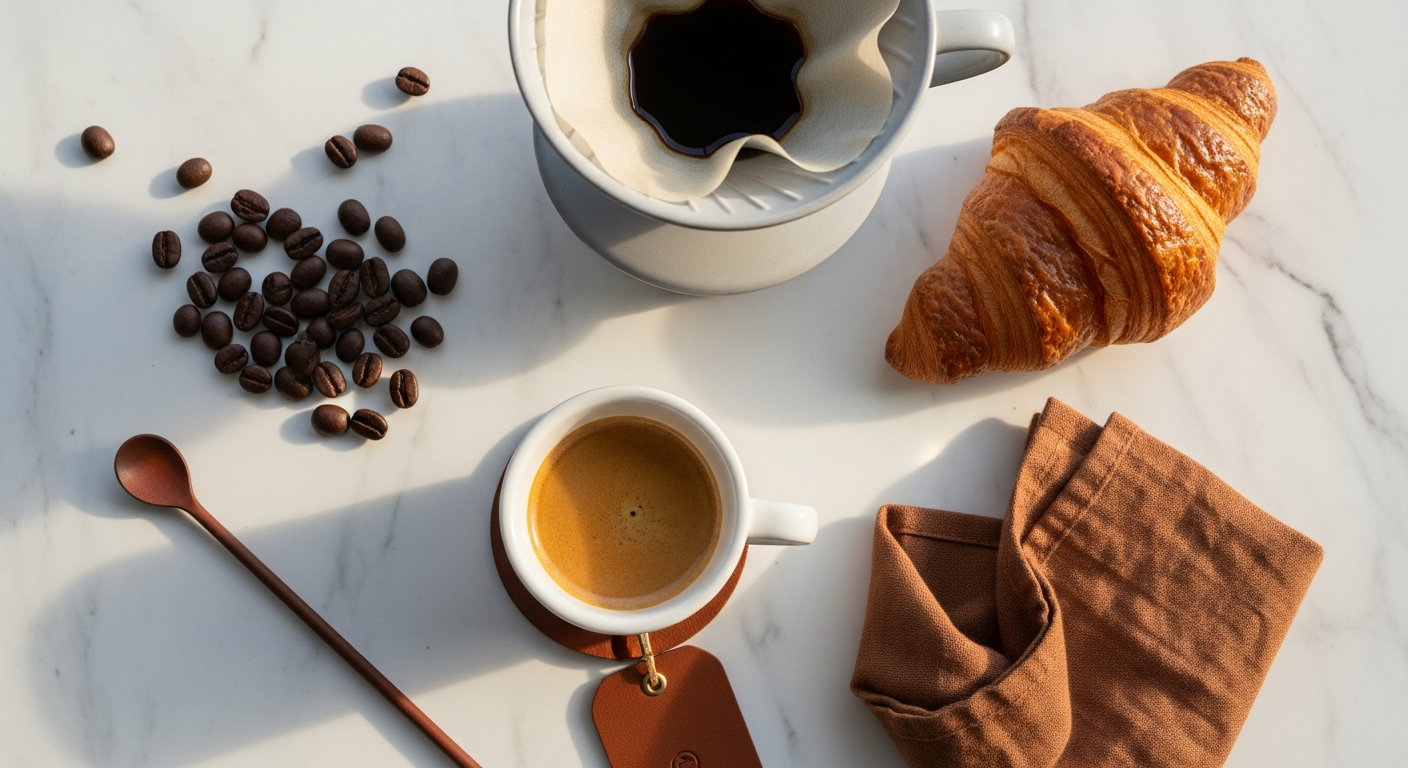
While the aroma of a French bakery is intoxicating, the coffee offered in many traditional boulangeries often leans towards a robust, dark roast – a classic French style, but one that can sometimes lack the nuance and complexity sought by specialty coffee aficionados. To truly elevate your French bread bakery visit, consider enjoying your freshly acquired treats with a meticulously brewed specialty coffee at home. Here, we delve into the world of home brewing, guided by the rigorous standards of the Specialty Coffee Association (SCA), ensuring every cup is a masterpiece.
The SCA has established precise guidelines for optimal coffee brewing, focusing on extraction, temperature, and brew ratios to unlock the full potential of specialty beans. Adhering to these standards is crucial for achieving a balanced, flavorful cup. The ideal brewing water temperature is between 90-96°C (195-205°F), as water too cold will under-extract, leading to sourness, while water too hot can over-extract, resulting in bitterness. The recommended brew ratio is typically between 1:15 to 1:18 coffee to water. This means for every 1 gram of coffee, you use 15 to 18 grams (or milliliters) of water. For example, if you’re brewing with 30 grams of coffee, you’d use 450-540ml of water. This precision ensures consistent extraction and optimal Total Dissolved Solids (TDS) in your final brew, ideally between 1.15-1.35%.
To achieve this level of precision, investing in quality equipment is paramount:
- Grinder: The Foundation of Flavor
A good burr grinder is the single most important piece of equipment. Freshly ground coffee preserves volatile aromatics. Blade grinders chop inconsistently, leading to uneven extraction.- Entry-level excellence: Baratza Encore (around $169). A reliable workhorse for drip, pour-over, and French press.
- Mid-range precision: Fellow Ode Brew Grinder Gen 2 (around $349). Offers exceptional grind consistency for pour-over and immersion methods.
- Brewer: Unlocking Potential
The method you choose impacts the coffee’s body and clarity.- Pour-over: Hario V60 (around $25) or Chemex (around $45). Ideal for clean, aromatic, light-bodied coffees.
- Immersion: AeroPress (around $40) or Bodum French Press (around $30). Great for fuller-bodied coffees with rich textures.
- Espresso: For home espresso, options range from entry-level like the Breville Barista Express Impress (around $700) to more enthusiast-level machines like the Gaggia Classic Pro (around $450).
- Kettle: Temperature Control is Key
An electric gooseneck kettle with temperature control is essential for pour-overs.- Smart choice: Fellow Stagg EKG (around $199). Precise temperature setting and ergonomic design.
- Scale: Precision is Power
A digital scale with a timer is indispensable for accurately measuring coffee and water according to brew ratios.- Reliable: Acaia Pearl (around $250). Industry standard, highly accurate.
- Affordable: Timemore Black Mirror Basic Plus (around $60). Excellent value for precision.
Finally, the most crucial ingredient is the coffee itself. Always buy freshly roasted, whole bean specialty coffee from reputable roasters. Look for transparent information about origin, variety, and processing. Roasters like Counter Culture Coffee, La Colombe, Verve Coffee Roasters, and Stumptown Coffee Roasters consistently offer high-quality beans with detailed tasting notes, allowing you to select the perfect coffee to complement your favorite French bakery treats.
The Art of Pairing: A Masterclass in Coffee & Pastry Harmony (WCR & Flavor Science)
Pairing food and drink is an art, and the marriage of specialty coffee with French pastries is no exception. It’s a dance of flavors, textures, and aromas designed to enhance both elements, creating a sensory experience greater than the sum of its parts. This masterclass in pairing leverages principles from sensory science and insights from organizations like World Coffee Research (WCR) to guide your choices.
The fundamental principles of pairing revolve around three approaches:
- Complementary Pairing: This involves matching similar flavor profiles. For instance, a coffee with prominent chocolate notes will beautifully complement a chocolate-based pastry. This creates a harmonious, often comforting, experience where flavors build upon each other.
- Contrasting Pairing: Here, you seek to highlight differences. A bright, acidic coffee can cut through the richness of a buttery pastry, cleansing the palate and offering a refreshing counterpoint. This approach often leads to more dynamic and exciting flavor interactions.
- Cleansing Pairing: Sometimes, the goal is simply to refresh the palate between bites, preparing it for the next delicious mouthful. Coffees with a clean finish and moderate acidity are excellent for this.
Understanding coffee flavor is greatly aided by the WCR Sensory Lexicon and Coffee Taster’s Flavor Wheel. These tools help identify the vast spectrum of flavors and aromas found in coffee, from fruity (berry, citrus, dried fruit) to nutty (almond, peanut, hazelnut), floral (jasmine, rose), spicy (cinnamon, clove), and chocolatey (dark chocolate, cocoa). Recognizing these notes in your chosen coffee allows for more intentional pairing decisions. For instance, Arabica coffee, which constitutes the vast majority of specialty coffee, offers a wider and more nuanced range of these desirable flavors compared to Robusta, which often presents more rubbery or earthy notes.
Let’s explore some specific examples:
- Ethiopian Gesha (Floral, Bergamot) with a Lemon Tart: A light-roasted Gesha, renowned for its delicate floral notes of jasmine and rose, often accompanied by bright citrus (bergamot, lemon zest), creates an exquisite complementary pairing with a lemon tart. The coffee’s high, elegant acidity mirrors the tart’s zestiness, while its floral nuances add an extra layer of sophistication. This is a pairing that World Barista Champions, known for their deep understanding of sensory evaluation, often highlight for its complexity and balance.
- Washed Colombian (Caramel, Apple) with a Plain Croissant: A medium-roasted, washed Colombian coffee typically offers a balanced profile with notes of caramel, red apple, and a pleasant sweetness. When paired with a plain croissant, its caramel notes complement the pastry’s baked sweetness, while the apple acidity provides a gentle counterpoint to the butteriness, creating a classic, comforting combination.
- Natural Process Brazilian (Nutty, Chocolate, Heavy Body) with Pain au Chocolat: A naturally processed Brazilian coffee, known for its deep chocolate, roasted nut, and often heavy body, is a perfect complementary partner for pain au chocolat. The coffee’s inherent sweetness and robust flavors amplify the chocolate in the pastry, leading to a rich and satisfying experience. The heavy “body” of the coffee (its perceived weight on the tongue) matches the density of the pastry, ensuring neither overpowers the other.
- Kenyan AA (Blackcurrant, Tomato, Bright Acidity) with a Berry Tart: For a vibrant berry tart, a high-quality Kenyan AA, with its distinctive blackcurrant, tomato-like acidity, and often juicy mouthfeel, creates a fantastic complementary pairing. The coffee’s bright fruitiness enhances the tart’s berry flavors, while its invigorating acidity cleanses the palate, making each bite and sip fresh.
The roast level also significantly impacts pairing. Lighter roasts emphasize acidity, delicate aromatics, and origin characteristics, making them ideal