


The Golden Elixir: Your Complete Guide to Crafting Soul-Warming Bone Broth at Home
Why Bone Broth? More Than Just a Trendy Sip
For centuries, cultures around the world have valued the practice of simmering bones to extract their goodness. From French consommés to Vietnamese pho, Japanese ramen to traditional Jewish penicillin, bone broth is a universal language of comfort and sustenance. In recent years, it’s experienced a resurgence, moving beyond the home kitchen into trendy cafes and health stores. But why all the fuss?
A Culinary Cornerstone: History and Global Appeal
The art of making broth is ancient. Before refrigeration, every part of an animal was utilized, and bones were no exception. Simmering them down was a practical way to extract maximum flavor and nutrients, transforming what might otherwise be discarded into a versatile and delicious base for countless meals. This tradition persists globally, evolving into distinct culinary masterpieces that define national cuisines. It’s a testament to the fact that good food, made with care, transcends time and trends.
The Nutritional Powerhouse: Collagen, Minerals, Amino Acids
Beyond its incredible flavor, bone broth is celebrated for its impressive nutritional profile. As bones, connective tissues, and marrow slowly simmer, they release a treasure trove of beneficial compounds:
* Collagen and Gelatin: These are the superstars, responsible for that beautiful jiggle when your broth cools. Collagen, the most abundant protein in our bodies, is vital for healthy skin, hair, nails, and connective tissues. When cooked, collagen breaks down into gelatin, which contains a unique amino acid profile, including glycine, proline, and hydroxyproline. These amino acids are often lacking in modern diets and may support gut health by aiding in the integrity of the intestinal lining.
* Minerals: Bone broth is a rich source of easily absorbable minerals like calcium, magnesium, phosphorus, potassium, and trace minerals crucial for various bodily functions. The addition of a touch of apple cider vinegar helps to draw these minerals out of the bones.
* Amino Acids: Glycine, mentioned above, is particularly noteworthy for its role in detoxification, sleep quality, and healthy muscle growth. Proline contributes to healthy skin and joint function. Glutamine, another amino acid found in broth, is important for gut health and immune function.
While we can’t make specific health claims, many people report feeling more energized, experiencing improved digestion, and noticing healthier skin and joints after regularly incorporating bone broth into their diet. It’s a gentle, natural way to support your body’s overall well-being.
The Flavor Foundation: Umami-rich Base for Countless Dishes
Nutritional benefits aside, bone broth is simply delicious. It adds incredible depth, richness, and an elusive umami quality to everything it touches. It transforms a simple soup into a gourmet experience, elevates a risotto, and makes pan sauces sing. Once you start cooking with homemade bone broth, you’ll wonder how you ever managed without it.
Gathering Your Artisanal Arsenal: The Essential Ingredients
The beauty of bone broth lies in its simplicity. You don’t need a pantry full of exotic spices or rare vegetables. Quality ingredients, chosen with intention, are key.
The Star: Bones!
This is where the magic truly begins. The type and quality of bones you choose will significantly impact the flavor and gelatinous quality of your broth.
* Type of Bones:
* Beef Bones: Excellent for a rich, deeply savory broth. Look for a mix of marrow bones (femur, knuckle), joint bones (oxtail, neck), and meaty bones (ribs, shanks). Oxtail is particularly fantastic for gelatin.
* Chicken Bones: Ideal for a lighter, more delicate broth. Use carcasses from roasted chickens, necks, backs, and feet. Chicken feet are a secret weapon for achieving incredible gelatin thanks to their high collagen content.
* Pork Bones: Creates a robust, slightly sweeter broth, fantastic for ramen or Asian-inspired dishes.
* Mixed Bones: Don’t be afraid to combine! A mix of chicken and beef can yield a beautifully balanced flavor.
* Quality Matters: This is non-negotiable for us at Cafe Serre. Seek out bones from grass-fed, pasture-raised, or organic animals. These animals typically lead healthier lives and their bones are believed to yield a more nutrient-dense and flavorful broth. Talk to your local butcher – they are often a fantastic resource and can even save bones for you. Many specialty grocery stores also carry good quality options.
* Roasted vs. Unroasted: Roasting beef or pork bones before simmering is highly recommended. It caramelizes the bones and any residual meat, creating a deeper, richer, and more complex flavor profile. For chicken bones, you can use raw or leftover roasted carcasses. If using raw chicken bones, a quick blanch (boiling for 10-15 minutes and discarding the water) can help remove impurities and yield a cleaner-tasting broth, though some argue it can reduce flavor. We typically skip blanching for roasted bones as the initial skim takes care of most impurities.
* Quantity: Aim for about 2-4 pounds of bones per gallon of water. Don’t be shy; more bones mean more flavor and more gelatin!
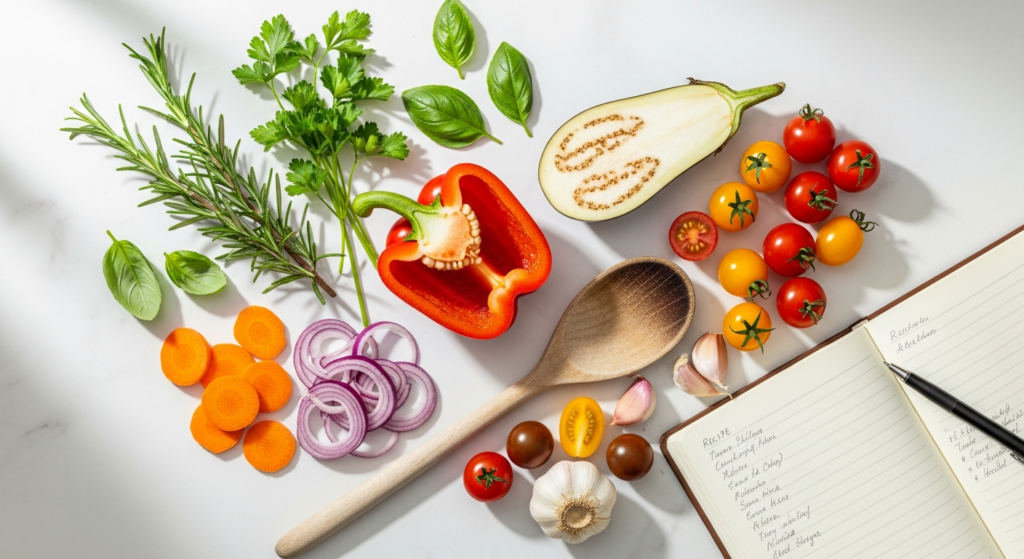
The Aromatic Ensemble: Vegetables & Herbs
These humble additions contribute subtle layers of flavor and aroma, complementing the richness of the bones without overpowering them.
* Mirepoix: The classic French trinity of flavor.
* Onions (1-2 large): Quartered, skin on for extra color and nutrients.
* Carrots (2-3 medium): Roughly chopped.
* Celery (2-3 stalks): Roughly chopped.
* Garlic (1 head): Halved horizontally, no need to peel.
* Bay Leaves (2-3): Dried bay leaves add a subtle herbal note.
* Whole Black Peppercorns (1-2 tablespoons): For a gentle warmth.
* Fresh Parsley Stems: Often discarded, these are packed with flavor and perfect for broth.
The Secret Ingredient: Apple Cider Vinegar
A splash of raw, unfiltered apple cider vinegar (ACV) with “the mother” is crucial. The acidity helps to draw out the minerals and collagen from the bones into the simmering liquid. Don’t worry, you won’t taste the vinegar in the final product.
Pristine Water: The Unsung Hero
Since water makes up the majority of your broth, using good quality filtered water is important. It ensures a clean, pure taste, free from chlorine or other impurities that could affect the flavor.
Optional Enhancers: For an Extra Boost
* Mushrooms (dried shiitake or reishi): Add incredible umami and potential immune benefits.
* Seaweed (kombu): Another umami powerhouse, especially for a more Asian-inspired broth.
* Spices: Turmeric or ginger can be added for their anti-inflammatory properties and unique flavor. Add these in the last few hours of simmering to preserve their potency.
Tools of the Trade: Equipping Your Broth-Making Station
While bone broth is a humble endeavor, having the right tools makes the process smoother and more enjoyable.
The Vessel: Stock Pot vs. Slow Cooker vs. Instant Pot
Your choice of cooking vessel will depend on your kitchen setup, desired cooking time, and lifestyle.
* Large Stock Pot (8-12 quart): The traditional choice. It offers ample space for bones and water, allowing for good circulation. Ideal for stovetop simmering. We love a sturdy stainless steel pot or a beautiful enamel-coated cast iron Dutch oven like a Le Creuset Round Dutch Oven (9-quart) for even heat distribution and retention.
* Slow Cooker (6-8 quart): Perfect for a hands-off approach. It maintains a consistent low temperature, making it safe to leave simmering overnight or while you’re out. The downside is a smaller capacity, which means less broth per batch. A Crock-Pot Programmable Slow Cooker is a reliable choice.
* Instant Pot (Multi-Cooker, 6-8 quart): The speed demon of broth making. Pressure cooking drastically reduces simmering time (from 12-48 hours to 2-4 hours). While it produces a flavorful broth, some argue the depth of flavor isn’t quite the same as a long, slow simmer. However, for convenience and efficiency, it’s unbeatable. The Instant Pot Duo Nova is a popular and versatile option.
Skimming & Straining: For a Clear, Pure Broth
* Slotted Spoon or Fine-Mesh Skimmer: Essential for removing scum during the initial stages of simmering.
* Fine-Mesh Sieve: To strain out all the solids from your finished broth.
* Cheesecloth (optional): For an extra-clear broth, line your sieve with several layers of cheesecloth.
* Large Heatproof Bowl or Container: To catch your strained broth.
Storage Solutions: Preserving Your Liquid Gold
* Glass Jars: Mason jars (pint or quart size) are perfect for refrigerator storage. Make sure they are canning-grade and clean.
* Freezer-Safe Containers/Bags: For longer storage, use freezer-safe plastic containers or heavy-duty freezer bags.
* Ice Cube Trays: Fantastic for portioning out broth into smaller, convenient sizes for cooking.
The Alchemy of Simmering: Step-by-Step Bone Broth Mastery
Now for the fun part – turning those bones into a fragrant, nutrient-rich broth. This process is more about patience than precise timing.
Step 1: Roasting the Bones (Highly Recommended for Beef/Pork)
* Preheat your oven to 400°F (200°C).
* Spread your beef or pork bones in a single layer on a baking sheet. You can add the quartered onions, carrots, and celery to roast alongside for even deeper flavor.
* Roast for 30-45 minutes, turning occasionally, until the bones are deeply browned and caramelized. This step adds incredible depth and richness.
* For chicken, you can skip roasting if using raw bones (though roasted carcasses are great). If using raw chicken bones, some prefer to blanch them first: place bones in a pot, cover with cold water, bring to a rolling boil for 10-15 minutes, then drain and rinse the bones. This helps remove impurities for a cleaner broth.
Step 2: The Vinegar Soak
* Transfer the roasted (or blanched/raw) bones to your large stock pot, slow cooker, or Instant Pot.
* Add 1-2 tablespoons of apple cider vinegar.
* Cover the bones with cold, filtered water by about 1-2 inches.
* Let it sit for 20-30 minutes before turning on the heat. This brief soak allows the vinegar to begin working its magic, drawing out minerals.
Step 3: The Gentle Simmer
* Place your pot on the stove over medium-high heat (or set your slow cooker/Instant Pot).
* Slowly bring the water to a gentle simmer, just below a boil. Do not let it come to a rolling boil, as this can make the broth cloudy and emulsify the fat.
* As the broth heats, you’ll notice foam and “scum” rising to the surface. Use your slotted spoon or fine-mesh skimmer to carefully remove and discard this scum. This step is crucial for a clear, clean-tasting broth. Continue skimming for the first hour or so until most of the impurities are gone.
* Add your remaining aromatics: carrots, celery, garlic, bay leaves, and peppercorns. If you roasted your mirepoix with the bones, add any remaining bits from the baking sheet.
Step 4: The Long Wait
* Once skimmed and all ingredients are in, reduce the heat to the lowest possible setting, maintaining a very gentle simmer. The surface of the liquid should barely ripple.
* Simmering Times:
* Chicken Bones: 12-24 hours.
* Beef/Pork Bones: 24-48 hours. Some purists even go up to 72 hours!
* Slow Cooker: Set to low for the recommended times.
* Instant Pot: For beef/pork, pressure cook on high for 2-4 hours, then allow for a natural pressure release. For chicken, 90 minutes to 2 hours on high.
* Throughout the long simmer, ensure the bones remain submerged. Top up with hot water if necessary, but avoid adding too much cold water, which can stop the simmering process. Resist the urge to stir frequently, as this can also make the broth cloudy.
Step 5: The Grand Strain
* Once your broth has simmered for the desired time, turn off the heat.
* Carefully remove the large bones and vegetables with tongs or a slotted spoon. You can discard the vegetables, as they’ve given all their goodness to the broth. Pick off any remaining meat from the bones – it’s often incredibly tender and flavorful, perfect for tacos, sandwiches, or adding back to soups.
* Place a fine-mesh sieve over a large heatproof bowl or another clean pot. If you want an extra-clear broth, line the sieve with a few layers of cheesecloth.
* Slowly and carefully pour the broth through the sieve, straining out all remaining small particles and bone fragments.
Step 6: Chilling and Defatting
* Allow the strained broth to cool at room temperature for an hour or two. Never put hot broth directly into the refrigerator, as it can raise the internal temperature of your fridge and spoil other foods.
* Once cooled, transfer the broth to containers and refrigerate overnight.
* As the broth chills, a layer of fat will solidify on top. This “fat cap” is natural and helps to preserve the broth. Once firm, you can easily lift it off with a spoon and discard it (or save it for cooking, as it’s a flavorful, healthy fat!).
* Beneath the fat cap, you should find a beautiful, gelatinous broth that jiggles when you move it – a sign of a successful, collagen-rich brew! If it doesn’t gel, don’t worry; it’s still packed with flavor and nutrients.
Storing Your Liquid Gold & Creative Culinary Uses
Congratulations, you’ve created a batch of homemade liquid gold! Now let’s make sure you can enjoy it for weeks and months to come.
Storage Best Practices
Proper storage is crucial to maintain the quality and safety of your bone broth.
* Refrigeration: Freshly made bone broth, once cooled and defatted, can be stored in airtight containers (like clean Mason jars) in the refrigerator for 5-7 days. Always label with the date!
* Freezing: For longer storage, freezing is your best friend. Bone broth freezes beautifully for up to 6 months.
* Containers: Use freezer-safe plastic containers, leaving about an inch of headspace for expansion.
* Freezer Bags: Pour cooled broth into heavy-duty freezer bags, press out the air, and lay them flat on a baking sheet to freeze. Once solid, they can be stored vertically to save space.
* Ice Cube Trays: This is a fantastic tip for convenient portion control! Freeze broth in ice cube trays, then transfer the frozen cubes to a freezer bag. You’ll have perfect little broth bombs ready to drop into sauces, stir-fries, or when cooking grains.
Beyond the Mug: Elevating Your Everyday Cooking
While sipping a warm mug of broth is a wonderful ritual, your homemade elixir is incredibly versatile in the kitchen.
* Soups and Stews: This is a no-brainer. Homemade broth forms the ultimate base for any soup, from a hearty minestrone to a delicate chicken noodle. It adds unparalleled depth.
* Sauces and Gravies: Use broth to deglaze pans, create rich reductions, or thin out gravies. The gelatin adds body and a luxurious mouthfeel.
* Braising Liquids: Braise meats like short ribs, pot roasts, or chicken thighs in bone broth for incredibly tender, flavorful results.
* Cooking Grains: Replace water with bone broth when cooking rice, quinoa, farro, or couscous. It infuses your grains with savory flavor, transforming a simple side dish into something special.
* Risotto: The secret to a truly sublime risotto is a rich, flavorful broth. Homemade bone broth is miles ahead of any store-bought option.
* Stir-Fries: A splash of broth can add moisture and flavor to stir-fries, helping to create a light sauce.
* Pan-Frying Vegetables: Use a little broth instead of oil to sauté vegetables for a lighter, more flavorful option.
Embrace the culinary possibilities! Once you have a stash of homemade bone broth, you’ll find yourself reaching for it constantly, elevating even the simplest dishes.