


Loire Valley Food and Wine Itinerary 5 Days
Day 1: Arrival in Tours & The Urban Coffee Hunt
Your Loire Valley adventure begins in Tours, a vibrant city nestled on the banks of the Loire River, serving as an ideal base for exploring the eastern and central parts of the region. Upon arrival, settle into your accommodation – perhaps a charming boutique hotel or a gîte in the historic district. After dropping your luggage, it’s time to immerse yourself in Tours’ medieval heart, Vieux Tours, with its half-timbered houses and bustling Place Plumereau. This is also your first opportunity to scout for local specialty coffee. While France’s coffee culture has historically leaned towards robust, darker roasts, a burgeoning specialty scene is emerging in larger cities.
For lunch, explore Les Halles de Tours, a vibrant indoor market brimming with local produce, cheeses, charcuterie, and prepared foods. Assemble a picnic or enjoy fresh oysters and a glass of local Muscadet. In the afternoon, visit the Cathédrale Saint-Gatien, a masterpiece of Gothic architecture, or stroll through the peaceful Jardin des Prébendes d’Oé. As evening approaches, prepare for your first authentic Loire Valley dinner. Tours boasts an array of excellent restaurants, from Michelin-starred establishments to cozy bistros serving regional specialties like rillettes de Tours, fresh goat cheese (Sainte-Maure de Touraine), and freshwater fish. Pair your meal with a local dry white wine, perhaps a Sauvignon Blanc from Touraine. Conclude your day with a digestif, reflecting on the day’s sensory discoveries, perhaps enjoying a final, perfectly brewed decaf coffee, allowing its nuanced flavors to linger.
Day 2: Châteaux Grandeur & Portable Brew Mastery

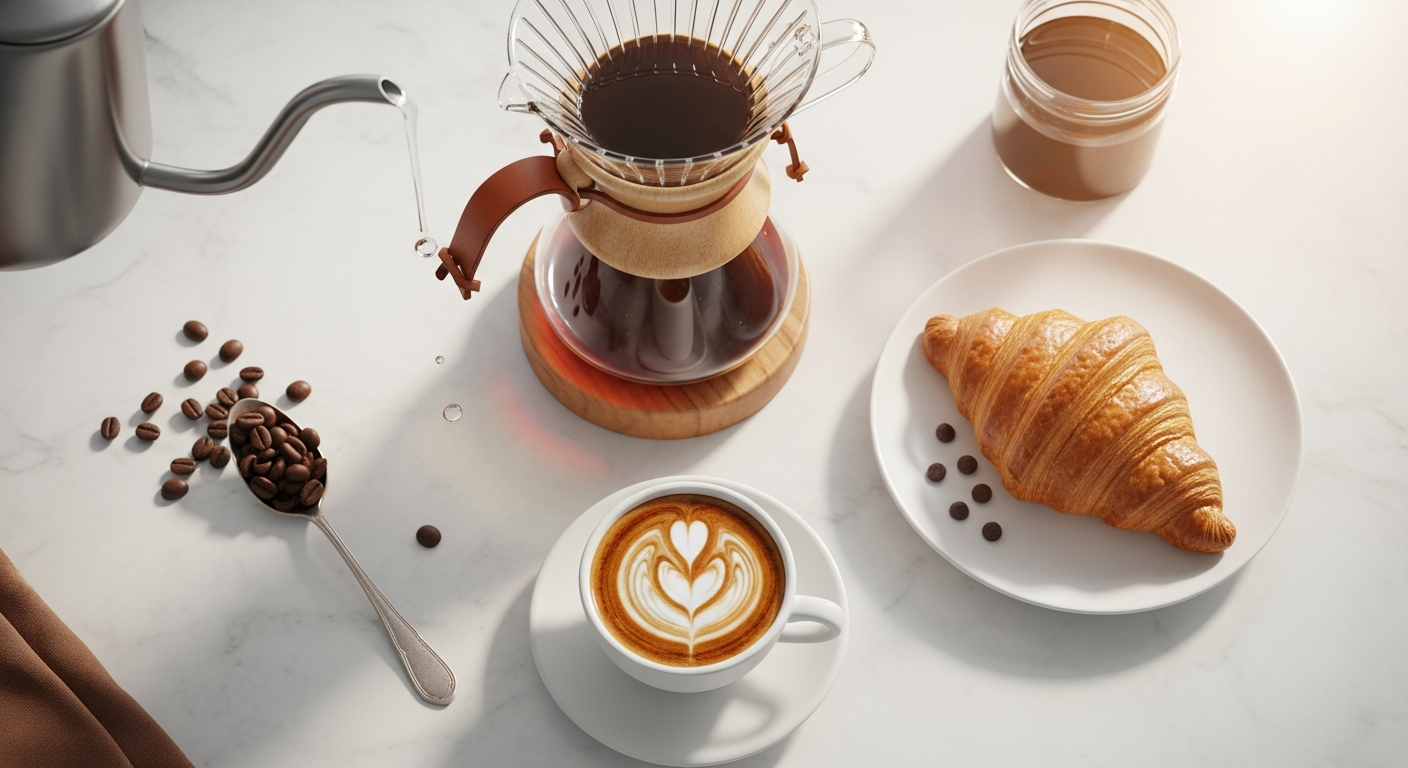
Day two is dedicated to the iconic châteaux of the Loire Valley, an experience that truly transports you to another era. After a delightful French breakfast, it’s time to put your portable coffee brewing skills to the test. Before heading out, grind your favorite specialty beans. We recommend a medium grind for pour-over methods like the Hario V60 or Chemex, or a slightly finer grind for an Aeropress. A quality portable grinder, such as the Timemore C2 (~€70) or the more premium Fellow Ode Gen 2 (~€300), is essential for fresh extraction.
Your first stop is Château de Chenonceau, often called the “Château of the Ladies,” gracefully spanning the River Cher. Its elegant architecture and stunning gardens are breathtaking. Take your time to explore the richly furnished interiors and the meticulously manicured grounds. Find a secluded spot overlooking the river or within one of the beautiful gardens for your mid-morning coffee break. Set up your brewing station: a lightweight kettle (like the Stagg EKG Mini, ~€150, if you have access to power, or a simple camping kettle), your chosen brewer, and a portable scale (Acaia Pearl, ~€250, for precision or a more affordable digital kitchen scale). Aim for a brew ratio of 1:15 to 1:17 (e.g., 20g coffee to 300-340ml water). Heat your water to between 90-96°C (195-205°F), the optimal temperature range recommended by the SCA for maximizing flavor extraction without bitterness. Perform a “bloom” by pouring twice the amount of water as coffee (e.g., 40ml for 20g) and letting it sit for 30-45 seconds to allow gases to escape, ensuring even saturation. Then, proceed with your preferred pour-over technique, aiming for a total brew time of 2:30-3:30 minutes. The resulting cup, enjoyed amidst such historical beauty, will elevate your experience of the château.
In the afternoon, continue to Château d’Amboise, perched high above the Loire River, offering panoramic views. This château was a favorite of French kings and even hosted Leonardo da Vinci, who is buried in its chapel. Afterwards, explore the charming town of Amboise, perhaps enjoying a light lunch at a riverside crêperie. Consider visiting Clos Lucé, Leonardo da Vinci’s final residence, where you can see models of his ingenious inventions. For dinner, choose a restaurant in Amboise that showcases the region’s produce. Pair your meal with a local sparkling wine, Crémant de Loire, a delightful alternative to Champagne, or a robust Chinon red. The blend of history, natural beauty, and your perfectly brewed coffee makes for an unforgettable day.
Day 3: Wine Tasting in Vouvray & Saumur’s Sparkling Secrets
Today is a deep dive into the Loire Valley’s renowned wine country, focusing on the crisp Chenin Blancs of Vouvray and the sparkling wines of Saumur. Begin your day with a quick, efficient brew using an Aeropress (~€30), a fantastic travel companion known for its versatility and robust, clean cup. It’s incredibly forgiving and easy to clean, making it ideal for busy mornings. Use a 1:10 ratio for a concentrated brew, then dilute with hot water to your preferred strength for a rich, full-bodied cup.
Head east from Tours to the Vouvray appellation, famous for its Chenin Blanc wines, which range from dry to semi-dry, sweet, and sparkling. Visit a troglodyte wine cellar, carved into the tuffeau stone cliffs, like those at Domaine Huet or Domaine Pichot. Here, you’ll learn about the winemaking process and taste several expressions of Chenin Blanc, understanding the impact of terroir – the unique combination of soil, climate, and topography – on the wine’s character. Pay attention to the nuanced aromas of honey, quince, and almonds, often present in these wines.
After a refreshing wine tasting, continue west to Saumur, a picturesque town dominated by its fairytale château. Saumur is the heart of the Crémant de Loire production. Explore the impressive Château de Saumur, which offers commanding views of the Loire River. For lunch, indulge in a traditional regional dish such as Fouées, small bread pockets often filled with rillettes or goat cheese, best enjoyed at a local cave restaurant. In the afternoon, visit one of Saumur’s renowned sparkling wine houses, such as Ackerman or Bouvet Ladubay. Take a guided tour of their extensive cellars, often stretching for kilometers underground, and discover the traditional method of producing sparkling wine. The cool, dark cellars provide the perfect conditions for the secondary fermentation that creates the wine’s characteristic bubbles.
Consider how coffee can complement the evening’s culinary experience. After a hearty dinner featuring local lamb or freshwater fish, a pour-over of a naturally processed Ethiopian coffee, with its bright berry notes, can be a delightful contrast to a rich dessert, or a washed Colombian with its balanced profile can serve as a sophisticated palate cleanser. Experiment with pairings, just as you would with wine, to discover new dimensions of flavor. This day celebrates the Loire’s liquid treasures, from the complexity of its wines to the comforting familiarity of your daily coffee.
Day 4: Chinon’s Reds & Riverside Cycling with Coffee Fuel
Today, we venture into the heart of the Loire Valley’s red wine country: Chinon. Known primarily for its elegant Cabernet Franc wines, Chinon offers a different facet of the region’s viticulture. Fuel your morning with a robust brew. If you’re feeling adventurous, try a “Japanese Iced Coffee” method with your V60: brew directly over ice using a slightly higher brew ratio (e.g., 1:12) to compensate for dilution, perfect for a warm day of cycling.
Drive to the medieval town of Chinon, dominated by its impressive fortress, which once housed Joan of Arc. Explore the charming cobbled streets, browse local artisan shops, and soak in the historical atmosphere. Chinon’s red wines are typically medium-bodied, with notes of raspberry, violet, and often a distinctive “pencil lead” or “forest floor” aroma. Visit a local vineyard like Château de Cravant or Bernard Baudry for a tasting. Learn about the diverse terroirs within Chinon, from the gravelly terraces near the river to the clay-limestone slopes, which significantly influence the wine’s style and aging potential.
In the afternoon, embrace the active side of the Loire Valley by renting bicycles and exploring the picturesque riverside paths. The “Loire à Vélo” route offers well-maintained trails, allowing you to cycle through vineyards, past charming villages, and alongside the serene river. This is the perfect opportunity for a gourmet picnic. Stop at a local market in Chinon to gather fresh baguettes, local cheeses (like Crottin de Chavignol), cured meats, and seasonal fruits. Find a scenic spot by the river or overlooking a vineyard. This is where your portable coffee setup shines again. A compact setup like the AeroPress Go (~€40) paired with a small hand grinder (e.g., Porlex Mini, ~€60) and pre-weighed coffee beans (perhaps a single-origin Rwandan with its delightful sweetness and citrus notes) makes for an effortless, high-quality coffee experience in nature. The World Coffee Research (WCR) emphasizes the importance of varietal selection and processing methods for quality, and tasting these nuances in a tranquil setting truly connects you to the bean’s journey.
Enjoy your coffee as you watch the river flow by, perhaps contemplating the subtle differences between a washed coffee’s clean profile and a natural process’s fruit-forward intensity. For dinner, return to Chinon or a nearby village for a traditional meal, pairing your Chinon red with local game or a rich beef dish. This day combines the region’s robust wines with an active exploration, all while ensuring your coffee ritual is a highlight of your outdoor adventures.
Day 5: Blois, Farewell Flavors & Coffee Souvenirs
On your final day, journey towards Blois, another historically significant city that serves as an excellent gateway for departure, especially if you’re heading back towards Paris. Begin your morning with a final, thoughtful brew at your accommodation. Perhaps experiment with a different brew ratio or grind size you’ve been curious about, or simply savor a familiar favorite. Consider a delicate light roast, like a Geisha varietal (if you brought some special beans), known for its floral and tea-like qualities, to gently awaken your senses for the day ahead.
Your main destination is the Château de Blois, a royal residence that showcases a fascinating architectural evolution from the Middle Ages to the 17th century. Explore its four distinct wings, each representing a different period and monarch, and marvel at the grand staircase. Afterward, wander through the charming streets of Blois, perhaps picking up some last-minute souvenirs. Look for local honey, lavender products, or regional delicacies to bring a taste of the Loire Valley home.
For your farewell lunch, choose a restaurant in Blois that offers a final taste of regional specialties. Enjoy a hearty plat du jour, perhaps featuring fresh produce from the local market. Before departing, seek out any local specialty coffee shops you might have identified. Even if the scene is still developing, supporting these establishments helps foster a greater appreciation for quality coffee in the region. If you find a local roaster, consider buying a bag of freshly roasted beans as a coffee souvenir. This allows you to extend your Loire Valley experience, reminding you of your trip with every fragrant brew back home. Look for roast dates to ensure freshness; ideally, beans should be consumed within 2-4 weeks of roasting for optimal flavor.
As you prepare for your departure, reflect on the incredible journey you’ve had. From the majestic châteaux and world-class wines to the carefully curated coffee moments, the Loire Valley offers a symphony of sensory delights. This itinerary has not only guided you through its cultural and culinary treasures but has also empowered you to maintain your passion for specialty coffee, making every moment of your travel experience truly exceptional. Whether you’re a seasoned barista or a curious beginner, the integration of coffee craft into your travels enriches the entire adventure.
The Art of Portable Brewing: Your Travel Coffee Kit
Integrating specialty coffee into your Loire Valley adventure isn’t just about finding local cafés; it’s about empowering yourself to brew an exceptional cup anywhere, anytime. A well-curated portable coffee kit is your secret weapon. For optimal flavor extraction, remember the SCA’s guidelines: water temperature between 90-96°C (195-205°F) and a brew ratio typically between 1:15 to 1:17.
Let’s consider the essential components. First, the grinder. Freshly ground coffee makes an immense difference. Hand grinders like the Timemore C2 (around €70) or the Hario Skerton Pro (around €50) offer excellent grind consistency for their price point. For those seeking ultimate precision and willing to invest, the Fellow Ode Gen 2 (around €300) offers electric convenience and professional-grade burrs, though it’s less portable due to its size and power requirement. For brewing devices, the AeroPress (original ~€30, Go ~€40) is a perennial favorite for travel due to its durability, ease of use, and versatility – it can make espresso-like concentrates or full-bodied immersion brews. The Hario V60 (plastic ~€10, ceramic ~€25) is another excellent choice for pour-over enthusiasts, requiring a bit more technique but yielding a cleaner, brighter cup. Don’t forget filters for your chosen brewer!
A portable scale is crucial for consistency. While the Acaia Pearl (around €250) is the gold standard for baristas, a simple kitchen scale (around €20-€40) that measures in grams will suffice for travel. For heating water, a small electric kettle is ideal if you have power access. If not, a simple camping kettle and a portable stove (like a small butane burner) can be used for outdoor brewing, or you can rely on hotel room kettles. Pre-weighing your coffee beans into small, airtight containers or bags for each day can save time and hassle. Bring a high-quality thermos or insulated mug (e.g., MiiR or Klean Kanteen, ~€25-€40) to keep your coffee hot (or cold) throughout your explorations.
Remember to pack enough specialty coffee beans from your favorite roaster. Consider a variety of roast profiles and origins – perhaps a bright, floral Ethiopian for morning, a balanced Colombian for an afternoon pick-me-up, or a rich, chocolatey Brazilian for an evening treat. Renowned roasters like Square Mile Coffee Roasters (London), Coffee Collective (Copenhagen), or Gardelli Specialty Coffees (Italy) offer exceptional beans. Even if you’re not a barista champion like James Hoffmann, following these simple guidelines will ensure you consistently brew delicious coffee, elevating every moment of your Loire Valley adventure.
Key Takeaways for Your Loire Valley Journey:
- **Embrace Portable Brewing:** Pack an Aeropress or V60, a hand grinder, and a travel scale to ensure top-tier coffee daily.
- **Seek Out Local Flavors:** Dive into regional wines (Vouvray, Chinon, Crémant de Loire) and gastronomic delights (rillettes, goat cheese, Fouées).
- **Balance History & Nature:** Explore majestic châteaux like Chenonceau and Amboise, then cycle along the serene Loire River.
- **Integrate Coffee Consciously:** Use SCA standards for brewing (90-96°C, 1:15-1:17 ratio) to enhance your travel experience, from morning rituals to scenic picnics.
- **Connect with Local Culture:** Engage with winemakers and baristas, and look for emerging specialty coffee scenes in larger towns like Tours or Blois.
Step-by-Step Guide: Brewing Perfect Pour-Over Coffee On The Go
Mastering the pour-over technique while traveling ensures a consistently clean and nuanced cup, bringing a touch of home comfort to your adventures. This method, often favored by barista champions for its clarity, requires precise control over water temperature, grind size, and pour rate.
| Step | Action | Coffee Specifics / Tips | Equipment Example & Est. Price |
|---|---|---|---|
| 1. Prepare Your Water | Heat fresh water to the optimal brewing temperature. | Target 90-96°C (195-205°F) as per SCA standards. Use bottled water if tap quality is questionable. | Small travel kettle (e.g., Collapsible Electric Kettle, ~€30-€50) |
| 2. Grind Your Beans | Measure and grind your specialty coffee beans. | Aim for a medium grind, resembling coarse sand. A brew ratio of 1:15 to 1:17 (e.g., 20g coffee for 300-340ml water) is ideal. | Timemore C2 Manual Grinder (~€70) |
| 3. Set Up Your Brewer | Place your pour-over brewer on your mug/server, insert filter, and rinse. | Rinse the paper filter with hot water to remove paper taste and pre-heat your mug/server. Discard rinse water. | Hario V60 Plastic Dripper (~€10) |
| 4. Add Coffee & Tare Scale | Add ground coffee to the filter and gently tap to level the bed. Place on a scale. | Ensure an even bed for consistent extraction. Tare your scale to zero. | Portable Digital Scale (~€20-€40) |
| 5. The Bloom | Pour a small amount of hot water over the grounds, just enough to saturate them. | Pour about twice the weight of coffee (e.g., 40ml for 20g) in a circular motion. Let it bloom for 30-45 seconds. This allows CO2 to escape. | Gooseneck Travel Kettle (optional, for precision) |
| 6. The Main Pour | Slowly and steadily pour the remaining water in concentric circles. | Pour in stages, maintaining an even water level and avoiding pouring directly on the filter walls. Aim for a total brew time of 2:30-3:30 minutes. | Hario V60 or Chemex Filters |
| 7. Serve & Enjoy | Once all water has drained, remove the brewer and serve your coffee. | Savor the unique flavors and aromas of your freshly brewed specialty coffee amidst the Loire Valley’s beauty. | Insulated Travel Mug (e.g., MiiR Tumbler, ~€25) |
What is the best time of year to visit the Loire Valley for food and wine?
The best time to visit the Loire Valley for food and wine is typically from late spring (May-June) through early autumn (September-October). During these months, the weather is pleasant, vineyards are lush, and local markets are abundant with fresh produce. September and October are particularly excellent for wine enthusiasts, as they coincide with the grape harvest (vendanges) and many wineries offer special tours and events.
Are there specialty coffee shops in the Loire Valley, or should I bring my own?
While the Loire Valley is famous for wine, the specialty coffee scene is emerging, particularly in larger cities like Tours, Angers, and Nantes. You might find dedicated specialty coffee shops, but they are less common than in major metropolitan areas. For guaranteed high-quality coffee, especially in smaller towns or at châteaux, we highly recommend bringing a portable brewing kit (Aeropress, V60, hand grinder, and quality beans) to ensure your daily ritual is met with excellence.
What local food specialties should I try in the Loire Valley?
The Loire Valley offers a delightful array of culinary specialties. Must-try items include Rillettes de Tours (pork pâté), Sainte-Maure de Touraine (goat cheese), Fouées (small bread pockets often filled with local delicacies), Tarte Tatin (caramelized apple tart), and freshwater fish from the Loire River, often served with beurre blanc sauce. Pair these with local wines for an authentic gastronomic experience.
How can I ensure my travel coffee setup meets SCA standards?
To meet Specialty Coffee Association (SCA) standards on the go, focus on a few key parameters: use fresh, quality beans (ideally single-origin), grind them just before brewing using a good hand grinder, ensure your water temperature is between 90-96°C (195-205°F), and maintain a brew ratio of 1:15 to 1:17 (e.g., 20g coffee to 300-340ml water). A portable scale helps achieve precision, leading to a consistently well-extracted and flavorful cup.
Is it easy to navigate the Loire Valley without a car?
While it’s possible to visit some châteaux and towns using trains and regional buses, having a car offers the most flexibility for exploring the Loire Valley, especially for vineyard visits and reaching smaller, picturesque villages. Many châteaux are spread out, and public transport can be infrequent. If you prefer not to drive, consider joining guided tours, or plan your itinerary around towns with good train connections like Tours, Blois, or Saumur, and then rent bicycles or use taxis for local exploration.