


Normandy Cider and Calvados Producers Worth Visiting
Imagine starting your day with a meticulously brewed cup of coffee before heading out to tour a historic Calvados distillery, or winding down an afternoon of cider tasting with a perfectly extracted espresso. The pursuit of quality, whether in a fine spirit or a single-origin coffee, shares a common thread: passion, precision, and a deep respect for the raw materials. Normandy’s producers embody this spirit, transforming humble apples into complex, aromatic ciders and the venerable apple brandy, Calvados, revered worldwide. Join us as we explore the producers worth visiting, offering a comprehensive look at their craft, traditions, and the perfect coffee companions for your Norman adventure.
Domaine Dupont: The Epitome of Pays d’Auge Calvados
Nestled in the heart of the Pays d’Auge, the Dupont family has been crafting exceptional ciders and Calvados for generations at their picturesque estate. Domaine Dupont is renowned for its commitment to traditional methods, from hand-picking apples to natural fermentation and double distillation in copper pot stills. Their range of Calvados, aged in oak barrels, showcases incredible complexity and elegance, from the vibrant youth of a Fine (2 years old) to the profound depth of their Hors d’Âge (over 6 years old). A visit here offers a fascinating tour of their orchards, cellars, and a tasting experience that highlights the nuances of their apple brandies, often revealing notes of baked apple, vanilla, spice, and even subtle floral undertones.
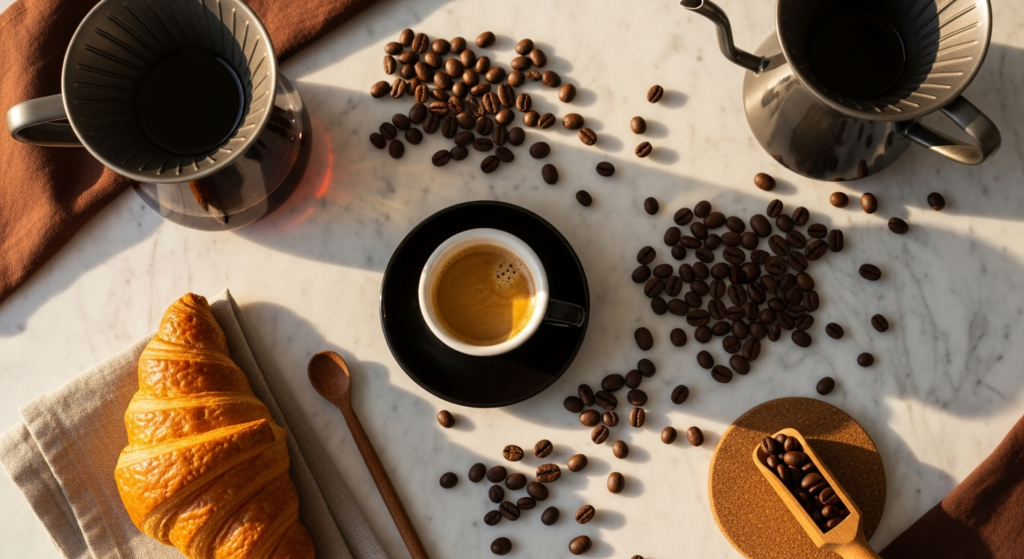
After savoring the rich heritage of Calvados, a moment of coffee reflection is in order. Consider pairing the robust character of a Domaine Dupont Calvados with a meticulously prepared espresso. For an optimal espresso, the Specialty Coffee Association (SCA) recommends a brew ratio of approximately 1:2 (coffee grounds to liquid espresso), extracted within 25-30 seconds. This means if you use 18 grams of finely ground coffee, you’re aiming for about 36 grams of espresso. The ideal temperature for espresso extraction is between 195-205°F (90.5-96.1°C), ensuring optimal flavor solubility without over-extraction. Equipment like the Mahlkönig EK43S grinder (approx. $3,500-$4,500) is often favored by professional baristas for its consistent grind particle distribution, crucial for achieving a balanced and flavorful shot. When tasting, notice how the intense, concentrated flavors of a well-pulled espresso, perhaps with notes of dark chocolate or caramel, can either complement or contrast with the fruity and oaky notes of Calvados, creating a truly sophisticated sensory experience. Local coffee shops like “Le Café du Coin” in Pont-l’Évêque, a short drive from Dupont, might offer such an exquisite brew, allowing you to compare and contrast the regional liquid treasures.
Cidrerie Drouin: Award-Winning Ciders and Calvados Excellence

Also situated in the Pays d’Auge, Cidrerie Drouin is another jewel in Normandy’s crown. The Drouin family’s dedication to quality is evident in their diverse range of ciders and Calvados, many of which have garnered international acclaim. They are particularly known for their single-varietal ciders and unique expressions of Calvados, including cask-strength and vintage offerings. A tour of their estate provides insight into their meticulous apple selection, fermentation processes, and the art of distillation, revealing how the terroir of Normandy translates into their distinct products. Their ciders range from crisp and dry to semi-sweet, perfect for pairing with local cuisine, while their Calvados offers a spectrum of aromas and flavors that evolve beautifully with age.
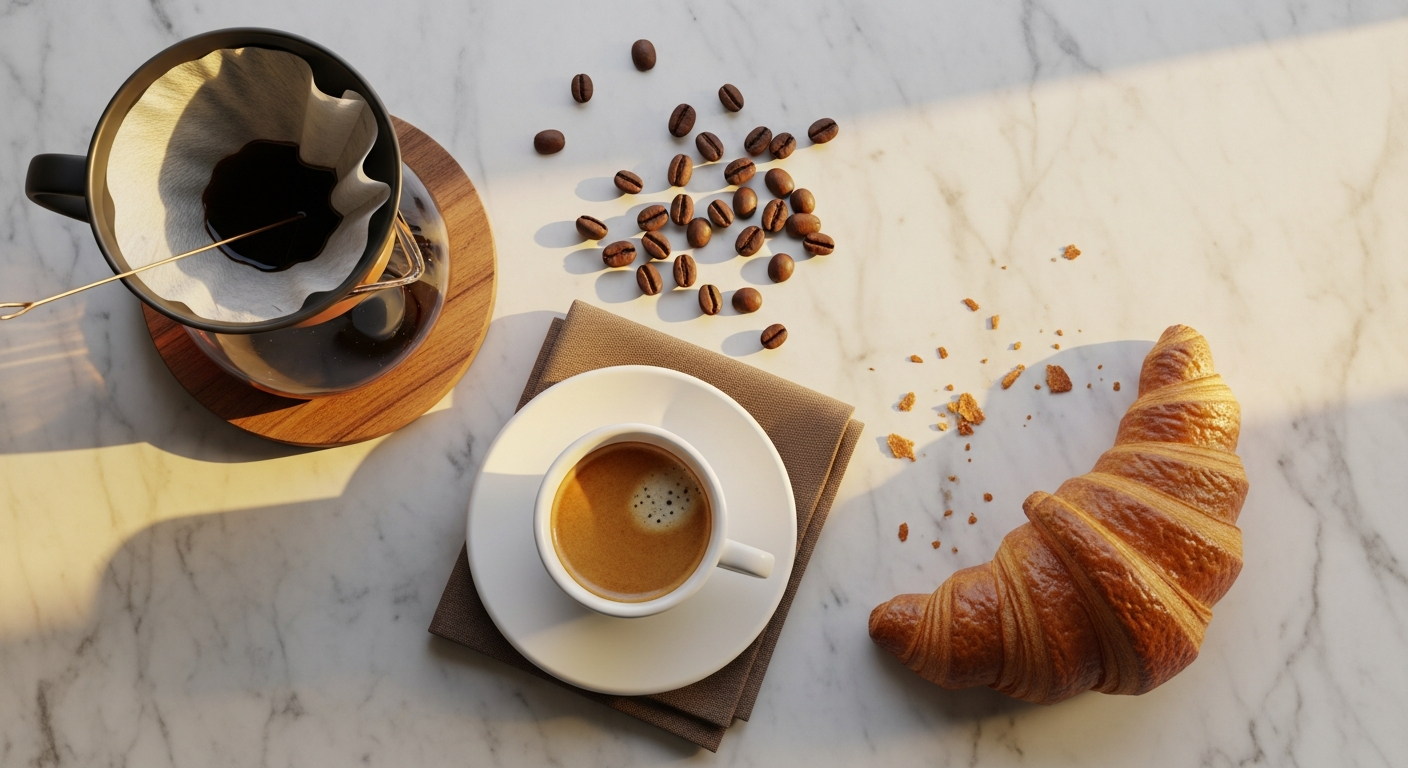
Following a refreshing tasting of Drouin’s ciders, a moment with a lighter roast filter coffee can be incredibly enlightening. Consider a pour-over prepared with a Hario V60 or a Chemex, brewing a bright, nuanced single-origin coffee. For filter coffee, the SCA recommends a brew temperature similar to espresso, 195-205°F (90.5-96.1°C), and a brew ratio typically between 1:15 to 1:18 (coffee to water). For example, 20 grams of medium-ground coffee with 300-360ml of water. The World Coffee Research (WCR) emphasizes the critical role of water quality; ideal brewing water should have a total hardness of around 50-175 ppm and alkalinity of around 40 ppm, free from chlorine and off-flavors. Roasters like La Cabra from Denmark or Tim Wendelboe from Norway are celebrated for their meticulous sourcing and light roasting profiles that highlight the inherent acidity and floral or fruity notes of exceptional beans, such as an Ethiopian Yirgacheffe or a washed Geisha. Imagine sipping a delicate, floral pour-over at a café like “L’Atelier du Goût” in Honfleur, allowing its clean acidity to act as a perfect palate cleanser after the rich, apple-forward notes of Drouin’s cider. This contrast enhances appreciation for both beverages, showcasing the diverse spectrum of flavors nature offers.
Château du Breuil: A Grand Estate with Historic Calvados
Château du Breuil stands as one of the most prestigious Calvados houses, housed within a magnificent 16th and 17th-century château. This grand estate combines historical grandeur with modern production techniques, offering an impressive visitor experience. Their extensive orchards provide a variety of cider apples, which are then transformed into a range of high-quality Calvados, from young and vibrant expressions to venerable eaux-de-vie aged for decades. The guided tours often include a walk through the charming château, a detailed explanation of the distillation process, and a visit to their vast aging cellars, where hundreds of oak barrels quietly mature their precious contents. The tasting sessions allow visitors to appreciate the evolution of Calvados through its different age statements.
The commitment to quality and provenance at Château du Breuil finds a strong parallel in the world of specialty coffee’s direct trade movement. Just as the château meticulously manages its apple orchards and aging process, many specialty coffee roasters engage in direct trade, forging relationships directly with coffee farmers. This ensures fair compensation for farmers and allows roasters to secure high-quality, traceable beans with specific flavor profiles. Consider a single-origin coffee from a renowned region like Colombia Huila, known for its balanced acidity, sweet caramel notes, and full body, or a vibrant Ethiopian Yirgacheffe with its distinctive floral and citrus characteristics. These coffees, sourced through direct trade, provide transparency from farm to cup, much like the detailed history of a bottle of Château du Breuil Calvados. A local roaster in Caen, such as “Café des Rois,” might feature such ethically sourced beans, offering a pour-over or espresso that tells a story of its origin. This connection between the “terroir” of apples in Normandy and the “terroir” of coffee beans across the globe highlights a shared philosophy of quality, sustainability, and respect for the product’s journey.
Ferme de la Sapinière: Rustic Charm and Authentic Flavors
Venturing beyond the Pays d’Auge to the Cotentin Peninsula, Ferme de la Sapinière offers a more rustic and intimate experience. This family-run farm embodies the true spirit of farm-to-bottle production, where the focus is on traditional, natural methods. They produce a range of authentic ciders, poiré (pear cider), and Calvados, often with a slightly wilder, more unfiltered character that speaks of the land. Visitors can explore the working farm, meet the animals, and gain a hands-on understanding of the entire production cycle, from harvesting to bottling. Their products are celebrated for their genuine, unpretentious flavors, reflecting the unique microclimate and apple varieties of the Cotentin region.
After experiencing the honest, earthy flavors of Ferme de la Sapinière, you might be inspired to recreate a similar sense of craft at home with your coffee. For home brewing, there are several excellent and accessible options. The AeroPress (approx. $40-$50) is celebrated for its versatility and portability, capable of brewing concentrated shots or full-bodied coffees with minimal fuss. It works best with a medium-fine grind, similar to espresso. The classic French Press (e.g., Bodum Chambord, approx. $30-$60) yields a rich, full-bodied cup due to its immersion brewing and lack of paper filter, ideal for a coarser grind. For a stovetop option, the Moka Pot (e.g., Bialetti Moka Express, approx. $30-$50) produces a strong, espresso-like coffee, best with a medium-fine grind. For precise and consistent grinding, a burr grinder like the Baratza Encore (approx. $170-$200) is a worthy investment, far superior to blade grinders. Imagine enjoying a freshly brewed AeroPress coffee, perfectly complementing the rustic charm of your Norman farm visit. The simplicity and control offered by these home brewing methods resonate with the artisanal ethos of producers like Ferme de la Sapinière, allowing you to appreciate the raw ingredients and the process from your own kitchen.
Distillerie Busnel: A Calvados Institution Since 1820
Distillerie Busnel, established in 1820, is one of the oldest and most respected Calvados producers in the Pays d’Auge. With nearly two centuries of expertise, Busnel is synonymous with tradition and quality. Their facilities offer comprehensive tours that delve deep into the history of Calvados production, explaining the intricacies of fermentation, distillation, and the long aging process in their impressive cellars. Busnel’s range includes various age statements, each offering a distinct profile, from vibrant and fruity young Calvados to complex and mellow older expressions that showcase remarkable depth and character, often with notes of baked apple, oak, and subtle spices. Their commitment to preserving the heritage of Calvados while embracing modern standards makes them a must-visit for enthusiasts.
After a thorough exploration of Busnel’s historical cellars, you might crave a different kind of expertly crafted beverage: a milk-based coffee drink. The art of a perfectly steamed milk for a latte or cappuccino is a skill honed over years, much like the aging of Calvados. Baristas aim for milk heated to 135-150°F (57-65°C), creating a velvety microfoam with a glossy texture, achieved by incorporating air just right and then swirling to integrate it evenly. This precise steaming is crucial for achieving latte art and a harmonious balance with espresso. For those seeking a refreshing alternative, cold brew coffee offers a smooth, low-acidity experience, perfect for a warmer Norman day. It’s typically brewed by steeping coarse-ground coffee in cold water for 12-24 hours. Consider exploring a local café in Lisieux, such as “La Pause Gourmande,” which might offer beautifully crafted lattes using non-dairy alternatives like oat milk or almond milk. Each alternative brings its own unique flavor profile and texture, subtly altering the coffee experience – for example, oat milk often adds a creamy, slightly sweet note. This attention to detail, whether in a milk-based coffee or a cold brew, mirrors the dedication found in the time-honored traditions of Distillerie Busnel, showcasing how quality is paramount in every sip.
Domaine familial Louis Dupont: Generations of Apple Brandy Craft
Not to be confused with Domaine Dupont, Domaine familial Louis Dupont is another esteemed, family-run estate with a rich history in the Pays d’Auge. This producer is celebrated for its deep-rooted traditions and a focus on producing Calvados that truly expresses the character of their orchards. Their approach emphasizes natural processes and a profound respect for the raw material, resulting in Calvados with exceptional purity and aromatic intensity. Visitors can experience a more personal tour, often guided by a family member, gaining insight into their philosophy and the specific techniques that have been passed down through generations. Their range often includes unique expressions, such as single-orchard Calvados, highlighting the subtle differences in terroir.
The intricate sensory evaluation involved in appreciating a fine Calvados, discerning notes of fruit, wood, and spice, has a direct parallel in the professional cupping protocols of specialty coffee. The SCA has established rigorous standards for sensory evaluation, where coffee professionals (like Q Graders) assess coffee using a standardized cupping form, evaluating fragrance, aroma, flavor, aftertaste, acidity, body, balance, sweetness, uniformity, and clean cup. This systematic approach allows for a precise description and grading of coffee quality. The SCA Coffee Tasters Flavor Wheel is an invaluable tool, providing a common language for describing coffee attributes, much like a sommelier’s lexicon for wine or spirits. Imagine a coffee professional like James Hoffmann, a renowned barista champion and coffee educator, guiding a tasting. He would highlight how a coffee’s distinct characteristics emerge, similar to how a connoisseur appreciates the nuanced evolution of an aged Calvados. A café in Deauville, perhaps “Le Comptoir du Café,” might host cupping sessions or offer coffees with detailed tasting notes that invite this level of sensory exploration, allowing you to connect the analytical appreciation of Calvados with the complex world of coffee flavors.
Le Père Jules: A Legacy of Exceptional Calvados
Le Père Jules is a legendary name in the world of Calvados, with a history stretching back to 1850. Located near Lisieux, this family estate has cultivated a reputation for producing some of the finest traditional Calvados, made exclusively from apples grown in their own orchards. Their commitment to quality is unwavering, utilizing natural fermentation and slow, careful distillation to create Calvados that are rich, elegant, and incredibly complex. Their cellars house an impressive collection of old vintages, some aged for decades, offering a glimpse into the profound depth and character that time bestows upon their spirits. A visit to Le Père Jules is a journey through history, guided by passionate individuals who uphold the legacy of their ancestors.
The deep respect for tradition and the land at Le Père Jules resonates strongly with the principles of sustainability and ethical sourcing in the specialty coffee industry. Just as Le Père Jules cultivates its own orchards with care, many coffee producers globally practice sustainable farming, protecting biodiversity, conserving water, and improving soil health. Initiatives like Fair Trade and Rainforest Alliance certifications, or direct trade relationships, ensure that farmers receive fair prices and that environmentally sound practices are upheld. The World Coffee Research (WCR) plays a vital role in this by developing new, resilient coffee varieties and sustainable farming practices to ensure the future of coffee. Imagine sipping a coffee from a roaster like Counter Culture Coffee, known for its transparency and commitment to sustainability, knowing that the beans were grown with the same care and respect for the environment that Le Père Jules applies to its apple orchards. This holistic appreciation for the product, from its origins to its final form, connects the timeless craft of Calvados production with the conscious consumption of specialty coffee, enriching the entire travel and tasting experience. A café in Trouville-sur-Mer, perhaps “Café de la Plage,” might proudly serve such ethically sourced coffees, allowing you to enjoy a delicious cup that aligns with a philosophy of responsible enjoyment.
Key Takeaways for Your Normandy & Coffee Journey:
- Explore Diverse Producers: Visit a mix of large estates and smaller family farms to appreciate the full spectrum of cider and Calvados production.
- Embrace Sensory Exploration: Pay attention to the tasting notes in both Calvados (apple, spice, oak) and coffee (fruit, floral, chocolate) to deepen your appreciation.
- Understand Coffee Standards: Remember SCA guidelines for optimal espresso (1:2 ratio, 25-30s extraction) and filter coffee (1:15-1:18 ratio, 195-205°F).
- Invest in Quality Home Brewing: Consider equipment like the AeroPress or a Baratza grinder to bring specialty coffee excellence into your daily routine, mirroring artisanal craft.
- Seek Ethical Sourcing: Look for Calvados producers committed to traditional methods and coffee roasters practicing direct trade or sustainable farming, connecting quality with responsibility.
| Category | Calvados (Aged Expressions) | Specialty Coffee (Brew Methods) |
|---|---|---|
| Primary Ingredient | Apples (fermented cider) | Coffee beans (roasted) |
| Production Process | Distillation, Oak aging (minimum 2 years) | Grinding, Brewing (various methods) |
| Flavor Profile | Baked apple, vanilla, oak, spice, dried fruit, floral notes. Complexity increases with age. | Varies widely by origin/roast: Bright acidity, fruity, floral, chocolatey, nutty, caramel, earthy. |
| Serving Temperature | Room temperature (60-68°F / 15-20°C) | Hot (150-185°F / 65-85°C) or Cold (iced coffee, cold brew) |
| Key Equipment/Tools | Copper pot stills, Oak barrels, Tasting glass | Espresso machine, Grinder, Pour-over dripper, French Press, AeroPress, Scale |
| Recommended Pairings | Cheese, apple tart, dark chocolate, coffee (as digestif) | Pastries, fruit, light breakfast, Calvados (as complementary flavor) |
| SCA/WCR Relevance | (Indirect) Terroir, traditional farming, quality control | Direct standards for brewing, extraction, water, bean research, sustainability |
What is the best time to visit Normandy for cider and Calvados producers?
The ideal time to visit Normandy’s cider and Calvados producers is during the autumn (September to November) for the apple harvest and distillation season, offering a vibrant atmosphere. Spring (April to June) is also beautiful, with apple blossoms in full bloom. Many producers are open year-round, but it’s always best to check their specific opening hours and book tours in advance.
What is Calvados and how is it different from cider?
Calvados is an apple brandy (or sometimes pear brandy) made by distilling cider. Cider is an alcoholic beverage made from fermented apple juice, typically with an alcohol content of 2-8%. Calvados, on the other hand, is distilled from cider and then aged in oak barrels, resulting in a much higher alcohol content (usually 40% ABV or more) and a more complex flavor profile that develops over years of aging.
What are the key SCA standards for brewing espresso?
The SCA recommends specific parameters for optimal espresso extraction: use a brew ratio of approximately 1:2 (coffee grounds to liquid espresso yield), aim for an extraction time of 25-30 seconds, and maintain a brew temperature between 195-205°F (90.5-96.1°C). The pressure should ideally be