


Provence Food Markets Worth Planning a Trip Around
Roussillon: A Palette of Flavors & Aromas
Nestled amidst the ochre cliffs of the Luberon, the market of Roussillon is a breathtaking spectacle, held every Thursday. Its unique setting, with buildings painted in various shades of red, orange, and yellow derived from the local pigment, creates a stunning backdrop for the vibrant produce. Here, the sensory journey begins immediately. The air is thick with the scent of lavender, a signature of Provence, mingling with the earthy aroma of fresh truffles (in season), the sweetness of ripe peaches, and the pungent tang of goat cheese. This market is renowned for its exceptional quality and the direct relationship between producers and consumers, a philosophy that resonates deeply with the specialty coffee community’s emphasis on direct trade and transparent sourcing.
As you navigate the bustling aisles, you’ll discover an array of fruits and vegetables that burst with flavor, grown under the generous Provençal sun. Think plump figs, juicy melons, and heirloom tomatoes in every conceivable color. Artisans display their wares with pride: handcrafted pottery, woven baskets, and textiles dyed with natural ochre. It’s an immersion into authenticity, much like discovering a single-origin coffee with a distinct flavor profile directly linked to its terroir. The rich, mineral-laden soil of Roussillon, famous for its ochre, also contributes to the unique character of its produce, creating a sense of place that is palpable. Consider the parallels to coffee: just as a coffee bean’s flavor is influenced by its altitude, soil composition, and microclimate, so too are the fruits and vegetables of Roussillon shaped by their unique environment.
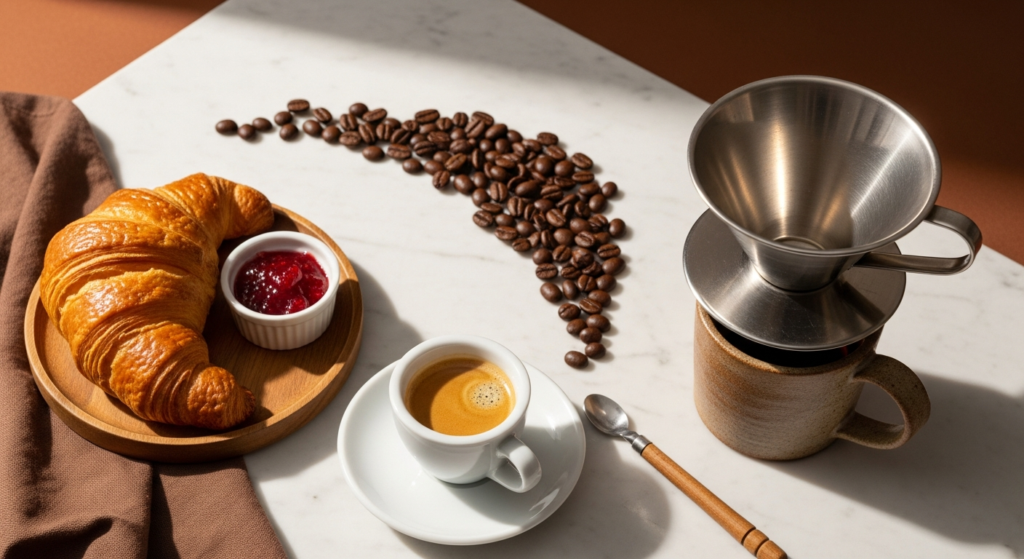
For the coffee lover, the market experience at Roussillon offers a fantastic opportunity for culinary pairing. Imagine sourcing a crusty baguette, a selection of local cheeses like Banon or Picodon, and a jar of homemade fig jam. Back at your Provençal gîte, you can craft a delightful breakfast or afternoon snack, perfectly complemented by a thoughtfully brewed coffee. A medium-bodied, naturally processed Ethiopian coffee, with its fruity and floral notes, would beautifully echo the sweetness of the figs and melons. Alternatively, a washed Colombian coffee, known for its balanced acidity and chocolatey undertones, could provide a grounding counterpoint to the rich cheeses. The act of selecting these ingredients, understanding their origin, and then enjoying them with a carefully prepared cup of coffee elevates a simple meal into a ritual, a celebration of quality and connection, mirroring the mindfulness we bring to our daily brew. This market isn’t just about buying food; it’s about embracing a lifestyle where quality, origin, and sensory pleasure are paramount.
L’Isle-sur-la-Sorgue: Antiques, Artisans, and Aromatic Delights

Famed as the “Venice of Provence” due to its picturesque canals and water wheels, L’Isle-sur-la-Sorgue hosts one of the region’s most celebrated markets every Sunday. It’s a dual delight, combining a sprawling antique market with an equally impressive food market. This unique blend creates an atmosphere of discovery and charm that is utterly captivating. While antique dealers showcase their treasures – from vintage furniture to delicate porcelain – the food market offers an abundance of local gastronomic delights, making it a truly unmissable experience for those who appreciate history, craftsmanship, and exceptional flavors.
The food section of the L’Isle-sur-la-Sorgue market is a vibrant tapestry of Provençal bounty. You’ll find stalls brimming with fresh seafood from the Mediterranean, including glistening oysters and plump mussels, alongside the ubiquitous olives, tapenades, and fragrant herbs. Local farmers proudly display their seasonal produce, often picked just hours before. The air is filled with the enticing scent of roasting chickens, freshly baked fougasse (a Provençal flatbread), and the sweet aroma of nougat. This market embodies the artisan spirit, where quality and tradition are paramount, a philosophy deeply shared within the specialty coffee industry. Just as coffee roasters meticulously select their beans and craft their roasts, the vendors here are dedicated to their craft, whether it’s making artisanal sausages or cultivating organic vegetables.
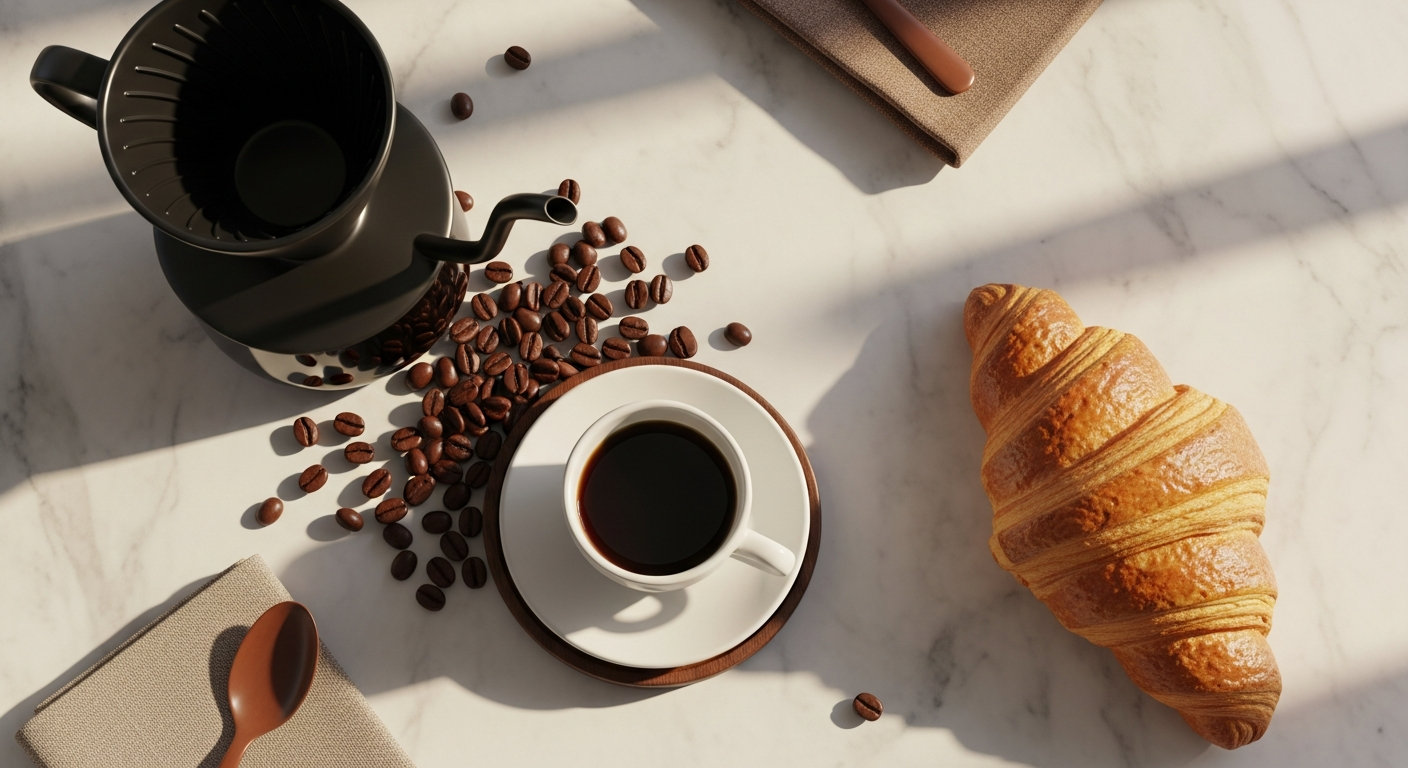
For the coffee enthusiast, the parallels extend beyond just the artisan connection. The careful selection of ingredients at a market mirrors the deliberate choices made in brewing specialty coffee. Consider the journey from bean to cup: selecting a high-quality green coffee, understanding its origin and processing, then precisely roasting it to highlight its unique characteristics. This mirrors the market experience of choosing the perfect ripe melon or a specific variety of olive oil. To fully appreciate the market’s offerings, one might consider bringing home some local honey or a jar of cherry jam, which would pair beautifully with a bright, full-bodied espresso. Imagine a shot pulled from a medium-roast Brazilian single-origin, offering notes of caramel and nuts, providing a warm contrast to the fruitiness of the jam. Or perhaps a pour-over using a Fellow Stagg EKG kettle (around $169) and a Hario V60, showcasing a delicate Ethiopian Yirgacheffe, its citrus and floral notes dancing with the sweetness of honey. The meticulousness required for brewing to SCA (Specialty Coffee Association) standards – with water temperature between 90-96°C (195-205°F) and a brew ratio of 1:15 to 1:18 coffee to water by mass – mirrors the care taken by the Provençal producers in cultivating and preparing their goods. This market is not just a place to buy; it’s a place to learn, appreciate, and gather inspiration for your own culinary and coffee rituals.
Aix-en-Provence: The Grandeur of Gourmet & Grains
Aix-en-Provence, a city renowned for its elegant boulevards, fountains, and artistic heritage, hosts several markets throughout the week, with the largest and most vibrant on Tuesdays, Thursdays, and Saturdays. The market at Place Richelme is particularly charming, focusing on food, while the larger market on Place des Prêcheurs and Cours Mirabeau offers a broader array of goods including textiles and flowers. These markets exude a sophisticated charm, reflecting Aix’s reputation as a cultural and culinary hub. Here, the emphasis is on gourmet quality, artisanal excellence, and the celebration of Provençal traditions, all elements that resonate with the philosophy of specialty coffee.
Walking through the Aix market, you’ll encounter a dazzling display of high-end produce and specialty items. Expect to find an impressive selection of cheeses, from creamy Bries to pungent Roqueforts, alongside charcuterie, fresh fish, and an array of baked goods that will tempt any palate. The vibrant colors of seasonal fruits and vegetables are artfully arranged, showcasing the bounty of the region. Truffle vendors, spice merchants, and olive oil producers offer tastings, inviting you to explore the complex nuances of their products. This focus on quality and detailed sensory experience is a direct parallel to the world of specialty coffee, where understanding the origin, processing, and roast profile of a bean is key to appreciating its full potential. Just as a world-class sommelier can discern the subtle notes in a fine wine, a seasoned barista can identify the unique characteristics of a micro-lot coffee, highlighting its acidity, body, and aromatic complexities.
Beyond the market, Aix-en-Provence also boasts a burgeoning specialty coffee scene, a testament to its modern culinary sophistication. You might find a local roaster, much like a renowned roaster such as La Marzocco or `Counter Culture Coffee` in other parts of the world, meticulously crafting their blends and single-origin offerings. Imagine starting your market day with a meticulously prepared flat white from a local café, perhaps brewed with a high-quality espresso machine and freshly ground beans from a Baratza Encore grinder (approx. $189). The rich, creamy texture and balanced flavor profile prepare your palate for the sensory adventure ahead. Later, after collecting your market treasures – perhaps some candied fruit, a delectable calisson (a traditional Provençal candy), or a bottle of local rosé – you can return to your accommodation and recreate the experience. A pour-over using a 1:16 brew ratio (coffee to water) and a medium-dark roast coffee with chocolatey and nutty notes would perfectly complement the sweetness of the calissons. This seamless integration of high-quality market finds with expertly brewed coffee elevates the entire travel experience, transforming simple moments into memorable rituals. The commitment to excellence, whether in sourcing the finest produce or brewing the perfect cup, defines the Aix-en-Provence experience.
Saint-Rémy-de-Provence: Authentic Tastes, Authentic Brews
Saint-Rémy-de-Provence, a town immortalized by Van Gogh, offers a Thursday market that is a quintessential Provençal experience. Less sprawling than some of its larger counterparts, it retains an authentic, intimate charm, drawing locals and visitors alike. The market winds through the picturesque streets of the old town, beneath ancient plane trees, creating a shaded and inviting atmosphere. Here, the emphasis is on genuine local products, fostering a deep connection between the land, the producers, and the consumers. This commitment to authenticity and local provenance mirrors the values championed by the World Coffee Research (WCR) in their efforts to promote sustainable practices and preserve coffee varieties, ensuring quality from farm to cup.
The stalls in Saint-Rémy are overflowing with the bounty of the Alpilles region. You’ll find an abundance of sun-drenched olives, pressed into exquisite oils, and a variety of artisanal soaps crafted from local lavender and olive oil. Farmers sell their own produce, often proudly displaying signs indicating their organic certification or specific farming methods. The air is fragrant with herbs de Provence, garlic, and the sweet scent of melons and apricots in season. This market is a celebration of the slow pace of life, encouraging visitors to linger, chat with the vendors, and truly appreciate the effort that goes into each product. It’s a powerful reminder that quality often comes from dedicated, small-scale production, a principle that coffee enthusiasts understand well when seeking out rare micro-lot or single-estate coffees.
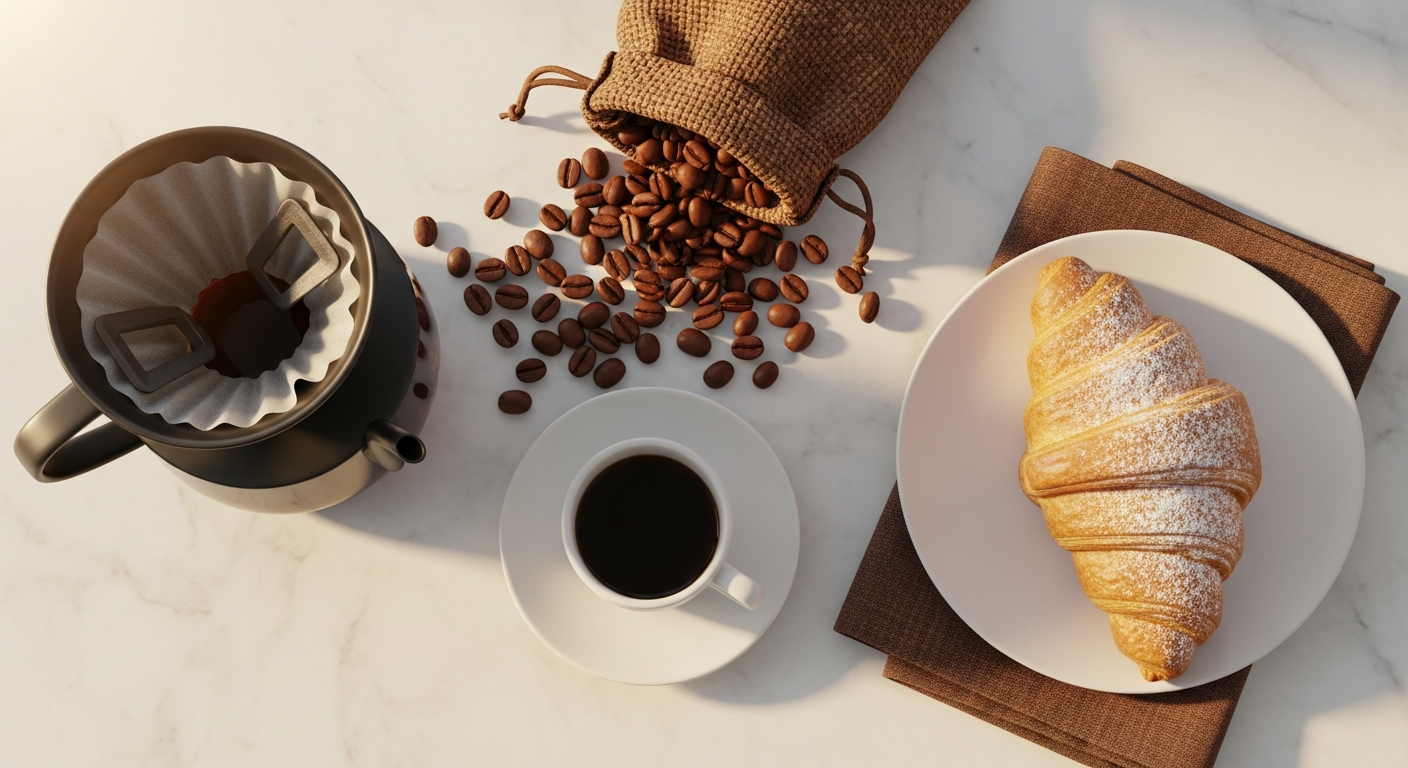
For those passionate about coffee, the market at Saint-Rémy provides a wealth of inspiration for creating a truly authentic Provençal coffee experience. Imagine purchasing a freshly baked pain au chocolat or a delicate tarte Tatin from a local patisserie stall. To accompany these treats, a carefully prepared coffee becomes not just a beverage, but an integral part of the sensory journey. Consider a French Press brew, renowned for its full body and rich flavor, perfect for complementing the buttery richness of pastries. Using a coffee with a dark chocolate and roasted nut profile, perhaps a blend from a renowned roaster like Stumptown Coffee Roasters, would create a harmonious pairing. The simplicity of the French Press method, while yielding a robust cup, still benefits from attention to detail: ensure your water is just off the boil (around 93°C or 200°F) and use a coarse grind to avoid over-extraction, allowing for a clean, full-bodied cup. The act of savoring such a pairing, perhaps while sitting at a café terrace overlooking the market, allows for a moment of quiet contemplation, much like the focused attention a barista champion brings to perfecting their craft. It’s about appreciating the unadorned beauty of quality ingredients and the simple pleasure they bring, making Saint-Rémy a truly authentic and enriching stop on your Provençal market tour.
Uzes: Medieval Charm, Modern Palates & Perfect Pairings
The medieval town of Uzès, with its ducal palace and charming arcaded squares, hosts one of Provence’s most picturesque and highly regarded markets. Held on Wednesdays (smaller, local producers) and Saturdays (larger, more extensive), the Uzès market offers a captivating blend of history and gastronomy. It’s a market that appeals to both traditionalists seeking authentic Provençal flavors and modern foodies looking for innovative artisanal products. This balance of heritage and contemporary flair makes it an exciting destination, much like the evolving landscape of specialty coffee, which respects traditional methods while embracing new processing techniques and brewing innovations.
The Saturday market, particularly, is a sprawling affair, filling the Place aux Herbes and spilling into surrounding streets. Here, you’ll find an incredible diversity of produce: vibrant fruits and vegetables, an extensive selection of olives and tapenades, local honey, artisanal jams, and a dizzying array of cheeses. Uzès is also known for its local specialties, such as truffles (in season), garrigue herbs, and the famous Uzès licorice. The quality of the produce is consistently high, reflecting the rich agricultural heritage of the Gard region. Vendors are often passionate about their products, eager to share their knowledge and offer samples, creating an engaging and educational experience. This direct interaction and storytelling are crucial, much like understanding the narrative behind a coffee’s origin – who grew it, how it was processed, and the journey it took to reach your cup.
For the coffee connoisseur, Uzès presents a fantastic opportunity to experiment with unique food and coffee pairings. Imagine discovering a local goat cheese with herbs de Provence, a crusty boule from a market baker, and some sun-dried tomatoes. These savory delights could be beautifully complemented by a bold, dark roast coffee, perhaps a Sumatran Mandheling known for its earthy, low-acidity profile and notes of dark chocolate and tobacco. The robust character of such a brew would stand up to the strong flavors of the cheese and herbs, creating a harmonious balance. Alternatively, if you find sweeter treats like lavender honey or a fruit tart, a lighter, more acidic coffee – perhaps a natural process Gesha from Panama, celebrated for its complex floral and tropical fruit notes – would provide an exquisite contrast. When brewing these coffees, remember the importance of precision. For a pour-over, a brew ratio of 1:17 (coffee to water) is a good starting point, using water heated to 93°C (200°F) for optimal extraction, as recommended by SCA standards. The grind size is also critical; a medium-fine grind for pour-over, like that produced by a high-quality burr grinder such as the Baratza Encore (approx. $189), ensures even extraction and a clean cup. The Uzès market encourages this kind of thoughtful exploration, inviting you to connect flavors and experiences in a truly memorable way.
The Art of the Market Haul: From Provence to Your Coffee Table
The magic of Provence’s food markets doesn’t have to end when you leave the bustling stalls. The true art lies in transforming your market haul into a sustained experience, bringing the essence of Provençal living back to your own kitchen and, crucially, to your coffee table. This is where the synergy between the vibrant flavors of Provence and the nuanced world of specialty coffee truly shines. It’s about more than just buying ingredients; it’s about adopting a lifestyle that prioritizes quality, appreciation, and mindful consumption, values central to both Provençal culture and the specialty coffee movement.
Imagine returning from a market laden with sun-ripened tomatoes, fragrant basil, a block of artisanal goat cheese, and a fresh baguette. These simple, high-quality ingredients form the foundation of a delightful meal. But how do you extend this sensory journey to your morning or afternoon coffee ritual? This is where intentional pairing comes in. For instance, the bright acidity of fresh tomatoes and basil could be beautifully complemented by a medium-roast, washed process Ethiopian coffee, known for its vibrant citrus notes and clean finish. If your market haul includes sweeter items like local honey, fig jam, or a delicate almond biscuit, consider pairing them with a naturally processed Brazilian coffee, which often presents delightful notes of chocolate, caramel, and nuts, offering a comforting sweetness that harmonizes with your treats.
Recreating the Provençal experience at home also means embracing the ritual of coffee preparation with the same care and attention given to sourcing market ingredients. This is where professional coffee terminology and standards become your guide. For a perfect pour-over, for example, start with freshly roasted, high-quality beans. Grind them just before brewing using a burr grinder like the Baratza Encore (around $189) to a medium-fine consistency, similar to sea salt. The SCA recommends a brew ratio of 1:15 to 1:18 (coffee to water by mass), meaning for every 1 gram of coffee, you use 15-18 grams of water. Heat your water to between 90-96°C (195-205°F) using a precision kettle such as the Fellow Stagg EKG (approx. $169). The “bloom” phase – pouring a small amount of water (about twice the weight of the coffee) to wet all the grounds and allow them to degas for 30-45 seconds – is crucial for optimal extraction. This careful process, from selecting the right coffee origin to executing the perfect pour, ensures that your cup of coffee is as exceptional as the market produce it accompanies. By bringing this level of intentionality to your coffee, you’re not just brewing a beverage; you’re cultivating a moment of mindful enjoyment, extending the magic of Provence directly to your coffee table.
Sourcing Excellence: What Provence Markets Teach Us About Specialty Coffee
The indelible charm and gastronomic richness of Provence’s food markets offer profound lessons that resonate deeply with the principles of specialty coffee. Both spheres are fundamentally about sourcing excellence, celebrating terroir, respecting craftsmanship, and fostering a direct connection between producer and consumer. Understanding these parallels not only enhances your market experience but also deepens your appreciation for the complexities and nuances of your daily brew. It’s a testament to the idea that true quality is born from passion, precision, and a profound respect for the origins of what we consume.
One of the most striking lessons from Provençal markets is the concept of `terroir`. Just as the unique soil, climate, and geography of a specific region in Provence dictate the flavor profile of its olives, wines, or fruits, so too does the `terroir` of a coffee farm influence the characteristics of its beans. A coffee from the high altitudes of Colombia will taste distinctly different from one grown in the volcanic soils of Guatemala, or the lush plains of Ethiopia. Market vendors proudly highlight the origin of their produce, often naming the specific farm or village. This transparency mirrors the specialty coffee movement’s emphasis on single-origin beans, micro-lots, and direct trade relationships, allowing consumers to trace their coffee back to its source and understand the unique conditions that shaped its flavor.
Furthermore, the markets are a showcase for `craftsmanship`. From the artisan cheesemonger who has perfected their aging techniques to the baker who meticulously kneads dough for their sourdough boules, there’s an evident dedication to skill and tradition. This echoes the journey of a specialty coffee bean: from the careful cultivation and harvesting by skilled farmers, through the precise processing methods (washed, natural, honey), to the expertise of a master roaster who develops the bean’s full flavor potential. Even the barista, often guided by the exacting standards of the SCA (Specialty Coffee Association), demonstrates craftsmanship in their brewing technique, aiming for optimal `extraction` – the process of dissolving desirable flavors from the coffee grounds into water. A skilled barista understands how grind size, water temperature (which the SCA specifies should be between 90-96°C or 195-205°F), and brew ratio (typically 1:15 to 1:18 coffee to water by mass) all contribute to the final cup, much like a Provençal chef understands the alchemy of combining fresh ingredients.
Finally, both Provençal markets and specialty coffee foster a sense of community and connection. Engaging with a farmer at their stall, hearing the story of their harvest, creates a personal bond that transcends a mere transaction. Similarly, understanding the farmer’s journey through initiatives like World Coffee Research (WCR), which supports sustainable coffee production and farmer livelihoods, connects us more deeply to our coffee. This holistic appreciation for quality, origin, and the human element transforms consumption into a richer, more meaningful experience. The markets of Provence, therefore, are not just about food; they are living classrooms, teaching us to savor excellence, respect origins, and celebrate the artistry embedded in every bite and every sip.
Key Takeaways from Provence Food Markets
- Sensory Immersion: Provence markets are a feast for all senses, offering vibrant colors, intoxicating aromas, and diverse tastes that reflect the region’s rich bounty.
- Authenticity and Terroir: Experience true Provençal `terroir` with fresh, seasonal produce and artisanal goods, each telling a story of its origin and craftsmanship.
- Artisan Connection: Engage directly with passionate local producers, understanding the dedication and skill behind their high-quality products, mirroring the craft of specialty coffee.
- Culinary Inspiration: Discover unique ingredients and traditional dishes that inspire creative food and coffee pairings, enhancing your gastronomic journey.
- Mindful Living: Embrace the slower pace of Provençal life, savoring moments and appreciating the simple pleasures of high-quality food and expertly brewed coffee.
Comparison of Key Provence Markets
| Market Name | Day(s) | Specialty/Vibe | Unique Finds | Suggested Coffee Pairing |
|---|---|---|---|---|
| Roussillon | Thursdays | Picturesque ochre village, authentic local produce. | Ochre-dyed textiles, local honey, seasonal fruits like figs and melons. | Ethiopian Yirgacheffe (natural process): Fruity and floral notes complement sweet fruits and earthy market aromas. |
| L’Isle-sur-la-Sorgue | Sundays | “Venice of Provence,” famous for antiques and vibrant food. | Antiques, fresh seafood, artisanal nougat, local olive oils. | Brazilian Single Origin (medium roast): Caramel and nutty notes balance the richness of pastries and savories. |
| Aix-en-Provence | Tues, Thurs, Sat | Elegant city market, gourmet quality and diverse offerings. | Calissons, high-end cheeses, truffles, artisanal charcuterie. | Colombian Excelso (washed process): Balanced acidity and chocolatey undertones for gourmet pastries and rich cheeses. |
| Saint-Rémy-de-Provence | Thursdays | Charming, authentic, intimate market in Van Gogh’s town. | Herbs de Provence, artisanal soaps, local olives and oils, fresh apricots. | Sumatran Mandheling (dark roast): Earthy, full-bodied profile to complement robust flavors like olives and hearty breads. |
| Uzès | Weds (small), Sat (large) | Medieval charm, comprehensive range of high-quality produce. | Local licorice, garrigue herbs, diverse goat cheeses, seasonal truffles. | Guatemalan Antigua (medium-dark roast): Smoky, chocolatey notes to pair with savory herbs and rich cheeses. |