


What is Specialty Coffee Brewing? A Complete Guide for 2026
By Cafe Serre Team
Mastering specialty coffee brewing transforms your daily cup into an extraordinary experience, requiring attention to detail from bean selection to the final pour.
This comprehensive guide demystifies roast levels, origins, grind sizes, and a variety of brewing methods, empowering you to craft exceptional coffee at home or in a professional setting.
By understanding the science and artistry behind each technique, you’ll unlock nuanced flavors and elevate your coffee journey in 2026 and beyond, ensuring every brew is a perfect cup.
Welcome to the definitive resource for unlocking the full potential of specialty coffee brewing. In the ever-evolving world of coffee, moving beyond a basic brew to truly understand and appreciate the nuances of each bean and brewing method is a journey of discovery. This complete guide for 2026 is designed to equip you with the knowledge and skills to transform your coffee experience, whether you’re a budding home barista or a seasoned enthusiast looking to refine your craft.
Specialty coffee isn’t just a drink; it’s an art form, a science, and a global community. It represents a commitment to quality at every stage, from the meticulous cultivation of coffee cherries to the precise extraction in your cup. We’ll delve deep into the critical factors that influence flavor, aroma, and body, from the moment beans are roasted to the very last drop brewed. Prepare to explore the intricate relationship between origin, roast, grind, and brew method, and discover how each element contributes to the symphony of flavors in your mug. Your quest for the perfect cup begins here, with insights and techniques that will elevate your specialty coffee brewing to new heights.
How Do Roast Levels, Origins, and Grind Size Impact Specialty Coffee?

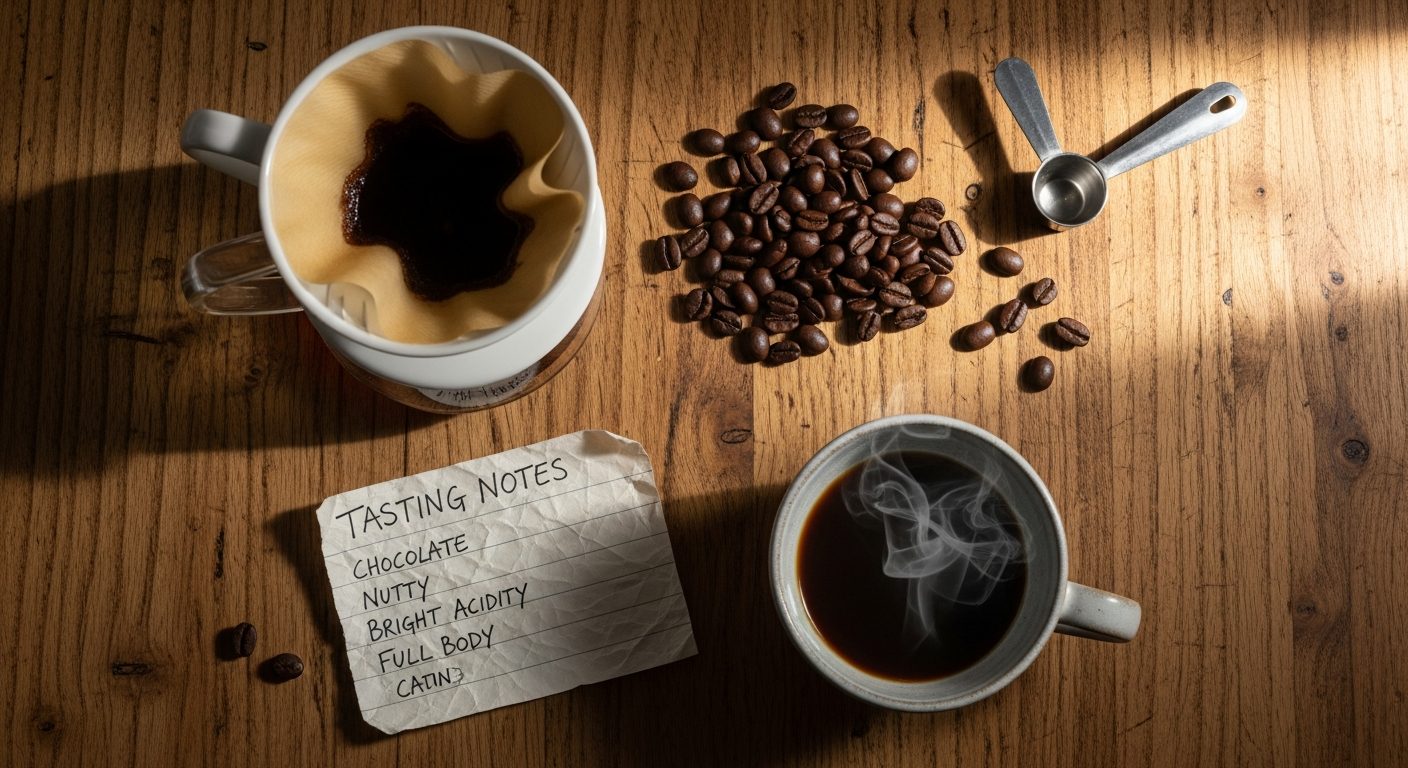
Before you even think about brewing specialty coffee, a foundational understanding of coffee itself is paramount. The journey from a green coffee bean to a fragrant, flavorful cup is influenced by several critical factors: how it’s roasted, where it comes from, and how finely it’s ground. Each of these elements plays a pivotal role in dictating the final taste profile and requires careful consideration for optimal extraction in specialty coffee brewing.
What are the Different Coffee Roast Levels?
Coffee roasting is a delicate balance of art and science, transforming raw, green beans into the aromatic, brown beans we recognize. The roast level profoundly impacts a coffee’s flavor, acidity, body, and aroma. Understanding these distinctions is crucial for selecting beans that align with your taste preferences and chosen brewing method for specialty coffee.
- Light Roasts: These beans are roasted for a shorter duration and to a lower internal temperature, typically before the “second crack.” Light roasts retain most of the bean’s original characteristics, offering bright acidity, complex fruity or floral notes, and often a lighter body. They are less oily and typically have higher caffeine content. Ideal for pour-overs and other methods that highlight clarity and nuance in specialty coffee.
- Medium Roasts: Roasted past the first crack but usually before the second, medium roasts strike a balance between the bean’s inherent flavors and the caramelized notes developed during roasting. They often present a well-rounded profile with balanced acidity, sweetness, and a medium body. Expect notes of chocolate, nuts, and caramel. Medium roasts are versatile and suitable for a wide range of specialty coffee brewing methods, from drip to espresso.
- Medium-Dark Roasts: These roasts push further, developing more roast character. The beans begin to show some oil on the surface, and the acidity mellows significantly. Expect a fuller body and flavors that lean towards dark chocolate, toasted nuts, and a hint of smoky sweetness, often preferred for richer specialty coffee drinks.
- Dark Roasts: Roasted until or past the second crack, dark roasts are characterized by a prominent roast flavor, often described as smoky, bitter, or bold. The original bean characteristics are largely overshadowed by the roasting process. They have a heavy body, very low acidity, and an oily surface. While popular for strong, robust cups, they can mask the unique qualities of specialty beans.
For a deeper dive into how different roast levels impact your specialty coffee, explore our detailed guide: Coffee Roast Levels Explained: A Complete Guide.
How Do Coffee Origins Influence Flavor?
Just like wine, coffee’s flavor profile is heavily influenced by its terroir – the unique combination of climate, soil, altitude, and processing methods in its growing region. Different origins offer distinct characteristics that can range from vibrant and fruity to rich and earthy, significantly impacting your specialty coffee brewing experience.
- Africa (e.g., Ethiopia, Kenya, Rwanda): Often celebrated for their bright, complex, and aromatic coffees. Expect notes of berries, citrus, jasmine, and wine-like acidity. Ethiopian Yirgacheffe, for instance, is famous for its floral and lemon-tea notes, making it a favorite for pour-over specialty coffee.
- Central America (e.g., Guatemala, Costa Rica, Honduras): Known for well-balanced coffees with crisp acidity, medium body, and notes of chocolate, nuts, and caramel. Guatemalan coffees frequently offer a smoky, spicy complexity, suitable for various specialty brewing methods.
- South America (e.g., Colombia, Brazil): Brazil, the world’s largest producer, often yields coffees with low acidity, heavy body, and nutty, chocolatey notes, making them excellent for espresso-based specialty coffee. Colombian coffees are typically balanced, with a medium body, bright acidity, and notes of stone fruit and citrus.
- Asia/Pacific (e.g., Indonesia, Vietnam, Papua New Guinea): These regions often produce coffees with lower acidity, full body, and earthy, spicy, or herbal notes. Indonesian Sumatra, for example, is renowned for its deep, syrupy body and unique savory character, often used in darker specialty coffee blends.
Understanding these origin-specific traits allows you to select beans that naturally align with your preferred flavor profiles and specialty coffee brewing intentions. To further explore the fascinating world of coffee origins, visit our guide: Specialty Coffee Origins Guide 2026.
Why is Grind Size Crucial for Specialty Coffee Brewing?
Grind size is arguably one of the most critical, yet often overlooked, variables in brewing specialty coffee. It directly impacts the surface area of the coffee grounds exposed to water, which in turn dictates the rate of extraction. The goal is to achieve an “ideal” extraction – not under-extracted (sour, weak) and not over-extracted (bitter, hollow) – for your specialty coffee.
- Coarse Grind (Sea Salt): Resembles coarse sea salt. Ideal for immersion brewing methods where coffee has prolonged contact with water, such as French Press and cold brew. A coarse grind prevents over-extraction and excessive sediment in these specialty coffee preparations.
- Medium-Coarse Grind (Rough Sand): Slightly finer than coarse. Suitable for methods like Chemex or specific auto-drip brewers, offering a balanced extraction for specialty filter coffee.
- Medium Grind (Regular Sand): The most common grind size, similar to regular sand. Versatile for standard drip coffee makers and some pour-over methods. Provides a balanced extraction rate for everyday specialty coffee.
- Medium-Fine Grind (Table Salt): Finer than medium, resembling table salt. Often used for pour-over methods like V60, where faster flow rates are desired, or AeroPress with a shorter steep time, optimizing clarity in specialty coffee.
- Fine Grind (Sugar/Espresso): Similar to granulated sugar or slightly finer. Essential for espresso machines, where high pressure and short contact time demand a very fine grind to ensure adequate extraction. Too coarse, and the shot will be watery; too fine, and it will choke the machine, impacting your specialty espresso.
- Extra-Fine Grind (Powdered Sugar/Turkish): Extremely fine, like powdered sugar. Used exclusively for Turkish coffee, where the grounds are boiled directly in water and consumed with the beverage.
The Importance of Consistency: Regardless of the chosen grind size, consistency is key for specialty coffee brewing. An inconsistent grind (with both fine and coarse particles) leads to uneven extraction, resulting in a less desirable cup. Finer particles will over-extract, contributing bitterness, while coarser particles will under-extract, leading to sourness. This is why a high-quality burr grinder is an essential investment for any specialty coffee enthusiast, as it ensures uniform particle size, unlike blade grinders which merely chop the beans unevenly.
Mastering these foundational elements – understanding your roast, appreciating the origin, and dialing in your grind – sets the stage for truly exceptional specialty coffee brewing. With this knowledge, you’re ready to explore the diverse world of brewing methods.
How Do You Choose the Right Specialty Coffee Brewing Method?
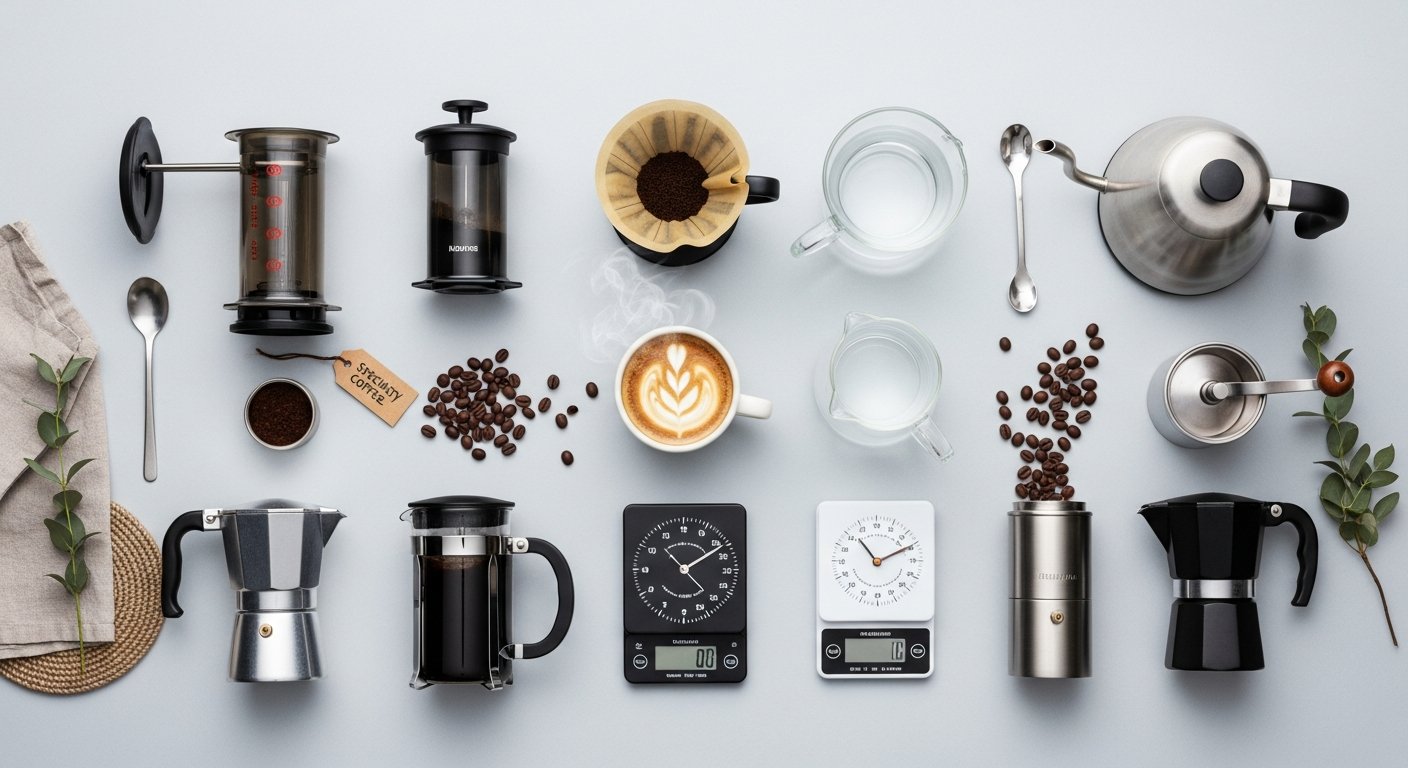
The beauty of specialty coffee lies not only in the quality of the beans but also in the vast array of brewing methods available, each designed to highlight different aspects of the coffee’s flavor profile. The “best” method is subjective, depending on your personal taste preferences, the time you have, the equipment you own, and even the specific coffee bean you’re using. Making an informed choice means understanding the fundamental principles behind each technique for specialty coffee brewing.
What Factors Should You Consider When Choosing a Brewing Method?
Before committing to a particular brewing style for your specialty coffee, reflect on these key considerations:
- Taste Preference: Do you prefer a clean, bright, and nuanced cup, or a rich, full-bodied, and robust one? Some methods excel at clarity, while others prioritize body and intensity.
- Time Commitment: Are you looking for a quick morning brew, or do you enjoy the ritual of a more involved process? Espresso is fast but requires setup; pour-overs are quicker than cold brew but demand attention.
- Equipment Investment: Some methods require minimal, inexpensive gear (e.g., French Press), while others demand significant investment (e.g., high-end espresso machines).
- Skill Level: While all methods can be mastered, some have a steeper learning curve than others. Espresso, for instance, requires precision and practice, whereas a simple drip machine is more forgiving.
- Portability: Do you need a method that travels well, like the AeroPress, or is your setup primarily for home use?
- Coffee Type: Certain beans and roast levels shine brighter with specific brewing methods. Light roasts with intricate flavors often excel in pour-overs, while darker, bolder roasts can stand up to immersion methods or espresso.
How Are Specialty Coffee Brewing Methods Categorized?
Broadly, specialty coffee brewing methods can be categorized by how water interacts with coffee grounds:
- Immersion Methods: In these methods, coffee grounds are fully submerged in hot or cold water for a specific period. This allows for maximum contact and often results in a full-bodied, rich cup with some sediment. Examples include French Press, AeroPress (can also be pressure-based), Moka Pot, and Cold Brew.
- Drip/Percolation Methods: Water passes through a bed of coffee grounds, extracting soluble compounds as it flows. These methods typically produce a cleaner cup, especially with the use of paper filters, which trap oils and fine particles. Examples include pour-over (V60, Chemex) and automatic drip coffee makers.
- Pressure Methods: These methods use pressurized water forced through finely ground coffee. The high pressure extracts a concentrated shot in a short amount of time, known for its intensity and crema. The most prominent example is espresso.
What Are the Most Popular Specialty Coffee Brewing Methods?
Here’s a brief look at some of the most popular and distinct specialty coffee brewing methods, providing context for the deeper dives in subsequent sections:
- Espresso: A concentrated shot brewed by forcing hot, pressurized water through finely ground coffee. Forms the base for many milk-based drinks. Known for its intensity, crema, and often rich, bold flavors.
- Pour-Over (e.g., Hario V60, Chemex): Manual drip method where hot water is poured slowly and evenly over a bed of coffee grounds in a filter. Emphasizes clarity, brightness, and highlights the nuanced flavors of specialty beans.
- French Press: An immersion method where coarsely ground coffee steeps in hot water, then separated by a plunger with a mesh filter. Produces a full-bodied, rich cup with minimal sediment and a robust flavor profile.
- AeroPress: A versatile and portable device that can brew coffee using immersion, rapid filtering, and air pressure. Known for its clean, smooth, and concentrated brew, suitable for various styles.
- Moka Pot: A stovetop espresso maker that uses steam pressure to force hot water through coffee grounds, producing a strong, concentrated coffee similar to espresso but with a distinct flavor profile.
- Automatic Drip Coffee Maker: A convenient method where water is heated and dripped over coffee grounds automatically. Produces a consistent cup with minimal effort, though quality can vary widely with the machine.
- Cold Brew: An immersion method where coarsely ground coffee steeps in cold or room-temperature water for an extended period (12-24 hours). Results in a low-acid, smooth, naturally sweet concentrate.
Each method offers a unique sensory experience, allowing you to explore the vast spectrum of flavors hidden within your specialty coffee beans. Experimentation is key to discovering your personal favorites and understanding how different approaches unlock different characteristics. For a comprehensive comparison of various specialty coffee brewing methods, explore our guide: Coffee Brewing Methods Compared Guide 2026.
How to Master Espresso and Milk-Based Specialty Coffee Drinks?
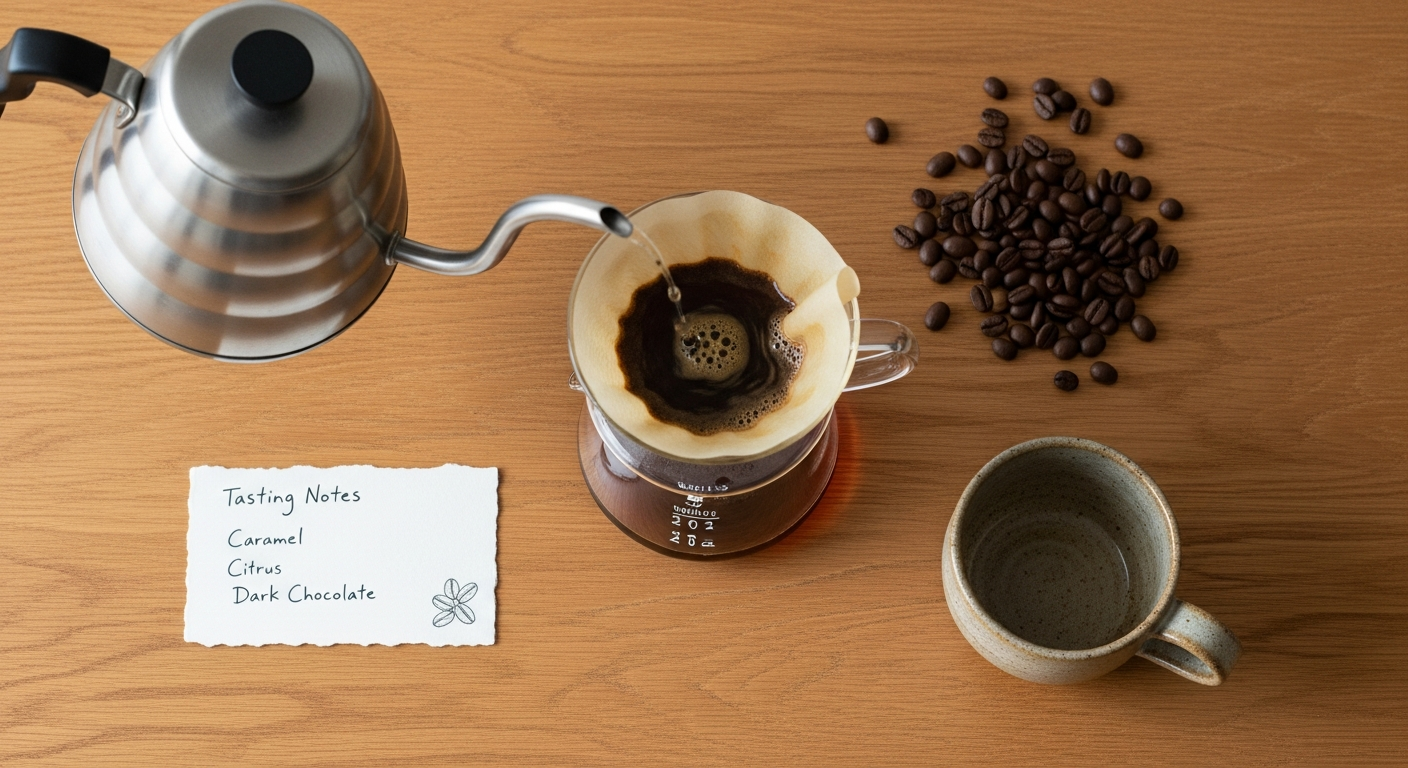
Espresso is the heart of many popular coffee beverages and a cornerstone of specialty coffee. It’s not a roast level or a bean type, but a method of brewing that uses high pressure and hot water to extract a concentrated shot of coffee. Mastering espresso is a journey of precision, requiring attention to detail at every step, from grinding to pulling the shot and steaming milk for your specialty coffee drinks.
What is the Art and Science Behind Espresso?
A true espresso shot is defined by its rich crema, intense flavor, and thick, syrupy body. Achieving this requires understanding and controlling several key parameters for specialty espresso:
- Dose: The amount of ground coffee used (e.g., 18-20 grams for a double shot). Consistency is vital.
- Yield: The weight of the liquid espresso produced (e.g., 36-40 grams for a double shot, a 1:2 ratio).
- Time: The duration of the extraction (typically 25-30 seconds for a double shot).
- Grind Size: Extremely fine, allowing for resistance against the pressurized water. Too coarse, and the shot will run too fast (under-extracted); too fine, and it will choke the machine (over-extracted).
- Pressure: Espresso machines operate at around 9 bars of pressure.
- Temperature: Water temperature is crucial, usually between 195-205°F (90-96°C).
What Essential Equipment is Needed for Espresso?
- Espresso Machine: From entry-level manual levers to semi-automatics and super-automatics, this is your primary investment. Key features include temperature stability (PID controllers), steam power, and consistent pressure. For guidance on choosing the right espresso machine, explore our detailed reviews.
- Grinder: A high-quality burr grinder designed for espresso is non-negotiable. It must be capable of producing a very fine, consistent, and adjustable grind. Uneven grounds lead to channeling and poor extraction, compromising your specialty espresso.
- Tamper: Used to compress the ground coffee in the portafilter basket, creating a uniform puck for even water flow.
- Scale: A precise digital scale is essential for accurately measuring dose and yield, allowing for consistent results and troubleshooting your espresso shots.
- Distribution Tool (Optional but Recommended): Helps distribute grounds evenly in the portafilter before tamping, further reducing channeling and improving extraction.
How Do You Brew Espresso? (Step-by-Step Guide)
- Grind: Grind fresh beans directly into your portafilter basket to the appropriate fineness for espresso.
- Distribute: Gently tap or use a distribution tool to level the grounds evenly in the portafilter.
- Tamp: Apply consistent, even pressure (around 30 lbs) to create a flat, dense puck.
- Insert & Brew: Lock the portafilter into the group head and immediately start the shot.
- Monitor: Observe the flow (should be a steady, honey-like stream) and use your scale to stop the shot at the desired yield and time.
- Enjoy: Serve immediately or use as the base for milk drinks.
How Do You Master Milk Steaming and Latte Art?
Once you have a perfect espresso shot, the next step for many is to combine it with expertly steamed milk. The goal is to create velvety microfoam – milk that is heated to the correct temperature (135-150°F / 57-65°C), has a glossy texture, and is sweet due to the breakdown of lactose, essential for specialty milk-based drinks.
What is the Milk Steaming Technique? (Step-by-Step Guide)
- Purge Steam Wand: Briefly open the steam valve to clear any condensation.
- Position Wand: Immerse the tip of the steam wand just below the surface of the cold milk in a stainless steel pitcher.
- Introduce Air (“Stretching”): Open the steam valve fully. You should hear a gentle “hissing” sound as air is incorporated, creating foam. Do this for a few seconds until the milk volume increases by about 20-30%.
- Submerge Wand (“Texturing”): Lower the wand deeper into the milk. This creates a vortex that incorporates the air throughout the milk, breaking down larger bubbles and creating a silky, uniform texture.
- Monitor Temperature: Feel the side of the pitcher. Stop steaming when it’s too hot to touch comfortably, or use a thermometer to reach 135-150°F (57-65°C).
- Clean & Swirl: Immediately wipe the steam wand clean and purge it. Swirl the milk vigorously in the pitcher to eliminate any remaining large bubbles and achieve a glossy, paint-like consistency, ready for latte art.
Types of Milk: While whole milk is traditional for its fat and protein content, many plant-based milks (oat, almond, soy) have improved significantly for steaming. Oat milk, in particular, often performs exceptionally well, producing rich microfoam for specialty coffee beverages.
What Are Popular Espresso and Milk-Based Specialty Coffee Drinks?
Understanding the components allows you to craft a variety of classic specialty coffee beverages:
- Espresso: A single (7-9g coffee, 14-18g yield) or double (14-18g coffee, 28-36g yield) shot of pure coffee.
- Macchiato: An espresso “marked” with a dollop of foamed milk.
- Cortado/Gibraltar: Equal parts espresso and steamed milk, often served in a small glass.
- Cappuccino: Equal parts espresso, steamed milk, and foamed milk, traditionally served in a 5-6 oz cup. Known for its distinct layers and airy foam.
- Latte: Espresso with a larger volume of steamed milk and a thin layer of microfoam on top. Served in a larger cup (8 oz+), often featuring latte art.
- Flat White: Similar to a latte but with less foam and a more integrated, velvety texture of steamed milk. Often made with a ristretto (shorter, more concentrated) espresso shot.
- Americano: Espresso diluted with hot water, creating a similar strength to drip coffee but with the distinct flavor profile of espresso.
The world of espresso and milk drinks is rich and rewarding for specialty coffee enthusiasts. Each beverage offers a different balance of coffee intensity and milk sweetness, providing endless possibilities for customization and enjoyment. To delve deeper into the nuances of these popular drinks, check out our comparison guide: Espresso vs. Americano vs. Flat White.
How to Brew Pour-Over and Filter Specialty Coffee?
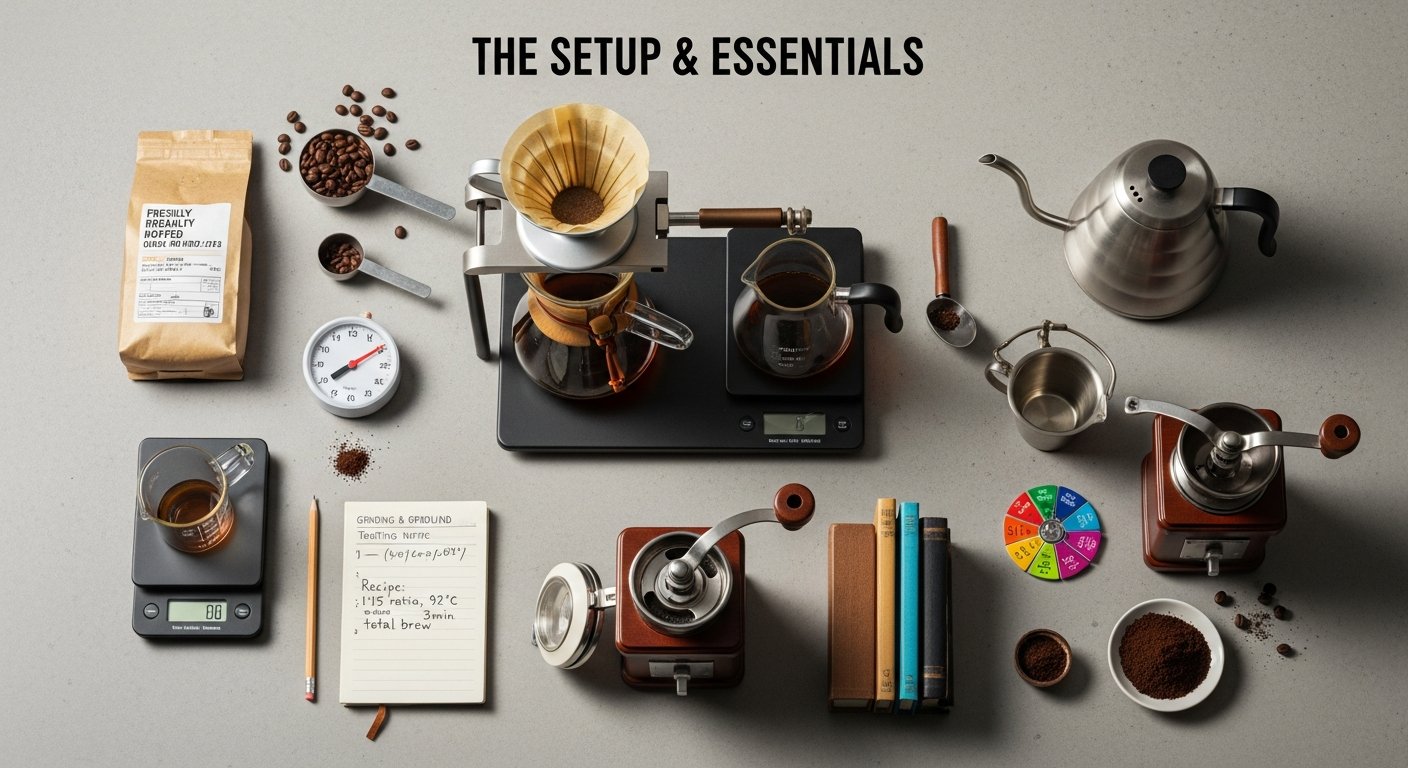
While espresso offers intensity and concentration, pour-over and other filter coffee methods celebrate clarity, nuance, and the delicate aromatics of specialty beans. These methods typically involve hot water passing through a bed of coffee grounds in a filter, resulting in a clean, bright, and often more acidic cup that highlights the origin characteristics of the coffee, making them ideal for specialty coffee brewing.
What is the Elegance of Pour-Over Coffee?
Pour-over brewing is a manual drip method that puts the barista in complete control of the brewing process. It’s cherished for its ability to produce an exceptionally clean cup, allowing the subtle flavors and aromas of light to medium roasted specialty coffees to truly shine. While it requires a bit more attention than an automatic drip machine, the reward is a remarkably transparent and complex brew, a hallmark of specialty coffee brewing.
What Essential Equipment is Needed for Pour-Over Coffee?
- Pour-Over Dripper: Devices like the Hario V60 (conical, single large hole for faster flow), Chemex (hourglass shape, thicker filter for cleaner cup), Kalita Wave (flat-bottom, three holes for even extraction), or Origami Dripper. Each offers slightly different flow dynamics and resulting cup profiles for specialty pour-over coffee.
- Gooseneck Kettle: Crucial for precise control over water flow and placement. This allows for an even saturation of the coffee bed, essential for optimal extraction in pour-over specialty coffee.
- Digital Scale: Essential for accurate measurement of coffee grounds and water, ensuring consistency and repeatability in your pour-over brewing.
- Timer: To monitor brew time, a critical factor for extraction in pour-over specialty coffee.
- Paper Filters: Specific to each dripper (e.g., V60 filters, Chemex filters). Rinsing the filter with hot water before brewing removes paper taste and preheats the brewer, enhancing the flavor of your specialty coffee.
- Freshly Roasted & Ground Coffee: Medium-fine to medium grind, depending on the dripper and desired brew time, is crucial for the best pour-over specialty coffee.
How Do You Brew Pour-Over Coffee? (Step-by-Step Guide)
- Heat Water: Heat fresh, filtered water to the ideal brewing temperature, typically between 195-205°F (90-96°C).
- Prepare Filter: Place the paper filter in your dripper and rinse it thoroughly with hot water. Discard the rinse water.
- Add Coffee: Add your freshly ground coffee to the filter and gently shake to level the bed. Tare your scale.
- Bloom: Start your timer and pour just enough water (roughly 2x the coffee weight, e.g., 40g water for 20g coffee) to saturate all the grounds. Let it sit for 30-45 seconds. This allows gases to escape, preparing the coffee for even extraction.
- Pulse Pours: Begin pouring the remaining water in slow, concentric circles, starting from the center and moving outwards, then back in. Avoid pouring directly on the filter walls. Pour in stages (pulses) to maintain an even coffee bed and consistent water level.
- Monitor Brew Time: Aim for a total brew time that suits your dripper and desired taste (e.g., 2:30-3:30 for a V60, 3:30-4:30 for a Chemex). Adjust grind size to hit this target – finer for slower flow, coarser for faster.
- Serve: Once all the water has dripped through, remove the dripper and serve your fresh pour-over specialty coffee immediately.
For a detailed walkthrough of mastering this nuanced method, refer to our comprehensive guide: Pour-Over Coffee Guide.
Can Automatic Drip Coffee Makers Produce Quality Specialty Coffee?
While often associated with utilitarian brews, modern automatic drip coffee makers have come a long way. High-quality models can produce excellent filter coffee with minimal effort, making them a popular choice for daily specialty coffee brewing. Look for machines certified by the Specialty Coffee Association (SCA) for optimal brewing temperature and consistent water dispersion, ensuring they meet standards for quality extraction.
What Are Tips for Better Drip Coffee?
- Use Fresh, Whole Beans: Always grind your specialty coffee beans right before brewing for maximum flavor.
- Filtered Water: Essential for a clean taste, as tap water can introduce off-flavors.
- Correct Grind Size: Typically a medium grind is recommended for automatic drip coffee makers.
- Proper Coffee-to-Water Ratio: Start with 1:16 (e.g., 60g coffee per liter of water) and adjust to taste for your specialty drip coffee.
- Clean Your Machine: Regular descaling and cleaning prevent mineral buildup and off-flavors, ensuring the longevity and performance of your drip coffee maker.
How Do Immersion Methods Like French Press and AeroPress Work?
These methods offer a different approach to filter coffee, emphasizing full immersion and a richer body, distinct from drip methods. They are popular choices for specialty coffee brewing due to their unique flavor profiles.
How to Brew with a French Press? (Step-by-Step Guide)
The French Press is renowned for producing a full-bodied, robust, and sediment-rich cup. The coarse mesh filter allows more of the coffee’s oils and fine particles to pass through, contributing to its signature mouthfeel. It’s an immersion method, meaning the coffee grounds steep in water for an extended period, ideal for a rich specialty coffee.
- Equipment: French Press beaker, coarse-ground coffee, hot water, spoon.
- Process:
- Add coarse-ground specialty coffee to the French Press.
- Pour hot water (195-205°F / 90-96°C) over the grounds, ensuring full saturation.
- Stir gently to break the “crust” of grounds floating on top.
- Steep for 4 minutes (adjust to taste).
- Slowly and steadily press the plunger down, separating the grounds from the liquid.
- Pour immediately to prevent over-extraction.
- Cup Profile: Full body, rich flavor, some sediment, often lower acidity, characteristic of specialty French Press coffee.
How to Brew with an AeroPress? (Step-by-Step Guide)
The AeroPress is a highly versatile and portable brewer that can produce a range of coffee styles, from espresso-like concentrates to full-bodied filter coffee. It uses air pressure to force water through a bed of coffee, resulting in a clean cup with minimal sediment due to its paper filter, making it a favorite for customizable specialty coffee.
- Equipment: AeroPress, AeroPress filter, fine to medium-fine ground coffee, hot water, stirrer.
- Process (Inverted Method – common):
- Assemble AeroPress in inverted position. Add specialty coffee grounds.
- Pour hot water over grounds. Stir for 10-20 seconds.
- Attach filter cap with rinsed filter.
- Flip onto a mug and press slowly and steadily.
- Brew time is typically 1-2 minutes.
- Cup Profile: Clean, smooth, often sweet, concentrated, low acidity. Highly customizable for specialty AeroPress coffee.
How to Brew with a Moka Pot? (Step-by-Step Guide)
The Moka Pot, a classic stovetop brewer, uses steam pressure to push hot water through coffee grounds, producing a strong, concentrated brew often compared to espresso. It’s an excellent method for a robust, full-bodied specialty coffee, particularly popular in Italy and Latin America.
- Equipment: Moka Pot (various sizes), medium-fine ground coffee, water, stovetop.
- Process:
- Fill the bottom chamber with cold water, just below the safety valve.
- Insert the filter basket and fill it loosely with medium-fine ground specialty coffee. Do not tamp.
- Screw the top chamber onto the base tightly.
- Place the Moka Pot on a stovetop over medium heat.
- As water heats, steam pressure forces it up through the coffee grounds and into the top chamber.
- Once the top chamber is full and you hear a gurgling sound, remove from heat.
- Pour immediately and enjoy your concentrated specialty coffee.
- Cup Profile: Strong, rich, full-bodied, intense flavor, often with a slight bitterness and no crema.
For a detailed comparison of these two popular immersion brewers, see our article: French Press vs. AeroPress: Which is Better?
Whether you opt for the clarity of a pour-over or the richness of an immersion brew, filter coffee offers a delightful journey into the intricate flavors of specialty beans. Experiment with different methods, ratios, and grind sizes to discover your preferred cup.
What is Cold Brew and Why is it a Low-Acid Method?
Cold brew has exploded in popularity for its smooth, naturally sweet, and remarkably low-acid profile, offering a refreshing alternative to traditional hot coffee. Unlike iced coffee (which is hot coffee poured over ice), cold brew is made by steeping coffee grounds in cold or room-temperature water for an extended period, typically 12 to 24 hours. This gentle, slow extraction process yields a concentrate that is distinct in flavor and chemistry, making it a unique form of specialty coffee.
How Does the Cold Brew Process Work?
The magic of cold brew lies in its temperature. Brewing with cold water extracts different chemical compounds from the coffee beans compared to hot water. Hot water extracts more oils, acids, and bitter compounds, while cold water slowly draws out sugars, complex carbohydrates, and aromatic compounds, leaving behind many of the harsher elements. This results in a brew that is:
- Low in Acidity: Making it gentler on the stomach and a preferred choice for those sensitive to the acidity in hot coffee.
- Naturally Sweet: The cold extraction highlights the inherent sweetness of the beans, often reducing the need for added sugar.
- Smooth and Mellow: Lacking the bitterness and sometimes astringency found in hot brews, cold brew offers a remarkably smooth and mellow taste profile.
- Versatile Concentrate: The resulting concentrate can be diluted with water or milk, heated, or used as a base for various beverages, offering great flexibility for specialty coffee drinks.
What Essential Equipment is Needed for Cold Brew?
- Large Container: A pitcher, jar, or dedicated cold brew maker.
- Coarse-Ground Coffee: Crucial for preventing over-extraction and excessive sediment.
- Filtered Water: For the cleanest taste.
- Fine Mesh Strainer or Cheesecloth: For initial straining.
- Paper Filter (Optional): For a super-clean, sediment-free final product.
How Do You Make Cold Brew Coffee? (Step-by-Step Guide)
- Grind Coffee: Grind your specialty coffee beans coarsely, similar to sea salt.
- Combine Coffee and Water: In your container, combine the coarse grounds with cold, filtered water. A common ratio is 1:8 (e.g., 1 part coffee to 8 parts water by weight), but this can be adjusted.
- Steep: Stir gently to ensure all grounds are saturated. Cover the container and let it steep at room temperature or in the refrigerator for 12-24 hours. Longer steeping times generally result in a stronger concentrate.
- Strain: After steeping, strain the concentrate through a fine mesh strainer lined with cheesecloth or a paper filter to remove all grounds.
- Store: Transfer the finished cold brew concentrate to an airtight container and store it in the refrigerator for up to two weeks.
- Serve: Dilute the concentrate with water, milk, or ice to your preferred strength and enjoy.
Cold brew offers a delightful and easy way to enjoy specialty coffee with a unique flavor profile, perfect for warm weather or for those seeking a less acidic coffee experience.
Why is Coffee Machine Maintenance Crucial for Specialty Coffee Brewing?
Regular maintenance of your coffee brewing equipment is not just about longevity; it’s fundamental to consistently producing high-quality specialty coffee. Over time, mineral deposits from water (limescale) and coffee oils can build up in your machines, leading to off-flavors, inconsistent brewing temperatures, reduced flow rates, and ultimately, a compromised cup. Proper cleaning and descaling ensure that your equipment performs optimally, preserving the delicate flavors of your specialty beans.
What Are Essential Coffee Machine Maintenance Practices?
- Daily Cleaning:
- Portafilters and Baskets (Espresso): Rinse immediately after each use to prevent coffee oils from hardening. Backflush regularly with a blind basket and espresso machine cleaner.
- Steam Wand (Espresso): Wipe immediately after steaming milk and purge to clear any milk residue.
- Drip Trays and Hoppers: Empty and clean daily to prevent mold and stale coffee grounds.
- Weekly Cleaning:
- Brew Heads/Group Heads (Espresso): Use a brush to scrub away coffee grounds and residue.
- Grinder Burrs: Brush out old grounds and oils. Consider using grinder cleaning tablets.
- French Press/AeroPress: Disassemble and wash all parts thoroughly.
- Monthly/Bi-Monthly Descaling:
- Espresso Machines, Drip Coffee Makers, Kettles: Use a descaling solution (citric acid-based or commercial descaler) to remove mineral buildup. Follow manufacturer instructions carefully. This is critical for maintaining heating element efficiency and water flow.
- Regular Filter Replacement:
- Water Filters: Replace water filters in your machine or external filtration systems as recommended by the manufacturer to ensure clean water for brewing.
- Drip Coffee Filters: Always use fresh paper filters for each brew.
Neglecting these maintenance steps can lead to bitter, sour, or otherwise unpleasant coffee, undermining all your efforts in selecting and grinding specialty beans. A clean machine is a happy machine, and a happy machine makes delicious specialty coffee.
How to Troubleshoot Common Specialty Coffee Brewing Problems?
Even with the best beans and equipment, specialty coffee brewing can sometimes present challenges. Understanding common problems and their solutions can help you quickly diagnose issues and get back to brewing delicious coffee. Here are some frequent issues and how to address them:
Why Does My Specialty Coffee Taste Sour or Weak? (Under-extraction)
If your coffee tastes overly sour, thin, or lacks body, it’s likely under-extracted. This means not enough soluble compounds were dissolved from the coffee grounds into the water.
- Possible Causes:
- Grind size is too coarse.
- Brew time is too short.
- Water temperature is too low.
- Insufficient coffee dose (too little coffee).
- Uneven water distribution (e.g., in pour-over).
- Solutions:
- Finer Grind: Adjust your grinder to a finer setting.
- Longer Brew Time: For immersion methods, steep longer. For drip/pour-over, pour slower or use a finer grind to increase contact time.
- Hotter Water: Ensure your water is within the ideal range (195-205°F / 90-96°C).
- Increase Dose: Use slightly more coffee.
- Improve Technique: For pour-overs, ensure even saturation during blooming and pulse pours.
Why Does My Specialty Coffee Taste Bitter or Hollow? (Over-extraction)
A bitter, astringent, or “burnt” taste, often accompanied by a hollow mouthfeel, indicates over-extraction. Too many undesirable compounds have been dissolved from the coffee.
- Possible Causes:
- Grind size is too fine.
- Brew time is too long.
- Water temperature is too high.
- Excessive coffee dose (too much coffee).
- Over-agitation of grounds.
- Solutions:
- Coarser Grind: Adjust your grinder to a coarser setting.
- Shorter Brew Time: For immersion methods, steep for less time. For drip/pour-over, pour faster or use a coarser grind to decrease contact time.
- Lower Water Temperature: Allow water to cool slightly if it’s too hot.
- Decrease Dose: Use slightly less coffee.
- Gentler Technique: Avoid excessive stirring or aggressive pouring.
Why is My Espresso Shot Running Too Fast or Too Slow?
Espresso requires precise control, and shot timing is a key indicator of extraction.
- Running Too Fast (Under-extracted Espresso):
- Cause: Grind is too coarse, insufficient tamp pressure, or channeling.
- Solution: Grind finer, ensure consistent and firm tamp, use a distribution tool.
- Running Too Slow or Choking (Over-extracted Espresso):
- Cause: Grind is too fine, excessive tamp pressure, or too much coffee dose.
- Solution: Grind coarser, reduce tamp pressure slightly, decrease coffee dose.
Why Does My Milk Not Steam Properly?
Achieving velvety microfoam for latte art can be tricky.
- Problem: Large Bubbles/No Foam:
- Cause: Not enough air introduced during the “stretching” phase, or steam wand not properly submerged during “texturing.”
- Solution: Ensure steam wand tip is just below the surface for stretching, then fully submerge for texturing, creating a vortex.
- Problem: Too Hot/Scorched Milk:
- Cause: Steamed for too long.
- Solution: Stop steaming when the pitcher is too hot to comfortably touch (135-150°F / 57-65°C).
By systematically addressing these common issues, you can refine your specialty coffee brewing skills and consistently achieve the perfect cup.