Mastering Milk Steaming: Your Guide to Perfect Microfoam for Latte Art
How to Steam Milk for Latte Art: A Home Barista’s Definitive Guide
Mastering how to steam milk for latte art is the transformative skill that elevates your home coffee experience from good to extraordinary. Achieving café-quality microfoam involves a precise sequence of aeration, where you introduce a controlled amount of air into the milk, followed by texturing, where that air is seamlessly integrated. The goal is to create a glossy, “wet paint” consistency, free of large bubbles, and an ideal temperature between 140-150°F (60-65°C). This meticulous process turns ordinary milk into a shimmering, sweet canvas for beautiful latte art, making it an indispensable technique for any aspiring home coffee enthusiast eager to craft stunning beverages.
What is Microfoam and Why is it Crucial for Latte Art?
Before diving into the mechanics of steaming, understanding the ‘what’ and ‘why’ of microfoam is paramount. This section defines microfoam, explaining its unique properties and how it acts as the foundation for stunning latte art, ensuring your efforts are directed towards achieving the correct texture and consistency every time.
Defining Microfoam: Texture, Gloss, and Sweetness
Microfoam is not just any foam; it’s a specific emulsion of finely dispersed air bubbles within milk, creating a homogenous, velvety liquid. Unlike macrofoam, which consists of large, unstable bubbles that quickly separate, microfoam is characterized by its incredible smoothness, a radiant gloss, and a uniform consistency akin to wet paint or melted white chocolate. When poured, it should flow effortlessly and integrate beautifully with the espresso, leaving behind no visible bubbles. Beyond its visual appeal, perfect microfoam enhances the sensory experience by imparting a natural sweetness to the milk, a result of lactose sugars caramelizing slightly at ideal steaming temperatures, complementing the rich bitterness of espresso without the need for added sugar.
The key characteristics of perfect microfoam include:
- Velvety Texture: Extremely smooth and dense, with no discernible bubbles.
- Glossy Sheen: A beautiful, reflective surface that indicates proper aeration and integration.
- “Wet Paint” Consistency: Flows like melted paint, allowing for intricate latte art designs.
- Enhanced Sweetness: Lactose sugars become more prominent, enriching the drink’s flavor profile.
- Stability: Maintains its structure for several minutes, holding latte art patterns.
The Science of Steaming: Proteins, Fats, and Air
The magic of microfoam lies in the complex interplay of milk’s primary components: proteins, fats, and lactose, all facilitated by the introduction of steam (hot air). When steam is injected into cold milk, several crucial processes occur:
- Protein Denaturation: Milk proteins, primarily casein and whey, denature (unfold) due to the heat from the steam. These denatured proteins then encapsulate the introduced air bubbles, forming stable walls around them. The more finely and uniformly these bubbles are created, the more stable and velvety the microfoam.
- Fat Globule Distribution: Milk fats contribute significantly to the mouthfeel and stability of the microfoam. Cold milk has solid fat globules. As the milk heats, these globules melt and evenly disperse, contributing to the creamy texture and helping to stabilize the protein-encapsulated air bubbles. Too little fat (as in skim milk) can lead to less stable, drier foam, while too much can make the foam heavy.
- Lactose Sweetness: Lactose, the natural sugar in milk, undergoes a subtle caramelization process when heated to the ideal temperature range (140-150°F or 60-65°C). This natural caramelization enhances the milk’s inherent sweetness, creating a harmonious balance with the robust flavors of espresso. Overheating, however, will scald the milk, leading to an unpleasant, burnt taste and destroying the delicate proteins.
- Air Introduction: The steam wand introduces air into the milk. The challenge is to introduce just the right amount of air (aeration) and then thoroughly integrate it (texturing) to create a homogenous mixture of tiny, stable bubbles rather than large, unstable ones.
Understanding this scientific foundation empowers you to adjust your technique, troubleshoot problems, and consistently achieve the perfect microfoam that is both visually appealing and deliciously sweet, making it crucial for any home barista aiming for latte art excellence.
Essential Equipment for Perfect Milk Steaming at Home
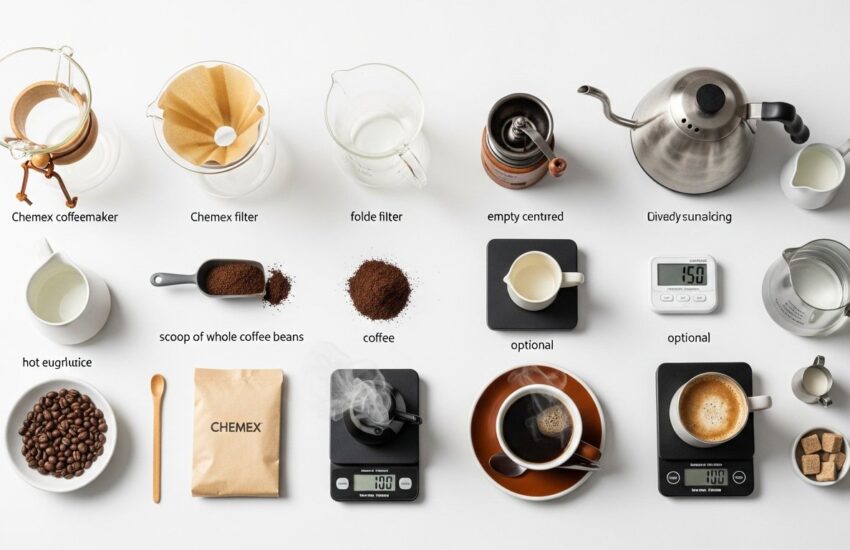
Achieving consistently perfect microfoam for latte art isn’t just about technique; it also relies on having the right tools. Equipping yourself with the proper gear ensures a smoother, more controlled steaming process, laying the groundwork for your latte art creations. This section details the essential equipment every home barista needs, emphasizing the specific features that contribute to superior results.
[INLINE IMAGE 1: place after second H2]
Choosing Your Espresso Machine’s Steam Wand
The steam wand is your primary tool for creating microfoam. Espresso machines, even entry-level models, typically feature a steam wand, but their performance and design can vary significantly. Understanding these differences will help you optimize your technique.
- Single-Hole vs. Multi-Hole Tips:
- Single-Hole Tips: Often found on entry-level or prosumer machines, these tips offer a concentrated, powerful jet of steam. While they can be more challenging to master due to their intensity, they allow for precise control over aeration. The key is to find the right angle and depth to create a vortex without splashing.
- Multi-Hole Tips (2-hole, 3-hole, 4-hole): More common on commercial and higher-end prosumer machines, these tips disperse steam more broadly, which can make it easier to create a strong whirlpool effect, aiding in faster and more efficient texturing. They generally require less precise placement once the initial aeration is complete.
- Material and Design: Stainless steel wands are standard, offering durability and easy cleaning. Look for wands that are articulated (can move in multiple directions) and long enough to comfortably reach into your milk pitcher without obstruction. A clean, unobstructed wand tip is paramount; always purge and wipe the wand immediately after each use to prevent dried milk from clogging the holes, which can severely impact steam pressure and quality.
The Right Milk Pitcher: Material, Size, and Spout
Your milk pitcher is almost as important as your steam wand. The right pitcher will facilitate proper milk handling, temperature control, and, ultimately, effective pouring for latte art.
- Material: Stainless steel is the industry standard for milk pitchers. It’s durable, easy to clean, and, crucially, a good conductor of heat. This heat conductivity allows you to accurately gauge the milk’s temperature by touch as you steam, an important sensory cue alongside a thermometer.
- Size: Pitcher size should be chosen based on the volume of milk you typically steam. For a single latte (6-8 oz milk), a 12 oz (350 ml) pitcher is ideal. For two lattes, a 20 oz (600 ml) pitcher is more appropriate. The critical rule is to fill the pitcher between one-third and halfway. This provides sufficient space for the milk to expand during aeration without overflowing, while still allowing enough volume for the steam wand to be properly submerged and create a whirlpool. Too little milk won’t allow for proper texturing; too much will overflow.
- Spout Design: The spout is vital for pouring latte art.
- Rounded Spouts: Good for beginner pours and basic designs.
- Sharp, V-shaped Spouts: Preferred by advanced baristas for intricate designs, as they offer greater precision and control over the flow of milk.
A comfortable handle that allows for a firm, steady grip is also essential for control during both steaming and pouring.
The Importance of a Coffee Thermometer
While experienced baristas often rely on touch, a coffee thermometer is an invaluable tool for consistently achieving the ideal milk temperature, especially for home baristas learning the craft.
- Accuracy and Type: Digital thermometers with a thin probe are generally preferred for their quick and accurate readings. Analog dial thermometers are also available and can be clipped to the side of the pitcher.
- Why it’s Crucial: The target temperature range of 140-150°F (60-65°C) is critical. Below this, the milk won’t be sweet enough and the microfoam may be less stable. Above this, the milk will scald, acquiring an unpleasant, burnt taste, and the proteins will degrade, leading to poor foam quality. A thermometer helps you stop steaming precisely when needed, preventing overheating and ensuring optimal sweetness and texture.
- Placement: When using a clip-on thermometer, ensure the probe tip is submerged in the milk but not touching the bottom or sides of the pitcher, as this can give an inaccurate reading. The tip should be in the center of the milk, monitoring the core temperature.
By investing in and properly utilizing these essential pieces of equipment, you’ll significantly improve your chances of consistently producing high-quality microfoam, setting the stage for truly impressive latte art.
How Do Different Milk Types Affect Steaming Results?
The type of milk you choose significantly impacts the quality of your microfoam and, consequently, your latte art. Different milk compositions, particularly in terms of fat and protein content, react uniquely to the steaming process. Understanding these nuances allows you to adapt your technique and select the best milk for your desired outcome. This section explores how various milk types perform under the steam wand.
Whole Milk: The Classic Choice
Whole milk (typically 3.5-4% fat) is widely considered the gold standard for steaming and latte art, and for good reason. Its balanced composition of fats, proteins, and lactose makes it incredibly forgiving and versatile.
- Fat Content: The higher fat content (compared to skim or lower-fat milks) contributes to a richer, creamier mouthfeel and provides greater stability to the microfoam. The melted fat globules help integrate air, creating a velvety texture that holds its structure well for intricate latte art patterns.
- Protein Content: Whole milk has ample protein to encapsulate air bubbles effectively, leading to robust and stable microfoam.
- Lactose Sweetness: The natural lactose content contributes to a delightful sweetness when properly heated, enhancing the overall flavor profile of the latte.
- Steaming Performance: Whole milk is relatively easy to steam, offering a wide margin for error in aeration. It readily forms a glossy, “wet paint” consistency, making it ideal for both beginners and experienced baristas aiming for classic latte art.
Skim Milk: Challenges and Considerations
Skim milk (0-0.5% fat) presents more challenges for steaming and latte art due to its significantly lower fat content. While it can produce a good volume of foam, the quality is often compromised.
- Fat Content: The lack of fat means the foam tends to be drier, lighter, and less stable. It often produces “macrofoam” – large, airy bubbles – rather than the dense, velvety microfoam required for latte art. The foam also separates more quickly from the liquid milk.
- Protein Content: While skim milk has a similar protein content to whole milk, the absence of fat makes the protein structures less stable, leading to a less cohesive foam.
- Steaming Performance: Skim milk requires a more precise and aggressive texturing phase to break down larger bubbles and integrate air. It can be difficult to achieve the glossy, “wet paint” consistency needed for pouring. The resulting foam often lacks the body and richness of whole milk microfoam.
Plant-Based Milks: Barista Blends and Alternatives
The popularity of plant-based milks has led to significant innovations, with many brands now offering “barista blends” specifically formulated for steaming. However, results can vary greatly depending on the type and brand.
- Oat Milk (Barista Blend): Currently one of the most popular and performing plant-based alternatives. Barista oat milks are often enriched with extra fats and proteins (e.g., pea protein) to mimic the steaming properties of dairy. They produce a very creamy, stable microfoam with a pleasant, neutral flavor that complements coffee well. It’s often compared to whole milk in its texture and pourability.
- Almond Milk: While widely available, regular almond milk typically has low protein and fat content, making it challenging to steam effectively. It often results in thin, watery foam that separates quickly. Barista blend almond milks improve performance, but may still be less stable than oat or whole milk. The flavor can also be more prominent and sometimes clashes with certain coffee profiles.
- Soy Milk: Traditional soy milk can be temperamental. It curdles easily if overheated or combined with acidic coffee, and often produces a thicker, larger-bubbled foam. Barista soy blends have improved heat stability and foaming properties, but can still have a distinct flavor.
- Other Alternatives (Coconut, Rice, Pea Milk): These vary greatly. Coconut milk often produces a very thick, unstable foam with a strong flavor. Rice milk is generally too thin to foam well. Pea protein-based milks are emerging as promising alternatives, offering good protein content for stable foam.
When using plant-based milks, especially for latte art, always opt for “barista edition” or “barista blend” versions. These are specifically formulated with added stabilizers, fats, and proteins to enhance foaming capabilities and prevent curdling. Experimentation is key to finding your preferred plant-based milk that delivers both taste and texture for your latte art ambitions.
| Milk Type (Entity) | Fat Content | Protein Content | Steaming Quality (Rating) | Texture Potential | Taste Profile | Best For | Notes |
|---|---|---|---|---|---|---|---|
| Whole Milk | ~3.5-4% | ~3.2-3.4% | Excellent | Velvety, glossy, stable microfoam | Creamy, naturally sweet | Classic latte art, rich mouthfeel | Forgiving, industry standard. |
| Skim Milk | ~0-0.5% | ~3.2-3.4% | Fair | Dry, airy foam; less stable | Less creamy, slightly watery | Low-fat options, light beverages | Prone to large bubbles, separates quickly. |
| Oat Milk (Barista Blend) | ~2-3% | ~1-2% (often fortified) | Excellent | Creamy, glossy, stable microfoam | Neutral, slightly sweet, oaty | Vegan latte art, smooth texture | Very popular, good alternative to dairy. |
| Almond Milk (Barista Blend) | ~1-2% | ~0.5-1% (often fortified) | Good | Thinner microfoam, decent stability | Nutty, sometimes strong flavor | Vegan options, lighter body | Regular almond milk performs poorly. |
| Soy Milk (Barista Blend) | ~1.5-2.5% | ~2.5-3.5% | Good | Thick foam, can be stable | Distinct soy flavor, can curdle | Vegan options, higher protein | Requires careful heating to prevent curdling. |
| Lactose-Free Milk | Varies (often similar to whole/2%) | Varies (similar to whole/2%) | Excellent | Similar to its dairy counterpart | Sweeter due to broken-down lactose | Lactose intolerance, extra sweetness | Lactose is already broken down, leading to perceived extra sweetness. |
Step-by-Step Guide to Perfect Milk Steaming for Latte Art
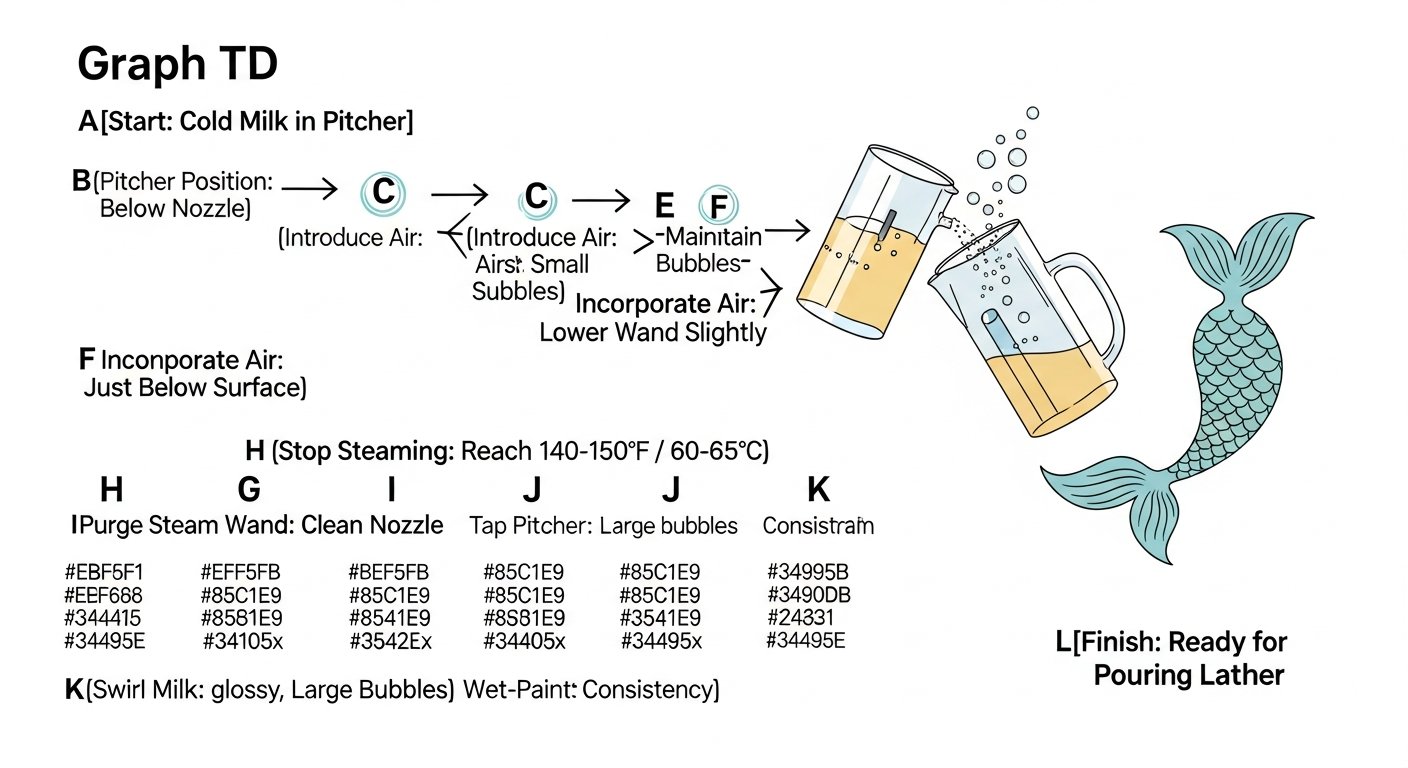
Now that we’ve covered the ‘what’ and ‘why’ of microfoam and essential equipment, it’s time to delve into the practical steps. This comprehensive guide breaks down the milk steaming process into distinct, manageable phases, allowing you to systematically build your skills and achieve consistently perfect microfoam for stunning latte art every time. Practice is key, so don’t be discouraged if your first attempts aren’t flawless.
[INLINE IMAGE 2: place after fourth H2]
1. Preparation: Cleanliness and Cold Milk
Proper preparation sets the stage for success. Neglecting these initial steps can significantly hinder your ability to produce quality microfoam.
- Start with Cold Milk: Always use fresh, cold milk straight from the refrigerator. Why? Cold milk provides a longer working time, allowing you more opportunity to introduce and integrate air before the milk overheats. This extended window is crucial for developing a fine, consistent microfoam.
- Fill the Pitcher Correctly: Pour milk into your stainless steel pitcher, filling it to just below the bottom of the spout or to roughly one-third to halfway full. The exact level will depend on your pitcher size and how much milk you need for your drink. Why? This leaves ample room for the milk to expand during the aeration phase without overflowing.
- Purge the Steam Wand: Before inserting the wand into the milk, open the steam valve briefly (1-2 seconds) to purge any condensed water or residual milk from the wand. Why? This ensures you’re introducing only dry, powerful steam into your milk, preventing watery, inconsistent microfoam.
- Wipe the Wand: After purging, quickly wipe the wand clean with a damp cloth dedicated solely for this purpose. Why? Removes any lingering residue before it enters your fresh milk.
2. The Aeration Phase: Stretching the Milk
This is where you introduce air into the milk, often referred to as “stretching” or “aerating” the milk. This phase is critical for setting the volume and initial texture of your microfoam.
- Position the Wand: Submerge the steam wand tip just below the surface of the milk, typically about 1/4 to 1/2 inch deep. Angle the pitcher slightly so the wand creates a gentle vortex.
- Open the Steam Valve: Fully open the steam valve with confidence and speed. Don’t be timid; a strong, consistent steam flow is essential.
- Listen for the “Paper Tearing” Sound: In this phase, you should hear a gentle, rhythmic “pss-pss-pss” sound, often described as the sound of paper tearing or a soft whisper. This indicates that air is being introduced precisely at the surface of the milk. Avoid loud, screeching noises (wand too deep) or large bubbles popping (wand too shallow).
- Control the Air: Keep the wand tip at this shallow depth, allowing air to be incorporated. As the milk volume increases, you’ll need to slightly lower the pitcher to keep the wand tip just at the surface. Continue for a short duration, usually 3-7 seconds for whole milk. The amount of aeration depends on your desired foam volume (more for a cappuccino, less for a latte). Why? Too much aeration creates dry, stiff foam (macrofoam); too little results in thin, watery milk.
3. The Texturing Phase: Creating the Whirlpool
Once you’ve introduced enough air, the goal shifts to integrating that air into the milk, creating a homogenous, velvety texture. This is the “texturing” or “incorporating” phase.
- Submerge the Wand: After the aeration phase, lower the pitcher slightly so the steam wand tip is fully submerged, about 1-2 inches below the surface. You should no longer hear the “paper tearing” sound.
- Create a Whirlpool: Ensure the wand is positioned slightly off-center and angled to create a strong, consistent whirlpool or vortex within the milk. Why? This swirling motion effectively folds the introduced air into the milk, breaking down any larger bubbles and creating a uniform, glossy microfoam.
- Maintain Consistency: Hold the pitcher steady and maintain this whirlpool motion until the milk reaches its target temperature. Avoid moving the wand tip excessively up and down; keep it submerged and stable. The surface of the milk should look like a smooth, glossy, churning liquid.
4. Achieving the Ideal Temperature and Consistency
Temperature control is paramount for both taste and texture. Overheating milk is one of the most common mistakes.
- Monitor Temperature: Use a coffee thermometer to accurately monitor the milk’s temperature. Place the probe tip in the center of the milk, avoiding contact with the pitcher’s bottom or sides.
- Target Range: Continue steaming until the thermometer reads between 140-150°F (60-65°C). Why? This range ensures optimal sweetness from lactose caramelization and preserves the integrity of milk proteins, resulting in the most stable and delicious microfoam.
- Hand Feel: As you gain experience, you’ll also learn to gauge the temperature by touch. The pitcher will become too hot to hold comfortably around 140°F (60°C). Stop steaming just as it becomes almost unbearable to touch, then quickly check the thermometer.
- Turn Off Steam: Immediately turn off the steam valve once the target temperature is reached.
5. The Final Swirl: Integrating the Microfoam
The last steps are crucial for preparing the milk for pouring, ensuring a smooth, consistent flow for your latte art.
- Clean the Wand: As soon as steaming is complete, purge the steam wand again (to clear any milk from the internal mechanism) and immediately wipe it clean with a damp cloth. Why? Dried milk is notoriously difficult to remove and can harbor bacteria, affecting hygiene and future steam quality.
- Tap the Pitcher: Gently tap the bottom of the milk pitcher firmly on your countertop once or twice. Why? This action helps to pop any remaining large air bubbles that might be lurking just below the surface.
- Swirl the Milk: Immediately after tapping, swirl the milk in the pitcher in a circular motion. Why? This continuous swirling motion integrates the liquid milk at the bottom with the thicker microfoam at the top, creating that perfectly glossy, “wet paint” consistency ready for pouring. Keep swirling until you’re ready to pour; don’t let it sit and separate.
With these steps, your milk is now perfectly steamed, textured, and ready to be integrated with your freshly brewed espresso shot to create beautiful and delicious latte art.
What are Common Milk Steaming Mistakes and How to Avoid Them?
Even with a step-by-step guide, home baristas often encounter common pitfalls during the milk steaming process. Identifying and understanding these mistakes is the first step toward correcting them and consistently producing café-quality microfoam. This section addresses the most frequent errors and provides actionable solutions to help you troubleshoot and perfect your technique.
Too Many Large Bubbles (Foam vs. Microfoam)
This is perhaps the most common beginner’s mistake, resulting in a thick, airy foam that sits atop the coffee, rather than a beautifully integrated microfoam. This “macrofoam” makes latte art impossible.
- Symptom: A layer of large, visible bubbles on the surface of the milk or a thick, meringue-like consistency.
- Common Causes:
- Wand too shallow during aeration: The wand tip is positioned too high, simply blasting air onto the surface rather than incorporating it finely.
- Too much aeration: Air is introduced for too long, creating excessive volume and large bubbles.
- Insufficient texturing: The whirlpool phase was not effective enough to break down and integrate the larger bubbles.
- Solution:
- During aeration, keep the steam wand tip just beneath the surface, aiming for the “paper tearing” sound. If you hear loud sucking or splashing, the wand is too shallow or at the wrong angle.
- Reduce the duration of the aeration phase. For a latte, only 3-5 seconds might be enough, depending on your machine’s steam power.
- Ensure a strong, consistent whirlpool during the texturing phase. Lower the wand deeper and angle it correctly to fold the air into the milk effectively.
- Tap the pitcher firmly on the counter and swirl vigorously to break down any remaining large bubbles before pouring.
Scalded Milk or Underheated Milk
Achieving the correct temperature is crucial for both taste and texture. Errors in temperature control negatively impact the sweetness and stability of your microfoam.
- Symptom:
- Scalded Milk (Too Hot): The milk smells burnt, has an unpleasant cooked taste, or develops a thin, watery consistency with large, dry foam.
- Underheated Milk (Too Cold): The milk lacks sweetness, the microfoam is weak and quickly dissipates, and the beverage is lukewarm.
- Common Causes:
- No thermometer or relying solely on touch prematurely: Without accurate measurement, it’s easy to overshoot or undershoot the ideal temperature.
- Distraction: Not paying close attention to the steaming process.
- Too much aeration causing rapid heating: If you’re incorporating too much air, the milk heats up faster than expected.
- Solution:
- Always use a coffee thermometer, especially when learning. Stop steaming when the milk reaches 140-150°F (60-65°C).
- Pay close attention to the process. Steaming takes focus.
- If you are only relying on touch, stop steaming immediately when the pitcher becomes too hot to hold comfortably for more than a couple of seconds. This usually aligns with the ideal temperature range.
- If the milk is underheated, you can briefly re-steam it, but this should be avoided as it can degrade milk quality. It’s better to get it right the first time.
Thin, Watery, or Separated Milk
This issue indicates a lack of proper integration and stability in your microfoam, making latte art nearly impossible as the foam quickly separates from the liquid.
- Symptom: The milk appears watery with a distinct layer of thin foam on top, or the foam quickly dissipates, leaving a flat beverage.
- Common Causes:
- Insufficient aeration: Not enough air was introduced, resulting in too little foam to begin with.
- Poor texturing/whirlpool: The introduced air was not properly integrated into the milk, leading to large, unstable bubbles or rapid separation.
- Overheated milk: Scalding denatures proteins too much, making the microfoam unstable and prone to separation.
- Using the wrong milk type: Some low-fat or non-barista plant-based milks naturally produce less stable foam.
- Solution:
- Ensure you hear the “paper tearing” sound during aeration for the appropriate duration (3-7 seconds).
- Confirm you’re creating a strong, consistent whirlpool during texturing to thoroughly integrate the air and break down larger bubbles.
- Monitor the temperature with a thermometer to avoid overheating.
- If using plant-based milk, always opt for “barista blend” versions, which are formulated for better steaming performance. Consider switching to whole milk if consistent issues persist with alternatives.
- Remember to tap and swirl the milk vigorously right before pouring to ensure a homogenous, glossy consistency.
| Problem (Entity) | Symptom | Common Cause | Solution |
|---|---|---|---|
| Too Many Large Bubbles | Thick, stiff foam; “soapy” consistency; unable to pour art. | Wand too shallow; too much aeration; insufficient texturing. | Keep wand tip just below surface for aeration. Limit aeration time (3-7s). Ensure strong whirlpool. Tap and swirl pitcher. |
| Milk Too Thin/Watery | Thin layer of foam that quickly disappears; milk separates easily. | Insufficient aeration; poor texturing; overheated milk; wrong milk type. | Ensure audible “paper tearing.” Create strong whirlpool. Use thermometer to prevent scalding. Use barista-grade milk. Tap and swirl vigorously. |
| Scalded/Overheated Milk | Burnt smell/taste; thin, dry foam; milk separates quickly. | No thermometer; steaming too long; distraction. | Always use a thermometer (140-150°F / 60-65°C). Stop steaming once pitcher is too hot to comfortably hold. Focus. |
| Underheated Milk | Lacks sweetness; foam quickly dissipates; lukewarm drink. | Not steaming long enough; pulling wand out too soon. | Steam until 140-150°F (60-65°C). Ensure wand stays submerged until temperature is reached. |
| Milk Not Incorporating | Liquid milk separates from foam rapidly, difficult to mix. | Weak whirlpool; not tapping/swirling enough; too much air introduced. | Angle wand for strong vortex. Tap pitcher to pop large bubbles, then swirl continuously until pouring. Limit initial aeration. |
Beyond Steaming: Integrating Milk with Espresso for Latte Art
Achieving perfectly steamed microfoam is a significant accomplishment, but it’s only half the battle for creating stunning latte art. The next crucial step is the seamless integration of this velvety milk with your freshly brewed espresso. This section briefly bridges the gap between steaming and pouring, preparing you for the exciting world of latte art design and emphasizing the importance of timing and technique in the final presentation of your coffee.
Once your milk is perfectly steamed, tapped, and swirled to that glossy, “wet paint” consistency, time is of the essence. The microfoam will begin to separate from the liquid milk if left sitting for too long, making pouring difficult and compromising your latte art. Therefore, your espresso shot should be pulled immediately before or concurrently with your milk steaming, ensuring it’s fresh and hot when the milk is ready.
The art of pouring involves a graceful motion, starting with a high pour to integrate the milk with the espresso, followed by a lower, closer pour to introduce the contrasting white foam onto the crema. This phase requires practice, control, and a deep understanding of how the milk flows. For more detailed guidance on this intricate process, we encourage you to explore our comprehensive resource, “Beginner’s Guide to Latte Art Pouring,” which delves into various patterns and techniques to bring your latte art visions to life.
Remember, the quality of your microfoam directly dictates the potential of your latte art. A beautiful pour can only be achieved with beautiful milk. By mastering the steaming process, you equip yourself with the foundational skill needed to consistently create visually stunning and deliciously balanced espresso beverages.
Steaming Milk Without an Espresso Machine: Alternative Methods
While an espresso machine’s steam wand offers the gold standard for microfoam, not every home coffee enthusiast has one. Fortunately, there are several effective alternative methods to create frothed milk for your lattes and cappuccinos, though they may not always achieve the same fine, pourable microfoam necessary for intricate latte art. These options are perfect for those starting their home coffee journey or looking for simpler solutions.
- French Press: This is a surprisingly effective method. Heat your milk on the stovetop to 140-150°F (60-65°C). Pour the hot milk into a clean French press, ensuring it’s no more than halfway full. Pump the plunger vigorously up and down through the milk for about 30-60 seconds, keeping the mesh screen submerged. The constant agitation introduces air and creates foam. Tap and swirl the French press to integrate the foam.
- Handheld Milk Frother: These battery-operated whisk-style frothers are affordable and compact. Heat milk in a mug or small pot to the desired temperature. Insert the frother just below the surface and activate it, moving it slightly up and down. This method creates a good amount of foam, but it can be less uniform and more prone to large bubbles than steam wand microfoam. Tap and swirl the mug to settle the foam.
- Stovetop Whisking: For a very basic foam, heat milk in a saucepan over medium heat. As it heats, vigorously whisk the milk, incorporating air as it warms. While this won’t produce microfoam, it will create a layer of larger bubbles suitable for topping a drink.
- Mason Jar Method: Pour cold milk into a mason jar (no more than halfway full). Seal tightly and shake vigorously for 30-60 seconds until foam appears. Remove the lid and microwave the frothed milk for 30-60 seconds. The heat stabilizes the foam. This produces a decent foam layer, though often with larger bubbles.
- Automatic Milk Frothers: These electric devices heat and froth milk automatically with a simple button press. They are convenient and produce consistent results, often a good, dense foam, but typically not the ultra-fine, pourable microfoam ideal for intricate latte art. Some models offer different settings for latte vs. cappuccino foam.
While these methods won’t perfectly replicate the professional-grade microfoam from an espresso machine, they are excellent starting points for enhancing your home coffee beverages and exploring different textures. Remember to always heat your milk to the 140-150°F (60-65°C) range for optimal sweetness and enjoyment, regardless of your frothing method.
Mastering the art of steaming milk for latte art is a journey that blends science, skill, and patience. From understanding the delicate balance of proteins and fats that form perfect microfoam to meticulously executing each step of the steaming process, every detail contributes to the final masterpiece in your cup. We’ve explored the essential equipment, the impact of different milk types, and common pitfalls to avoid, providing you with a definitive guide to elevate your home barista craft.
Remember that consistency comes with practice. Don’t be discouraged by initial struggles; each attempt refines your touch, enhances your ear for the “paper tearing” sound, and sharpens your eye for that elusive “wet paint” consistency. With dedication, you’ll soon be pouring velvety microfoam with confidence, transforming your daily coffee into a sweet, visually stunning experience. Continue your journey by exploring our articles on “Best Espresso Machines for Home Baristas” and our “Beginner’s Guide to Latte Art Pouring” to complete your home coffee mastery. Happy steaming!
Author: [Your Certified Barista / Home Coffee Enthusiast Name], a passionate advocate for home coffee excellence with X years of experience in crafting specialty beverages.