Batch Cooking for Busy Lives: Maximize Flavor, Minimize Effort
Master Batch Cooking: Essential Tips for Efficient Meal Prep
Mastering batch cooking is a cornerstone of efficient home culinary arts, involving the preparation of larger quantities of food or meal components in a single session for consumption over several days. This practical approach to meal management offers numerous benefits, serving as a powerful collection of batch cooking tips for anyone looking to reclaim their time, minimize grocery expenses, eat healthier, and streamline their kitchen operations. For enthusiasts of Home Coffee & Culinary Arts, mastering batch cooking provides the freedom to experiment with new recipes and techniques without the daily burden of extensive meal preparation. It transforms kitchen chores into an organized, satisfying ritual, contributing significantly to a more balanced and sustainable lifestyle. This comprehensive guide provides expert batch cooking tips to help you transform your culinary routine, making meal planning and budget cooking an effortless art form.
What is Batch Cooking and Why are These Tips Essential for Home Cooks?
Batch cooking, fundamentally, is a strategic method of preparing multiple meals or meal components ahead of time. It streamlines the entire cooking process, moving away from daily, last-minute meal decisions to a more organized, proactive approach. This central entity, batch cooking, empowers individuals to take control of their diet, budget, and time management, making it an indispensable practice for any modern home cook. By consolidating cooking efforts into one or two sessions, batch cooking not only frees up valuable time during busy weekdays but also ensures a consistent supply of nutritious, home-cooked food. These batch cooking tips are essential because they provide a structured pathway to harness these benefits effectively.
How Do Batch Cooking Tips Help Save Time and Money?
Batch cooking significantly saves time by consolidating prep work and cooking cycles. Instead of chopping vegetables or preheating ovens daily, these tasks are performed once. This efficiency extends to cleanup, as all dishes are typically dirtied and washed in a single session. For example, roasting a large batch of vegetables for three meals takes only slightly more time than roasting a single portion. This time-saving attribute is a primary motivator for many home cooks.
Economically, batch cooking is a powerful cost-effective strategy. It enables smarter grocery shopping by allowing you to buy ingredients in bulk, often at lower unit prices. Furthermore, a well-stocked fridge with prepped meals drastically reduces the temptation and reliance on expensive takeout or convenience foods. By planning meals around sale items and seasonal produce, a dedicated batch cook can substantially cut down on their weekly food budget. Reduced food waste is another significant financial benefit; utilizing every ingredient purchased prevents spoilage and keeps more money in your pocket. Batch cooking directly supports sustainable practices by maximizing ingredient use.
What are the Health Benefits of Proactive Meal Prep?
The health benefits of batch cooking are profound. When meals are prepped and readily available, it’s far easier to make healthy food choices, avoiding impulse buys of processed snacks or high-calorie restaurant meals. Batch cooking provides nutritional control, allowing you to manage portion sizes, choose fresh, whole ingredients, and minimize unhealthy fats, sugars, and sodium often found in prepared foods. This practice supports diverse dietary needs, from vegetarian to gluten-free, ensuring meals align with personal health goals. Families utilizing batch cooking often report improved dietary consistency and overall wellness, making it a cornerstone for a healthy lifestyle within the Home Coffee & Culinary Arts domain.
| Benefit | Description | Impact on Home Culinary Arts |
|---|---|---|
| Time Savings | Consolidates cooking efforts into fewer, longer sessions. | Frees up weekdays for other pursuits, encourages culinary experimentation. |
| Cost Efficiency | Enables bulk buying, reduces impulse purchases and takeout. | Optimizes grocery budget, allows for investment in quality ingredients or kitchen tools. |
| Healthier Eating | Greater control over ingredients, portion sizes, and nutritional content. | Supports dietary goals, reduces reliance on processed foods, promotes wellness. |
| Reduced Food Waste | Maximizes the use of purchased ingredients, prevents spoilage. | Environmentally friendly, saves money, fosters sustainable kitchen practices. |
| Stress Reduction | Eliminates daily meal decision-making and last-minute cooking pressure. | Creates a calmer kitchen environment, enhances enjoyment of cooking and eating. |
Planning Your Batch Cooking Session: What Smart Strategies Ensure Success?
Effective planning is the backbone of successful batch cooking. A well-thought-out strategy prevents overwhelm and ensures a productive cooking session. This section provides actionable batch cooking tips for meticulous planning, transforming potential chaos into culinary harmony. Engaging in smart preparation is crucial for anyone embracing this efficient method of meal management.
[INLINE IMAGE 1: A neatly organized kitchen counter with ingredients prepped for batch cooking, including chopped vegetables, pre-portioned proteins, and various spices.]
How Do You Create Your Weekly Meal Plan for Batch Cooking?
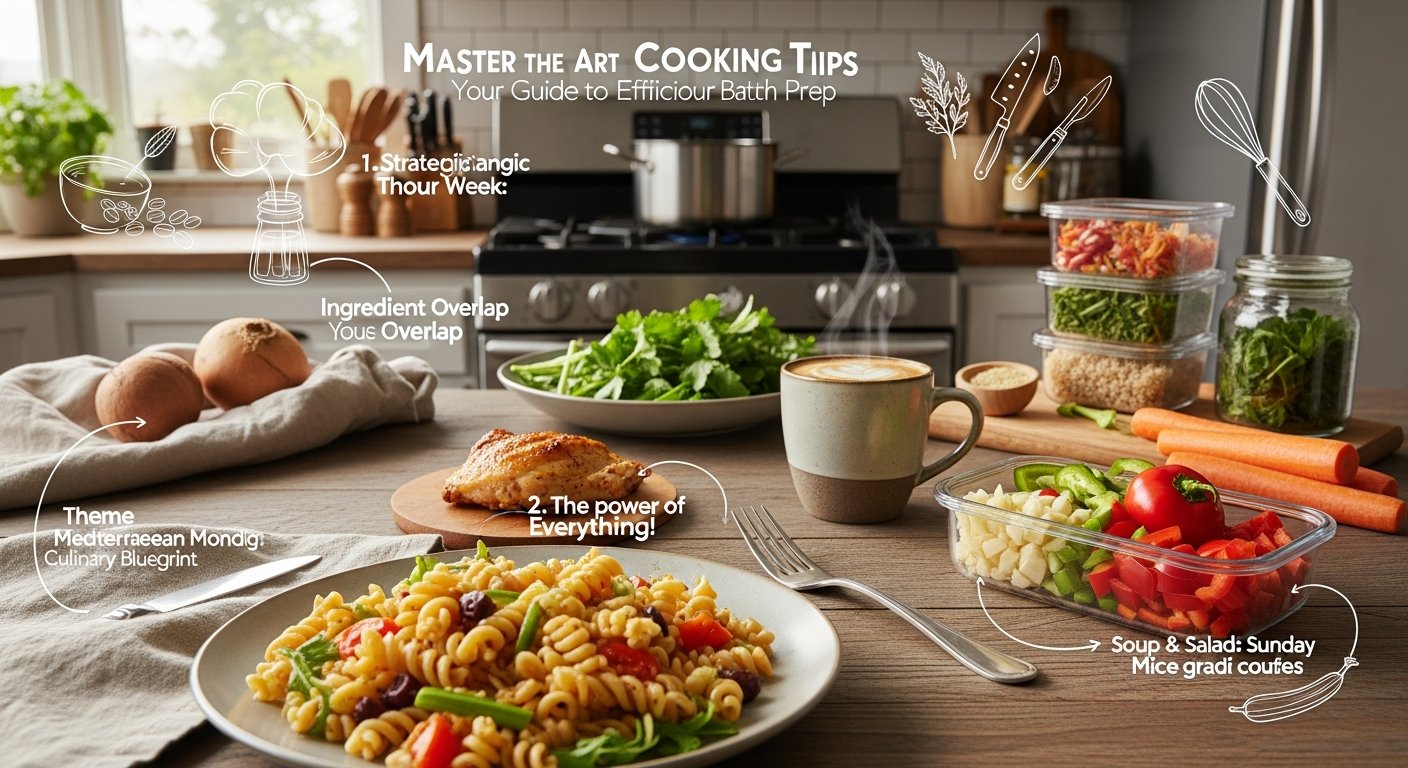
The first step in any batch cooking endeavor is to create a detailed weekly meal plan. This plan should consider your dietary preferences, nutritional needs, and the number of meals required. Start by listing all meals for the week—breakfasts, lunches, dinners, and even snacks. Focus on meal rotation to prevent boredom and ensure a balanced intake of nutrients. When selecting recipes, look for ingredient commonality, where several dishes can share components like roasted vegetables or a basic protein base. This approach maximizes efficiency and minimizes diverse cooking efforts. Consider theme nights (e.g., Taco Tuesday, Pasta Thursday) to simplify decision-making. Utilizing a template or an app for meal planning can greatly enhance this process, ensuring no meal is overlooked and ingredients are optimally planned.
What are the Best Tips for Smart Grocery Shopping for Batch Cooking?
Once your meal plan is established, a precise grocery list becomes your most valuable tool. Group items by store section to navigate the supermarket efficiently. Smart grocery shopping for batch cooking involves purchasing in bulk for staples like grains, legumes, and certain proteins, which are often more cost-effective. Prioritize seasonal produce, as it’s typically fresher, more flavorful, and cheaper. Avoid impulse buys by sticking strictly to your list. Before heading to the store, check your pantry for existing ingredients to prevent duplicate purchases and reduce potential food waste. This diligent approach to shopping is a key batch cooking tip for budget-conscious culinary artists.
Which Recipes are Best for Batch Prep?
Selecting suitable recipes is critical for batch cooking success. Prioritize dishes that hold up well over several days in the refrigerator or freeze effectively without compromising texture or flavor. One-pot meals, casseroles, stews, soups, and dishes with distinct components (like cooked grains, roasted vegetables, and shredded proteins) are excellent candidates. Avoid recipes that rely heavily on fresh, delicate herbs or textures that might degrade over time, such as heavily dressed salads. Look for versatile recipes where a base component, like seasoned ground meat or quinoa, can be transformed into different meals throughout the week. For example, a large batch of roasted chicken can become tacos one night, a salad topping another, and part of a pasta dish later. This versatility is a hallmark of effective batch cooking tips.
Efficient Cooking Techniques for Batch Preparation: What Are the Best Batch Cooking Tips?
Executing your batch cooking session with efficiency is where the magic happens. Employing smart techniques and leveraging the right kitchen appliances can significantly reduce active cooking time, allowing you to prepare a week’s worth of meals with minimal fuss. These batch cooking tips focus on maximizing your kitchen’s potential and your culinary output.
How Can You Utilize Multi-Tasking Kitchen Appliances for Batch Cooking?
Modern kitchen appliances are invaluable allies in batch cooking. The Instant Pot Duo or other electric pressure cookers can quickly cook grains, legumes, and tough cuts of meat, drastically cutting down on simmering times. Slow cookers are perfect for hands-off preparation of large batches of chili, stews, or pulled meats, requiring minimal supervision. Large sheet pans are ideal for roasting multiple types of vegetables or proteins simultaneously, optimizing oven space and time. Food processors are excellent for rapidly chopping, dicing, or shredding large quantities of produce, saving considerable manual labor. Investing in quality, multi-tasking appliances pays dividends in batch cooking efficiency, aligning perfectly with the ethos of Home Coffee & Culinary Arts.
What Core Components Should You Batch Cook?
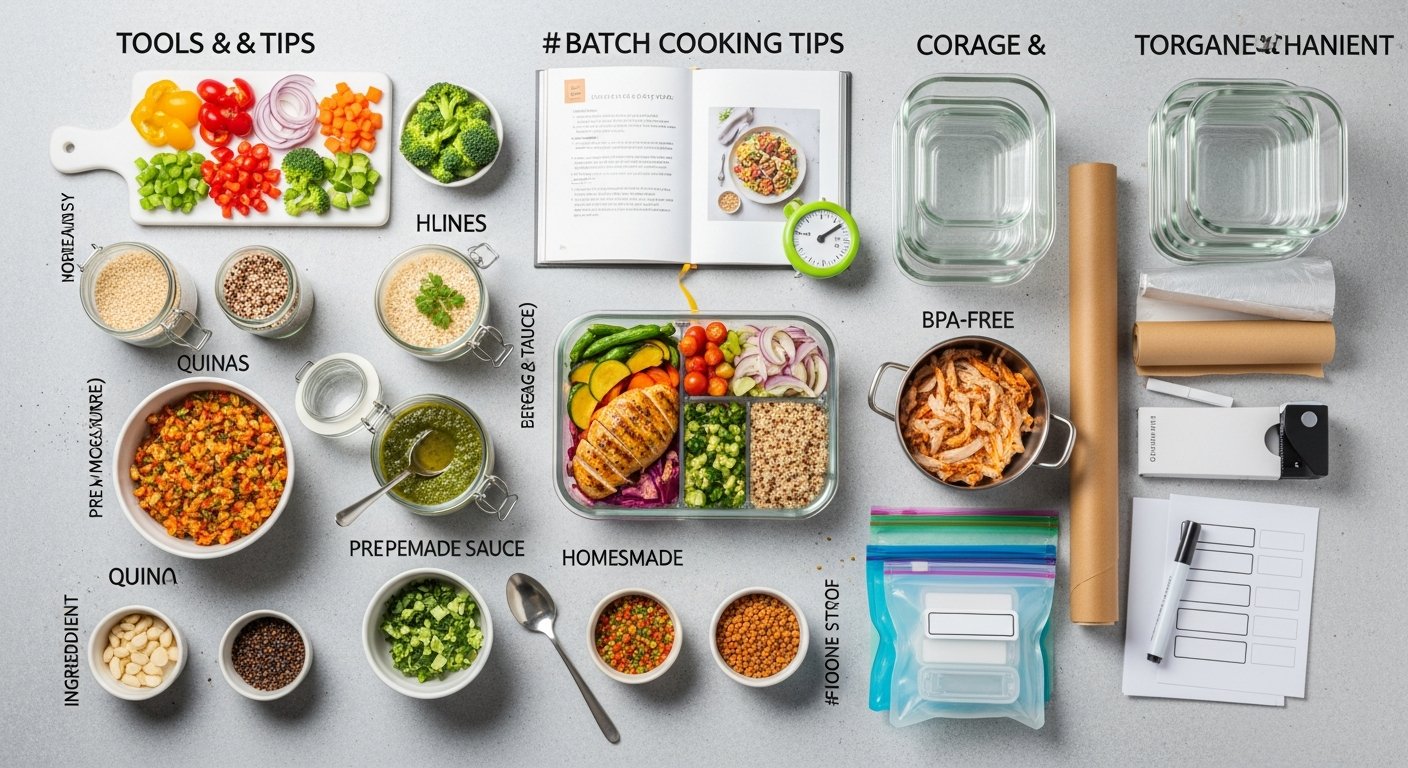
Focusing on cooking core components rather than entire meals provides flexibility and prevents meal fatigue. These foundational elements can then be combined in various ways throughout the week. Here are some excellent candidates for batch cooking:
- Proteins:
- Shredded or diced chicken (boiled, baked, or roasted)
- Cooked ground meat (beef, turkey, lentils for vegetarian options)
- Hard-boiled eggs
- Baked or pan-seared fish (consume within 2-3 days)
- Cooked beans or lentils
- Tofu or tempeh (baked, pan-fried)
- Grains & Starches:
- Quinoa
- Brown rice or wild rice
- Farro or barley
- Pasta (cook al dente to prevent mushiness when reheating)
- Baked sweet potatoes or regular potatoes
- Vegetables:
- Roasted vegetables (broccoli, cauliflower, bell peppers, carrots, Brussels sprouts)
- Steamed vegetables (green beans, asparagus)
- Sautéed onions and garlic (base for many dishes)
- Pre-chopped raw vegetables for salads or stir-fries
- Sauces & Dressings:
- Homemade pesto
- Vinaigrettes
- Marinara sauce
- Hummus or other dips
| Appliance | Primary Batch Cooking Use | Pros | Cons | Efficiency Score (1-5) |
|---|---|---|---|---|
| Slow Cooker | Soups, stews, pulled meats, large grain batches | Hands-off, tender results, minimal cleanup, affordable | Long cooking times, less browning/searing ability | 4 |
| Instant Pot (Pressure Cooker) | Grains, legumes, tough meats, quick stews | Very fast cooking, versatile (sauté, steam, pressure cook) | Learning curve, smaller capacity than some slow cookers | 5 |
| Large Sheet Pans | Roasting vegetables, proteins (chicken, fish), sheet pan meals | Maximizes oven space, easy cleanup (with parchment paper) | Requires oven preheating, limited to roasted/baked items | 4 |
| Food Processor | Chopping, dicing, shredding vegetables, making sauces/dips | Rapid prep work, consistent results, saves manual effort | Can be noisy, takes up counter space, cleanup for small tasks | 3 |
| High-Capacity Stock Pot | Large batches of soup, pasta, rice, boiling proteins | Essential for foundational cooking, versatile | Requires stovetop attention, less automated than other appliances | 3 |
Smart Storage & Food Safety for Batch Cooked Meals: What Are the Key Batch Cooking Tips?
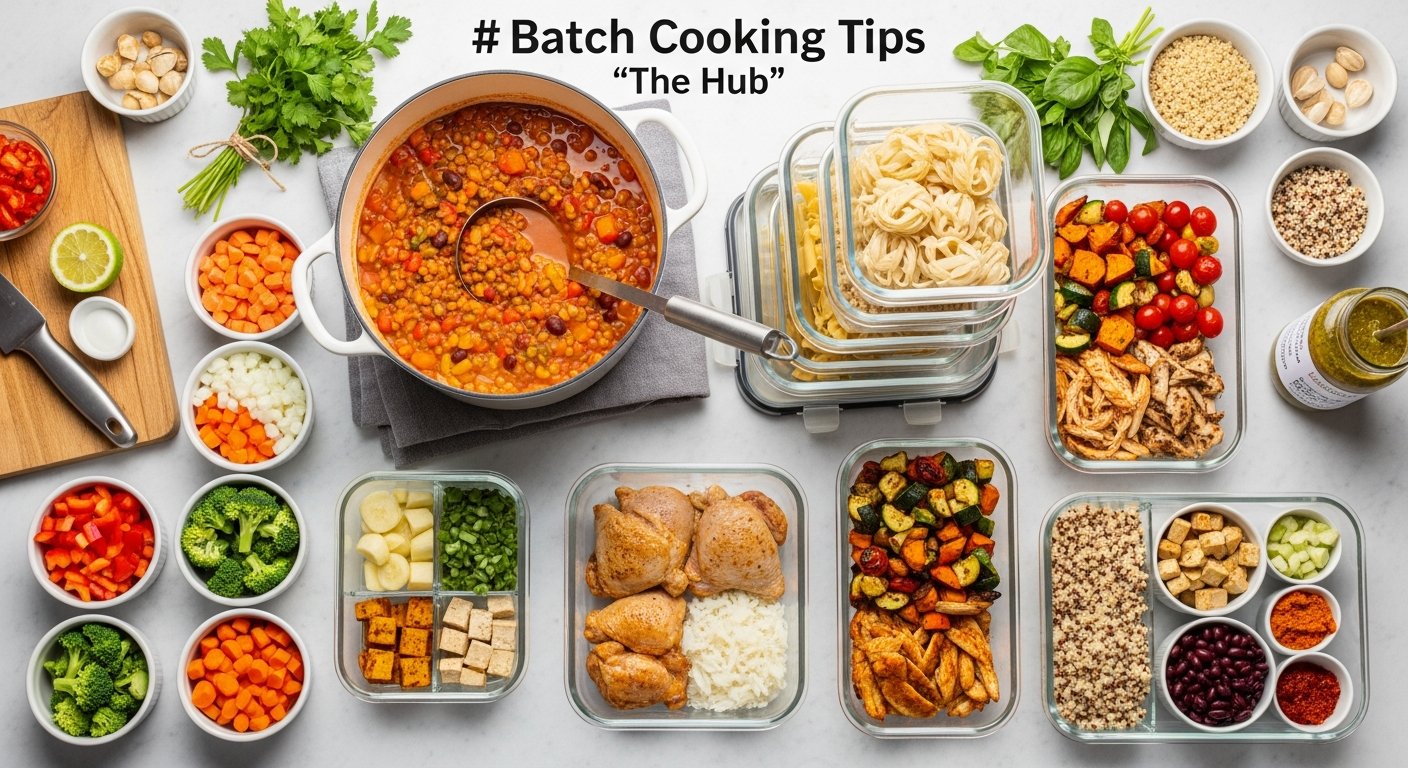
The success of batch cooking hinges not just on preparation, but equally on smart storage and rigorous adherence to food safety guidelines. Improper storage can quickly undermine your efforts, leading to food spoilage or, worse, foodborne illness. These batch cooking tips are paramount for ensuring your prepared meals remain fresh, safe, and delicious throughout the week.
[INLINE IMAGE 2: An open refrigerator with various batch-cooked meals neatly stored in clear, airtight glass containers, labeled with dates.]
What are the Best Containers for Longevity of Batch Cooked Meals?
Choosing the right containers is crucial for maximizing the shelf life of your batch-cooked meals. Airtight containers are essential to prevent air exposure, which can lead to oxidation and spoilage. Glass containers, such as Pyrex, are highly recommended for their durability, non-porous nature (they don’t absorb odors or colors), and ability to be safely used in microwaves and ovens. BPA-free plastic containers are also a viable option, particularly for portability, but should be replaced periodically. Look for containers that are stackable to optimize fridge and freezer space. Portioning meals into individual servings upon cooking not only simplifies reheating but also extends the overall freshness of the larger batch by minimizing repeated exposure to air.
What are the Best Practices for Refrigeration & Freezing Batch Cooked Meals?
Proper refrigeration and freezing are key to safe and long-lasting batch-cooked meals.
- Rapid Cooling: Cool hot food quickly. Divide large batches into smaller, shallower containers to help them cool faster. Foods should reach below 40°F (4°C) within two hours of cooking to prevent bacterial growth.
- Refrigeration: Store refrigerated meals at or below 40°F (4°C). Most batch-cooked meals are safe to eat for 3-4 days when properly refrigerated. Always label containers with the date of preparation.
- Freezing: For longer storage, freezing is an excellent option. Ensure foods are completely cooled before freezing to prevent ice crystals and maintain texture. Use freezer-safe, airtight containers or heavy-duty freezer bags (squeezing out excess air). Most cooked meals can be safely frozen for 2-3 months without significant quality degradation.
- Thawing: Always thaw frozen foods safely in the refrigerator overnight, under cold running water, or in the microwave (if cooking immediately). Never thaw at room temperature.
- Reheating: Reheat foods to an internal temperature of 165°F (74°C). Stir food thoroughly during reheating to ensure even heating, especially in a microwave.
How Do You Ensure Food Safety When Batch Cooking?
Food safety is non-negotiable when batch cooking. Adhering to guidelines from authoritative sources like the USDA or FDA is paramount. The “temperature danger zone” for bacterial growth is between 40°F (4°C) and 140°F (60°C). Cooked food should not remain in this zone for more than two hours. Always wash hands thoroughly before and after handling food. Prevent cross-contamination by using separate cutting boards and utensils for raw meats and produce. If in doubt about a meal’s freshness, err on the side of caution and discard it. A safe kitchen is a happy kitchen, and these batch cooking tips are foundational to a healthy culinary practice.
| Food Category | Recommended Storage Method | Max Shelf Life (Refrigerated) | Max Shelf Life (Frozen) | Best Container Type |
|---|---|---|---|---|
| Cooked Grains (Rice, Quinoa) | Airtight, cooled completely before storing | 3-4 days | 2-3 months | Glass or BPA-free plastic |
| Roasted Vegetables | Airtight, store separately from sauces | 3-5 days | 2-3 months | Glass or BPA-free plastic |
| Cooked Proteins (Chicken, Lentils) | Airtight, ensure proper sealing | 3-4 days | 2-3 months | Glass or BPA-free plastic |
| Soups & Stews | Airtight, leave 1-inch headspace if freezing | 3-4 days | 3-4 months | Glass jars, freezer-safe containers |
| Prepped Raw Vegetables (Chopped) | Airtight, sometimes with a damp paper towel | 4-7 days | Not recommended for most (texture loss) | Plastic bags, sealed containers |
Advanced Batch Cooking Tips for Culinary Versatility: How Can You Enhance Your Meal Prep?
Once you’ve mastered the basics, advancing your batch cooking skills can unlock even greater culinary versatility and enjoyment. These advanced batch cooking tips move beyond simple meal prep to embrace creative flavor diversification and sustainable kitchen habits, ensuring your journey in Home Coffee & Culinary Arts remains exciting and fresh.
How Can You Diversify Flavors with Minimal Effort in Batch Cooking?
The biggest challenge in batch cooking can be preventing meal fatigue. The key to versatility lies in preparing versatile base components and then adding fresh elements and flavor variations daily. For instance, a batch of plain shredded chicken can be transformed into:
- Chicken tacos with fresh salsa and avocado.
- A chicken Caesar salad with crisp lettuce and dressing.
- A simple chicken and vegetable stir-fry with a new sauce.
- Chicken noodle soup by adding broth and noodles.
Keep a variety of spices, fresh herbs, citrus, hot sauces, and condiments on hand. A squeeze of lime, a sprinkle of cilantro, or a dash of sriracha can dramatically alter the profile of a meal. Experiment with global flavors—Mediterranean, Asian, Mexican—using a few key sauces or spice blends. This approach ensures that while the core components are prepped, each meal feels unique and exciting, keeping batch cooking an enjoyable practice rather than a monotonous chore.
How Can You Prevent Meal Prep Burnout?
Consistency is key to the benefits of batch cooking, but burnout is a real risk. To prevent it, integrate these batch cooking tips into your routine:
- Start Small: Don’t try to prep every single meal for the entire week initially. Start with just lunches or dinners, and gradually expand as you become more comfortable.
- Vary Your Schedule: You don’t have to batch cook every Sunday. Find a day and time that genuinely works for you, even if it’s two shorter sessions during the week.
- Involve Others: If you live with family or roommates, involve them in the planning and cooking process. Shared effort reduces individual burden and fosters a sense of collective achievement.
- Embrace Simplicity: Not every batch-cooked meal needs to be gourmet. Simple, nutritious combinations are often the most sustainable.
- Reward Yourself: Acknowledge your efforts. Perhaps a relaxing cup of specialty coffee after a successful batch cooking session or enjoying the extra free time during the week.
- Take Breaks: If you feel overwhelmed, it’s okay to skip a week or opt for simpler options. The goal is sustainable healthy eating, not perfection.
By preventing burnout, batch cooking remains a positive and impactful part of your culinary journey.
Batch Cooking for Specific Lifestyles: Tailoring Your Meal Prep
Batch cooking is incredibly versatile and can be adapted to suit various lifestyles and needs. Whether you’re an athlete, a busy parent, or a student, these batch cooking tips can be customized:
- Athletes: Focus on high-protein, complex carbohydrate meals. Prepare large quantities of grilled chicken, quinoa, and roasted sweet potatoes to fuel workouts and aid recovery.
- Busy Parents: Prioritize kid-friendly meals that can be easily portioned and reheated. Think pasta sauces, meatballs, or pre-chopped veggies for quick stir-fries.
- Students: Opt for budget-friendly ingredients and simple recipes. Soups, stews, and rice bowls with various toppings are excellent choices that last well.
- Singles/Couples: Scale down recipes or freeze individual portions to avoid waste and ensure variety.
Tailoring your batch cooking strategy to your specific lifestyle ensures maximum benefit and adherence to your personal goals.
Cafeserre’s Pro Tip: The “Flavor Bomb” Strategy
To elevate your batch-cooked meals and combat monotony, prepare a few “flavor bombs” in advance. These are concentrated flavor enhancers that can be added to a base meal just before serving. Examples include:
- Compound Butters: Mix softened butter with herbs, garlic, or chili flakes.
- Quick Pickles: Brine thinly sliced onions, cucumbers, or jalapeños.
- Spicy Chili Oil: Infuse oil with dried chilies, garlic, and Sichuan peppercorns.
- Fresh Pestos/Chutneys: A vibrant pesto or a tangy chutney can transform a simple protein or grain.
Store these in small containers and add a spoonful to your reheated meals for an instant burst of fresh, exciting flavor.
Batch Cooking FAQs: Your Questions Answered
Many common questions arise when embarking on the batch cooking journey. This section addresses frequently asked questions, providing direct answers and practical batch cooking tips to common concerns, ensuring you have all the information needed to succeed.
Q: How Long Do Batch Cooked Meals Last?
A: Typically, batch-cooked meals stored properly in airtight containers in the refrigerator will last for 3 to 4 days. This duration applies to most cooked proteins, grains, and vegetable dishes. Soups and stews can sometimes last a bit longer, up to 5 days, due to their higher moisture content and often being reheated thoroughly. For longer preservation, freezing is the optimal solution. Properly frozen and stored meals can maintain their quality for 2 to 3 months, sometimes longer, depending on the food type and container. Always rely on visual and olfactory cues—if a food looks or smells off, it’s best to discard it to ensure food safety.
Q: Can I Batch Cook for Specific Diets?
A: Absolutely, batch cooking is highly adaptable to virtually any specific diet, making it an invaluable tool for personalized nutrition. Whether you’re following a vegetarian, vegan, gluten-free, keto, paleo, or low-carb diet, batch cooking allows you to meticulously control ingredients and prepare meals that strictly adhere to your dietary requirements. For example:
- Vegetarian/Vegan: Batch cook large quantities of plant-based proteins like lentils, chickpeas, black beans, or baked tofu. Prepare grain bases such as quinoa or brown rice, and roast a variety of vegetables.
- Gluten-Free: Focus on naturally gluten-free grains like rice, quinoa, and corn. Ensure all sauces, spices, and ingredients are certified gluten-free.
- Keto/Low-Carb: Prioritize high-protein meats and fish, healthy fats, and non-starchy vegetables. Prepare large batches of roasted chicken, lean ground beef, cauliflower rice, or steamed broccoli.
- Paleo: Focus on lean proteins, fruits, vegetables, nuts, and seeds. Avoid grains, legumes, and dairy.
The control offered by batch cooking means you can avoid hidden ingredients, manage macros, and ensure compliance with any dietary plan, making it a powerful strategy for health and wellness.
Batch cooking is more than just a trend; it’s a sustainable culinary practice that enriches the Home Coffee & Culinary Arts experience by providing structure, saving resources, and promoting healthier eating habits. By following these comprehensive batch cooking tips, you can transform your kitchen into an efficient, productive hub, making delicious, nutritious meals a consistent part of your daily life. We encourage you to share your own batch cooking tips, favorite recipes, or ingenious storage solutions in the comments below. Your experiences can inspire and assist fellow culinary enthusiasts on their journey to master meal prep!