best reusable coffee filters drippers
The Ultimate Guide to the Best Reusable Coffee Filters and Drippers for 2026
For the dedicated home barista, the morning ritual is more than just a caffeine delivery system—it is an art form. Every variable, from water temperature to grind size, plays a crucial role in the final profile of the cup. However, one of the most overlooked components of a perfect brew is the filter. As we move into 2026, the shift toward sustainability is no longer just a trend; it is a standard. Reusable coffee filters and drippers have evolved from clunky metal mesh inserts to precision-engineered tools that can rival, and in some cases surpass, the performance of traditional bleached paper.
Choosing the best reusable coffee filter isn’t just about saving trees; it’s about unlocking new dimensions of flavor. Paper filters are designed to trap sediment, but they also trap the aromatic oils (cafestol and kahweol) that give coffee its body and complexity. By switching to a high-quality reusable option, you can experience a richer mouthfeel and a more “complete” representation of the bean’s origin. Whether you are a fan of the crisp clarity of a pour-over or the heavy body of a French press, finding the right reusable equipment is the next step in your coffee journey.
1. Why Go Reusable? The Case for Sustainability and Flavor
The most immediate argument for reusable filters is environmental. Millions of paper filters end up in landfills every day. While some are compostable, many are bleached with chemicals or packaged in non-recyclable materials. Transitioning to a permanent filter significantly reduces your household waste.
Beyond the “green” factor, there is the economic benefit. While a premium stainless steel or organic cloth filter requires an upfront investment, it pays for itself within months. By 2026, the cost of specialty paper filters has risen alongside coffee prices, making a one-time purchase even more attractive.
However, for the coffee purist, the real win is in the cup. Paper filters act as a barrier to the natural oils found in coffee beans. These oils carry much of the flavor profile. Reusable filters—particularly those made of fine metal mesh or cloth—allow these oils to pass through into the carafe. This results in a brew with a more robust body and a lingering finish. If you’ve ever felt your home brew was “thin” compared to a professional cafe’s, the filter might be the culprit.
2. Types of Reusable Coffee Filters: Mesh, Cloth, and Beyond
Navigating the market for reusable filters can be daunting because the materials vary wildly, each affecting the extraction process differently.
#
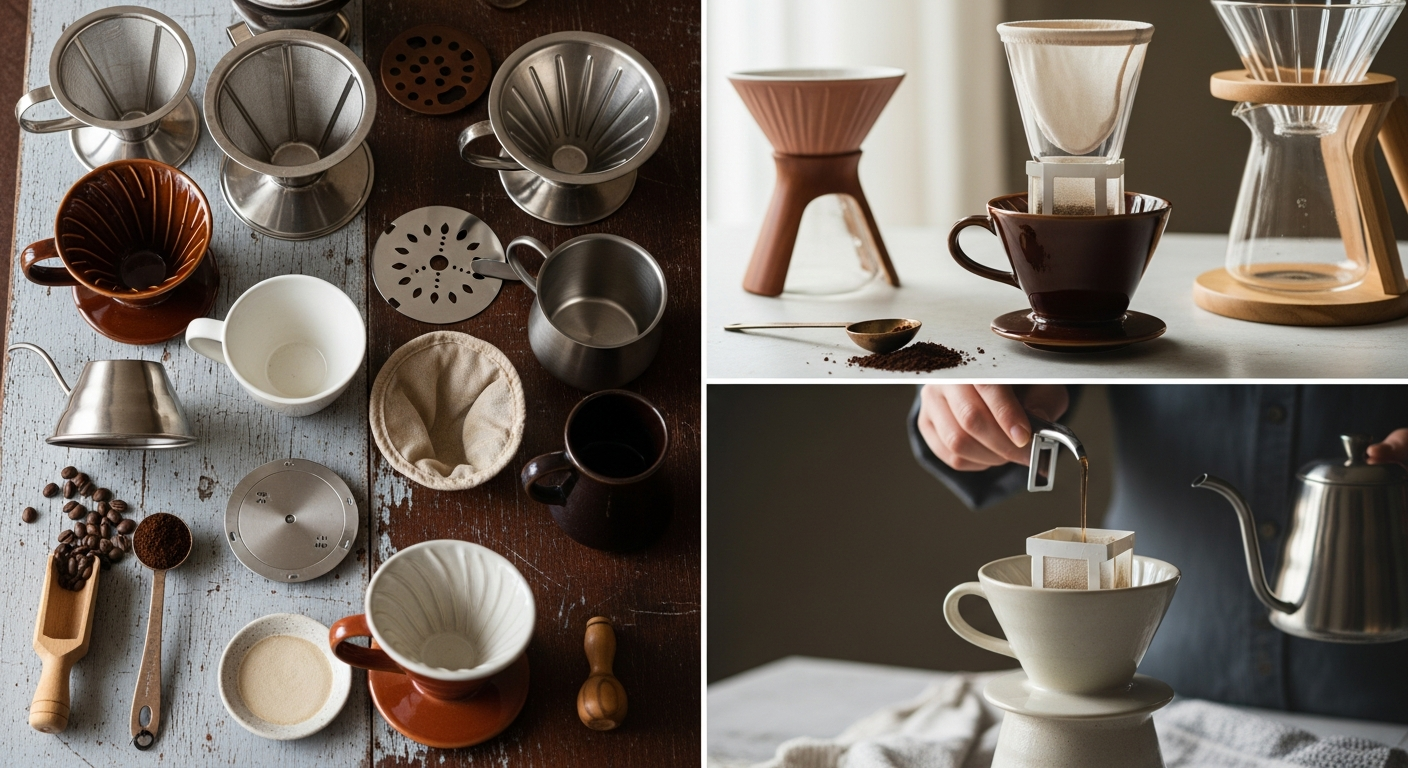
Stainless Steel Mesh
This is the most popular category. These filters are typically made from laser-cut 18/8 stainless steel. They are incredibly durable and dishwasher safe. The “extra-fine” mesh versions are designed to minimize “fines” (tiny coffee particles) from entering your cup, though some sediment is inevitable. This is the best choice for those who love a full-bodied, heavy cup similar to a French press but with the control of a pour-over.
#
Organic Cloth (Cotton and Hemp)
Cloth filters, like the legendary “CoffeeSock,” offer a middle ground between paper and metal. The tight weave of organic cotton traps almost all sediment, producing a cup as clean as paper, yet it allows the oils to pass through. The result is a silky, creamy texture that many baristas prefer. The downside is maintenance; cloth filters must be rinsed thoroughly and stored in water in the fridge or dried completely to prevent mold and “off” flavors.
#
Gold-Tone and Titanium Filters
Often found as basket inserts for automatic drip machines, gold-tone filters are usually stainless steel plated with 23-karat gold. Because gold is a chemically inert metal, it doesn’t react with the coffee’s acidity, ensuring no metallic tang is added to your brew. They are high-end options for those who want the ultimate purity in taste.
3. Top Reusable Coffee Drippers for Every Brewing Style
When looking for the “best,” it’s important to match the dripper to your preferred brewing method. In 2026, several models stand out for their engineering and ease of use.
#
The Able Kone (For Chemex and Beyond)
The Able Kone has long been the gold standard for reusable filters. Specifically designed for 6, 8, and 10-cup Chemex brewers, it features a unique photo-chemically etched hole pattern and a polished metal finish. Unlike cheap knock-offs, the Kone features a food-grade plastic ring at the bottom to protect your glass carafe and ensure a centered flow. It produces a remarkably clean cup for a metal filter.
#
The Hario V60 Metal Dripper
For fans of the classic V60, Hario offers a stainless steel version that integrates the filter and the dripper into one unit. The dual-mesh design eliminates the need for any paper. It retains the iconic V60 shape, which encourages a faster flow rate and highlights the bright, acidic notes of light-roast specialty coffees.
#
Willow & Everett Stainless Steel Pour-Over
This is a standalone dripper that sits atop any mug or carafe. It features a dual-layered mesh: a fine inner filter and a laser-cut outer filter. This prevents clogging—a common issue with single-layer reusable filters—and ensures that your brew time remains consistent even as the coffee settles.
#
The CoffeeSock (V60 & Chemex Versions)
For those committed to the cloth method, CoffeeSock provides filters tailored to almost every major dripper on the market. Made from organic cotton, these are highly sustainable and provide a flavor profile that many enthusiasts claim is the “sweet spot” of coffee extraction.
4. How Reusable Filters Change the Flavor Profile
To master the use of a reusable filter, you must understand the science of the “mouthfeel.”
When you use a paper filter, you are essentially performing a high-level filtration. Paper is dense enough to catch diterpenes (oils) and almost all insoluble solids. This leads to a high-clarity cup where individual tasting notes (like citrus or floral tones) are very distinct.
When you switch to a reusable metal filter, the “TDS” (Total Dissolved Solids) in your cup increases. The oils add a velvety texture and can actually mask some of the bitterness associated with over-extraction. However, it also means the cup will have more “soul”—a rustic, earthy quality.
If you prefer a bright, tea-like coffee, a cloth filter is your best bet. If you want your morning coffee to feel like a meal in a cup—rich, dark, and heavy—stainless steel is the way to go. In 2026, baristas often keep one of each in their kit, choosing the filter based on the specific bean they are brewing.
5. Maintenance and Cleaning: Keeping Your Brew Fresh
The biggest deterrent for people considering reusable filters is the cleanup. However, if you follow a simple routine, it adds less than 60 seconds to your workflow.
#
For Metal Filters:
Immediately after brewing, dump the grounds into your compost bin. Rinse the filter under hot running water from the *outside in* to push any trapped particles out of the mesh. Once a week, soak the filter in a solution of hot water and a coffee equipment cleaner (like Urnex Cafiza) or a mix of vinegar and baking soda. This breaks down the buildup of coffee oils which, if left alone, will turn rancid and ruin future brews.
#
For Cloth Filters:
Rinse thoroughly immediately after use. Do not use soap, as the cloth will absorb the scent. If you use it daily, store it in a small container of water in the refrigerator to keep the fibers moist and prevent oils from drying and hardening. For long-term storage, boil the filter for ten minutes every month to deep-clean the fibers.
6. Factors to Consider Before Buying in 2026
Before you click “purchase,” consider these four factors to ensure the filter fits your lifestyle:
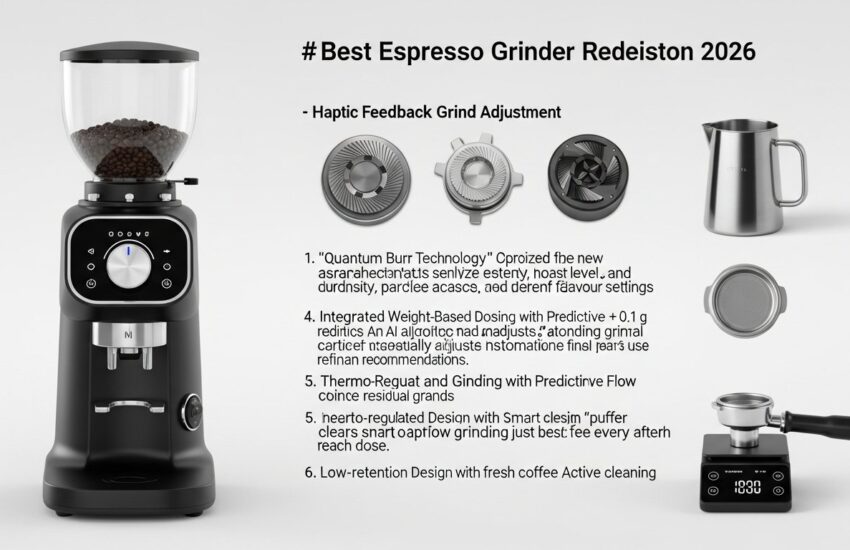
1. **Grind Compatibility:** Reusable filters generally require a slightly coarser grind than paper filters. If your grinder produces a lot of “dust” or inconsistent particles, a metal filter will result in a muddy cup. Ensure you have a quality burr grinder.
2. **Flow Rate:** Metal filters often have a faster flow rate than paper. You may need to adjust your pouring technique—pouring more slowly or in pulses—to ensure the water has enough contact time with the grounds.
3. **Portability:** Are you brewing at home or camping? A stainless steel dripper is virtually indestructible, making it the perfect travel companion for 2026 adventurers who want cafe-quality coffee in the wilderness.
4. **Health Considerations:** It is worth noting that because metal filters do not catch cafestol (an oil that can raise cholesterol), individuals with specific heart-health concerns might prefer cloth or paper, which do trap these compounds.
FAQ: Frequently Asked Questions
**Q1: Does using a reusable filter make the coffee taste metallic?**
A: High-quality 18/8 stainless steel or gold-plated filters are non-reactive and will not add a metallic taste to your coffee. If you notice a metallic tang, it is usually a sign that the filter needs a deeper cleaning to remove old, oxidized oils, or that your water chemistry is reacting with the beans.
**Q2: What is the best grind size for a reusable stainless steel filter?**
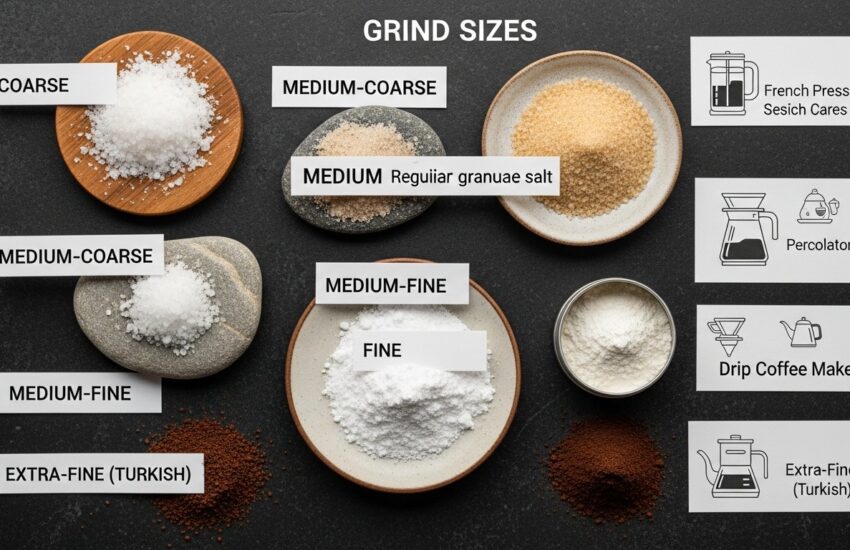
A: Generally, a medium-coarse grind (similar to sea salt) works best. If the grind is too fine, it will clog the mesh and create a “stalling” effect where water won’t pass through. If it’s too coarse, the water will rush through too fast, leading to under-extracted, sour coffee.
**Q3: How long do reusable coffee filters last?**
A: A stainless steel filter can last a lifetime if handled with care. Cloth filters typically last for 6 to 12 months (or about 100-200 uses) before the fibers begin to break down or retain too many oils to be effectively cleaned.
**Q4: Can I use a reusable filter in my automatic drip machine?**
A: Yes! Most automatic machines use a standard “Basket” or “#4 Cone” shape. You can find “Gold-Tone” or mesh replacements for these easily. Just ensure you check the model size of your machine before buying.
**Q5: Is there more sediment at the bottom of the cup with reusable filters?**
A: Yes, especially with metal mesh. This “micro-sediment” is a hallmark of the reusable experience. To minimize it, let your coffee sit in the carafe for a minute before pouring the final bit, and avoid pouring the very last tablespoon of coffee from your mug.
Conclusion: Elevating Your 2026 Brewing Game
The move toward the best reusable coffee filters and drippers is a win-win for the modern coffee lover. By choosing high-quality materials like stainless steel or organic cotton, you are making a commitment to both the environment and the quality of your daily brew.
In 2026, the home barista has more choices than ever. Whether you opt for the precision of the Able Kone, the classic reliability of a metal V60, or the artisanal feel of a CoffeeSock, you are stepping into a world of fuller flavors and sustainable habits. Remember that the “best” filter is the one that aligns with your taste preferences—whether you crave the clarity of cloth or the bold, unapologetic body of metal. Invest in a good burr grinder, maintain your equipment, and enjoy the rich, oily, and complex cup of coffee that only a reusable filter can provide. Happy brewing!