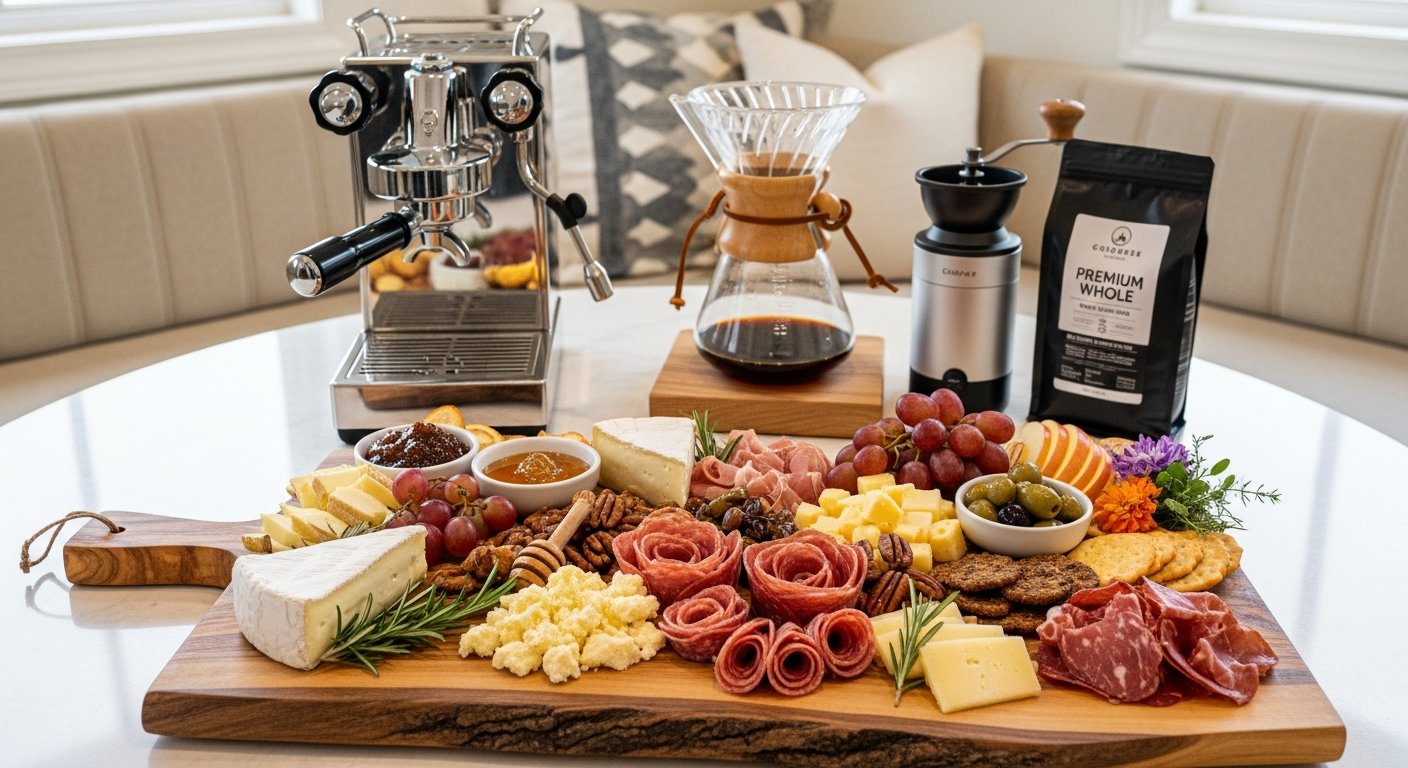
The Ultimate Charcuterie Board Guide 2026: Crafting Edible Art for Every Gathering
The Ultimate Charcuterie Board Guide 2026: Crafting Edible Art for Every Gathering
Welcome, fellow food and coffee lovers, to Cafe Serre – your cozy corner for inspiration and delight! Today, we’re diving fork-first into a topic that has captivated hearts and palates for centuries, and continues to evolve as a cornerstone of modern entertaining: the charcuterie board. More than just an assortment of meats and cheeses, a well-crafted charcuterie board is a symphony of flavors, textures, and colors – an edible masterpiece designed to spark conversation, invite connection, and delight every sense.
In 2026, the charcuterie board isn’t just a trend; it’s a timeless art form that embraces creativity, local sourcing, and thoughtful presentation. It’s the perfect centerpiece for a bustling dinner party, a relaxed brunch with friends, a romantic evening for two, or even a solo indulgence that feels wonderfully luxurious. It’s an expression of hospitality, a curated experience that tells a story with every bite. This comprehensive charcuterie board guide for 2026 will help you master the art of creating stunning, sustainable boards for any gathering.
Perhaps you’ve admired these lavish spreads on social media, or felt a pang of intimidation at the thought of creating one yourself. Fear not! This comprehensive guide is designed to demystify the process, empower your inner artist, and equip you with the knowledge to create stunning, delicious, and memorable charcuterie boards for any occasion. We’ll explore the philosophy behind the board, delve into the essential components, master the art of arrangement, and share practical tips that will make you a charcuterie connoisseur in no time. So, grab your favorite brew, settle in, and let’s embark on this delicious journey together!
By Cafe Serre Culinary Team | Published: 2024-07-29 | Last Modified: 2024-07-29
What is the Philosophy Behind a Charcuterie Board Experience?
At its heart, a charcuterie board transcends mere sustenance. It’s an invitation to slow down, savor, and share. It embodies the spirit of abundance, variety, and connection, transforming a simple meal into a memorable event. In 2026, this philosophy is more relevant than ever, as we seek authentic experiences and mindful consumption.
What is the Charcuterie Spirit: Abundance, Variety, and Connection?
The true magic of a charcuterie board lies in its inherent generosity. It’s about offering a diverse array of tastes and textures, ensuring there’s something to tantalize every palate. This abundance fosters a sense of communal sharing, encouraging guests to interact, discover new favorites, and create their own perfect bites. It’s a choose-your-own-adventure culinary journey, where each combination of meat, cheese, spread, and cracker tells a unique flavor story. The visual feast itself is part of the experience – a sprawling landscape of culinary treasures that beckons exploration.
How Has the Charcuterie Board Evolved in 2026 with Sustainability and Local Sourcing?
As we move further into the decade, conscious consumption and ethical sourcing are no longer niche concerns but mainstream priorities. In 2026, a truly exceptional charcuterie board often reflects these values. This means prioritizing high-quality, ethically raised meats from local butchers, supporting artisanal cheesemakers, and incorporating seasonal fruits and vegetables from farmers’ markets. Look for products with transparent sourcing, minimal packaging, and a commitment to animal welfare. Consider plant-based alternatives that mimic traditional charcuterie, offering delicious options for all dietary preferences. This approach not only elevates the flavor profile of your board but also supports sustainable practices and local economies, making your gathering even more meaningful.
How Do You Set Your Vision for a Charcuterie Board: Theme, Occasion, and Guest Preferences?
Before you even think about ingredients, envision the context of your board. Is it a casual brunch with friends, a sophisticated evening soirée, a festive holiday gathering, or a cozy date night? The occasion will dictate the size, complexity, and even the theme of your board. For more themed party ideas, explore our comprehensive guide.
* Occasion: A romantic board for two might focus on luxurious, high-quality items in smaller quantities, while a party board for twenty will require larger quantities and a broader selection to cater to diverse tastes.
* Theme: You could lean into a regional theme (e.g., Italian-inspired with Prosciutto, Parmigiano-Reggiano, olives, and focaccia), a seasonal theme (autumnal with figs, apples, spiced nuts, and pumpkin spice goat cheese), or even a color theme.
* Guest Preferences: Always consider dietary restrictions or preferences. Offering gluten-free crackers, vegetarian “meats,” or nut-free options ensures everyone can enjoy your creation. Planning for these details upfront will make your charcuterie journey smoother and more inclusive.
What Foundation and Essential Tools Do You Need for a Charcuterie Board?
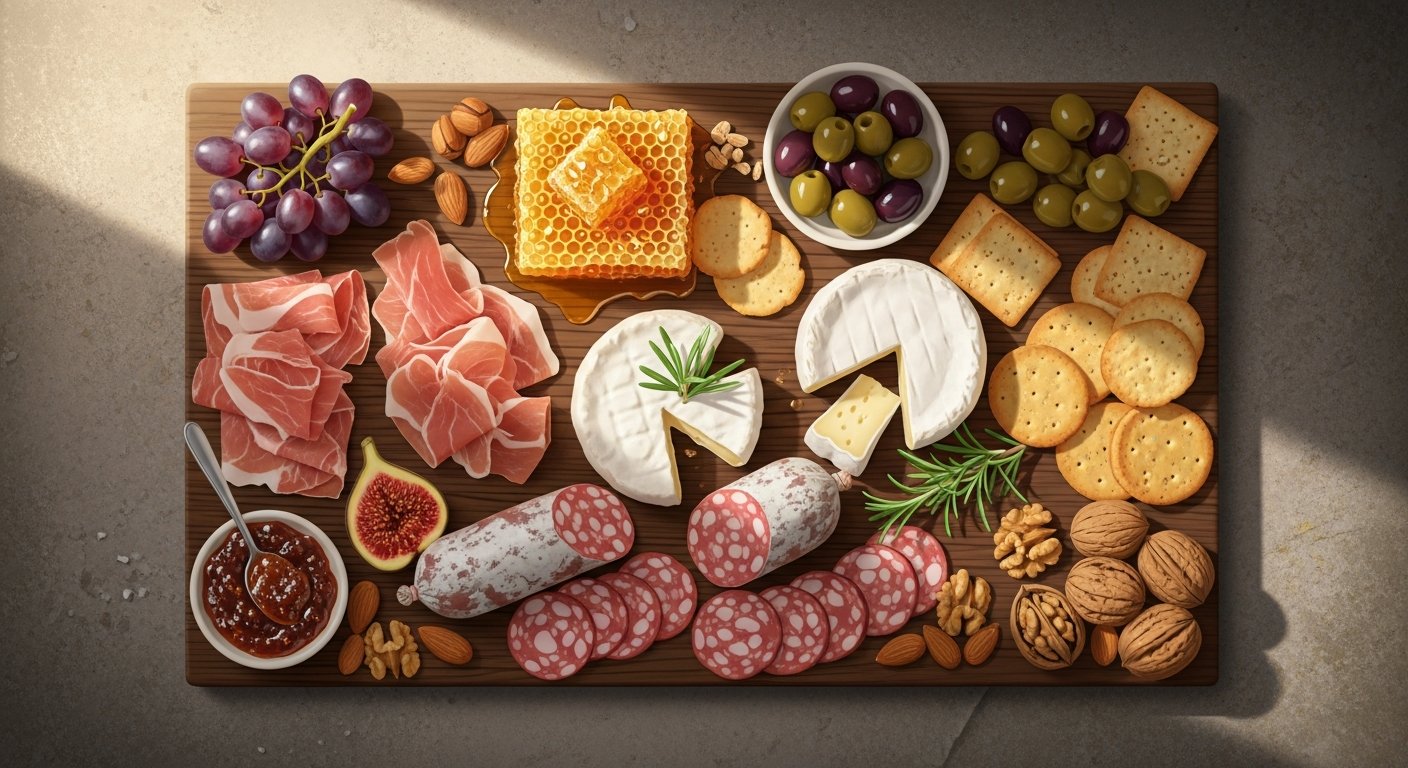
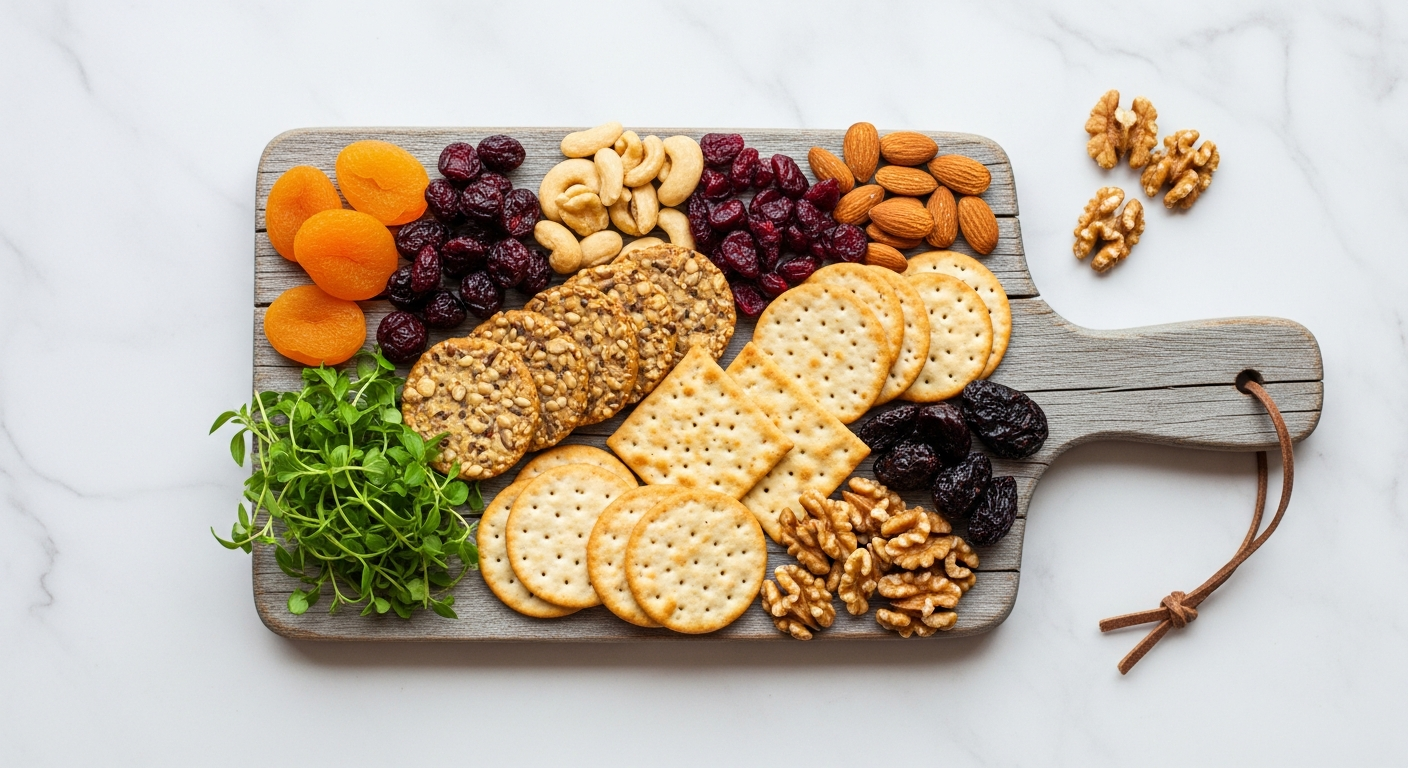
Just as a painter needs a canvas and brushes, a charcuterie artist requires the right foundation and tools. Selecting the perfect board and equipping yourself with essential utensils will not only make the process easier but also enhance the overall aesthetic and functionality of your edible masterpiece.
How Do You Choose Your Charcuterie Board Canvas: Boards of All Shapes and Sizes?
The “board” is your stage, and its choice significantly impacts the presentation. Consider both aesthetics and practicality.
* Wooden Boards: Timeless and rustic, wooden boards (oak, acacia, bamboo, maple) are perhaps the most popular choice. They come in various shapes – rectangular, round, paddle-style – and sizes. For a substantial spread for 6-8 people, aim for a board at least 18×12 inches. For larger gatherings, consider two boards or a very long custom piece.
Tip:* Look for food-safe, sustainably sourced wood. Season regularly with food-grade mineral oil to maintain its beauty and prevent drying.
* Slate Boards: Elegant and modern, slate offers a dramatic dark backdrop that makes colorful ingredients pop. They are also fantastic for labeling items directly with chalk.
Tip:* Slate can be fragile; handle with care. Ensure it’s food-grade and clean thoroughly before use.
* Marble Boards: Luxurious and cool to the touch, marble boards are excellent for keeping cheeses and meats at an optimal temperature, especially in warmer climates. They convey sophistication.
Tip:* Marble is porous and can stain; wipe up spills immediately.
* Ceramic Platters: While not strictly “boards,” large ceramic platters offer a refined alternative, often with raised edges that help contain ingredients. They come in an array of colors and patterns.
When choosing, think about the size of your gathering. A good rule of thumb is to allow enough space for a generous, but not overcrowded, display. Too small, and your board will look cramped; too large, and it might appear sparse.
What is the Indispensable Toolkit for a Charcuterie Board: Knives, Spreaders, and Tongs?
Having the right tools makes serving and enjoying your board a breeze.
* Cheese Knives: A dedicated set is invaluable.
* Soft Cheese Knife: Often features holes in the blade to prevent sticking (e.g., for Brie, Camembert).
* Hard Cheese Knife: A sharp, sturdy knife, sometimes with a pointed tip for breaking off pieces (e.g., for Parmesan, aged Gouda).
* Spreader: A small, blunt knife perfect for spreading soft cheeses, jams, and pâtés.
* Charcuterie Forks/Picks: Small, two-pronged forks or elegant picks are ideal for spearing olives, cornichons, or small pieces of meat without touching other items.
* Small Tongs: Useful for grabbing crackers, larger pieces of meat, or fruit without hand contact, promoting hygiene.
* Serving Spoons: For scooping jams, mustards, or honey from ramekins.
What Prep & Presentation Essentials Do You Need: Ramekins, Labels, and Liners?
These small but mighty items elevate both the practicality and aesthetic of your board.
* Ramekins and Small Bowls: Essential for containing wet items like olives, pickles, jams, and dips, preventing them from mixing with other ingredients and keeping the board tidy. They also add varying heights and visual interest. Use a variety of sizes and materials (ceramic, glass, wood).
* Labels or Food Markers: Particularly useful if you have guests with dietary restrictions or if you’re showcasing unique cheeses or meats. Small chalk labels, paper flags, or even small handwritten cards enhance the guest experience.
* Parchment Paper or Wax Paper: While not always necessary, lining a wooden board with parchment paper can help with cleanup, especially for oily meats or crumbly cheeses. It also provides a barrier, protecting your board from stains and odors over time.
* Small Spoons/Spreaders for Each Ramekin: Prevent flavor cross-contamination and ensure easy access to each condiment.
By thoughtfully selecting your board and assembling this essential toolkit, you’re well on your way to creating a charcuterie experience that is as beautiful as it is delicious.
What are the Star Players: Meats & Cheeses for Your Charcuterie Board?
Personal Finance, Business & E
These are the heart and soul of your charcuterie board, offering a kaleidoscope of flavors, textures, and aromas. The key is to select a diverse range that complements each other, creating an exciting culinary journey for your guests.
What Cured Meats Create a Symphony of Flavors and Textures?
Aim for 3-5 different types of cured meats, offering a variety in spice, fat content, and texture. Think about how they will look and taste together.
* Selection:
* Hard Salami: Varieties like Genoa Salami, Calabrese Salami, or Spanish Chorizo offer a firm texture and robust, often spicy, flavor. Brands like Olli Salumeria or Creminelli Fine Meats are excellent for artisanal quality.
* Soft/Delicate Meats: Prosciutto di Parma, Speck, or Jamón Serrano are thinly sliced, melt-in-your-mouth options with a delicate, salty sweetness. San Daniele prosciutto is a top-tier choice.
* Pâtés and Rillettes: For a richer, spreadable option, consider a duck pâté or a pork rillette. Serve these in small ramekins with a dedicated spreader.
* Specialty Meats: Capicola (spicy cured pork shoulder), Soppressata (a drier, often spicier salami), or Mortadella (Italian cured pork sausage, similar to bologna but with pistachios).
* Plant-Based Alternatives (2026 Trend): For your vegetarian and vegan guests, consider high-quality plant-based “pepperoni” or “salami” slices. Brands like Lightlife or Field Roast offer surprisingly good alternatives that can hold their own on a board.
* Techniques for Arrangement:
* Folding and Rolling: Thinly sliced meats like prosciutto can be elegantly folded into ribbons or loosely rolled into rosettes. This adds height and visual interest.
* Creating ‘Rivers’: Lay thicker salami slices in an undulating line or curve across the board, creating a natural flow. Overlap them slightly to create a sense of abundance.
* Bundles: Group similar meats together, perhaps tied with a sprig of rosemary, for a rustic touch.
What Cheeses Should You Include: From Creamy to Crumbly?
The cheese selection is arguably the most exciting part. Aim for 3-5 different cheeses, ensuring a balance of types, textures, and milk sources (cow, goat, sheep).
* Selection:
* Soft/Creamy:
* Brie or Camembert: Classic, buttery, and approachable. Président or Rougette are widely available and delicious.
* Goat Cheese (Chèvre): Tangy and fresh, often available plain or flavored with herbs or honey. Cypress Grove Chevre offers exquisite options.
* Fresh Mozzarella/Burrata: Creamy and mild, lovely when drizzled with olive oil and a pinch of salt.
* Semi-Hard:
* Gouda: Mild, nutty, and versatile, especially aged Gouda for more depth. Roth Cheese has excellent Goudas.
* Gruyère: Complex, nutty, and fruity, melts beautifully in the mouth.
* Cheddar: From mild white cheddar to sharp, aged orange varieties. Kerrygold Irish Cheddar is a crowd-pleaser.
* Havarti: Buttery and mild, often infused with dill or jalapeño.
* Hard/Aged:
* Parmigiano-Reggiano: Salty, crystalline, and intensely flavorful. Break off irregular chunks rather than slicing.
* Manchego: Spanish sheep’s milk cheese, firm with a distinctive nutty and grassy flavor.
* Aged Provolone: Sharper and firmer than its mild counterpart.
* Blue:
* Gorgonzola: Creamy and pungent, available in Dolce (sweet) or Piccante (sharp) varieties.
* Roquefort: French sheep’s milk blue, intensely salty and tangy.
* Stilton: English blue, rich and creamy with a mellow tang.
* Recommendations: Don’t be afraid to visit your local cheese shop or specialty grocer. Ask for samples and advice! Look for brands that highlight their artisan heritage or organic certification.
* Techniques for Arrangement:
* Wedges: For round cheeses like Brie or Camembert, cut a few wedges and leave the rest whole for guests to cut.
* Slices: For harder cheeses like Gruyère or Cheddar, cut into neat slices or cubes.
* Crumbles: For very hard cheeses like Parmesan or crumbly blues, break them into irregular, rustic chunks.
* Room Temperature: Always bring cheeses to room temperature for at least 30 minutes (up to an hour for harder cheeses) before serving. This allows their full flavor and aroma to develop.
How Much Meat and Cheese Per Person for a Charcuterie Board?
Portioning is crucial to ensure enough variety without overwhelming your guests or wasting food.
* General Guideline: Plan for about 2-3 ounces of total charcuterie (meat and cheese combined) per person if the board is an appetizer. If it’s the main event, increase to 4-6 ounces per person.
* Variety Over Quantity: It’s better to have smaller amounts of many different items than large quantities of just a few.
* Consider the Occasion: For a longer event, you might need more, or plan for a refresh. For a quick bite, less is more.
What are the Supporting Cast: Accompaniments & Garnishes for a Charcuterie Board?
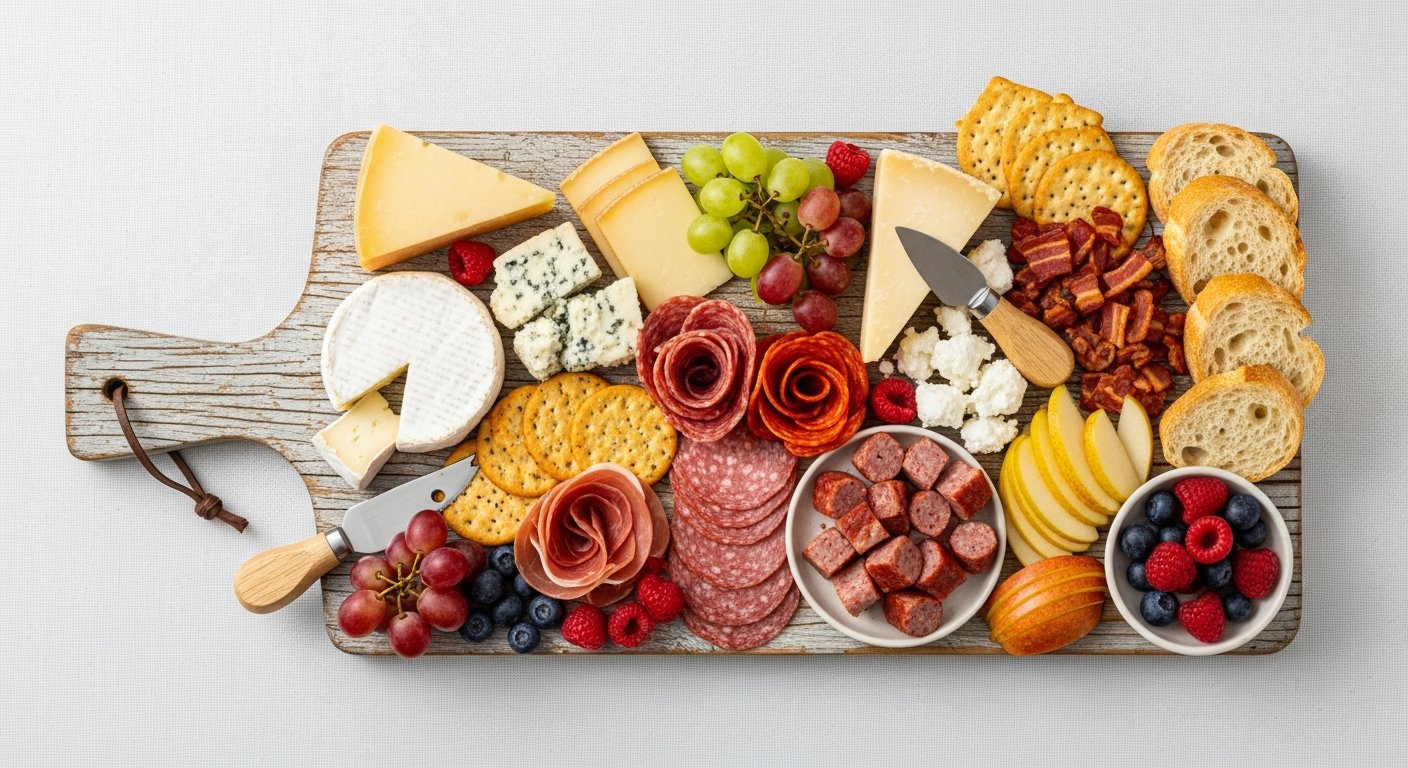
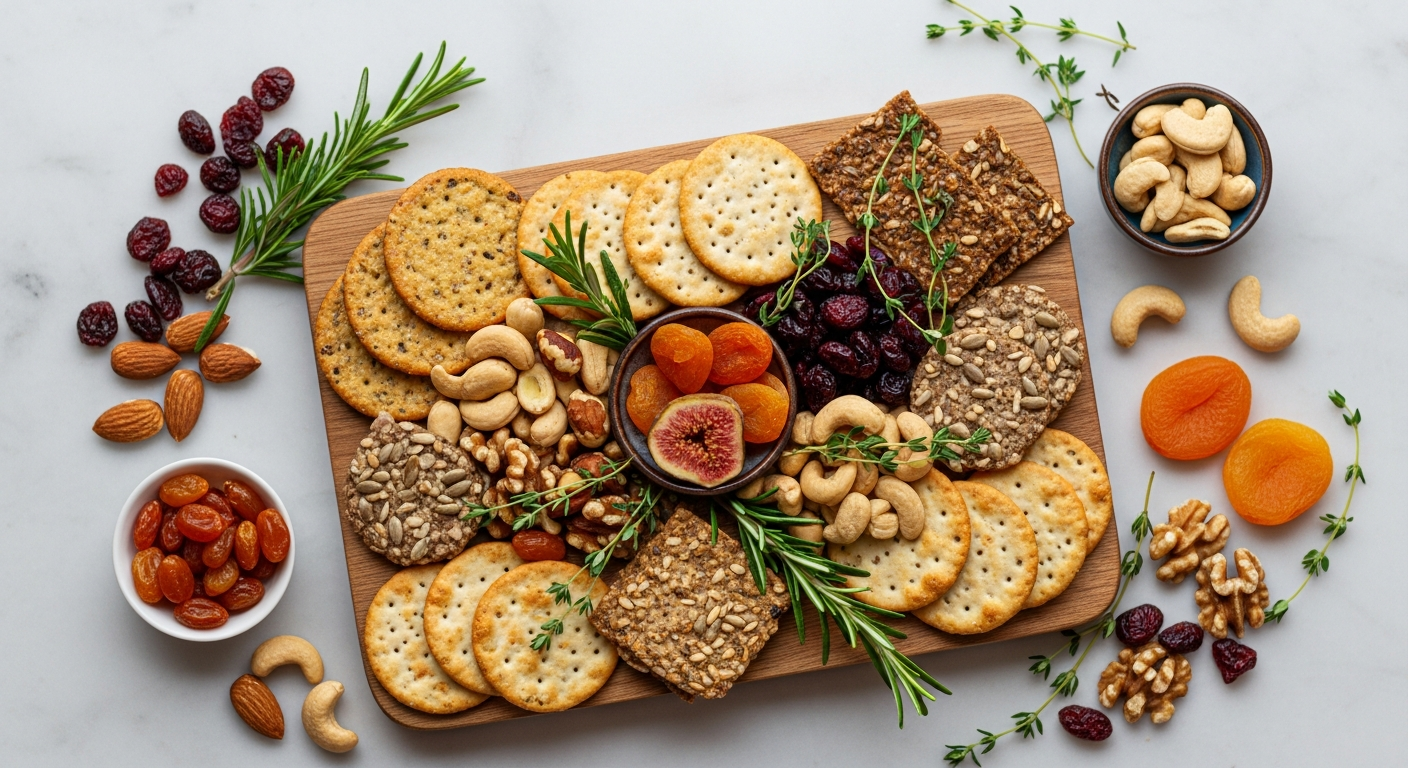
While meats and cheeses are the stars, the accompaniments are the unsung heroes that complete the flavor profile, add crucial texture, and infuse the board with vibrant color. These elements act as palate cleansers, flavor enhancers, and visual delights. For more appetizer recipes for entertaining, check out our collection.
What Bread & Cracker Crew Carriers for Flavor Should You Include?
These are the essential vehicles for your meats, cheeses, and spreads. Offer a variety of textures and flavors.
* Baguette: Sliced thinly and perhaps lightly toasted, a fresh baguette is classic and versatile.
* Artisan Crackers: Choose a selection with different textures – some crisp and thin (like Carr’s Water Biscuits), some hearty and seedy (like Raincoast Crisps or Trader Joe’s Fig & Olive Crisps), and some plain to let the cheese shine.
* Sourdough or Rustic Bread: Cut into cubes or slices for a more substantial bite.
* Gluten-Free Options: Always include a dedicated gluten-free cracker or rice cake option for guests with dietary needs. Mary’s Gone Crackers offers excellent choices.
* Breadsticks: Add a fun, structural element.
What Sweet & Savory Spreads: Jams, Honey, and Mustards are Best?
These condiments introduce crucial sweet, tangy, or spicy notes that cut through the richness of meats and cheeses.
* Fruit Jams/Preserves: Fig jam is a charcuterie classic, pairing beautifully with almost any cheese. Apricot, cherry, or raspberry preserves also work wonderfully. Look for high-quality brands like Bonne Maman.
* Honey: A drizzle of local, raw honey elevates blue cheeses and sharp cheddars. Consider hot honey for a spicy kick.
* Mustards: A coarse whole-grain mustard offers texture and tang, while a smooth Dijon provides a sharp counterpoint.
* Chutneys: Onion or apple chutney can add a sweet and savory complexity.
* Dips: Hummus or a creamy pesto can be a great addition, especially for vegetarian options.
What Pickled & Briny Bites: Olives, Cornichons, and Artichoke Hearts Enhance a Charcuterie Board?
These acidic elements are essential for cleansing the palate and adding a piquant contrast.
* Olives: Offer a mix of green and black olives – Castelvetrano (buttery, mild), Kalamata (fruity, briny), or a spicy olive mix. Divina offers excellent varieties. Pit them for easier eating if possible.
* Cornichons: Tiny, tart pickled cucumbers are a charcuterie staple, providing a delightful crunch and tang.
* Pickled Onions/Peppers: Offer a vibrant color and sharp flavor.
* Marinated Artichoke Hearts: Tender and slightly acidic, they add another layer of texture.
What Fresh & Dried Fruits Add a Pop of Color and Sweetness?
Fruits add natural sweetness, freshness, and often stunning visual appeal.
* Fresh Fruits: Grapes (red and green), berries (raspberries, blueberries, blackberries), sliced apples or pears (toss in lemon juice to prevent browning), fresh figs (in season, they are a showstopper), orange segments.
* Dried Fruits: Dried apricots, dates, figs, cranberries, or cherries offer concentrated sweetness and a chewy texture. They are excellent for filling small gaps on the board.
What Nuts & Seeds Provide Crunch and Earthy Notes?
Nuts provide a satisfying crunch and a rich, earthy flavor.
* Almonds: Roasted or smoked.
* Walnuts: Earthy and slightly bitter, excellent with blue cheese.
* Pistachios: Beautiful green color and distinctive flavor.
* Candied Pecans/Walnuts: A sweet and crunchy treat that pairs well with savory elements.
* Pumpkin Seeds/Sunflower Seeds: For those with nut allergies or just for added variety.
What Green Touch: Fresh Herbs & Edible Flowers Elevate a Charcuterie Board?
Don’t underestimate the power of garnishes. They add aroma, freshness, and a professional finish.
* Fresh Herbs: Sprigs of rosemary, thyme, or basil scattered around the board add a natural, aromatic touch and vibrant green color.
* Edible Flowers: Pansies, nasturtiums, or borage flowers provide a beautiful, delicate pop of color and can be surprisingly flavorful. Ensure they are food-grade and pesticide-free.
By carefully curating these supporting elements, you create a dynamic and exciting charcuterie experience where every bite offers a new combination of flavors and textures.
How to Master Artful Arrangement: Crafting Your Edible Masterpiece?
This is where your creativity truly shines! Arranging a charcuterie board is an art form, transforming a collection of ingredients into a visually stunning, abundant, and inviting spread. The goal is to make it look effortless yet intentionally beautiful. For more table setting ideas for parties, check out our guide.
What is the “S” Curve and Beyond: Strategic Placement for Charcuterie Boards?
Think of your board as a landscape. You want to guide the eye and create a sense of flow.
* Start with the Anchors: Begin by placing your largest items first – the cheeses (whole blocks or large wedges) and any large ramekins of spreads or olives. Distribute them evenly across the board, creating focal points.
* Create “Rivers” of Meat: Arrange your cured meats in flowing lines, gently overlapping slices to create a sense of abundance. An “S” curve is a popular technique that adds dynamic movement to the board. Don’t be afraid to fold or roll meats for height and texture.
* Group Similar Items: Keep similar items, like different types of crackers or nuts, clustered together, but ensure they are near complementary items (e.g., crackers near cheese).
* Balance and Asymmetry: Aim for a balanced look, but perfect symmetry isn’t necessary. Embrace a slightly organic, abundant feel. Distribute colors and textures evenly throughout the board.
How Do Texture, Color, and Height Create a Visual Feast on a Charcuterie Board?
A truly captivating board engages all the senses, starting with sight.
* Vary Textures: Contrast the smoothness of cheese with the rough texture of nuts, the crispness of crackers, and the juiciness of fresh fruit.
* Play with Color: Use a wide palette. The vibrant reds of berries, the deep greens of olives and herbs, the creamy whites of cheese, and the earthy tones of meats create a stunning visual mosaic. Think about how colors will pop against each other.
* Add Height and Dimension: This is key to making your board look lush and professional.
* Use small bowls and ramekins to elevate items.
* Stack crackers or breads.
* Fold meats in different ways.
* Place a small bunch of grapes or a sprig of rosemary to stand up slightly.
* Position larger pieces of fruit (like halved figs) to create visual interest.
What is the Art of the “Fill”: No Empty Spaces on a Charcuterie Board?
A hallmark of a professional-looking charcuterie board is its generous, overflowing appearance – leaving no blank spots.
* Cram it In (Artfully!): Once your main components are placed, start filling in all the gaps. This is where your smaller items come into play.
* Small Fruits & Berries: Scatter grapes, blueberries, or raspberries into any empty crevices.
* Nuts & Seeds: Sprinkle small handfuls of nuts or seeds to fill in little pockets, adding texture and preventing a sparse look.
* Herbs & Edible Flowers: Tuck sprigs of rosemary or thyme into corners or between cheese wedges. They add a fresh aroma and a final touch of natural beauty.
* Don’t Be Afraid to Overlap: A slight overlap of ingredients creates a luxurious, abundant feel.
What Pre-Boarding Prep: Timing is Everything for a Charcuterie Board?
Thoughtful planning before arrangement makes the process smoother and ensures freshness.
* Shop Smart: Purchase non-perishable items (crackers, dried fruits, olives) well in advance. Buy fresh produce and meats 1-2 days before.
* Wash and Chop: Wash all fruits and vegetables. Slice cheeses, meats, and breads just before assembly (or up to an hour before for cheeses/meats, storing them separately and covered in the fridge).
* Temperature Control: Meats and cheeses are best served at room temperature to allow their flavors to fully develop, but don’t leave them out for too long (more than 2 hours is generally not recommended). Take them out of the fridge about 30-60 minutes before serving.
* Set Up Your Station: Have all your ingredients prepped, bowls ready, and tools laid out before you begin arranging. This streamlines the process and reduces stress.
By following these principles, you’ll transform a collection of delicious ingredients into a captivating edible landscape that invites exploration and enjoyment.
How to Serve & Savor: Tips for a Seamless Charcuterie Experience?
The charcuterie board is a feast for the eyes, but it’s also meant to be enjoyed. Thoughtful serving practices ensure your guests have the best possible experience, from the first bite to the last. This is part of the art of home entertaining.
Why Does Temperature Matter: The Goldilocks Zone for Charcuterie Boards?
The right temperature can make or break the flavor experience.
* Cheeses: As mentioned, cheeses are at their most flavorful when served at room temperature. Remove them from the refrigerator 30-60 minutes before serving, depending on their density. This allows their complex aromas and textures to fully express themselves.
* Cured Meats: Cured meats can be served slightly cooler than cheeses. If they’ve been refrigerated, let them sit out for 15-20 minutes to lose their chill. They don’t need to be fully room temperature but shouldn’t be ice-cold.
* Spreads and Fruits: Jams, honey, and most fruits are best served at room temperature.
* Safety First: Remember the “2-hour rule.” Perishable foods should not be left at room temperature for more than two hours. If you’re hosting a longer event, consider having a backup board or replenishing components. For outdoor events in warm weather, keep the board in a cooler until serving, and consider smaller, rotating boards.
How Do You Replenish & Refresh a Charcuterie Board: Keeping it Alive?
For longer gatherings, your charcuterie board might need a little TLC to stay appealing.
* Pre-Prepped Backups: Have pre-sliced cheeses, folded meats, and washed fruits ready in the refrigerator. When the board starts to look depleted, you can quickly add fresh items.
* Strategic Replacement: Instead of completely rebuilding, focus on replenishing the most popular items. You can also re-arrange remaining items to make the board look full again.
* Remove Crumbs and Debris: Keep a small, clean cloth or brush handy to discreetly wipe away any crumbs or stray bits, maintaining a tidy appearance.
* Replace Utensils: If serving spoons or tongs become messy, replace them with clean ones.
What Dietary Considerations are Important for Charcuterie Boards: Labeling and Alternatives?
Inclusivity is key to good hospitality. Being mindful of your guests’ dietary needs ensures everyone feels welcome and can enjoy the spread.
* Labels are Your Friend: Use small chalk labels or elegant paper flags to identify cheeses (especially for different milk types), meats, and any items that are gluten-free, nut-free, or vegan. This is particularly helpful for common allergens.
* Dedicated Sections: If you have guests with severe allergies (e.g., nuts, gluten), consider creating a small, separate mini-board for them, clearly labeled, to prevent cross-contamination.
* Plant-Based Options: As mentioned earlier, include high-quality vegan “meats” and “cheeses,” or focus on robust plant-based options like hummus, roasted red pepper dip, marinated artichoke hearts, and plenty of fresh and dried fruits and vegetables.
* Allergen Awareness: Be aware of common allergens like nuts, dairy, and gluten. If you’re unsure, it’s always best to ask your guests in advance.
What Drink Pairings Elevate the Charcuterie Board Experience?
The right beverage can beautifully complement and enhance the flavors on your charcuterie board.
* Wine:
* Red: Lighter-bodied reds like Pinot Noir or Beaujolais pair well with a variety of meats and cheeses without overpowering them. Medium-bodied options like Merlot or Chianti are also excellent.
* White: Crisp whites like Sauvignon Blanc or Pinot Grigio cut through richness. Oaked Chardonnay can stand up to creamier, richer cheeses.
* Sparkling: Champagne, Prosecco, or Cava are incredibly versatile, their effervescence and acidity acting as a palate cleanser.
By considering these serving and savoring tips, you ensure that your charcuterie board is not only a visual delight but also a truly enjoyable and inclusive culinary experience for all your guests.
Frequently Asked Questions About Charcuterie Boards
How much meat and cheese per person for a charcuterie board?
For an appetizer, plan for about 2-3 ounces of total charcuterie (meat and cheese combined) per person. If the charcuterie board is the main event, increase this to 4-6 ounces per person.
What are the best cheeses for a charcuterie board?
A balanced selection includes 3-5 different cheeses, offering a variety of textures and milk sources. Aim for a soft/creamy cheese (like Brie or Goat Cheese), a semi-hard cheese (like Gouda or Cheddar), a hard/aged cheese (like Parmigiano-Reggiano or Manchego), and optionally a blue cheese (like Gorgonzola or Stilton).
What are good accompaniments for a charcuterie board?
Essential accompaniments include a variety of crackers and breads, sweet and savory spreads (jams, honey, mustards), pickled items (olives, cornichons), fresh and dried fruits (grapes, figs, apricots), and nuts (almonds, walnuts). Fresh herbs and edible flowers can also add a beautiful finishing touch.
How do you arrange a charcuterie board to look professional?
Start by placing anchor items like cheeses and ramekins. Then, create “rivers” of cured meats, folding or rolling them for height. Group similar items, balance colors and textures, and fill all empty spaces with smaller fruits, nuts, and herbs to create an abundant, overflowing appearance.
How long can a charcuterie board sit out?
Perishable foods on a charcuterie board, such as meats and cheeses, should not be left at room temperature for more than two hours to ensure food safety. If you’re hosting a longer event, consider replenishing items or keeping backups refrigerated.