Coffee Brewing Methods Compared: Find Your Perfect Brew
Your Ultimate Guide to Coffee Brewing Methods: A 2026 Perspective
The Foundation: Why Your Brewing Method Matters
Before we dive into the specifics, let’s talk about why choosing the right brewing method is so crucial. Think of it like cooking: you wouldn’t use a slow cooker for a quick stir-fry, nor would you deep-fry a delicate soufflé. Each method extracts different compounds from the coffee grounds, influencing its body, acidity, sweetness, and overall flavor profile. Factors like contact time, water temperature, grind size, and pressure all play a role, creating a unique sensory experience. In 2026, with an increasing emphasis on specialty coffee and transparent sourcing, understanding these variables empowers us to honor the hard work of farmers and roasters by bringing out the very best in every bean.
The Art of Extraction: Pour Over Perfection
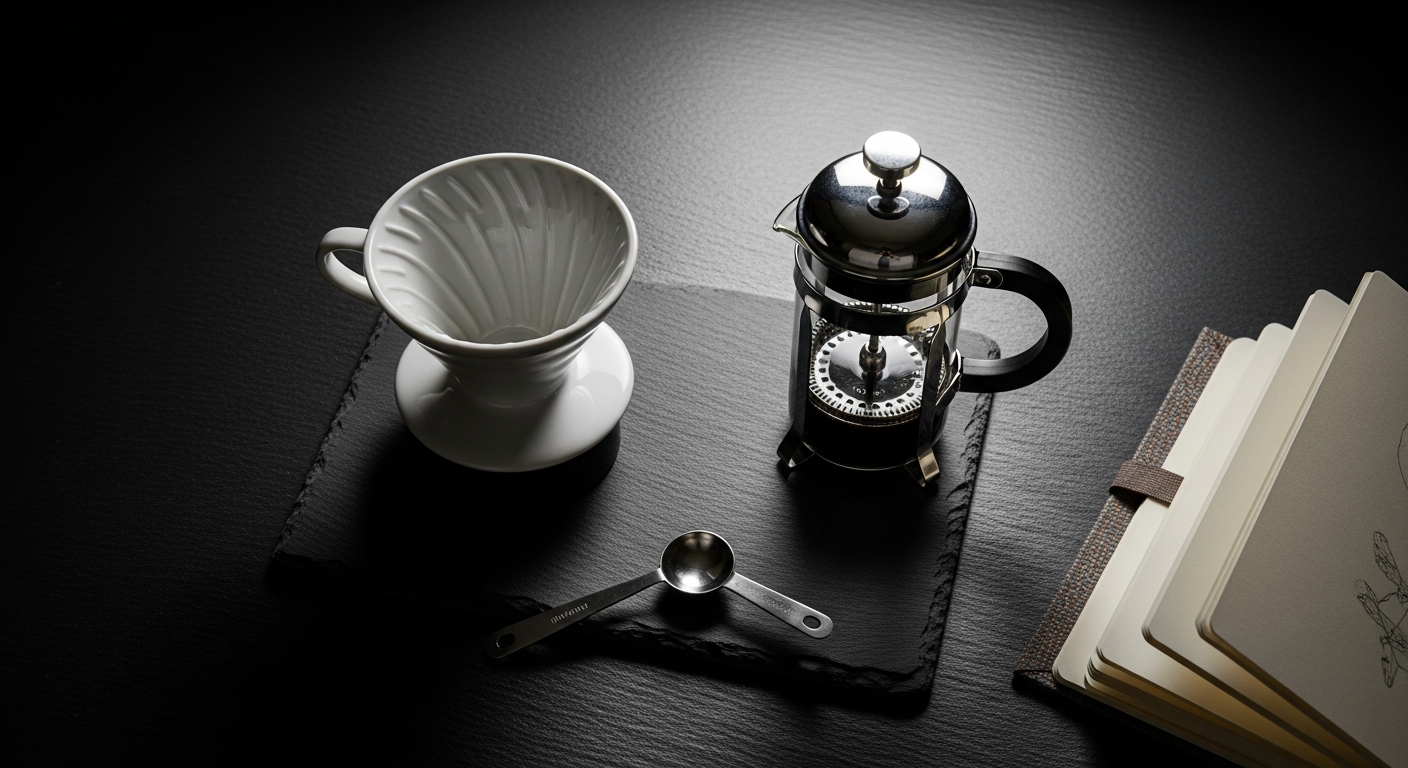
Ah, pour over. For many, this method embodies the meditative ritual of coffee brewing. It’s a delicate dance of water, gravity, and carefully ground beans, yielding a clean, bright, and nuanced cup. The pour-over method relies on hot water slowly passing through a bed of coffee grounds in a cone-shaped filter, extracting flavors as it drips into a carafe below. It’s an immersion-percolation hybrid, offering incredible control over variables like bloom, pour rate, and saturation. As we head into 2026, we see more smart kettles and automated pour-over systems making this art form more accessible, but the fundamental joy of manual brewing remains.
The Iconic Hario V60
The Hario V60, with its signature 60-degree cone and internal ridges, is a minimalist marvel designed for maximum extraction. Its large hole at the bottom encourages a fast flow rate, demanding a precise pour to ensure even saturation.
* Flavor Profile: Bright, clean, crisp, with a light body and pronounced acidity. It truly highlights the delicate floral and fruity notes of lighter roasts.
- Ideal Beans: Light to medium roasts, especially single-origin coffees with distinct flavor characteristics (e.g., Ethiopian Yirgacheffe, Kenyan AA).
- Technique Tips: Aim for a medium-fine grind, similar to table salt. Use a gooseneck kettle like the Fellow Stagg EKG Electric Kettle for precise temperature control (195-205°F / 90-96°C) and pour control. Start with a “bloom” – pour twice the weight of coffee in water (e.g., 30g water for 15g coffee) and let it sit for 30-45 seconds to degas. Then, pour slowly in concentric circles, keeping the water level consistent. A total brew time of 2:30 to 3:30 minutes is ideal for a 15-20g dose.
- Product Recommendation: Hario V60 Ceramic Dripper (Size 02) with Hario V60 filters. A good digital scale like the Acaia Pearl Model S is also invaluable.
The Elegant Chemex
The Chemex stands out with its elegant hourglass shape and proprietary thick paper filters. These filters are about 20-30% thicker than standard filters, leading to a remarkably clean cup with very little sediment and a lighter body.
* Flavor Profile: Exceptionally clean, sweet, and bright, with a delicate body and almost no bitterness. It’s often described as tasting “pure.”
- Ideal Beans: Medium to light roasts. Excellent for showcasing nuanced flavors.
- Technique Tips: Use a coarser grind than the V60, closer to sea salt. The thicker filter slows the brew time, so a coarser grind prevents over-extraction. Preheat the Chemex with hot water, then rinse the filter thoroughly. The brewing process is similar to the V60, but expect a longer total brew time (4-5 minutes for a larger batch).
- Product Recommendation: Chemex Classic Series Coffeemaker (6-cup) and Chemex Bonded Filters (pre-folded circles or squares).
The User-Friendly Kalita Wave
The Kalita Wave offers a more forgiving pour-over experience, thanks to its flat bottom and three extraction holes. This design promotes more even saturation, reducing the chances of channeling and making it a favorite for those new to pour-over.
* Flavor Profile: Balanced, sweet, and clean, with a medium body. It offers a great middle ground between the V60’s brightness and a fuller immersion brew.
- Ideal Beans: Versatile, works well with a wide range of roasts from light to medium-dark.
- Technique Tips: Use a medium grind, slightly finer than Chemex. The flat bed makes it easier to achieve even saturation with less precise pouring. Aim for a brew time of 3-4 minutes.
- Product Recommendation: Kalita Wave Dripper (185 series, stainless steel or glass) and Kalita Wave Filters (185 series).
The Immersive Experience: Full Contact Brewing
Full immersion brewing methods allow coffee grounds to steep completely in hot water for an extended period, leading to a rich, full-bodied, and often bolder cup. This style of brewing is incredibly forgiving and excellent for those who appreciate a robust flavor.
The Classic French Press
The French Press is a timeless classic, beloved for its simplicity and the rich, full-bodied coffee it produces. It’s an unadulterated experience, with all the coffee oils and fine sediments making their way into your cup.
* Flavor Profile: Robust, full-bodied, rich, and often earthy, with a pleasant mouthfeel. It can be complex, showcasing inherent sweetness and bitterness.
- Ideal Beans: Medium to dark roasts. Excellent for blends and coffees that stand up to a strong brew.
- Technique Tips: Use a coarse, uniform grind (like breadcrumbs) to prevent sediment. Use water just off the boil (around 200°F / 93°C). The standard ratio is 1:15 (coffee to water), so for 30g of coffee, use 450g of water. Pour water over grounds, stir gently, and steep for 4 minutes. Slowly plunge.
- Product Recommendation: Bodum Chambord French Press (various sizes). For grinding, a burr grinder like the Baratza Encore ESP is essential to avoid fines.
The Versatile AeroPress
The AeroPress, a relative newcomer, has taken the coffee world by storm with its portability, versatility, and ability to brew everything from espresso-like concentrates to smooth, full-bodied coffee. It uses a combination of immersion and pressure.
* Flavor Profile: Clean, rich, and concentrated, with low acidity and bitterness. It’s incredibly adaptable depending on the recipe.
- Ideal Beans: Highly versatile, works well with almost any roast, from light to dark.
- Technique Tips: Grind size varies from fine to medium-fine depending on your desired result. Water temperature can range from 175-205°F (79-96°C). Experiment with the “inverted method” to prevent dripping during immersion. Brew time is typically short, 1-2 minutes. The beauty of the AeroPress is its endless recipe possibilities – look up “AeroPress recipes” online for inspiration!
- Product Recommendation: AeroPress Original or the more compact AeroPress Go for travel.
The Clever Dripper
The Clever Dripper uniquely combines the best of both worlds: the full immersion of a French Press with the clean cup of a pour-over. It features a stopper at the bottom, allowing you to control the steep time before releasing the brew.
* Flavor Profile: Full-bodied yet clean, sweet, and balanced. It offers the richness of immersion without the sediment.
- Ideal Beans: Excellent with medium to dark roasts, but also brings out sweetness in lighter roasts.
- Technique Tips: Use a medium grind, similar to a V60. Add coffee, then water (around 200°F / 93°C). Stir gently to ensure all grounds are saturated. Steep for 2-4 minutes, then place the Clever Dripper on your mug or carafe to release the coffee.
- Product Recommendation: Clever Dripper (Large) and standard No. 4 cone filters.
The Power of Pressure: Espresso and Beyond
Espresso is more than just a brewing method; it’s a foundation for countless coffee drinks and a concentrated burst of flavor that truly showcases a bean’s character. It relies on forcing hot, pressurized water through finely ground coffee.
Traditional Espresso Machines
For the ultimate control and a true cafe experience at home, a traditional espresso machine is the way to go. In 2026, we’re seeing more smart features, quieter pumps, and even more compact designs for home use.
* Flavor Profile: Intense, rich, complex, with a syrupy body and a beautiful crema on top. It’s a concentrated essence of the coffee.
- Ideal Beans: Traditionally darker roasts and espresso blends are used, but modern specialty coffee culture embraces lighter, single-origin espressos for their vibrant acidity and complex fruit notes.
- Technique Tips: Requires a very fine, consistent grind (like powdered sugar), ideally from a dedicated espresso grinder like the Eureka Mignon Specialita. Water temperature is crucial, typically 195-205°F (90-96°C). Aim for a 1:2 brew ratio (e.g., 18g coffee, 36g espresso) in 25-30 seconds. Practice is key to mastering the tamp and extraction.
- Product Recommendation: For beginners, the Breville Barista Express Impress offers an integrated grinder and assisted tamping. For enthusiasts, the Rancilio Silvia Pro X paired with a separate grinder is a fantastic choice.
Manual Lever Machines & Portable Espresso
The allure of manual lever machines like the Flair Espresso Maker or Cafelat Robot lies in their tactile feedback and the incredible control they offer over pressure profiling, leading to truly exceptional shots. For ultimate portability, devices like the Wacaco Picopresso deliver surprisingly good espresso on the go.
* Flavor Profile: Can range from intensely sweet and syrupy to brightly acidic, depending on the operator’s skill and chosen pressure profile. Often noted for incredible clarity of flavor.
- Ideal Beans: Often lighter to medium roasts that thrive with nuanced extraction.
- Technique Tips: These require dedication and a good understanding of espresso fundamentals. Grind consistency is paramount. Experimentation with pre-infusion and pressure ramps is encouraged.
- Product Recommendation: Flair 58 or Cafelat Robot for home, Wacaco Picopresso for travel.
The Convenience Factor: Automatic Drip and Pod Systems
For those busy mornings when time is of the essence, automatic drip coffee makers and single-serve pod systems offer unparalleled convenience. While often maligned by purists, advancements in technology mean you can still achieve a very respectable cup.
SCA Certified Automatic Drip Brewers
Not all drip machines are created equal. The Specialty Coffee Association (SCA) certifies brewers that meet strict technical requirements for brew temperature, contact time, and uniformity.
* Flavor Profile: Generally clean, balanced, and consistent. A good SCA-certified machine can produce a cup on par with a decent pour-over, but with less effort.
- Ideal Beans: Versatile, but medium roasts tend to shine.
- Technique Tips: Use a medium grind, similar to pour-over. Always use fresh, filtered water. Preheat the carafe. Clean your machine regularly to prevent mineral buildup. The key to good drip coffee is quality beans and a good machine.
- Product Recommendation: The Moccamaster KBGV Select is a long-standing favorite for its build quality and consistent brewing. The Bonavita Connoisseur is another excellent, more budget-friendly option.
Single-Serve Pods (with a caveat)
While often criticized for their environmental impact and typically lower quality coffee, pod systems like Nespresso Vertuo or Keurig K-Elite continue to dominate the convenience market. Improvements in pod technology and the availability of specialty coffee pods are slowly changing perceptions.
* Flavor Profile: Varies wildly by brand and pod. Generally less complex than other methods, but can be surprisingly good for convenience.
- Ideal Beans: Pre-ground and sealed in pods. Look for brands that source specialty coffee and use compostable or recyclable pods.
- Technique Tips: Always use filtered water. Run a plain water cycle before brewing to rinse and preheat. Don’t let pods sit in the machine for too long after brewing.
- Product Recommendation: For Nespresso lovers, explore third-party specialty coffee pods from roasters like Blue Bottle Coffee or Peet’s Coffee for improved quality and sustainability efforts.
The Patient Brew: Cold Brew
Cold brew is an entirely different beast, using time instead of heat to extract flavors. This full immersion method results in a concentrate that’s smooth, low in acidity, and incredibly refreshing, perfect for warm weather or for making iced coffee.
Immersion Cold Brew
The most common method, simply steeping coarsely ground coffee in cold water for an extended period.
* Flavor Profile: Smooth, low acidity, naturally sweet, with a heavy body and often chocolatey or nutty notes.
- Ideal Beans: Medium to dark roasts. Bold, robust flavors stand up well to the long extraction.
- Technique Tips: Use a very coarse grind (like rock salt) to minimize sediment. A coffee-to-water ratio of 1:8 to 1:5 (for a concentrate) is common. Steep for 12-24 hours in the refrigerator. Filter through a fine-mesh sieve, then through cheesecloth or a paper filter for ultimate clarity.
- Product Recommendation: A large mason jar or dedicated cold brew maker like the OXO Brew Cold Brew Coffee Maker.
Cold Drip Tower
For the truly dedicated, a cold drip tower (or Kyoto-style cold brew) is a sight to behold. It slowly drips cold water over coffee grounds, resulting in a cleaner, brighter cold brew.
* Flavor Profile: Clean, complex, and often brighter than immersion cold brew, with distinct notes preserved.
- Ideal Beans: Lighter to medium roasts, allowing their delicate flavors to shine without the harshness of hot water.
- Technique Tips: Requires patience, as a brew can take 6-12 hours. Grind size is typically medium-coarse. The slow drip rate is critical for proper extraction.
- Product Recommendation: yama Glass Cold Brew Drip Tower.
The Stovetop Siren: Moka Pot
The Moka Pot, a classic Italian invention, brews coffee by passing hot, pressurized water vapor through ground coffee. It’s often mistakenly called “stovetop espresso,” but it produces a strong, concentrated coffee that’s somewhere between drip and espresso.
* Flavor Profile: Rich, bold, and intense, with a heavier body and a slight bitterness. It’s often used as a base for milk drinks.
- Ideal Beans: Medium to dark roasts, classic Italian espresso blends work beautifully.
- Technique Tips: Use a medium-fine grind, slightly coarser than espresso. Fill the water chamber just below the safety valve with hot water (this prevents the coffee from “cooking” and becoming burnt-tasting). Don’t tamp the coffee. Brew on medium-low heat. Remove from heat as soon as the coffee flows into the upper chamber, before it starts to sputter.
- Product Recommendation: Bialetti Moka Express (various sizes).
FAQs: Your Coffee Conundrums Answered
We often get asked common questions about brewing, so here are some quick answers to help you on your coffee journey:
Q1: What’s the single most important piece of equipment for better coffee?
A1: Without a doubt, a high-quality burr grinder. Grinding fresh beans right before brewing and achieving a consistent, uniform grind size for your chosen method makes a monumental difference in flavor extraction. A grinder like the Baratza Encore ESP for entry-level or the Niche Zero for enthusiasts will elevate any brew.
Q2: How do I know if my grind size is correct for my brewing method?
A2: The taste of your coffee is your best indicator! If it tastes sour or weak, your grind might be too coarse (under-extracted). If it tastes bitter or astringent, your grind might be too fine (over-extracted). Adjust one variable at a time – usually grind size – until you hit that sweet spot.
Q3: Is it worth investing in a special kettle for pour-over?
A3: Absolutely. A gooseneck kettle, especially one with temperature control like the Fellow Stagg EKG, provides crucial precision for pour-over methods. It allows for a slow, steady, and even pour, which is vital for proper extraction and consistency.
Q4: What’s the best way to store coffee beans to keep them fresh?
A4: Store whole beans in an airtight container, away from light, heat, and moisture. A dark, cool pantry is ideal. Avoid the refrigerator or freezer for everyday storage, as temperature fluctuations can introduce moisture and stale flavors. Try a vacuum-sealed container like the Fellow Atmos Vacuum Canister. Always buy fresh, small batches!
Q5: Looking ahead to 2026, what are some emerging trends in home brewing?
A5: We’re seeing a big push towards smart brewing devices with app control for precision, greater emphasis on sustainable brewing practices (compostable filters, eco-friendly machines), and an explosion of interest in hyper-personalized brewing. Expect more machines that learn your preferences and recommend recipes, alongside a continued passion for manual methods and specialty beans.
Embrace the Journey, One Cup at a Time
As we’ve explored the diverse world of coffee brewing methods, it’s clear that there’s no single “best” way to make coffee. The true beauty lies in the journey of discovery, the joy of experimentation, and the ultimate satisfaction of crafting a cup that perfectly suits your palate. In 2026, whether you’re meticulously hand-pouring a V60, effortlessly brewing with an SCA-certified drip machine, or exploring the depths of cold brew, remember that every step is an opportunity to connect with your coffee and elevate your daily ritual. So, go forth, experiment, and savor every magnificent drop. Your perfect cup awaits!
Reviewed by Daniel Miller, Senior Editor, Culinary & Culture — Last reviewed: June 09, 2026