
Coffee and Food Culture: A Complete Lifestyle Guide 2026
Coffee and Food Culture: A Complete Lifestyle Guide 2026
Welcome to the ultimate guide for integrating specialty coffee and exquisite food into a mindful, sustainable, and joyful lifestyle. At Café Serre, we believe that the pursuit of exceptional coffee and delicious food is more than just a daily ritual; it’s a journey of discovery, connection, and conscious living. As we navigate towards 2026, the landscape of culinary and coffee experiences is evolving, embracing deeper values of sustainability, ethical sourcing, and personal well-being. This comprehensive pillar page is designed to be your compass, exploring everything from the rich traditions of global cafe culture to the intricate art of food pairing, the importance of ethical choices, and practical tips for enhancing your everyday culinary adventures. Whether you’re a seasoned barista, a home cook, a curious foodie, or someone simply looking to enrich your daily routines, join us as we delve into the heart of coffee and food culture, offering insights and inspiration to cultivate a lifestyle that nourishes both body and soul.
TL;DR: This guide offers a holistic look at coffee and food culture, emphasizing global traditions, sustainable practices, mindful consumption, and the joy of culinary exploration. Discover how to elevate your daily coffee and meal experiences through ethical sourcing, thoughtful pairing, and engaging with vibrant food communities. Embrace a lifestyle that values quality, sustainability, and personal well-being in every sip and bite.
What is Global Cafe Culture and Its Diverse Traditions?
The humble coffee bean has traveled across continents, weaving itself into the fabric of daily life and creating unique social rituals wherever it lands. Cafe culture is a vibrant testament to this global journey, offering a window into the soul of a community. From the bustling espresso bars of Italy, where a quick, potent shot of coffee is a morning ritual, often enjoyed standing up while exchanging pleasantries with the barista, to the serene tea houses of Japan that subtly integrate coffee into their contemplative spaces, each culture offers a distinct experience. In France, the sidewalk cafe is an institution, a place for leisurely observation, deep conversation, and the iconic pairing of a café au lait with a croissant. These aren’t just places to drink coffee; they are social hubs, artistic havens, and platforms for political discourse, reflecting the very essence of human connection.
Beyond Europe, the traditions deepen. Consider the elaborate Ethiopian coffee ceremony, known as ‘Buna’. This ancient ritual is a profound expression of hospitality, involving the meticulous roasting of green beans over an open flame, grinding them by hand, and brewing them in a traditional clay pot called a ‘jebena’. The aroma alone is intoxicating, a prelude to the three rounds of coffee served, each with its own significance, symbolizing blessings and community. In Turkey, coffee is served thick and unfiltered, often accompanied by fortune-telling from the residual grounds, a practice deeply embedded in their cultural narrative. The preparation, presentation, and consumption of coffee are imbued with layers of meaning, reflecting history, spirituality, and social norms. Understanding these traditions enriches our appreciation for coffee itself, transforming a simple beverage into a cultural artifact.
The evolution of cafe culture continues to be dynamic, with the rise of third-wave coffee shops globally emphasizing single-origin beans, precise brewing methods, and a deeper understanding of flavor profiles. These modern cafes often blend traditional elements with contemporary design, creating spaces that are both welcoming and educational. They encourage patrons to slow down, savor their brew, and engage with the story behind their cup – from the farm where the beans were grown to the roaster who perfected their profile. Whether it’s the bustling energy of a Vietnamese street-side cafe serving strong ca phe sua da, or the laid-back vibe of a Scandinavian fika break, coffee is a universal language that speaks of community, comfort, and connection. Exploring these diverse traditions is not just about tasting different coffees; it’s about experiencing the world, one cup at a time. For a deeper dive into these fascinating customs and their unique flavors, be sure to explore our comprehensive guide on Cafe Culture Around the World.
Exploring Coffee Tourism Destinations and Etiquette
For the true coffee aficionado, the world offers a myriad of coffee tourism destinations, cities and regions celebrated for their vibrant coffee scenes and unique contributions to global cafe culture. Imagine sipping a perfectly crafted flat white in Melbourne, a city renowned for its innovative baristas and bustling laneway cafes, or exploring the birthplace of coffee in Addis Ababa, Ethiopia, where the aroma of roasting beans fills the air. Seattle, with its pioneering spirit, and Rome, the heart of espresso tradition, also stand out as essential pilgrimages for coffee lovers. These destinations not only offer exceptional coffee but also provide immersive cultural experiences, allowing visitors to witness the entire journey from bean to cup, often directly at the source or in iconic urban settings. When visiting these diverse coffee hubs, it’s also important to observe local coffee etiquette. In Italy, for instance, ordering a cappuccino after noon is generally frowned upon, while in Ethiopia, refusing the offer of coffee can be seen as impolite. Understanding these subtle nuances enhances your experience and shows respect for local customs, making your coffee journey even more enriching.
How Can We Make Ethical and Sustainable Coffee and Food Choices?
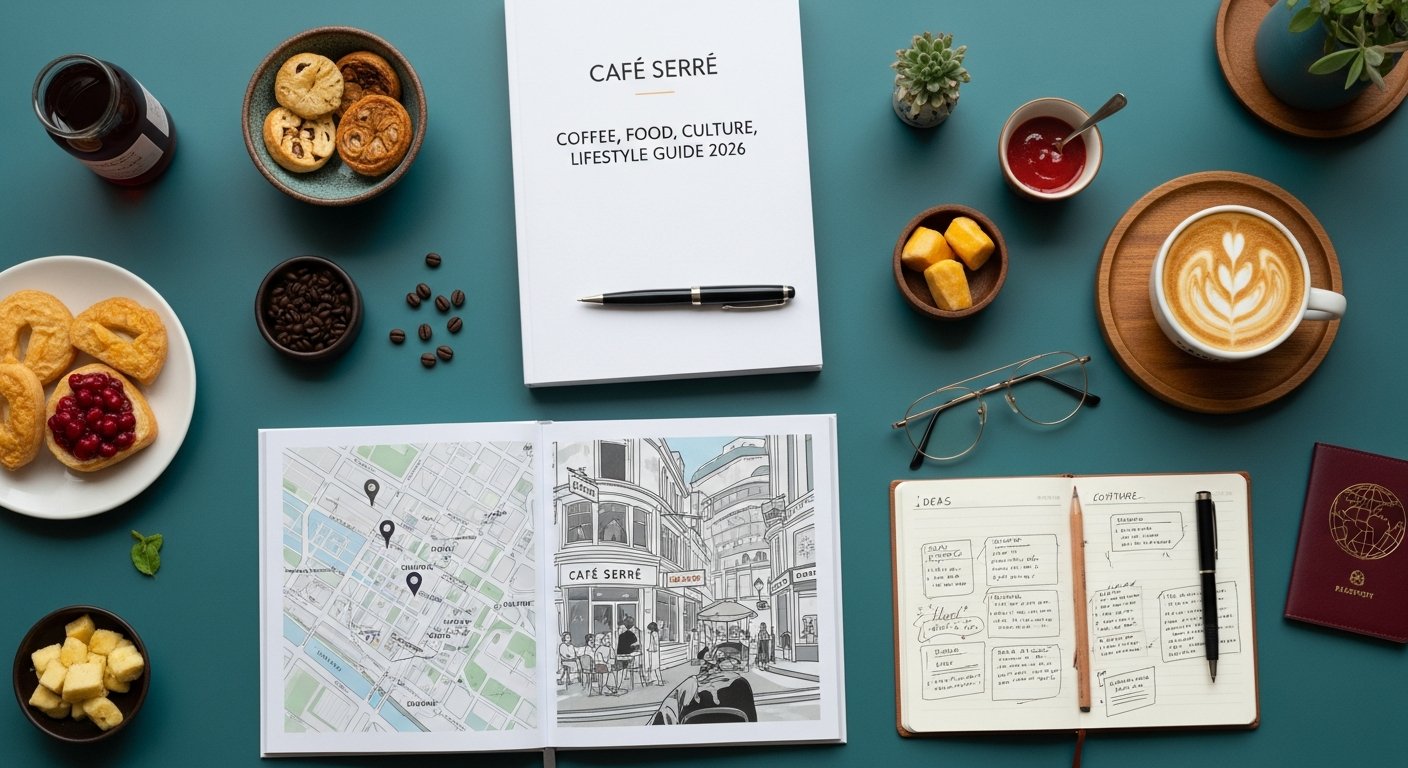

In an increasingly interconnected world, the choices we make as consumers have far-reaching impacts, especially when it comes to what we eat and drink. The journey of specialty coffee, from bean to cup, and the path of our food from farm to plate, are complex, touching upon environmental stewardship, social equity, and economic viability. Embracing sustainability in both coffee and food culture means making conscious decisions that support a healthier planet and fairer communities. For coffee, this involves understanding the nuances of ethical sourcing. Certifications like Fair Trade, Rainforest Alliance, and Organic are crucial indicators, but true sustainability goes beyond labels. It’s about direct trade relationships with farmers, ensuring they receive fair prices that cover their production costs and allow for reinvestment in sustainable practices like shade-grown coffee, which protects biodiversity and soil health. Brands like Counter Culture Coffee and Stumptown Coffee Roasters are often lauded for their commitment to transparency and direct relationships, working closely with producers to foster long-term, mutually beneficial partnerships. These practices help safeguard the delicate ecosystems where coffee thrives and improve the livelihoods of farming communities, many of whom are vulnerable to climate change and market fluctuations. We delve much deeper into this vital topic in our dedicated resource, the Sustainable Coffee Brands Guide, offering insights into brands that are truly making a difference.
The principles of sustainability extend seamlessly into our food choices. Sustainable eating practices revolve around reducing our environmental footprint, supporting local economies, and minimizing waste. This means opting for seasonal and locally grown produce, reducing meat consumption, and choosing ingredients that are produced with minimal use of pesticides and synthetic fertilizers. Consider the impact of food miles – the distance food travels from farm to plate – and how choosing local can drastically cut down on carbon emissions. Supporting small-scale farmers and artisan producers not only ensures fresher, often more nutritious food but also strengthens the local food system, creating a more resilient and equitable economy. Furthermore, minimizing food waste is a cornerstone of sustainable eating. This involves planning meals, proper storage, composting food scraps, and creatively utilizing leftovers. Embracing a more plant-forward diet, incorporating pulses, legumes, and diverse vegetables, can significantly reduce the environmental burden associated with industrial animal agriculture. These choices are not just good for the planet; they are often beneficial for our health and can lead to a more varied and exciting culinary experience.
Ultimately, making ethical and sustainable choices in coffee and food is about cultivating a deeper connection to what we consume and understanding its origins. It’s about recognizing the labor, resources, and ecosystems involved in bringing these items to our tables. By actively seeking out ethically sourced coffee and sustainably produced food, we become active participants in a global movement towards a more just and environmentally responsible future. This commitment transforms our daily rituals into acts of conscious consumption, fostering a lifestyle that is both satisfying and impactful. To further guide your journey towards a more conscious plate, explore our comprehensive Sustainable Eating Guide, which offers practical tips and strategies for integrating these vital practices into your everyday life, ensuring that your culinary footprint is as light as possible.
What is Mindful Eating and the Slow Food Movement?
In a world that increasingly values speed and efficiency, the concepts of mindful eating and the Slow Food movement offer a refreshing counter-narrative, inviting us to reconnect with our food on a deeper, more intentional level. Mindful eating is not a diet, but a practice of bringing full attention to the experience of eating and drinking, noticing the flavors, textures, aromas, and even the sounds of our food. It encourages us to eat when we’re hungry, stop when we’re full, and savor each bite without judgment. This practice helps us tune into our body’s signals, fostering a healthier relationship with food and reducing the likelihood of overeating or emotional eating. By slowing down, we allow our senses to fully engage, transforming a mere necessity into a rich, sensory experience. Imagine truly tasting the complex notes in a single-origin pour-over – the citrus brightness, the chocolatey depth, the floral undertones – rather than gulping it down absentmindedly. This heightened awareness extends to our meals, making each one an opportunity for enjoyment and nourishment. For practical steps and detailed exercises to incorporate this powerful practice into your daily routine, our Mindful Eating Guide provides an excellent starting point.
The Slow Food movement, originating in Italy in 1986, is a global grassroots organization that champions good, clean, and fair food for all. It emerged as a protest against the rise of fast food and a push to preserve traditional and regional cuisine, emphasizing the pleasure of food and the importance of community. “Good” means quality, flavorsome, and healthy food. “Clean” refers to food produced in a way that does not harm the environment, animal welfare, or human health. “Fair” means accessible prices for consumers and fair conditions and pay for producers. The movement encourages us to support local farmers, protect endangered food biodiversity, and rediscover the joy of cooking and sharing meals. It’s a philosophy that aligns perfectly with specialty coffee, which also values provenance, quality, and the skilled hands that bring it to us. By choosing to engage with Slow Food principles, we are not just making dietary choices; we are making a statement about our values, our communities, and our planet. This movement encourages us to ask questions about where our food comes from, how it was produced, and the stories behind it, fostering a more appreciative and responsible approach to consumption.
Looking ahead to 2026, these principles are becoming even more critical as food trends continue to evolve. We anticipate a greater emphasis on plant-based innovations, hyper-local sourcing, and a renewed interest in fermentation and ancestral cooking techniques. The desire for transparency and traceability in our food supply will only grow, fueled by consumer demand for healthier, more ethically produced options. The Slow Food movement’s core tenets will likely underpin many of these emerging trends, as people seek authentic experiences and a deeper connection to their food sources. Imagine fermented sourdough paired with a naturally processed Ethiopian coffee, or a carefully curated charcuterie board featuring locally sourced cheeses and artisanal preserves, all enjoyed mindfully. These are the kinds of experiences that enrich our lives and align with a conscious, sustainable future. For a glimpse into what’s shaping our plates and palates in the near future, make sure to explore our comprehensive Food Trends 2026 Guide, which highlights the innovations and shifts that will define our culinary landscape.
How Does Coffee Impact Productivity and Mental Well-being?

Beyond its cultural significance and delightful flavors, coffee plays a notable role in many people’s daily routines, often linked to enhanced productivity and certain aspects of mental well-being. The primary active compound in coffee, caffeine, is a natural stimulant that affects the central nervous system. It works by blocking adenosine, a neurotransmitter that promotes relaxation and sleepiness, thereby increasing alertness, focus, and energy levels. For many, a morning cup of coffee is an essential ritual to kickstart the day, improving cognitive function, reaction time, and problem-solving abilities, which can directly translate to increased productivity in work or study environments. Moderate coffee consumption has been associated with improved mood and a reduced risk of depression, potentially due to caffeine’s ability to influence neurotransmitters like dopamine and serotonin. The ritualistic aspect of preparing and enjoying coffee can also contribute to mental well-being, offering a moment of calm and mindfulness in a busy day, similar to the principles of the Slow Food movement.
However, it’s important to note that the impact of coffee varies greatly among individuals, and excessive consumption can lead to adverse effects such as anxiety, jitters, sleep disturbances, and increased heart rate. Finding the right balance is key to harnessing coffee’s benefits without experiencing its downsides. For some, the social aspect of sharing coffee with colleagues or friends can also boost mental well-being, fostering connection and reducing feelings of isolation. While coffee can be a valuable tool for enhancing focus and mood, it should be consumed mindfully and in moderation, ideally as part of a balanced lifestyle that includes adequate sleep, nutrition, and stress management. Consulting scientific studies on caffeine’s effects and understanding your own body’s response can help you integrate coffee into your routine in a way that supports both your productivity and mental health. We encourage you to listen to your body and adjust your coffee intake accordingly to maximize its positive effects on your overall well-being.
How Do Farmers Markets and Seasonal Ingredients Enhance Food Culture?

The quest for exceptional flavor begins at the source, and for many, this journey leads directly to the vibrant, bustling atmosphere of a farmers market. Farmers markets are more than just places to buy produce; they are community hubs, educational centers, and direct links to the hands that cultivate our food. Shopping at a farmers market allows you to connect directly with local farmers, learn about their growing practices, and understand the seasonality of ingredients. This direct relationship fosters transparency and trust, ensuring you’re getting the freshest possible produce, often picked just hours before sale, brimming with flavor and nutrients that can’t be matched by supermarket alternatives. Imagine biting into a tomato that tastes like pure summer sunshine, or discovering a unique heirloom variety of squash that inspires a new culinary creation. The difference in taste and quality is often astonishing, reflecting the care and dedication of small-scale agriculture.
Embracing seasonal ingredients is a cornerstone of this fresh-sourcing philosophy. Nature provides us with an abundance of diverse produce throughout the year, each at its peak flavor and nutritional value during its natural growing season. Eating seasonally means celebrating the bounty of each period – crisp apples and hearty root vegetables in autumn, vibrant berries and tender greens in summer, and a gradual emergence of new life in spring. This approach not only guarantees superior taste but also supports sustainable agricultural practices by reducing the need for energy-intensive greenhouses or long-distance transportation. It encourages culinary creativity, challenging home cooks to adapt their menus to what’s available, fostering a deeper connection to the rhythms of nature. Furthermore, seasonal produce is often more affordable, as it’s harvested in abundance and doesn’t incur the costs associated with out-of-season cultivation or shipping. This mindful approach to sourcing becomes a delightful culinary adventure, transforming routine grocery shopping into an exciting exploration of what the land has to offer.
Beyond fresh produce, farmers markets are often treasure troves of artisan goods: homemade breads, local cheeses, organic meats, fresh eggs, honey, jams, and even specialty coffee beans from local roasters. These markets provide a platform for small businesses and independent producers to thrive, offering consumers unique, high-quality products that you won’t find in conventional stores. They are places of discovery, where you might stumble upon a new favorite artisanal jam or a rare variety of herb. Engaging with these vendors provides an opportunity to learn about traditional techniques, local foodways, and the passion that goes into crafting each item. This direct interaction enhances the overall food experience, making it more personal and meaningful. By actively choosing to support farmers markets, we’re not just buying food; we’re investing in our local economies, promoting sustainable agriculture, and fostering a vibrant community around food. For comprehensive advice on how to navigate these wonderful markets, including tips on selecting the best produce and making the most of your visit, be sure to consult our detailed Farmers Market Shopping Guide.
How Can Food Enhance Entertaining: Charcuterie, Picnics, and Hosting?
Food is a universal language of hospitality, a powerful tool for bringing people together, celebrating milestones, and simply enjoying good company. When it comes to entertaining, the presentation and thoughtful selection of food can transform a casual gathering into a memorable event. Two timeless and increasingly popular forms of communal eating that truly embody this spirit are the art of the charcuterie board and the joyful tradition of the picnic. Both offer incredible versatility, allowing hosts to express creativity, cater to diverse tastes, and encourage relaxed interaction among guests. A well-crafted charcuterie board is a feast for both the eyes and the palate, featuring an artful arrangement of cured meats, artisan cheeses, fresh and dried fruits, nuts, olives, and an assortment of crackers and breads. It’s a conversation starter, inviting guests to graze, discover new flavor combinations, and share in the bounty. The key lies in balancing textures, flavors (sweet, savory, salty, tangy), and colors, ensuring there’s something delightful for everyone. Imagine pairing a robust aged cheddar with a crisp, medium-roast Colombian coffee, or a delicate prosciutto with a light-bodied Ethiopian Yirgacheffe – the possibilities for delightful pairings are endless.
Picnics, on the other hand, evoke a sense of carefree joy and connection with nature. They transform any outdoor space – a park, a beach, or even a backyard – into an impromptu dining room. The beauty of picnic food lies in its portability, ease of eating, and ability to be prepared in advance. Think vibrant salads, gourmet sandwiches, savory tarts, fresh fruit, and perhaps a thermos of expertly brewed cold brew coffee. The focus is on communal enjoyment, sharing simple yet delicious fare in a relaxed setting. Planning a successful picnic involves more than just packing food; it’s about creating an experience, from the choice of location to the comfortable blanket and perhaps some portable entertainment. Both charcuterie boards and picnics encourage a slower, more deliberate way of eating and socializing, aligning perfectly with the mindful and sustainable lifestyle we champion at Café Serre. They are perfect examples of how food can foster connection and create lasting memories, turning ordinary moments into extraordinary ones.
Hosting with food is an act of love and generosity. Whether you’re assembling an elaborate charcuterie board for a sophisticated evening or packing a delightful picnic basket for a sunny afternoon, the thought and effort you put into the food reflect your care for your guests. It’s an opportunity to showcase your culinary skills, experiment with new recipes, and introduce friends and family to new flavors and experiences. The rising popularity of these entertaining styles also speaks to a broader cultural shift towards more informal, experiential dining. People are seeking authentic connections and shared moments over overly formal affairs. By mastering the art of the charcuterie board, you become adept at creating stunning visual displays and harmonious flavor profiles. For a deep dive into crafting the perfect spread, our Charcuterie Board Guide offers expert tips and creative ideas. And for those sunny day adventures, our Picnic Food Ideas Guide provides inspiration for delicious, portable meals that will elevate any outdoor gathering, ensuring your entertaining is always effortlessly impressive and thoroughly enjoyable.
How Can You Capture Culinary Creations with Food Photography?
In today’s visual world, the art of food photography has become an integral part of the culinary experience, transforming delicious dishes into captivating visual stories. Whether you’re a professional chef, an enthusiastic home cook, or a coffee connoisseur eager to share your latest brew, knowing how to beautifully capture your creations can elevate your passion and inspire others. Food photography is about more than just snapping a picture; it’s about understanding light, composition, styling, and storytelling. It’s about making the viewer’s mouth water and igniting their desire to taste, to experience, and to create. Think about how a perfectly composed shot of a latte with intricate latte art can convey warmth and artistry, or how a vibrant photo of a farmers market haul can speak volumes about freshness and abundance. Mastering a few fundamental techniques can dramatically improve the quality of your food photos, allowing you to share your culinary journey with greater impact.
Light is the most crucial element in food photography. Natural light is almost always preferred, as it creates soft, flattering shadows and highlights that make food look appealing. Position your dish near a window, using a reflector (even a white piece of foam board) to bounce light back into shadowy areas and fill them in gently. Avoid harsh overhead lighting, which can create unflattering shadows and make food look flat. Composition is another vital aspect, guiding the viewer’s eye through the image. Rules like the rule of thirds, leading lines, and negative space can help create visually interesting and balanced photographs. Consider your angles: an overhead (flat lay) shot works wonderfully for charcuterie boards or layered dishes, while a 45-degree angle is often ideal for highlighting texture and depth in dishes like a steaming bowl of soup or a stack of pancakes. Close-ups can emphasize intricate details or the deliciousness of a particular ingredient, like the glistening caramelization on a roasted vegetable.
Styling is where your creativity truly shines. This involves everything from the choice of plate and background to the arrangement of ingredients and the use of props. Simple, neutral plates often allow the food to be the star. Backgrounds should be uncluttered and complementary, not distracting. Think about textures – a rustic wooden board, a linen napkin, or a ceramic bowl can add visual interest. Fresh herbs, a sprinkle of sea salt, or a drizzle of olive oil can add life and freshness to a dish. For coffee, consider the steam rising from a hot cup, a few scattered beans, or the sheen on a perfectly pulled espresso shot. Each element should contribute to the overall narrative you want to convey. The goal is to make the food look as appetizing as possible, inviting the viewer to imagine themselves savoring it. With practice, you’ll develop an eye for what looks good and how to best present your culinary masterpieces. To hone your skills and transform your food photos from good to gourmet, dive into our comprehensive Food Photography Tips, designed specifically for home cooks and enthusiasts eager to capture the beauty of their delicious creations.
How Can You Build a Slow Food Lifestyle?
Integrating the principles of specialty coffee and conscious food culture into your daily life is a journey, not a destination. It’s about building a lifestyle rooted in appreciation, sustainability, and well-being. This “slow food lifestyle” isn’t about deprivation or strict rules; it’s about making intentional choices that enhance your experiences, support ethical practices, and foster a deeper connection to the world around you. Start by redefining your morning coffee ritual. Instead of a hurried grab-and-go, invest in quality beans from a reputable, sustainable roaster. Experiment with different brewing methods – a pour-over for clarity, an AeroPress for versatility, or a French press for a full-bodied experience. Take the time to grind your beans fresh, smell the aroma, and savor each sip. This small act of mindfulness can set a positive tone for your entire day, encouraging you to approach other activities with similar intention. Understanding the flavor notes in your coffee – perhaps a delicate floral aroma from an Ethiopian heirloom varietal or the rich chocolate and nut profile of a Brazilian natural – can open up a world of sensory exploration and appreciation, much like tasting fine wine.
Extend this intentionality to your meals. Begin by planning your grocery trips around seasonal availability and local farmers markets. This naturally encourages variety in your diet and supports the local economy. Cook more at home, experimenting with fresh ingredients and traditional recipes. Don’t be afraid to try new vegetables or cooking techniques. Involve family and friends in the cooking process, turning meal preparation into a shared activity. When you sit down to eat, practice mindful eating: put away distractions, pay attention to the colors, textures, and aromas of your food, and truly savor each bite. This helps you appreciate the nourishment your food provides and fosters a healthier relationship with eating. Think about how a simple pasta dish, made with fresh, locally sourced tomatoes and herbs, can be transformed into a gourmet experience through mindful preparation and consumption, perhaps paired with a perfectly brewed espresso post-meal to cleanse the palate and extend the enjoyment.
Beyond personal consumption, embrace the community aspect of food and coffee. Seek out local cafes that prioritize ethical sourcing and quality, engaging with baristas and fellow coffee enthusiasts. Attend local food festivals, cooking classes, or farm-to-table dinners. Share your culinary creations with others, whether through hosting a charcuterie night, organizing a picnic, or simply bringing a homemade dish to a potluck. Document your journey through food photography, not just for social media, but as a personal record of your culinary adventures and discoveries. By consciously choosing to engage with the world of specialty coffee and food in a thoughtful, sustainable, and joyful manner, you are not just consuming; you are cultivating a rich, fulfilling lifestyle that celebrates quality, connection, and the profound pleasures of the table. This holistic approach enriches not only your palate but also your mind and spirit, making every meal and every cup an opportunity for growth and enjoyment.
Key Takeaways for Your Coffee & Food Lifestyle
- Embrace Global Cafe Traditions: Discover and appreciate the diverse cultural rituals surrounding coffee, from Italian espresso to Ethiopian Buna, enriching your understanding of its universal appeal.
- Prioritize Sustainability & Ethics: Make conscious choices in your coffee and food sourcing, supporting ethical brands, local farmers, and practices that benefit both the planet and people.
- Practice Mindful Consumption: Slow down, savor each bite and sip, and cultivate a deeper, healthier relationship with your food and beverages through mindful eating and Slow Food principles.
- Connect with Local & Seasonal: Utilize farmers markets for fresh, seasonal ingredients, fostering creativity in your cooking and supporting your local food community.
- Elevate Entertaining & Sharing: Master the art of charcuterie boards and delightful picnics to create memorable, communal food experiences that bring people together.
Coffee & Food Pairing Quick Reference
Elevate your sensory experience by understanding how different coffee profiles harmonize with various food types. This chart offers a starting point for delightful pairings, encouraging you to experiment and discover your own perfect matches. To truly master the art of combining flavors, explore coffee and food pairing in our dedicated guide.
| Coffee Profile | Flavor Notes | Ideal Food Pairings | Why It Works |
|---|---|---|---|
| Light Roast (e.g., Ethiopian, Gesha) | Floral, Citrus, Berry, Tea-like, Bright Acidity | Light pastries (croissants, plain scones), fruit tarts, citrus desserts, white chocolate, delicate cheeses (goat cheese), fresh berries. | The coffee’s delicate acidity and floral notes complement fresh, light flavors without overpowering them. The fruitiness enhances similar notes in the food. |
| Medium Roast (e.g., Colombian, Costa Rican) | Caramel, Chocolate, Nutty, Balanced Acidity, Medium Body | Milk chocolate, nuts (almonds, hazelnuts), caramel desserts, plain cakes (pound cake, sponge cake), savory pastries, breakfast foods (pancakes, waffles). | Its balanced profile and common flavor notes of chocolate and nuts find natural harmony with a wide range of comfort foods and classic desserts. |
| Dark Roast (e.g., French Roast, Italian Roast) | Smoky, Dark Chocolate, Roasted Nuts, Earthy, Full Body, Low Acidity | Dark chocolate, rich desserts (tiramisu, chocolate lava cake), aged cheeses (Parmesan, Gouda), grilled meats, spicy foods, smoked foods. | The bold, intense flavors and full body of dark roasts stand up to and complement equally robust and rich foods, creating a powerful contrast or satisfying depth. |
| Espresso (any roast) | Concentrated, Intense, Rich Crema, Complex | Biscotti, amaretti, dark chocolate, fruit sorbet, cannoli, rich pastries. | Its concentrated nature requires foods that can either stand up to its intensity or offer a refreshing contrast, often traditional Italian sweets. |
| Cold Brew | Smooth, Low Acidity, Chocolate, Nutty, Sweet | Bagels with cream cheese, avocado toast, brunch foods, fruit salads, glazed donuts, iced pastries, savory breakfast burritos. | Its inherent sweetness and low acidity make it incredibly versatile, pairing well with both sweet and savory items, especially those enjoyed in warmer weather or for brunch. |
Frequently Asked Questions About the Coffee and Food Culture Guide
What is the difference between specialty coffee and commercial coffee?
Specialty coffee refers to high-quality coffee beans that have been meticulously grown, harvested, processed, roasted, and brewed to achieve exceptional flavor. It’s often single-origin or carefully blended, with transparent sourcing and specific flavor profiles (e.g., floral, fruity, nutty). Commercial coffee, on the other hand, is typically mass-produced, focusing on consistency and cost-effectiveness, often using lower-grade beans and darker roasts to mask imperfections. The Specialty Coffee Association (SCA) sets strict standards for specialty coffee, scoring beans on a scale of 0-100, with specialty-grade coffee scoring 80 points or above.
How can I start making more sustainable food choices without breaking the bank?
Starting with sustainable food choices doesn’t have to be expensive. Begin by prioritizing seasonal and local produce, which is often more affordable when in abundance. Reduce meat consumption and incorporate more plant-based meals, as plant proteins are generally less costly and have a lower environmental footprint. Plan your meals to minimize food waste, utilize leftovers, and compost scraps. Shopping at farmers markets can sometimes offer better value than supermarkets, and buying in bulk for staples like grains and legumes can also save money in the long run. Focus on small, consistent changes rather than an overnight overhaul.
What are some easy ways to practice mindful eating in a busy lifestyle?
Even with a busy schedule, you can integrate mindful eating. Start with one meal or snack a day. Before eating, take a few deep breaths. Engage your senses: notice the colors, aromas, and textures of your food. Chew slowly and thoroughly, putting your fork down between bites. Pay attention to your body’s hunger and fullness cues. Eliminate distractions like screens during meals. Even a few minutes of focused eating can make a significant difference in your awareness and enjoyment of food, fostering a healthier relationship with what you consume.
How do I find reputable ethical and sustainable coffee brands?
Look for brands that prioritize transparency in their sourcing, often providing information about the specific farms or cooperatives they work with. Certifications like Fair Trade, Rainforest Alliance, and Organic are good indicators, though not the only measure. Many specialty roasters engage in direct trade, ensuring farmers receive fair prices. Research brands that publish sustainability reports or clearly outline their ethical practices on their websites. Brands like Counter Culture Coffee, La Colombe, and Equator Coffees are often cited for their strong commitment to ethical and sustainable practices. Our Sustainable Coffee Brands Guide provides a detailed list and criteria to help you choose.
What are the key elements for a visually appealing charcuterie board?
A visually appealing charcuterie board balances variety, color, and texture. Start with a mix of cured meats and cheeses (2-3 types of each). Add fresh elements like grapes, berries, and sliced apples for color and sweetness. Introduce crunch with nuts (walnuts, pecans) and crackers. Include savory components like olives, cornichons, and perhaps a spread or dip. Arrange items in a way that creates flow and visual interest, using small bowls for dips or olives. Don’t be afraid to overlap items slightly and fill in gaps to make it look abundant. The key is to create an inviting, abundant display that encourages grazing. Our Charcuterie Board Guide offers extensive tips and inspiration.
Conclusion: Building Your Slow Food Lifestyle
As we conclude this journey through the expansive and enriching world of coffee and food culture, it’s clear that the path to a more fulfilling lifestyle lies in intentionality, appreciation, and connection. From the ancient coffee ceremonies of Ethiopia to the modern art of food photography, every aspect of our culinary and coffee experiences offers an opportunity for discovery and growth. By embracing the global traditions of cafe culture, making ethical and sustainable choices in our sourcing, practicing mindful eating, and celebrating the joy of entertaining, we transform everyday acts into meaningful rituals. This isn’t just about what we consume; it’s about how we live, how we connect with others, and how we contribute to a healthier, more vibrant world.
We encourage you to take these insights and begin integrating them into your own life, one delicious step at a time. Start by seeking out that local farmers market, engaging in a conversation with a coffee farmer or roaster, or simply taking a moment to truly savor your next cup of specialty coffee. Experiment with new food pairings, challenge yourself to cook with seasonal ingredients, or gather friends for a delightful picnic. The beauty of this lifestyle is its adaptability; it meets you where you are and invites you to explore at your own pace. Let the rich aromas of ethically sourced coffee and the vibrant flavors of sustainably grown food guide you towards a life that is not just well-fed, but well-lived. Your journey into the heart of coffee and food culture is just beginning, and we at Café Serre are thrilled to be your companions on this delicious adventure.