Coffee and Food Pairing: The Complete Beginner’s Guide
Coffee and Food Pairing: The Complete Beginner’s Guide
Welcome to the enchanting world where the nuanced aromas of specialty coffee meet the vibrant tapestry of culinary delights. Here at Café Serre, we believe that coffee is far more than just a morning pick-me-up; it’s a sensory journey, a cultural cornerstone, and an art form waiting to be explored. This comprehensive guide is crafted for beginners eager to unlock the secrets of exquisite coffee and food pairing, transforming ordinary moments into extraordinary experiences. We’ll delve into the foundational principles of flavor science, explore the unique characteristics of beans from around the globe, and discover how different brewing methods can enhance specific dishes. From crafting an artisan charcuterie board to embracing sustainable eating practices and mindful coffee rituals, prepare to elevate your palate and enrich your lifestyle. Join us as we explore how to bridge and contrast flavors, select the perfect roast for any meal, and integrate the joy of specialty coffee into every aspect of your culinary adventures, making 2026 a year of delicious discovery.
TL;DR: Master coffee and food pairing by understanding flavor bridges and contrasts, selecting beans based on origin and roast, and experimenting with various brew methods to enhance your culinary experiences. Embrace mindful eating, sustainable choices, and creative zero-waste solutions to elevate your lifestyle around specialty coffee and delicious food. This guide provides all the foundational knowledge you need to start your flavorful journey right now.
What is the Science of Coffee and Food Pairing: Flavor Bridges and Contrasts?
Embarking on the journey of coffee and food pairing begins with understanding the fundamental principles of flavor interaction. It’s not just about what tastes “good” together; it’s about a deeper appreciation for how different elements enhance, complement, or even transform one another. At its core, pairing relies on two main strategies: creating flavor bridges and contrasts. Flavor bridges occur when coffee and food share similar aromatic compounds or taste profiles, leading to a harmonious and amplified experience. For instance, a coffee with prominent chocolate notes will beautifully bridge with a dark chocolate dessert, creating a richer, more profound chocolatey essence for both. This synergy isn’t accidental; it’s often due to shared chemical compounds like pyrazines and furans, which contribute to nutty and roasted flavors in both coffee and certain foods.
Conversely, flavor contrasts involve pairing elements that have opposing characteristics but, when combined, create a balanced and exciting interplay. Think of a bright, high-acidity Ethiopian Yirgacheffe coffee cutting through the richness of a creamy cheesecake. The coffee’s vibrant citrus and floral notes provide a refreshing counterpoint to the dessert’s decadent sweetness, preventing either from becoming overwhelming. This dynamic interplay can highlight subtle nuances in both the coffee and the food that might otherwise go unnoticed. Understanding basic taste perceptions – sweet, sour, bitter, salty, umami – is crucial here. A coffee’s inherent acidity (like the malic acid in some Kenyan coffees, reminiscent of green apples) can brighten a fatty dish, while its bitterness (often from chlorogenic acids) can be softened by sweetness. The SCA (Specialty Coffee Association) flavor wheel is an invaluable tool for identifying these specific notes, helping you categorize and match the complex flavor compounds present in your brew.
Consider the body of your coffee as well. A full-bodied, syrupy Brazilian coffee, perhaps with notes of roasted nuts and caramel, will stand up to hearty breakfast foods like pancakes with maple syrup or a rich, fatty bacon. Its robust texture and lower acidity create a comforting bridge. In contrast, a delicate, tea-like Panamanian Geisha, famed for its intricate floral and jasmine notes, would be overwhelmed by such heavy fare. Instead, it shines with lighter, more refined accompaniments like a delicate fruit tart or a plain croissant, where its subtle complexities can truly be appreciated. The key is to avoid one element overpowering the other. A strong, dark roast might completely mask the delicate flavors of a light pastry, just as a highly spiced dish could render a mild coffee flavorless. Experimentation is encouraged, but starting with these foundational principles of bridging and contrasting will provide a solid framework for your culinary explorations. Remember, the goal is to elevate both the coffee and the food, creating a memorable sensory experience that tantalizes your taste buds and deepens your appreciation for the art of flavor.
Which Coffee Origins Pair Best with Food?

The journey of specialty coffee beans from farm to cup is steeped in geography, climate, and meticulous processing, all of which contribute to their unique flavor profiles. Understanding these coffee origins is paramount to successful food pairing, as each region offers a distinct palate that can either harmonize or contrast beautifully with specific dishes. Take, for instance, the vibrant coffees of East Africa, particularly Ethiopia and Kenya. Ethiopian Yirgacheffe or Sidamo often boast bright, floral, and citrusy notes (think bergamot, jasmine, lemon zest) due to their high acidity and specific varietals like heirloom Ethiopian landraces. These coffees sing alongside delicate fruit tarts, berry-based desserts, or even light, flaky pastries. Kenyan coffees, renowned for their blackcurrant, tomato, and wine-like acidity (often attributed to high malic acid content), pair wonderfully with savory dishes that have a touch of sweetness or acidity, like goat cheese salads with balsamic vinaigrette, or even a rich, dark chocolate with fruit notes. The processing method also plays a crucial role; a natural processed Ethiopian coffee, with its intense fruitiness and berry jam notes, will pair differently than a washed process, which accentuates clarity and brightness.
Moving across the globe to Latin America, coffees from Colombia, Brazil, and Guatemala present a different spectrum of flavors. Colombian Supremo beans, often characterized by their balanced acidity, medium body, and notes of caramel, chocolate, and nuts, are incredibly versatile. They are a classic choice for breakfast foods like pancakes, waffles, or a simple buttered toast, providing a comforting and familiar complement. Brazilian coffees, frequently natural processed, tend to be lower in acidity, full-bodied, and rich with flavors of dark chocolate, roasted nuts, and often a creamy mouthfeel. These are ideal partners for richer desserts such as tiramisu, pecan pie, or even a steak sandwich, where their robust profile can stand up to intense flavors. Guatemalan coffees, especially from regions like Antigua, often feature a smoky, spicy, and chocolatey profile with a bright acidity, making them excellent with spiced dishes, dark chocolate truffles, or even a complex mole sauce. The specific varietal, like Bourbon or Caturra, also influences the final cup profile.
Southeast Asian and Pacific coffees, such as those from Sumatra or Papua New Guinea, offer yet another dimension. Sumatran Mandheling, for example, is famous for its earthy, woody, and sometimes spicy notes, with a heavy body and low acidity. These unique characteristics make it an intriguing match for savory, umami-rich foods like mushroom dishes, aged cheeses, or even spicy Asian cuisine, where its bold character can cut through and complement intense flavors. The roast level further refines these pairings. A light roast preserves the delicate floral and fruity notes of an Ethiopian bean, making it perfect for light pastries. A medium roast brings out the balanced sweetness and acidity of a Colombian, suitable for a wide range of breakfast and dessert items. A dark roast, often associated with smoky, bittersweet, and intense flavors (like those found in a French Roast from a Brazilian bean), can stand up to very rich, heavy foods such as barbecued meats or decadent chocolate lava cakes. Understanding the interplay between origin, processing, varietal, and roast level allows for a truly sophisticated approach to coffee and food pairing, opening up endless possibilities for culinary exploration and delight.
How to Pair Food by Coffee Drink Type: Espresso, Filter, Cold Brew, and Lattes?
The way coffee is prepared profoundly influences its flavor profile, body, and intensity, making the drink type a critical factor in successful food pairing. Each brewing method extracts different compounds from the bean, resulting in distinct characteristics that lend themselves to specific culinary companions. Let’s explore how to maximize your pairing potential across the most popular coffee preparations.
Espresso: This concentrated shot of coffee is a powerhouse of flavor and intensity, characterized by a thick crema, full body, and often pronounced bitterness or acidity depending on the bean and roast. A well-pulled espresso, especially from a medium-dark roast blend like those from Intelligentsia or Lavazza, with notes of dark chocolate and roasted nuts, pairs beautifully with rich, sweet desserts. Think tiramisu, cannoli, or a dense flourless chocolate cake. The espresso’s intensity cuts through the sweetness and fat, providing a satisfying contrast and cleanse for the palate. For a lighter, fruitier espresso (often from a lighter roasted single-origin), consider pairing with a shortbread cookie or a small piece of dark chocolate (70% cacao or higher) to allow its nuanced flavors to shine without being overwhelmed.
Filter Coffee (Pour-Over, Drip, Chemex, Aeropress): Filter methods, such as a Chemex pour-over or a V60, tend to produce a cleaner, brighter, and more aromatic cup compared to espresso, with a lighter body and more pronounced acidity. This clarity makes them ideal for showcasing the delicate notes of single-origin beans. A light-roasted Ethiopian washed coffee brewed via pour-over, with its floral and citrus notes, is exquisite with light breakfast pastries like croissants, lemon poppy seed muffins, or fresh fruit salads. The coffee’s brightness complements the pastry’s richness without overpowering it, while enhancing the sweetness of the fruit. For a medium-roasted Colombian or Guatemalan brewed in a drip machine, offering balanced chocolate and nutty undertones, a classic pairing would be a blueberry scone, an apple turnover, or even a savory quiche. The versatility of filter coffee allows it to bridge a wide range of flavors, making it a go-to for many meals.
Cold Brew: Characterized by its low acidity, smooth body, and naturally sweet profile (due to the slow, cold extraction process), cold brew is a refreshing alternative that opens up unique pairing possibilities. Its inherent sweetness and lack of bitterness make it incredibly versatile. A dark-roasted cold brew concentrate, often featuring notes of dark chocolate, caramel, and a hint of nuttiness, is fantastic with rich, creamy desserts like ice cream, chocolate mousse, or even a slice of New York cheesecake. It can also stand up to savory brunch items like a breakfast burrito or a hearty sandwich, providing a smooth, cooling counterpoint. For a cold brew made from a lighter, fruitier bean, consider pairing it with a tropical fruit salad or a light yogurt parfait, where its subtle complexities can be enjoyed without competition. The smoothness of cold brew also makes it an excellent base for coffee cocktails, which can be paired with appetizers or small plates.
Lattes and Milk-Based Drinks: The addition of milk (dairy or plant-based) transforms coffee, adding sweetness, body, and a creamy texture that softens coffee’s edges. This creates a comforting and approachable drink that pairs well with a broad spectrum of foods. A classic latte, made with a well-balanced espresso blend from roasters like Blue Bottle or Stumptown, and featuring prominent caramel and chocolate notes, is a perfect match for sweet pastries such as cinnamon rolls, pain au chocolat, or even a slice of coffee cake. The milk in the latte complements the sweetness of the dessert, creating a rich, harmonious experience. For savory pairings, consider a latte with a breakfast sandwich, a savory muffin, or even a light soup, where the creaminess provides a soothing balance. Experiment with different milk alternatives too; oat milk, with its inherent sweetness and creaminess, can enhance the caramel notes of a coffee, while almond milk might offer a slightly nutty contrast. The key is to choose a coffee that can still shine through the milk, offering enough character to contribute to the pairing.
How to Build the Perfect Coffee Table: Charcuterie and Cheese Boards?
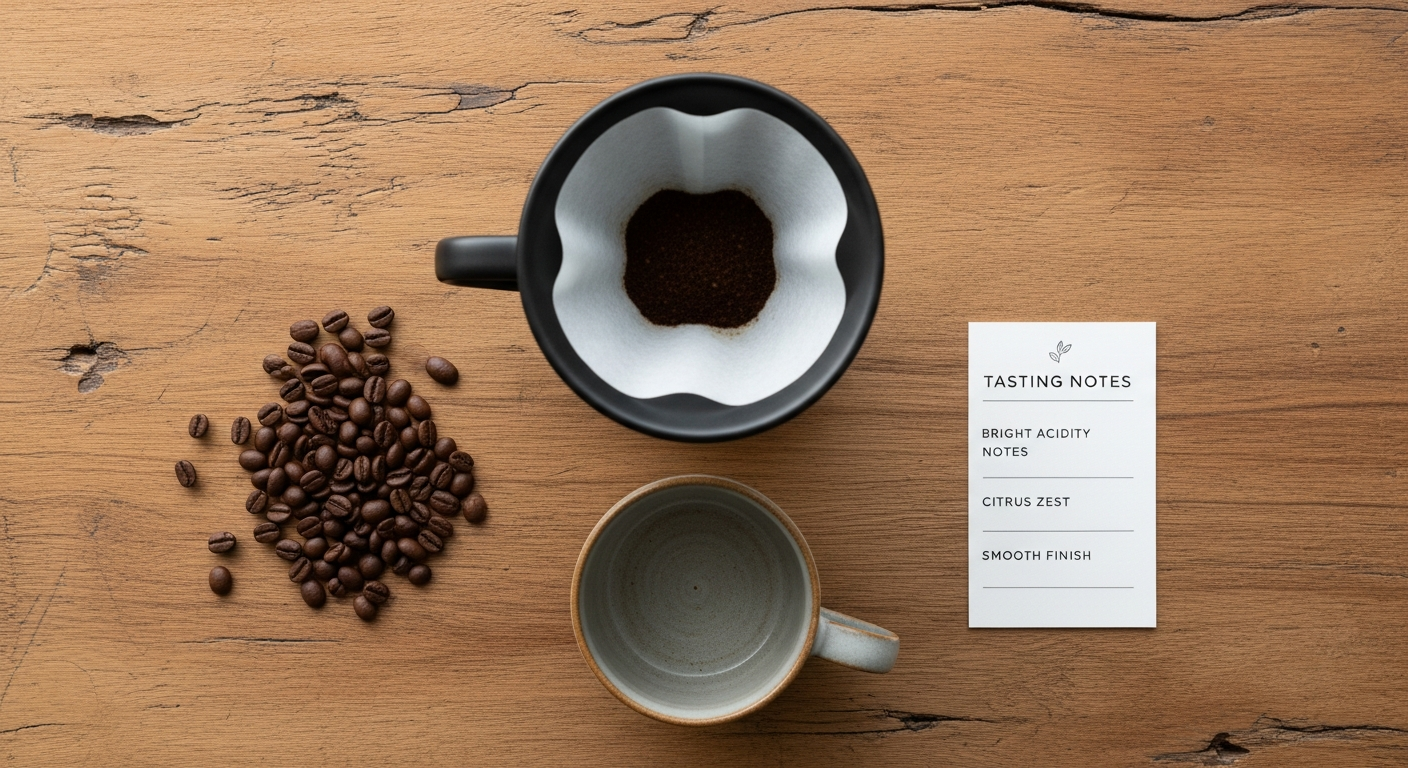
The art of crafting a charcuterie and cheese board is a culinary delight in itself, but when intentionally designed to complement specialty coffee, it transforms into an unparalleled sensory experience. A thoughtfully assembled board can offer a symphony of textures, flavors, and aromas that dance harmoniously with your chosen brew, creating a sophisticated and memorable gathering. The beauty lies in variety and balance, ensuring each component offers something unique while contributing to the overall coffee pairing narrative. When planning your charcuterie board, think about the flavor profiles of your selected coffees. Are they bright and acidic, dark and robust, or nuanced and floral?
Start with your cheeses. For a bright, fruit-forward coffee (like a washed Ethiopian with notes of blueberry), consider fresh, creamy cheeses like a chèvre or a soft brie, which will provide a mild, fatty canvas for the coffee’s vibrant acidity. The goat cheese’s tang can also create a delightful contrast. For a medium-bodied coffee with caramel and nut notes (perhaps a Colombian or Costa Rican), aged cheeses like a sharp cheddar, a nutty Gruyère, or a salty Parmesan are excellent choices. Their complex, savory profiles will bridge beautifully with the coffee’s sweetness and depth. For a bold, dark-roasted coffee with smoky or bittersweet chocolate characteristics, a pungent blue cheese, like Roquefort or Gorgonzola, can create a thrilling contrast, its intensity standing up to the coffee’s robustness. Even a smoked gouda can be a fantastic bridge to a darker roast, echoing the smoky undertones.
Next, select your cured meats. Prosciutto, with its delicate saltiness and melt-in-your-mouth texture, pairs wonderfully with a wide range of coffees, especially those with balanced sweetness. Salami, particularly a spicy variety like sopressata, can be a delightful contrast to a bright, acidic coffee, where the coffee’s notes can cut through the fat and spice. For heartier, darker roasts, consider a rich pâté or a robust dry-cured sausage, whose savory depth will match the coffee’s intensity. Don’t forget the accompaniments that tie everything together. Fresh fruits like grapes, figs, or berries offer sweetness and acidity that can complement fruity coffees or provide a refreshing palate cleanser. Dried fruits such as apricots or dates, with their concentrated sweetness, are excellent with nutty or chocolatey coffees. Roasted nuts (almonds, walnuts, pecans) provide texture and echo the nutty notes often found in many medium-roasted beans. Artisanal crackers and crusty bread are essential for serving, and a touch of honey or fig jam can introduce another layer of sweetness and complexity, especially with a creamy cheese and a bright coffee.
Finally, consider the visual appeal. Arrange your board with an artistic eye, creating appealing clusters of color and texture. A sprig of fresh rosemary or a scattering of edible flowers can elevate the presentation. The goal is to create an experience that engages all the senses, inviting guests to explore different combinations and discover their own perfect coffee and food pairings. Whether it’s a casual morning brunch or an elegant evening dessert, a well-curated charcuterie and cheese board paired with exceptional coffee transforms a simple act of eating into a luxurious ritual, fostering conversation and connection around the table.
How to Create Seasonal Coffee and Food Pairings with Farmers Market Ingredients?
Embracing the rhythm of the seasons and sourcing ingredients from your local farmers market can profoundly elevate your coffee and food pairing experiences. Seasonal produce, harvested at its peak ripeness, boasts unparalleled freshness, flavor, and nutritional value, offering a vibrant palette for culinary creativity. This approach not only ensures the highest quality ingredients for your pairings but also champions sustainable eating choices by supporting local farmers, reducing carbon footprints, and fostering a deeper connection to where your food comes from. Let’s explore how the seasons can inspire your coffee and food pairings.
Spring: As the world awakens, spring brings forth delicate, verdant flavors. Think asparagus, peas, radishes, and tender greens. For coffee pairings, consider light to medium-roasted coffees with bright acidity, floral notes, or subtle herbaceous undertones. An Ethiopian Yirgacheffe, with its jasmine and lemon zest notes, would beautifully complement a light spring salad featuring fresh goat cheese, strawberries, and a sprinkle of toasted almonds. A gentle washed Colombian coffee, offering hints of green apple and caramel, could pair with a frittata made with fresh spring peas and asparagus, its balanced profile harmonizing with the delicate vegetable flavors. For a sweet treat, a light lemon tart or a rhubarb crumble, with its tartness, would find a perfect match in a bright, clean filter coffee.
Summer: Summer bursts with an abundance of juicy fruits and vibrant vegetables. Berries, stone fruits (peaches, plums, cherries), tomatoes, and corn dominate the season. This is the time for fruit-forward coffees, especially natural processed beans that often carry intense berry or tropical fruit notes. A natural processed Brazilian coffee, rich with dark chocolate and cherry notes, would be divine with a grilled peach and burrata salad, where its sweetness and body complement the caramelized fruit and creamy cheese. A vibrant Kenyan coffee, known for its blackcurrant and grapefruit acidity, could be a refreshing partner for a Caprese salad with heirloom tomatoes and fresh basil, its brightness cutting through the richness of the mozzarella. For dessert, a berry pavlova or a cherry pie would be exceptional with a light-roasted coffee boasting prominent red fruit flavors, creating a symphony of sweetness and acidity.
Autumn: The cooler days of autumn usher in a bounty of root vegetables, gourds, apples, and warming spices. Coffees with nutty, earthy, spiced, or caramel notes truly shine during this season. A medium-roasted Sumatra Mandheling, with its earthy and woody characteristics, would be an intriguing pairing for a roasted butternut squash soup or a hearty lentil stew, its robustness standing up to the savory flavors. A Guatemalan Antigua, often featuring chocolate, spice, and smoky undertones, is a perfect companion for apple pie, pumpkin bread, or a warm pear and almond tart. The coffee’s complexity mirrors the comforting, spiced flavors of the autumnal desserts. Even a classic medium-roasted blend, like Counter Culture’s Forty-Six, with its deep chocolate and toasted nut profile, would be excellent with a cheese board featuring aged cheddars and spiced apple chutney.
Winter: Winter calls for comforting, hearty, and often richer flavors. Root vegetables, citrus fruits (especially oranges and mandarins), and robust meats are common. This is the ideal time for dark-roasted coffees or those with deep chocolate, caramel, and smoky notes. A French Roast from a high-quality Brazilian bean, offering intense bittersweet chocolate and roasted notes, would be magnificent with a slow-cooked beef stew or a rich chocolate lava cake. Its bold flavor can stand up to and complement the richness of winter fare. A medium-dark roasted Colombian coffee, with its balanced sweetness and notes of toffee, would be a comforting partner for an orange almond cake or a spiced gingerbread cookie. The bright acidity of winter citrus can also be beautifully contrasted with a full-bodied, low-acidity coffee, creating a refreshing palate cleanser. By aligning your coffee and food choices with the natural cycles of the earth, you not only unlock deeper flavors but also embrace a more mindful and sustainable approach to your culinary lifestyle.
What are Mindful Coffee Rituals and Their Role in Food Culture?
In our fast-paced world, the simple act of enjoying a cup of coffee and a meal can often become a hurried affair, losing its potential for true nourishment and pleasure. Embracing mindful eating and drinking transforms these everyday moments into profound rituals, deepening our appreciation for the sensory experience and connecting us more intimately with our food and coffee. Mindful coffee rituals encourage us to slow down, engage all our senses, and savor each sip and bite. It’s about paying attention to the aroma, the temperature, the texture, and the complex flavors that unfold on our palate, rather than consuming unconsciously.
Consider your morning coffee ritual. Instead of rushing through it, take a moment to appreciate the process: the sound of the grinder, the steam rising from your freshly brewed cup, the intricate patterns of a latte art pour. As you drink, notice the initial warmth, the evolving flavors from first sip to aftertaste, and how the coffee feels in your mouth. This same intentionality can be applied to food pairing. When you introduce a pastry, a piece of fruit, or a savory dish, observe how its flavors interact with the coffee. Does the sweetness of a cookie amplify the coffee’s chocolate notes? Does the acidity of a berry cut through the coffee’s richness? This focused attention not only enhances your enjoyment but also sharpens your palate, helping you identify subtle nuances and make more informed pairing choices in the future.
Beyond personal enjoyment, coffee and food are deeply intertwined with global food culture. From the elaborate coffee ceremonies of Ethiopia, where coffee is roasted, ground, and brewed as a communal ritual, to the Italian espresso bar where a quick shot is a daily social staple, coffee has always been a catalyst for connection and tradition. Integrating mindful practices into these cultural contexts enriches the experience further. Sharing a carefully paired coffee and meal with loved ones becomes an act of generosity and presence, fostering deeper conversations and shared appreciation. The emerging food trends of 2026, which emphasize authenticity, provenance, and holistic well-being, align perfectly with this mindful approach. Consumers are increasingly seeking transparency in their food and drink, wanting to know the story behind their ingredients, from the coffee farm to the local bakery.
This includes a growing interest in plant-based pairings, fermented foods, and global flavors, all of which can be mindfully explored alongside specialty coffee. For example, pairing a bright, single-origin coffee with a plant-based pastry featuring seasonal fruits or a fermented sourdough bread with artisanal spreads can create a delightful and health-conscious experience. The focus shifts from mere consumption to an immersive experience that nourishes both body and soul. By engaging in mindful coffee rituals and appreciating the rich tapestry of food culture, we not only elevate our personal enjoyment but also contribute to a more conscious and sustainable way of living, savoring every moment and every flavor with intention and gratitude.
How to Practice Zero-Waste Coffee and Food: Creative Ways to Use Everything?
In the pursuit of exceptional coffee and food pairings, it’s equally important to consider our impact on the planet. Embracing a zero-waste philosophy in the kitchen and with our coffee rituals not only minimizes environmental impact but also sparks incredible culinary creativity. Reducing food waste is a crucial component of sustainable living, and with a little ingenuity, every part of our coffee and food journey can be repurposed, reimagined, and enjoyed. From spent coffee grounds to leftover ingredients from our paired meals, there’s a wealth of potential waiting to be unlocked.
Let’s start with coffee. After brewing your delicious pour-over or espresso, don’t discard those spent coffee grounds! They are far too valuable to simply throw away. Coffee grounds are an excellent addition to your compost pile, enriching soil for your garden. Beyond gardening, they have numerous household uses:
- Natural Deodorizer: Place a bowl of dry coffee grounds in your fridge or freezer to absorb odors.
- Exfoliating Scrub: Mix with a little coconut oil for a luxurious, natural body scrub.
- Cleaning Agent: Their abrasive texture makes them effective for scrubbing stubborn grime off pots and pans.
- Cooking Ingredient: A small amount of spent grounds can be added to chili, marinades for steak, or even baked goods like chocolate cake for a subtle coffee depth without bitterness.
You can even create coffee-infused oils or spirits using fresh grounds before they are brewed, adding a unique flavor dimension to your cooking or cocktail creations. Consider using coffee chaff (the dried skin of the coffee bean that comes off during roasting) as a smoking agent for meats or vegetables, imparting a distinct aroma.
Now, let’s turn to food. The art of creative leftovers is paramount to reducing kitchen waste, especially when planning meals around coffee pairings. Did you make a charcuterie board with a variety of cheeses and meats? Don’t let the small remnants go to waste.
- Cheese Rinds: Hard cheese rinds (like Parmesan) can be simmered in soups or sauces to add a rich, umami depth.
- Leftover Meats: Sliced prosciutto or salami can be chopped and added to omelets, pasta sauces, or toasted sandwiches.
- Vegetable Scraps: Carrot peels, onion skins, and herb stems are perfect for making flavorful vegetable broths, which can then be used as a base for soups or risottos.
- Stale Bread: Turn it into croutons for salads, breadcrumbs for coating, or a rustic panzanella salad that can be enjoyed with a medium-bodied coffee.
- Overripe Fruit: Transform into smoothies, jams, compotes, or baked goods that can be beautifully paired with a bright, acidic coffee. For example, overripe bananas can become banana bread, a classic pairing for a nutty Colombian.
When planning your meals for coffee pairings, think about ingredients that can serve multiple purposes. Roasting a large batch of vegetables for one meal can yield delicious components for salads, wraps, or even a savory tart the next day. This minimizes food preparation time and maximizes ingredient utility. By consciously integrating these zero-waste practices, you not only contribute to a more sustainable lifestyle but also discover new culinary possibilities, making every ingredient count and every coffee pairing a testament to resourcefulness and flavor.
Key Takeaways for Coffee and Food Pairing
- **Understand Flavor Dynamics:** Master the concepts of flavor bridges (complementary notes) and contrasts (harmonizing differences) to create balanced and exciting pairings.
- **Know Your Coffee:** Familiarize yourself with coffee origins, processing methods, and roast levels, as these factors dictate flavor profiles and ideal food partners.
- **Match by Brew Method:** Recognize that espresso, filter coffee, cold brew, and lattes each have unique characteristics that suit different food types and intensities.
- **Embrace Seasonal & Local:** Utilize fresh, seasonal ingredients from farmers markets to enhance flavors and support sustainable eating practices.
- **Practice Mindful Consumption & Zero-Waste:** Slow down to savor your coffee and food, and creatively repurpose leftovers and coffee grounds to reduce waste and foster culinary ingenuity.
Coffee & Food Pairing Reference Chart
This chart offers a quick guide to help you start pairing common coffee profiles with suitable food categories. Remember, these are starting points; personal preference and experimentation are key!
| Coffee Flavor Profile | Roast Level (Typical) | Ideal Food Pairings (Flavor Bridge) |
|---|