direct trade coffee beans sale
The Ultimate Guide to Direct Trade Coffee Beans Sale: Quality, Ethics, and the Perfect Brew
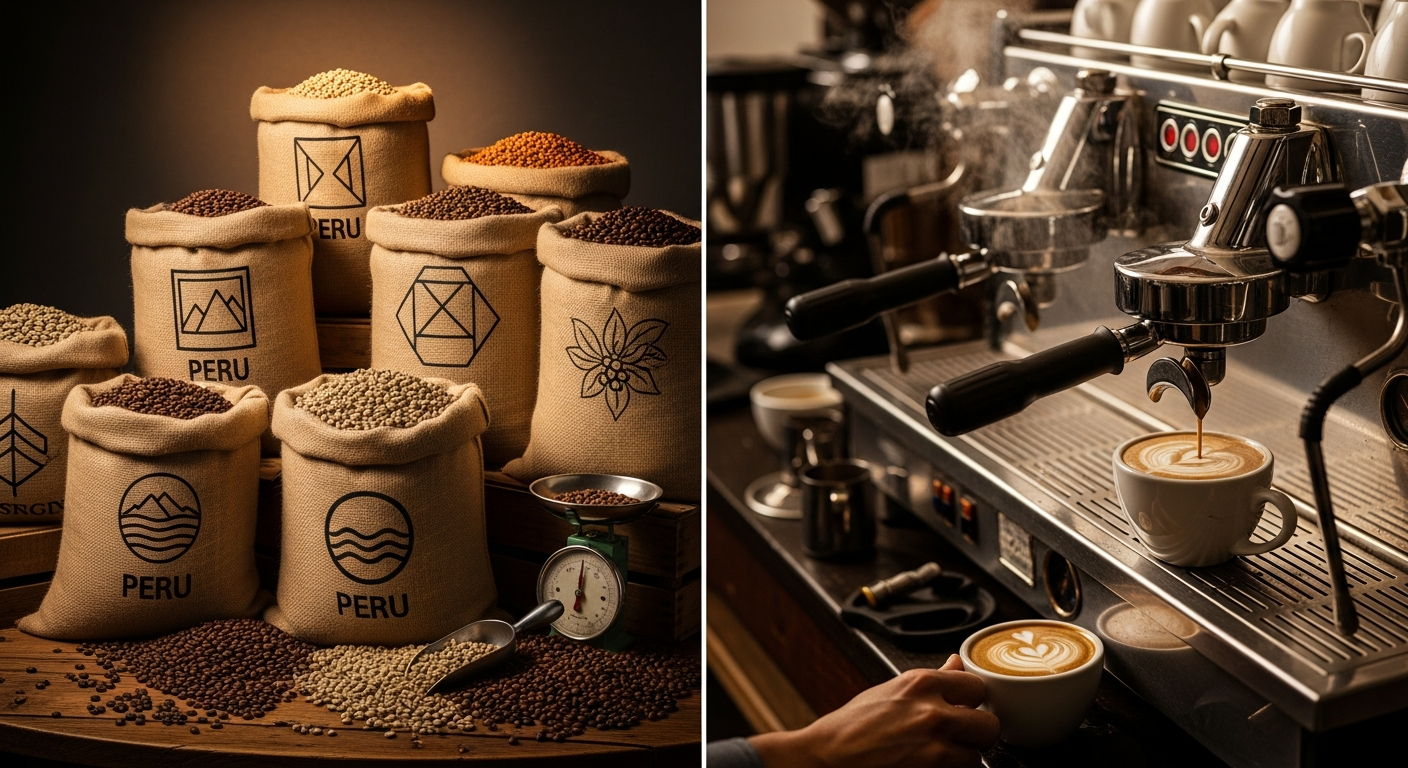
For the modern coffee lover, a morning cup is far more than a caffeine delivery system; it is a ritual, an exploration of terroir, and a statement of values. As we move into 2026, the specialty coffee landscape has shifted dramatically toward transparency. Home baristas are no longer satisfied with vague “premium” labels. Instead, they seek a connection to the origin. This is where a direct trade coffee beans sale becomes the ultimate opportunity. Finding high-quality, ethically sourced beans at a competitive price point allows enthusiasts to experiment with rare varietals without breaking the bank. Direct trade represents a revolutionary supply chain model that bypasses traditional middlemen, ensuring that farmers receive higher pay while roasters—and ultimately consumers—gain access to superior quality. In this guide, we will explore why direct trade is the gold standard for your kitchen counter and how to navigate sales to find the freshest, most vibrant beans available today.
What Exactly is Direct Trade Coffee? (And Why It Matters for Your Cup)
Direct trade is often confused with Fair Trade, but the two are distinct philosophies. While Fair Trade is a certification focusing on base-level price protections and labor standards, direct trade is a relationship-driven model. In a direct trade system, the roaster communicates and negotiates directly with the coffee producer. This eliminates the “C-market” (the commodity exchange) and various exporters/importers who each take a cut of the profit.
For the home barista, the significance of direct trade lies in the quality-to-price ratio. Because the roaster is working directly with the farm, they can request specific processing methods—such as anaerobic fermentation or specific drying techniques—that yield unique flavor profiles. The farmer is incentivized to produce higher-quality cherries because the roaster is paying a premium far above the commodity price. When you find a direct trade coffee beans sale, you are essentially getting “Grand Cru” quality at a “village wine” price. It is the most sustainable way to enjoy specialty coffee because it fosters long-term financial stability for the farmers, ensuring they can continue to innovate and improve their crops for years to come.
The Benefits of Buying Direct Trade Coffee Beans on Sale
Shopping for a sale doesn’t have to mean compromising on freshness. In the world of specialty coffee, roasters often hold sales to make room for new seasonal arrivals. Since coffee is an agricultural product, different regions harvest at different times of the year. For instance, you might find a direct trade coffee beans sale on Ethiopian Yirgacheffe just as the new Colombian harvest is hitting the warehouse.
The benefits of these sales include:
1. **Access to High-End Varietals:** Have you always wanted to try a Gesha or a Sudan Rume? Sales often bring these high-priced, exotic varietals into a more accessible price range.
2. **Supporting Sustainable Growth:** By purchasing these beans, you help roasters maintain their inventory flow, which in turn allows them to place larger, consistent orders with their partner farms.
3. **Exploration at Low Risk:** If you are a home barista who usually sticks to medium-roast Brazils, a sale is the perfect time to try a funky, fruit-forward natural process coffee from Yemen or Nicaragua.
4. **Bulk Savings for Home Freezing:** Coffee enthusiasts have discovered that vacuum-sealing and freezing roasted beans can preserve their peak flavor for months. A direct trade sale allows you to stock up on world-class beans and enjoy them throughout the quarter.
Essential Tips for Home Baristas: How to Choose the Right Beans
When browsing a direct trade coffee beans sale, the sheer number of options can be overwhelming. To find the beans that best suit your palate and brewing equipment, you need to look beyond the price tag and decode the label.
#
Understand the Processing Method
Processing is how the fruit (the cherry) is removed from the seed (the bean). This has a massive impact on flavor.
* **Washed (Wet) Process:** These beans are cleaned of all fruit before drying. Expect a clean, bright, and acidic cup with clear floral or citrus notes. Ideal for V60 or Chemex.
* **Natural (Dry) Process:** The fruit is left on the bean while drying. This imparts heavy fruit flavors, such as blueberry or strawberry, and a thicker body. Great for those who love “funky” profiles.
* **Honey/Pulped Natural:** A middle ground where some fruit mucilage is left on. This results in a balanced cup with intense sweetness.
#
Check the Roast Profile
While direct trade roasters tend to favor lighter roasts to highlight the bean’s inherent character, you should choose based on your preferred brewing method.
* **Light Roast:** Best for pour-over. Highlights acidity and origin character.
* **Medium Roast:** Versatile. Works well for AeroPress, drip, and some espresso.
* **Dark Roast:** Best for milk-based drinks or traditional espresso. Look for notes of chocolate, nuts, and caramel.
#
Altitude and Origin
In 2026, we are seeing more diverse origins than ever. High-altitude beans (above 1,500 meters) generally have more complexity and acidity because they grow more slowly, allowing sugars to concentrate. Look for specific regions like Nyeri in Kenya or Huila in Colombia for consistent excellence.
How to Spot a Genuine Direct Trade Coffee Beans Sale
Not every “sale” is created equal. With the rise of “greenwashing,” some brands use the term “direct trade” loosely. To ensure you are getting the real deal, look for these indicators of authenticity:
* **Farm or Producer Names:** A genuine direct trade bag will almost always name the specific farm (Finca), the producer (the farmer), or the washing station. If the label only says “South American Blend,” it is likely not direct trade.
* **Transparency Reports:** Many top-tier roasters now publish annual transparency reports. These documents list exactly how much they paid the farmer per pound compared to the Fair Trade or C-market price.
* **Roast Dates:** In a specialty coffee sale, the roast date should still be relatively recent. Ideally, you want beans roasted within the last 2–4 weeks. Avoid “clearance” bins where the coffee was roasted six months ago, as the delicate aromatics will have vanished.
* **Flavor Descriptions:** Look for specific, nuanced tasting notes like “bergamot, white peach, and black tea” rather than generic terms like “bold and smooth.” Specificity is a hallmark of quality direct trade sourcing.
Sustainable Sourcing and the Future of Coffee in 2026
As we look toward the remainder of 2026, the coffee industry is facing unprecedented challenges due to climate change. This makes direct trade more important than ever. Direct trade relationships allow roasters to invest in “climate-smart” farming. This includes providing funds for shade-grown coffee canopies, water-saving processing equipment, and the cultivation of climate-resilient hybrids like *Centroamericano*.
When you participate in a direct trade coffee beans sale, you are supporting a system that prioritizes the longevity of the coffee plant. Many roasters in 2026 are also moving toward carbon-neutral shipping and compostable packaging. The home barista is now part of a circular economy where the pleasure of a morning cup is directly linked to the health of a hillside in Ethiopia or a valley in Panama. The “deal” you get during a sale is a byproduct of a healthy, efficient supply chain that values the human element of production.
Brewing Perfection: Maximizing the Flavor of Your Direct Trade Beans
Once you’ve secured your beans from a direct trade coffee beans sale, the responsibility shifts to you, the barista. To honor the hard work of the farmers and the skill of the roaster, you must brew with precision.
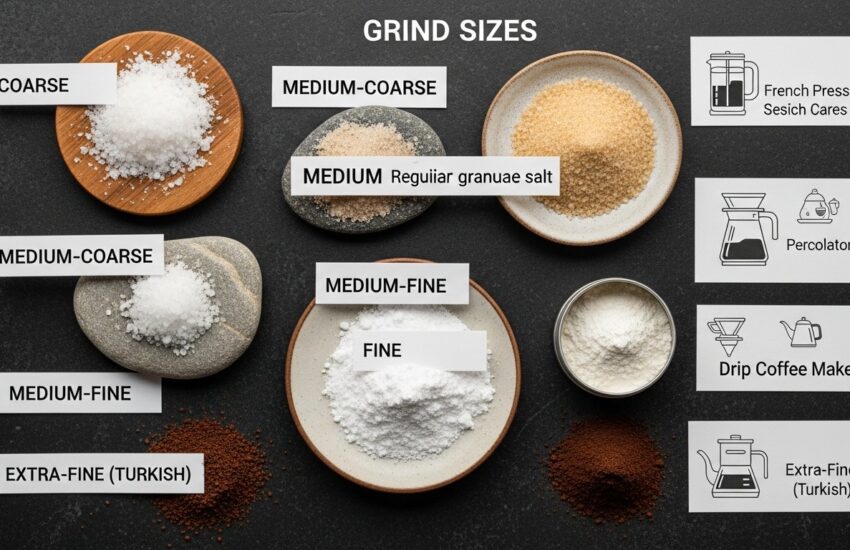
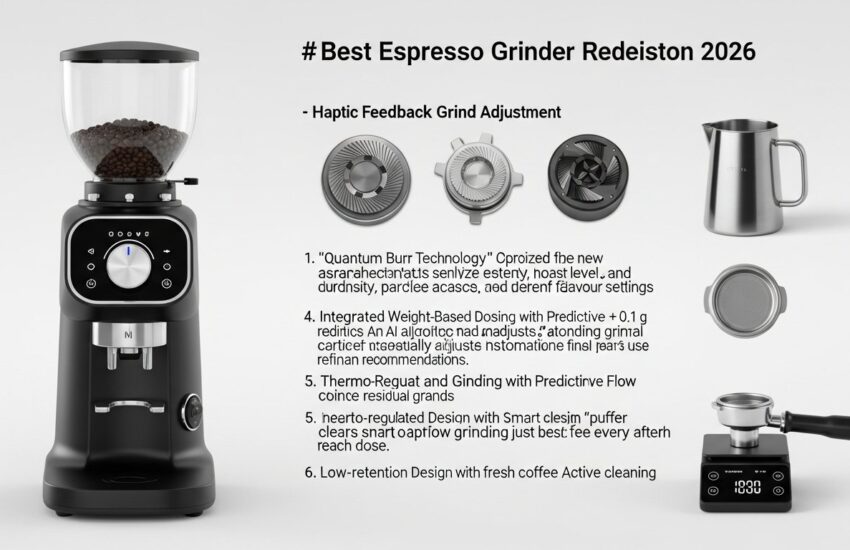
* **The Grinder is King:** If you are buying high-quality direct trade beans, do not use a blade grinder. A burr grinder is essential for a uniform grind size, which prevents uneven extraction (where some grounds are over-extracted and bitter, and others are under-extracted and sour).
* **Water Quality:** Coffee is 98% water. If your tap water tastes like chlorine, your coffee will too. Use filtered water or a specialized third-wave water mineral packet to bring out the bright acidity of your beans.
* **Ratios Matter:** A standard starting point is the 1:16 ratio (1 gram of coffee for every 16 grams of water). For a richer, more intense cup, try 1:15.
* **Temperature Control:** For light-roast direct trade beans, use water just off the boil (around 205°F or 96°C). For darker roasts, slightly cooler water (195°F or 90°C) can prevent excessive bitterness.
FAQ: Direct Trade Coffee Beans
**Q1: Is direct trade coffee always organic?**
Not necessarily. While many direct trade farmers use organic practices because they cannot afford synthetic fertilizers, the “Certified Organic” label is an expensive administrative process. Many direct trade roasters focus on “transitional” or “beyond organic” practices that prioritize soil health over a specific government stamp.
**Q2: Why is direct trade often more expensive than supermarket coffee?**
Supermarket coffee is typically commodity-grade, bought in massive bulk with little regard for farmer welfare or flavor nuance. Direct trade prices reflect the “quality premium” paid to farmers for their labor, cherry selection, and specialized processing. A sale is the best way to bridge that price gap.
**Q3: How long do direct trade beans stay fresh?**
Whole bean coffee is best consumed between 7 and 30 days after the roast date. However, if stored in an airtight, opaque container in a cool place, they can remain delicious for up to 6 weeks. If you find a great sale, consider freezing beans in airtight portions for up to 6 months.
**Q4: Can I use direct trade beans for espresso and pour-over?**
Yes, but check the roast profile. Most direct trade beans are roasted to a “light-medium” level, which is excellent for pour-over. For espresso, look for beans specifically labeled “espresso roast” or “omni-roast” to ensure they have enough solubility to extract properly under pressure.
**Q5: Does direct trade help the environment?**
Usually, yes. Direct trade relationships often include requirements for sustainable farming. Because farmers are paid more, they don’t have to clear more land for higher yields; they can focus on getting more value out of their existing, well-maintained plots.
Conclusion: Elevate Your Coffee Ritual
Finding a direct trade coffee beans sale is more than just a win for your wallet; it is an entry point into a global community of passion and excellence. In 2026, the bond between the home barista and the coffee producer has never been stronger. By choosing direct trade, you are ensuring that your daily habit contributes to a fairer world while treating yourself to the complex, vibrant flavors that only specialty-grade, ethically sourced beans can provide.
Whether you are dialing in a perfect shot of syrupy espresso or watching the bloom of a delicate pour-over, the transparency of direct trade adds a layer of satisfaction that no commodity coffee can match. Keep an eye on your favorite roasters’ seasonal calendars, understand your flavor preferences, and don’t be afraid to experiment. The perfect cup is waiting for you—sourced with integrity, roasted with care, and brewed by your own hands.