Savoring Your Week: The Cafe Serre Guide to Effortless Meal Prep for Busy Food Lovers
Savoring Your Week: The Cafe Serre Guide to Effortless Meal Prep for Busy Food Lovers
Why Meal Prep? More Than Just Time-Saving
Before we dive into the “how-to,” let’s chat about the “why.” Meal prep, at its heart, is an act of self-care. It’s a commitment to feeding yourself well, even when life gets hectic. And while saving precious minutes during the week is a huge draw, the benefits stretch far beyond the clock.
The Health & Wellness Dividend: Better Choices, Less Stress
One of the most profound impacts of meal prepping is on your health. When you have wholesome, balanced meals ready to go, you’re far less likely to reach for convenience foods that are often high in unhealthy fats, sugars, and sodium. Studies consistently show that individuals who plan and prepare their meals tend to consume more fruits and vegetables, have a lower intake of processed foods, and maintain healthier body weights. Beyond the nutritional aspect, there’s the mental well-being. Imagine coming home after a demanding day knowing that a nutritious, delicious dinner is just minutes away. The stress of decision-making, cooking from scratch, and potential cleanup evaporates, replaced by a sense of calm and control. It frees up mental energy for other things you love, whether that’s reading a book, spending time with family, or simply unwinding.
The Financial Feast: Saving Money, Reducing Waste
Let’s talk numbers. Dining out or ordering takeout frequently can quickly drain your wallet. The average cost of a restaurant meal can be two to three times more than preparing a similar meal at home. By planning your meals and buying ingredients strategically, you gain control over your food budget. You’re more likely to use everything you buy, significantly reducing food waste – a win for both your finances and the planet. Think about it: that wilting bunch of spinach you forgot about, or the half-used carton of broth? With meal prep, these ingredients are destined for a delicious future, not the compost bin.
The Joy of Anticipation: Looking Forward to Delicious, Homemade Meals
Perhaps the most underrated benefit of meal prep is the sheer joy it brings. There’s something deeply satisfying about opening your fridge to a rainbow of prepped ingredients, knowing you’ve set yourself up for a week of delightful eating. It transforms the mundane act of eating into an experience of anticipation. You’re not just fueling your body; you’re indulging in the flavors and textures you thoughtfully prepared, making each meal a little celebration of your culinary foresight. It allows you to appreciate the quality ingredients, the effort you put in, and the nourishment you receive, turning a simple weekday lunch into a mini Cafe Serre moment.
The Foundations: Setting Up Your Meal Prep Sanctuary
Every great culinary adventure begins with the right tools and a well-stocked pantry. Think of your kitchen as your personal sanctuary, and these foundational elements as the building blocks for effortless meal prep.
Essential Kitchen Tools: Your Culinary Allies
You don’t need a gourmet kitchen, but a few key items will make your meal prep sessions smoother and more enjoyable:
- Sharp Knives: A good quality chef’s knife (8-inch is versatile) and a paring knife are non-negotiable. They make chopping, dicing, and slicing a breeze and are far safer than dull knives. Invest in a sharpening steel or professional sharpening service.
- Sturdy Cutting Boards: Keep separate boards for raw meats and produce to prevent cross-contamination. Large wooden or thick plastic boards are ideal.
- Airtight Storage Containers: This is where your prepped magic lives!
- Glass Containers: Our top recommendation. They’re non-porous (no lingering odors or stains), microwave and oven-safe (without lids), and durable. Brands like Pyrex and Anchor Hocking offer excellent sets.
- BPA-Free Plastic Containers: Lighter and more portable, but can stain and retain odors over time. Look for reputable brands like Rubbermaid or OXO Good Grips Pop Containers for pantry storage.
- Silicone Bags: Reusable and incredibly versatile for snacks, freezing, or even sous vide. Stasher bags are a popular, eco-friendly choice.
- Large Sheet Pans: Essential for roasting vegetables, proteins, and even one-pan meals. Aim for at least two standard half-sheet pans (13×18 inches).
- Large Pots & Dutch Oven: For batch cooking grains, soups, stews, and braises. A 5-7 quart Dutch oven (like a Le Creuset or Staub) is an investment piece that will last a lifetime.
- Food Processor (Optional but helpful): Speeds up chopping, grating, and making sauces like pesto or hummus.
- Immersion Blender (Optional but helpful): Perfect for blending soups directly in the pot.
Pantry Power-Ups: Staples That Save the Day
A well-stocked pantry is your secret weapon, allowing you to whip up meals even when fresh ingredients run low. Focus on versatile staples:
- Grains: Quinoa (cooks fast, complete protein), farro, brown rice, couscous, whole wheat pasta.
- Legumes: Canned chickpeas, black beans, cannellini beans (rinse well!), dried lentils (red lentils cook very quickly).
- Canned Goods: Diced tomatoes, tomato paste, coconut milk, tuna in olive oil, vegetable or chicken broth.
- Healthy Fats: Extra virgin olive oil (we love a robust, fruity one like California Olive Ranch or Brightland), avocado oil (high smoke point), sesame oil.
- Vinegars: Apple cider vinegar, red wine vinegar, balsamic vinegar for dressings and marinades.
- Spices & Herbs: A diverse collection of dried herbs (oregano, thyme, rosemary) and spices (cumin, paprika, chili powder, garlic powder, onion powder, red pepper flakes). Don’t forget quality salt (kosher or sea salt) and freshly ground black pepper.
- Nuts & Seeds: Almonds, walnuts, cashews, chia seeds, flax seeds, pumpkin seeds – for snacks, toppings, or baking.
- Sweeteners: Maple syrup, honey, dates (for natural sweetness).
- Flavor Boosters: Soy sauce/tamari, sriracha, dijon mustard, hot sauce, nutritional yeast (for cheesy flavor).
Strategic Shopping: The List is Your Map
The most crucial step in successful meal prep happens before you even step into the grocery store: planning. Dedicate 15-30 minutes each week to:
- Review Your Calendar: Note down busy nights, social engagements, or days you might want to eat out.
- Choose Your Recipes: Pick 2-3 main dishes and maybe a breakfast or lunch option. Focus on recipes that share ingredients or components.
- Check Your Pantry: See what you already have to avoid unnecessary purchases.
- Create a Detailed List: Group items by grocery store section (produce, dairy, meat, pantry). This saves time and prevents impulse buys.
- Prioritize Seasonal Produce: It’s fresher, tastier, and often more affordable.
Shopping with a plan ensures you buy exactly what you need, minimizing waste and maximizing efficiency. Consider bulk buying staples like grains, nuts, and dried beans from stores like Costco or Sprouts, which can offer significant savings over time.
The Art of the Batch: Core Strategies for Success
Now for the fun part – the actual cooking! Meal prep isn’t about cooking every single meal from start to finish on Sunday. It’s about strategic batch cooking, preparing versatile components that can be mixed and matched throughout the week.
Component Cooking: Prep Individual Elements
This is the cornerstone of flexible meal prep. Instead of making three full meals, you cook three components that can create multiple meals. Aim for at least one grain, one protein, and a variety of vegetables.
- Grains Galore: Cook a large batch of your chosen grain.
- Quinoa: Rinse 2 cups of quinoa, combine with 4 cups water or broth, bring to a boil, then simmer covered for 15 minutes. Fluff and cool. Yields about 6 cups.
- Brown Rice: Combine 2 cups brown rice with 4 cups water or broth, bring to a boil, reduce heat, and simmer covered for 45-50 minutes. Let stand for 10 minutes, then fluff. Yields about 6 cups.
- Farro: Similar to rice, 1 part farro to 3 parts water/broth, simmer for 30-40 minutes until tender.
Pro Tip: Cook grains in vegetable or chicken broth for extra flavor.
- Proteins Powerhouse: Cook versatile proteins that can be used in various dishes.
- Roasted Chicken: Roast a whole chicken or several chicken breasts/thighs. Season simply with salt, pepper, garlic powder, and paprika. Shred the meat for salads, wraps, tacos, or grain bowls. (Example: a 3-4 lb chicken roasted at 400°F for 60-75 minutes yields enough for several meals.)
- Baked Salmon/Fish: Quick and healthy. Season fillets with lemon, dill, salt, and pepper, then bake at 400°F for 12-15 minutes. Great for salads or with roasted veggies.
- Ground Meat/Lentils: Cook a large batch of ground turkey, beef, or plant-based crumbles with onions and basic seasonings. This can become taco meat, pasta sauce base, or a chili starter. For a vegetarian option, cook a large pot of French green lentils with mirepoix (diced carrots, celery, onion) and herbs.
- Hard-Boiled Eggs: An excellent source of protein for breakfast, snacks, or salads. Boil a dozen at a time.
- Veggies Victorious: Prep a variety of vegetables in different ways.
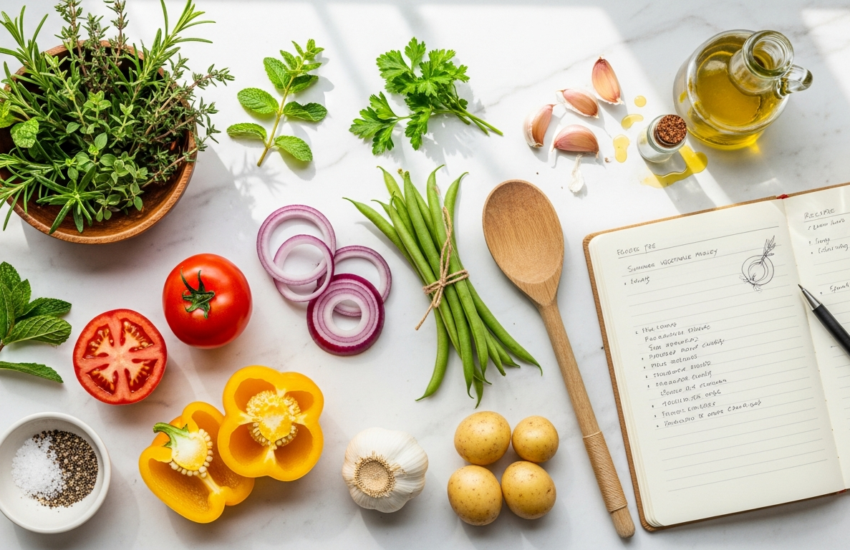
- Roasted Vegetables: Chop sturdy vegetables like broccoli florets, cauliflower, sweet potatoes, bell peppers, carrots, and Brussels sprouts. Toss with olive oil, salt, pepper, and your favorite herbs (rosemary, thyme). Roast at 400°F until tender-crisp (15-30 minutes, depending on the vegetable). This is a fantastic base for bowls, sides, or additions to pasta/frittatas.
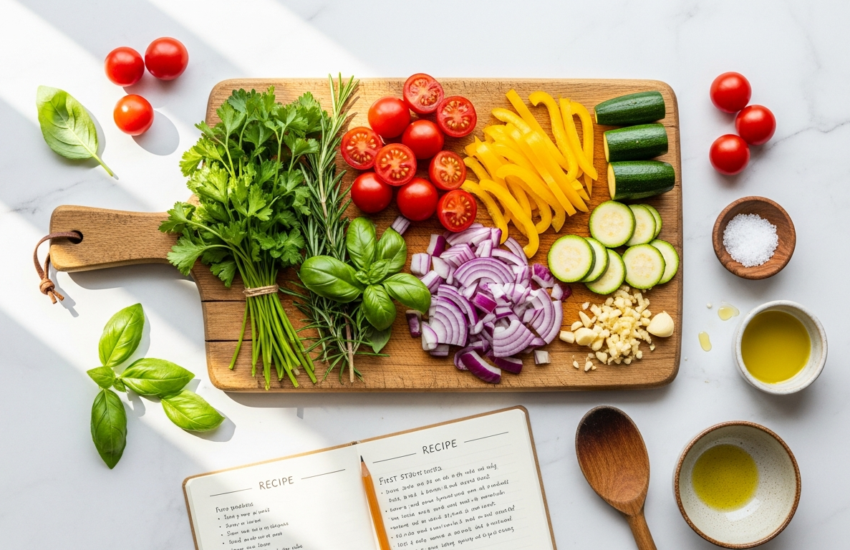
- Washed & Chopped Raw Veggies: Prepare salad greens, cucumbers, cherry tomatoes, radishes, and carrots. Store them separately, ready for quick salads or snack packs.
- Sautéed Greens: Quickly sauté a large bag of spinach or kale with garlic. Great as a side or mixed into eggs or grains.
One-Pot Wonders & Sheet Pan Heroes: Efficiency at Its Best
Sometimes, you want a meal that requires minimal fuss and cleanup. This is where one-pot, one-pan, or sheet pan recipes shine. They are perfect for preparing a complete meal in one go, often with very little active cooking time.
- Sheet Pan Fajitas: Slice chicken or steak and bell peppers/onions. Toss with oil and fajita seasoning. Roast on a sheet pan until cooked through and slightly caramelized. Serve with tortillas and prepped toppings.
- Roasted Chicken & Root Vegetables: Place chicken pieces (bone-in, skin-on for best flavor) on a sheet pan with chunks of potatoes, carrots, and parsnips. Drizzle with olive oil, season with salt, pepper, rosemary, and thyme. Roast until chicken is cooked and vegetables are tender.
- One-Pot Pasta: Combine pasta, sauce ingredients, and broth in a single pot. Simmer until pasta is cooked and sauce is thickened. Many recipes exist for chicken, sausage, or vegetarian versions.
Dressings, Sauces & Spreads: Flavor Boosters
Don’t underestimate the power of a homemade dressing or sauce to elevate your meals. Preparing these in advance saves a ton of time and adds incredible fresh flavor.
- Vinaigrettes: Whisk together 1 part vinegar (red wine, apple cider, balsamic) to 3 parts extra virgin olive oil. Add Dijon mustard, minced garlic, salt, pepper, and a touch of honey or maple syrup. Store in a jar in the fridge for up to a week.
- Pesto: Blend fresh basil, pine nuts (or walnuts), Parmesan cheese, garlic, and olive oil. Freeze in ice cube trays for individual portions or store in an airtight container with a layer of olive oil on top to prevent browning.
- Hummus: Blend canned chickpeas, tahini, lemon juice, garlic, and water until smooth. A versatile dip, spread, or sauce component.
- Marinades: Mix up a few marinades for proteins (e.g., soy-ginger, lemon-herb, spicy chili-lime). Store in jars, then simply add your protein when you’re ready to cook.
From Prep to Plate: Creative Meal Assembly & Storage
You’ve done the hard work of prepping; now it’s time to enjoy the fruits of your labor! The key here is smart assembly and proper storage to maintain freshness and prevent meal fatigue.
Building Blocks for Diverse Meals: Mix & Match Magic
The beauty of component prep is its versatility. You can create entirely different meals from the same base ingredients.
- Breakfast:
- Overnight Oats: Combine rolled oats, milk (dairy or non-dairy), chia seeds, and a touch of sweetener in jars. Add fruit in the morning. (Prepped for 3-4 days ahead.)
- Pre-Portioned Smoothie Packs: Combine frozen fruit, spinach, and protein powder in freezer bags. Just add liquid and blend daily.
- Hard-Boiled Eggs: Grab and go, or slice onto avocado toast.
- Lunch:
- Mason Jar Salads: Layer dressing at the bottom, then hard vegetables (carrots, cucumbers), grains, protein, softer vegetables, and finally, greens on top. Invert into a bowl when ready to eat.
- Grain Bowls: Combine cooked grain (quinoa, farro) with roasted vegetables, a protein (shredded chicken, lentils), and a dollop of hummus or a drizzle of vinaigrette.
- Wraps/Sandwiches: Use pre-cooked protein and pre-chopped veggies for quick assembly.
- Dinner:
- Quick Assembly Dinners: Combine a pre-cooked protein (e.g., roasted chicken), roasted veggies, and a scoop of grain. Add a fresh sauce (pesto, quick pan sauce from chicken drippings) for variety.
- “Deconstructed” Meals: For example, use your prepped ground meat as a base for tacos with pre-chopped salsa components, or turn it into a quick pasta sauce with canned tomatoes.
- Stir-Fries: With pre-chopped veggies and pre-cooked protein, a stir-fry comes together in minutes. Just make a fresh sauce and cook noodles or rice.
Smart Storage for Freshness & Safety
Proper storage is paramount for food safety and preventing spoilage.
- Cool Completely: Always allow cooked food to cool to room temperature before refrigerating or freezing. Placing hot food directly into the fridge can raise the internal temperature of the fridge, potentially spoiling other foods.
- Airtight is Key: Use high-quality airtight containers to prevent oxidation, freezer burn, and absorption of fridge odors. Glass containers with snap-on lids are ideal. For longer freezer storage, consider a vacuum sealer (like a FoodSaver) which significantly extends shelf life.
- Label and Date: Always label your containers with the contents and the date it was prepared. This helps you keep track of freshness and reduces waste.
- Refrigeration Guidelines: Most cooked foods are safe in the refrigerator for 3-4 days. Seafood and ground meats are best consumed within 2-3 days.
- Freezing Tips:
- Portion Control: Freeze individual portions in freezer-safe containers or bags.
- Blanching Vegetables: For raw vegetables you plan to freeze (like broccoli, green beans), blanch them first (briefly boil, then plunge into ice water) to preserve color, texture, and nutrients.
- Soups & Stews: These freeze beautifully. Leave some headspace in containers as liquids expand when frozen.
Beating Boredom: Flavor Variations & Repurposing
One common concern with meal prep is eating the same thing all week. But with component cooking, boredom is easily avoided!
- Vary Your Sauces & Spices: This is your ultimate weapon against monotony. Use a different dressing for your grain bowl each day. Transform plain roasted chicken with a spicy peanut sauce one day, a lemon-herb drizzle the next, and a tangy barbecue sauce on the third.
- Add Fresh Elements: Even if your core components are prepped, add fresh herbs (cilantro, parsley, mint), a squeeze of lime or lemon, a sprinkle of toasted nuts or seeds, or a dollop of Greek yogurt or avocado right before serving. These small additions make a huge difference.
- Repurpose & Reimagining: Don’t just eat leftovers; transform them.
- Leftover roasted chicken can become chicken salad sandwiches, a topping for nachos, or the protein in a quick curry.
- Extra roasted vegetables can be blended into a soup, added to an omelet, or tossed into pasta.
- Cooked grains can be used in stir-fries, stuffed bell peppers, or even savory pancakes.
Sample Week: A Cafe Serre Meal Prep Journey
Let’s put it all together with a practical example of how a busy Sunday prep session can set you up for a week of delicious, stress-free meals. This is just a template; feel free to customize it to your tastes and dietary needs!
Sunday Prep Session (Aim for 2-3 hours)
Your goal is to prepare versatile components:
- Protein Power:
- Roast a whole chicken (3-4 lbs): Season with olive oil, salt, pepper, garlic powder, onion powder, and a squeeze of lemon. Roast at 400°F until internal temperature reaches 165°F (approx. 60-75 minutes). Once cooled, shred the meat and store in an airtight container. Keep the carcass for bone broth if you’re feeling ambitious!
- Cook a batch of black beans: If using dried, soak overnight then cook. If canned, simply rinse thoroughly. Store.
- Grain Goodness:
- Cook a large batch of quinoa (2 cups dry) or brown rice. Let it cool completely before storing.
- Vibrant Veggies:
- Roast a sheet pan of mixed vegetables: Chop sweet potatoes, bell peppers (red, yellow, orange), broccoli florets, and red onion. Toss with olive oil, salt, pepper, and smoked paprika. Roast at 400°F for 20-25 minutes until tender-crisp.
- Wash and chop raw salad components: Lettuce (romaine or mixed greens), cucumbers, cherry tomatoes, and carrots. Store separately.
- Flavor Boosters:
- Make a big batch of lemon-herb vinaigrette: Olive oil, lemon juice, Dijon, minced garlic, dried oregano, salt, pepper. Store in a jar.
- Whip up some quick hummus: Canned chickpeas, tahini, lemon juice, garlic, water, salt.
- Bonus: Hard-boil a dozen eggs for quick breakfasts or snacks.
Daily Assembly Examples
Now, let’s see how these prepped components can transform into exciting meals throughout the week:
- Monday:
- Breakfast: Overnight oats (prepped Sunday night) with fresh berries.
- Lunch: Shredded chicken & roasted veggie grain bowl: Quinoa base, shredded chicken, roasted veggies, a dollop of hummus, and a drizzle of your lemon-herb vinaigrette.
- Dinner: Quick Chicken Tacos: Warm tortillas, shredded chicken, black beans, pre-chopped lettuce/tomatoes, and a sprinkle of cheese or avocado.
- Tuesday:
- Breakfast: Hard-boiled egg with avocado toast.
- Lunch: Mason Jar Salad: Layers of vinaigrette, cucumber, carrots, quinoa, black beans, shredded chicken, and mixed greens.
- Dinner: Chicken & Roasted Veggie Pasta: Sauté some garlic, add canned diced tomatoes and a splash of broth. Stir in shredded chicken and roasted vegetables. Toss with whole wheat pasta (cooked fresh in minutes). Top with fresh basil if desired.
- Wednesday:
- Breakfast: Smoothie with pre-portioned freezer pack (add liquid and blend).
- Lunch: Leftover Chicken & Roasted Veggie Pasta.
- Dinner: Black Bean Burgers with Side Salad: Quickly form black beans into patties (add a little oat flour or breadcrumbs if needed, and spices), pan-fry or bake. Serve on buns or lettuce wraps with pre-chopped salad greens and vinaigrette.
- Thursday:
- Breakfast: Hard-boiled eggs with a piece of fruit.
- Lunch: Black Bean Burger leftovers or a simple salad with hummus and veggies.
- Dinner: “Clean Out the Fridge” Frittata: Sauté any remaining roasted veggies and shredded chicken with a few fresh greens. Whisk eggs with a splash of milk, salt, and pepper. Pour over the veggies in an oven-safe pan and bake until set.
- Friday:
- Breakfast: Quinoa bowl with fruit, nuts, and a drizzle of maple syrup.
- Lunch: Leftover frittata or a fresh wrap using any remaining components.
- Dinner: Treat yourself! Maybe a simple & quick stir-fry with fresh shrimp and any last pre-chopped veggies, or enjoy a well-deserved takeout meal, knowing you’ve eaten so well all week.
This structure ensures you’re eating varied, delicious, and healthy meals without the daily stress of cooking from scratch. It’s about being prepared, not about being perfect.