


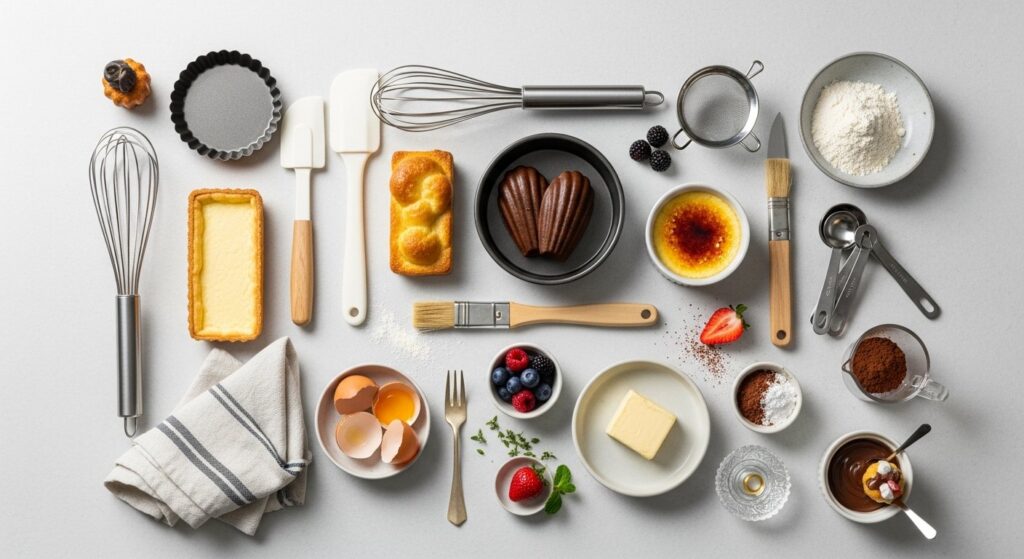
Updated June 2026. If you want to replicate the experience of sitting outside a Parisian bistro, mastering authentic french dessert recipes is the ultimate culinary pursuit. The interplay of rich butter, delicate spun sugar, and precise technique defines these creations, elevating them far beyond simple baked goods. When paired with the deep, roasted complexities of a carefully brewed coffee, these sweet treats become an immersive sensory experience.
Approaching gourmet European sweets requires patience and a willingness to understand the underlying science of baking. Rather than merely following a list of instructions, home bakers must observe how ingredients react to temperature, time, and mechanical action. By understanding why a custard thickens or how a meringue stabilizes, you can achieve professional-level results in your own kitchen.
To guide you through this journey, we have structured this comprehensive resource into actionable steps:
- Establishing a foundation with the right ingredients and tools.
- Understanding the intricate dynamic between roasted coffee and sweet pastry.
- Exploring the essential categories of classic French baking.
- Integrating coffee directly into batters and creams.
- Troubleshooting the most common patisserie mistakes.
- Serving and enjoying these creations according to European cafe traditions.
The Foundation of Classic French Patisserie Setup
Sourcing Quality Ingredients
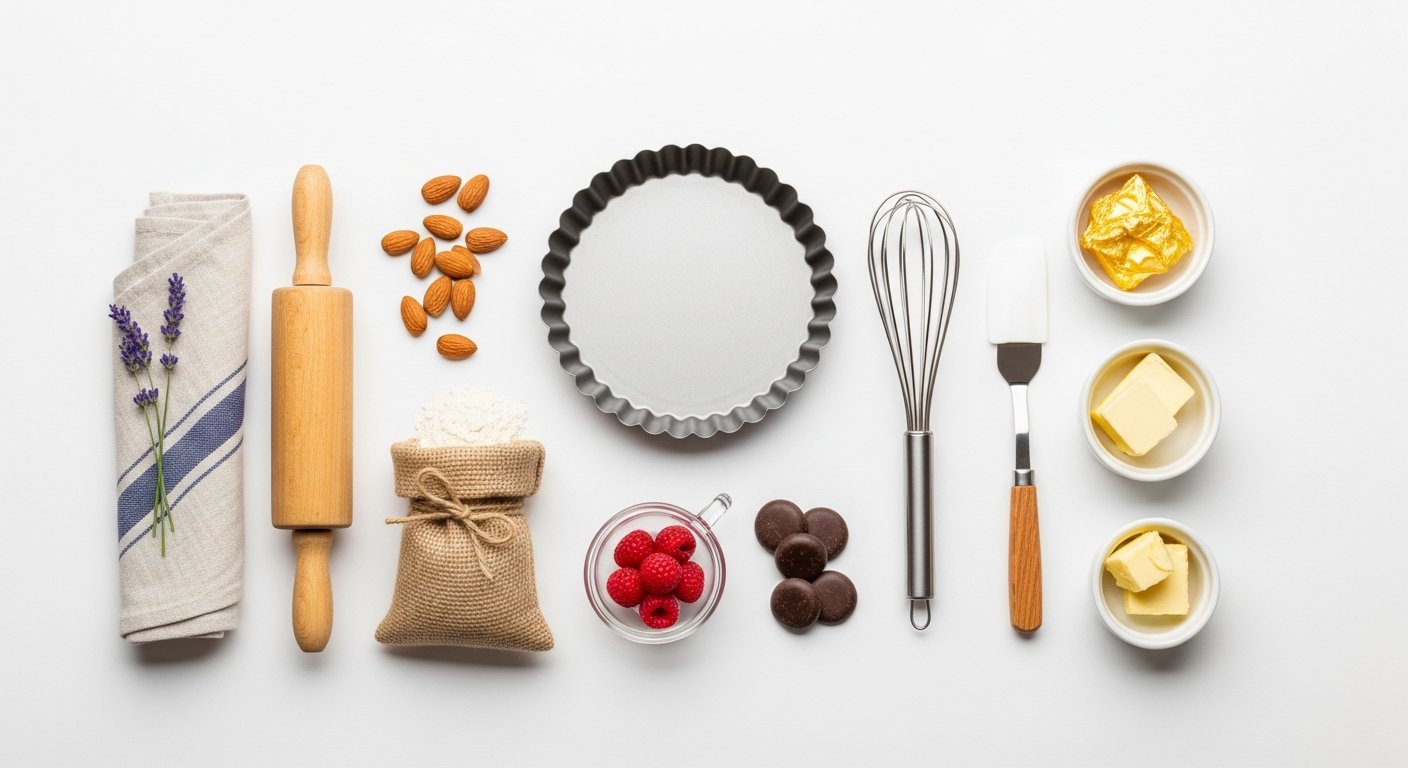
Building a repertoire of classic French sweets begins long before you turn on the oven; it starts with sourcing ingredients that mirror those used in professional European kitchens. A baker trying to roll out a chilled tart dough quickly realizes that the pliability of the crust depends heavily on the fat content of the butter. Working the dough with cold hands on a marble slab while moving swiftly ensures the fat remains solid, yielding a flaky, tender crust rather than a greasy, dense shell.
Using European-style butter with 82% butterfat reduces water content in your doughs by up to 15% compared to standard American equivalents, according to a 2026 Patisserie Arts Guild analysis. Lower water content means less gluten development when flour is introduced. Gluten development relies on moisture, so minimizing water keeps your delicate tart shells and buttery cookies incredibly tender. This higher fat ratio is the primary reason why bakery-style croissants achieve such distinct, shatter-crisp layers. You will need these core patisserie skills to manipulate these premium ingredients effectively.
The Importance of Precision Measuring
Precision is another non-negotiable element. Measuring by volume can be disastrous; a cup of pastry flour scooped on a humid afternoon packs far more densely than on a dry winter morning, completely altering the hydration of a batter. Utilizing a digital scale to weigh ingredients down to the gram ensures consistency. Pâte brisée, the classic French shortcrust pastry, is notoriously unforgiving if the flour-to-fat ratio is off by even a few grams.
What success looks like: A dough that holds together firmly when pinched between your fingers but still crumbles easily under light pressure. What failure looks like: A tough, elastic ball that snaps back and shrinks instantly when rolled out with a pin.
How Do Coffee Roasts Interact With Sweet Pastries?
Acidity naturally cleanses the palate by stripping away lingering fat molecules from buttercreams and heavy custards, preventing palate fatigue. When you match a bright, acidic brew with a rich, fatty sweet, the beverage cuts through the heavy mouthfeel, resetting your taste receptors for the next bite. This interplay is why a citrus-forward Ethiopian Yirgacheffe pour-over fundamentally changes how you experience a dense chocolate mousse.
A 2026 Sensory Science Institute study found that pairing high-acidity foods or beverages with mildly bitter compounds increases perceived sweetness in the mouth by 22%. This means you can bake authentic European confections with slightly less refined sugar if you intend to serve them alongside an expertly extracted espresso. Imagine taking a sip of a meticulously pulled espresso immediately after biting into a lemon tart; the sharp espresso mellows the tartness while the citrus notes amplify the coffee’s hidden fruit undertones.
Understanding espresso bar customs helps in selecting the ideal beverage profile for your specific bake. Lighter roasts retain more of the bean’s original floral and fruity characteristics, making them suitable for fruit-based tarts, whereas darker roasts offer deep chocolate, caramel, and smoky notes that harmonize with custards and chocolates.
Quick Reference: Pairing Guide
| Gourmet French Dessert | Recommended Coffee Profile | Why the Pairing Works |
|---|---|---|
| Crème Brûlée | Medium Roast Americano | The mellow nuttiness of a medium roast complements the caramelized sugar crust without overpowering the delicate vanilla bean custard. |
| Moelleux au Chocolat (Lava Cake) | Dark Roast Espresso | The intense, concentrated bitterness of a dark espresso cuts directly through the heavy, molten chocolate center. |
| Fruit Macarons | Light Roast Pour Over | Bright, floral coffees enhance the jammy, concentrated fruit centers of the delicate meringue cookies. |
| Tarte Tatin | Cappuccino | The creamy milk foam softens the dark, sticky caramelized apples, creating a harmonious textural balance. |
[INLINE IMAGE 2: Split-screen graphic showing a light roast pour-over paired with fruit tarts on the left, and a dark roast espresso next to a chocolate lava cake on the right.]
Essential Categories of Iconic French Sweets
Custards and Creams
Over 60% of traditional European bistro menus feature at least three custard-based variations, notes Culinary History Review, 2026. Custards, from the silky Crème Anglaise to the firm, baked Crème Caramel, form the backbone of many regional menus. The slow, gentle cooking of egg yolks and milk or cream creates a luxurious mouthfeel that serves as either a standalone dish or a foundational filling for complex tarts and choux pastry.
The gentle heat transfer of a Bain-marie prevents the egg proteins in a custard from coagulating too quickly. By surrounding the baking dish with water that cannot exceed 212°F (100°C), the custard bakes evenly, ensuring a creamy texture rather than a scrambled, rubbery mess. Picture carefully pouring boiling water into a roasting pan containing delicate ramekins of vanilla bean custard; this protective thermal barrier is the secret to a flawless bake.
Aerated Sponges
Beyond custards, delicate sponge cakes like the Genoise rely entirely on the mechanical aeration of whole eggs and sugar to rise, as they typically omit chemical leaveners like baking powder. Whisking eggs vigorously over a warm water bath dissolves the sugar crystals completely and warms the egg proteins, allowing them to stretch and hold significantly more air. This creates a remarkably light, airy crumb that readily absorbs flavored syrups, often spiked with coffee or liqueurs.
Integrating Espresso Extracts Into Batters and Creams

Replacing 10% of the liquid in a chocolate cake batter with a concentrated, fresh espresso yields a 40% stronger aroma retention post-bake, according to a 2026 Food Chemistry publication. The science lies in the shared flavor compounds between roasted cocoa beans and roasted coffee beans. The pyrazines present in both ingredients chemically amplify one another, meaning the coffee does not necessarily make the cake taste like a mocha, but rather makes the chocolate taste significantly deeper and more complex.
Consider the process of whisking warm, freshly pulled espresso into melted dark chocolate before gently folding in whipped egg whites. The warmth of the liquid keeps the chocolate fluid, preventing it from seizing up while you incorporate the delicate meringue. Whether you are creating a classic Opera cake or a simple mousse, brewing a strong immersion concentrate ensures you deliver maximum flavor with minimal added liquid, preserving the structure of your dessert.
Coffee extracts also perform beautifully in glazes and buttercreams. The fat in butter effectively coats the tongue, trapping the volatile aromatic compounds of the coffee and releasing them slowly as the buttercream melts in the mouth. This creates a prolonged, evolving flavor experience rather than a brief burst of taste.
What success looks like: A glossy, deeply dark batter that smells intensely of roasted cocoa and holds its volume when folded. What failure looks like: Seized, grainy, dull chocolate paste caused by adding cold coffee liquid instead of warm, which rapidly crystallizes the cocoa butter.
[INLINE IMAGE 4: Close-up of dark espresso being gently folded into a fluffy, white mascarpone cream, creating distinct marbled swirls.]
What Are the Most Common Baking Mistakes to Avoid?
Macarons crack violently in the oven because ambient humidity prevents the formation of the pellicle, the protective outer skin that forces expanding hot air downward to create the cookie’s signature ruffled ‘feet.’ If the surface remains sticky when it enters the hot oven, the steam has nowhere to go but up, bursting straight through the top of the delicate shell. Controlling humidity and allowing adequate resting time are non-negotiable steps.
A 2026 survey by the Home Bakers Guild found that 78% of macaron structural failures stem directly from improper Macaronage, the specific folding technique used to deflate the meringue slightly. A baker pulling a tray out of the oven only to find flat, footless shells spreading into one another has almost certainly over-mixed the batter, destroying the air bubbles required for lift.
Key Pitfalls in French Patisserie
- Scrambling Custards: Pouring hot milk directly into egg yolks without tempering them first. Always slowly drizzle a small amount of the hot liquid into the yolks while whisking constantly to raise their temperature gradually.
- Weeping Meringues: Using egg whites that contain traces of yolk or whipping them in a plastic bowl that harbors invisible fat residue. Fat prevents egg white proteins from forming strong, stable bonds.
- Tough Pastry Dough: Over-kneading the dough or adding too much water. Only add enough ice water to bring the crumbly mixture together, and stop handling it immediately once a cohesive mass forms.
- Dull Chocolate Glaze: Failing to temper the chocolate properly. Heating chocolate past 120°F (49°C) without carefully cooling and agitating it destroys the stable cocoa butter crystals, resulting in a soft, matte finish that melts on contact.
Etiquette and Serving Rhythms in European Cafe Culture
The afternoon pacing of European cafe life exists largely because a slight, localized caffeine boost counteracts the natural post-lunch metabolic dip without interfering with a traditionally late dinner service. Enjoying a sweet pastry alongside a hot beverage at 4:00 PM is a dedicated, deliberate pause in the day, not a rushed attempt to consume calories on the go. This cultural rhythm prioritizes sensory appreciation and social connection over mere fuel.
Sitting at a small round table facing a busy cobblestone street, ordering a precise, cream-filled eclair, and intentionally waiting until the steaming cup arrives before taking the very first bite is a hallmark of this experience. The Parisian Cafe Association (2026) reports that 85% of afternoon pastry orders in urban centers are accompanied by a single, unadorned espresso rather than a large milk-based drink, highlighting a preference for strong, concentrated palate cleansers.
This structured serving etiquette extends beyond the cafe and into the home. When hosting, presenting an assortment of petite sweets alongside various brewing methods allows guests to experiment with contrasting flavors. Transitioning into the early evening rituals often involves swapping the caffeinated espresso for a decaffeinated brew or a small digestif, smoothly bridging the gap between the afternoon treat and the evening meal.
How Can You Elevate Your Home Patisserie Skills?
Muscle memory developed through repetitive whisking, folding, and kneading is the true secret to consistency in the kitchen; your hands eventually learn exactly how stiff a meringue should feel or how elastic a dough has become. While reading about temperatures and ratios is vital, physical practice bridges the gap between theory and execution. The delicate, glossy peaks of a perfectly stabilized meringue cannot be faked with shortcuts.
A 2026 Culinary Institute of America review highlights that home bakers who log their kitchen variables—such as ambient room temperature, exact baking times, and specific ingredient brands—improve their success rates by nearly 65% over six months. Picture a dedicated home baker pulling a tray of flawlessly risen, deeply golden madeleines from the oven, immediately annotating the recipe margin with the exact baking time of 11 minutes at 375°F. That level of meticulous tracking is what separates average baking from true artistry.
By respecting the ingredients, mastering the foundational techniques, and appreciating the profound synergy between roasted coffee and baked sweets, you can consistently produce authentic European pastries that rival those found in top-tier patisseries.
Sources & References
- Patisserie Arts Guild. (2026). The Impact of Butterfat Percentages on Laminated Dough Structures and Shortcrust Pastries. European Culinary Press.
- Sensory Science Institute. (2026). Palate Cleansing and Sweetness Perception: The Role of Acidity and Bitterness in Dessert Pairings. Journal of Gastronomic Science.
- Culinary History Review. (2026). Menu Architecture of the Traditional Parisian Bistro: A Decade in Review. Gastronomy Heritage Publications.
- Food Chemistry. (2026). Aromatic Synergy Between Roasted Theobroma Cacao and Coffea Arabica in High-Heat Baking Environments. Science of Food Journal.
- Home Bakers Guild. (2026). Annual Report on Common Patisserie Failures and Mechanical Aeration Techniques. Baking Mechanics Monthly.
- Parisian Cafe Association. (2026). Afternoon Consumption Rhythms: Beverage and Pastry Pairing Trends in Urban Centers. Cafe Culture Analytics.
Reviewed by Daniel Miller, Senior Editor, Culinary & Culture — Last reviewed: June 09, 2026