Https://Www.Cafeserre.Com/French-Coffee-Culture-Espresso-Bar/
French Coffee Culture: Espresso Bar Traditions
The Historical Tapestry of French Coffee: From Kings to Cafés
The story of coffee in France is as rich and complex as its most revered wines, beginning its journey from the exotic courts of the Middle East to the opulent salons of European royalty. Coffee first arrived in France in the 17th century, famously introduced by Ambassador Suleiman Aga to the court of King Louis XIV in 1669. Initially a luxury reserved for the elite, its popularity quickly spread, leading to the opening of France’s first true coffee house, Le Procope, in 1686 – a legendary establishment that still stands today. These early cafés became epicenters of intellectual and social life, fostering discussions among philosophers, writers, and revolutionaries, laying the groundwork for the enduring “café culture” that defines France.
For centuries, the predominant French coffee experience revolved around methods that maximized volume and robustness. The “cafetière à piston,” or French press, invented in France (or Italy, depending on who you ask, but perfected and popularized in France), became a household staple. This immersion brewing method extracts maximum flavor and body, often from darker roasted beans, resulting in a strong, full-bodied cup. Drip coffee, too, held a significant place, often brewed in large percolators or simple filter cones, designed for continuous serving throughout the day. The focus was on a consistent, comforting, and often potent brew, a stark contrast to the more delicate, nuanced profiles sought in modern specialty coffee.
This historical preference for darker roasts stemmed partly from tradition and partly from the logistics of early coffee trade. Roasting darker helped to mask inconsistencies in bean quality and provided a flavor profile that stood up well to milk and sugar, common additions in French coffee consumption. French roasters, like those at Cafés Richard or Malongo, have long supplied these traditional roasts, often blends of Robusta and Arabica, to bistros and homes across the country. The ritual was less about dissecting flavor notes and more about the social act of sharing a “petit café” or “café au lait” with friends and family, often accompanied by a croissant or pain au chocolat.
However, even as traditional methods dominated, the seeds of change were being sown. The influence of Italian espresso culture, though initially slow to permeate, began to introduce a new dimension to French coffee. Espresso machines, with their ability to produce a concentrated, crema-topped shot, offered a different kind of intensity and a quicker service style. Yet, for a long time, espresso in France remained largely an imitation of its Italian counterpart, often made with the same dark, robust blends. The true embrace of espresso as a distinct craft, rather than just a quick caffeine fix, would come later, paving the way for the modern specialty coffee movement that now thrives alongside these cherished traditions. The historical tapestry of French coffee, therefore, is not merely a relic of the past but a foundational layer upon which contemporary innovations are being built, creating a dynamic and evolving coffee scene.
The Rise of the Espresso Bar in France: A Modern Revolution
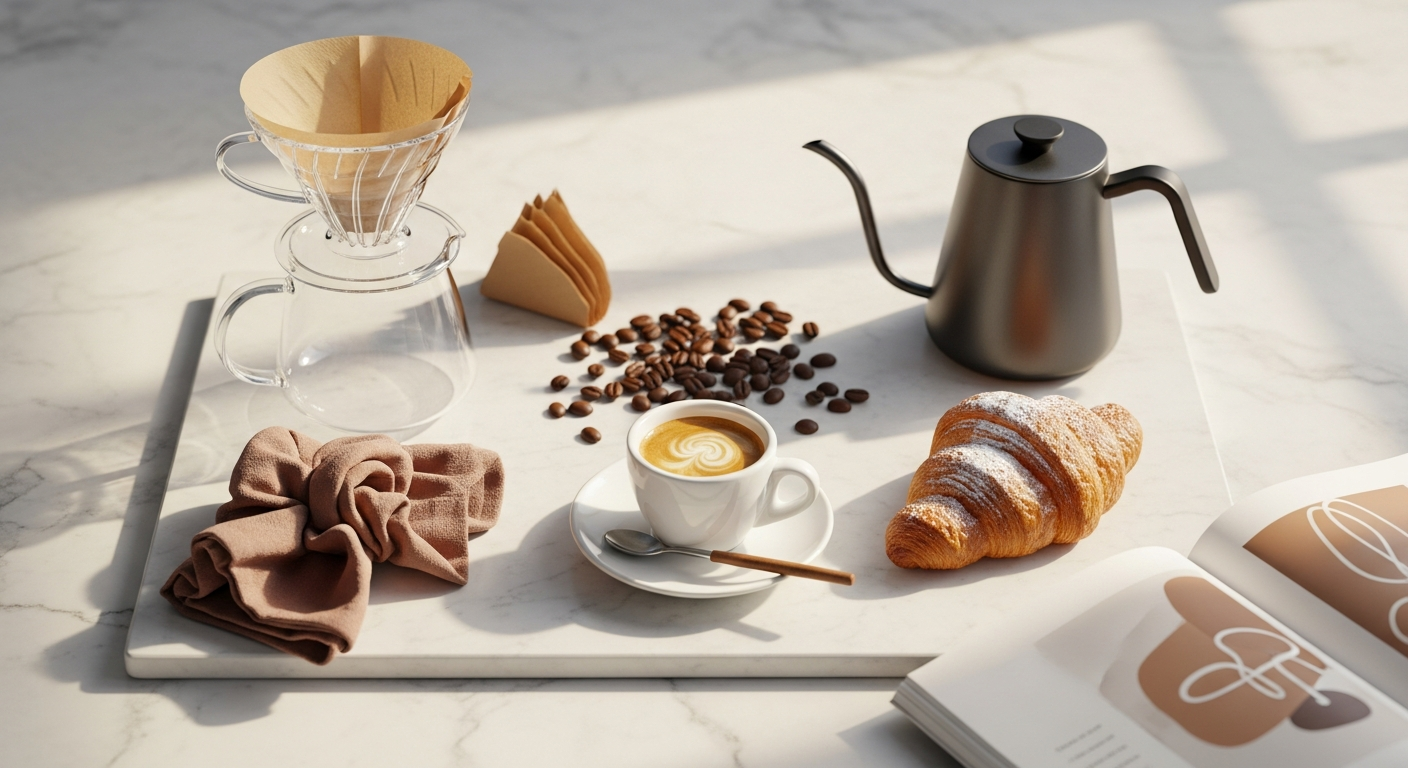
For decades, the French coffee scene was synonymous with the classic Parisian bistro: a charming, bustling space where a quick, strong “café” was served alongside a glass of water. These were places of tradition, where the focus was more on the ambiance and the social ritual than on the intricate nuances of the coffee itself. The espresso machine, while present, often served very dark, sometimes bitter, robusta-heavy brews, a stark contrast to the evolving specialty coffee trends seen in other parts of the world. However, the turn of the 21st century heralded a quiet but profound revolution: the rise of the modern espresso bar in France.
This shift was driven by several factors. Increased global travel exposed young French entrepreneurs and consumers to the “third wave” coffee movements flourishing in cities like London, Berlin, and New York. They discovered that coffee could be more than just a caffeine delivery system; it could be an agricultural product with diverse origins, complex flavors, and a meticulous brewing process. Influential figures, often French expatriates returning home or foreign baristas setting up shop, began to introduce the concepts of single-origin beans, lighter roasts, and precise brewing techniques.
Paris, as expected, became the epicenter of this transformation. Cafés like Coutume Café, Belleville Brûlerie, and Ten Belles were among the pioneers, opening their doors in the early 2010s and challenging the established norms. They focused on direct trade relationships with farmers, roasting their own beans to highlight their unique characteristics, and employing highly trained baristas. These new establishments offered a stark contrast to traditional bistros: minimalist aesthetics, transparent sourcing information, and menus featuring pour-overs, flat whites, and cold brews alongside expertly pulled espressos.
The movement slowly but surely spread beyond the capital. Cities like Lyon, Bordeaux, Marseille, and Nice began to cultivate their own vibrant specialty coffee scenes. In Lyon, cafés like La Boîte à Café and Mokxa became local favorites, bringing the ethos of quality and craftsmanship to a new audience. Bordeaux saw the emergence of places like L’Alchimiste Café, emphasizing artisanal roasting and diverse brewing methods. This geographical expansion signifies a deeper cultural shift, demonstrating that the French palate, renowned for its discernment in wine and food, was ready to embrace similar sophistication in coffee.
The rise of the espresso bar in France isn’t just about new cafés; it’s about a re-education of the palate and a redefinition of coffee’s place in French culture. It has sparked conversations about bean origins, roast profiles, and brewing parameters, turning casual coffee drinkers into discerning enthusiasts. While the traditional bistro still holds its cherished place, the modern espresso bar offers an exciting parallel universe where precision, passion, and palate exploration take center stage, proving that even the most deeply rooted culinary traditions can evolve and flourish with a fresh perspective. This modern revolution ensures that French coffee culture remains dynamic, diverse, and endlessly fascinating.
Understanding the French Espresso: A Distinct Character
When one orders “un café” in France, particularly outside of the burgeoning specialty coffee scene, they are typically served a shot of espresso. However, the character of this “French espresso” often differs significantly from its Italian progenitor or the lighter, more acidic interpretations found in Nordic countries. Understanding these distinctions is key to appreciating the unique place espresso holds within French coffee culture.
Historically, French espresso has been characterized by a preference for darker roasts. This tradition is deeply ingrained, stemming from a desire for a robust, strong cup that stands up well to milk or sugar, and perhaps also from a historical practice of roasting darker to ensure consistency across variable bean quality. These darker roasts typically result in an espresso with pronounced bitterness, a heavier body, and notes of dark chocolate, caramel, and sometimes a smoky finish. The bright, fruity, or floral notes often celebrated in lighter roasted specialty coffees are less common in traditional French espresso. The crema—the reddish-brown foam atop an espresso—is typically thick and persistent, often darker in color due to the roast level. While a beautiful crema is always desirable, in traditional French context, it’s often seen as a sign of strength and freshness, rather than an indicator of specific flavor nuances as emphasized in specialty coffee.
The beans themselves are often blends, frequently incorporating a percentage of Robusta alongside Arabica. Robusta beans are known for their higher caffeine content, thicker crema, and more intense, often rubbery or woody flavors, which contribute to the robust character preferred in traditional French espresso. While specialty coffee overwhelmingly favors 100% Arabica for its complex aromatic profile, traditional French roasters like Lavazza (though Italian, widely used in France), Carte Noire, or even some local French brands, still utilize Robusta to achieve that distinctive strength and body.
However, the modern espresso bar movement in France is actively redefining this character. Influenced by the Specialty Coffee Association (SCA) standards, these newer establishments are moving towards lighter, medium roasts, often using 100% Arabica, single-origin beans. They prioritize transparency in sourcing and aim to highlight the inherent flavors of the coffee bean—its “terroir”—which refers to the environmental factors that affect a crop’s unique taste. This means a shift towards espressos that are brighter, more acidic (in a pleasant, fruit-like way), and offer a more complex aromatic profile, with notes of berries, citrus, or even floral undertones. Baristas in these shops meticulously adhere to SCA-recommended brewing parameters: aiming for an extraction yield of 18-22% and a Total Dissolved Solids (TDS) percentage between 1.15-1.35% for a balanced espresso.
Despite this evolution, the French espresso, even in its modern form, retains a distinct identity. It often strikes a balance between the assertive boldness of tradition and the refined complexity of specialty coffee. While a traditional French café might serve a 30ml shot from a darker roast, a specialty espresso bar might offer a 25ml shot of a medium-roasted single-origin, pulled with precision at a brew ratio of 1:2 (coffee grounds to liquid espresso), resulting in a vibrant, intense, yet balanced cup. This dual identity—respecting the past while embracing the future—is what makes understanding the French espresso a truly distinct and evolving experience.
Equipment and Craft: The Tools of the French Barista
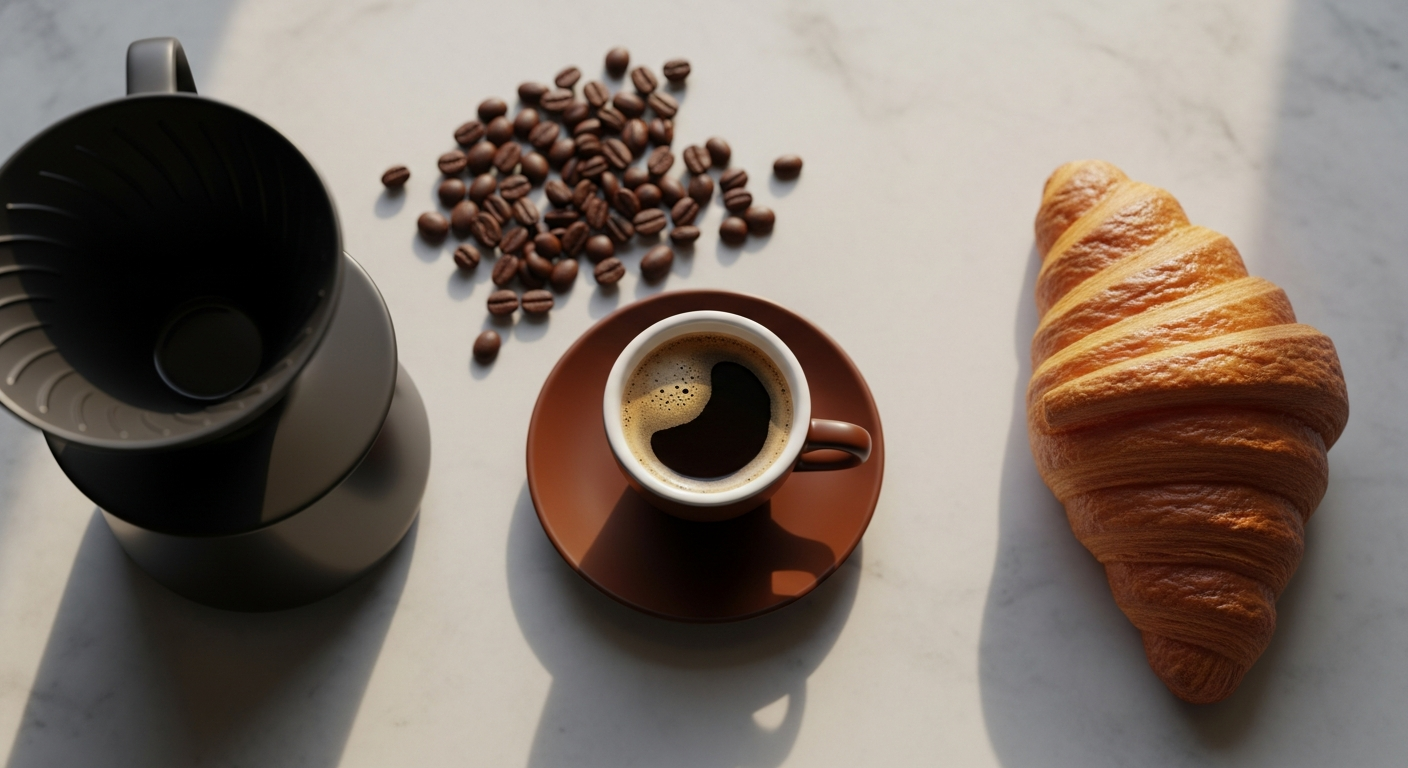
Behind every exceptional cup of coffee, whether traditional or specialty, lies a combination of high-quality equipment and the skilled hands of a barista. In France, as the coffee culture evolves, so too do the tools and techniques employed by those dedicated to the craft. The equipment used in French espresso bars, particularly those embracing specialty coffee, reflects a global standard of excellence, paired with a distinct local approach to preparation.
Equally vital is the coffee grinder. A grinder’s ability to produce a consistent and uniform grind size is paramount for a balanced espresso extraction. In French specialty cafés, you’ll often find grinders from brands like Mahlkönig and Mazzer. The Mahlkönig EK43S, a flat-burr grinder, is revered for its exceptional grind quality and versatility, capable of grinding for both espresso and filter coffee with remarkable precision. Its price point typically ranges from $3,000 to $4,000. For espresso-specific grinding, Mazzer grinders like the Mazzer Robur or Mazzer Mini (around $600-900) are also popular, known for their durability and consistent dosing. The choice of grinder directly impacts the extraction, as an uneven grind can lead to over or under-extraction, resulting in bitter or sour flavors.
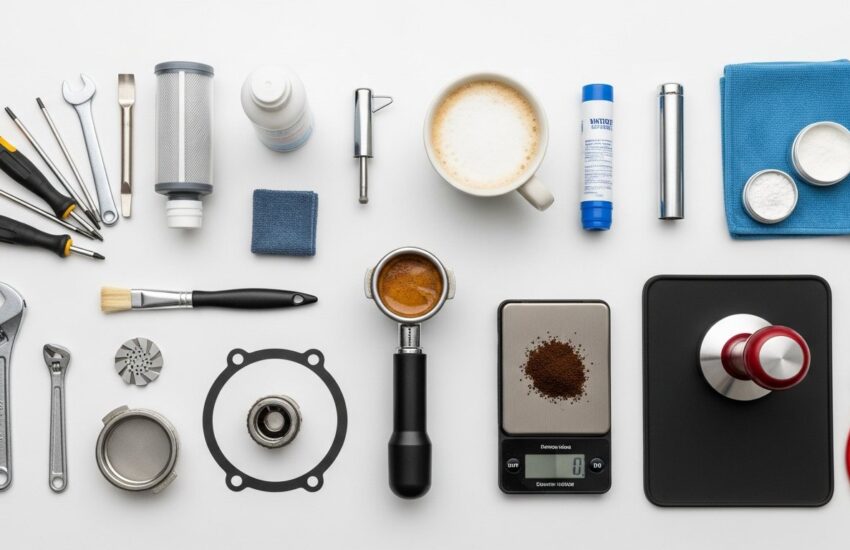
Beyond the primary equipment, baristas employ a range of tools and techniques. High-quality portafilters, precision tampers, and distribution tools (like a WDT tool) ensure an even coffee bed, preventing channeling—a common issue where water finds paths of least resistance, leading to uneven extraction. Scales are indispensable for measuring coffee dosage and espresso yield, allowing baristas to adhere to specific brew ratios, such as a 1:2 ratio (e.g., 18g of coffee in yielding 36g of espresso out) for a classic espresso, or 1:1 for a ristretto. Water quality is also rigorously controlled, often through multi-stage filtration systems, as water composition significantly impacts flavor.
The craft of the French barista extends beyond merely operating machinery. It involves a deep understanding of coffee science, sensory evaluation, and an unwavering commitment to consistency. Baristas are trained not only in pulling perfect shots but also in latte art, milk steaming techniques, and the nuances of various brew methods like pour-over (using Kalita Wave or Hario V60 drippers) and Aeropress. This blend of cutting-edge equipment and artisanal skill is transforming the French coffee landscape, elevating the “café” from a simple beverage to a sophisticated culinary experience, meticulously crafted and passionately served.
The Art of the French Coffee Order: Etiquette and Drinks
Ordering coffee in France, particularly in a traditional bistro, is an art form steeped in subtle etiquette and specific terminology. While the specialty coffee scene has introduced a more global lexicon, understanding the classic French approach is crucial for an authentic experience. It’s less about a lengthy menu of customized options and more about knowing the precise term for what you desire, often consumed quickly and efficiently.
The most fundamental order is “un café,” which almost universally means a single shot of espresso. It’s typically served in a small demitasse cup, often with a sugar cube on the side and a small glass of water to cleanse the palate. This is the bedrock of French coffee consumption: a quick, concentrated burst of caffeine, often consumed standing at the bar or at a small table. For a slightly less intense shot, you might ask for “un café allongé,” which is an espresso with more hot water, akin to an Americano but generally weaker. Conversely, “un café serré” is a ristretto – a shorter, more concentrated shot.
When it comes to milk-based drinks, the French have their own distinct vocabulary. “Un café crème” is the equivalent of a latte or cappuccino, made with hot milk and often a dollop of foam. It’s usually a breakfast drink, rarely ordered after midday. For something smaller, “un noisette” is an espresso with a dash of milk, literally meaning “hazelnut,” referring to the color the milk gives the coffee. It’s a popular choice for those who find a plain espresso too strong but don’t want a full milk drink. Crucially, ordering “un café au lait” usually implies a bowl of milky coffee for home consumption, often made with filtered coffee, rather than an espresso-based drink in a café. If you want a takeaway coffee, you’ll need to specify “à emporter,” as traditionally, coffee is consumed on-site.
The social aspect of coffee consumption is paramount. French cafés are not typically places for lingering with laptops for hours, especially during peak times. The “petit café” is often consumed quickly, sometimes in a few sips, before continuing with the day. It’s a moment of pause, a brief social interaction, or a quick energizer. Baristas, while increasingly skilled, often maintain a professional distance, prioritizing efficiency. A simple “Bonjour,” “S’il vous plaît,” and “Merci” go a long way. Tipping is not obligatory but always appreciated for good service, often by rounding up to the nearest euro or leaving a small coin.
In the new wave of specialty coffee shops, the menu might be more familiar to international visitors, featuring “flat whites,” “lattes,” and various “pour-overs.” Here, baristas are often more engaging, willing to discuss bean origins and brew methods. However, even in these modern establishments, a sense of refined simplicity often prevails. The art of the French coffee order, therefore, is a beautiful blend of tradition and evolving modernity, where knowing the right words and respecting the cultural rhythm ensures a seamless and enjoyable experience, whether you’re savoring a classic “café” or exploring a single-origin pour-over.
Beyond the Espresso: French Coffee Culture’s Modern Evolution
While the “petit café” remains an iconic symbol, French coffee culture is far from static. It’s undergoing a vibrant modern evolution, moving beyond the traditional dark roasts and embracing the intricate world of specialty coffee. This “third wave” movement, characterized by a focus on quality, transparency, and artisanal preparation, is transforming how the French perceive and consume their daily brew, creating a dynamic dialogue between heritage and innovation.
The pioneers of this modern shift are a growing number of French roasters and cafés dedicated to elevating the coffee experience. Roasters like Belleville Brûlerie in Paris, founded by Australian-French duo Thomas Lehoux and David Flynn, have been instrumental in introducing lighter roasting profiles and single-origin beans to the French market. They prioritize direct trade, ensuring fair compensation for farmers and access to exceptional quality green beans. Similarly, Coutume Café, another Parisian trailblazer, not only roasts its own beans but also focuses on educating consumers about different origins and brewing methods. Further afield, L’Arbre à Café, founded by Hippolyte Courty, has championed “grand cru” coffees, akin to the classification of wines, emphasizing terroir and exceptional quality. These roasters are not just selling coffee; they’re selling a philosophy, a commitment to quality from farm to cup.
The impact of this evolution extends beyond espresso. Modern French cafés are now offering a diverse range of brewing methods that were once rare. Pour-overs, using devices like the Hario V60 or Kalita Wave, allow baristas to highlight the delicate nuances of single-origin coffees, providing a clean, aromatic cup. Aeropress, known for its versatility and portability, has also found its place, offering a full-bodied yet clean brew. Cold brew, once a niche product, is becoming increasingly popular, especially during the warmer months, offering a smooth, low-acid alternative. These methods are not merely fads; they represent a deeper engagement with the coffee bean itself, allowing for a broader spectrum of flavors to be explored.
This modern evolution is also fostering a new generation of French baristas. Inspired by international competitions and the rigorous standards set by organizations like the Specialty Coffee Association (SCA), these professionals are honing their skills to an unprecedented degree. They understand the science behind extraction, the art of milk texturing, and the importance of consistent quality. French barista champions, while not yet as globally prominent as some of their Nordic or American counterparts, are emerging, showcasing their expertise and pushing the boundaries of coffee preparation within France. For instance, the French Barista Championship, an annual event, highlights emerging talents and sets the bar for excellence.
What makes this evolution particularly French is its ability to integrate new trends without entirely abandoning tradition. Many specialty cafés still offer a nod to the classic “café” experience, perhaps with a more refined espresso. The modern French coffee scene is a testament to a culture that values both its heritage and its capacity for innovation, ensuring that coffee in France remains a dynamic and ever-enriching experience for all enthusiasts.
Brewing French Coffee at Home: A Modern Approach
Embracing French coffee culture doesn’t require a trip to Paris; it can be recreated and even elevated in the comfort of your own home. Whether you lean towards traditional robustness or modern specialty nuances, applying a thoughtful approach to home brewing can yield truly exceptional results. Here’s how to brew French coffee at home with a modern twist, combining heritage with precision.
1. Selecting Your Beans: The foundation of any great coffee is the bean. For a traditional French experience, opt for darker roasted blends, often labeled “French Roast” or “Espresso Roast,” which may contain some Robusta for body and crema. Brands like Cafés Richard or Malongo offer excellent traditional options. For a modern, specialty approach, seek out medium-roasted, 100% Arabica, single-origin beans from reputable French roasters like Belleville Brûlerie or L’Arbre à Café. Pay attention to the roast date; aim for beans roasted within the last 2-4 weeks for optimal freshness. World Coffee Research (WCR) provides excellent resources on bean varieties and their characteristics, helping you choose beans that suit your palate.
2. Grinding Fresh: A quality burr grinder is non-negotiable. Pre-ground coffee rapidly loses its aromatics. Grind your beans just before brewing. For a French press, aim for a coarse, even grind, similar to breadcrumbs. For a pour-over or Aeropress, a medium-fine grind, like table salt, is generally suitable. If you’re attempting home espresso, a very fine, consistent grind is essential. A good entry-level burr grinder like the Baratza Encore (around $170) or a high-end option like the Fellow Ode Brew Grinder (around $300) can make a significant difference.
3. Water Quality and Temperature: Coffee is 98% water, so its quality matters. Use filtered water to avoid off-flavors from chlorine or mineral imbalances. For brewing temperature, the Specialty Coffee Association (SCA) recommends water between 90-96°C (195-205°F) for optimal extraction. A gooseneck kettle with temperature control, such as a Fellow Stagg EKG (around $160), provides precision for pour-over methods.
4. Brewing Methods:
* French Press (Cafetière à Piston): This classic method is perfect for a robust, full-bodied cup. Use a 1:15 coffee-to-water ratio (e.g., 60g coffee for 900ml water). Add coarse grounds, pour hot water, stir gently, and steep for 4 minutes before slowly plunging. This method excels with darker roasts.
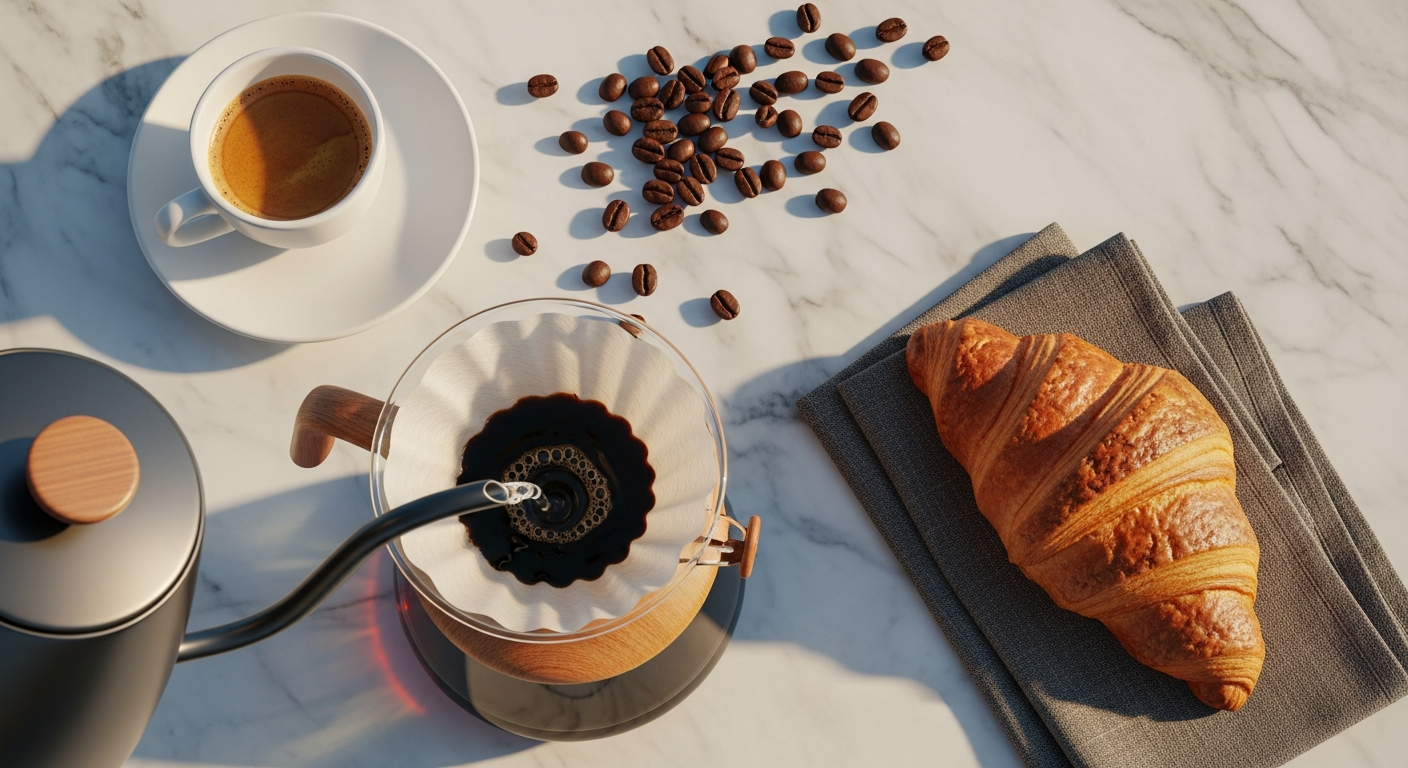
* Pour-Over (Hario V60, Kalita Wave): For a cleaner, brighter cup that highlights single-origin nuances, pour-over is ideal. Use a 1:16 ratio (e.g., 25g coffee for 400ml water) and a medium-fine grind. Bloom the grounds with a small amount of water for 30 seconds, then pour slowly and evenly in concentric circles.
* Aeropress: Versatile and forgiving, the Aeropress can produce a concentrated shot or a full-bodied cup. Experiment with inverted or standard methods, fine-medium grind, and various ratios (e.g., 1:10 for a concentrated brew, diluted later).
* Moka Pot: For a stovetop “espresso-like” experience, the Moka pot is a French (and Italian) staple. Use a medium-fine grind, fill the basket without tamping, and brew on low heat. This yields a strong, intense cup, perfect for “un café” at home.
5. Embracing the Ritual: Beyond the technicalities, brewing French coffee at home is about the ritual. Take time to savor the aroma, appreciate the process, and enjoy your cup, perhaps with a pastry. Whether you’re aiming for a traditional robust “café” or a meticulously crafted single-origin pour-over, the modern approach to home brewing allows you to explore the full spectrum of French coffee culture.
Key Takeaways: Navigating French Coffee Culture
- Tradition Meets Modernity: French coffee culture is a fascinating blend of historical preference for robust, darker roasts and the rapidly growing embrace of specialty, lighter-roasted espresso and diverse brew methods.
- ”Un Café” Means Espresso: In most traditional French establishments, ordering “un café” will get you a single shot of espresso, often strong and robust. Learn specific terms for other drinks like “un noisette” (espresso with a dash of milk) or “un café crème” (latte/cappuccino).
- Precision in the New Wave: Modern French espresso bars adhere to Specialty Coffee Association (SCA) standards, focusing on high-quality single-origin beans, precise brewing temperatures (90-96°C), and optimal extraction ratios (e.g., 1:2 for espresso, 18-22% extraction yield).
- Equipment Matters: High-end machines like La Marzocco and precision grinders like Mahlkönig are common in specialty cafés, reflecting a commitment to consistency and quality in crafting the perfect cup.
- Ritual and Efficiency: Coffee consumption in France is often a quick, social ritual. While specialty cafés encourage lingering, traditional bistros prioritize efficiency, with many patrons enjoying their coffee standing at the bar.
French Coffee Styles: Traditional vs. Modern Espresso Bar
| Feature | Traditional French Coffee (Bistro/Home) | Modern French Espresso Bar (Specialty Café) |
|---|---|---|
| Primary Drink | “Un Café” (darker espresso), filter coffee (at home) | Specialty Espresso, Flat White, Pour-over (V60, Kalita) |
| Roast Level | Typically Dark to Very Dark | Medium to Light-Medium |
| Bean Origin/Blend | Often blends, sometimes with Robusta content | 100% Arabica, often single-origin, traceable |
| Flavor Profile | Robust, strong, bitter, dark chocolate, smoky | Complex, nuanced, fruity, floral, balanced acidity |
| Brewing Method | Espresso machine (older models), French Press, Moka Pot, Drip | High-end Espresso machines (La Marzocco), Pour-over, Aeropress |
| Brew Parameters (Espresso) | Less emphasis on specific ratios/temps, often longer shots | Strict SCA standards: 90-96°C, 1:2 brew ratio, 18- |
Reviewed by Daniel Miller, Senior Editor, Culinary & Culture — Last reviewed: June 09, 2026