
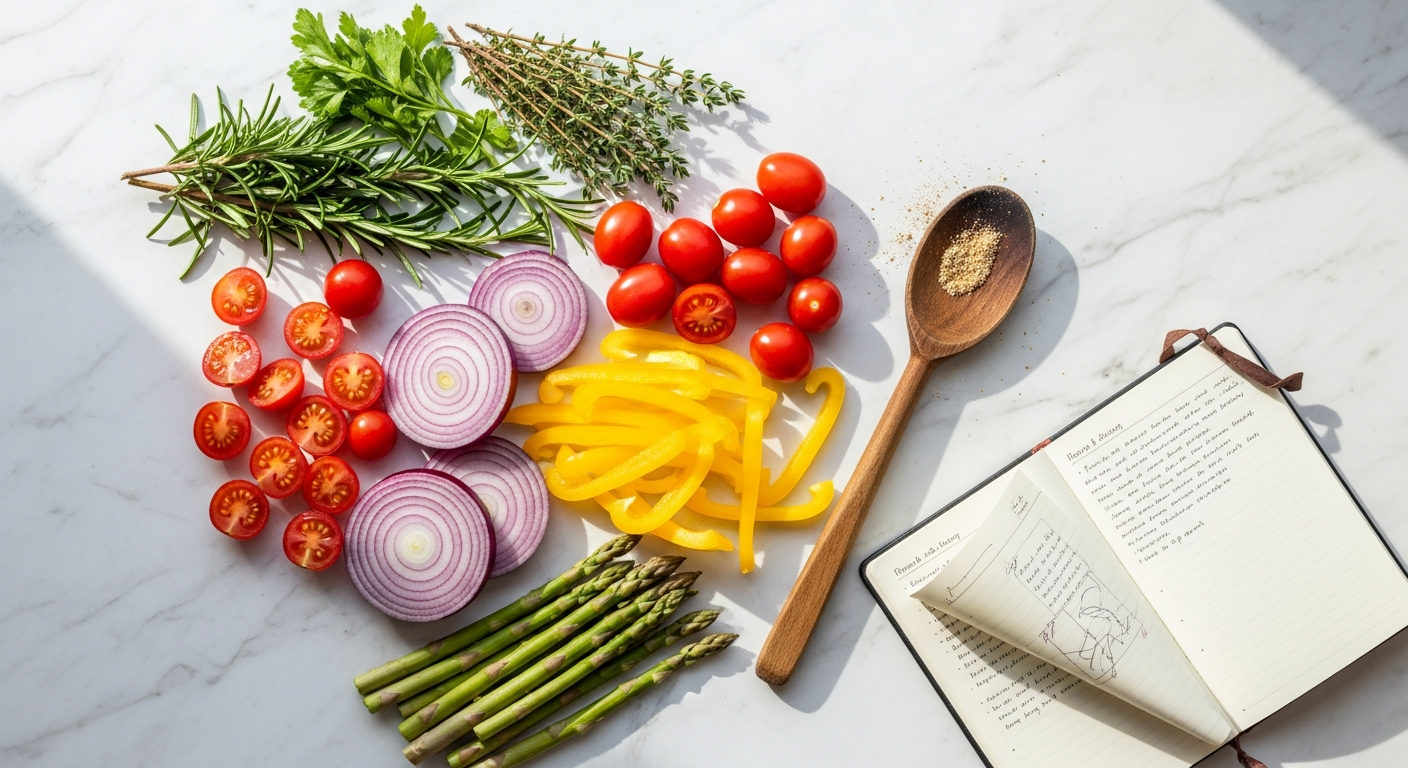
Savoring the Sun: Your Beginner’s Guide to Embracing the Mediterranean Diet Meal Plan
Savoring the Sun: Your Beginner’s Guide to Embracing the Mediterranean Diet Meal Plan
What is the Mediterranean Diet (Beyond the “Diet” Label)?
Before we dive into meal plans and grocery lists, let’s truly understand what the Mediterranean diet is – and more importantly, what it isn’t. It’s not a fad, a quick fix, or a set of rigid rules designed for deprivation. Instead, it’s an eating pattern inspired by the traditional culinary habits of countries bordering the Mediterranean Sea, such as Greece, Italy, Spain, and parts of the Middle East, particularly during the mid-20th century. It’s a holistic approach to nutrition that has been celebrated by scientists and gourmands alike for decades.
At its heart, the Mediterranean diet is about abundance, color, and fresh, unprocessed ingredients. Think of grandmothers in sun-drenched kitchens, preparing meals with love, using what the earth provides locally and seasonally. It’s a diet rich in plant-based foods, healthy fats, and lean proteins, with a strong emphasis on enjoyment and social connection around the table.
The Pillars of Mediterranean Eating
Understanding these core principles is key to making the diet a sustainable part of your life:
* Abundant Plant-Based Foods: This is the cornerstone. Fruits, vegetables, whole grains, legumes (beans, lentils, chickpeas), nuts, and seeds are consumed daily, forming the bulk of meals. They provide fiber, vitamins, minerals, and antioxidants.
* Healthy Fats, Especially Olive Oil: Extra Virgin Olive Oil (EVOO) is the primary source of fat, used liberally for cooking, dressing salads, and drizzling over dishes. It’s a monounsaturated fat powerhouse, celebrated for its heart-healthy benefits. Avocados, nuts, and seeds also contribute beneficial fats.
* Fish and Seafood (Regularly): Consumed at least twice a week, particularly fatty fish like salmon, mackerel, sardines, and tuna, which are rich in Omega-3 fatty acids.
* Poultry, Eggs, and Dairy (Moderation): Chicken and eggs are included a few times a week. Dairy, primarily in the form of yogurt and cheese, is consumed in moderate portions, often fermented varieties.
* Red Meat (Sparsely): Red meat is enjoyed only a few times a month, often in smaller portions and as a component of a dish rather than the main event.
* Herbs and Spices (Flavor First): Instead of relying on salt, butter, or heavy sauces, Mediterranean cuisine shines with its use of fresh herbs (oregano, basil, rosemary, thyme, mint) and aromatic spices (cumin, paprika, cinnamon).
* Water and Wine (in moderation): Water is the beverage of choice. Red wine, enjoyed in moderation with meals, is also a traditional component, though it’s entirely optional.
* Mindful Eating and Social Connection: This often overlooked aspect is crucial. Meals are savored, eaten slowly, and often shared with family and friends. It’s about more than just food; it’s about connection and pleasure.
The Health Benefits: Why It Works
The scientific community has extensively studied the Mediterranean diet, consistently finding it to be one of the healthiest eating patterns in the world. Its benefits are profound and far-reaching:
* Heart Health: Rich in monounsaturated fats (from olive oil) and omega-3s (from fish), it significantly lowers the risk of heart disease, reduces “bad” LDL cholesterol, and improves blood pressure. Data from the PREDIMED study, a large clinical trial, showed that participants on a Mediterranean diet supplemented with extra virgin olive oil or nuts had a 30% lower risk of major cardiovascular events.
* Brain Health: The emphasis on antioxidants and healthy fats supports cognitive function and may reduce the risk of neurodegenerative diseases like Alzheimer’s.
* Weight Management: While not a “diet” for rapid weight loss, its focus on whole, fiber-rich foods promotes satiety, making it easier to maintain a healthy weight long-term.
* Diabetes Prevention and Management: The high fiber content helps regulate blood sugar levels, making it beneficial for preventing and managing type 2 diabetes.
* Reduced Inflammation: The abundance of plant compounds and healthy fats has powerful anti-inflammatory effects throughout the body, which is crucial for preventing chronic diseases.
* Longevity: Populations in Mediterranean regions, particularly the “Blue Zones” like Ikaria, Greece, are known for their exceptional longevity and quality of life, often attributed to their diet and lifestyle.
This isn’t just about adding years to your life; it’s about adding life to your years, with more energy, vitality, and enjoyment of food.
The Pantry Foundation: Stocking Your Mediterranean Kitchen
Embarking on your Mediterranean culinary adventure starts with a well-stocked pantry. Think of it as your flavor arsenal, ready to create spontaneous, delicious meals. The beauty of Mediterranean staples is their versatility and long shelf life, making healthy eating both convenient and economical.
Essential Staples: Your Mediterranean Toolkit
Here’s what you’ll want to have on hand, broken down by category:
* Olive Oil (The Golden Nectar): This is non-negotiable. Invest in a good quality Extra Virgin Olive Oil (EVOO). Use it for everything: sautéing, roasting, dressing salads, dipping bread, finishing dishes.
Product Recommendation:* Look for EVOO from specific regions like Greece, Italy, or Spain, with a harvest date on the bottle. Brands like Gaea, Colavita, or local specialty store options are often excellent choices.
* Whole Grains:
* Pasta: Choose whole wheat pasta for its added fiber. Orzo, spaghetti, penne are all versatile.
* Rice: Brown rice, wild rice, or even specialty rices like Arborio (for risottos, though less frequent) are good.
* Grains: Farro, quinoa, bulgur (for tabbouleh), and couscous are fantastic for salads, side dishes, or as a base for meals.
* Breads: Whole grain crusty bread for dipping in olive oil, making sandwiches, or accompanying meals.
* Legumes (The Protein Powerhouses):
* Dried or Canned Beans: Chickpeas (garbanzo beans), cannellini beans, kidney beans, black beans, lentils (brown, green, red). Canned are convenient; dried are economical and excellent if you have time to soak and cook.
* Nuts and Seeds:
* Nuts: Almonds, walnuts, pistachios, pine nuts (for pesto!). Great for snacking, adding to salads, or incorporating into main dishes.
* Seeds: Chia seeds, flax seeds, sesame seeds (tahini is also a must-have!).
* Vegetables (Fresh & Frozen):
* Fresh: Prioritize seasonal vegetables. Staples include onions, garlic, tomatoes (on the vine, cherry, or Roma), bell peppers, zucchini, eggplant, spinach, kale, cucumbers, leafy greens (romaine, mixed greens).
* Frozen: Excellent for convenience. Keep frozen spinach, broccoli florets, peas, and mixed Mediterranean vegetables on hand for quick additions to meals.
* Fruits (Fresh & Dried):
* Fresh: Seasonal fruits are best. Oranges, lemons (essential!), grapes, berries, apples, pears, peaches, figs.
* Dried: Dates, apricots, raisins (in moderation due to concentrated sugar).
* Herbs and Spices (Flavor Superstars):
* Fresh: Basil, oregano, parsley, mint, rosemary, thyme, dill. Grow them if you can!
* Dried: Oregano, basil, thyme, rosemary, bay leaves, cumin, paprika, coriander, red pepper flakes.
* Other Flavor Boosters: Garlic powder, onion powder, sea salt, black pepper.
* Canned Goods & Jarred Items:
* Tomatoes: Crushed tomatoes, diced tomatoes, whole peeled tomatoes, tomato paste.
* Olives: Kalamata, green olives.
* Artichoke Hearts: Canned or jarred, in water or brine.
* Roasted Red Peppers: Jarred, for quick flavor.
* Tuna/Sardines: Canned in olive oil or water.
* Dairy (Moderate & Often Fermented):
* Yogurt: Plain Greek yogurt (full-fat or low-fat) for breakfast, snacks, or sauces.
* Cheese: Feta, halloumi, mozzarella, Parmesan (in smaller amounts).
* Vinegars & Condiments: Red wine vinegar, balsamic vinegar. Hummus, tahini.
Shopping Smarts: Tips for the Market
* Embrace the Seasons: Focus on what’s fresh and local. Seasonal produce is more flavorful, nutritious, and often more affordable.
* The Perimeter Rule: Most of your grocery cart should come from the perimeter of the store – fresh produce, dairy, lean proteins. The inner aisles are for your pantry staples.
* Read Labels: When buying packaged goods (like whole grain bread or pasta), check for minimal ingredients and avoid added sugars, unhealthy fats, and excessive sodium.
* Bulk Bins: For nuts, seeds, and some grains, buying from bulk bins can be more cost-effective and allows you to buy just what you need.
Building Your Mediterranean Plate: A Beginner’s Meal Plan Framework
Now that your pantry is gleaming with possibilities, let’s talk about how to construct delicious, balanced Mediterranean meals. The beauty of this approach is its flexibility; there are no strict calorie counts or rigid portion sizes, but rather a focus on balance and the composition of your plate.
The Mediterranean Plate Blueprint
Imagine your plate divided:
* Half: Non-starchy vegetables (leafy greens, bell peppers, zucchini, tomatoes, cucumbers).
* Quarter: Whole grains or starchy vegetables (brown rice, quinoa, whole wheat pasta, potatoes, sweet potatoes).
* Quarter: Lean protein (fish, legumes, poultry, eggs, some dairy).
* A Drizzle: Healthy fats (extra virgin olive oil, olives, avocado, nuts, seeds).
Sample Meal Ideas for Your First Week
Here’s how you can translate the principles into practical, mouth-watering meals throughout your day. Remember, these are starting points – feel free to mix and match, adjust to your taste, and incorporate your favorite seasonal produce.
Breakfast: Start Your Day Sun-Kissed
Breakfasts are typically light, fresh, and often feature yogurt, fruit, and whole grains.
* Greek Yogurt with Berries and Nuts: A bowl of plain Greek yogurt (full-fat for satiety!) topped with fresh seasonal berries (blueberries, raspberries), a drizzle of honey, and a sprinkle of chopped walnuts or almonds.
* Whole-Grain Toast with Avocado and Tomato: Toasted whole-grain bread (sourdough is fantastic) topped with mashed avocado, sliced fresh tomatoes, a sprinkle of sea salt, black pepper, and a dash of red pepper flakes. Drizzle with EVOO.
* Oatmeal with Fruit and Seeds: Cooked rolled oats (not instant!) with water or milk (dairy or non-dairy), topped with sliced banana, a spoonful of chia seeds or flax seeds, and a touch of cinnamon.
* Mediterranean Scramble: Two scrambled eggs with sautéed spinach, diced bell peppers, and a sprinkle of feta cheese. Serve with a small slice of whole-grain toast.
Lunch: Light, Bright, and Satisfying
Lunches are often salads, grain bowls, or leftovers from dinner.
* Large Mediterranean Salad: A base of mixed greens (romaine, spinach), topped with chopped cucumber, cherry tomatoes, red onion, Kalamata olives, chickpeas, a sprinkle of feta, and grilled chicken or canned tuna (in olive oil). Dress with a simple vinaigrette (EVOO, red wine vinegar, dried oregano).
* Leftover Grain Bowl: A base of quinoa or farro, topped with roasted vegetables (zucchini, eggplant, bell peppers), lentils, and a dollop of hummus.
* Whole-Grain Pita Sandwich: Fill a whole-wheat pita with hummus, sliced cucumber, tomato, shredded lettuce, and grilled halloumi cheese or falafel.
* Lentil Soup with Crusty Bread: A hearty bowl of homemade lentil soup (packed with vegetables like carrots, celery, and spinach), served with a thick slice of whole-grain crusty bread for dipping in EVOO.
Dinner: The Heart of Mediterranean Dining
Dinners are often the most substantial meal, bringing together various components.
* Baked Salmon with Roasted Vegetables: A fillet of salmon seasoned with lemon, dill, salt, and pepper, baked until flaky. Serve alongside a medley of roasted vegetables (broccoli, bell peppers, asparagus) drizzled generously with EVOO.
* Chicken and Vegetable Skewers with Quinoa: Marinate chicken breast pieces and chopped bell peppers, zucchini, and onion in lemon juice, oregano, garlic, and EVOO. Thread onto skewers and grill or bake. Serve with a side of fluffy quinoa.
* Pasta with Fresh Tomato and Basil: Whole wheat pasta tossed with a simple sauce made from fresh cherry tomatoes (halved), garlic, EVOO, and a generous amount of fresh basil. Add some cannellini beans for extra protein and fiber. A sprinkle of Parmesan is optional.
* Chickpea and Spinach Stew: A warming stew made with chickpeas, diced tomatoes, spinach, onions, garlic, and Mediterranean spices (cumin, paprika). Serve with a side of brown rice or whole-grain couscous.
* Grilled Halloumi and Vegetable Salad: Grilled slices of halloumi cheese served over a large bed of mixed greens with grilled eggplant, zucchini, and cherry tomatoes. Drizzle with balsamic glaze and EVOO.
Snacks: Mindful Bites
Snacks are typically fresh fruit, nuts, or small portions of dairy.
* A handful of almonds or walnuts.
* Apple slices with a tablespoon of almond butter.
* A small bowl of plain Greek yogurt.
* Carrot sticks and cucumber slices with hummus.
* A piece of seasonal fruit (an orange, a handful of grapes).
* Olives.
Cooking the Mediterranean Way: Simple Techniques for Flavorful Feasts
The beauty of Mediterranean cooking lies in its simplicity and reliance on quality ingredients. You don’t need fancy equipment or complex techniques to create deeply flavorful, nourishing meals. It’s about letting the natural flavors of fresh produce, herbs, and good olive oil shine.
Mastering Key Techniques
* Roasting: This is your best friend for vegetables. Toss chopped vegetables (zucchini, eggplant, bell peppers, broccoli, carrots, potatoes) with a generous glug of EVOO, salt, pepper, and herbs (rosemary, oregano, thyme). Spread them on a baking sheet and roast at 400°F (200°C) until tender and slightly caramelized. Roasting brings out their natural sweetness and creates incredible depth of flavor.
* Sautéing: Perfect for quick cooking, especially for aromatics (onions, garlic) and leafy greens (spinach, kale). Heat EVOO in a pan, add your ingredients, and cook until tender.
* Grilling: Whether on an outdoor grill or an indoor grill pan, grilling adds a wonderful smoky char to vegetables, fish, and lean meats like chicken. Marinate items briefly in lemon juice, EVOO, and herbs before grilling.
* Simmering & Stewing: Many Mediterranean dishes are slow-cooked stews or soups, allowing flavors to meld beautifully. Think lentil soups, bean stews, or tomato-based sauces. These are often one-pot wonders, perfect for meal prepping.
* Building Layers of Flavor:
* Soffritto: Start almost every savory dish with a base of sautéed onions and garlic in olive oil. This is the foundation of flavor.
* Herbs, Herbs, Herbs: Don’t be shy with fresh or dried herbs. They are key to imparting authentic Mediterranean taste without excess salt.
* Lemon Juice: A squeeze of fresh lemon juice at the end of cooking brightens flavors and adds a zesty finish.
* Vinegar: A splash of red wine or balsamic vinegar can add acidity and complexity to sauces and dressings.
* Spice it Up (Naturally): Cumin, paprika, coriander, and red pepper flakes are common Mediterranean spices that add warmth and depth.
Cafe Serre Kitchen Hacks for Mediterranean Success
* Prep Ahead: Chop vegetables, wash greens, and cook a batch of whole grains (quinoa, brown rice) at the beginning of the week. This makes assembling meals incredibly fast.
* Batch Cooking Legumes: If using dried beans or lentils, cook a large batch on the weekend. Store in the fridge or freeze in portions for quick additions to salads, soups, or stews.
* Homemade Dressings: Skip store-bought dressings, which often contain unhealthy oils and sugars. A simple vinaigrette of EVOO, vinegar (red wine or balsamic), Dijon mustard, salt, pepper, and dried herbs is superior and takes minutes to whisk together.
* Don’t Fear the Freezer: Flash-frozen vegetables are picked at their peak and retain nutrients. They’re a fantastic backup when fresh options are limited. Freeze leftover homemade soups or stews for easy future meals.
* Embrace the Mezze: For a fun and easy meal, put together a “mezze” platter: hummus, olives, feta, cherry tomatoes, cucumber slices, roasted red peppers, whole-grain pita bread, and some fresh fruit. It’s a delightful way to enjoy a variety of flavors and textures.
* Invest in Quality: A good quality extra virgin olive oil, fresh herbs, and ripe, seasonal produce make all the difference. You taste the sunshine in these ingredients!
Beyond the Plate: Embracing the Mediterranean Lifestyle
While food is certainly central, the Mediterranean diet is more than just a list of ingredients. It’s a holistic approach to well-being that intertwines eating with other crucial lifestyle factors. To truly embrace this way of life, we need to look beyond our plates and into our daily habits.
Mindful Eating: Savor Every Bite
In our fast-paced world, eating often becomes a hurried necessity rather than a cherished ritual. The Mediterranean lifestyle encourages us to slow down.
* Be Present: Put away distractions like phones and screens. Focus on the flavors, textures, and aromas of your food.
* Eat Slowly: Give your body time to register fullness. This helps prevent overeating and enhances digestion.
* Listen to Your Body: Eat when you’re hungry, stop when you’re satisfied, not stuffed.
* Appreciate Your Food: Take a moment to acknowledge where your food comes from and the effort involved in preparing it.
Social Connection: Food as a Unifier
Meals in the Mediterranean are often communal events, shared with family and friends. This social aspect is a powerful contributor to well-being.
* Dine with Others: Make an effort to share meals with loved ones. Conversation and laughter at the table enhance the dining experience and reduce stress.
* Cook Together: Involve family members in meal preparation. It’s a wonderful way to teach healthy habits and create shared memories.
* Potlucks and Gatherings: Embrace opportunities to share food with your community.
Physical Activity: Movement is Life
The traditional Mediterranean lifestyle involves a high level of natural physical activity, not necessarily structured gym workouts, but rather movement integrated into daily life.
* Walk More: Walk to the market, take the stairs, go for an evening stroll. Aim for at least 30 minutes of moderate activity most days of the week.
* Gardening: If you have the space, growing your own herbs and vegetables is a fantastic way to get active and connect with your food.
* Enjoy Movement: Find activities you genuinely enjoy – dancing, cycling, swimming, hiking – and make them a regular part of your routine.
Hydration: Water is Essential
While wine is traditionally consumed in moderation with meals, water is the primary beverage.
* Drink Plenty of Water: Aim for at least 8 glasses of water a day. Keep a water bottle handy.
* Herbal Teas: Enjoy unsweetened herbal teas as another hydrating option.
By integrating these lifestyle elements with your Mediterranean meal plan, you’re not just changing what you eat; you’re cultivating a richer, healthier, and more joyful way of living – a true testament to the wisdom of the Mediterranean.
A Week to Wellness: Sample Mediterranean Meal Plan for Beginners
To make things truly practical, here’s a full 7-day meal plan designed to introduce you to the Mediterranean diet. This plan emphasizes simplicity, fresh ingredients, and balanced meals, with some opportunities for leftovers to minimize cooking time. Feel free to swap meals around based on your preferences and what’s in season.
Day 1: Fresh Start
* Breakfast: Plain Greek yogurt with mixed berries, a drizzle of honey, and chopped almonds.
* Lunch: Large Mediterranean salad (mixed greens, cucumber, tomatoes, red onion, chickpeas, Kalamata olives) with grilled chicken or canned tuna. Dressed with EVOO and red wine vinegar.
* Dinner: Baked Salmon with Roasted Asparagus and Cherry Tomatoes. Season salmon with lemon, dill, salt, pepper. Toss asparagus and tomatoes with EVOO, garlic, salt, pepper before roasting.
* Snack: Apple slices with a small handful of walnuts.
Day 2: Grain Power
* Breakfast: Whole-grain toast with mashed avocado, sliced tomato, a sprinkle of salt, pepper, and red pepper flakes. Drizzle of EVOO.
* Lunch: Leftover Baked Salmon and Roasted Vegetables.
* Dinner: Whole Wheat Pasta with Lentil and Vegetable Marinara. Sauté onions, garlic, carrots, celery; add canned crushed tomatoes, cooked lentils, and Italian herbs. Simmer and toss with whole wheat pasta.
* Snack: A small bowl of plain Greek yogurt.
Day 3: Legume Love
* Breakfast: Oatmeal cooked with water, topped with sliced banana, chia seeds, and cinnamon.
* Lunch: Leftover Whole Wheat Pasta with Lentil and Vegetable Marinara.
* Dinner: Chickpea and Spinach Stew. Sauté onions, garlic, add diced tomatoes, chickpeas, vegetable broth, and spices (cumin, paprika). Simmer, then stir in fresh spinach until wilted. Serve with a side of brown rice or whole-grain couscous.
* Snack: Hummus with carrot and cucumber sticks.
Day 4: Mediterranean Mezze
* Breakfast: Plain Greek yogurt with sliced peaches (or other seasonal fruit) and a sprinkle of pumpkin seeds.
* Lunch: Large Mediterranean salad with chickpeas, feta, and a mix of fresh and roasted vegetables (bell peppers, zucchini).
* Dinner: Mezze Platter: Hummus, Kalamata olives, feta cheese, cherry tomatoes, cucumber slices, roasted red peppers (jarred), and whole-grain pita bread for dipping.
* Snack: A handful of pistachios.
Day 5: Fish Friday (or any day!)
* Breakfast: Whole-grain toast with a hard-boiled egg and a slice of tomato. Drizzle of EVOO.
* Lunch: Leftover Chickpea and Spinach Stew.
* Dinner: Grilled Sardines (or Mackerel) with a Lemon-Herb Salad. Grill fresh sardines or mackerel fillets. Serve alongside a vibrant salad of mixed greens, fresh parsley, mint, red onion, and a lemon-EVOO dressing.
* Snack: Orange slices.
Day 6: Weekend Feast
* Breakfast: Mediterranean Scramble: Scrambled eggs with sautéed spinach, diced bell peppers, and a sprinkle of feta.
* Lunch: Whole-grain pita pockets filled with hummus, shredded lettuce, cucumber, tomato, and grilled halloumi cheese.
* Dinner: Chicken and Vegetable Skewers with Quinoa. Marinate chicken and chopped veggies in lemon, garlic, oregano, EVOO. Grill or bake. Serve with a side of fluffy quinoa.
* Snack: A handful of olives.
Day 7: Relax and Recharge
* Breakfast: Plain Greek yogurt with a mix of dried apricots (moderation) and sunflower seeds.
* Lunch: Leftover Chicken and Vegetable Skewers with Quinoa.
* Dinner: Homemade Minestrone Soup (packed with beans, pasta, and vegetables) with a side of crusty whole-grain bread for dipping in EVOO.
* Snack: A small bunch of grapes.
This sample plan provides a fantastic starting point. Remember to listen to your body, enjoy the process, and don’t be afraid to experiment with different ingredients and recipes!