Https://Www.Cafeserre.Com/Pulling-The-Perfect-Shot-The-Best-Home-Espresso-Machines-For-Every-Budget/
Pulling the Perfect Shot: The Best Home Espresso Machines for Every Budget
By Alex Rivera, Coffee Expert at Cafe Serre
Introduction to Home Espresso: Why Invest?
The journey into home espresso brewing is a rewarding one, offering a level of control and customization that drip coffee makers simply cannot match. Beyond the sheer pleasure of a perfectly crafted beverage, there are several compelling reasons why investing in a quality home espresso machine makes sense for any true coffee aficionado.
Firstly, there’s the significant cost savings over time. A daily latte or espresso from a cafe can quickly add up, often costing upwards of $4-6 per drink. With a home setup, the cost per shot plummets dramatically, often to less than $1, even when using premium beans. Over months and years, your machine can effectively pay for itself, making it a sound financial investment for habitual coffee drinkers.
Secondly, home espresso offers unparalleled personalization. Are you particular about your grind size, extraction time, or milk texture? With your own machine, you become the master of your brew. Experiment with different beans, explore various roast profiles, and dial in every parameter to create a drink that is precisely to your taste. This level of intimacy with your coffee is a joy that many never experience.
Finally, there’s the sheer convenience and enjoyment. No more waiting in lines, battling traffic, or rushing out the door for your caffeine fix. Your favorite coffee shop is now just steps away, accessible 24/7. Moreover, the process of preparing espresso can be a meditative and enjoyable ritual, a moment of calm and focus before the day begins, or a delightful treat to share with guests. The sense of accomplishment when you pull that pristine, tiger-striped shot with a rich crema is truly satisfying.
Choosing the best home espresso machine means unlocking these benefits and embarking on a delicious journey of discovery. Whether you’re a complete novice or an aspiring home barista, there’s a machine out there designed to meet your needs and exceed your expectations.
Understanding Your Espresso Machine Options: Semi-Automatic vs. Super-Automatic
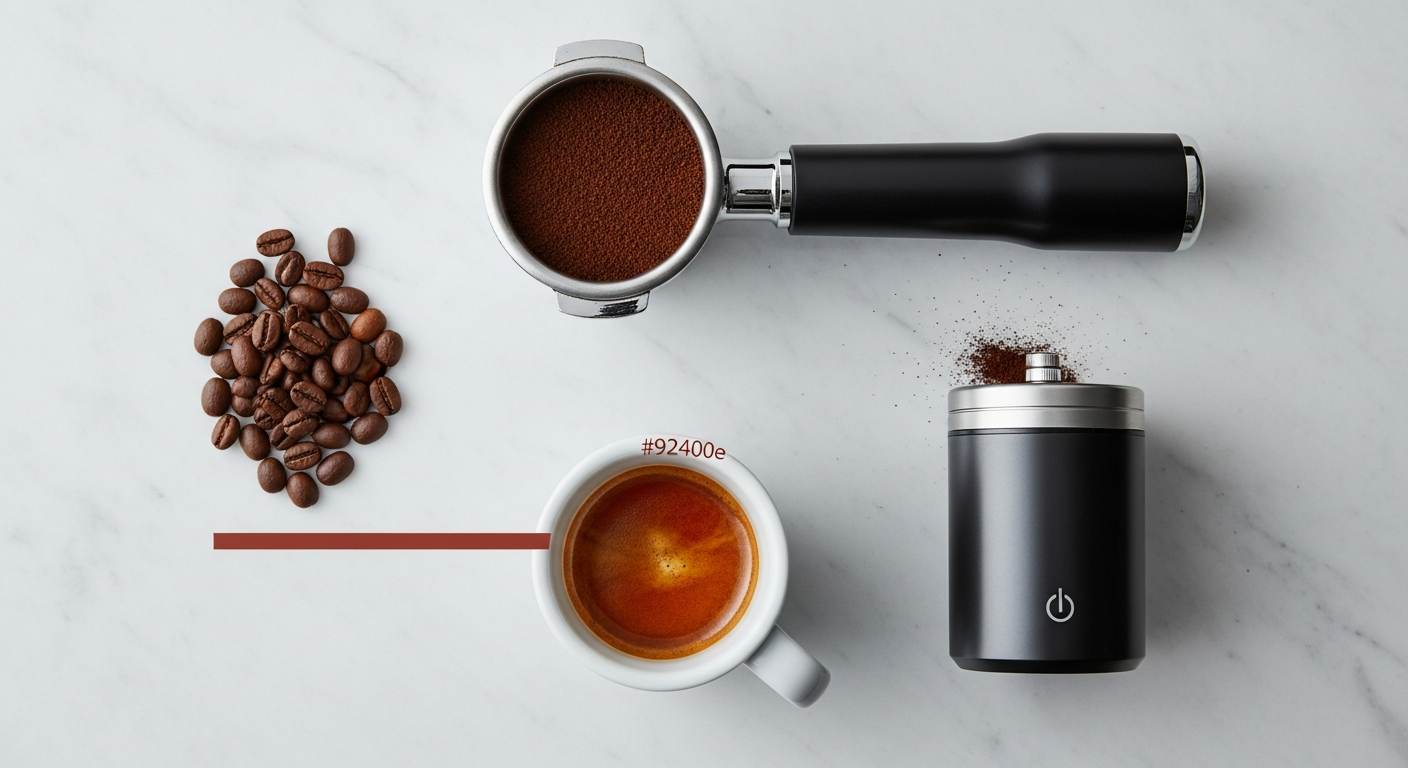
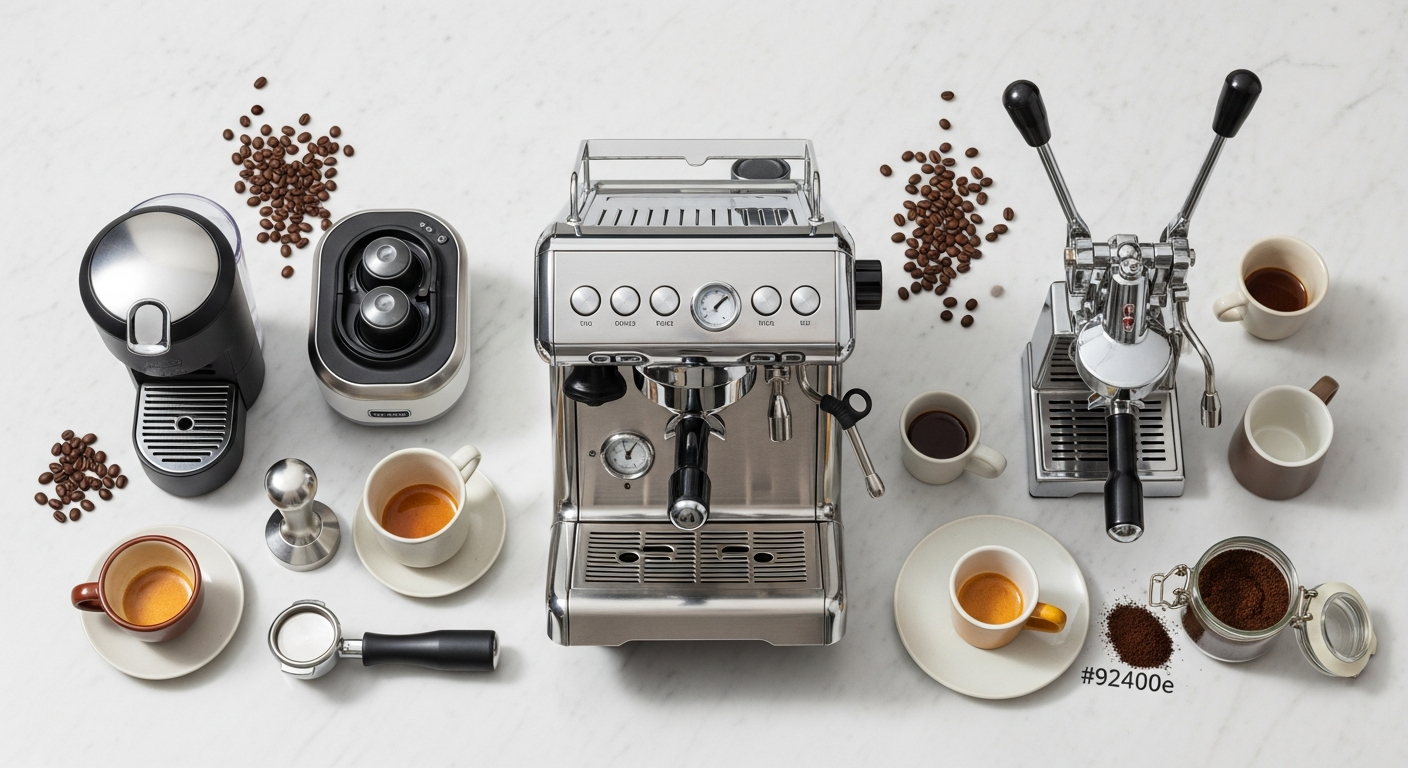
Before diving into specific models, it’s crucial to understand the fundamental types of espresso machines available for home use. The primary distinction lies between semi-automatic and super-automatic machines, each offering a different balance of control, convenience, and learning curve.
Semi-Automatic Espresso Machines: The Barista’s Choice
Semi-automatic machines are the most popular choice for home enthusiasts who want to actively participate in the brewing process. They get their name because you control certain aspects, such as initiating and stopping the water flow (the “shot”) through the coffee puck. With a semi-automatic machine, you typically:
- Grind your own beans (usually with a separate grinder).
- Dose the ground coffee into the portafilter.
- Tamp the coffee manually to create an even puck.
- Attach the portafilter to the group head.
- Start the shot and stop it when the desired volume or weight is reached.
- Manually steam milk using a steam wand.
Pros:
- Full Control: Offers the most control over extraction variables (grind, dose, tamp, shot time), allowing for true customization and a deeper understanding of espresso.
- Quality of Espresso: Capable of producing exceptional quality espresso when operated correctly.
- Learning Curve: Provides a rewarding learning experience for those who enjoy mastering a skill.
- Durability & Longevity: Often built with robust components, making them highly durable and repairable.
Cons:
- Steeper Learning Curve: Requires practice and knowledge to consistently pull good shots.
- Time-Consuming: The manual steps add to the preparation time.
- Requires Additional Equipment: A quality grinder is essential and often purchased separately.
For those passionate about the craft and willing to invest time in learning, a semi-automatic machine is often considered the best home espresso machine for developing barista skills and achieving peak espresso quality.
Super-Automatic Espresso Machines: Convenience Redefined
Super-automatic machines are designed for ultimate convenience. These “bean-to-cup” machines handle almost every step of the espresso-making process for you, often at the touch of a button. They typically feature:
- An integrated grinder that grinds fresh beans for each shot.
- An automatic tamping mechanism.
- Pre-programmed shot volumes and temperatures.
- Often, an integrated milk frother or an automatic milk system for lattes and cappuccinos.
Pros:
- Ease of Use: Simply press a button for a ready-to-drink espresso or milk-based beverage.
- Speed: Very quick preparation, ideal for busy mornings.
- Consistency: Delivers consistent results with minimal effort.
- Integrated Solutions: Many include automatic milk frothing, eliminating the need for manual steaming.
Cons:
- Less Control: Limited ability to fine-tune extraction parameters.
- Maintenance: Can be more complex to clean due to internal mechanisms (though many have self-cleaning cycles).
- Higher Initial Cost: Often more expensive than entry-level semi-automatics.
- Quality Compromise: While convenient, the espresso quality may not reach the same heights as a perfectly tuned semi-automatic.
A super-automatic machine is the best home espresso machine for individuals who prioritize speed and convenience above all else, and who are content with consistently good (but perhaps not artisan-level) espresso.
Your choice between these two types will largely dictate your brewing experience and how much you want to engage with the art of espresso making. Consider your lifestyle, your budget, and your passion for coffee when making this crucial decision.
The Best Home Espresso Machines for Beginners & Budget-Conscious Brewers (Under $500-$700)
Starting your home espresso journey doesn’t require breaking the bank. There are fantastic machines available that offer excellent value, deliver satisfying results, and serve as a perfect entry point into the world of barista-quality coffee. This category primarily focuses on semi-automatic machines, as super-automatics at this price point often compromise too much on quality.
Key Features to Look For:
- Portafilter Size: Ideally, look for a 58mm portafilter, as this is standard in commercial machines and offers better shot consistency. However, 54mm or 53mm can still produce good results, especially if you upgrade the basket.
- Pressure: Most machines advertise 15-bar pumps. While high pressure sounds good, optimal espresso extraction requires around 9 bars. The machine will regulate this, but a good pump is essential.
- Steam Wand: A manual steam wand is preferable for learning milk frothing techniques. Avoid panarello wands if you want to achieve microfoam.
- Durability: Look for machines with stainless steel components where possible, as they tend to last longer.
- Thermoblock or Single Boiler: At this price point, you’ll typically find thermoblock heating systems or single boilers. Thermoblocks heat water quickly but can struggle with temperature stability for both brewing and steaming back-to-back. Single boilers offer more stability but require a temperature surfing technique to switch between brew and steam temperatures efficiently.
Top Recommendations:
-
Breville Bambino Plus (Approx. $400-$500)
The Breville Bambino Plus is consistently hailed as one of the best home espresso machine options for beginners, and for good reason. It’s incredibly compact, heats up in just 3 seconds thanks to its ThermoJet system, and offers automated milk frothing with adjustable temperature and texture settings. While the milk frothing is automatic, it uses a proper steam wand, allowing for decent microfoam. The 54mm portafilter is a minor drawback, but it’s a powerhouse for its size and price.
Practical Tip: While the Bambino Plus has automatic milk texturing, experiment with manual steaming by controlling the wand’s depth and angle to truly master latte art.
-
Gaggia Classic Pro (Approx. $450-$550)
A legendary machine that has been a staple in the home barista community for decades, the Gaggia Classic Pro is a robust, no-frills workhorse. It features a 58mm commercial-style portafilter, a powerful vibratory pump, and an improved commercial steam wand compared to older models. Its simple design means fewer things to break, and it’s highly modifiable (e.g., adding a PID for temperature stability) for those who want to upgrade later. The single boiler requires “temperature surfing” for optimal results.
Practical Tip: Master temperature surfing with the Gaggia Classic Pro. After the brew light turns off, wait 15-20 seconds before pulling your shot to achieve a more consistent brew temperature.
-
De’Longhi Dedica Arte (Approx. $300-$400)
For those with tighter budgets and limited counter space, the De’Longhi Dedica Arte offers a sleek, slim profile without sacrificing too much performance. It heats up quickly and features a manual steam wand that can produce decent foam with practice. It uses a 51mm portafilter, which is smaller, but it’s a solid choice for entry-level brewing and milk steaming for lattes and cappuccinos.
Practical Tip: The included pressurized basket on the Dedica Arte is great for pre-ground coffee. If you upgrade to a non-pressurized basket and a good grinder, you’ll see a significant improvement in shot quality.
Remember, a good grinder is paramount, even for these budget-friendly machines. It’s often said that a good grinder is more important than the espresso machine itself. Pair any of these with a quality burr grinder, and you’ll be well on your way to pulling excellent shots at home.
Stepping Up Your Shot: Mid-Range Espresso Machines for Aspiring Baristas ($700-$1500)
Once you’ve mastered the basics or if you’re ready to bypass the entry-level machines, the mid-range category offers a significant leap in performance, durability, and features. These machines cater to aspiring baristas who crave more control, better temperature stability, and the ability to steam milk and pull shots simultaneously. This is often where you’ll find machines that deliver truly cafe-quality results at home.
What to Expect in This Tier:
- Improved Temperature Stability: PID (Proportional-Integral-Derivative) controllers become common, offering precise digital temperature control, which is crucial for consistent espresso extraction.
- Better Steam Power: Dedicated steam boilers or heat exchanger (HX) systems allow for more powerful and consistent steam, making milk frothing significantly easier and faster.
- Dual Boilers (Some Models): A dual boiler system means separate boilers for brewing and steaming, allowing you to brew espresso and steam milk at the exact same time without temperature compromises.
- Enhanced Build Quality: Expect more metal construction, heavier-duty components, and overall better craftsmanship designed for longevity.
- Commercial Features: Many machines in this range start incorporating commercial-grade components like larger group heads, more robust pumps, and improved ergonomics.
Top Recommendations:
-
Rancilio Silvia Pro X (Approx. $1,400-$1,700)
The Rancilio Silvia has long been a classic, but the Pro X takes it to a new level, establishing itself as one of the best home espresso machine contenders for serious enthusiasts. It features a dual boiler system with two PID controllers, ensuring phenomenal temperature stability for both brewing and steaming. The updated steam wand is powerful, and the machine has a solid, commercial feel. It’s a robust workhorse designed for longevity and consistent performance.
Practical Tip: Utilize the Pro X’s pre-infusion feature. A gentle pre-infusion can help saturate the coffee puck evenly, leading to a more consistent and flavorful extraction.
-
Lelit Mara X (Approx. $1,200-$1,500)
The Lelit Mara X stands out in the heat exchanger (HX) category by addressing the common issue of temperature surfing. It features an innovative “X” PID system that prioritizes either brew temperature stability or steam power, or balances both. This intelligent system makes it remarkably easy to get consistent shots from an HX machine, and its compact size is a bonus. The build quality is excellent, with a polished stainless steel finish and a commercial 58mm E61 group head.
Practical Tip: Experiment with the Mara X’s different temperature priority modes to see which best suits your daily routine (e.g., brew priority for straight espresso, steam priority for milk drinks).
-
Breville Barista Pro (Approx. $800-$900)
While the Barista Pro includes a built-in grinder (which generally isn’t ideal for peak espresso quality), it’s an exceptionally convenient and capable all-in-one solution for the mid-range. It features a ThermoJet heating system for 3-second heat-up, an integrated conical burr grinder, and a powerful steam wand. The digital PID temperature control ensures good shot consistency, and the intuitive LCD display makes it easy to use. It’s an excellent choice for those who value convenience but still want to achieve impressive espresso.
Practical Tip: While convenient, the built-in grinder can be a limiting factor. If possible, consider using a separate, higher-quality grinder alongside the Barista Pro, or ensure you’re regularly cleaning the integrated grinder for best results.
Machines in this category are often the sweet spot for many home baristas, offering a significant upgrade in quality and capability without the premium price tag of high-end models. They require a good understanding of espresso fundamentals, but the rewards are truly exceptional coffee.
For the Connoisseur: High-End Home Espresso Machines for Ultimate Performance ($1500+)
For the true espresso connoisseur, the high-end category represents the pinnacle of home brewing. These machines are often scaled-down commercial units, built with meticulous craftsmanship, premium materials, and advanced technology designed for uncompromising performance, durability, and aesthetics. Here, you’ll find the best home espresso machine options for those who demand absolute consistency, exceptional steam power, and a machine that serves as both a functional tool and a statement piece in their kitchen.
Hallmark Features of High-End Machines:
- Dual Boilers with PID: Standard at this level, providing unparalleled temperature stability and simultaneous brewing and steaming.
- E61 Group Heads: Many feature the iconic E61 group head, known for its thermal stability and pre-infusion capabilities.
- Rotary Pumps: Quieter and more durable than vibratory pumps, often allowing for direct plumbing into a water line.
- Premium Build Materials: Heavy-gauge stainless steel, copper boilers, and meticulous attention to detail.
- Flow Control/Pressure Profiling: Advanced models may offer the ability to manually or automatically vary water pressure during extraction, allowing for incredible control over flavor profiles.
- Volumetric Dosing: Programmed shot volumes for consistent output.
Top Recommendations:
-
ECM Synchronika (Approx. $2,800-$3,500)
The ECM Synchronika is a benchmark for high-end home espresso machines. It’s a dual boiler machine with two PID controllers for precise temperature management, an E61 group head for excellent thermal stability, and a quiet rotary pump that can be plumbed in. Its elegant, minimalist German design is matched by its superb build quality and performance. The steam power is exceptional, making it a dream for milk-based drinks. This machine is built to last a lifetime and delivers truly professional-grade espresso.
Practical Tip: Consider adding a flow control device to the E61 group head on the Synchronika. This allows you to manually adjust the flow rate during extraction, opening up a new world of espresso profiling and flavor experimentation.
-
Profitec Pro 700 (Approx. $2,800-$3,500)
Often considered the twin brother of the ECM Synchronika (both are made by the same company, Heidelberg Coffee Equipment), the Profitec Pro 700 offers virtually identical internal components and performance in a slightly different aesthetic package. It boasts dual stainless steel boilers, PID temperature control, an E61 group head, and a silent rotary pump. It shares the same commitment to robust build quality and exceptional consistency, making it another contender for the best home espresso machine in this category. The choice between ECM and Profitec often comes down to aesthetic preference.
Practical Tip: Regular backflushing with a blind basket and espresso machine cleaner (e.g., Cafiza) is crucial for maintaining the E61 group head and ensuring consistent shot quality from your Pro 700.
-
La Marzocco Linea Mini (Approx. $5,500-$7,000)
If budget is truly no object, the La Marzocco Linea Mini is the ultimate dream machine for many. It’s a scaled-down version of La Marzocco’s iconic commercial Linea Classic, bringing professional-grade performance and reliability to the home kitchen. Featuring a dual boiler system, an integrated brew group with pre-infusion, and a commercial rotary pump, it delivers unmatched temperature stability and steam power. Its legendary status and exquisite design make it both a functional marvel and a stunning centerpiece.
Practical Tip: While the Linea Mini is a powerhouse, invest in a high-quality water filtration system. These professional machines benefit immensely from consistent, properly treated water, which also extends their lifespan and reduces descaling frequency.
These machines represent a significant investment, but for those who are deeply passionate about espresso and desire the very best in terms of performance, reliability, and the sheer joy of brewing, they are truly worth it. Paired with an equally high-end grinder, these machines can consistently produce espresso that rivals or surpasses most commercial establishments.
Beyond the Machine: The Essential Role of the Grinder and Other Accessories
While the espresso machine itself is the heart of your home setup, it’s only one part of the equation. To truly pull the perfect shot and get the most out of your investment, you need to understand that several other accessories play equally crucial roles. The most important of these, by far, is the grinder.
The Grinder: The Most Important Purchase After the Machine
This cannot be stressed enough: a high-quality burr grinder is absolutely essential for good espresso. Without a precise, consistent, and finely adjustable grinder, even the most expensive espresso machine will struggle to produce palatable results. Why is it so critical?
- Particle Consistency: Espresso requires an extremely fine and consistent grind. Inconsistent particle sizes lead to uneven extraction (some parts of the coffee puck over-extract, others under-extract), resulting in sour, bitter, or weak shots.
- Adjustability: The “perfect” grind size for espresso is incredibly nuanced and depends on the beans, roast, age, and even ambient humidity. A good espresso grinder allows for stepless (or micro-stepped) adjustments to dial in the exact grind size needed to achieve optimal flow rate and extraction time.
Types of Grinders:
- Blade Grinders (Avoid): These simply chop coffee beans, creating wildly inconsistent particles. They are unsuitable for espresso.
- Burr Grinders (Essential): These grind beans between two abrasive surfaces (burrs).
- Conical Burr Grinders: Generally quieter and produce less heat, often preferred for home use.
- Flat Burr Grinders: Can produce a very consistent grind, sometimes favored in commercial settings.
Recommendation: Allocate a significant portion of your budget to your grinder. Many experts recommend spending as much on your grinder as you do on your machine, especially if you’re aiming for true barista quality. Brands like Baratza (Sette series), Eureka (Mignon series), and Niche Zero are popular and highly regarded for home espresso. For more detailed guidance, explore our guide to choosing the best espresso grinders.
Practical Tip: When dialing in your grind, make small adjustments. If your shot runs too fast (under-extracted), grind finer. If it runs too slow or chokes the machine (over-extracted), grind coarser. Aim for an extraction time of 25-30 seconds for a 1:2 ratio (e.g., 18g in, 36g out).
Other Essential Accessories:
-
Tamper: A good tamper ensures a level and consistent coffee puck. Many machines come with plastic tampers; upgrade to a heavy, 58mm (or machine-specific) stainless steel tamper for better results.
Practical Tip: Aim for consistent, level pressure when tamping. You don’t need to press with all your might; focus on evenness.
-
Precision Scale: Weighing your coffee dose (in grams) and espresso yield (in grams) is absolutely critical for consistency. Eyeballing will lead to wildly inconsistent shots.
Practical Tip: Look for a scale with 0.1g accuracy and a timer function, small enough to fit under your portafilter and cup.
-
Milk Pitcher: A stainless steel milk pitcher (350ml or 600ml depending on your needs) is essential for steaming milk.
Practical Tip: Practice your milk frothing with water and a tiny drop of dish soap to get a feel for the technique without wasting milk.
- Knock Box: A dedicated container for knocking out spent coffee pucks. Far cleaner and easier than using a trash can.
-
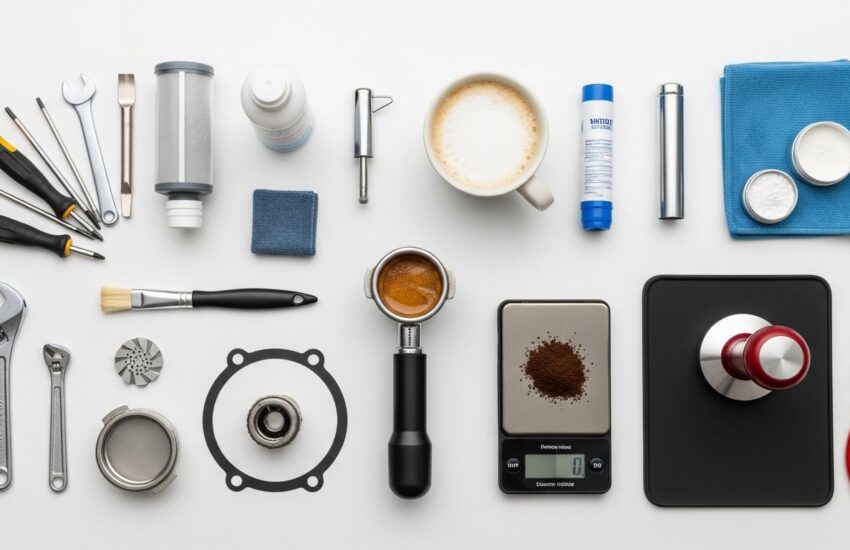
Cleaning Supplies: Backflush detergent (e.g., Cafiza), blind basket, group head brush, descaling solution, and microfiber cloths are vital for maintaining your machine and ensuring its longevity.
Practical Tip: Implement a daily cleaning routine (flush group head, wipe steam wand, empty drip tray) and a weekly or monthly routine (backflush, descale) as recommended by your machine’s manufacturer.
Investing in these accessories alongside your best home espresso machine will significantly enhance your brewing experience and the quality of your final cup. Don’t underestimate their impact!
Maximizing Your Investment: Tips for Maintenance and Longevity
Your home espresso machine is a significant investment, and like any precision appliance, it requires regular care and maintenance to ensure optimal performance and longevity. Neglecting these simple steps can lead to decreased shot quality, costly repairs, and a shortened lifespan for your beloved machine. By following a consistent maintenance routine, you’ll ensure your best home espresso machine continues to pull perfect shots for years to come.
1. Daily Cleaning Routine:
- Wipe Down the Steam Wand: This is arguably the most crucial daily task. Milk solids dry quickly and can clog the steam wand, affecting performance and hygiene. Immediately after steaming, purge the wand for a second or two, then wipe it thoroughly with a damp cloth.
- Flush the Group Head: After pulling your shot, remove the portafilter and run a quick flush of water through the group head. This helps rinse away loose coffee grounds and oils.
- Empty and Clean the Drip Tray: Coffee and water accumulate quickly. Empty and rinse the drip tray daily to prevent mold and odors.
- Wipe Down the Exterior: A quick wipe with a damp cloth keeps your machine looking pristine and prevents dried coffee splashes from becoming stubborn.
2. Weekly/Bi-Weekly Cleaning:
- Backflush (for Machines with a 3-Way Solenoid Valve): This involves using a blind basket (a portafilter basket with no holes) and a specialized espresso machine detergent (like Cafiza). The detergent cleans out accumulated coffee oils from the group head, solenoid valve, and brew path. Follow your machine’s specific instructions, but typically it involves several cycles of pressing the brew button for 10 seconds, then waiting 10 seconds, and repeating.
- Clean the Portafilter and Baskets: Soak your portafilter and baskets in a solution of espresso machine detergent and hot water for 15-30 minutes. Use a brush to scrub away any lingering coffee residue.
- Clean the Group Head Gasket and Screen: Use a group head brush to scrub the underside of the group head, removing any coffee grounds stuck in the gasket or shower screen. For a deeper clean, remove the shower screen and gasket (if easily removable) and clean them separately.
3. Monthly/Quarterly Descaling:
- Descaling: Over time, mineral deposits (limescale) from water can build up in the boiler and water lines, reducing heating efficiency and potentially damaging components. The frequency of descaling depends on your water hardness and machine usage. Use a manufacturer-approved descaling solution and follow the instructions carefully.
Practical Tip: Test your water hardness with a simple test strip. If your water is very hard, you may need to descale more frequently or invest in a water softener/filter.
4. Water Quality is Key:
The quality of your water significantly impacts both the taste of your espresso and the health of your machine. Using filtered water (e.g., Brita filter, or an in-tank water filter if your machine has one) is highly recommended to reduce mineral buildup and improve flavor. Avoid distilled or reverse osmosis water, as these lack minerals essential for good taste and can sometimes be corrosive to machine components.
Beyond filtration, understanding your water’s mineral content and pH can further optimize your espresso. Ideal brewing water typically has a balanced mineral composition (e.g., calcium and magnesium) to aid in extraction without causing excessive scale buildup. Too soft water can lead to flat-tasting espresso, while overly hard water can mute flavors and accelerate machine wear. Consider a water test kit to truly dial in your water profile for the best possible results and machine longevity.
5. Regular Inspections:
Periodically check your machine for any signs of wear and tear, such as leaky gaskets, worn-out shower screens, or unusual noises. Addressing small issues promptly can prevent them from escalating into major problems. For high-end machines, consider professional servicing every few years.
By integrating these maintenance practices into your routine, you’ll not only extend the life of your best home espresso machine but also ensure that every shot you pull is as delicious and consistent as the first. A clean machine is a happy machine, and a happy machine makes happy coffee lovers.
Conclusion: Your Journey to Perfect Home Espresso
The world of home espresso is a rewarding and enriching journey, transforming your daily coffee ritual from a simple necessity into an art form. From the first hesitant press of the brew button on a budget-friendly starter machine to the masterful precision of a high-end dual boiler, the satisfaction of crafting your perfect shot is truly unparalleled. We’ve explored the diverse landscape of options, highlighting the best home espresso machine choices for every budget and skill level, ensuring that whether you’re a complete novice or a seasoned aficionado, there’s a machine perfectly suited to your aspirations.
Remember that while the machine is central, the grinder is its indispensable partner, and consistent maintenance is the key to longevity and consistent quality. Investing in your home espresso setup is an investment in countless moments of pure coffee bliss – the rich aroma filling your kitchen, the satisfying hiss of the steam wand, and the exquisite taste of an espresso crafted exactly to your liking.
So, which machine calls to you? Are you ready to dive into the hands-on control of a semi-automatic, or does the convenience of a super-automatic appeal more to your lifestyle? Take the insights from this guide, consider your budget, and most importantly, think about the kind of coffee experience you want to create. Whichever path you choose, Cafe Serre encourages you to embrace the journey. Start experimenting, refine your technique, and savor every sip. Your perfect shot awaits!
Ready to elevate your coffee experience? Explore our in-depth reviews and guides on specific espresso machine models, grinders, and brewing techniques right here on Cafe Serre. Your dream home espresso setup is just a click away!
Here are some common questions prospective home baristas often ask when looking for the best home espresso machine.
Frequently Asked Questions