Alsace Wine Route Itinerary for First-Time Visitors
Alsace Wine Route Itinerary for First-Time Visitors
The Alsace Wine Route isn’t just about wine; it’s a holistic sensory adventure. Imagine waking up in a charming gîte, the scent of freshly baked pastries mingling with the crisp Alsatian air, ready to explore ancient castles, indulge in hearty regional cuisine, and, of course, taste some of the world’s most aromatic and distinctive white wines. While the region is renowned for its Gewürztraminer and Riesling, we understand that for many of our readers, the day truly begins with an exceptional coffee. This itinerary thoughtfully integrates both passions, ensuring you experience the best of Alsace while maintaining your coffee ritual, even on the go. Prepare to be captivated by a region where every turn reveals a postcard-perfect scene and every sip tells a story.
Planning Your Alsatian Adventure: Best Time, Transport & Accommodation
Embarking on an Alsace Wine Route adventure requires a bit of foresight to maximize your enjoyment. The timing of your visit can significantly shape your experience. For wine enthusiasts, late spring (May-June) offers lush green vineyards and pleasant temperatures, while autumn (September-October) brings the spectacle of harvest season, vibrant foliage, and lively wine festivals. If you’re enchanted by festive markets and cozy atmospheres, December transforms the region into a winter wonderland, particularly in Strasbourg and Colmar. However, many wineries might have reduced hours during the off-peak winter months. Aim for a weekday visit to popular villages and wineries to avoid weekend crowds, especially during peak season.
Getting to Alsace is relatively straightforward. Strasbourg, the regional capital, boasts an international airport (SXB) with connections to major European hubs, and is also easily accessible by high-speed TGV trains from Paris (around 2 hours). Basel-Mulhouse-Freiburg Airport (BSL/MLH/EAP), located on the border triangle, is another convenient option. Once you arrive, navigating the Wine Route itself is best done by car. While public transport options exist between larger towns like Strasbourg, Colmar, and Mulhouse, accessing the smaller, more charming villages and remote wineries is considerably easier and more flexible with your own vehicle. Car rental agencies are readily available at airports and major train stations. For those who prefer not to drive, guided tours offer a hassle-free alternative, though they might limit your spontaneity.
Accommodation along the Alsace Wine Route is part of its charm. You’ll find a delightful array of options, from luxurious boutique hotels in Strasbourg and Colmar to quaint bed and breakfasts (chambres d’hôtes) nestled within vineyard villages. Consider staying in a central village like Riquewihr, Eguisheim, or Kaysersberg to minimize travel time between attractions. Many wineries also offer gîtes (self-catering cottages) or hotel rooms, providing an immersive experience right amidst the vines. Booking well in advance, especially during peak season or specific events like the Colmar Christmas Market, is highly recommended. Prices can vary significantly based on location, season, and amenities, but you can expect to find charming double rooms ranging from €80-€200 per night. Before you set out each morning, remember to fuel your day. For the dedicated coffee enthusiast, a well-prepared cup can be the perfect start. Whether you’ve packed your travel brew kit or sought out a local café, that first sip of a perfectly extracted coffee sets a focused, appreciative tone for a day of exploration and sensory indulgence in the vineyards.
Day 1: Strasbourg’s Grandeur & Gateway to the Route
Your Alsatian adventure begins in Strasbourg, the vibrant capital of Alsace and a UNESCO World Heritage site. This city, with its unique blend of French elegance and German influence, serves as the perfect introduction to the region’s rich history and culture. Upon arrival, settle into your accommodation – perhaps a charming hotel in the city center or a gîte on the outskirts – and prepare to immerse yourself in its captivating atmosphere. For the discerning coffee lover, a morning in Strasbourg offers opportunities to find excellent specialty coffee, setting a high standard for the day’s sensory journey. Seek out a café known for its expertly pulled espresso or meticulously prepared pour-over to truly awaken your palate before diving into the city’s sights.
The architectural marvel that dominates Strasbourg’s skyline is the Cathédrale Notre-Dame de Strasbourg. A masterpiece of Gothic art, its intricate façade and single towering spire are breathtaking. Don’t miss the astronomical clock inside, which stages a daily show at 12:30 PM, or the panoramic views from the viewing platform (weather permitting), offering a sweeping vista over the city and beyond to the Black Forest. After marveling at the cathedral, wander through La Petite France, the historic quarter characterized by its picturesque half-timbered houses, canals, and flower-lined bridges. This area, once home to millers, tanners, and fishermen, is now a delightful maze of boutique shops, restaurants, and cafés, perfect for a leisurely stroll. The quaint streets and waterways make for incredible photo opportunities and offer a glimpse into Strasbourg’s medieval past.
Beyond its architectural beauty, Strasbourg is a cultural hub. Consider visiting the Alsatian Museum, which offers a fascinating insight into traditional Alsatian life, customs, and crafts through its extensive collection of furniture, costumes, and everyday objects. For art lovers, the Musée des Beaux-Arts houses an impressive collection of European paintings from the Middle Ages to the present day. As evening approaches, indulge in Strasbourg’s culinary delights. Sample traditional Alsatian dishes like choucroute garnie (sauerkraut with various salted meats) or a crispy Flammekueche (tarte flambée) at a traditional winstub. Pair your meal with a local Alsatian wine, perhaps a crisp Riesling or a fragrant Gewürztraminer, to truly embrace the region’s gastronomic heritage. Strasbourg offers a range of dining experiences, from Michelin-starred restaurants to cozy, informal eateries, ensuring there’s something to satisfy every palate. Before retiring for the night, reflect on the day’s discoveries, perhaps with a digestif, and look forward to delving deeper into the Wine Route itself tomorrow, knowing you’ve started your journey in true Alsatian style.
Day 2: Riquewihr, Ribeauvillé & The Heart of Alsatian Charm
Day two plunges you deep into the heart of the Alsace Wine Route, exploring some of its most iconic and enchanting villages. After a satisfying breakfast, perhaps featuring a carefully prepared coffee from your travel kit or a local patisserie, drive south from Strasbourg towards the central part of the route. Your first stop is Riquewihr, often dubbed the “Pearl of the Alsace vineyards.” This walled medieval town is so perfectly preserved that it feels like stepping into a fairytale. Its cobblestone streets, vibrant half-timbered houses adorned with flowers, and ancient fortifications are a feast for the eyes. Riquewihr is renowned for its exceptional wines, particularly Riesling, and you’ll find numerous family-run wineries offering tastings (dégustations).
Spend your morning wandering through Riquewihr’s charming alleys, discovering hidden courtyards, and exploring the Dolder Tower, which houses a museum on the town’s history. Make sure to visit a few of the local cellars, or caves, to sample the local produce. Wineries like Dopff au Moulin and Hugel & Fils are well-established names, offering a glimpse into the region’s viticultural heritage. Don’t hesitate to engage with the winemakers; their passion and knowledge enhance the tasting experience. For lunch, enjoy a traditional Alsatian meal at one of Riquewihr’s many restaurants, perhaps a hearty Baeckeoffe (a casserole of marinated meats and vegetables) paired with a local Pinot Blanc. The sensory experience of wine tasting, much like coffee cupping, involves a careful evaluation of aroma, body, acidity, and finish. Pay attention to the nuanced notes, identifying fruit, floral, or mineral characteristics, and compare them across different varietals.
In the afternoon, continue your journey to Ribeauvillé, another exquisite medieval village just a short drive from Riquewihr. Ribeauvillé is unique for its three ruined castles perched on the hills above, offering a dramatic backdrop to the town’s vibrant main street. The town itself is characterized by its colorful houses, ornate fountains, and the charming Tour des Bouchers (Butchers’ Tower). Take your time to stroll through the Grand’Rue, browsing the artisan shops and confectioneries. Ribeauvillé is also home to several excellent wineries, including those producing some of the finest Gewürztraminer and Pinot Gris. Consider a visit to Domaine Louis Sipp or Trimbach for another immersive tasting experience. As the day draws to a close, you might choose to stay in Ribeauvillé or return to a nearby village for dinner, savoring more regional specialties. The blend of historical exploration and palate delight makes this day a true highlight of the Alsace Wine Route, leaving you with vivid memories of Alsatian charm and exceptional wines.
Day 3: Eguisheim, Colmar & The Southern Gems
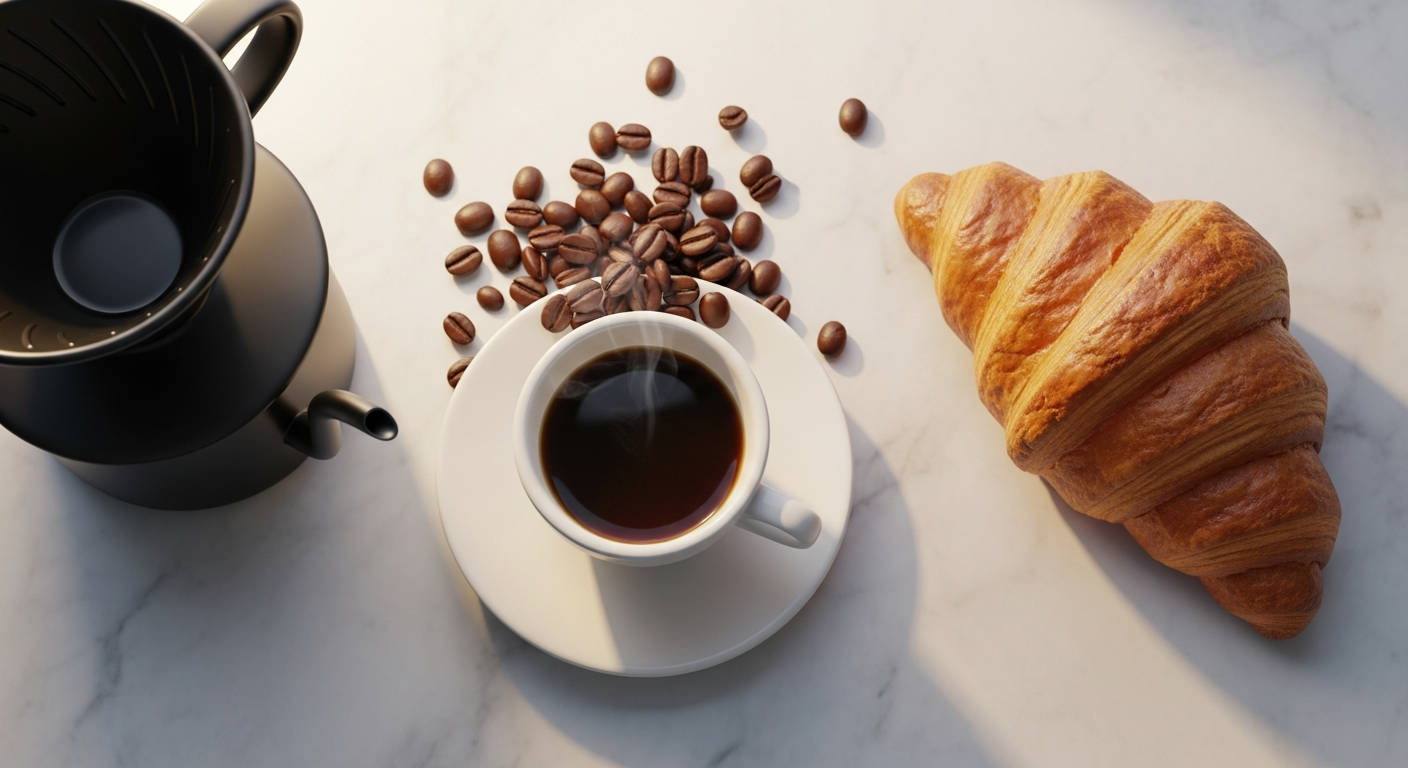
On your third day, the Alsace Wine Route continues to unveil its treasures as you head further south, culminating in the cultural hub of Colmar. Start your morning with a rejuvenating coffee, perhaps a strong espresso, to prepare for another day of exploration. Your first destination is Eguisheim, consistently voted one of France’s “Most Beautiful Villages.” Eguisheim is instantly recognizable by its unique concentric street plan, which circles around the central château. This medieval layout, combined with its brightly painted half-timbered houses, overflowing flower boxes, and the ubiquitous storks nesting on rooftops, creates an incredibly picturesque and utterly charming atmosphere.
Take your time to wander through Eguisheim’s narrow, winding streets, pausing to admire the intricate details of the architecture and the vibrant colors. The village is compact and easily explored on foot, offering numerous photo opportunities at every turn. Eguisheim is particularly famous for its wine, being the birthplace of Pope Leo IX and boasting a rich viticultural heritage. Seek out local producers like Léon Beyer or Paul Ginglinger for a tasting of their acclaimed Grand Cru wines, such as Eichberg or Pfersigberg. The village also hosts a delightful Christmas market if your visit aligns with the festive season. Enjoy a leisurely lunch in Eguisheim, perhaps a traditional tarte flambée, before making the short drive to Colmar.
Colmar, often referred to as “Little Venice” due to its charming canals and gondola-like boats, is the largest town on the southern part of the Wine Route and offers a different kind of allure. It’s a city rich in art, history, and gastronomy. Spend your afternoon exploring its beautifully preserved old town, particularly the picturesque La Petite Venise quarter. Take a canal boat ride for a unique perspective of the colorful houses and bridges. Colmar is also home to several world-class museums. The Unterlinden Museum houses the magnificent Isenheim Altarpiece by Matthias Grünewald, a breathtaking masterpiece of Renaissance art. The Bartholdi Museum is dedicated to Auguste Bartholdi, the sculptor of the Statue of Liberty, who was born in Colmar. As evening descends, Colmar transforms into a magical setting. Indulge in a sophisticated dinner at one of its many fine restaurants, perhaps sampling local specialties with a modern twist, accompanied by a superb Alsatian wine. Colmar provides a fitting culmination to your journey through the Wine Route’s most captivating villages, offering a blend of historical grandeur, artistic heritage, and culinary excellence that will leave a lasting impression.
Beyond the Vineyards: Alsatian Cuisine & Culture
While the Alsace Wine Route is undeniably centered around its exquisite wines, the region offers a much broader tapestry of culinary and cultural experiences that are essential to a comprehensive visit. Alsatian cuisine is a delightful fusion of French finesse and German heartiness, characterized by rich, comforting flavors and generous portions. No visit is complete without indulging in the iconic dishes. Choucroute garnie, a hearty platter of sauerkraut slow-cooked with various cuts of pork, sausages, and potatoes, is a must-try. Another staple is Flammekueche (tarte flambée), a thin, crispy flatbread topped with crème fraîche, onions, and bacon lardons, often cooked in a wood-fired oven. It’s the perfect light meal or appetizer, especially when paired with a glass of local Crémant d’Alsace, the region’s sparkling wine.
For those seeking something different, Baeckeoffe is a flavorful casserole traditionally prepared with three types of marinated meat (pork, beef, and lamb), potatoes, leeks, and carrots, slow-cooked in a ceramic terrine. And don’t forget the region’s famous Munster cheese, a pungent but incredibly creamy cheese often served with potatoes and cumin. Beyond the savory, Alsatian patisseries offer a tempting array of sweet treats. Look for Kugelhopf, a distinctive brioche-like cake baked in a fluted mold, often enjoyed with coffee, or various seasonal fruit tarts. The emphasis on high-quality, fresh ingredients in Alsatian cooking mirrors the philosophy in specialty coffee: the best results come from the best raw materials, whether it’s a ripe cherry or a perfectly grown coffee bean.
Culturally, Alsace is vibrant year-round. If your visit falls in December, the Christmas markets in Strasbourg, Colmar, Riquewihr, and Kaysersberg are legendary, transforming the villages into magical, twinkling spectacles. Beyond the festive season, visitors can explore historical sites like the majestic Haut-Kœnigsbourg Castle, a meticulously restored medieval fortress offering panoramic views over the plains and the Vosges mountains. For the active traveler, cycling routes wind through the vineyards, providing a unique perspective of the landscape and allowing for leisurely stops at charming villages or roadside wineries. Engaging with local artisans, browsing traditional craft shops, and attending a local festival (check regional calendars) will deepen your appreciation for Alsatian heritage. These experiences, from savoring a regional dish to exploring a historic castle, enrich your wine route journey, offering a comprehensive taste of the unique culture that defines this enchanting corner of France.
Sipping Smarter: Navigating Wine Tastings & Purchases
Navigating the world of Alsatian wine tastings can be an incredibly rewarding experience, especially for first-time visitors. The region is unique in France for labeling its wines by grape varietal rather than just by village or vineyard, making it somewhat easier to understand. The seven main noble grape varieties are Riesling, Gewürztraminer, Pinot Gris, Pinot Blanc, Muscat, Sylvaner, and Pinot Noir (the only red wine, often made in a lighter style). Each offers a distinct profile: Riesling is typically dry and mineral-driven; Gewürztraminer is aromatic and spicy; Pinot Gris is rich and full-bodied; and Crémant d’Alsace is a delightful sparkling wine perfect for any occasion. Understanding these core varietals will help you articulate your preferences during tastings.
When visiting a cave (winery), most offer tastings, often for a small fee that is waived with a purchase. It’s customary to call ahead, especially for smaller, family-run establishments, to ensure they can accommodate you. Upon arrival, you’ll typically be guided through a selection of wines. Don’t be afraid to ask questions about the winemaking process, the history of the vineyard, or the specific characteristics of each wine. Winemakers are passionate about their craft and eager to share their knowledge. Pay attention to the concept of terroir, a French term referring to the unique environmental factors—soil, climate, topography—that influence the grape and, consequently, the wine’s character. This concept is equally vital in specialty coffee, where the origin and processing methods profoundly shape the final cup.
Understanding wine labels is also key. Look for “Grand Cru” designations, which indicate wines from specific, highly regarded vineyards known for their exceptional quality. “Lieu-dit” denotes a specific named plot within a vineyard, offering another layer of specificity. If you find wines you particularly enjoy, most wineries offer direct sales. For international travelers, many wineries can arrange shipping, though it can be costly. Alternatively, consider purchasing a few bottles to carry home, ensuring they are well-packed for travel. Comparing the nuances of different Alsatian wines can be likened to a coffee cupping session, where you discern the subtle differences between single-origin coffees or various roast profiles. Both require an engaged palate and a willingness to explore. By approaching wine tasting with an open mind and a curious spirit, you’ll not only discover new favorites but also deepen your appreciation for the intricate artistry behind every bottle, much like the journey of appreciating a finely crafted coffee.
The Coffee Lover’s Guide to Alsace: Finding Your Brew Amidst the Vines
While Alsace is undeniably a wine lover’s paradise, that doesn’t mean coffee enthusiasts need to compromise on their daily brew. For us at Café Serre, the morning ritual of a perfectly crafted coffee is non-negotiable, even when traveling. While traditional French cafés often serve espresso and filter coffee, specialty coffee shops with meticulously sourced beans and expert baristas are still emerging in this wine-centric region. This presents an exciting opportunity for the discerning traveler: to either seek out these hidden gems or, for ultimate control, become your own barista on the go.
**Building Your Travel Coffee Kit:** To ensure a consistently excellent brew, consider packing a compact travel coffee kit. This allows you to maintain SCA (Specialty Coffee Association) standards for brewing, even in a hotel room or gîte.
- Brewing Device: The AeroPress is a champion for travel. It’s durable, lightweight, versatile (can make espresso-style concentrate or filter coffee), and easy to clean. You can find an AeroPress for approximately $30-40 USD.
- Grinder: Freshly ground coffee is paramount. A manual burr grinder like the Porlex Mini Grinder (approx $50-60 USD) or the Timemore C2 (approx $70-80 USD) offers consistent grind quality in a portable package.
- Scale: Precision is key for optimal extraction. A compact travel scale like the Timemore Nano (approx $60-80 USD) ensures accurate coffee-to-water ratios.
- Beans: Bring your favorite high-quality, freshly roasted beans. Consider a reputable roaster like Counter Culture Coffee or Square Mile Coffee Roasters, known for their ethical sourcing and detailed roast profiles. Their commitment to transparency and quality ensures a superior cup.
- Kettle: While a full-sized electric kettle might be impractical, a small travel kettle or even a simple pot on a stove (if your accommodation has one) will suffice for heating water. For ultimate temperature control, a portable electric gooseneck kettle like the Fellow Stagg EKG (a travel version, or similar brand) can be an investment (approx $150-200 USD for the full size, smaller travel versions exist).
**Brewing to SCA Standards on the Go:**
The SCA defines an optimal brew as having an extraction yield of 18-22% and a total dissolved solids (TDS) of 1.15-1.35%. While you won’t be measuring TDS on your trip, adhering to these principles will get you close:
- Water Temperature: Aim for water between 90.5-96°C (195-205°F). If you don’t have a thermometer, bring water to a boil and let it sit for 30-60 seconds.
- Brew Ratio: A common ratio is 1:15 to 1:18 coffee to water. For example, 15 grams of coffee to 250ml of water. This ensures a balanced extraction.
- Grind Size: For AeroPress or pour-over, a medium-fine grind is generally recommended. Adjust based on your taste – finer for more body, coarser for less bitterness.
- The “Bloom”: After adding hot water to your ground coffee, allow it to “bloom” for 30-45 seconds. This is the release of CO2, indicating freshness and preparing the coffee bed for even extraction. This process is crucial for a clean, flavorful cup.
Barista champions like James Hoffmann have popularized various AeroPress recipes, showcasing its versatility and potential for exceptional coffee. His methods often emphasize controlled pouring and immersion times to achieve optimal extraction.
**Finding Specialty Coffee in Alsace:**
While less prevalent than in major cities, the specialty coffee scene is slowly growing in Alsace. Look for cafes in Strasbourg or Colmar that explicitly mention “specialty coffee,” “single origin,” or collaborate with local craft roasters. Don’t be afraid to ask your hotel concierge or consult apps like “Coffee Passport” or “European Coffee Trip” for recommendations. When you do find a good local spot, support them!
**Connecting Wine & Coffee Terroir:**
The concept of terroir, so fundamental to Alsatian wine, applies beautifully to coffee as well. Just as the soil, climate, and altitude of an Alsatian vineyard influence its Riesling, the unique environmental factors of a coffee farm in Ethiopia or Colombia shape its beans. World Coffee Research (WCR) plays a vital role in understanding coffee varietals (like Gesha, Typica, Bourbon) and their distinct flavor profiles. Both wine and coffee offer a journey of sensory discovery, a chance to appreciate the land and the craftsmanship behind each sip. So, whether you’re appreciating the fruity notes of a Grand Cru Gewürztraminer or the floral aromatics of a meticulously brewed single-origin Ethiopian, remember the shared passion for excellence and the profound connection to the earth.
Key Takeaways for Your Alsace Wine Route Adventure:
- Optimal Timing: Visit in late spring or early autumn for ideal weather, vibrant vineyards, and wine festivals.
- Car is King: Rent a car for maximum flexibility to explore charming villages and remote wineries.
- Balance Exploration: Combine iconic villages like Riquewihr and Eguisheim with cultural hubs like Strasbourg and Colmar.
- Savor Local Flavors: Indulge in Alsatian cuisine beyond wine, from Choucroute garnie to Flammekueche.
- Coffee Ready: Pack a travel coffee kit (AeroPress, grinder, scale) to enjoy SCA-standard brews daily, even amidst the vineyards.
| Day | Morning Focus | Afternoon Focus | Evening Focus | Coffee Tip |
|---|---|---|---|---|
| Day 1 | Arrive in Strasbourg, explore Cathédrale Notre-Dame & Petite France. | Visit Alsatian Museum or Musée des Beaux-Arts. | Traditional Alsatian dinner in Strasbourg, e.g., Choucroute garnie. | Seek out a specialty coffee shop in Strasbourg for a morning brew. |
| Day 2 | Drive to Riquewihr, explore medieval streets, first wine tasting. | Lunch in Riquewihr, then drive to Ribeauvillé, explore and taste more wines. | Dinner in Ribeauvillé or a nearby village. | Brew your favorite single-origin coffee using your travel kit before departure. |
| Day 3 | Drive to Eguisheim, explore “Most |