South of France Coastal Food Towns Beyond Nice
South of France Coastal Food Towns Beyond Nice
Menton: The Lemon Capital’s Zest for Life and Coffee
Nestled right on the Italian border, Menton is famously known as the “Pearl of France” and the “City of Lemons.” Its unique microclimate allows for the cultivation of exceptional citrus, influencing its vibrant cuisine. Beyond the annual Fête du Citron, Menton’s food scene is a delightful fusion of French Riviera elegance and Italian zest. Think delicate lemon tarts, freshly caught seafood prepared with olive oil from local groves, and the ubiquitous Menton lemon marmalade. Walking through the colorful old town, with its pastel-hued houses cascading down to the sea, you’ll find charming bistros and market stalls laden with regional specialties like barbajuans (fried chard and rice fritters) and socca (chickpea pancake). The focus here is on fresh, seasonal ingredients, celebrated with a simplicity that belies the depth of flavor.
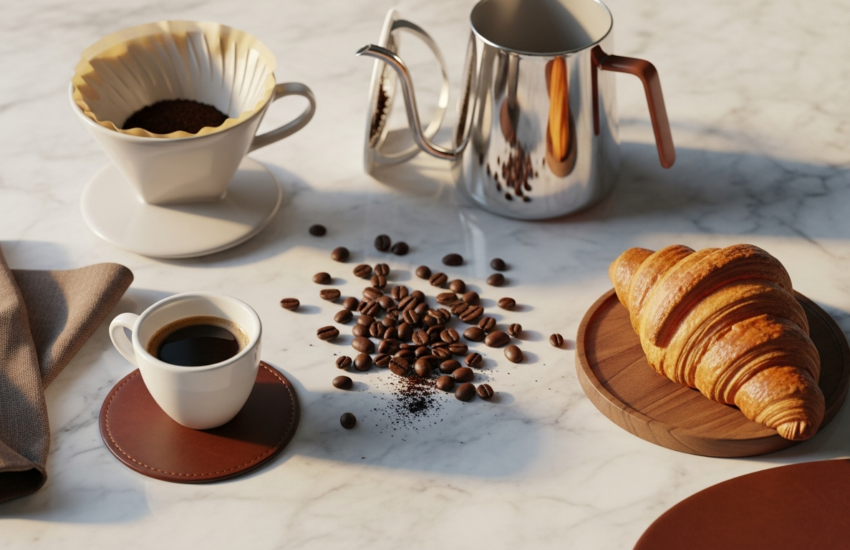
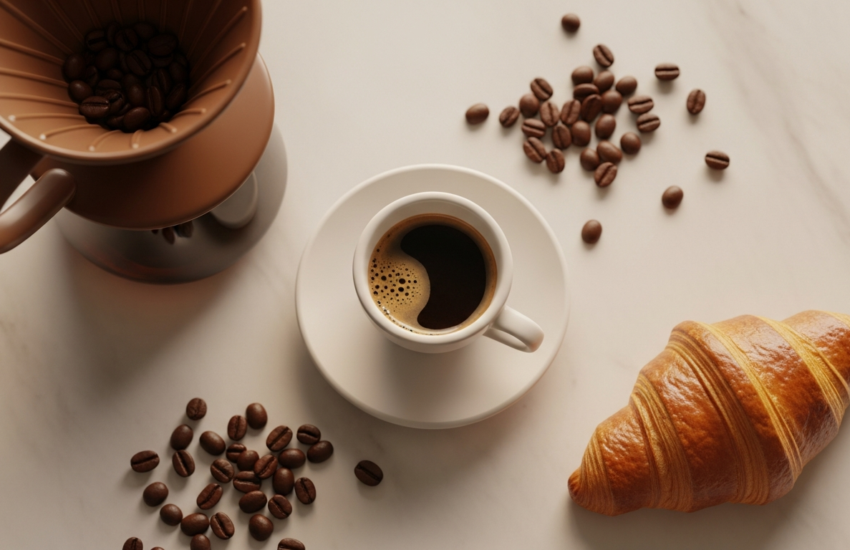
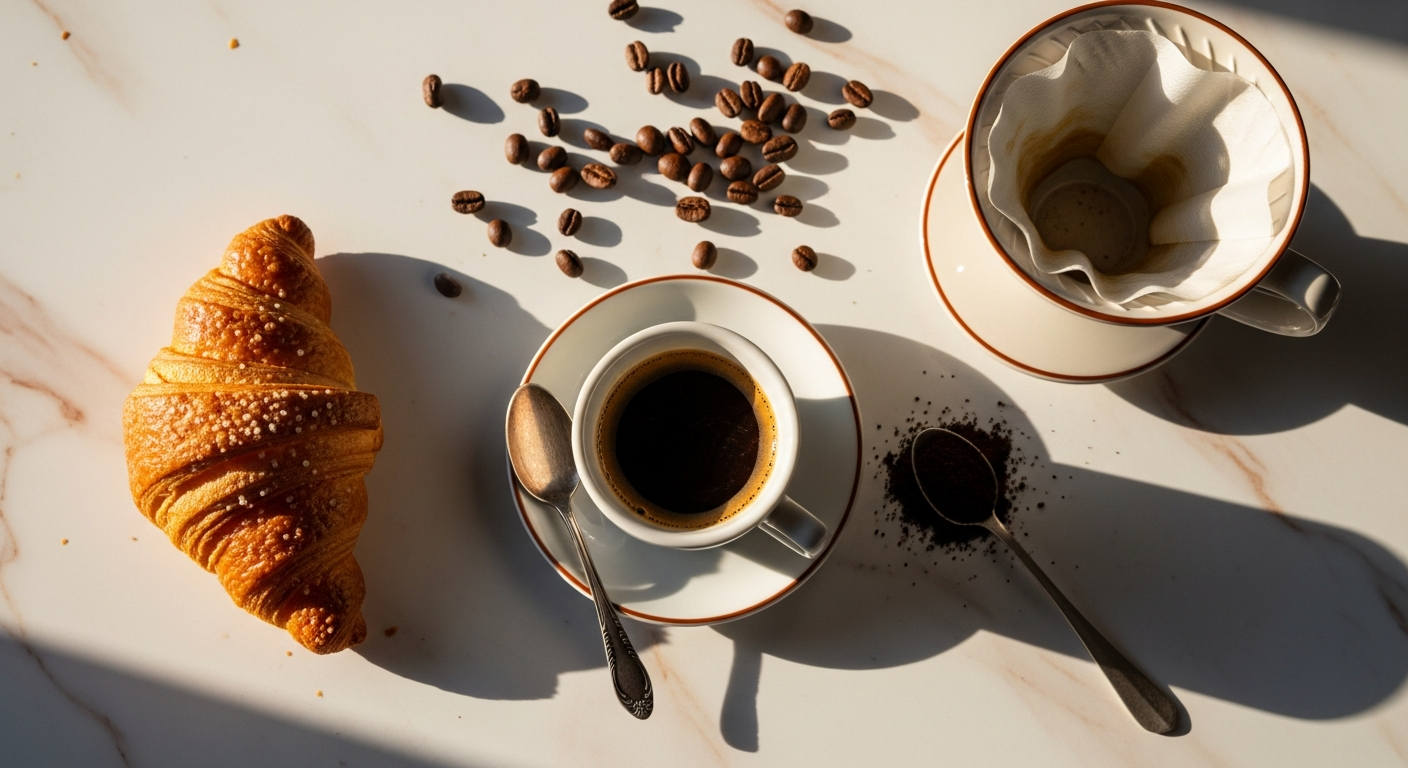
But what about the coffee? While traditional French cafés often serve robust, darker roasts, Menton is slowly embracing the global specialty coffee movement. You might need to seek out the gems, but they are there. Imagine pairing a flaky croissant with a meticulously brewed pour-over, highlighting the bright acidity and delicate floral notes that complement Menton’s citrus profile. For optimal flavor extraction, specialty coffee shops often adhere to SCA (Specialty Coffee Association) standards, advocating for a brewing temperature between 200-205°F (93-96°C). This precise temperature ensures the solubles are extracted efficiently, preventing both under-extraction (sour, weak coffee) and over-extraction (bitter, hollow coffee). A local roaster, perhaps “Café du Soleil,” might offer a medium-light roast Ethiopian Yirgacheffe, known for its lemony, floral characteristics – a perfect match for Menton’s ambiance. When brewing at home or on the go with a travel kit (like a Hario V60 or Aeropress), aiming for a brew ratio of 1:16 (coffee to water) is a great starting point for a balanced cup, allowing the unique nuances of the bean to shine through, much like the subtle complexities in Menton’s regional dishes.
Villefranche-sur-Mer: Picturesque Bay, Seafood Delights, and Brewed Perfection
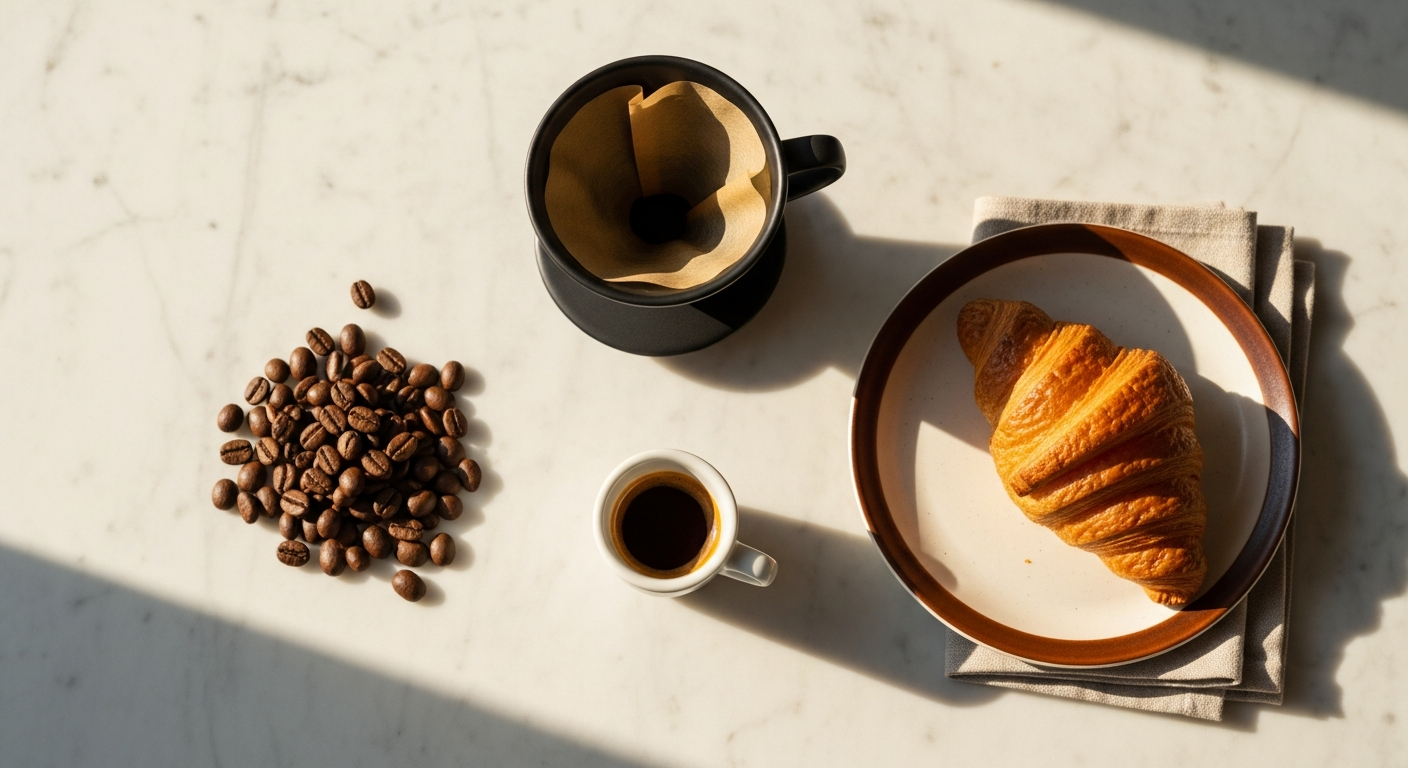
Just a stone’s throw from Nice, yet a world apart, Villefranche-sur-Mer enchants visitors with its deep natural harbor, colorful fishing boats, and a charming old town that winds its way up the hillside. This town is a postcard come to life, offering breathtaking views and a relaxed, authentic Provençal atmosphere. Its culinary heart beats strongest around the waterfront, where seafood reigns supreme. Freshly caught fish, often grilled simply with herbs de Provence and a drizzle of local olive oil, is a staple. Don’t miss the chance to savor a classic salade niçoise made with local tuna, or a rich bouillabaisse (fish stew) that truly captures the essence of the Mediterranean. The narrow, pedestrianized streets of the old town hide delightful small restaurants serving traditional French fare, often with a focus on seasonal vegetables and regional cheeses.
When it comes to coffee, Villefranche-sur-Mer, with its laid-back charm, is an ideal place to slow down and savor. While not a bustling metropolis for specialty coffee, the increasing demand for quality means you can find cafés dedicated to a better brew. Imagine sipping a meticulously prepared espresso on a sun-drenched terrace, watching the boats bob in the harbor. An excellent espresso, according to SCA guidelines, should have a Total Dissolved Solids (TDS) concentration between 7-12% and an extraction yield of 18-22%. This ensures a rich, balanced shot, not too watery and not too intense. If you’re carrying your own travel grinder, like a Porlex Mini or a compact hand grinder, you can even enjoy a finely ground coffee prepared in your Aeropress, achieving a brew ratio of 1:10 for a concentrated shot or 1:15 for a fuller-bodied filter-style coffee. Brands like Fellow (e.g., the Fellow Ode grinder, though larger for travel) or Baratza (e.g., Baratza Encore, around $170 for home use) represent the quality many specialty cafés aspire to. The simple pleasure of pairing a strong, flavorful coffee with a local pastry, like a sugar-dusted chouquette, becomes an integral part of the Villefranche experience, elevating a simple moment into a memorable one.
Antibes & Juan-les-Pins: Historic Charm, Vibrant Markets, and Modern Coffee Scene
Antibes, with its ancient ramparts, bustling Provençal market, and the Picasso Museum, offers a rich blend of history and culture. Adjacent to it, Juan-les-Pins provides a more contemporary, vibrant beach-town vibe. Together, they create a dynamic culinary landscape. Antibes’ covered market, Marché Provençal, is a must-visit, showcasing an abundance of fresh produce, cheeses, cured meats, and regional specialties like pissaladière (onion tart) and olives. The old town is dotted with charming restaurants, from Michelin-starred establishments to cozy family-run eateries serving authentic Provençal dishes. Juan-les-Pins, on the other hand, boasts a lively nightlife and a broader range of international cuisine, alongside excellent seafood restaurants along its promenade. The contrast between Antibes’ historic charm and Juan-les-Pins’ modern energy makes for a diverse culinary adventure.
The coffee scene in Antibes and Juan-les-Pins is arguably one of the most developed outside of Nice. Here, you’re more likely to find dedicated specialty coffee shops, often run by passionate baristas who understand the nuances of extraction and bean origin. These establishments are often at the forefront of the French specialty coffee movement, sourcing beans from renowned roasters and offering a variety of brewing methods, from espresso to pour-over. A skilled barista, much like a World Barista Champion, will meticulously weigh their coffee and water, control grind size, and ensure proper water temperature to achieve the SCA-recommended extraction yield of 18-22%. This dedication transforms a simple cup into an experience. You might encounter single-origin beans from esteemed regions like Colombia (known for balanced, sweet profiles) or Guatemala (chocolatey, nutty notes), roasted by independent French roasters or even international brands. Expect to pay around €3.50-€5.00 for a quality filter coffee or espresso, reflecting the investment in quality beans and skilled preparation. Engaging with these baristas can also be an educational experience, learning about different brew ratios (e.g., 1:15 for a lighter body, 1:18 for a more intense cup) and the impact of grind size on flavor. This blend of historic beauty and a burgeoning modern coffee culture makes Antibes a compelling stop for any coffee enthusiast.
Cannes: Glamour, Gourmet, and the Perfect Espresso Shot
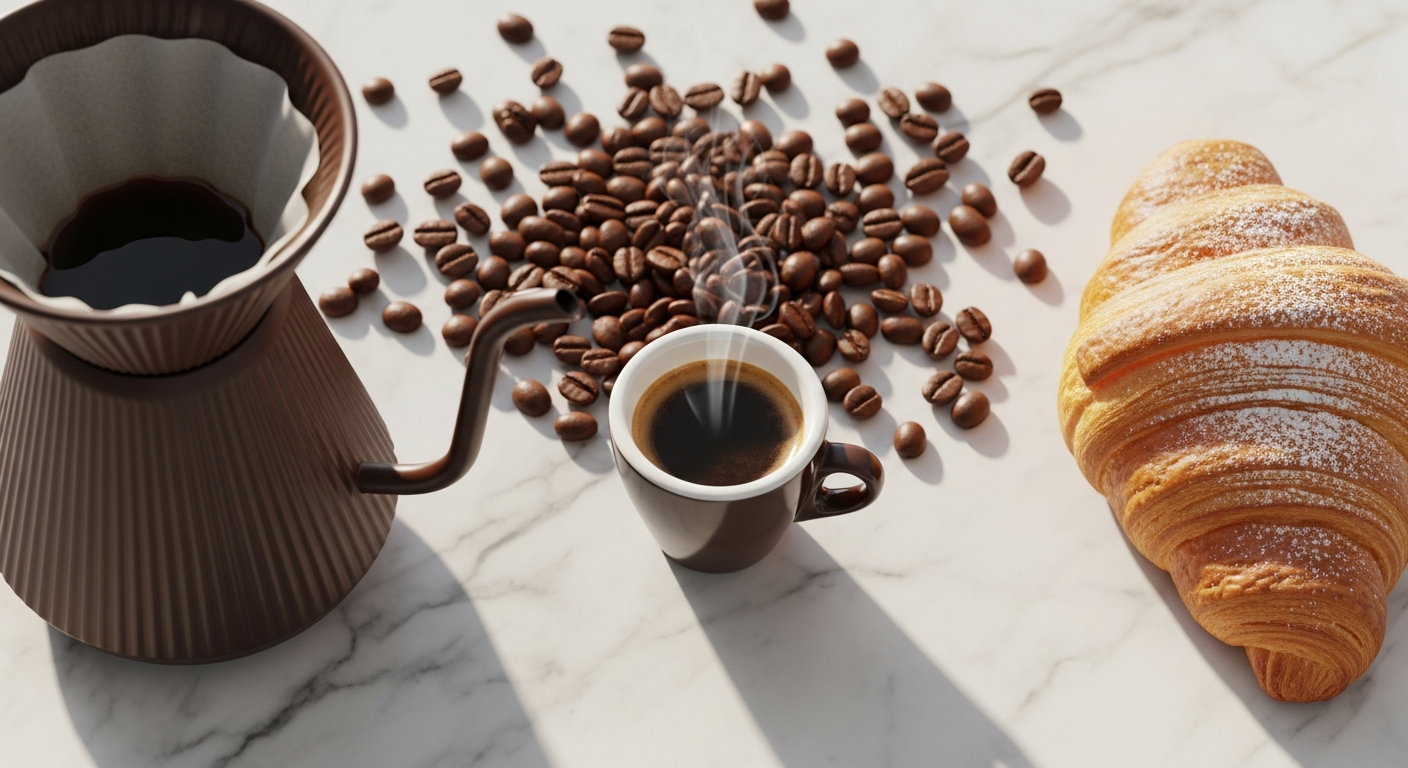
Cannes, synonymous with its international film festival, exudes an air of luxury and sophistication. While it’s famed for its designer boutiques and opulent hotels, Cannes also offers a rich culinary tapestry that extends beyond its glamorous façade. The iconic La Croisette promenade is lined with high-end restaurants, many boasting Michelin stars, offering exquisite fine dining experiences. However, venture into the charming Le Suquet (the old town) or explore the Rue Meynadier, and you’ll discover more authentic, affordable eateries serving traditional Provençal dishes. The Marché Forville, a lively covered market, is a treasure trove of local produce, fresh seafood, and regional specialties, perfect for assembling a gourmet picnic. From fresh oysters to delicate pastries, Cannes caters to every culinary whim, blending haute cuisine with accessible local flavors.
In a town that prides itself on perfection, it’s no surprise that the pursuit of the perfect espresso shot is gaining traction. While traditional French coffee culture still dominates, several establishments in Cannes are now focusing on specialty coffee, understanding that a truly exceptional meal deserves an equally exceptional coffee. Here, you might find cafés equipped with high-end espresso machines and grinders, capable of producing shots that meet the rigorous SCA standards for excellence. A well-pulled espresso should feature a rich crema, a balanced flavor profile (avoiding excessive bitterness or sourness), and a pleasant mouthfeel. The importance of bean quality, roast profile, and the barista’s skill cannot be overstated. World Coffee Research (WCR) continually works on improving coffee quality at the farm level, influencing the availability of high-grade beans that make their way to discerning roasters and cafés in places like Cannes. You might find a single-origin espresso from a respected roaster, perhaps a natural-processed Brazilian bean offering notes of chocolate and nuts, making for a robust and satisfying post-meal digestif. For those who prefer filter coffee, a Chemex or Hario V60 brew, using a precise brew ratio and water temperature (93-96°C), can highlight the subtle complexities of a lighter roasted bean, perfectly complementing the refined dining experiences Cannes offers. A quality travel brew kit, like an Aeropress (typically around $30-40), allows you to maintain your coffee standards even in a luxury setting.
Cassis: Calanques, Coastal Charm, and Coffee by the Sea
Cassis is a picturesque fishing port nestled between the majestic white cliffs of the Calanques and the Cap Canaille. It’s a town of breathtaking natural beauty, famous for its dramatic fjords (Calanques) and its excellent local white wine. The culinary scene in Cassis is, predictably, heavily influenced by the sea. Fresh seafood, often grilled or served in a vibrant bourride (a fish stew similar to bouillabaisse but made with aioli), is a highlight. The portside restaurants offer stunning views and delicious meals, while the town’s small market provides local produce, cheeses, and the famous Cassis wine. Beyond seafood, you’ll find classic Provençal dishes, often featuring local herbs and sun-ripened vegetables. The charm of Cassis lies in its relaxed pace and its intimate connection with both the land and the sea.
The burgeoning specialty coffee scene in Cassis perfectly complements its serene coastal charm. Imagine starting your day with a perfectly brewed coffee, perhaps a flat white or a delicate pour-over, while overlooking the azure waters of the port. While not as numerous as in larger cities, small, independent cafés in Cassis are increasingly prioritizing quality beans and proper brewing techniques. Here, the emphasis is often on a balanced, approachable cup that enhances the peaceful atmosphere. A barista might recommend a blend that offers notes of caramel and hazelnut, providing a comforting warmth that pairs beautifully with a local pastry or simply enjoyed on its own. Understanding brew ratios is key to a great cup: for a balanced filter coffee, a ratio of 1:16 (1 gram of coffee to 16 grams of water) is often recommended by SCA standards, delivering a medium body and balanced flavor. For those traveling with their own equipment, a compact grinder like the Timemore C2 (~$70) paired with a travel dripper can ensure you enjoy consistently excellent coffee, even in a small town. The quiet dedication to quality coffee in Cassis mirrors its commitment to preserving its natural beauty and authentic Provençal lifestyle, making it a perfect spot for those who appreciate both natural splendor and a well-crafted brew.
Sanary-sur-Mer: Authentic Provençal Market, Local Flavors, and Artisan Roasts
Sanary-sur-Mer, located west of Toulon, is often lauded as one of the most authentic and charming towns in Provence. It boasts a beautiful harbor, a vibrant daily market (especially famous for its Wednesday market, one of the largest in the region), and a relaxed, unpretentious atmosphere. The culinary offerings here are deeply rooted in Provençal tradition. Expect to find an abundance of fresh seafood, local vegetables, and artisanal products. The market is a foodie’s paradise, offering everything from fresh olives and tapenades to regional cheeses, charcuterie, and homemade preserves. Restaurants along the port serve generous portions of traditional dishes, often focusing on grilled fish, mussels, and classic Provençal stews. Sanary-sur-Mer provides a genuine taste of the region, far from the more tourist-heavy spots, making it a truly immersive experience for food lovers.
The coffee landscape in Sanary-sur-Mer, while traditional, is gradually making space for specialty coffee. The town’s emphasis on artisanal quality and local produce naturally extends to a growing appreciation for well-sourced and expertly roasted coffee. You might discover a small, independent roastery (perhaps “Café du Soleil” makes an appearance here too, or a similar local artisan) that prides itself on direct trade relationships and carefully crafted roast profiles. These roasters often source beans from specific farms, paying attention to varietals (like Typica or Geisha, researched by WCR for their unique cup profiles) and processing methods (washed, natural, honey). A medium roast, designed to highlight the bean’s inherent sweetness and acidity, would be a perfect complement to the rich flavors of the Provençal market. When brewing, understanding the basics of extraction is crucial. Under-extracted coffee (too fast, too coarse grind, too low temperature) tastes sour and thin, while over-extracted coffee (too slow, too fine grind, too high temperature) tastes bitter and astringent. Specialty coffee shops aim for the “sweet spot” of 18-22% extraction yield, ensuring a balanced and flavorful cup. Even a simple French press can yield excellent results with quality beans and proper technique, ensuring a water temperature of 93-96°C and a coarse, even grind. Sanary-sur-Mer offers a chance to connect with the authentic heart of Provence, both culinarily and through its evolving coffee culture, providing a rich and rewarding experience for the discerning traveler.
Key Takeaways for Your South of France Culinary and Coffee Journey:
- **Seek Out Specialty Coffee:** While traditional French cafés are common, look for independent roasters and modern cafés that prioritize bean quality, precise brewing (SCA standards: 200-205°F / 93-96°C), and skilled baristas.
- **Embrace Local Flavors:** Each town offers unique regional dishes. Pair these with coffee profiles that complement or contrast – e.g., bright, citrusy coffees with Menton’s lemon-infused cuisine.
- **Consider Travel Brewing Gear:** For consistent quality, pack an Aeropress (~$30-40), Hario V60 (~$25-30), or a compact hand grinder (e.g., Timemore C2 ~$70) to ensure your morning brew meets your standards, especially in smaller towns.
- **Understand Brew Ratios:** Aim for a 1:15 to 1:18 coffee-to-water ratio for filter coffee, and a tighter 1:10 for concentrated Aeropress shots, to achieve balanced extraction and flavor.
- **Engage with Local Artisans:** Whether it’s a market vendor or a specialty coffee shop owner, engaging with locals enriches your experience and often leads to discovering hidden gems and authentic insights into regional food and drink culture.
Coastal Food Towns Beyond Nice: A Coffee & Culinary Comparison
| Town | Primary Culinary Focus | Specialty Coffee Scene (Emergence Level) | Recommended Coffee Pairing/Style | Key Experience |
|---|---|---|---|---|
| Menton | Citrus-infused, French-Italian fusion, seafood | Emerging, with a few dedicated spots | Bright, acidic pour-over (e.g., Ethiopian light roast) to complement lemon notes. Brew temp: 93-96°C. | Exploring the colorful old town and Fête du Citron. |
| Villefranche-sur-Mer | Traditional Provençal seafood, local dishes | Growing, focus on quality espresso | Balanced espresso shot (SCA TDS 7-12%) with a rich crema, enjoyed harborside. | Relaxed bay views and authentic village charm. |
| Antibes & Juan-les-Pins | Vibrant markets, diverse Provençal, international options | Established, several dedicated cafés and roasters | Single-origin filter coffee (e.g., Colombian, Guatemalan) highlighting distinct flavor notes. Brew ratio: 1:16. | Marché Provençal, Picasso Museum, lively atmosphere. |
| Cannes | High-end gourmet, traditional Provençal, market finds | Developing, with luxury and quality focus | Precisely pulled espresso or Chemex (18-22% extraction yield) to complement fine dining. | Glamorous La Croisette, Le Suquet old town, film festival vibe. |
| Cassis | Fresh seafood, local Cassis wine, Provençal classics | Developing, small independent cafés | Smooth, comforting flat white or a balanced blend to enjoy by the port. | Calanques exploration, enjoying the tranquil port. |
| Sanary-sur-Mer | Authentic Provençal market, rustic seafood, local produce | Emerging, with artisan roasters making inroads | Medium roast, full-bodied French press or Aeropress (1:15 ratio) to match robust flavors. | Vibrant Wednesday market, genuine Provençal atmosphere. |
Frequently Asked Questions About South of France Food & Coffee
Q: How can I find specialty coffee shops in these smaller French towns?
A: Look for keywords like “café de spécialité,” “torréfacteur artisanal” (artisan roaster), or “slow coffee.” Online maps and apps like Google Maps or dedicated coffee apps (e.g., European Coffee Trip, sometimes local blogs) can help. Don’t be afraid to ask locals or check social media for recommendations. Often, these places have a modern aesthetic that stands out from traditional French cafés.
Q: What equipment should I bring for brewing specialty coffee while traveling?
A: For portability and quality, an Aeropress (around $30-40) or a collapsible Hario V60 dripper (around $25-30) are excellent choices. Pair this with a compact hand grinder like the Timemore C2 (approx. $70) or a Porlex Mini, and a small digital scale for precise brew ratios. Don’t forget quality beans from your favorite roaster!
Q: What are SCA standards and why are they important for specialty coffee?
A: SCA (Specialty Coffee Association) standards are benchmarks for quality in coffee, from cultivation to brewing. For brewing, they recommend specific parameters like water temperature (200-205°F / 93-96°C), brew ratio (1:15 to 1:18 coffee to water), and extraction yield (18-22% of dissolved solids extracted from the coffee). Adhering to these standards ensures a balanced, flavorful, and consistently high-quality cup, highlighting the inherent characteristics of the coffee bean.
Q: Can I find good quality coffee beans to take home from these towns?
A: Absolutely! As the specialty coffee scene grows, many towns, especially Antibes and Sanary-sur-Mer, are home to artisan roasters or cafés that stock high-quality beans. Look for freshly roasted, single-origin beans with clear origin and tasting notes. Roasters like the hypothetical “Café du Soleil” would be excellent places to find locally roasted gems. It’s a great souvenir that extends your South of France experience.
Q: What’s the typical price range for specialty coffee in the South of France?
A: While a traditional espresso might cost €1.50-€2.50, a specialty coffee (like a pour-over or a carefully crafted flat white with quality beans) will typically range from €3.50 to €6.00, depending on the town and the specific offering. This price reflects the higher cost of quality green beans, skilled barista labor, and precise brewing equipment, similar to prices you’d find in major specialty coffee cities worldwide.
Conclusion: Savoring the South, One Exquisite Bite and Brew at a Time
The South of France, extending its glorious coastline beyond the familiar allure of Nice, is a treasure trove for those who appreciate the finer things in life: exceptional food and meticulously crafted coffee. From Menton’s citrus-kissed dishes to Sanary-sur-Mer’s authentic Provençal markets, each town offers a unique culinary narrative. What makes this journey truly special for the Cafeserre.com reader is the exciting emergence of a specialty coffee culture, where passionate individuals are redefining the daily brew, one precisely extracted shot at a time.
We recommend approaching your exploration with an open mind and a discerning palate. Don’t be afraid to venture off the main tourist paths to discover a hidden bistro serving the freshest catch or a modern café experimenting with single-origin pour-overs. Embrace the local rhythms, perhaps starting your day with a perfectly brewed coffee (adhering to those crucial SCA temperature and ratio standards) and a regional pastry, then diving into the vibrant markets for lunch ingredients, and finishing with a gourmet dinner paired with local wines. Carrying a compact travel brewing kit, like an Aeropress or a Hario V60, ensures that even on the go, you can enjoy a consistently excellent cup, perhaps even with beans sourced from a local artisan roaster you discovered along the way.
Ultimately, the South of France coastal food towns beyond Nice offer more than just a vacation; they provide an immersive sensory experience.