What Is Specialty Coffee
What is Specialty Coffee? Unveiling the Art, Science, and Culture Behind Your Perfect Cup
Affiliate disclosure: This article may contain affiliate links. Recommendations are independent and editorially driven.
For many, coffee is simply a daily ritual, a comforting start to the morning, or a much-needed midday boost. But for a growing community of enthusiasts, coffee is much more: it’s an intricate world of unparalleled flavors, meticulous craftsmanship, and profound sensory experiences. This is the world of specialty coffee. Far removed from the mass-produced, often bitter brews, specialty coffee represents the pinnacle of quality at every stage, from the moment a seed is planted to the final sip from your mug.
In this expansive guide, we at cafeserre invite you on a journey to truly understand “what is specialty coffee.” We will delve into its rigorous standards, explore the dedicated individuals behind its creation, and uncover the precise methods that elevate it from a commodity to an art form. Whether you’re a seasoned connoisseur or just beginning your exploration beyond conventional coffee, prepare to deepen your appreciation and transform your perception of this beloved beverage.
Specialty coffee isn’t just a label; it’s a philosophy, a commitment to excellence that permeates every step of the supply chain. It’s about transparency, sustainability, and a relentless pursuit of flavor. It’s about understanding the unique terroir of a coffee bean, the nuanced skill of a roaster, and the precision required by a barista. Join us as we unpack each layer of this fascinating subject, providing you with the knowledge to identify, appreciate, and even brew exceptional specialty coffee in your own home.
Defining the Elixir: What Truly Qualifies as Specialty Coffee?
To grasp “what is specialty coffee,” we must first establish a foundational understanding of its core definition, primarily through the lens of the Specialty Coffee Association (SCA). The SCA, a globally recognized body, sets the industry standards that differentiate specialty coffee from its commercial counterpart. It’s not just about a subjective taste preference; it’s about objective quality metrics and an unwavering commitment to excellence at every stage.
At its heart, specialty coffee is defined by its inherent quality. This quality is systematically evaluated through a rigorous process known as “cupping,” where trained Q-Graders score green coffee beans on a 100-point scale. To be considered specialty grade, coffee must achieve a score of 80 points or higher. This score reflects an absence of primary defects, a limited number of secondary defects, and superior characteristics in aroma, flavor, acidity, body, and aftertaste.
Beyond the score, specialty coffee signifies a relationship. It implies a direct connection between producers, roasters, and consumers, fostering transparency and a shared passion for quality. It emphasizes sustainable practices, fair compensation for farmers, and meticulous attention to detail at every phase of production. This holistic approach ensures that the coffee bean’s intrinsic potential for exceptional flavor is not only preserved but enhanced.
The Specialty Coffee Association (SCA) Scorecard Explained
The SCA’s cupping protocol is a scientific approach to evaluating coffee quality. Q-Graders, certified professionals with an acute sense of taste and smell, assess various attributes of a coffee sample. These attributes include:
- Fragrance/Aroma: The dry and wet smell of the coffee.
- Flavor: The overall impression of taste and aroma.
- Aftertaste: The length and pleasantness of the flavor remaining after the coffee is swallowed.
- Acidity: The brightness and lively characteristics, often described as tart or crisp.
- Body: The tactile sensation of the coffee in the mouth, its weight and texture.
- Balance: How well all the flavors, aroma, acidity, and body integrate.
- Sweetness: The perceived sugar content, distinct from added sugar.
- Uniformity: Consistency of flavor across multiple cups.
- Clean Cup: Absence of negative flavors from first sip to last.
- Overall: A holistic assessment of the coffee’s quality and appeal.
Each attribute is scored, and the cumulative score determines if the coffee meets the 80-point threshold for specialty designation. This methodical evaluation ensures that only the finest beans earn the coveted “specialty” title, setting a high bar for the industry and guiding consumers toward genuinely exceptional coffees.
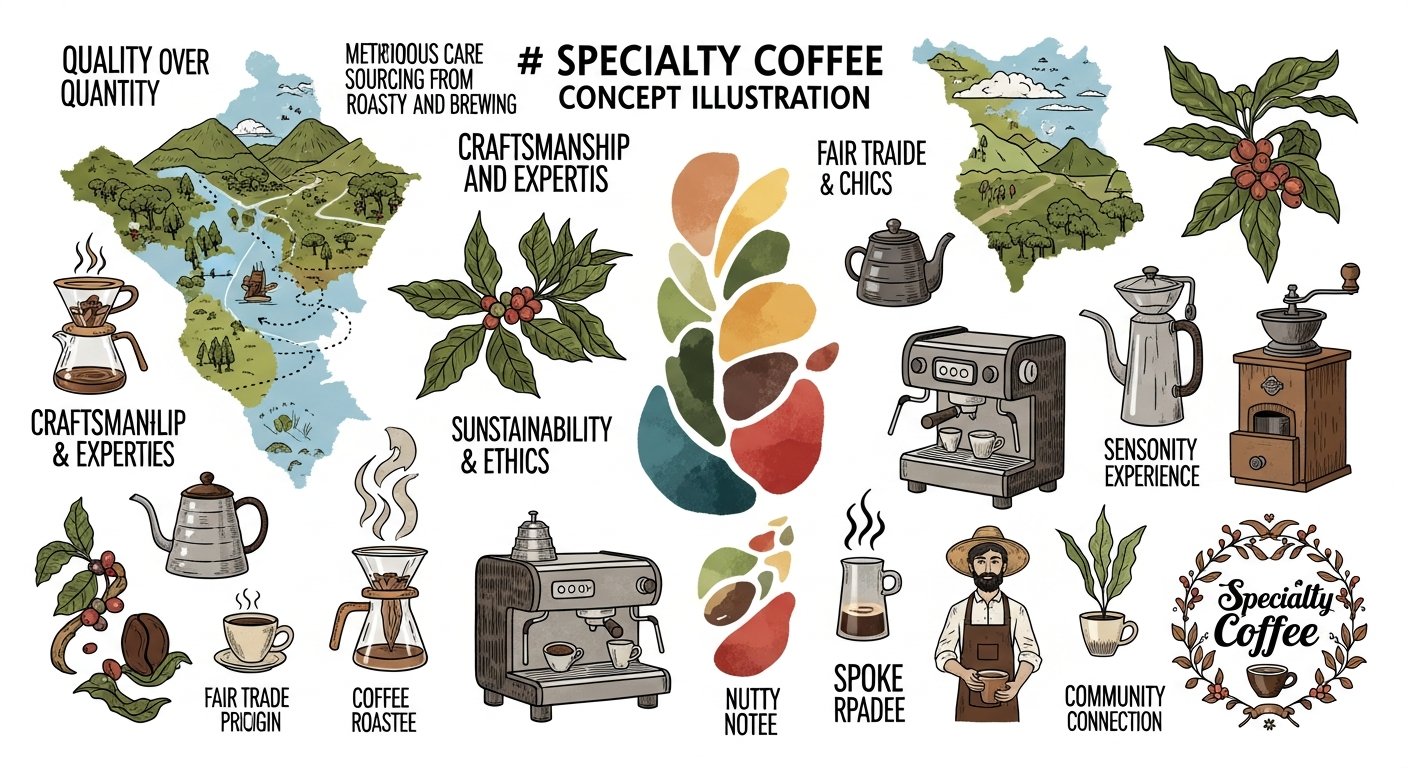
[INLINE IMAGE 1: place after second H2 | alt=”what is specialty coffee concept illustration”]
The Journey of Excellence: From Seed to Cup in Specialty Coffee
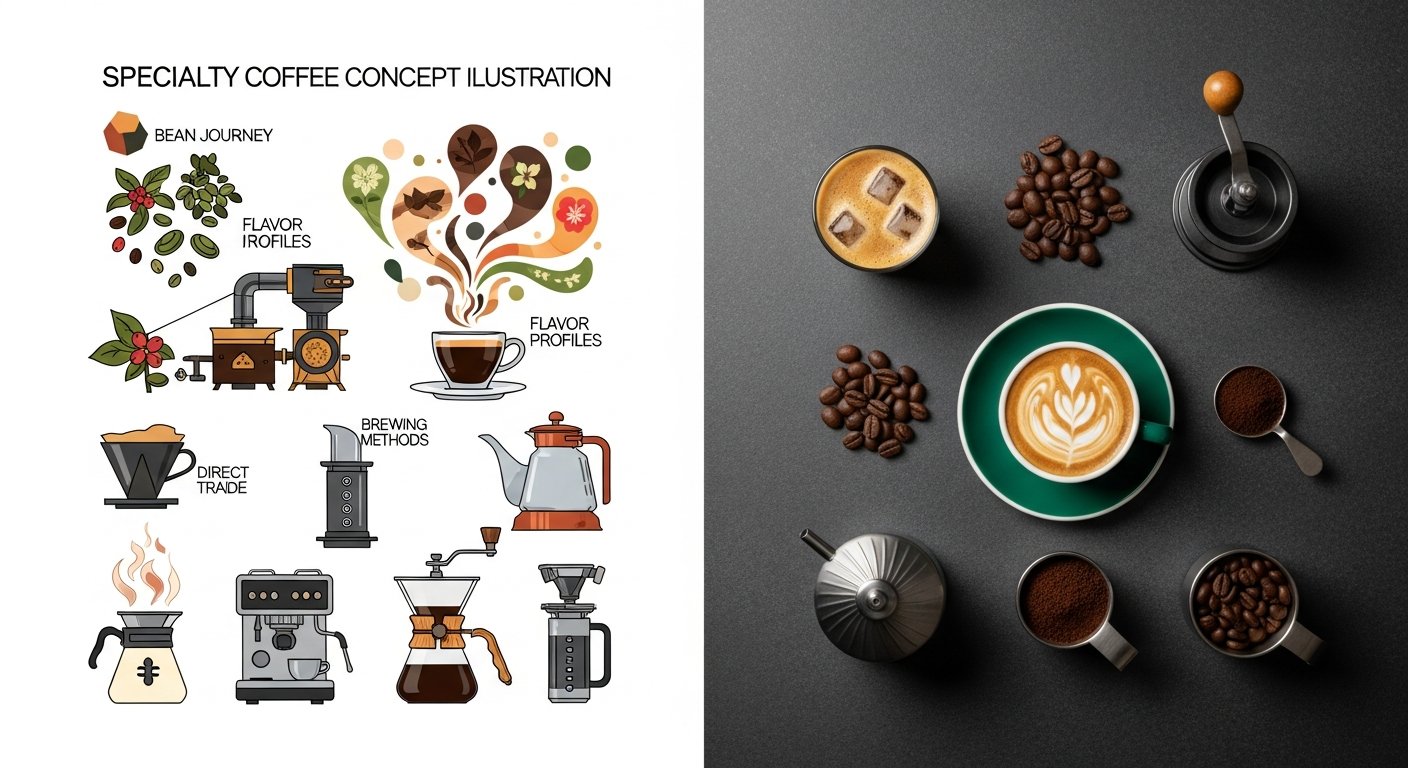
The magic of specialty coffee isn’t accidental; it’s the culmination of countless deliberate choices and expert interventions across a complex supply chain. Understanding this journey is key to fully appreciating “what is specialty coffee.” Each stage, from the initial cultivation to the final brew, is treated with meticulous care, transforming a humble seed into an extraordinary sensory experience.
Terroir and Cultivation: The Origin Story
The foundation of any great specialty coffee begins with its origin – the specific region, climate, and soil in which it is grown. This concept, known as “terroir,” significantly influences the coffee’s unique flavor profile. Factors such as altitude, rainfall, temperature fluctuations, and soil composition all play critical roles. High-altitude regions, for instance, often produce denser beans with more complex acidity and sweetness due to slower maturation.
- Varietals: Just like grapes for wine, different coffee varietals (e.g., Typica, Bourbon, Geisha, SL-28) possess distinct genetic characteristics that lead to varied flavor notes. Specialty coffee producers select varietals carefully, matching them to their specific terroir to maximize quality.
- Sustainable Farming Practices: Specialty coffee farms often prioritize sustainable and organic farming methods. This includes shade-grown coffee, which promotes biodiversity and natural pest control, and responsible water management. These practices not only benefit the environment but also contribute to healthier, more flavorful beans.
Harvesting Excellence: Selective Picking
Unlike commercial coffee, which often employs mechanical strip-picking, specialty coffee relies on labor-intensive selective hand-picking. This means only ripe coffee cherries are picked at their peak maturity. Unripe or overripe cherries can introduce defects and off-flavors, so this precision is paramount. Harvesters often make multiple passes through the coffee trees to ensure only the finest cherries are collected, a testament to the dedication required.
Processing Perfection: Unlocking Flavor Potential
After harvesting, coffee cherries undergo processing to remove the fruit layers and extract the green beans. The chosen processing method profoundly impacts the final flavor. The three most common methods in specialty coffee are:
- Washed (or Wet) Process: Cherries are pulped (outer skin removed), then fermented in water to break down the mucilage, and finally washed clean before drying. This method typically results in clean, bright, and acidic coffees that highlight the bean’s inherent flavors.
- Natural (or Dry) Process: Cherries are dried whole with the fruit intact. The fruit’s sugars ferment and impart complex, fruity, and often heavier-bodied flavors to the bean. This method requires careful monitoring to prevent over-fermentation or mold.
- Honey Process: A hybrid method where the skin is removed, but some or all of the mucilage (the sticky layer) is left on the bean during drying. This method can yield a wide range of profiles, often characterized by balanced sweetness, body, and acidity, sitting between washed and natural.
Each method requires specific expertise and conditions, and specialty producers choose the one best suited to their varietals and desired flavor profiles.
Green Bean Grading and Selection: Quality Control
Once processed and dried, the green coffee beans are meticulously sorted and graded. This involves removing any defective beans (e.g., broken, insect-damaged, discolored) that could negatively impact flavor. Specialty coffee adheres to strict defect count limits set by organizations like the SCA. Beans are also assessed for density, moisture content, and screen size, ensuring uniformity for optimal roasting.
Roasting Artistry: The Transformation
Roasting is where the green bean’s potential is fully unlocked. Specialty coffee roasters are highly skilled artisans who understand the science behind heat transfer, chemical reactions (Maillard reaction, caramelization), and airflow. They develop precise roast profiles for each specific coffee, aiming to highlight its unique characteristics without introducing roast defects. This is a delicate balance, as over-roasting can mask delicate flavors, while under-roasting can lead to grassy or sour notes.
- Profile Roasting: Rather than a generic “dark” or “light” roast, specialty roasters craft specific profiles, controlling temperature, time, and airflow to bring out the best in each bean.
- Freshness: Specialty coffee is always sold with a roast date. Freshness is paramount, as roasted coffee rapidly loses flavor due to oxidation.
Learn more about the nuances of coffee roasting and how it impacts flavor.
Brewing Brilliance: The Final Stage
Even the finest specialty beans can be ruined by improper brewing. The final stage requires precision, knowledge, and appropriate equipment. Baristas and home brewers alike must pay attention to:
- Water Quality: The water used accounts for 98% of your coffee. Filtered water with specific mineral content is ideal.
- Grind Size and Consistency: The grind must be appropriate for the brewing method and consistent to ensure even extraction.
- Brewing Method: Different methods (pour-over, AeroPress, French Press, espresso) highlight different aspects of the coffee’s flavor.
- Ratio: The precise coffee-to-water ratio is crucial for balance.
- Temperature: Water temperature significantly impacts extraction efficiency.
- Time: The contact time between coffee and water affects the extraction level.
Mastering these variables allows the true character of specialty coffee to shine through, providing a truly exceptional cup.
Specialty vs. Commercial Coffee: A Clear Distinction
Understanding “what is specialty coffee” is often best illuminated by contrasting it with its more common counterpart: commercial coffee. While both are derived from coffee beans, their production philosophies, quality standards, and end results are vastly different. The distinction isn’t merely about price; it’s about a fundamental difference in priorities and processes.
Commercial coffee, typically found in large supermarket brands and instant coffee varieties, focuses primarily on efficiency, volume, and cost-effectiveness. The goal is to produce a consistent, albeit often generic, product at scale. This often means compromising on quality at various stages to maximize yield and minimize expenses. Specialty coffee, conversely, places quality, distinctiveness, and ethical practices above all else.
The impact of this fundamental difference is evident in everything from the origin of the beans to the final taste in your cup. Commercial coffee often blends beans from various sources, sometimes even different species (e.g., robusta alongside arabica), to achieve a consistent, low-cost flavor profile. Specialty coffee, however, emphasizes single-origin beans or meticulously crafted blends of specific, high-quality origins, celebrating their unique characteristics.
Let’s explore the key differences in a structured comparison:
| Characteristic | Specialty Coffee | Commercial Coffee |
|---|---|---|
| Quality Score (SCA) | 80+ points (out of 100) | Below 80 points, often not scored |
| Bean Selection | 100% Arabica, specific varietals, minimal defects, selective hand-picking of ripe cherries. | Often a blend of Arabica and Robusta, higher defect tolerance, mechanical strip-picking (ripe and unripe). |
| Terroir & Origin | Single-origin or carefully curated blends, emphasis on distinct regional characteristics and altitude. | Generic blends from various, often undisclosed, origins, focused on cost efficiency. |
| Processing | Meticulous washed, natural, or honey processes tailored to the bean, careful drying. | Standardized, often less controlled processes; rapid drying. |
| Roasting | Artisanal, specific roast profiles designed to highlight unique flavors, light to medium roasts common. Roast date always provided. | Industrial-scale, often darker roasts to mask defects and ensure consistent (but generic) flavor. Best-by date, not roast date. |
| Flavor Profile | Complex, nuanced, distinct notes of fruits, florals, nuts, chocolate, spices; vibrant acidity, diverse body. | Simple, often bitter, smoky, or bland; limited complexity, often aimed at masking lower quality. |
| Price | Higher, reflecting the investment in quality, labor, and sustainable practices. | Lower, reflecting mass production and efficiency. |
| Sustainability & Ethics | Strong emphasis on direct trade, fair wages, environmental stewardship, and traceability. | Less transparency, often reliant on commodity markets, potentially less focus on ethical sourcing. |
The table above clearly illustrates that “what is specialty coffee” fundamentally contrasts with commercial coffee in almost every aspect. Specialty coffee is a testament to the idea that quality should not be compromised, and that the appreciation for coffee extends far beyond its caffeine content. It is an investment in flavor, ethics, and a superior sensory experience.
[INLINE IMAGE 2: place after fourth H2 | alt=”what is specialty coffee comparison illustration”]
The Sensory Experience: Decoding Flavor in Specialty Coffee

One of the most captivating aspects of “what is specialty coffee” is its incredible diversity of flavors and aromas. Unlike commercial coffee, which often tastes uniformly “coffee-like,” specialty coffee offers a vast spectrum of sensory experiences, akin to fine wine or artisanal chocolate. Learning to identify and appreciate these nuances is a key part of the specialty coffee journey.
Cupping and Evaluation: The Science of Taste
As mentioned, cupping is the professional standard for evaluating coffee quality. It’s a standardized tasting ritual where ground coffee is steeped in hot water, and tasters slurp the liquid from a spoon to aerate it and distribute it across their palate. This process allows for a thorough assessment of the coffee’s flavor, aroma, acidity, body, and other characteristics. Cupping sessions are not just for professionals; many specialty coffee shops and roasters host public cuppings, offering a fantastic opportunity for enthusiasts to learn and refine their palates.
The Language of Flavor: Acidity, Body, Sweetness, and Beyond
Specialty coffee allows us to move beyond simply “bitter” or “strong.” Here’s how we describe its complex flavors:
- Acidity: Often misunderstood, acidity in coffee refers to its brightness, liveliness, and tartness, not sourness. Think of the refreshing acidity of a lemon or green apple. High-quality acidity adds complexity and vibrancy.
- Body: This describes the tactile sensation, or weight, of the coffee in your mouth. Is it thin and tea-like, or rich and syrupy? Terms like light, medium, or full body are used.
- Sweetness: Natural sweetness, distinct from added sugar, can manifest as notes of caramel, honey, chocolate, or fruit. It balances other flavors and makes the coffee more enjoyable.
- Flavor Notes: This is where the magic truly happens. Specialty coffees can exhibit an astonishing array of specific flavor notes, categorized broadly as:
- Fruity: Berries (strawberry, blueberry), citrus (lemon, orange), stone fruit (peach, apricot), tropical (mango, passionfruit).
- Floral: Jasmine, rose, hibiscus, lavender.
- Nutty/Cocoa: Almond, hazelnut, peanut, dark chocolate, milk chocolate, cocoa.
- Spicy: Cinnamon, clove, nutmeg, cardamom.
- Caramel/Sugar Browning: Caramel, vanilla, honey, molasses.
- Vegetal/Herbal: Green tea, tobacco, mint, bell pepper (less desirable but present).
The Coffee Taster’s Flavor Wheel
The SCA’s Coffee Taster’s Flavor Wheel is an invaluable tool for describing coffee flavors. It starts with broad categories (e.g., Fruity, Floral, Nutty/Cocoa) and then branches out into more specific descriptors (e.g., Fruity → Berry → Strawberry). This wheel helps tasters articulate what they perceive, build a shared vocabulary, and expand their ability to identify nuanced flavors.
Developing your palate is a journey of intentional tasting. Pay attention to how the coffee smells before you even sip, how it feels on your tongue, and what flavors emerge as it cools. With practice, you’ll unlock a world of flavor that will forever change your relationship with coffee.
Beyond the Bean: Ethics and Sustainability in Specialty Coffee
The commitment to excellence in “what is specialty coffee” extends far beyond just flavor; it deeply intertwines with ethical sourcing and environmental sustainability. For many consumers and industry professionals, the story behind the bean – how it was grown, who grew it, and its impact on the planet – is as important as its taste profile. This holistic approach is a cornerstone of the specialty coffee movement.
The conventional coffee market, driven by commodity prices, often puts immense pressure on farmers. When prices fall below the cost of production, farmers struggle to make a living, leading to unsustainable practices, child labor, and a cycle of poverty. Specialty coffee actively seeks to break this cycle by establishing more equitable and transparent supply chains.
Direct Trade and Fairer Wages
A significant practice in specialty coffee is “direct trade.” This model involves roasters and importers forming direct relationships with coffee farmers. By bypassing multiple intermediaries, more of the final selling price goes back to the producers. This isn’t just about charity; it’s about paying a premium for quality. Roasters agree to pay prices well above the commodity market rate (often significantly higher than even “Fair Trade” minimums) in exchange for exceptional beans and consistent supply. This allows farmers to:
- Invest in their farms: improving infrastructure, irrigation, and processing equipment.
- Provide fair wages and better working conditions for their laborers.
- Sustain their livelihoods and communities.
- Experiment with new varietals and processing methods, further enhancing quality.
Explore our guide to understanding direct trade vs. fair trade certifications.
Environmental Stewardship
Specialty coffee farms are often at the forefront of sustainable agricultural practices. Recognizing that healthy ecosystems produce better coffee, producers implement various methods to protect the environment:
- Shade-Grown Coffee: Planting coffee under a canopy of native trees mimics natural forest ecosystems. This practice reduces the need for chemical fertilizers, prevents soil erosion, provides habitat for wildlife, and allows coffee cherries to mature slowly, developing more complex flavors.
- Biodiversity Preservation: Sustainable farms often maintain a rich biodiversity of plants and animals, contributing to healthier soil and natural pest control.
- Water Management: Implementing efficient irrigation systems, treating wastewater from processing, and utilizing rain collection are crucial for minimizing environmental impact, especially in water-stressed regions.
- Organic and Regenerative Practices: While not all specialty coffee is certified organic, many farms use organic fertilizers and pest control methods. Regenerative agriculture, which focuses on soil health and carbon sequestration, is also gaining traction.
Community Impact and Traceability
Specialty coffee fosters a strong sense of community, both at the origin and among consumers. Transparency and traceability are key. Consumers can often learn the name of the farm, the farmer, the varietal, and the processing method of their coffee. This connection builds appreciation and encourages support for producers.
- Social Programs: Many specialty coffee cooperatives invest in their communities, funding schools, healthcare, and infrastructure projects, directly benefiting the people who cultivate our cherished beans.
- Empowerment: Specialty coffee empowers farmers, giving them a voice and control over their product and their future, moving away from being mere price-takers in a volatile market.
When you choose specialty coffee, you’re not just opting for superior taste; you’re supporting a global movement towards a more just, sustainable, and transparent coffee industry. It’s a choice that tastes good and does good.
Decoding the Labels: What to Look for When Buying Specialty Coffee
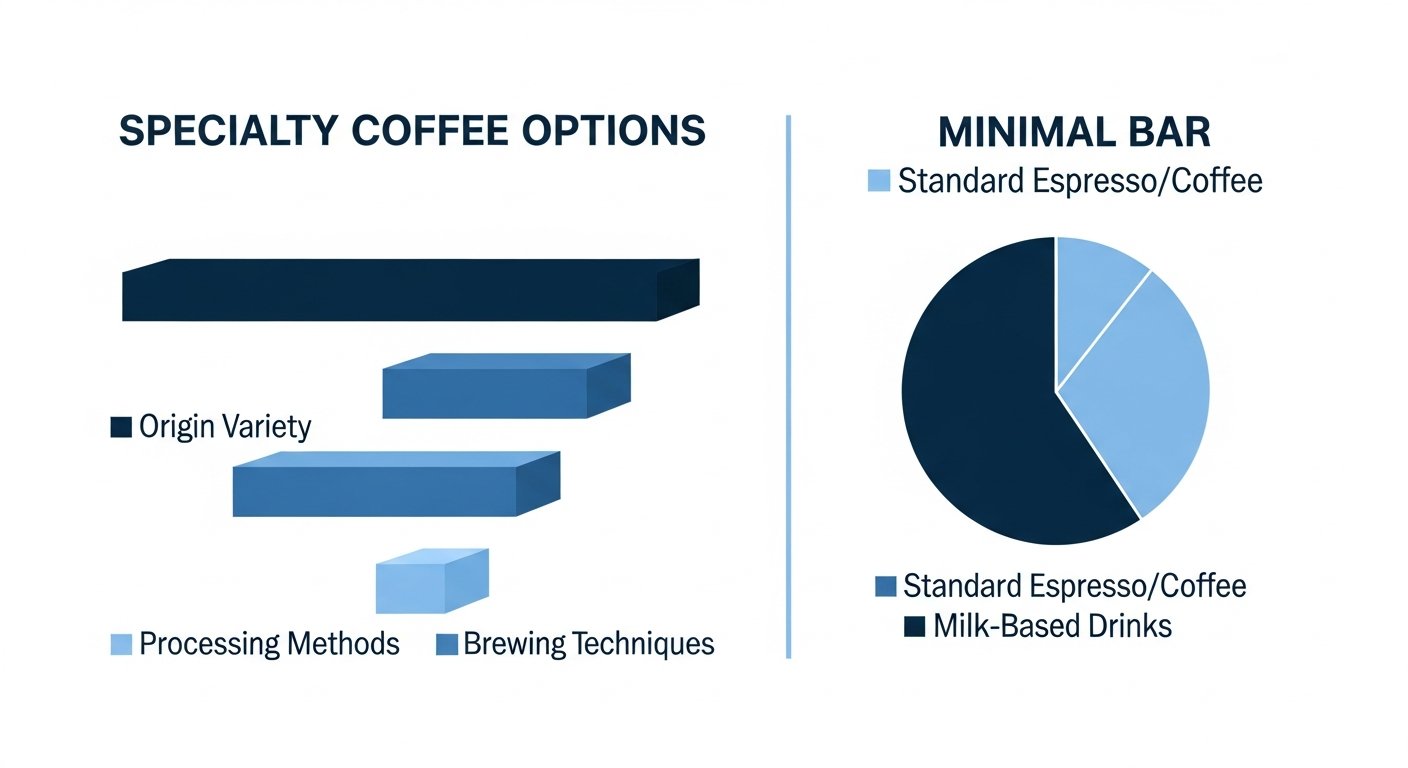
Navigating the world of specialty coffee can feel a bit like learning a new language. Bags are adorned with terms that might seem arcane at first glance. However, understanding these labels is crucial to answering “what is specialty coffee” when you’re standing in front of a shelf, and it empowers you to make informed choices that align with your taste preferences and values. The information provided on a specialty coffee bag is a testament to the transparency and traceability inherent in the sector.
Unlike commercial coffee that often provides minimal information beyond a generic roast level, specialty coffee producers and roasters pride themselves on sharing the intricate details of their beans. This information tells a story – a journey from seed to cup – and helps you anticipate the flavors within.
Essential Information on a Specialty Coffee Bag:
When picking up a bag of specialty coffee, look for these key pieces of information:
- Roaster Name and Brand: Identifies the company that roasted the beans. Reputable roasters are transparent and passionate.
- Coffee Name: Often a descriptive name given by the roaster, sometimes including the origin.
- Origin (Country, Region, Farm, or Co-op): This is paramount. The more specific, the better. Knowing the country (e.g., Ethiopia, Colombia, Kenya), region (e.g., Yirgacheffe, Huila, Nyeri), and even the specific farm or cooperative helps you understand the terroir and typical flavor profiles.
- Varietal(s): The specific species and cultivar of the coffee plant (e.g., Bourbon, Typica, Geisha, Caturra, SL-28). Different varietals have distinct genetic flavor characteristics.
- Process Method: How the coffee cherry was processed after harvesting (e.g., Washed, Natural, Honey). This heavily influences flavor.
- Altitude: The elevation at which the coffee was grown (e.g., 1800-2200 masl – meters above sea level). Higher altitudes often lead to denser, more complex beans.
- Tasting Notes (Flavor Profile): These are descriptive words used by the roaster to guide your expectation of the coffee’s flavor (e.g., “notes of blueberry, jasmine, bergamot” or “dark chocolate, caramel, red apple”). These are subjective guides, not added ingredients.
- Roast Date: CRITICAL. Specialty coffee should be consumed within a few weeks (ideally 1-4 weeks) of its roast date for optimal freshness and flavor. A “best by” date is insufficient.
- Roast Level: While specialty roasters tend to shy away from generic “light, medium, dark” labels, they might indicate the roast intensity or provide a profile description. Generally, specialty coffee leans towards light to medium roasts to highlight inherent flavors.
- Brewing Recommendations: Some roasters provide suggested brew methods (e.g., “great for pour-over, AeroPress”) or even a basic recipe.
Why This Information Matters:
- Predicting Flavor: Knowing the origin, varietal, and process allows you to anticipate a coffee’s general characteristics. For example, a natural-processed Ethiopian coffee might be fruity and floral, while a washed Colombian coffee might be balanced and chocolatey.
- Traceability and Ethics: Detailed origin information often correlates with ethical sourcing. Roasters who can tell you the specific farm are likely engaged in direct trade and paying fair prices.
- Freshness: The roast date is paramount for ensuring you experience the coffee at its peak. Stale coffee loses its vibrant aromas and flavors.
- Learning and Exploration: Tracking the details of coffees you enjoy (or don’t) helps you refine your palate and discover new preferences, making your specialty coffee journey more rewarding.
Don’t be afraid to ask questions at your local specialty coffee shop. Baristas are typically passionate and knowledgeable, eager to share insights into their offerings. Embrace the learning process, and soon you’ll be confidently selecting beans that promise an exceptional brewing experience every time.
The Journey Home: Brewing Specialty Coffee at Home
You’ve delved into “what is specialty coffee” and perhaps even purchased a bag of exquisite beans. The next crucial step is bringing that potential to life in your own kitchen. Brewing specialty coffee at home is an art and a science, a delicate dance of variables that, when controlled, unlocks unparalleled flavors. While it may seem daunting at first, with the right equipment and a methodical approach, you can consistently achieve café-quality results.
The beauty of brewing specialty coffee at home lies in your ability to control every element. This allows for experimentation, refinement, and a deeper connection to the beverage you consume. Forget instant coffee or generic drip machines; preparing specialty coffee is a rewarding ritual that enhances the entire experience.
Essential Equipment for the Home Barista:
While you don’t need to break the bank, certain tools are foundational for consistently great specialty coffee:
- Burr Grinder: This is arguably the most important investment. A burr grinder (manual or electric) grinds coffee uniformly, which is critical for even extraction. Blade grinders “chop” beans unevenly, leading to inconsistent brewing and off-flavors.
- Digital Scale: Precision is key. A digital scale (accurate to 0.1 gram) allows you to measure both coffee and water accurately, ensuring consistency in your recipes.
- Kettle (Gooseneck for Pour-over): A standard kettle works, but a gooseneck kettle offers superior control for pour-over methods, allowing for precise saturation of the coffee bed. Variable temperature kettles are a bonus for hitting ideal brew temperatures.
- Brewing Device: Choose a method that suits your preference. Popular choices include:
- Pour-over (e.g., Hario V60, Chemex, Kalita Wave): Highlights clarity, acidity, and nuanced flavors.
- AeroPress: Versatile, portable, offers a clean cup with good body.
- French Press: Full-bodied, immersive flavor, but with more sediment.
- Espresso Machine: The most significant investment, for concentrated, intense shots and milk-based drinks.
- Timer: Crucial for monitoring brew time and ensuring consistent extraction. (Many digital scales have built-in timers).
Mastering the Variables: The Pillars of Great Brewing
Each of these factors plays a significant role in the final taste of your coffee:
- Water Quality: Your coffee is 98% water. Use filtered water that is free of chlorine and off-tastes. Ideally, water with a balanced mineral content enhances extraction without imparting unwanted flavors. Distilled water is too “flat” and will result in under-extracted coffee.
- Grind Size and Consistency: The grind size must match your brewing method. Coarser grinds for French Press, medium for pour-over, and very fine for espresso. Consistency ensures all coffee particles extract at a similar rate. Uneven grinds lead to both over- and under-extraction simultaneously, resulting in a muddled, unpleasant taste.
- Coffee-to-Water Ratio: This is fundamental for balance. A common starting point is 1:15 to 1:17 (e.g., 1 gram of coffee to 15-17 grams of water). Experiment to find your preferred strength.
- Water Temperature: The ideal brewing temperature for most methods is between 195°F and 205°F (90°C and 96°C). Water that is too hot can over-extract and lead to bitterness, while water that is too cool will under-extract, resulting in sourness.
- Brew Time: The duration of contact between water and coffee. This varies significantly by method (e.g., 2-4 minutes for pour-over, 4 minutes for French Press, 25-30 seconds for espresso). Too short, and the coffee will be weak and sour; too long, and it will be bitter and astringent.
Developing Your Brewing Ritual:
- Start Simple: Begin with one brewing method and master it before moving to others.
- Measure Everything: Use your scale and timer every time. This is how you achieve consistency.
- Taste and Adjust: Pay attention to the taste. Is it too sour? Grind finer or increase brew time. Too bitter? Grind coarser or reduce brew time/temperature.
- Keep Notes: Document your recipes, adjustments, and tasting notes. This helps you learn and replicate great results.
Brewing specialty coffee at home transforms your morning routine into a conscious, enjoyable craft. It allows you to fully experience the rich flavors and aromas that define “what is specialty coffee” and appreciate the journey of each bean.
The Future of Specialty Coffee: Trends, Innovation, and Accessibility
Having explored the depths of “what is specialty coffee” and its meticulous journey, it’s worth considering where this dynamic industry is headed. The specialty coffee landscape is constantly evolving, driven by innovation, a growing consumer appetite for unique experiences, and an enduring commitment to quality and sustainability. The future promises exciting developments that will further refine the craft and broaden its appeal.
The past decade has seen explosive growth in specialty coffee, moving from niche cafes to mainstream acceptance. As consumers become more discerning and educated, their expectations for ethical sourcing, transparent practices, and exceptional flavor continue to rise. This demand fuels ongoing innovation across the entire supply chain.
Emerging Trends in Specialty Coffee:
- Hyper-Specific Origins and Micro-Lots: The focus on traceability will intensify, moving beyond just country and region to specific farm sections or even unique processing experiments from a single lot. This allows for incredibly unique and rare flavor profiles.
- Experimental Processing Methods: While washed, natural, and honey processes remain staples, producers are constantly innovating. Anaerobic fermentation (fermenting coffee in oxygen-deprived environments), carbonic maceration (inspired by winemaking), and co-fermentation with fruits or yeasts are creating entirely new flavor dimensions.
- Varietal Exploration and Development: More attention will be paid to lesser-known or newly developed coffee varietals that offer superior disease resistance or unique flavor characteristics, ensuring biodiversity and sustainability for future generations.
- Cold Brew and Ready-to-Drink (RTD) Specialty Coffee: The demand for high-quality, convenient cold coffee options is soaring. Expect to see more craft cold brews, nitrogen-infused beverages, and sophisticated RTD options made with single-origin specialty beans.
- Increased Focus on Water Chemistry: As home brewing becomes more sophisticated, understanding and manipulating water chemistry for optimal extraction will become more mainstream, with specialized water filters and mineral additives gaining popularity.
- Sustainability and Climate Resilience: With climate change posing significant threats to coffee-growing regions, research into climate-resilient varietals, regenerative agriculture, and carbon-neutral production methods will be paramount.
Innovation in Technology and Accessibility:
- Smart Brewing Equipment: Connected grinders, scales, and brewers that offer precise control and guide users through recipes are making specialty brewing more accessible to home enthusiasts.
- AI and Data Analytics: From optimizing roast profiles to predicting crop yields, artificial intelligence and data science are beginning to play a role in improving consistency and efficiency throughout the supply chain.
- Subscription Services: Curated coffee subscriptions that introduce consumers to diverse origins and roasters will continue to grow, making it easier for people to explore the specialty coffee world.
Discover the latest coffee tech innovations enhancing the home brewing experience.
Broadening Accessibility:
While specialty coffee traditionally catered to a niche market, efforts are underway to make it more approachable without compromising quality. This includes:
- Education and Storytelling: Roasters and cafes are doing a better job of educating consumers about the value chain, making the “why” behind specialty coffee more compelling.
- Diverse Price Points: While high-end specialty coffee will always exist, a broader range of excellent, more affordable specialty options is becoming available, making it accessible to a wider demographic.
- Community Building: Coffee festivals, tasting events, and online communities are fostering a sense of belonging and making specialty coffee less intimidating.
The future of specialty coffee is bright, dynamic, and committed to pushing the boundaries of what coffee can be. It’s a journey of continuous discovery, sustainability, and an ever-deepening appreciation for this remarkable beverage.
Embracing the Specialty Coffee Lifestyle: From Café to Home
Understanding “what is specialty coffee” is not just about academic knowledge; it’s about embracing a lifestyle that values quality, intentionality, and sensory pleasure. This lifestyle extends from seeking out exceptional cafes to meticulously crafting your own brews at home. It’s a journey of discovery that enhances everyday moments and connects you to a global community of passionate individuals.
The shift towards specialty coffee represents a broader cultural movement towards appreciating craftsmanship, transparency, and sustainable consumption. Just as people seek out artisanal bread, craft beer, or single-malt whiskies, they are increasingly drawn to coffee that offers a story, a distinct flavor profile, and a commitment to ethical production.
The Specialty Coffee Café Experience:
Stepping into a specialty coffee shop is often an experience in itself. These establishments are more than just places to grab a quick caffeine fix; they are hubs of coffee culture and education. Here’s what sets them apart:
- Knowledgeable Baristas: Specialty baristas are highly trained professionals who understand extraction, milk chemistry, and the nuances of each coffee they serve. They are eager to discuss origins, processing methods, and flavor notes.
- Carefully Sourced Beans: Cafes highlight the roasters they work with, often featuring a rotating selection of single-origin coffees and unique blends.
- Precision Equipment: High-end espresso machines, precise grinders, and various brew methods (pour-over, AeroPress) are standard, ensuring optimal extraction.
- Intentional Presentation: From latte art to the way a pour-over is served, presentation is part of the overall sensory experience.
- Community Hub: Specialty cafes often foster a welcoming atmosphere, encouraging conversations about coffee and acting as community gathering places.
Visiting a specialty café is an excellent way to taste a variety of coffees, learn from experts, and discover new favorites. Don’t hesitate to ask your barista questions – they are a fantastic resource for deepening your understanding.
Building Your Home Specialty Coffee Ritual:
While cafes offer convenience and expertise, the true immersion into the specialty coffee lifestyle often happens at home. This is where you have complete control over every variable, allowing you to tailor your brew to perfection. It’s an act of mindfulness, transforming a simple drink into a daily ritual of craft and enjoyment.
- Invest in Quality: As discussed, a good burr grinder and digital scale are foundational. Prioritize quality over quantity when it comes to equipment.
- Explore Brewing Methods: Don’t be afraid to try different devices. Each method highlights different aspects of a coffee’s flavor, offering endless opportunities for discovery.
- Develop Your Palate: Actively taste your coffee. Try to identify specific flavors, note the acidity and body, and compare different beans. Use the flavor wheel as a guide.
- Track Your Brews: Keep a journal or use an app to record your recipes, grind settings, water temperature, and tasting notes. This helps you refine your technique and replicate great results.
- Embrace the Process: Brewing specialty coffee is not just about the end product; it’s about the entire process. The aroma of freshly ground beans, the meditative pouring of water, the anticipation of that first sip – these are all part of the joy.
The specialty coffee lifestyle is about slowing down, being present, and appreciating the intricate journey that brings each exceptional cup
What is Specialty Coffee? Unveiling the Art, Science, and Culture Behind Your Perfect Cup
Affiliate disclosure: This article may contain affiliate links. Recommendations are independent and editorially driven.
For many, coffee is simply a daily ritual, a comforting start to the morning, or a much-needed midday boost. But for a growing community of enthusiasts, coffee is much more: it’s an intricate world of unparalleled flavors, meticulous craftsmanship, and profound sensory experiences. This is the world of specialty coffee. Far removed from the mass-produced, often bitter brews, specialty coffee represents the pinnacle of quality at every stage, from the moment a seed is planted to the final sip from your mug.
In this expansive guide, we at cafeserre invite you on a journey to truly understand “what is specialty coffee.” We will delve into its rigorous standards, explore the dedicated individuals behind its creation, and uncover the precise methods that elevate it from a commodity to an art form. Whether you’re a seasoned connoisseur or just beginning your exploration beyond conventional coffee, prepare to deepen your appreciation and transform your perception of this beloved beverage.
Specialty coffee isn’t just a label; it’s a philosophy, a commitment to excellence that permeates every step of the supply chain. It’s about transparency, sustainability, and a relentless pursuit of flavor. It’s about understanding the unique terroir of a coffee bean, the nuanced skill of a roaster, and the precision required by a barista. Join us as we unpack each layer of this fascinating subject, providing you with the knowledge to identify, appreciate, and even brew exceptional specialty coffee in your own home.
Defining the Elixir: What Truly Qualifies as Specialty Coffee?
To grasp “what is specialty coffee,” we must first establish a foundational understanding of its core definition, primarily through the lens of the Specialty Coffee Association (SCA). The SCA, a globally recognized body, sets the industry standards that differentiate specialty coffee from its commercial counterpart. It’s not just about a subjective taste preference; it’s about objective quality metrics and an unwavering commitment to excellence at every stage.
At its heart, specialty coffee is defined by its inherent quality. This quality is systematically evaluated through a rigorous process known as “cupping,” where trained Q-Graders score green coffee beans on a 100-point scale. To be considered specialty grade, coffee must achieve a score of 80 points or higher. This score reflects an absence of primary defects, a limited number of secondary defects, and superior characteristics in aroma, flavor, acidity, body, and aftertaste.
Beyond the score, specialty coffee signifies a relationship. It implies a direct connection between producers, roasters, and consumers, fostering transparency and a shared passion for quality. It emphasizes sustainable practices, fair compensation for farmers, and meticulous attention to detail at every phase of production. This holistic approach ensures that the coffee bean’s intrinsic potential for exceptional flavor is not only preserved but enhanced.
The Specialty Coffee Association (SCA) Scorecard Explained
The SCA’s cupping protocol is a scientific approach to evaluating coffee quality. Q-Graders, certified professionals with an acute sense of taste and smell, assess various attributes of a coffee sample. These attributes include:
- Fragrance/Aroma: The dry and wet smell of the coffee.
- Flavor: The overall impression of taste and aroma.
- Aftertaste: The length and pleasantness of the flavor remaining after the coffee is swallowed.
- Acidity: The brightness and lively characteristics, often described as tart or crisp.
- Body: The tactile sensation of the coffee in the mouth, its weight and texture.
- Balance: How well all the flavors, aroma, acidity, and body integrate.
- Sweetness: The perceived sugar content, distinct from added sugar.
- Uniformity: Consistency of flavor across multiple cups.
- Clean Cup: Absence of negative flavors from first sip to last.
- Overall: A holistic assessment of the coffee’s quality and appeal.
Each attribute is scored, and the cumulative score determines if the coffee meets the 80-point threshold for specialty designation. This methodical evaluation ensures that only the finest beans earn the coveted “specialty” title, setting a high bar for the industry and guiding consumers toward genuinely exceptional coffees.
[INLINE IMAGE 1: place after second H2 | alt=”what is specialty coffee concept illustration”]
The Journey of Excellence: From Seed to Cup in Specialty Coffee
The magic of specialty coffee isn’t accidental; it’s the culmination of countless deliberate choices and expert interventions across a complex supply chain. Understanding this journey is key to fully appreciating “what is specialty coffee.” Each stage, from the initial cultivation to the final brew, is treated with meticulous care, transforming a humble seed into an extraordinary sensory experience.
Terroir and Cultivation: The Origin Story
The foundation of any great specialty coffee begins with its origin – the specific region, climate, and soil in which it is grown. This concept, known as “terroir,” significantly influences the coffee’s unique flavor profile. Factors such as altitude, rainfall, temperature fluctuations, and soil composition all play critical roles. High-altitude regions, for instance, often produce denser beans with more complex acidity and sweetness due to slower maturation.
- Varietals: Just like grapes for wine, different coffee varietals (e.g., Typica, Bourbon, Geisha, SL-28) possess distinct genetic characteristics that lead to varied flavor notes. Specialty coffee producers select varietals carefully, matching them to their specific terroir to maximize quality.
- Sustainable Farming Practices: Specialty coffee farms often prioritize sustainable and organic farming methods. This includes shade-grown coffee, which promotes biodiversity and natural pest control, and responsible water management. These practices not only benefit the environment but also contribute to healthier, more flavorful beans.
Harvesting Excellence: Selective Picking
Unlike commercial coffee, which often employs mechanical strip-picking, specialty coffee relies on labor-intensive selective hand-picking. This means only ripe coffee cherries are picked at their peak maturity. Unripe or overripe cherries can introduce defects and off-flavors, so this precision is paramount. Harvesters often make multiple passes through the coffee trees to ensure only the finest cherries are collected, a testament to the dedication required.
Processing Perfection: Unlocking Flavor Potential
After harvesting, coffee cherries undergo processing to remove the fruit layers and extract the green beans. The chosen processing method profoundly impacts the final flavor. The three most common methods in specialty coffee are:
- Washed (or Wet) Process: Cherries are pulped (outer skin removed), then fermented in water to break down the mucilage, and finally washed clean before drying. This method typically results in clean, bright, and acidic coffees that highlight the bean’s inherent flavors.
- Natural (or Dry) Process: Cherries are dried whole with the fruit intact. The fruit’s sugars ferment and impart complex, fruity, and often heavier-bodied flavors to the bean. This method requires careful monitoring to prevent over-fermentation or mold.
- Honey Process: A hybrid method where the skin is removed, but some or all of the mucilage (the sticky layer) is left on the bean during drying. This method can yield a wide range of profiles, often characterized by balanced sweetness, body, and acidity, sitting between washed and natural.
Each method requires specific expertise and conditions, and specialty producers choose the one best suited to their varietals and desired flavor profiles.
Green Bean Grading and Selection: Quality Control
Once processed and dried, the green coffee beans are meticulously sorted and graded. This involves removing any defective beans (e.g., broken, insect-damaged, discolored) that could negatively impact flavor. Specialty coffee adheres to strict defect count limits set by organizations like the SCA. Beans are also assessed for density, moisture content, and screen size, ensuring uniformity for optimal roasting.
Roasting Artistry: The Transformation
Roasting is where the green bean’s potential is fully unlocked. Specialty coffee roasters are highly skilled artisans who understand the science behind heat transfer, chemical reactions (Maillard reaction, caramelization), and airflow. They develop precise roast profiles for each specific coffee, aiming to highlight its unique characteristics without introducing roast defects. This is a delicate balance, as over-roasting can mask delicate flavors, while under-roasting can lead to grassy or sour notes.
- Profile Roasting: Rather than a generic “dark” or “light” roast, specialty roasters craft specific profiles, controlling temperature, time, and airflow to bring out the best in each bean.
- Freshness: Specialty coffee is always sold with a roast date. Freshness is paramount, as roasted coffee rapidly loses flavor due to oxidation.
Learn more about the nuances of coffee roasting and how it impacts flavor.
Brewing Brilliance: The Final Stage
Even the finest specialty beans can be ruined by improper brewing. The final stage requires precision, knowledge, and appropriate equipment. Baristas and home brewers alike must pay attention to:
- Water Quality: The water used accounts for 98% of your coffee. Filtered water with specific mineral content is ideal.
- Grind Size and Consistency: The grind must be appropriate for the brewing method and consistent to ensure even extraction.
- Brewing Method: Different methods (pour-over, AeroPress, French Press, espresso) highlight different aspects of the coffee’s flavor.
- Ratio: The precise coffee-to-water ratio is crucial for balance.
- Temperature: Water temperature significantly impacts extraction efficiency.
- Time: The contact time between coffee and water affects the extraction level.
Mastering these variables allows the true character of specialty coffee to shine through, providing a truly exceptional cup.
Specialty vs. Commercial Coffee: A Clear Distinction
Understanding “what is specialty coffee” is often best illuminated by contrasting it with its more common counterpart: commercial coffee. While both are derived from coffee beans, their production philosophies, quality standards, and end results are vastly different. The distinction isn’t merely about price; it’s about a fundamental difference in priorities and processes.
Commercial coffee, typically found in large supermarket brands and instant coffee varieties, focuses primarily on efficiency, volume, and cost-effectiveness. The goal is to produce a consistent, albeit often generic, product at scale. This often means compromising on quality at various stages to maximize yield and minimize expenses. Specialty coffee, conversely, places quality, distinctiveness, and ethical practices above all else.
The impact of this fundamental difference is evident in everything from the origin of the beans to the final taste in your cup. Commercial coffee often blends beans from various sources, sometimes even different species (e.g., robusta alongside arabica), to achieve a consistent, low-cost flavor profile. Specialty coffee, however, emphasizes single-origin beans or meticulously crafted blends of specific, high-quality origins, celebrating their unique characteristics.
Let’s explore the key differences in a structured comparison:
| Characteristic | Specialty Coffee | Commercial Coffee |
|---|---|---|
| Quality Score (SCA) | 80+ points (out of 100) | Below 80 points, often not scored |
| Bean Selection | 100% Arabica, specific varietals, minimal defects, selective hand-picking of ripe cherries. | Often a blend of Arabica and Robusta, higher defect tolerance, mechanical strip-picking (ripe and unripe). |
| Terroir & Origin | Single-origin or carefully curated blends, emphasis on distinct regional characteristics and altitude. | Generic blends from various, often undisclosed, origins, focused on cost efficiency. |
| Processing | Meticulous washed, natural, or honey processes tailored to the bean, careful drying. | Standardized, often less controlled processes; rapid drying. |
| Roasting | Artisanal, specific roast profiles designed to highlight unique flavors, light to medium roasts common. Roast date always provided. | Industrial-scale, often darker roasts to mask defects and ensure consistent (but generic) flavor. Best-by date, not roast date. |
| Flavor Profile | Complex, nuanced, distinct notes of fruits, florals, nuts, chocolate, spices; vibrant acidity, diverse body. | Simple, often bitter, smoky, or bland; limited complexity, often aimed at masking lower quality. |
| Price | Higher, reflecting the investment in quality, labor, and sustainable practices. | Lower, reflecting mass production and efficiency. |
| Sustainability & Ethics | Strong emphasis on direct trade, fair wages, environmental stewardship, and traceability. | Less transparency, often reliant on commodity markets, potentially less focus on ethical sourcing. |
The table above clearly illustrates that “what is specialty coffee” fundamentally contrasts with commercial coffee in almost every aspect. Specialty coffee is a testament to the idea that quality should not be compromised, and that the appreciation for coffee extends far beyond its caffeine content. It is an investment in flavor, ethics, and a superior sensory experience.
[INLINE IMAGE 2: place after fourth H2 | alt=”what is specialty coffee comparison illustration”]
The Sensory Experience: Decoding Flavor in Specialty Coffee
One of the most captivating aspects of “what is specialty coffee” is its incredible diversity of flavors and aromas. Unlike commercial coffee, which often tastes uniformly “coffee-like,” specialty coffee offers a vast spectrum of sensory experiences, akin to fine wine or artisanal chocolate. Learning to identify and appreciate these nuances is a key part of the specialty coffee journey.
Cupping and Evaluation: The Science of Taste
As mentioned, cupping is the professional standard for evaluating coffee quality. It’s a standardized tasting ritual where ground coffee is steeped in hot water, and tasters slurp the liquid from a spoon to aerate it and distribute it across their palate. This process allows for a thorough assessment of the coffee’s flavor, aroma, acidity, body, and other characteristics. Cupping sessions are not just for professionals; many specialty coffee shops and roasters host public cuppings, offering a fantastic opportunity for enthusiasts to learn and refine their palates.
The Language of Flavor: Acidity, Body, Sweetness, and Beyond
Specialty coffee allows us to move beyond simply “bitter” or “strong.” Here’s how we describe its complex flavors:
- Acidity: Often misunderstood, acidity in coffee refers to its brightness, liveliness, and tartness, not sourness. Think of the refreshing acidity of a lemon or green apple. High-quality acidity adds complexity and vibrancy.
- Body: This describes the tactile sensation, or weight, of the coffee in your mouth. Is it thin and tea-like, or rich and syrupy? Terms like light, medium, or full body are used.
- Sweetness: Natural sweetness, distinct from added sugar, can manifest as notes of caramel, honey, chocolate, or fruit. It balances other flavors and makes the coffee more enjoyable.
- Flavor Notes: This is where the magic truly happens. Specialty coffees can exhibit an astonishing array of specific flavor notes, categorized broadly as:
- Fruity: Berries (strawberry, blueberry), citrus (lemon, orange), stone fruit (peach, apricot), tropical (mango, passionfruit).
- Floral: Jasmine, rose, hibiscus, lavender.
- Nutty/Cocoa: Almond, hazelnut, peanut, dark chocolate, milk chocolate, cocoa.
- Spicy: Cinnamon, clove, nutmeg, cardamom.
- Caramel/Sugar Browning: Caramel, vanilla, honey, molasses.
- Vegetal/Herbal: Green tea, tobacco, mint, bell pepper (less desirable but present).
The Coffee Taster’s Flavor Wheel
The SCA’s Coffee Taster’s Flavor Wheel is an invaluable tool for describing coffee flavors. It starts with broad categories (e.g., Fruity, Floral, Nutty/Cocoa) and then branches out into more specific descriptors (e.g., Fruity → Berry → Strawberry). This wheel helps tasters articulate what they perceive, build a shared vocabulary, and expand their ability to identify nuanced flavors.
Developing your palate is a journey of intentional tasting. Pay attention to how the coffee smells before you even sip, how it feels on your tongue, and what flavors emerge as it cools. With practice, you’ll unlock a world of flavor that will forever change your relationship with coffee.
Beyond the Bean: Ethics and Sustainability in Specialty Coffee
The commitment to excellence in “what is specialty coffee” extends far beyond just flavor; it deeply intertwines with ethical sourcing and environmental sustainability. For many consumers and industry professionals, the story behind the bean – how it was grown, who grew it, and its impact on the planet – is as important as its taste profile. This holistic approach is a cornerstone of the specialty coffee movement.
The conventional coffee market, driven by commodity prices, often puts immense pressure on farmers. When prices fall below the cost of production, farmers struggle to make a living, leading to unsustainable practices, child labor, and a cycle of poverty. Specialty coffee actively seeks to break this cycle by establishing more equitable and transparent supply chains.
Direct Trade and Fairer Wages
A significant practice in specialty coffee is “direct trade.” This model involves roasters and importers forming direct relationships with coffee farmers. By bypassing multiple intermediaries, more of the final selling price goes back to the producers. This isn’t just about charity; it’s about paying a premium for quality. Roasters agree to pay prices well above the commodity market rate (often significantly higher than even “Fair Trade” minimums) in exchange for exceptional beans and consistent supply. This allows farmers to:
- Invest in their farms: improving infrastructure, irrigation, and processing equipment.
- Provide fair wages and better working conditions for their laborers.
- Sustain their livelihoods and communities.
- Experiment with new varietals and processing methods, further enhancing quality.
Explore our guide to understanding direct trade vs. fair trade certifications.
Environmental Stewardship
Specialty coffee farms are often at the forefront of sustainable agricultural practices. Recognizing that healthy ecosystems produce better coffee, producers implement various methods to protect the environment:
- Shade-Grown Coffee: Planting coffee under a canopy of native trees mimics natural forest ecosystems. This practice reduces the need for chemical fertilizers, prevents soil erosion, provides habitat for wildlife, and allows coffee cherries to mature slowly, developing more complex flavors.
- Biodiversity Preservation: Sustainable farms often maintain a rich biodiversity of plants and animals, contributing to healthier soil and natural pest control.
- Water Management: Implementing efficient irrigation systems, treating wastewater from processing, and utilizing rain collection are crucial for minimizing environmental impact, especially in water-stressed regions.
- Organic and Regenerative Practices: While not all specialty coffee is certified organic, many farms use organic fertilizers and pest control methods. Regenerative agriculture, which focuses on soil health and carbon sequestration, is also gaining traction.
Community Impact and Traceability
Specialty coffee fosters a strong sense of community, both at the origin and among consumers. Transparency and traceability are key. Consumers can often learn the name of the farm, the farmer, the varietal, and the processing method of their coffee. This connection builds appreciation and encourages support for producers.
- Social Programs: Many specialty coffee cooperatives invest in their communities, funding schools, healthcare, and infrastructure projects, directly benefiting the people who cultivate our cherished beans.
- Empowerment: Specialty coffee empowers farmers, giving them a voice and control over their product and their future, moving away from being mere price-takers in a volatile market.
When you choose specialty coffee, you’re not just opting for superior taste; you’re supporting a global movement towards a more just, sustainable, and transparent coffee industry. It’s a choice that tastes good and does good.
Decoding the Labels: What to Look for When Buying Specialty Coffee
Navigating the world of specialty coffee can feel a bit like learning a new language. Bags are adorned with terms that might seem arcane at first glance. However, understanding these labels is crucial to answering “what is specialty coffee” when you’re standing in front of a shelf, and it empowers you to make informed choices that align with your taste preferences and values. The information provided on a specialty coffee bag is a testament to the transparency and traceability inherent in the sector.
Unlike commercial coffee that often provides minimal information beyond a generic roast level, specialty coffee producers and roasters pride themselves on sharing the intricate details of their beans. This information tells a story – a journey from seed to cup – and helps you anticipate the flavors within.
Essential Information on a Specialty Coffee Bag:
When picking up a bag of specialty coffee, look for these key pieces of information:
- Roaster Name and Brand: Identifies the company that roasted the beans. Reputable roasters are transparent and passionate.
- Coffee Name: Often a descriptive name given by the roaster, sometimes including the origin.
- Origin (Country, Region, Farm, or Co-op): This is paramount. The more specific, the better. Knowing the country (e.g., Ethiopia, Colombia, Kenya), region (e.g., Yirgacheffe, Huila, Nyeri), and even the specific farm or cooperative helps you understand the terroir and typical flavor profiles.
- Varietal(s): The specific species and cultivar of the coffee plant (e.g., Bourbon, Typica, Geisha, Caturra, SL-28). Different varietals have distinct genetic flavor characteristics.
- Process Method: How the coffee cherry was processed after harvesting (e.g., Washed, Natural, Honey). This heavily influences flavor.
- Altitude: The elevation at which the coffee was grown (e.g., 1800-2200 masl – meters above sea level). Higher altitudes often lead to denser, more complex beans.
- Tasting Notes (Flavor Profile): These are descriptive words used by the roaster to guide your expectation of the coffee’s flavor (e.g., “notes of blueberry, jasmine, bergamot” or “dark chocolate, caramel, red apple”). These are subjective guides, not added ingredients.
- Roast Date: CRITICAL. Specialty coffee should be consumed within a few weeks (ideally 1-4 weeks) of its roast date for optimal freshness and flavor. A “best by” date is insufficient.
- Roast Level: While specialty roasters tend to shy away from generic “light, medium, dark” labels, they might indicate the roast intensity or provide a profile description. Generally, specialty coffee leans towards light to medium roasts to highlight inherent flavors.
- Brewing Recommendations: Some roasters provide suggested brew methods (e.g., “great for pour-over, AeroPress”) or even a basic recipe.
Why This Information Matters:
- Predicting Flavor: Knowing the origin, varietal, and process allows you to anticipate a coffee’s general characteristics. For example, a natural-processed Ethiopian coffee might be fruity and floral, while a washed Colombian coffee might be balanced and chocolatey.
- Traceability and Ethics: Detailed origin information often correlates with ethical sourcing. Roasters who can tell you the specific farm are likely engaged in direct trade and paying fair prices.
- Freshness: The roast date is paramount for ensuring you experience the coffee at its peak. Stale coffee loses its vibrant aromas and flavors.
- Learning and Exploration: Tracking the details of coffees you enjoy (or don’t) helps you refine your palate and discover new preferences, making your specialty coffee journey more rewarding.
Don’t be afraid to ask questions at your local specialty coffee shop. Baristas are typically passionate and knowledgeable, eager to share insights into their offerings. Embrace the learning process, and soon you’ll be confidently selecting beans that promise an exceptional brewing experience every time.
The Journey Home: Brewing Specialty Coffee at Home
You’ve delved into “what is specialty coffee” and perhaps even purchased a bag of exquisite beans. The next crucial step is bringing that potential to life in your own kitchen. Brewing specialty coffee at home is an art and a science, a delicate dance of variables that, when controlled, unlocks unparalleled flavors. While it may seem daunting at first, with the right equipment and a methodical approach, you can consistently achieve café-quality results.
The beauty of brewing specialty coffee at home lies in your ability to control every element. This allows for experimentation, refinement, and a deeper connection to the beverage you consume. Forget instant coffee or generic drip machines; preparing specialty coffee is a rewarding ritual that enhances the entire experience.
Essential Equipment for the Home Barista:
While you don’t need to break the bank, certain tools are foundational for consistently great specialty coffee:
- Burr Grinder: This is arguably the most important investment. A burr grinder (manual or electric) grinds coffee uniformly, which is critical for even extraction. Blade grinders “chop” beans unevenly, leading to inconsistent brewing and off-flavors.
- Digital Scale: Precision is key. A digital scale (accurate to 0.1 gram) allows you to measure both coffee and water accurately, ensuring consistency in your recipes.
- Kettle (Gooseneck for Pour-over): A standard kettle works, but a gooseneck kettle offers superior control for pour-over methods, allowing for precise saturation of the coffee bed. Variable temperature kettles are a bonus for hitting ideal brew temperatures.
- Brewing Device: Choose a method that suits your preference. Popular choices include:
- Pour-over (e.g., Hario V60, Chemex, Kalita Wave): Highlights clarity, acidity, and nuanced flavors.
- AeroPress: Versatile, portable, offers a clean cup with good body.
- French Press: Full-bodied, immersive flavor, but with more sediment.
- Espresso Machine: The most significant investment, for concentrated, intense shots and milk-based drinks.
- Timer: Crucial for monitoring brew time and ensuring consistent extraction. (Many digital scales have built-in timers).
Mastering the Variables: The Pillars of Great Brewing
Each of these factors plays a significant role in the final taste of your coffee:
- Water Quality: Your coffee is 98% water. Use filtered water that is free of chlorine and off-tastes. Ideally, water with a balanced mineral content enhances extraction without imparting unwanted flavors. Distilled water is too “flat” and will result in under-extracted coffee.
- Grind Size and Consistency: The grind size must match your brewing method. Coarser grinds for French Press, medium for pour-over, and very fine for espresso. Consistency ensures all coffee particles extract at a similar rate. Uneven grinds lead to both over- and under-extraction simultaneously, resulting in a muddled, unpleasant taste.
- Coffee-to-Water Ratio: This is fundamental for balance. A common starting point is 1:15 to 1:17 (e.g., 1 gram of coffee to 15-17 grams of water). Experiment to find your preferred strength.
- Water Temperature: The ideal brewing temperature for most methods is between 195°F and 205°F (90°C and 96°C). Water that is too hot can over-extract and lead to bitterness, while water that is too cool will under-extract, resulting in sourness.
- Brew Time: The duration of contact between water and coffee. This varies significantly by method (e.g., 2-4 minutes for pour-over, 4 minutes for French Press, 25-30 seconds for espresso). Too short, and the coffee will be weak and sour; too long, and it will be bitter and astringent.
Developing Your Brewing Ritual:
- Start Simple: Begin with one brewing method and master it before moving to others.
- Measure Everything: Use your scale and timer every time. This is how you achieve consistency.
- Taste and Adjust: Pay attention to the taste. Is it too sour? Grind finer or increase brew time. Too bitter? Grind coarser or reduce brew time/temperature.
- Keep Notes: Document your recipes, adjustments, and tasting notes. This helps you learn and replicate great results.
Brewing specialty coffee at home transforms your morning routine into a conscious, enjoyable craft. It allows you to fully experience the rich flavors and aromas that define “what is specialty coffee” and appreciate the journey of each bean.
The Future of Specialty Coffee: Trends, Innovation, and Accessibility
Having explored the depths of “what is specialty coffee” and its meticulous journey, it’s worth considering where this dynamic industry is headed. The specialty coffee landscape is constantly evolving, driven by innovation, a growing consumer appetite for unique experiences, and an enduring commitment to quality and sustainability. The future promises exciting developments that will further refine the craft and broaden its appeal.
The past decade has seen explosive growth in specialty coffee, moving from niche cafes to mainstream acceptance. As consumers become more discerning and educated, their expectations for ethical sourcing, transparent practices, and exceptional flavor continue to rise. This demand fuels ongoing innovation across the entire supply chain.
Emerging Trends in Specialty Coffee:
- Hyper-Specific Origins and Micro-Lots: The focus on traceability will intensify, moving beyond just country and region to specific farm sections or even unique processing experiments from a single lot. This allows for incredibly unique and rare flavor profiles.
- Experimental Processing Methods: While washed, natural, and honey processes remain staples, producers are constantly innovating. Anaerobic fermentation (fermenting coffee in oxygen-deprived environments), carbonic maceration (inspired by winemaking), and co-fermentation with fruits or yeasts are creating entirely new flavor dimensions.
- Varietal Exploration and Development: More attention will be paid to lesser-known or newly developed coffee varietals that offer superior disease resistance or unique flavor characteristics, ensuring biodiversity and sustainability for future generations.
- Cold Brew and Ready-to-Drink (RTD) Specialty Coffee: The demand for high-quality, convenient cold coffee options is soaring. Expect to see more craft cold brews, nitrogen-infused beverages, and sophisticated RTD options made with single-origin specialty beans.
- Increased Focus on Water Chemistry: As home brewing becomes more sophisticated, understanding and manipulating water chemistry for optimal extraction will become more mainstream, with specialized water filters and mineral additives gaining popularity.
- Sustainability and Climate Resilience: With climate change posing significant threats to coffee-growing regions, research into climate-resilient varietals, regenerative agriculture, and carbon-neutral production methods will be paramount.
Innovation in Technology and Accessibility:
- Smart Brewing Equipment: Connected grinders, scales, and brewers that offer precise control and guide users through recipes are making specialty brewing more accessible to home enthusiasts.
- AI and Data Analytics: From optimizing roast profiles to predicting crop yields, artificial intelligence and data science are beginning to play a role in improving consistency and efficiency throughout the supply chain.
- Subscription Services: Curated coffee subscriptions that introduce consumers to diverse origins and roasters will continue to grow, making it easier for people to explore the specialty coffee world.
Discover the latest coffee tech innovations enhancing the home brewing experience.
Broadening Accessibility:
While specialty coffee traditionally catered to a niche market, efforts are underway to make it more approachable without compromising quality. This includes:
- Education and Storytelling: Roasters and cafes are doing a better job of educating consumers about the value chain, making the “why” behind specialty coffee more compelling.
- Diverse Price Points: While high-end specialty coffee will always exist, a broader range of excellent, more affordable specialty options is becoming available, making it accessible to a wider demographic.
- Community Building: Coffee festivals, tasting events, and online communities are fostering a sense of belonging and making specialty coffee less intimidating.
The future of specialty coffee is bright, dynamic, and committed to pushing the boundaries of what coffee can be. It’s a journey of continuous discovery, sustainability, and an ever-deepening appreciation for this remarkable beverage.
Embracing the Specialty Coffee Lifestyle: From Café to Home
Understanding “what is specialty coffee” is not just about academic knowledge; it’s about embracing a lifestyle that values quality, intentionality, and sensory pleasure. This lifestyle extends from seeking out exceptional cafes to meticulously crafting your own brews at home. It’s a journey of discovery that enhances everyday moments and connects you to a global community of passionate individuals.
The shift towards specialty coffee represents a broader cultural movement towards appreciating craftsmanship, transparency, and sustainable consumption. Just as people seek out artisanal bread, craft beer, or single-malt whiskies, they are increasingly drawn to coffee that offers a story, a distinct flavor profile, and a commitment to ethical production.
The Specialty Coffee Café Experience:
Stepping into a specialty coffee shop is often an experience in itself. These establishments are more than just places to grab a quick caffeine fix; they are hubs of coffee culture and education. Here’s what sets them apart:
- Knowledgeable Baristas: Specialty baristas are highly trained professionals who understand extraction, milk chemistry, and the nuances of each coffee they serve. They are eager to discuss origins, processing methods, and flavor notes.
- Carefully Sourced Beans: Cafes highlight the roasters they work with, often featuring a rotating selection of single-origin coffees and unique blends.
- Precision Equipment: High-end espresso machines, precise grinders, and various brew methods (pour-over, AeroPress) are standard, ensuring optimal extraction.
- Intentional Presentation: From latte art to the way a pour-over is served, presentation is part of the overall sensory experience.
- Community Hub: Specialty cafes often foster a welcoming atmosphere, encouraging conversations about coffee and acting as community gathering places.
Visiting a specialty café is an excellent way to taste a variety of coffees, learn from experts, and discover new favorites. Don’t hesitate to ask your barista questions – they are a fantastic resource for deepening your understanding.
Building Your Home Specialty Coffee Ritual:
While cafes offer convenience and expertise, the true immersion into the specialty coffee lifestyle often happens at home. This is where you have complete control over every variable, allowing you to tailor your brew to perfection. It’s an act of mindfulness, transforming a simple drink into a daily ritual of craft and enjoyment.
- Invest in Quality: As discussed, a good burr grinder and digital scale are foundational. Prioritize quality over quantity when it comes to equipment.
- Explore Brewing Methods: Don’t be afraid to try different devices. Each method highlights different aspects of a coffee’s flavor, offering endless opportunities for discovery.
- Develop Your Palate: Actively taste your coffee. Try to identify specific flavors, note the acidity and body, and compare different beans. Use the flavor wheel as a guide.
- Track Your Brews: Keep a journal or use an app to record your recipes, grind settings, water temperature, and tasting notes. This helps you refine your technique and replicate great results.
- Embrace the Process: Brewing specialty coffee is not just about the end product; it’s about the entire process. The aroma of freshly ground beans, the meditative pouring of water, the anticipation of that first sip – these are all part of the joy.
The specialty coffee lifestyle is about slowing down, being present, and appreciating the intricate journey that brings each exceptional cup