
Functional Coffee: Adaptogens, Nootropics, And Health-Forward Brews
Functional Coffee: Adaptogens, Nootropics, and Health-Forward Brews
Affiliate disclosure: This article may contain affiliate links. Recommendations are independent and editorially driven.
The morning ritual of coffee has long been ingrained in global cultures, serving not merely as a beverage but as a catalyst for awakening, conversation, and creativity. For centuries, the humble coffee bean has delivered its stimulating embrace, helping millions jumpstart their days. Yet, in an era marked by an unprecedented focus on holistic wellness and optimized living, traditional coffee is evolving. Enter Functional Coffee: Adaptogens, Nootropics, and Health-Forward Brews – a revolutionary approach to our beloved daily cup that promises more than just a caffeine kick. This isn’t just coffee; it’s a carefully curated concoction designed to enhance cognitive function, reduce stress, and support overall well-being.
Functional coffee represents the next frontier in beverages, blending the familiar comfort and stimulating effects of coffee with targeted bioactive compounds. Specifically, this innovative category integrates powerful adaptogens and nootropics directly into the brew. The result? A synergistic drink engineered to deliver psychological and physiological benefits far beyond simple stimulation. Imagine a coffee that not only wakes you up but also sharpens your focus, calms your nerves, and bolsters your resilience. This guide delves deep into the world of functional coffee, exploring its components, benefits, and how it stands apart from your everyday cup, helping you navigate the exciting landscape of health-forward brews.
What is Functional Coffee?
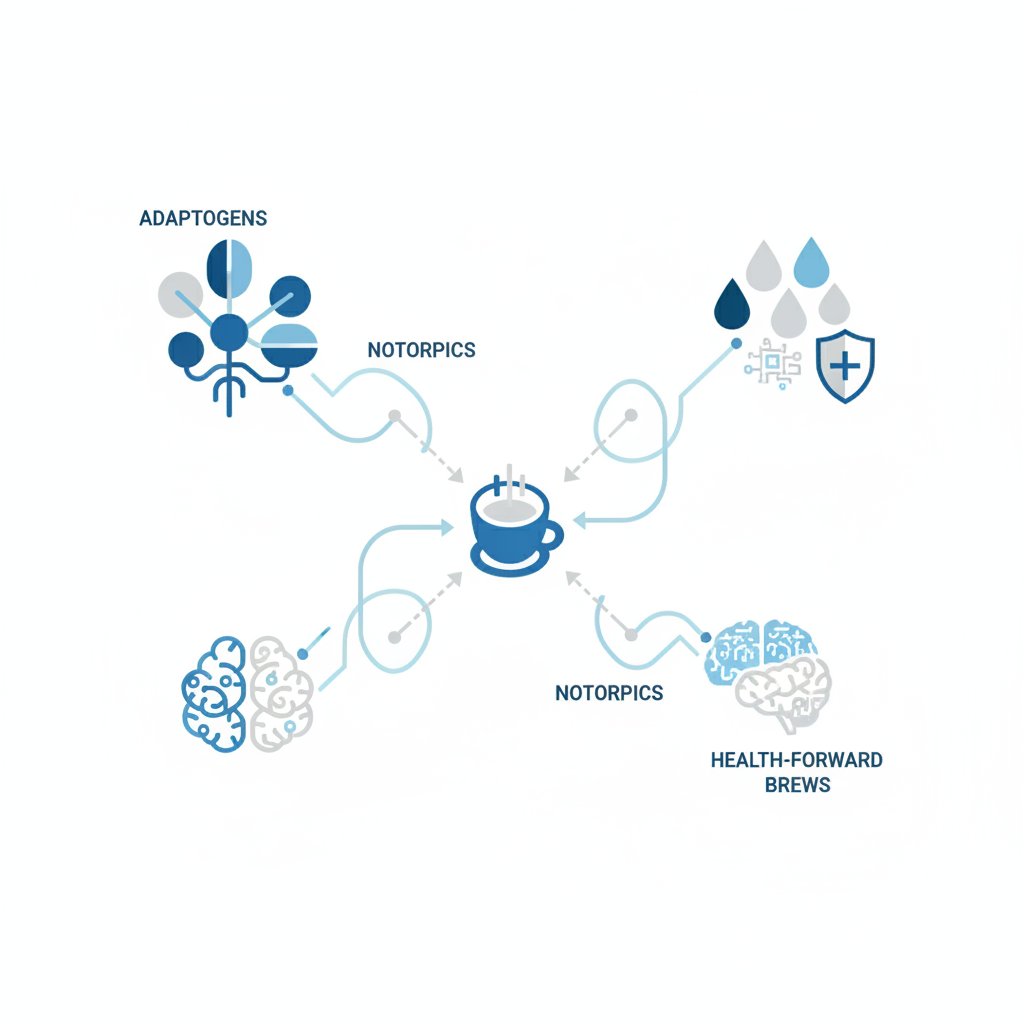
Functional coffee is a traditional coffee base expertly infused with bioactive compounds—specifically adaptogens and nootropics—designed to offer psychological and physiological benefits beyond basic stimulation. Unlike conventional coffee, which primarily provides energy through caffeine, functional coffee aims to optimize various bodily systems. This innovative category leverages the natural synergy of coffee with ingredients like Lion’s Mane, Ashwagandha, Cordyceps, L-Theanine, and Reishi to create a beverage that supports cognitive function, stress reduction, and overall vitality.
The core concept of functional coffee revolves around enhancing the inherent benefits of coffee while mitigating some of its common drawbacks, such as jitters or a post-caffeine crash. By carefully selecting and incorporating natural compounds with proven wellness properties, functional coffee transforms your daily brew into a potent tool for well-being. It’s about consuming a beverage that actively contributes to your health, rather than just acting as a momentary pick-me-up. For consumers seeking to integrate wellness into every aspect of their lives, functional coffee offers an accessible and enjoyable solution.
[INLINE IMAGE 1: place after second H2 | alt=”Functional Coffee: Adaptogens, Nootropics, and Health-Forward Brews concept illustration”]
The Role of Adaptogens in Coffee: Stress Relief and Immunity

Adaptogens are a class of natural substances, primarily herbs and mushrooms, that help the body “adapt” to stress. They work by normalizing physiological processes and restoring balance, making them invaluable additions to functional coffee. When combined with coffee, adaptogens help to modulate the stress response, improve mental clarity, and support the immune system. Their ability to counteract the destabilizing effects of physical and psychological stress makes them a perfect complement to the stimulating effects of caffeine, creating a more balanced and sustained energy experience. This synergy can prevent the heightened anxiety or “jitters” sometimes associated with high caffeine intake, offering a smoother and more focused energy. The inclusion of adaptogens elevates coffee from a simple stimulant to a comprehensive wellness drink, fostering resilience and maintaining homeostasis. Scientific research, from institutions like PubMed and Nature, continues to uncover the vast potential of these natural compounds in supporting human health.
Mushroom Coffee: Lion’s Mane, Chaga, Cordyceps, and Reishi
Mushroom coffee is perhaps the most well-known sub-category within adaptogenic functional coffees. It leverages the powerful properties of medicinal fungi to deliver a range of health benefits:
- Lion’s Mane (Hericium erinaceus): Renowned for its neuroprotective properties, Lion’s Mane is often referred to as a “brain booster.” It contains compounds called hericenones and erinacines, which can stimulate the growth of nerve cells and support cognitive function. In coffee, it’s used to enhance focus, memory, and overall mental clarity without the overstimulating effect of caffeine alone.
- Chaga (Inonotus obliquus): Often called the “King of Medicinal Mushrooms,” Chaga is packed with antioxidants, making it a powerful immune system modulator. It helps protect cells from damage caused by free radicals and supports the body’s natural defense mechanisms. Integrated into coffee, Chaga provides a subtle immune boost and may contribute to overall vitality.
- Cordyceps (Cordyceps sinensis / Cordyceps militaris): Historically used in traditional Chinese medicine, Cordyceps is celebrated for its ability to enhance energy, stamina, and athletic performance. It supports oxygen utilization and ATP production, the body’s primary energy currency. Adding Cordyceps to coffee can lead to improved endurance and reduced fatigue, making it popular among athletes and those seeking sustained energy.
- Reishi (Ganoderma lucidum): Known as the “Mushroom of Immortality,” Reishi is primarily valued for its calming and stress-reducing properties. It’s often used to promote relaxation, support restful sleep, and bolster immune function. In functional coffee, Reishi can help temper the stimulating effects of caffeine, leading to a smoother energy curve and reducing anxiety, fostering a sense of calm focus.
These mushrooms are typically extracted, dried, and then powdered, making them easy to blend into coffee grounds or instant coffee formulations. The earthy taste of the mushrooms is often subtle and well-masked by the robust flavor of coffee, making for an enjoyable and beneficial beverage.
Herbal Adaptogens: Ashwagandha and Rhodiola Rosea
Beyond medicinal mushrooms, several herbal adaptogens are increasingly being incorporated into functional coffee for their unique properties:
- Ashwagandha (Withania somnifera): A cornerstone of Ayurvedic medicine, Ashwagandha is celebrated for its ability to combat stress and anxiety. It works by regulating cortisol levels, the body’s primary stress hormone. When added to coffee, Ashwagandha can help promote a sense of calm, improve mood, and enhance resilience to daily stressors, balancing the stimulating effects of caffeine.
- Rhodiola Rosea (Rhodiola rosea): This powerful adaptogen is known for improving mental and physical performance, reducing fatigue, and enhancing mood. It helps the body cope with stress by modulating the release of stress hormones. In functional coffee, Rhodiola Rosea can contribute to sustained energy, increased focus, and improved resistance to mental and physical exhaustion.
These herbal adaptogens are typically found in powdered extract form, allowing for easy integration into pre-blended functional coffee products or as individual additions to your daily brew. Their inclusion underscores the holistic approach of functional coffee, targeting both cognitive performance and emotional well-being.
Integrating Nootropics for Cognitive and Focus Enhancement
Nootropics, often referred to as “smart drugs” or “cognitive enhancers,” are compounds that can improve cognitive functions such as memory, creativity, motivation, and executive function. When strategically combined with coffee, nootropics amplify its inherent benefits, transforming a simple stimulant into a powerful tool for mental optimization. The caffeine in coffee provides an initial boost, while nootropics work to sustain focus, enhance mental clarity, and improve overall cognitive performance. This synergistic effect is what sets nootropic-infused functional coffee apart, offering a more refined and purposeful cognitive lift. By combining these, functional coffee aims to provide a more stable, sustained mental state, free from the peaks and troughs often associated with caffeine consumption alone.
L-Theanine: How It Eliminates Caffeine Jitters
One of the most popular and effective nootropics integrated into functional coffee is L-Theanine, an amino acid predominantly found in green tea. L-Theanine is a prime example of a nootropic that works in harmony with caffeine, rather than just independently. While caffeine provides an alert, stimulating effect, L-Theanine promotes a state of calm, focused attention without inducing drowsiness. The magic lies in how these two compounds interact.
- Smoother Energy: L-Theanine helps to mitigate the unwanted side effects of caffeine, such as jitters, anxiety, and the dreaded post-caffeine crash. It does this by increasing alpha brain waves, which are associated with a relaxed, yet alert, mental state.
- Enhanced Focus: By reducing the overstimulation caused by caffeine, L-Theanine allows for more sustained and clear focus. Users often report feeling “in the zone” or experiencing enhanced concentration without the typical nervous energy.
- Neurotransmitter Modulation: L-Theanine influences neurotransmitters like GABA, which helps calm the nervous system, and dopamine and serotonin, which play roles in mood and attention. This contributes to a balanced and uplifted mental state.
Many functional coffee brands now thoughtfully combine caffeine with L-Theanine to create a superior cognitive experience. This blend offers the energy and alertness of coffee but with a smooth, focused clarity, making it an ideal choice for those looking to optimize their mental performance without the typical stimulant drawbacks. It’s a perfect example of how targeted nootropic integration elevates functional coffee beyond just a simple pick-me-up, creating a truly health-focused beverage.
Health-Forward Coffee vs. Regular Coffee: Key Differences
While both regular coffee and health-forward functional coffee share the base ingredient of roasted coffee beans and deliver caffeine, their fundamental goals and compositions set them distinctly apart. Understanding these differences is crucial for consumers looking to tailor their coffee choices to their personal wellness objectives.
| Feature | Regular Coffee | Functional Coffee |
|---|---|---|
| Primary Goal | Stimulation, energy boost, taste, daily ritual | Holistic wellness, cognitive enhancement, stress reduction, immune support, sustained energy |
| Key Active Ingredients | Caffeine, antioxidants (naturally occurring) | Caffeine, adaptogens (e.g., Lion’s Mane, Ashwagandha, Cordyceps, Reishi, Chaga, Rhodiola Rosea), nootropics (e.g., L-Theanine) |
| Mechanism of Action | Blocks adenosine receptors, increases alertness, short-term energy surge | Blocks adenosine receptors, modulates stress response, enhances neurotransmitter activity, supports cellular health, reduces jitters |
| Common Benefits | Increased alertness, temporary energy, improved mood (for some), antioxidant intake | Sustained focus, reduced anxiety/jitters, improved memory, enhanced mood, immune support, stress resilience, balanced energy |
| Potential Drawbacks | Jitters, anxiety, crash, sleep disruption (for sensitive individuals) | Higher cost, specific taste profiles (depending on additives), potential interactions with medications (consult a doctor) |
| Taste Profile | Varies widely depending on roast, origin, brewing method; traditionally bitter notes | Can have subtle earthy, mushroomy, or sometimes herbaceous undertones, alongside traditional coffee flavors. Many are designed to mask these flavors effectively. |
| Target Consumer | General population seeking wakefulness and enjoyment | Wellness-conscious individuals, biohackers, students, professionals, anyone seeking optimized cognitive and physical performance, those looking to mitigate caffeine side effects |
[INLINE IMAGE 2: place after fourth H2 | alt=”Functional Coffee: Adaptogens, Nootropics, and Health-Forward Brews comparison illustration”]
The distinction lies in the intentionality and added beneficial compounds. While both offer antioxidants and a pick-me-up, functional coffee is engineered with a specific health outcome in mind, leveraging adaptogens and nootropics to synergistically enhance well-being. Regular coffee primarily serves as a stimulant and a cultural staple; functional coffee acts as a daily wellness tonic.
Choosing Your Functional Brew: Forms, Flavors, and Sourcing Ethics
Navigating the burgeoning market of functional coffee can be exciting, but also overwhelming given the variety of choices. From different forms to diverse flavor profiles and crucial sourcing considerations, making an informed decision is key to finding the best brew for your needs.
Forms of Functional Coffee
Functional coffee comes in several convenient forms, each offering unique advantages:
- Ground Coffee Blends: These are pre-ground coffee beans already infused with adaptogen or nootropic extracts. They brew just like regular coffee, making for a seamless transition for drip coffee machine users or French press enthusiasts. Many brands offer a variety of roasts (light, medium, dark) to suit different palate preferences.
- Instant Coffee Mixes: For ultimate convenience, instant functional coffee mixes are dissolving powders that require only hot water. They are perfect for travel, office, or anyone seeking a quick, no-fuss functional boost. These often contain a balanced blend of coffee, adaptogens, and nootropics in a single sachet.
- Coffee Pods (K-Cup Compatible): Catering to single-serve coffee machine owners, functional coffee pods provide a convenient way to enjoy a precise, pre-dosed functional brew. This format ensures consistency and ease of use, fitting seamlessly into modern coffee routines.
- Concentrates and Syrups: Some functional ingredients might come in liquid concentrate or syrup form, allowing you to add them to your existing coffee. This offers flexibility in dosage and allows you to experiment with different combinations, though less common for combined coffee products.
- Whole Bean Coffee (less common): While most infusions happen with ground coffee for better dispersal, some specialty brands might offer whole beans coated or infused with extracts, though this is a more complex manufacturing process for uniform distribution.
Flavor Profiles and Palate Preferences
One common concern with functional coffee is how the added ingredients will affect the taste. Reputable brands go to great lengths to ensure a pleasant drinking experience:
- Earthy & Umami Notes: Mushroom-based adaptogens like Lion’s Mane and Chaga can introduce subtle earthy or umami undertones. However, these are often very mild and can even complement the depth of a dark roast coffee. Many people report not noticing any significant difference from their regular brew, especially in prepared drinks with milk or sweeteners.
- Herbal Nuances: Adaptogens like Ashwagandha or Rhodiola Rosea typically have very mild or no discernible flavor in the dosages used in coffee. High-quality extracts are generally designed to be taste-neutral or to blend harmoniously with coffee’s natural flavor.
- Traditional Coffee Flavors: Ultimately, the dominant flavor should still be that of high-quality coffee. Brands often use premium coffee beans as their base, ensuring a robust and enjoyable coffee experience, with the functional ingredients providing an imperceptible or complementary background note.
- Experimentation: Just like with regular coffee, experimentation is key. Different brands and blends will have varying taste profiles. Start with smaller batches or try sample packs to discover what suits your palate best. Some might prefer a classic medium roast blend, while others enjoy a more adventurous flavor that hints at the adaptogenic inclusions.
Ethical Sourcing and Quality: What to Look For
Given that functional coffee involves dietary supplements, sourcing and quality are paramount:
- Ingredient Transparency: Look for brands that clearly list all ingredients, including the specific types and dosages of adaptogens and nootropics. Generic terms like “mushroom blend” without specifying species can be a red flag.
- Organic and Non-GMO: Opt for products made with organic coffee beans and organic, non-GMO adaptogen/nootropic extracts to avoid pesticides and unwanted chemicals.
- Third-Party Testing: This is crucial. Reputable brands will perform third-party lab testing to verify the purity, potency, and absence of contaminants (e.g., heavy metals, pesticides) in their functional ingredients. Certificates of Analysis (CoAs) should ideally be available upon request or on their website.
- Sustainable Sourcing: Beyond the functional ingredients, consider the ethical and sustainable practices of the coffee bean sourcing. Look for certifications like Fair Trade, Rainforest Alliance, or direct trade relationships that support coffee farmers and protect the environment.
- Extraction Methods: For mushroom adaptogens, look for “dual-extracted” or “hot water extracted” products. This ensures that a full spectrum of beneficial compounds (both water-soluble and alcohol-soluble) is present and bioavailable.
- Dosage and Efficacy: Research the typical effective doses of a specific adaptogen or nootropic. Ensure the product you choose contains efficacious amounts rather than just “fairy dustings” designed for marketing. While individual needs vary, insufficient dosing will lead to little to no benefit.
By prioritizing these factors, you can ensure that your functional coffee not only tastes great but also delivers the intended health benefits from ethically and sustainably sourced, high-quality ingredients. Making these conscious choices elevates your coffee ritual to a truly health-forward practice.
The Science Behind the Brew: How Adaptogens and Nootropics Interact with Coffee
The efficacy of functional coffee lies in the sophisticated interplay between caffeine, adaptogens, and nootropics. It’s not simply a matter of mixing ingredients; it’s about understanding how these compounds synergize to produce enhanced and balanced effects on the body and mind. This scientific basis elevates functional coffee beyond a mere trend, positioning it as a sophisticated wellness beverage.
Caffeine’s Core Mechanism
At its heart, coffee’s primary stimulant is caffeine. Caffeine works by blocking adenosine receptors in the brain. Adenosine is a neurotransmitter that promotes relaxation and drowsiness. By blocking its effects, caffeine increases alertness, reduces fatigue, and can improve reaction time and cognitive function. However, this blockade can also lead to overstimulation, increased heart rate, anxiety, and a hard “crash” as caffeine leaves the system and adenosine rushes back to its receptors.
Adaptogenic Counterbalance
This is where adaptogens step in. Adaptogens don’t directly block adenosine like caffeine; instead, they help the body maintain homeostasis (balance) in the face of stress. Their mechanisms include:
- HPA Axis Modulation: Adaptogens like Ashwagandha and Rhodiola Rosea help regulate the Hypothalamic-Pituitary-Adrenal (HPA) axis, which controls the body’s stress response. By buffering the release of stress hormones like cortisol, they can mitigate the physiological stress that caffeine might exacerbate in sensitive individuals. This leads to a smoother, less jarring energy curve.
- Antioxidant and Anti-inflammatory Effects: Many adaptogenic mushrooms like Chaga and Reishi are rich in antioxidants and possess anti-inflammatory properties. This not only supports overall cellular health but can also protect the body from oxidative stress, a factor often linked to chronic fatigue and cognitive decline.
- Immune System Support: Specific compounds in mushrooms (e.g., beta-glucans in Reishi and Chaga) can modulate the immune system, helping it function more efficiently without overreacting. This systemic support contributes to overall resilience, which indirectly enhances energy and well-being.
By working on these systemic levels, adaptogens help the body “adapt” to the stimulant effects of caffeine, making the overall experience more balanced and sustainable. Instead of merely masking the jitters, they address the underlying physiological responses that contribute to them.
Nootropic Synergy with Caffeine
Nootropics, particularly L-Theanine, interact with caffeine at a more direct neurological level to refine its effects:
- Alpha Brain Wave Induction: L-Theanine is known to increase alpha brain wave activity. These brain waves are associated with a state of “wakeful relaxation” – calm and focused, yet not drowsy. When combined with caffeine’s alertness-inducing effects, L-Theanine helps to channel that energy into productive, clear thought rather than frantic anxiety.
- Neurotransmitter Balance: L-Theanine can also influence the levels of key neurotransmitters. It can increase levels of GABA (an inhibitory neurotransmitter that calms the nervous system) and enhance the activity of dopamine and serotonin (linked to mood, motivation, and attention). This creates a more balanced neurochemical environment, preventing the overstimulation that caffeine can sometimes cause.
- Reduced Subjective Jitters: The combination of increased alpha waves and balanced neurotransmitters directly translates to a subjective feeling of reduced jitters and anxiety. The energy from caffeine feels cleaner and more sustained, without the nervous edge.
Other nootropics, such as Lion’s Mane, contribute through mechanisms that promote neurogenesis (the growth of new brain cells) and support neuronal health, further enhancing long-term cognitive function in conjunction with caffeine’s immediate stimulant effects.
In essence, functional coffee uses adaptogens to help cushion the physiological stress response to caffeine and daily life, while nootropics like L-Theanine specifically refine caffeine’s cognitive effects, fostering a state of calm, focused alertness. This sophisticated interaction is what makes functional coffee a genuinely health-forward brew, offering a superior and more balanced coffee experience. Understanding these intricate biological pathways underscores why simply adding “some extract” to coffee isn’t enough; the science of synergy is paramount, ensuring that the blend delivers on its promise of enhanced well-being and peak performance. It’s a testament to the evolving understanding of human physiology and botanical compounds that we can now craft a coffee that truly serves as a superfood for the mind and body. Further research into these complex interactions, often highlighted by major health organizations and universities, continues to inform the development of even more effective functional coffee products.
Brewing and Enjoying Your Functional Coffee: Tips and Recipes
Embracing functional coffee doesn’t mean sacrificing the art or enjoyment of your daily brewing ritual. In fact, it opens up new avenues for creativity and personalized wellness. Whether you’re a seasoned barista or a casual coffee drinker, integrating adaptogenic and nootropic brews into your routine is straightforward and rewarding.
Optimal Brewing Methods for Functional Coffee Blends
The best brewing method for functional coffee largely depends on its form (ground, instant, or pod) and your personal preference. Here are some popular methods and tips:
- Drip Coffee Makers: Ideal for pre-ground functional coffee blends. Use the same technique as regular drip coffee: measure your preferred coffee-to-water ratio (typically 1:15 to 1:18, or 2 tablespoons per 6 oz water), ensure your water is heated to the optimal temperature (around 195-205°F or 90-96°C), and enjoy a consistent, reliable brew.
- French Press: Excellent for maximizing the rich flavors and full body of ground functional coffee. Coarse grind is crucial. Add your functional coffee to the press, pour hot water (just off the boil) over it, stir gently, let it steep for 4-5 minutes, then slowly press the plunger. This method allows for maximum extraction of both coffee and beneficial compounds.
- Pour Over: For those who appreciate precision and a clean cup, pour over methods (like Chemex or Hario V60) can highlight the nuanced flavors of a functional blend. Use a medium-fine grind and a consistent pour, saturating the grounds evenly. This method often results in a brighter, more aromatic cup.
- Espresso Machines: If using a finely ground functional coffee blend, you can prepare espresso shots. This delivers a concentrated dose of both caffeine and functional ingredients, perfect for lattes, cappuccinos, or a powerful energy boost. Adjust grind size and tamp pressure as needed for optimal extraction.
- Instant Mixes: The simplest method. Just add hot water, stir, and often, it’s ready to drink. Some instant functional coffees can also be mixed with cold water for an iced version.
Personalizing Your Functional Coffee Experience
Beyond the base brew, you can further enhance your functional coffee with health-conscious additions:
- Healthy Fats: Adding a teaspoon of MCT oil (medium-chain triglyceride oil) or grass-fed butter (for “bulletproof” style coffee) can provide sustained energy, improve cognitive function, and enhance feelings of fullness.
- Plant-Based Milks: Almond, oat, coconut, or soy milk can add creaminess and flavor without dairy. Many brands now offer low-sugar or unsweetened versions.
- Natural Sweeteners: If you prefer a sweeter cup, opt for natural, low-glycemic sweeteners like stevia, erythritol, monk fruit, or a touch of pure maple syrup or honey.
- Spices: A pinch of cinnamon, cardamom, or nutmeg can add warmth and additional antioxidant benefits. Turmeric, known for its anti-inflammatory properties, can be a great addition to a “golden latte” made with functional coffee.
- Collagen Peptides: Flavorless collagen powder can be stirred into hot coffee for added protein, supporting skin, hair, nail, and joint health.
- Extra Adaptogens/Nootropics: For those with specific wellness goals, you can always add additional, high-quality individual adaptogen or nootropic powders to your existing functional coffee to customize the blend further. For example, an extra boost of Lion’s Mane for an important work session.
Recipe Ideas for Enhanced Functional Coffee Drinks
Elevate your functional coffee with these inspired recipes:
- Morning Focus Latte:
- 1 cup brewed functional coffee (Lion’s Mane + L-Theanine blend)
- ½ cup steamed oat milk
- 1 tsp MCT oil
- Drizzle of maple syrup (optional)
- Pinch of cinnamon
- Blend all ingredients until frothy for a creamy, brain-boosting start.
- Stress-Busting Mocha:
- 1 cup brewed functional coffee (Ashwagandha + Reishi blend)
- ½ cup unsweetened almond milk
- 1 tbsp unsweetened cocoa powder
- Dash of vanilla extract
- Sweetener to taste
- Whisk ingredients together over low heat until warm and well combined.
- Iced Performance Coffee:
- 1 cup cold-brewed functional coffee (Cordyceps blend, brewed stronger)
- ¼ cup coconut milk
- 1 scoop plain collagen peptides
- Ice cubes
- Combine all ingredients in a shaker or blender and pour over ice for an invigorating post-workout or afternoon pick-me-up.
- Spiced Chaga Elixir:
- 1 cup instant functional coffee (Chaga blend) mixed with hot water
- ¼ cup warm full-fat coconut milk
- Pinch of ground ginger and cardamom
- A dash of black pepper (to enhance turmeric absorption, if adding)
- Optional: 1 tsp turmeric powder for a “golden” functional brew.
- Stir well and enjoy the immune-boosting warmth.
Remember to always start with small amounts of new additives and consult with a healthcare professional, especially if you have underlying health conditions or are taking medications, to ensure that the added ingredients are suitable for your individual needs. The beauty of functional coffee is its versatility and the ability to customize it to your personal wellness journey. Embrace the exploration and discover your perfect health-forward brew!
Frequently Asked Questions
Q1: What exactly are adaptogens and how do they work in coffee?
A1: Adaptogens are natural substances (often herbs or mushrooms) that help the body “adapt” to stress and maintain balance (homeostasis). In coffee, they work by modulating your body’s stress response, particularly by influencing the HPA (hypothalamic-pituitary-adrenal) axis, which regulates stress hormones like cortisol. This interaction helps to temper the stimulating effects of caffeine, reducing jitters and anxiety, and promoting a more balanced, sustained energy and focus. Examples commonly found in functional coffee include Ashwagandha, Rhodiola Rosea, Lion’s Mane, Reishi, Chaga, and Cordyceps.
Q2: How do nootropics enhance cognitive function in functional coffee?
A2: Nootropics are compounds designed to improve cognitive functions such as memory, focus, creativity, and motivation. When integrated into coffee, they work synergistically with caffeine to enhance mental performance beyond simple stimulation. The most common nootropic, L-Theanine, found in green tea, is particularly effective. It promotes alpha brain waves, leading to a state of relaxed alertness, and helps balance neurotransmitters. This reduces caffeine’s potential side effects like jitters and crashes, while simultaneously sharpening focus and clarity, resulting in a smoother, more effective cognitive boost.
Q3: Is functional coffee safe for daily consumption?
A3: For most healthy individuals, functional coffee can be safe for daily consumption. However, it’s crucial to pay attention to the specific ingredients, their dosages, and your personal health. Always choose products from reputable brands that provide third-party testing for purity and potency. If you are pregnant, nursing, have pre-existing medical conditions, or are taking medications, it is highly recommended to consult with a healthcare professional before incorporating functional coffee into your daily routine, as some adaptogens or nootropics may interact with certain conditions or medications.
Q4: Does functional coffee taste different from regular coffee?
A4: The taste of functional coffee can vary depending on the specific adaptogens or nootropics included and their concentrations. Many high-quality functional coffee brands strive to create blends where the added ingredients are subtle or virtually undetectable, allowing the rich flavor of the coffee to dominate. Some mushroom-based functional coffees might have a very mild earthy or umami undertone, but this is often well-balanced by the coffee flavor and can even be complemented by milk or sweeteners. Ultimately, the goal for reputable brands is to deliver health benefits without compromising on the enjoyable coffee experience.
Q5: How do I choose the right functional coffee for my needs?
A5: Choosing the right functional coffee involves considering your specific wellness goals. If you’re seeking enhanced focus and memory, look for blends with Lion’s Mane and L-Theanine. For stress reduction and calm, Ashwagandha and Reishi are excellent choices. If energy and endurance are your priority, Cordyceps might be beneficial. Always check the ingredient list for transparency regarding adaptogen and nootropic types and dosages. Prioritize brands that emphasize organic ingredients, ethical sourcing, and third-party lab testing. Don’t hesitate to try a few different options to find the blend and flavor profile that best suits your palate and delivers the desired effects.
Functional Coffee: Adaptogens, Nootropics, and Health-Forward Brews
Affiliate disclosure: This article may contain affiliate links. Recommendations are independent and editorially driven.
The morning ritual of coffee has long been ingrained in global cultures, serving not merely as a beverage but as a catalyst for awakening, conversation, and creativity. For centuries, the humble coffee bean has delivered its stimulating embrace, helping millions jumpstart their days. Yet, in an era marked by an unprecedented focus on holistic wellness and optimized living, traditional coffee is evolving. Enter Functional Coffee: Adaptogens, Nootropics, and Health-Forward Brews – a revolutionary approach to our beloved daily cup that promises more than just a caffeine kick. This isn’t just coffee; it’s a carefully curated concoction designed to enhance cognitive function, reduce stress, and support overall well-being.
Functional coffee represents the next frontier in beverages, blending the familiar comfort and stimulating effects of coffee with targeted bioactive compounds. Specifically, this innovative category integrates powerful adaptogens and nootropics directly into the brew. The result? A synergistic drink engineered to deliver psychological and physiological benefits far beyond simple stimulation. Imagine a coffee that not only wakes you up but also sharpens your focus, calms your nerves, and bolsters your resilience. This guide delves deep into the world of functional coffee, exploring its components, benefits, and how it stands apart from your everyday cup, helping you navigate the exciting landscape of health-forward brews.
What is Functional Coffee?
Functional coffee is a traditional coffee base expertly infused with bioactive compounds—specifically adaptogens and nootropics—designed to offer psychological and physiological benefits beyond basic stimulation. Unlike conventional coffee, which primarily provides energy through caffeine, functional coffee aims to optimize various bodily systems. This innovative category leverages the natural synergy of coffee with ingredients like Lion’s Mane, Ashwagandha, Cordyceps, L-Theanine, and Reishi to create a beverage that supports cognitive function, stress reduction, and overall vitality.
The core concept of functional coffee revolves around enhancing the inherent benefits of coffee while mitigating some of its common drawbacks, such as jitters or a post-caffeine crash. By carefully selecting and incorporating natural compounds with proven wellness properties, functional coffee transforms your daily brew into a potent tool for well-being. It’s about consuming a beverage that actively contributes to your health, rather than just acting as a momentary pick-me-up. For consumers seeking to integrate wellness into every aspect of their lives, functional coffee offers an accessible and enjoyable solution.
[INLINE IMAGE 1: place after second H2 | alt=”Functional Coffee: Adaptogens, Nootropics, and Health-Forward Brews concept illustration”]
The Role of Adaptogens in Coffee: Stress Relief and Immunity
Adaptogens are a class of natural substances, primarily herbs and mushrooms, that help the body “adapt” to stress. They work by normalizing physiological processes and restoring balance, making them invaluable additions to functional coffee. When combined with coffee, adaptogens help to modulate the stress response, improve mental clarity, and support the immune system. Their ability to counteract the destabilizing effects of physical and psychological stress makes them a perfect complement to the stimulating effects of caffeine, creating a more balanced and sustained energy experience. This synergy can prevent the heightened anxiety or “jitters” sometimes associated with high caffeine intake, offering a smoother and more focused energy. The inclusion of adaptogens elevates coffee from a simple stimulant to a comprehensive wellness drink, fostering resilience and maintaining homeostasis. Scientific research, from institutions like PubMed and Nature, continues to uncover the vast potential of these natural compounds in supporting human health.
Mushroom Coffee: Lion’s Mane, Chaga, Cordyceps, and Reishi
Mushroom coffee is perhaps the most well-known sub-category within adaptogenic functional coffees. It leverages the powerful properties of medicinal fungi to deliver a range of health benefits:
- Lion’s Mane (Hericium erinaceus): Renowned for its neuroprotective properties, Lion’s Mane is often referred to as a “brain booster.” It contains compounds called hericenones and erinacines, which can stimulate the growth of nerve cells and support cognitive function. In coffee, it’s used to enhance focus, memory, and overall mental clarity without the overstimulating effect of caffeine alone.
- Chaga (Inonotus obliquus): Often called the “King of Medicinal Mushrooms,” Chaga is packed with antioxidants, making it a powerful immune system modulator. It helps protect cells from damage caused by free radicals and supports the body’s natural defense mechanisms. Integrated into coffee, Chaga provides a subtle immune boost and may contribute to overall vitality.
- Cordyceps (Cordyceps sinensis / Cordyceps militaris): Historically used in traditional Chinese medicine, Cordyceps is celebrated for its ability to enhance energy, stamina, and athletic performance. It supports oxygen utilization and ATP production, the body’s primary energy currency. Adding Cordyceps to coffee can lead to improved endurance and reduced fatigue, making it popular among athletes and those seeking sustained energy.
- Reishi (Ganoderma lucidum): Known as the “Mushroom of Immortality,” Reishi is primarily valued for its calming and stress-reducing properties. It’s often used to promote relaxation, support restful sleep, and bolster immune function. In functional coffee, Reishi can help temper the stimulating effects of caffeine, leading to a smoother energy curve and reducing anxiety, fostering a sense of calm focus.
These mushrooms are typically extracted, dried, and then powdered, making them easy to blend into coffee grounds or instant coffee formulations. The earthy taste of the mushrooms is often subtle and well-masked by the robust flavor of coffee, making for an enjoyable and beneficial beverage.
Herbal Adaptogens: Ashwagandha and Rhodiola Rosea
Beyond medicinal mushrooms, several herbal adaptogens are increasingly being incorporated into functional coffee for their unique properties:
- Ashwagandha (Withania somnifera): A cornerstone of Ayurvedic medicine, Ashwagandha is celebrated for its ability to combat stress and anxiety. It works by regulating cortisol levels, the body’s primary stress hormone. When added to coffee, Ashwagandha can help promote a sense of calm, improve mood, and enhance resilience to daily stressors, balancing the stimulating effects of caffeine.
- Rhodiola Rosea (Rhodiola rosea): This powerful adaptogen is known for improving mental and physical performance, reducing fatigue, and enhancing mood. It helps the body cope with stress by modulating the release of stress hormones. In functional coffee, Rhodiola Rosea can contribute to sustained energy, increased focus, and improved resistance to mental and physical exhaustion.
These herbal adaptogens are typically found in powdered extract form, allowing for easy integration into pre-blended functional coffee products or as individual additions to your daily brew. Their inclusion underscores the holistic approach of functional coffee, targeting both cognitive performance and emotional well-being.
Integrating Nootropics for Cognitive and Focus Enhancement
Nootropics, often referred to as “smart drugs” or “cognitive enhancers,” are compounds that can improve cognitive functions such as memory, creativity, motivation, and executive function. When strategically combined with coffee, nootropics amplify its inherent benefits, transforming a simple stimulant into a powerful tool for mental optimization. The caffeine in coffee provides an initial boost, while nootropics work to sustain focus, enhance mental clarity, and improve overall cognitive performance. This synergistic effect is what sets nootropic-infused functional coffee apart, offering a more refined and purposeful cognitive lift. By combining these, functional coffee aims to provide a more stable, sustained mental state, free from the peaks and troughs often associated with caffeine consumption alone.
L-Theanine: How It Eliminates Caffeine Jitters
One of the most popular and effective nootropics integrated into functional coffee is L-Theanine, an amino acid predominantly found in green tea. L-Theanine is a prime example of a nootropic that works in harmony with caffeine, rather than just independently. While caffeine provides an alert, stimulating effect, L-Theanine promotes a state of calm, focused attention without inducing drowsiness. The magic lies in how these two compounds interact.
- Smoother Energy: L-Theanine helps to mitigate the unwanted side effects of caffeine, such as jitters, anxiety, and the dreaded post-caffeine crash. It does this by increasing alpha brain waves, which are associated with a relaxed, yet alert, mental state.
- Enhanced Focus: By reducing the overstimulation caused by caffeine, L-Theanine allows for more sustained and clear focus. Users often report feeling “in the zone” or experiencing enhanced concentration without the typical nervous energy.
- Neurotransmitter Modulation: L-Theanine influences neurotransmitters like GABA, which helps calm the nervous system, and dopamine and serotonin, which play roles in mood and attention. This contributes to a balanced and uplifted mental state.
Many functional coffee brands now thoughtfully combine caffeine with L-Theanine to create a superior cognitive experience. This blend offers the energy and alertness of coffee but with a smooth, focused clarity, making it an ideal choice for those looking to optimize their mental performance without the typical stimulant drawbacks. It’s a perfect example of how targeted nootropic integration elevates functional coffee beyond just a simple pick-me-up, creating a truly health-focused beverage.
Health-Forward Coffee vs. Regular Coffee: Key Differences
While both regular coffee and health-forward functional coffee share the base ingredient of roasted coffee beans and deliver caffeine, their fundamental goals and compositions set them distinctly apart. Understanding these differences is crucial for consumers looking to tailor their coffee choices to their personal wellness objectives.
| Feature | Regular Coffee | Functional Coffee |
|---|---|---|
| Primary Goal | Stimulation, energy boost, taste, daily ritual | Holistic wellness, cognitive enhancement, stress reduction, immune support, sustained energy |
| Key Active Ingredients | Caffeine, antioxidants (naturally occurring) | Caffeine, adaptogens (e.g., Lion’s Mane, Ashwagandha, Cordyceps, Reishi, Chaga, Rhodiola Rosea), nootropics (e.g., L-Theanine) |
| Mechanism of Action | Blocks adenosine receptors, increases alertness, short-term energy surge | Blocks adenosine receptors, modulates stress response, enhances neurotransmitter activity, supports cellular health, reduces jitters |
| Common Benefits | Increased alertness, temporary energy, improved mood (for some), antioxidant intake | Sustained focus, reduced anxiety/jitters, improved memory, enhanced mood, immune support, stress resilience, balanced energy |
| Potential Drawbacks | Jitters, anxiety, crash, sleep disruption (for sensitive individuals) | Higher cost, specific taste profiles (depending on additives), potential interactions with medications (consult a doctor) |
| Taste Profile | Varies widely depending on roast, origin, brewing method; traditionally bitter notes | Can have subtle earthy, mushroomy, or sometimes herbaceous undertones, alongside traditional coffee flavors. Many are designed to mask these flavors effectively. |
| Target Consumer | General population seeking wakefulness and enjoyment | Wellness-conscious individuals, biohackers, students, professionals, anyone seeking optimized cognitive and physical performance, those looking to mitigate caffeine side effects |
[INLINE IMAGE 2: place after fourth H2 | alt=”Functional Coffee: Adaptogens, Nootropics, and Health-Forward Brews comparison illustration”]
The distinction lies in the intentionality and added beneficial compounds. While both offer antioxidants and a pick-me-up, functional coffee is engineered with a specific health outcome in mind, leveraging adaptogens and nootropics to synergistically enhance well-being. Regular coffee primarily serves as a stimulant and a cultural staple; functional coffee acts as a daily wellness tonic.
Choosing Your Functional Brew: Forms, Flavors, and Sourcing Ethics
Navigating the burgeoning market of functional coffee can be exciting, but also overwhelming given the variety of choices. From different forms to diverse flavor profiles and crucial sourcing considerations, making an informed decision is key to finding the best brew for your needs.
Forms of Functional Coffee
Functional coffee comes in several convenient forms, each offering unique advantages:
- Ground Coffee Blends: These are pre-ground coffee beans already infused with adaptogen or nootropic extracts. They brew just like regular coffee, making for a seamless transition for drip coffee machine users or French press enthusiasts. Many brands offer a variety of roasts (light, medium, dark) to suit different palate preferences.
- Instant Coffee Mixes: For ultimate convenience, instant functional coffee mixes are dissolving powders that require only hot water. They are perfect for travel, office, or anyone seeking a quick, no-fuss functional boost. These often contain a balanced blend of coffee, adaptogens, and nootropics in a single sachet.
- Coffee Pods (K-Cup Compatible): Catering to single-serve coffee machine owners, functional coffee pods provide a convenient way to enjoy a precise, pre-dosed functional brew. This format ensures consistency and ease of use, fitting seamlessly into modern coffee routines.
- Concentrates and Syrups: Some functional ingredients might come in liquid concentrate or syrup form, allowing you to add them to your existing coffee. This offers flexibility in dosage and allows you to experiment with different combinations, though less common for combined coffee products.
- Whole Bean Coffee (less common): While most infusions happen with ground coffee for better dispersal, some specialty brands might offer whole beans coated or infused with extracts, though this is a more complex manufacturing process for uniform distribution.
Flavor Profiles and Palate Preferences
One common concern with functional coffee is how the added ingredients will affect the taste. Reputable brands go to great lengths to ensure a pleasant drinking experience:
- Earthy & Umami Notes: Mushroom-based adaptogens like Lion’s Mane and Chaga can introduce subtle earthy or umami undertones. However, these are often very mild and can even complement the depth of a dark roast coffee. Many people report not noticing any significant difference from their regular brew, especially in prepared drinks with milk or sweeteners.
- Herbal Nuances: Adaptogens like Ashwagandha or Rhodiola Rosea typically have very mild or no discernible flavor in the dosages used in coffee. High-quality extracts are generally designed to be taste-neutral or to blend harmoniously with coffee’s natural flavor.
- Traditional Coffee Flavors: Ultimately, the dominant flavor should still be that of high-quality coffee. Brands often use premium coffee beans as their base, ensuring a robust and enjoyable coffee experience, with the functional ingredients providing an imperceptible or complementary background note.
- Experimentation: Just like with regular coffee, experimentation is key. Different brands and blends will have varying taste profiles. Start with smaller batches or try sample packs to discover what suits your palate best. Some might prefer a classic medium roast blend, while others enjoy a more adventurous flavor that hints at the adaptogenic inclusions.
Ethical Sourcing and Quality: What to Look For
Given that functional coffee involves dietary supplements, sourcing and quality are paramount:
- Ingredient Transparency: Look for brands that clearly list all ingredients, including the specific types and dosages of adaptogens and nootropics. Generic terms like “mushroom blend” without specifying species can be a red flag.
- Organic and Non-GMO: Opt for products made with organic coffee beans and organic, non-GMO adaptogen/nootropic extracts to avoid pesticides and unwanted chemicals.
- Third-Party Testing: This is crucial. Reputable brands will perform third-party lab testing to verify the purity, potency, and absence of contaminants (e.g., heavy metals, pesticides) in their functional ingredients. Certificates of Analysis (CoAs) should ideally be available upon request or on their website.
- Sustainable Sourcing: Beyond the functional ingredients, consider the ethical and sustainable practices of the coffee bean sourcing. Look for certifications like Fair Trade, Rainforest Alliance, or direct trade relationships that support coffee farmers and protect the environment.
- Extraction Methods: For mushroom adaptogens, look for “dual-extracted” or “hot water extracted” products. This ensures that a full spectrum of beneficial compounds (both water-soluble and alcohol-soluble) is present and bioavailable.
- Dosage and Efficacy: Research the typical effective doses of a specific adaptogen or nootropic. Ensure the product you choose contains efficacious amounts rather than just “fairy dustings” designed for marketing. While individual needs vary, insufficient dosing will lead to little to no benefit.
By prioritizing these factors, you can ensure that your functional coffee not only tastes great but also delivers the intended health benefits from ethically and sustainably sourced, high-quality ingredients. Making these conscious choices elevates your coffee ritual to a truly health-forward practice.
The Science Behind the Brew: How Adaptogens and Nootropics Interact with Coffee
The efficacy of functional coffee lies in the sophisticated interplay between caffeine, adaptogens, and nootropics. It’s not simply a matter of mixing ingredients; it’s about understanding how these compounds synergize to produce enhanced and balanced effects on the body and mind. This scientific basis elevates functional coffee beyond a mere trend, positioning it as a sophisticated wellness beverage.
Caffeine’s Core Mechanism
At its heart, coffee’s primary stimulant is caffeine. Caffeine works by blocking adenosine receptors in the brain. Adenosine is a neurotransmitter that promotes relaxation and drowsiness. By blocking its effects, caffeine increases alertness, reduces fatigue, and can improve reaction time and cognitive function. However, this blockade can also lead to overstimulation, increased heart rate, anxiety, and a hard “crash” as caffeine leaves the system and adenosine rushes back to its receptors.
Adaptogenic Counterbalance
This is where adaptogens step in. Adaptogens don’t directly block adenosine like caffeine; instead, they help the body maintain homeostasis (balance) in the face of stress. Their mechanisms include:
- HPA Axis Modulation: Adaptogens like Ashwagandha and Rhodiola Rosea help regulate the Hypothalamic-Pituitary-Adrenal (HPA) axis, which controls the body’s stress response. By buffering the release of stress hormones like cortisol, they can mitigate the physiological stress that caffeine might exacerbate in sensitive individuals. This leads to a smoother, less jarring energy curve.
- Antioxidant and Anti-inflammatory Effects: Many adaptogenic mushrooms like Chaga and Reishi are rich in antioxidants and possess anti-inflammatory properties. This not only supports overall cellular health but can also protect the body from oxidative stress, a factor often linked to chronic fatigue and cognitive decline.
- Immune System Support: Specific compounds in mushrooms (e.g., beta-glucans in Reishi and Chaga) can modulate the immune system, helping it function more efficiently without overreacting. This systemic support contributes to overall resilience, which indirectly enhances energy and well-being.
By working on these systemic levels, adaptogens help the body “adapt” to the stimulant effects of caffeine, making the overall experience more balanced and sustainable. Instead of merely masking the jitters, they address the underlying physiological responses that contribute to them.
Nootropic Synergy with Caffeine
Nootropics, particularly L-Theanine, interact with caffeine at a more direct neurological level to refine its effects:
- Alpha Brain Wave Induction: L-Theanine is known to increase alpha brain wave activity. These brain waves are associated with a state of “wakeful relaxation” – calm and focused, yet not drowsy. When combined with caffeine’s alertness-inducing effects, L-Theanine helps to channel that energy into productive, clear thought rather than frantic anxiety.
- Neurotransmitter Balance: L-Theanine can also influence the levels of key neurotransmitters. It can increase levels of GABA (an inhibitory neurotransmitter that calms the nervous system) and enhance the activity of dopamine and serotonin (linked to mood, motivation, and attention). This creates a more balanced neurochemical environment, preventing the overstimulation that caffeine can sometimes cause.
- Reduced Subjective Jitters: The combination of increased alpha waves and balanced neurotransmitters directly translates to a subjective feeling of reduced jitters and anxiety. The energy from caffeine feels cleaner and more sustained, without the nervous edge.
Other nootropics, such as Lion’s Mane, contribute through mechanisms that promote neurogenesis (the growth of new brain cells) and support neuronal health, further enhancing long-term cognitive function in conjunction with caffeine’s immediate stimulant effects.
In essence, functional coffee uses adaptogens to help cushion the physiological stress response to caffeine and daily life, while nootropics like L-Theanine specifically refine caffeine’s cognitive effects, fostering a state of calm, focused alertness. This sophisticated interaction is what makes functional coffee a genuinely health-forward brew, offering a superior and more balanced coffee experience. Understanding these intricate biological pathways underscores why simply adding “some extract” to coffee isn’t enough; the science of synergy is paramount, ensuring that the blend delivers on its promise of enhanced well-being and peak performance. It’s a testament to the evolving understanding of human physiology and botanical compounds that we can now craft a coffee that truly serves as a superfood for the mind and body. Further research into these complex interactions, often highlighted by major health organizations and universities, continues to inform the development of even more effective functional coffee products.
Brewing and Enjoying Your Functional Coffee: Tips and Recipes
Embracing functional coffee doesn’t mean sacrificing the art or enjoyment of your daily brewing ritual. In fact, it opens up new avenues for creativity and personalized wellness. Whether you’re a seasoned barista or a casual coffee drinker, integrating adaptogenic and nootropic brews into your routine is straightforward and rewarding.
Optimal Brewing Methods for Functional Coffee Blends
The best brewing method for functional coffee largely depends on its form (ground, instant, or pod) and your personal preference. Here are some popular methods and tips:
- Drip Coffee Makers: Ideal for pre-ground functional coffee blends. Use the same technique as regular drip coffee: measure your preferred coffee-to-water ratio (typically 1:15 to 1:18, or 2 tablespoons per 6 oz water), ensure your water is heated to the optimal temperature (around 195-205°F or 90-96°C), and enjoy a consistent, reliable brew.
- French Press: Excellent for maximizing the rich flavors and full body of ground functional coffee. Coarse grind is crucial. Add your functional coffee to the press, pour hot water (just off the boil) over it, stir gently, let it steep for 4-5 minutes, then slowly press the plunger. This method allows for maximum extraction of both coffee and beneficial compounds.
- Pour Over: For those who appreciate precision and a clean cup, pour over methods (like Chemex or Hario V60) can highlight the nuanced flavors of a functional blend. Use a medium-fine grind and a consistent pour, saturating the grounds evenly. This method often results in a brighter, more aromatic cup.
- Espresso Machines: If using a finely ground functional coffee blend, you can prepare espresso shots. This delivers a concentrated dose of both caffeine and functional ingredients, perfect for lattes, cappuccinos, or a powerful energy boost. Adjust grind size and tamp pressure as needed for optimal extraction.
- Instant Mixes: The simplest method. Just add hot water, stir, and often, it’s ready to drink. Some instant functional coffees can also be mixed with cold water for an iced version.
Personalizing Your Functional Coffee Experience
Beyond the base brew, you can further enhance your functional coffee with health-conscious additions:
- Healthy Fats: Adding a teaspoon of MCT oil (medium-chain triglyceride oil) or grass-fed butter (for “bulletproof” style coffee) can provide sustained energy, improve cognitive function, and enhance feelings of fullness.
- Plant-Based Milks: Almond, oat, coconut, or soy milk can add creaminess and flavor without dairy. Many brands now offer low-sugar or unsweetened versions.
- Natural Sweeteners: If you prefer a sweeter cup, opt for natural, low-glycemic sweeteners like stevia, erythritol, monk fruit, or a touch of pure maple syrup or honey.
- Spices: A pinch of cinnamon, cardamom, or nutmeg can add warmth and additional antioxidant benefits. Turmeric, known for its anti-inflammatory properties, can be a great addition to a “golden latte” made with functional coffee.
- Collagen Peptides: Flavorless collagen powder can be stirred into hot coffee for added protein, supporting skin, hair, nail, and joint health.
- Extra Adaptogens/Nootropics: For those with specific wellness goals, you can always add additional, high-quality individual adaptogen or nootropic powders to your existing functional coffee to customize the blend further. For example, an extra boost of Lion’s Mane for an important work session.
Recipe Ideas for Enhanced Functional Coffee Drinks
Elevate your functional coffee with these inspired recipes:
- Morning Focus Latte:
- 1 cup brewed functional coffee (Lion’s Mane + L-Theanine blend)
- ½ cup steamed oat milk
- 1 tsp MCT oil
- Drizzle of maple syrup (optional)
- Pinch of cinnamon
- Blend all ingredients until frothy for a creamy, brain-boosting start.
- Stress-Busting Mocha:
- 1 cup brewed functional coffee (Ashwagandha + Reishi blend)
- ½ cup unsweetened almond milk
- 1 tbsp unsweetened cocoa powder
- Dash of vanilla extract
- Sweetener to taste
- Whisk ingredients together over low heat until warm and well combined.
- Iced Performance Coffee:
- 1 cup cold-brewed functional coffee (Cordyceps blend, brewed stronger)
- ¼ cup coconut milk
- 1 scoop plain collagen peptides
- Ice cubes
- Combine all ingredients in a shaker or blender and pour over ice for an invigorating post-workout or afternoon pick-me-up.
- Spiced Chaga Elixir:
- 1 cup instant functional coffee (Chaga blend) mixed with hot water
- ¼ cup warm full-fat coconut milk
- Pinch of ground ginger and cardamom
- A dash of black pepper (to enhance turmeric absorption, if adding)
- Optional: 1 tsp turmeric powder for a “golden” functional brew.
- Stir well and enjoy the immune-boosting warmth.
Remember to always start with small amounts of new additives and consult with a healthcare professional, especially if you have underlying health conditions or are taking medications, to ensure that the added ingredients are suitable for your individual needs. The beauty of functional coffee is its versatility and the ability to customize it to your personal wellness journey. Embrace the exploration and discover your perfect health-forward brew!
Frequently Asked Questions
Q1: What exactly are adaptogens and how do they work in coffee?
A1: Adaptogens are natural substances (often herbs or mushrooms) that help the body “adapt” to stress and maintain balance (homeostasis). In coffee, they work by modulating your body’s stress response, particularly by influencing the HPA (hypothalamic-pituitary-adrenal) axis, which regulates stress hormones like cortisol. This interaction helps to temper the stimulating effects of caffeine, reducing jitters and anxiety, and promoting a more balanced, sustained energy and focus. Examples commonly found in functional coffee include Ashwagandha, Rhodiola Rosea, Lion’s Mane, Reishi, Chaga, and Cordyceps.
Q2: How do nootropics enhance cognitive function in functional coffee?
A2: Nootropics are compounds designed to improve cognitive functions such as memory, focus, creativity, and motivation. When integrated into coffee, they work synergistically with caffeine to enhance mental performance beyond simple stimulation. The most common nootropic, L-Theanine, found in green tea, is particularly effective. It promotes alpha brain waves, leading to a state of relaxed alertness, and helps balance neurotransmitters. This reduces caffeine’s potential side effects like jitters and crashes, while simultaneously sharpening focus and clarity, resulting in a smoother, more effective cognitive boost.
Q3: Is functional coffee safe for daily consumption?
A3: For most healthy individuals, functional coffee can be safe for daily consumption. However, it’s crucial to pay attention to the specific ingredients, their dosages, and your personal health. Always choose products from reputable brands that provide third-party testing for purity and potency. If you are pregnant, nursing, have pre-existing medical conditions, or are taking medications, it is highly recommended to consult with a healthcare professional before incorporating functional coffee into your daily routine, as some adaptogens or nootropics may interact with certain conditions or medications.
Q4: Does functional coffee taste different from regular coffee?
A4: The taste of functional coffee can vary depending on the specific adaptogens or nootropics included and their concentrations. Many high-quality functional coffee brands strive to create blends where the added ingredients are subtle or virtually undetectable, allowing the rich flavor of the coffee to dominate. Some mushroom-based functional coffees might have a very mild earthy or umami undertone, but this is often well-balanced by the coffee flavor and can even be complemented by milk or sweeteners. Ultimately, the goal for reputable brands is to deliver health benefits without compromising on the enjoyable coffee experience.
Q5: How do I choose the right functional coffee for my needs?
A5: Choosing the right functional coffee involves considering your specific wellness goals. If you’re seeking enhanced focus and memory, look for blends with Lion’s Mane and L-Theanine. For stress reduction and calm, Ashwagandha and Reishi are excellent choices. If energy and endurance are your priority, Cordyceps might be beneficial. Always check the ingredient list for transparency regarding adaptogen and nootropic types and dosages. Prioritize brands that emphasize organic ingredients, ethical sourcing, and third-party lab testing. Don’t hesitate to try a few different options to find the blend and flavor profile that best suits your palate and delivers the desired effects.