
Best Manual Coffee Grinder
Unleash the Flavor: Your Guide to the Best Manual Coffee Grinder of 2026
Affiliate disclosure: This article may contain affiliate links. Recommendations are independent and editorially driven.
In the vast and ever-evolving landscape of coffee preparation, few tools hold as much fundamental importance as the grinder. It is, unequivocally, the cornerstone of a truly exceptional cup. While electric grinders offer convenience, there’s a burgeoning appreciation among discerning coffee lovers for the tactile experience, precise control, and often superior grind quality offered by a high-performance manual coffee grinder. Far from being a mere relic of the past, today’s best manual coffee grinders are meticulously engineered marvels, designed to deliver consistency, durability, and a truly engaging preparation ritual.
At cafeserre, we believe that understanding your tools is paramount to elevating your coffee experience. Whether you’re chasing the perfect espresso shot, a nuanced pour-over, or simply seeking a quiet, portable solution for your daily brew, the choice of a manual grinder can make an indelible difference. This comprehensive guide will navigate the intricate world of manual coffee grinders, demystifying their mechanics, evaluating their performance, and ultimately helping you identify the best manual coffee grinder to transform your home brewing setup in 2026.
We’ll delve into the nuanced factors that separate a good grinder from a great one, from burr material and adjustment mechanisms to ergonomics and build quality. Our editorial team, boasting over a decade of hands-on experience with countless coffee gadgets, has rigorously tested and assessed a wide array of models. Prepare to embark on a journey that will not only enlighten your purchasing decision but also deepen your appreciation for the art and science of coffee grinding.
Why Opt for a Manual Coffee Grinder in 2026? Beyond the Grind
In an age dominated by automation and instant gratification, the deliberate act of manually grinding coffee beans might seem counterintuitive. However, for a growing community of coffee enthusiasts, embracing the manual grinder is not about resisting progress, but rather about enhancing control, appreciating the ritual, and often, achieving a superior result. The best manual coffee grinder offers a distinct set of advantages that electric counterparts struggle to match, making it an indispensable tool for many.
Unparalleled Portability and Freedom
One of the most obvious and celebrated benefits of a manual grinder is its inherent portability. Without the need for an electrical outlet, these devices offer true freedom. Whether you’re camping in the wilderness, traveling the globe, or simply moving between your kitchen and office, a manual grinder fits easily into a backpack or suitcase. Models are often designed with compact footprints and robust construction, making them ideal companions for any adventure. Imagine fresh-ground coffee brewed anywhere – from a mountain peak to a bustling hotel room. This freedom from electrical dependency ensures that a quality coffee experience is always within reach, wherever your journey takes you.
The Serenity of Silent Operation
The dawn chorus of birds, the gentle hum of the refrigerator, the quiet rustle of morning papers – these are the sounds that should greet your day, not the jarring roar of an electric grinder. Manual grinders operate with remarkable quietude, transforming what can be a noisy chore into a peaceful, meditative experience. This silence is a game-changer for early risers who don’t want to disturb housemates, for apartment dwellers with thin walls, or for anyone who values a moment of calm before the day begins. The only sounds you’ll hear are the gentle crackle of beans being transformed and the subtle whir of the burrs – a symphony for the true coffee aficionado.
Precision and Control Over Your Grind
While many electric grinders offer various settings, high-quality manual grinders often provide a level of precision and granular control over the grind size that can be difficult to find in their electric counterparts, especially at comparable price points. Many premium manual grinders feature stepless or micro-stepped adjustment mechanisms, allowing you to dial in the perfect grind for any brewing method – from the ultra-fine powder needed for espresso to the coarse consistency ideal for French press. This direct control empowers you to experiment, refine, and truly master the art of extraction, unlocking the full potential of your coffee beans.
Durability and Longevity: An Investment for Years
Stripped of complex electronics and moving parts, manual grinders are inherently simpler machines. This simplicity translates directly into enhanced durability and a longer lifespan. Constructed from robust materials like stainless steel, aluminum, and high-quality ceramics or steel for burrs, these grinders are built to withstand the test of time and countless grinding sessions. With proper care and maintenance, a well-chosen manual grinder can easily last for many years, even decades, making it a sustainable and cost-effective investment in your coffee journey, reducing the cycle of electronic waste.
The Tactile Ritual: Engaging All Your Senses
Beyond the practical benefits, there’s an undeniable allure to the ritual of manual grinding. The weight of the grinder in your hand, the rhythmic turn of the crank, the subtle resistance of the beans, and the immediate aroma released as they transform into grounds – it’s a deeply sensory experience. This engagement fosters a connection to your coffee, elevating the daily routine into a mindful practice. For many, it’s not just about making coffee; it’s about slowing down, appreciating the process, and building anticipation for that first exquisite sip. This ritualistic aspect is a significant reason why many coffee purists declare the manual grinder an essential part of their brewing regimen.
[INLINE IMAGE 1: place after second H2 | alt=”best manual coffee grinder concept illustration”]
Discerning the Details: Key Factors in Choosing the Best Manual Coffee Grinder

Selecting the best manual coffee grinder isn’t a decision to be taken lightly. The market is saturated with options, from budget-friendly models to high-end precision instruments. To truly make an informed choice that aligns with your specific needs and brewing preferences, it’s crucial to understand the critical factors that differentiate one grinder from another. These elements dictate not only the quality of your grind but also the overall user experience and longevity of the device.
The Heart of the Matter: Burr Type and Material
The burrs are the most critical component of any coffee grinder, manual or electric. They are responsible for crushing and shearing coffee beans into a consistent particle size. Manual grinders almost exclusively use conical burrs, which are superior to blade grinders (which merely chop beans unevenly). The material of these conical burrs, however, varies significantly and impacts performance, durability, and cost.
- Ceramic Burrs: Often found in more affordable manual grinders (e.g., Hario, Porlex), ceramic burrs are durable, rust-proof, and can retain sharpness for a long time. They are generally good for a range of brew methods but can be more prone to chipping if dropped or if foreign objects (like small stones occasionally found in beans) are introduced. They also tend to produce more “fines” (very small particles) at coarser settings, which can lead to muddier French press or pour-over.
- Stainless Steel Burrs: Predominantly featured in higher-end manual grinders (e.g., Comandante, Kinu, 1Zpresso, Timemore), steel burrs are renowned for their exceptional sharpness, durability, and ability to produce highly consistent grinds across the spectrum, from espresso to coarse French press. They cut beans more precisely, leading to fewer fines and a cleaner, clearer cup. Steel burrs can be more expensive and may require anti-rust coatings, but their performance justifies the investment for serious enthusiasts. The design of the steel burr geometry also varies greatly between manufacturers, influencing speed and grind quality.
Grind Adjustment Mechanism: Precision at Your Fingertips
The ability to accurately and repeatedly adjust your grind size is paramount for achieving optimal extraction for different brewing methods. Manual grinders employ various adjustment systems:
- Stepped Adjustment (Internal or External): Most common, stepped adjustments involve clicking between pre-defined grind settings.
- Internal Adjustment: Requires opening the catch cup and often removing the handle to access a dial or ring to change settings. This can be less convenient but keeps the exterior sleek.
- External Adjustment: A dial or ring is located on the outside of the grinder, making adjustments quick and easy. This is generally preferred for convenience.
The number of steps and the “step size” (the increment between settings) are important. More steps or finer steps offer greater precision. Some grinders also feature numerical indicators or dots to help users remember their preferred settings.
- Stepless Adjustment: Less common in manual grinders, stepless adjustment systems allow for infinite fine-tuning between coarse and fine. While offering ultimate precision, they can be harder to reproduce specific settings once changed. Some high-end grinders achieve a near-stepless effect through incredibly fine stepped adjustments.
Build Quality and Materiality: Durability Meets Aesthetics
The overall construction and materials used in a manual grinder contribute significantly to its longevity, user experience, and aesthetic appeal. Common materials include:
- Stainless Steel: Highly durable, resistant to corrosion (especially food-grade stainless steel), and easy to clean. Many premium grinders feature stainless steel bodies, often brushed or polished.
- Aluminum: Lighter than steel, aluminum is often used in the body construction of high-quality grinders, offering a good balance of durability and portability. Anodized aluminum adds scratch resistance and color.
- Wood: Some grinders incorporate wooden accents for ergonomic handles or aesthetic appeal, adding warmth and a classic touch.
- High-Quality Plastics: Used for non-structural parts or in more budget-friendly models. ABS plastic, for example, is durable and lightweight. While some cheaper grinders use flimsy plastic, well-engineered plastics can be perfectly acceptable for parts like the catch cup or internal stabilizers.
- Axle Stability: Crucial for grind consistency. A stable central axle, often supported by dual bearings, prevents burr wobble, ensuring an even grind. This is a hallmark of higher-quality grinders.
Capacity: Matching Your Brewing Habits
Manual grinder capacities vary, typically ranging from 15-20g (suitable for a single serving of pour-over or espresso) to 30-40g (enough for two or three servings, or a small French press) or even larger for batch brewing. Consider your typical brewing volume:
- Single-Dose Users: If you primarily brew for one or two, a smaller capacity grinder is perfectly adequate and more compact.
- Multi-Serving/Batch Brewers: If you brew for multiple people or prefer larger batches, a higher capacity grinder will save you from refilling mid-grind.
Ergonomics and Ease of Use: The Grinding Experience
A manual grinder, by definition, requires manual effort. The ergonomics play a huge role in how enjoyable and efficient that effort is:
- Handle Length: A longer handle provides more leverage, making grinding easier and faster, especially for finer grinds.
- Grip: The body of the grinder should be comfortable to hold. Some have textured surfaces or rubber grips.
- Effort Required: This is influenced by burr sharpness, design, and handle length. Some grinders simply require less force. Reviews often highlight ease of grinding.
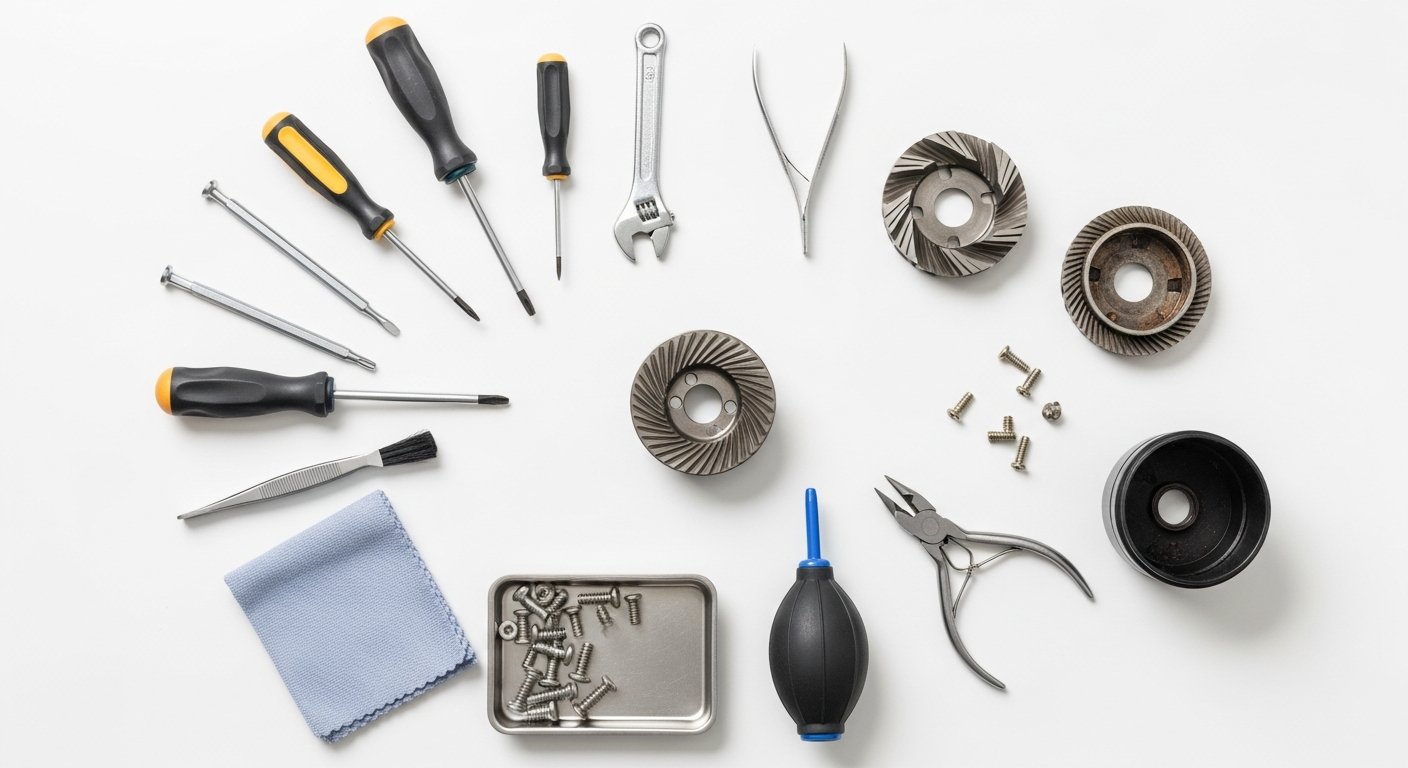
- Disassembly and Cleaning: A good grinder should be easy to take apart for thorough cleaning. Regular cleaning prevents oil buildup and maintains burr sharpness and consistency.
Portability: Your Travel Companion
If you plan to take your grinder on the road, consider its size, weight, and robustness. Some grinders are specifically designed to fit inside AeroPress chambers or come with protective carrying cases. Weight can also be a factor for backpackers. While a larger, heavier grinder might be more stable for home use, a compact, lighter model is better for travel.
Price Point: Budget vs. Performance
Manual grinders span a wide price range. Generally, higher prices correlate with superior build quality, more precise burrs (usually steel), better grind consistency, and finer adjustment mechanisms.
Understanding different price tiers can help manage expectations:
- Entry-Level (~$30-$70): Typically feature ceramic burrs, plastic components, and basic stepped adjustment. Good for casual use or travel where absolute precision isn’t critical. Consistency may vary.
- Mid-Range (~$80-$180): Often feature steel burrs, improved build quality (aluminum/steel), better axle stability, and more precise stepped adjustments. Excellent value for daily brewing and various methods.
- Premium/High-End (~$200+): Top-tier steel burrs with advanced geometry, exceptional build quality (full metal construction), dual bearings for ultimate stability, highly precise adjustment, and often faster grinding. These are for enthusiasts seeking uncompromising performance and consistency for demanding brewing methods like espresso.
Grind Consistency: The Holy Grail
Ultimately, the most important characteristic of any coffee grinder is its ability to produce a consistent, uniform grind size. Inconsistent grinds lead to uneven extraction – some particles over-extract (bitter), while others under-extract (sour), resulting in a muddy, unbalanced cup. Factors like burr material, burr geometry, and axle stability all contribute to consistency. Reviews and professional tests often focus heavily on this aspect, as it is the true marker of a high-performing grinder.
By carefully evaluating these factors against your personal preferences and brewing habits, you can confidently narrow down the options and select the best manual coffee grinder that will serve your coffee journey for years to come.
Top Contenders: The Best Manual Coffee Grinders for Every Need in 2026
The market for manual coffee grinders has exploded with innovation in recent years, leading to a fantastic array of choices for every type of coffee enthusiast. From ultra-precise instruments designed for the most demanding espresso aficionados to rugged, compact models perfect for adventurers, there’s a manual grinder built for you. Our editorial team has meticulously tested and evaluated numerous models, focusing on grind consistency, build quality, ease of use, and overall value. Here are our top recommendations for the best manual coffee grinder across various categories in 2026.
Premium Performance & Precision: For the Discerning Brewer
For those who demand uncompromising quality, exceptional grind consistency, and a premium tactile experience, these grinders represent the pinnacle of manual grinding technology. They are often an investment, but one that pays dividends in consistently superior coffee.
-
Comandante C40 MK4 Nitro Blade:
Widely regarded as the gold standard for manual grinders, the Comandante C40 MK4 is a true workhorse. Its patented Nitro Blade conical burrs are crafted from high-alloyed, high-nitrogen stainless steel, delivering unparalleled grind consistency across the entire spectrum, making it equally adept at espresso, pour-over, and French press. The robust construction, featuring stainless steel, wood, and high-quality plastics, ensures exceptional durability. Its precise stepped adjustment system (with an optional Red Clix upgrade for even finer steps) allows for meticulous dialing in. While it comes at a premium price point, its performance, longevity, and elegant design make it a favorite among professional baristas and serious home brewers alike.
-
Kinu M47 Phoenix / Classic:
Kinu grinders are renowned for their engineering precision and build quality, often compared to Swiss watches. The M47 series, particularly the Phoenix and Classic models, feature impressive 47mm conical burrs made from hardened steel (Black Fusion treated for enhanced durability and anti-static properties). They excel in producing exceptionally consistent grinds for espresso, with very fine micro-stepped (magnetic catch cup for the Classic) or stepless (Phoenix) adjustment systems. The all-metal construction, often with magnetic catch cups and dual bearings, ensures incredible stability and effortless grinding. If espresso is your primary focus, a Kinu M47 is a truly exceptional choice, offering a level of precision that few manual grinders can match.
-
Orphan Espresso Lido E / ET:
The Lido series from Orphan Espresso is known for its robust construction, large capacity, and incredibly consistent grinds, especially for filter methods. The Lido E and ET (E for espresso, T for travel) feature large 48mm steel conical burrs and a very stable grinding mechanism supported by dual bearings. While larger and heavier than some competitors, they offer a very efficient grind, requiring minimal effort. The stepless adjustment system allows for extremely precise calibration, though it can take some practice to master. For those who prioritize grind quality and durability above all else, and don’t mind a slightly larger footprint, the Lido grinders are an excellent, long-term investment.
Best Value & Versatility: Excellent All-Around Performers
These grinders strike an impressive balance between performance, build quality, and price. They often feature steel burrs and offer excellent consistency for a wide range of brewing methods without breaking the bank, making them ideal for daily drivers.
-
1Zpresso JX / JX-Pro:
1Zpresso has quickly risen to prominence as a brand synonymous with quality and value in the manual grinder market. The JX and JX-Pro models are standouts. They feature large 48mm stainless steel conical burrs and a highly stable axle, resulting in exceptional grind consistency. The JX-Pro, in particular, offers a remarkable 12.5-micron per click adjustment, providing a level of precision typically found in much more expensive grinders, making it suitable for espresso and all filter methods. The all-metal construction (aluminum alloy body, stainless steel parts) and ergonomic design make them a joy to use. They represent arguably the best performance-to-price ratio currently available.
-
Timemore C3 Pro / C2:
Timemore’s C series grinders have become incredibly popular due to their sleek design, robust build, and impressive grind consistency for their price. The C3 Pro, with its upgraded Spike-to-Cut (S2C) stainless steel burrs (derived from their higher-end models), offers significantly improved grind quality and speed compared to its predecessors. It features a durable aluminum alloy body, dual bearings for stability, and a reliable stepped adjustment. While perhaps not as precise for espresso as the 1Zpresso JX-Pro, it’s an outstanding choice for pour-over, AeroPress, and French press, offering fantastic value and a premium feel at a mid-range price point.
Compact & Travel-Friendly: Your Brew on the Go
For the wanderer, the commuter, or anyone needing a reliable grinder that won’t take up much space, these models prioritize portability without sacrificing too much on grind quality.
-
1Zpresso Q2 (or Q2 Heptagonal Burr):
The Q2 is 1Zpresso’s compact marvel, specifically designed for portability. Its slim profile allows it to fit perfectly inside an AeroPress, making it an ideal travel companion. Despite its small size, it boasts 38mm stainless steel conical burrs that deliver excellent consistency for pour-over, AeroPress, and French press. The Q2’s metal construction feels solid, and its stepped adjustment is reliable. The newer Heptagonal burr version offers even better grind distribution. For solo travelers or those with limited space, the Q2 is arguably the best compact manual coffee grinder on the market.
-
Porlex Mini II:
A classic in the travel grinder category, the Porlex Mini II builds upon its popular predecessor with improved burr consistency and durability. Made entirely of stainless steel (including the body and handle), it’s incredibly robust and rust-resistant, perfect for outdoor adventures. Its ceramic conical burrs are serviceable and produce a consistent grind for most filter methods. Its slender design allows it to fit inside an AeroPress, making it a beloved choice for minimalist travelers and campers. While its grind adjustment is internal and can be less precise than higher-end steel burrs, its sheer portability and durability are hard to beat.
Entry-Level & Budget-Friendly: Starting Your Manual Grinding Journey
These grinders offer a cost-effective entry point into the world of manual grinding, providing a noticeable upgrade from pre-ground coffee or blade grinders. They are suitable for casual users or those exploring the benefits of fresh grinding without a significant upfront investment.
-
Hario Mini-Slim Pro:
The Hario Mini-Slim Pro is a popular choice for beginners. It features ceramic conical burrs, a compact design, and an improved aluminum handle for better durability and grip compared to its plastic-bodied predecessors. It offers reasonable grind consistency for pour-over and AeroPress and is highly portable. While it’s not designed for espresso and can produce more fines at coarser settings, it’s a significant step up from blade grinders and an excellent starting point for those looking to experience the benefits of manual grinding without a large financial commitment.
Comparison Table: Best Manual Coffee Grinders
To help you quickly compare some of our top recommendations, here’s a summary of key features:
| Grinder Model | Burr Material | Adjustment | Capacity (g) | Best For | Key Features |
|---|---|---|---|---|---|
| Comandante C40 MK4 | Nitro Blade Steel | Stepped (35 clicks) | ~40 | Espresso, Pour-over, All Methods | Exceptional consistency, premium build, robust |
| Kinu M47 Phoenix | Hardened Steel | Stepless | ~30-35 | Espresso, Fine Grinds | Swiss-engineered precision, magnetic catch cup, all-metal |
| 1Zpresso JX-Pro | Stainless Steel | Micro-Stepped (40 clicks/rotation) | ~35 | Espresso, Pour-over, All Methods | High precision, great value, fast grinding |
| Timemore C3 Pro | S2C Stainless Steel | Stepped (12 clicks/rotation) | ~25 | Pour-over, AeroPress, Filter | Upgraded burrs, sleek design, excellent value |
| 1Zpresso Q2 | Stainless Steel | Stepped (10 clicks/rotation) | ~20 | Travel, Pour-over, AeroPress | Ultra-compact, fits AeroPress, solid build |
| Porlex Mini II | Ceramic | Internal Stepped | ~20 | Travel, Basic Filter | Stainless steel, durable, fits AeroPress, budget-friendly |
Choosing the best manual coffee grinder depends heavily on your individual needs, budget, and desired brewing methods. Whether you’re a seasoned barista or just starting your journey into specialty coffee, there’s a perfect manual grinder waiting to elevate your daily ritual.
[INLINE IMAGE 2: place after fourth H2 | alt=”best manual coffee grinder comparison illustration”]
Mastering the Grind: Techniques for Optimal Manual Grinding

Owning the best manual coffee grinder is only half the battle; knowing how to use it effectively to unlock the full potential of your beans is the other. The act of grinding manually is more than just turning a crank; it’s a critical step that directly impacts the flavor profile of your final brew. By understanding and implementing proper grinding techniques, you can ensure consistency, efficiency, and ultimately, a more delicious cup.
Pre-Grind Preparation: Setting the Stage for Success
Before you even touch your grinder, a few simple steps can dramatically improve your results:
- Use Freshly Roasted, Quality Beans: This is non-negotiable. Even the best grinder cannot compensate for stale or low-quality beans. Aim for beans roasted within 2-4 weeks, stored in an airtight, opaque container away from heat and light.
- Weigh Your Beans: Precision is key in coffee brewing. Use a digital coffee scale to weigh your whole beans before grinding. This ensures consistency in your brew ratio and allows you to accurately replicate successful recipes.
- Clean Your Grinder Regularly: Residual oils and fine particles from previous grinds can go rancid and impart off-flavors. Give your grinder a quick brush after each use and a deeper clean periodically.
Grind Setting Selection: Matching Grind to Brew Method
The correct grind size is arguably the most crucial factor in achieving optimal extraction. Different brewing methods require different grind sizes due to varying contact times and water flow rates. Here’s a general guide:
- Extra Fine (Powder-like): Turkish Coffee (rarely achieved by manual grinders).
- Fine (Table Salt/Sugar): Espresso. This requires significant precision and consistency from your grinder.
- Medium-Fine (Fine Sand): AeroPress, Moka Pot.
- Medium (Regular Sand): Pour-over (V60, Chemex), Drip Coffee. This is where most filter methods reside.
- Medium-Coarse (Coarse Sand): Flat Bottom Brewers (Kalita Wave), Siphon.
- Coarse (Sea Salt/Breadcrumbs): French Press, Cold Brew.
Experimentation is vital. Start with a recommended setting for your brew method, then adjust based on taste. If your coffee tastes sour, it might be under-extracted (try a finer grind). If it tastes bitter, it might be over-extracted (try a coarser grind).
The Grinding Technique: Smooth and Steady Wins the Race
The physical act of grinding itself can impact consistency. Follow these tips:
- Maintain Stability: Hold the grinder firmly with one hand (often against your body or on a counter) to minimize wobble. This helps keep the burrs aligned and reduces inconsistency.
- Consistent Pace: Apply steady, even pressure and turn the handle at a consistent speed. Avoid jerky motions or sudden bursts of speed. A consistent rotational force helps the burrs process the beans uniformly. While some speed is good, don’t rush, as this can generate heat and affect the grind.
- Empty the Hopper Completely: Ensure all beans are ground before stopping. Leaving partial beans in the hopper can affect the consistency of your next grind.
Post-Grind Care: Immediate Steps for Freshness
Once your beans are ground, act quickly:
- Brew Immediately: Ground coffee begins to rapidly lose its aromatic compounds and flavor within minutes. The best practice is to grind just before you brew.
- Transfer Carefully: Gently tap the grinder to dislodge any remaining grounds from the burr chamber and ensure all grounds fall into your brewing device or a dedicated container. Avoid vigorously shaking, which can generate static electricity and cause grounds to cling.
By integrating these techniques into your daily coffee ritual, you’ll not only appreciate the mechanical elegance of your manual grinder but also consistently achieve the best possible flavors from your chosen beans. It’s a craft that rewards patience and attention to detail, leading to an ever-improving coffee experience.
Maintaining Longevity: Care and Cleaning for Your Manual Grinder
Investing in the best manual coffee grinder is a commitment to quality coffee, and like any precision tool, it requires proper care and maintenance to ensure its optimal performance and longevity. Neglecting cleaning can lead to stale flavors, reduced grind consistency, and even mechanical issues. A simple routine can keep your grinder performing like new for years to come.
The Importance of Regular Cleaning
Coffee beans contain natural oils that, over time, can build up on the burrs and internal components of your grinder. These oils can go rancid, imparting undesirable bitter and stale flavors to your freshly ground coffee. Additionally, fine coffee particles can accumulate, potentially hindering the burr movement and affecting grind consistency. Regular cleaning prevents these issues, ensuring that every grind is as fresh and consistent as possible.
Quick Clean: After Every Use
This is the simplest yet most effective routine to maintain daily freshness:
- Empty the Catch Cup: After grinding, empty all grounds into your brewing device or container.
- Brush the Burrs: Use a small brush (a dedicated coffee brush or a stiff pastry brush works well) to gently brush off any remaining fine particles from the burrs and the grinding chamber.
- Wipe Down: Use a dry cloth to wipe the exterior of the grinder, especially if you’ve handled it with oily hands.
- Reassemble Loosely (Optional): For some grinders, if not using again soon, you might consider reassembling with the grind adjustment set to coarse or completely loose to prevent burr compression over long periods.
Deep Clean: Periodically (Weekly to Monthly, Depending on Use)
A more thorough cleaning involves partial or full disassembly:
- Disassemble: Carefully follow your grinder’s instructions for disassembly. Most manual grinders allow you to remove the handle, locking nut, outer burr, and sometimes the inner burr. Keep track of all small parts!
- Brush Thoroughly: Use your brush to clean all accessible parts: both inner and outer burrs, the central shaft, the catch cup, and the hopper. Pay extra attention to the grooves of the burrs where oils and fines accumulate.
- Wipe with Damp Cloth (Optional): For very sticky residue, a lightly damp cloth (with water, no soap) can be used on metal parts, ensuring they are completely dry before reassembly. Avoid getting the burrs wet if possible, as it can lead to rust (especially for steel burrs) if not dried meticulously.
- Rinse Catch Cup (If Applicable): If your catch cup is made of stainless steel or glass, it can usually be rinsed with water and a mild dish soap, then thoroughly dried. For plastic catch cups, check manufacturer guidelines.
- Air Dry Completely: Ensure all components are absolutely dry before reassembly. Any moisture can lead to rust or clumping of grounds.
- Reassemble Carefully: Follow the reverse of your disassembly steps. Make sure all parts are seated correctly and tightened appropriately according to the manufacturer’s recommendations. Incorrect reassembly can lead to inconsistent grinds or damage.
Troubleshooting Common Issues
- Uneven Grind/Inconsistency:
- Cause: Loose burrs, unstable central shaft, burr wobble, dirty burrs, incorrect reassembly.
- Solution: Check for proper reassembly, tighten any loose components, deep clean the burrs, and ensure the central shaft is stable (some cheaper grinders may inherently have more wobble).
- Difficult to Turn/Grinding Slow:
- Cause: Too fine a grind setting, burrs clogged with old coffee oils, foreign object in burrs, internal part misalignment.
- Solution: Coarsen the grind setting, perform a deep clean, check for any obstructions, ensure proper reassembly.
- Static Cling:
- Cause: Dry air, certain bean types, plastic components.
- Solution: A very light spritz of water (a single drop on the beans, shaken) before grinding can reduce static. Some grinders have anti-static coatings or materials.
When to Consider Burr Replacement
While ceramic and steel burrs are highly durable, they are not immortal. Over extensive use, burrs can dull, especially with very dark, oily roasts or if accidentally grinding foreign objects. Signs of dull burrs include:
- Significantly increased effort required to grind.
- Noticeable decrease in grind consistency, even after cleaning.
- “Mushing” or crushing beans rather than cutting them cleanly.
Many premium manual grinders offer replacement burr sets. Consult your grinder’s manufacturer or retailer if you suspect your burrs are worn out. Replacing burrs can breathe new life into an otherwise perfectly functional grinder.
By adhering to a consistent cleaning and maintenance regimen, your best manual coffee grinder will remain a reliable, high-performing asset in your coffee journey, contributing to countless delicious cups for years to come.
The Manual Grinder in Your Coffee Ritual: More Than Just a Tool

For many coffee enthusiasts, the manual grinder transcends its utilitarian function to become an integral part of a cherished daily ritual. It’s not merely about transforming beans into grounds; it’s about engaging with the coffee on a deeper level, slowing down, and fostering a sense of connection to the brewing process. The best manual coffee grinder facilitates this, enhancing the overall experience in subtle yet profound ways.
Cultivating Mindfulness and Connection
In a world that constantly rushes, the act of manually grinding coffee offers a precious moment of pause. The rhythmic turning of the handle, the gentle resistance of the beans, the subtle aroma that begins to fill the air – these sensory inputs draw you into the present moment. This mindful engagement transforms a routine task into a meditative practice, allowing you to appreciate the raw ingredients and the craftsmanship involved in their transformation. It’s an opportunity to connect with your coffee before it even touches water, building anticipation for the first sip.
Embracing Sustainability and Durability
Choosing a high-quality manual grinder is often an act of conscious consumption. These tools are built to last, eschewing planned obsolescence common in many electronic devices. Made from durable materials like stainless steel and aluminum, they are designed to withstand years, even decades, of daily use. This longevity not only represents a sound investment but also contributes to a more sustainable lifestyle by reducing waste. You’re investing in a tool that can be repaired, maintained, and cherished, rather than replaced every few years.
Complementing and Elevating Diverse Brewing Methods
The versatility of a good manual grinder means it can seamlessly integrate into and elevate virtually any brewing method you prefer. Its ability to produce consistent grinds across the spectrum unlocks the full potential of your coffee, whether you’re:
- Dialing in Espresso: The granular control offered by premium manual grinders (like the Kinu M47 or 1Zpresso JX-Pro) allows for incredibly precise adjustments needed to extract the perfect espresso shot – minimizing channeling and maximizing crema.
- Crafting Pour-Overs: For methods like the V60 or Chemex, a uniform medium grind is crucial for an even extraction and a clean, flavorful cup. Manual grinders excel at this consistency, revealing the subtle nuances of specialty beans.
- Brewing French Press: A consistent coarse grind from a manual grinder ensures minimal fines, leading to a clean, sediment-free French press, devoid of bitterness from over-extracted particles.
- Enjoying AeroPress: The flexibility to switch between fine and medium grinds on a manual grinder makes it an ideal partner for the highly adaptable AeroPress, allowing for experimentation with different recipes.
By providing a consistent and appropriate grind for each method, the manual grinder acts as an enhancer, ensuring that the inherent qualities of your beans and the chosen
Unleash the Flavor: Your Guide to the Best Manual Coffee Grinder of 2026
Affiliate disclosure: This article may contain affiliate links. Recommendations are independent and editorially driven.
In the vast and ever-evolving landscape of coffee preparation, few tools hold as much fundamental importance as the grinder. It is, unequivocally, the cornerstone of a truly exceptional cup. While electric grinders offer convenience, there’s a burgeoning appreciation among discerning coffee lovers for the tactile experience, precise control, and often superior grind quality offered by a high-performance manual coffee grinder. Far from being a mere relic of the past, today’s best manual coffee grinders are meticulously engineered marvels, designed to deliver consistency, durability, and a truly engaging preparation ritual.
At cafeserre, we believe that understanding your tools is paramount to elevating your coffee experience. Whether you’re chasing the perfect espresso shot, a nuanced pour-over, or simply seeking a quiet, portable solution for your daily brew, the choice of a manual grinder can make an indelible difference. This comprehensive guide will navigate the intricate world of manual coffee grinders, demystifying their mechanics, evaluating their performance, and ultimately helping you identify the best manual coffee grinder to transform your home brewing setup in 2026.
We’ll delve into the nuanced factors that separate a good grinder from a great one, from burr material and adjustment mechanisms to ergonomics and build quality. Our editorial team, boasting over a decade of hands-on experience with countless coffee gadgets, has rigorously tested and assessed a wide array of models. Prepare to embark on a journey that will not only enlighten your purchasing decision but also deepen your appreciation for the art and science of coffee grinding.
Why Opt for a Manual Coffee Grinder in 2026? Beyond the Grind
In an age dominated by automation and instant gratification, the deliberate act of manually grinding coffee beans might seem counterintuitive. However, for a growing community of coffee enthusiasts, embracing the manual grinder is not about resisting progress, but rather about enhancing control, appreciating the ritual, and often, achieving a superior result. The best manual coffee grinder offers a distinct set of advantages that electric counterparts struggle to match, making it an indispensable tool for many.
Unparalleled Portability and Freedom
One of the most obvious and celebrated benefits of a manual grinder is its inherent portability. Without the need for an electrical outlet, these devices offer true freedom. Whether you’re camping in the wilderness, traveling the globe, or simply moving between your kitchen and office, a manual grinder fits easily into a backpack or suitcase. Models are often designed with compact footprints and robust construction, making them ideal companions for any adventure. Imagine fresh-ground coffee brewed anywhere – from a mountain peak to a bustling hotel room. This freedom from electrical dependency ensures that a quality coffee experience is always within reach, wherever your journey takes you.
The Serenity of Silent Operation
The dawn chorus of birds, the gentle hum of the refrigerator, the quiet rustle of morning papers – these are the sounds that should greet your day, not the jarring roar of an electric grinder. Manual grinders operate with remarkable quietude, transforming what can be a noisy chore into a peaceful, meditative experience. This silence is a game-changer for early risers who don’t want to disturb housemates, for apartment dwellers with thin walls, or for anyone who values a moment of calm before the day begins. The only sounds you’ll hear are the gentle crackle of beans being transformed and the subtle whir of the burrs – a symphony for the true coffee aficionado.
Precision and Control Over Your Grind
While many electric grinders offer various settings, high-quality manual grinders often provide a level of precision and granular control over the grind size that can be difficult to find in their electric counterparts, especially at comparable price points. Many premium manual grinders feature stepless or micro-stepped adjustment mechanisms, allowing you to dial in the perfect grind for any brewing method – from the ultra-fine powder needed for espresso to the coarse consistency ideal for French press. This direct control empowers you to experiment, refine, and truly master the art of extraction, unlocking the full potential of your coffee beans.
Durability and Longevity: An Investment for Years
Stripped of complex electronics and moving parts, manual grinders are inherently simpler machines. This simplicity translates directly into enhanced durability and a longer lifespan. Constructed from robust materials like stainless steel, aluminum, and high-quality ceramics or steel for burrs, these grinders are built to withstand the test of time and countless grinding sessions. With proper care and maintenance, a well-chosen manual grinder can easily last for many years, even decades, making it a sustainable and cost-effective investment in your coffee journey, reducing the cycle of electronic waste.
The Tactile Ritual: Engaging All Your Senses
Beyond the practical benefits, there’s an undeniable allure to the ritual of manual grinding. The weight of the grinder in your hand, the rhythmic turn of the crank, the subtle resistance of the beans, and the immediate aroma released as they transform into grounds – it’s a deeply sensory experience. This engagement fosters a connection to your coffee, elevating the daily routine into a mindful practice. For many, it’s not just about making coffee; it’s about slowing down, appreciating the process, and building anticipation for that first exquisite sip. This ritualistic aspect is a significant reason why many coffee purists declare the manual grinder an essential part of their brewing regimen.
[INLINE IMAGE 1: place after second H2 | alt=”best manual coffee grinder concept illustration”]
Discerning the Details: Key Factors in Choosing the Best Manual Coffee Grinder
Selecting the best manual coffee grinder isn’t a decision to be taken lightly. The market is saturated with options, from budget-friendly models to high-end precision instruments. To truly make an informed choice that aligns with your specific needs and brewing preferences, it’s crucial to understand the critical factors that differentiate one grinder from another. These elements dictate not only the quality of your grind but also the overall user experience and longevity of the device.
The Heart of the Matter: Burr Type and Material
The burrs are the most critical component of any coffee grinder, manual or electric. They are responsible for crushing and shearing coffee beans into a consistent particle size. Manual grinders almost exclusively use conical burrs, which are superior to blade grinders (which merely chop beans unevenly). The material of these conical burrs, however, varies significantly and impacts performance, durability, and cost.
- Ceramic Burrs: Often found in more affordable manual grinders (e.g., Hario, Porlex), ceramic burrs are durable, rust-proof, and can retain sharpness for a long time. They are generally good for a range of brew methods but can be more prone to chipping if dropped or if foreign objects (like small stones occasionally found in beans) are introduced. They also tend to produce more “fines” (very small particles) at coarser settings, which can lead to muddier French press or pour-over.
- Stainless Steel Burrs: Predominantly featured in higher-end manual grinders (e.g., Comandante, Kinu, 1Zpresso, Timemore), steel burrs are renowned for their exceptional sharpness, durability, and ability to produce highly consistent grinds across the spectrum, from espresso to coarse French press. They cut beans more precisely, leading to fewer fines and a cleaner, clearer cup. Steel burrs can be more expensive and may require anti-rust coatings, but their performance justifies the investment for serious enthusiasts. The design of the steel burr geometry also varies greatly between manufacturers, influencing speed and grind quality.
Grind Adjustment Mechanism: Precision at Your Fingertips
The ability to accurately and repeatedly adjust your grind size is paramount for achieving optimal extraction for different brewing methods. Manual grinders employ various adjustment systems:
- Stepped Adjustment (Internal or External): Most common, stepped adjustments involve clicking between pre-defined grind settings.
- Internal Adjustment: Requires opening the catch cup and often removing the handle to access a dial or ring to change settings. This can be less convenient but keeps the exterior sleek.
- External Adjustment: A dial or ring is located on the outside of the grinder, making adjustments quick and easy. This is generally preferred for convenience.
The number of steps and the “step size” (the increment between settings) are important. More steps or finer steps offer greater precision. Some grinders also feature numerical indicators or dots to help users remember their preferred settings.
- Stepless Adjustment: Less common in manual grinders, stepless adjustment systems allow for infinite fine-tuning between coarse and fine. While offering ultimate precision, they can be harder to reproduce specific settings once changed. Some high-end grinders achieve a near-stepless effect through incredibly fine stepped adjustments.
Build Quality and Materiality: Durability Meets Aesthetics
The overall construction and materials used in a manual grinder contribute significantly to its longevity, user experience, and aesthetic appeal. Common materials include:
- Stainless Steel: Highly durable, resistant to corrosion (especially food-grade stainless steel), and easy to clean. Many premium grinders feature stainless steel bodies, often brushed or polished.
- Aluminum: Lighter than steel, aluminum is often used in the body construction of high-quality grinders, offering a good balance of durability and portability. Anodized aluminum adds scratch resistance and color.
- Wood: Some grinders incorporate wooden accents for ergonomic handles or aesthetic appeal, adding warmth and a classic touch.
- High-Quality Plastics: Used for non-structural parts or in more budget-friendly models. ABS plastic, for example, is durable and lightweight. While some cheaper grinders use flimsy plastic, well-engineered plastics can be perfectly acceptable for parts like the catch cup or internal stabilizers.
- Axle Stability: Crucial for grind consistency. A stable central axle, often supported by dual bearings, prevents burr wobble, ensuring an even grind. This is a hallmark of higher-quality grinders.
Capacity: Matching Your Brewing Habits
Manual grinder capacities vary, typically ranging from 15-20g (suitable for a single serving of pour-over or espresso) to 30-40g (enough for two or three servings, or a small French press) or even larger for batch brewing. Consider your typical brewing volume:
- Single-Dose Users: If you primarily brew for one or two, a smaller capacity grinder is perfectly adequate and more compact.
- Multi-Serving/Batch Brewers: If you brew for multiple people or prefer larger batches, a higher capacity grinder will save you from refilling mid-grind.
Ergonomics and Ease of Use: The Grinding Experience
A manual grinder, by definition, requires manual effort. The ergonomics play a huge role in how enjoyable and efficient that effort is:
- Handle Length: A longer handle provides more leverage, making grinding easier and faster, especially for finer grinds.
- Grip: The body of the grinder should be comfortable to hold. Some have textured surfaces or rubber grips.
- Effort Required: This is influenced by burr sharpness, design, and handle length. Some grinders simply require less force. Reviews often highlight ease of grinding.
- Disassembly and Cleaning: A good grinder should be easy to take apart for thorough cleaning. Regular cleaning prevents oil buildup and maintains burr sharpness and consistency.
Portability: Your Travel Companion
If you plan to take your grinder on the road, consider its size, weight, and robustness. Some grinders are specifically designed to fit inside AeroPress chambers or come with protective carrying cases. Weight can also be a factor for backpackers. While a larger, heavier grinder might be more stable for home use, a compact, lighter model is better for travel.
Price Point: Budget vs. Performance
Manual grinders span a wide price range. Generally, higher prices correlate with superior build quality, more precise burrs (usually steel), better grind consistency, and finer adjustment mechanisms.
Understanding different price tiers can help manage expectations:
- Entry-Level (~$30-$70): Typically feature ceramic burrs, plastic components, and basic stepped adjustment. Good for casual use or travel where absolute precision isn’t critical. Consistency may vary.
- Mid-Range (~$80-$180): Often feature steel burrs, improved build quality (aluminum/steel), better axle stability, and more precise stepped adjustments. Excellent value for daily brewing and various methods.
- Premium/High-End (~$200+): Top-tier steel burrs with advanced geometry, exceptional build quality (full metal construction), dual bearings for ultimate stability, highly precise adjustment, and often faster grinding. These are for enthusiasts seeking uncompromising performance and consistency for demanding brewing methods like espresso.
Grind Consistency: The Holy Grail
Ultimately, the most important characteristic of any coffee grinder is its ability to produce a consistent, uniform grind size. Inconsistent grinds lead to uneven extraction – some particles over-extract (bitter), while others under-extract (sour), resulting in a muddy, unbalanced cup. Factors like burr material, burr geometry, and axle stability all contribute to consistency. Reviews and professional tests often focus heavily on this aspect, as it is the true marker of a high-performing grinder.
By carefully evaluating these factors against your personal preferences and brewing habits, you can confidently narrow down the options and select the best manual coffee grinder that will serve your coffee journey for years to come.
Top Contenders: The Best Manual Coffee Grinders for Every Need in 2026
The market for manual coffee grinders has exploded with innovation in recent years, leading to a fantastic array of choices for every type of coffee enthusiast. From ultra-precise instruments designed for the most demanding espresso aficionados to rugged, compact models perfect for adventurers, there’s a manual grinder built for you. Our editorial team has meticulously tested and evaluated numerous models, focusing on grind consistency, build quality, ease of use, and overall value. Here are our top recommendations for the best manual coffee grinder across various categories in 2026.
Premium Performance & Precision: For the Discerning Brewer
For those who demand uncompromising quality, exceptional grind consistency, and a premium tactile experience, these grinders represent the pinnacle of manual grinding technology. They are often an investment, but one that pays dividends in consistently superior coffee.
-
Comandante C40 MK4 Nitro Blade:
Widely regarded as the gold standard for manual grinders, the Comandante C40 MK4 is a true workhorse. Its patented Nitro Blade conical burrs are crafted from high-alloyed, high-nitrogen stainless steel, delivering unparalleled grind consistency across the entire spectrum, making it equally adept at espresso, pour-over, and French press. The robust construction, featuring stainless steel, wood, and high-quality plastics, ensures exceptional durability. Its precise stepped adjustment system (with an optional Red Clix upgrade for even finer steps) allows for meticulous dialing in. While it comes at a premium price point, its performance, longevity, and elegant design make it a favorite among professional baristas and serious home brewers alike.
-
Kinu M47 Phoenix / Classic:
Kinu grinders are renowned for their engineering precision and build quality, often compared to Swiss watches. The M47 series, particularly the Phoenix and Classic models, feature impressive 47mm conical burrs made from hardened steel (Black Fusion treated for enhanced durability and anti-static properties). They excel in producing exceptionally consistent grinds for espresso, with very fine micro-stepped (magnetic catch cup for the Classic) or stepless (Phoenix) adjustment systems. The all-metal construction, often with magnetic catch cups and dual bearings, ensures incredible stability and effortless grinding. If espresso is your primary focus, a Kinu M47 is a truly exceptional choice, offering a level of precision that few manual grinders can match.
-
Orphan Espresso Lido E / ET:
The Lido series from Orphan Espresso is known for its robust construction, large capacity, and incredibly consistent grinds, especially for filter methods. The Lido E and ET (E for espresso, T for travel) feature large 48mm steel conical burrs and a very stable grinding mechanism supported by dual bearings. While larger and heavier than some competitors, they offer a very efficient grind, requiring minimal effort. The stepless adjustment system allows for extremely precise calibration, though it can take some practice to master. For those who prioritize grind quality and durability above all else, and don’t mind a slightly larger footprint, the Lido grinders are an excellent, long-term investment.
Best Value & Versatility: Excellent All-Around Performers
These grinders strike an impressive balance between performance, build quality, and price. They often feature steel burrs and offer excellent consistency for a wide range of brewing methods without breaking the bank, making them ideal for daily drivers.
-
1Zpresso JX / JX-Pro:
1Zpresso has quickly risen to prominence as a brand synonymous with quality and value in the manual grinder market. The JX and JX-Pro models are standouts. They feature large 48mm stainless steel conical burrs and a highly stable axle, resulting in exceptional grind consistency. The JX-Pro, in particular, offers a remarkable 12.5-micron per click adjustment, providing a level of precision typically found in much more expensive grinders, making it suitable for espresso and all filter methods. The all-metal construction (aluminum alloy body, stainless steel parts) and ergonomic design make them a joy to use. They represent arguably the best performance-to-price ratio currently available.
-
Timemore C3 Pro / C2:
Timemore’s C series grinders have become incredibly popular due to their sleek design, robust build, and impressive grind consistency for their price. The C3 Pro, with its upgraded Spike-to-Cut (S2C) stainless steel burrs (derived from their higher-end models), offers significantly improved grind quality and speed compared to its predecessors. It features a durable aluminum alloy body, dual bearings for stability, and a reliable stepped adjustment. While perhaps not as precise for espresso as the 1Zpresso JX-Pro, it’s an outstanding choice for pour-over, AeroPress, and French press, offering fantastic value and a premium feel at a mid-range price point.
Compact & Travel-Friendly: Your Brew on the Go
For the wanderer, the commuter, or anyone needing a reliable grinder that won’t take up much space, these models prioritize portability without sacrificing too much on grind quality.
-
1Zpresso Q2 (or Q2 Heptagonal Burr):
The Q2 is 1Zpresso’s compact marvel, specifically designed for portability. Its slim profile allows it to fit perfectly inside an AeroPress, making it an ideal travel companion. Despite its small size, it boasts 38mm stainless steel conical burrs that deliver excellent consistency for pour-over, AeroPress, and French press. The Q2’s metal construction feels solid, and its stepped adjustment is reliable. The newer Heptagonal burr version offers even better grind distribution. For solo travelers or those with limited space, the Q2 is arguably the best compact manual coffee grinder on the market.
-
Porlex Mini II:
A classic in the travel grinder category, the Porlex Mini II builds upon its popular predecessor with improved burr consistency and durability. Made entirely of stainless steel (including the body and handle), it’s incredibly robust and rust-resistant, perfect for outdoor adventures. Its ceramic conical burrs are serviceable and produce a consistent grind for most filter methods. Its slender design allows it to fit inside an AeroPress, making it a beloved choice for minimalist travelers and campers. While its grind adjustment is internal and can be less precise than higher-end steel burrs, its sheer portability and durability are hard to beat.
Entry-Level & Budget-Friendly: Starting Your Manual Grinding Journey
These grinders offer a cost-effective entry point into the world of manual grinding, providing a noticeable upgrade from pre-ground coffee or blade grinders. They are suitable for casual users or those exploring the benefits of fresh grinding without a significant upfront investment.
-
Hario Mini-Slim Pro:
The Hario Mini-Slim Pro is a popular choice for beginners. It features ceramic conical burrs, a compact design, and an improved aluminum handle for better durability and grip compared to its plastic-bodied predecessors. It offers reasonable grind consistency for pour-over and AeroPress and is highly portable. While it’s not designed for espresso and can produce more fines at coarser settings, it’s a significant step up from blade grinders and an excellent starting point for those looking to experience the benefits of manual grinding without a large financial commitment.
Comparison Table: Best Manual Coffee Grinders
To help you quickly compare some of our top recommendations, here’s a summary of key features:
| Grinder Model | Burr Material | Adjustment | Capacity (g) | Best For | Key Features |
|---|---|---|---|---|---|
| Comandante C40 MK4 | Nitro Blade Steel | Stepped (35 clicks) | ~40 | Espresso, Pour-over, All Methods | Exceptional consistency, premium build, robust |
| Kinu M47 Phoenix | Hardened Steel | Stepless | ~30-35 | Espresso, Fine Grinds | Swiss-engineered precision, magnetic catch cup, all-metal |
| 1Zpresso JX-Pro | Stainless Steel | Micro-Stepped (40 clicks/rotation) | ~35 | Espresso, Pour-over, All Methods | High precision, great value, fast grinding |
| Timemore C3 Pro | S2C Stainless Steel | Stepped (12 clicks/rotation) | ~25 | Pour-over, AeroPress, Filter | Upgraded burrs, sleek design, excellent value |
| 1Zpresso Q2 | Stainless Steel | Stepped (10 clicks/rotation) | ~20 | Travel, Pour-over, AeroPress | Ultra-compact, fits AeroPress, solid build |
| Porlex Mini II | Ceramic | Internal Stepped | ~20 | Travel, Basic Filter | Stainless steel, durable, fits AeroPress, budget-friendly |
Choosing the best manual coffee grinder depends heavily on your individual needs, budget, and desired brewing methods. Whether you’re a seasoned barista or just starting your journey into specialty coffee, there’s a perfect manual grinder waiting to elevate your daily ritual.
[INLINE IMAGE 2: place after fourth H2 | alt=”best manual coffee grinder comparison illustration”]
Mastering the Grind: Techniques for Optimal Manual Grinding
Owning the best manual coffee grinder is only half the battle; knowing how to use it effectively to unlock the full potential of your beans is the other. The act of grinding manually is more than just turning a crank; it’s a critical step that directly impacts the flavor profile of your final brew. By understanding and implementing proper grinding techniques, you can ensure consistency, efficiency, and ultimately, a more delicious cup.
Pre-Grind Preparation: Setting the Stage for Success
Before you even touch your grinder, a few simple steps can dramatically improve your results:
- Use Freshly Roasted, Quality Beans: This is non-negotiable. Even the best grinder cannot compensate for stale or low-quality beans. Aim for beans roasted within 2-4 weeks, stored in an airtight, opaque container away from heat and light.
- Weigh Your Beans: Precision is key in coffee brewing. Use a digital coffee scale to weigh your whole beans before grinding. This ensures consistency in your brew ratio and allows you to accurately replicate successful recipes.
- Clean Your Grinder Regularly: Residual oils and fine particles from previous grinds can go rancid and impart off-flavors. Give your grinder a quick brush after each use and a deeper clean periodically.
Grind Setting Selection: Matching Grind to Brew Method
The correct grind size is arguably the most crucial factor in achieving optimal extraction. Different brewing methods require different grind sizes due to varying contact times and water flow rates. Here’s a general guide:
- Extra Fine (Powder-like): Turkish Coffee (rarely achieved by manual grinders).
- Fine (Table Salt/Sugar): Espresso. This requires significant precision and consistency from your grinder.
- Medium-Fine (Fine Sand): AeroPress, Moka Pot.
- Medium (Regular Sand): Pour-over (V60, Chemex), Drip Coffee. This is where most filter methods reside.
- Medium-Coarse (Coarse Sand): Flat Bottom Brewers (Kalita Wave), Siphon.
- Coarse (Sea Salt/Breadcrumbs): French Press, Cold Brew.
Experimentation is vital. Start with a recommended setting for your brew method, then adjust based on taste. If your coffee tastes sour, it might be under-extracted (try a finer grind). If it tastes bitter, it might be over-extracted (try a coarser grind).
The Grinding Technique: Smooth and Steady Wins the Race
The physical act of grinding itself can impact consistency. Follow these tips:
- Maintain Stability: Hold the grinder firmly with one hand (often against your body or on a counter) to minimize wobble. This helps keep the burrs aligned and reduces inconsistency.
- Consistent Pace: Apply steady, even pressure and turn the handle at a consistent speed. Avoid jerky motions or sudden bursts of speed. A consistent rotational force helps the burrs process the beans uniformly. While some speed is good, don’t rush, as this can generate heat and affect the grind.
- Empty the Hopper Completely: Ensure all beans are ground before stopping. Leaving partial beans in the hopper can affect the consistency of your next grind.
Post-Grind Care: Immediate Steps for Freshness
Once your beans are ground, act quickly:
- Brew Immediately: Ground coffee begins to rapidly lose its aromatic compounds and flavor within minutes. The best practice is to grind just before you brew.
- Transfer Carefully: Gently tap the grinder to dislodge any remaining grounds from the burr chamber and ensure all grounds fall into your brewing device or a dedicated container. Avoid vigorously shaking, which can generate static electricity and cause grounds to cling.
By integrating these techniques into your daily coffee ritual, you’ll not only appreciate the mechanical elegance of your manual grinder but also consistently achieve the best possible flavors from your chosen beans. It’s a craft that rewards patience and attention to detail, leading to an ever-improving coffee experience.
Maintaining Longevity: Care and Cleaning for Your Manual Grinder
Investing in the best manual coffee grinder is a commitment to quality coffee, and like any precision tool, it requires proper care and maintenance to ensure its optimal performance and longevity. Neglecting cleaning can lead to stale flavors, reduced grind consistency, and even mechanical issues. A simple routine can keep your grinder performing like new for years to come.
The Importance of Regular Cleaning
Coffee beans contain natural oils that, over time, can build up on the burrs and internal components of your grinder. These oils can go rancid, imparting undesirable bitter and stale flavors to your freshly ground coffee. Additionally, fine coffee particles can accumulate, potentially hindering the burr movement and affecting grind consistency. Regular cleaning prevents these issues, ensuring that every grind is as fresh and consistent as possible.
Quick Clean: After Every Use
This is the simplest yet most effective routine to maintain daily freshness:
- Empty the Catch Cup: After grinding, empty all grounds into your brewing device or container.
- Brush the Burrs: Use a small brush (a dedicated coffee brush or a stiff pastry brush works well) to gently brush off any remaining fine particles from the burrs and the grinding chamber.
- Wipe Down: Use a dry cloth to wipe the exterior of the grinder, especially if you’ve handled it with oily hands.
- Reassemble Loosely (Optional): For some grinders, if not using again soon, you might consider reassembling with the grind adjustment set to coarse or completely loose to prevent burr compression over long periods.
Deep Clean: Periodically (Weekly to Monthly, Depending on Use)
A more thorough cleaning involves partial or full disassembly:
- Disassemble: Carefully follow your grinder’s instructions for disassembly. Most manual grinders allow you to remove the handle, locking nut, outer burr, and sometimes the inner burr. Keep track of all small parts!
- Brush Thoroughly: Use your brush to clean all accessible parts: both inner and outer burrs, the central shaft, the catch cup, and the hopper. Pay extra attention to the grooves of the burrs where oils and fines accumulate.
- Wipe with Damp Cloth (Optional): For very sticky residue, a lightly damp cloth (with water, no soap) can be used on metal parts, ensuring they are completely dry before reassembly. Avoid getting the burrs wet if possible, as it can lead to rust (especially for steel burrs) if not dried meticulously.
- Rinse Catch Cup (If Applicable): If your catch cup is made of stainless steel or glass, it can usually be rinsed with water and a mild dish soap, then thoroughly dried. For plastic catch cups, check manufacturer guidelines.
- Air Dry Completely: Ensure all components are absolutely dry before reassembly. Any moisture can lead to rust or clumping of grounds.
- Reassemble Carefully: Follow the reverse of your disassembly steps. Make sure all parts are seated correctly and tightened appropriately according to the manufacturer’s recommendations. Incorrect reassembly can lead to inconsistent grinds or damage.
Troubleshooting Common Issues
- Uneven Grind/Inconsistency:
- Cause: Loose burrs, unstable central shaft, burr wobble, dirty burrs, incorrect reassembly.
- Solution: Check for proper reassembly, tighten any loose components, deep clean the burrs, and ensure the central shaft is stable (some cheaper grinders may inherently have more wobble).
- Difficult to Turn/Grinding Slow:
- Cause: Too fine a grind setting, burrs clogged with old coffee oils, foreign object in burrs, internal part misalignment.
- Solution: Coarsen the grind setting, perform a deep clean, check for any obstructions, ensure proper reassembly.
- Static Cling:
- Cause: Dry air, certain bean types, plastic components.
- Solution: A very light spritz of water (a single drop on the beans, shaken) before grinding can reduce static. Some grinders have anti-static coatings or materials.
When to Consider Burr Replacement
While ceramic and steel burrs are highly durable, they are not immortal. Over extensive use, burrs can dull, especially with very dark, oily roasts or if accidentally grinding foreign objects. Signs of dull burrs include:
- Significantly increased effort required to grind.
- Noticeable decrease in grind consistency, even after cleaning.
- “Mushing” or crushing beans rather than cutting them cleanly.
Many premium manual grinders offer replacement burr sets. Consult your grinder’s manufacturer or retailer if you suspect your burrs are worn out. Replacing burrs can breathe new life into an otherwise perfectly functional grinder.
By adhering to a consistent cleaning and maintenance regimen, your best manual coffee grinder will remain a reliable, high-performing asset in your coffee journey, contributing to countless delicious cups for years to come.
The Manual Grinder in Your Coffee Ritual: More Than Just a Tool
For many coffee enthusiasts, the manual grinder transcends its utilitarian function to become an integral part of a cherished daily ritual. It’s not merely about transforming beans into grounds; it’s about engaging with the coffee on a deeper level, slowing down, and fostering a sense of connection to the brewing process. The best manual coffee grinder facilitates this, enhancing the overall experience in subtle yet profound ways.
Cultivating Mindfulness and Connection
In a world that constantly rushes, the act of manually grinding coffee offers a precious moment of pause. The rhythmic turning of the handle, the gentle resistance of the beans, the subtle aroma that begins to fill the air – these sensory inputs draw you into the present moment. This mindful engagement transforms a routine task into a meditative practice, allowing you to appreciate the raw ingredients and the craftsmanship involved in their transformation. It’s an opportunity to connect with your coffee before it even touches water, building anticipation for the first sip.
Embracing Sustainability and Durability
Choosing a high-quality manual grinder is often an act of conscious consumption. These tools are built to last, eschewing planned obsolescence common in many electronic devices. Made from durable materials like stainless steel and aluminum, they are designed to withstand years, even decades, of daily use. This longevity not only represents a sound investment but also contributes to a more sustainable lifestyle by reducing waste. You’re investing in a tool that can be repaired, maintained, and cherished, rather than replaced every few years.
Complementing and Elevating Diverse Brewing Methods
The versatility of a good manual grinder means it can seamlessly integrate into and elevate virtually any brewing method you prefer. Its ability to produce consistent grinds across the spectrum unlocks the full potential of your coffee, whether you’re:
- Dialing in Espresso: The granular control offered by premium manual grinders (like the Kinu M47 or 1Zpresso JX-Pro) allows for incredibly precise adjustments needed to extract the perfect espresso shot – minimizing channeling and maximizing crema.
- Crafting Pour-Overs: For methods like the V60 or Chemex, a uniform medium grind is crucial for an even extraction and a clean, flavorful cup. Manual grinders excel at this consistency, revealing the subtle nuances of specialty beans.
- Brewing French Press: A consistent coarse grind from a manual grinder ensures minimal fines, leading to a clean, sediment-free French press, devoid of bitterness from over-extracted particles.
- Enjoying AeroPress: The flexibility to switch between fine and medium grinds on a manual grinder makes it an ideal partner for the highly adaptable AeroPress, allowing for experimentation with different recipes.
By providing a consistent and appropriate grind for each method, the manual grinder acts as an enhancer, ensuring that the inherent qualities of your beans and the chosen
