
The Ultimate Specialty Coffee Guide 2026: Elevating Your Coffee Experience with cafeserre
Affiliate disclosure: This article may contain affiliate links. Recommendations are independent and editorially driven.
Welcome to the definitive resource for navigating the exciting and intricate world of specialty coffee. At cafeserre, we believe coffee is more than just a beverage; it’s an experience, a culture, and an art form. In 2026, the landscape of coffee appreciation is richer and more diverse than ever before. From the meticulous cultivation on distant farms to the precise brewing in your favorite café or home kitchen, every step contributes to the unparalleled sensory journey that defines specialty coffee.
This comprehensive guide is designed for both budding enthusiasts and seasoned connoisseurs. We’ll peel back the layers of the coffee industry, exploring its origins, the science behind its flavors, and the craftsmanship that brings a perfect cup to life. Whether you’re curious about ethical sourcing, eager to master a new brewing technique, or simply want to deepen your appreciation for your daily ritual, join us as we embark on a journey through the aromatic, complex, and utterly captivating realm of specialty coffee.
What is Specialty Coffee? Defining Excellence in Every Sip
The term “specialty coffee” is often used, but its true meaning encompasses a rigorous standard of quality that sets it apart from conventional coffee. It’s not just about taste; it’s about a commitment to excellence at every stage, from the seed to the cup. In 2026, this dedication is more vital than ever, as consumers seek transparency, sustainability, and exceptional flavor profiles.
The Journey from Bean to Cup: A Symphony of Care
Unlike commercial coffee, which prioritizes volume and consistency of a basic flavor profile, specialty coffee focuses on singular, unique characteristics. This journey begins at the farm. Specialty coffee beans are typically Arabica varietals, grown in specific microclimates at high altitudes, where the soil composition, rainfall, and temperature create ideal conditions for developing complex flavors. Farmers employ sustainable practices, often hand-picking ripe cherries, ensuring only the highest quality fruit is selected. This meticulous harvesting prevents unripe or overripe cherries from diluting the batch’s flavor potential.
Following harvest, the processing method plays a critical role. Whether it’s the bright acidity of a washed coffee, the fruity sweetness of a natural process, or the balanced complexity of a honey process, each method profoundly influences the final flavor profile. This requires skilled hands and precise environmental controls, often in remote locations where infrastructure can be challenging. Post-processing, the green beans are carefully sorted, graded, and stored, preparing them for their journey to roasters worldwide. The traceability of specialty coffee is paramount; consumers often know the specific farm, region, and even lot number their beans originated from.
Key Characteristics of Specialty Coffee
Specialty coffee distinguishes itself through several defining characteristics, all meticulously evaluated. The Specialty Coffee Association (SCA) uses a scoring system, with coffees scoring 80 points or above on a 100-point scale qualifying as “specialty.”
- Exceptional Flavor & Aroma: This is the hallmark. Specialty coffees boast a diverse range of flavors—from floral and citrus notes to chocolate, caramel, and nutty undertones—all without artificial flavoring. The aroma is equally complex, contributing significantly to the tasting experience.
- Absence of Defects: These beans are virtually free of primary defects (like severe insect damage or mold) and minimal secondary defects. This translates to a cleaner, purer cup.
- Traceability & Transparency: Consumers can often trace their coffee back to the specific farm or cooperative, understanding the conditions under which it was grown and processed. This fosters trust and appreciation for the hard work involved.
- Freshness: Specialty coffee is typically roasted and consumed soon after, ensuring peak flavor. Roasters provide roast dates, empowering consumers to enjoy their coffee at its optimal freshness.
- Ethical Sourcing & Sustainability: A core tenet of specialty coffee is a commitment to fair trade practices, living wages for farmers, and environmentally sound cultivation methods. This ensures the longevity of both the industry and the planet.
- Expert Craftsmanship: From the farmer to the barista, every individual involved in the specialty coffee chain possesses a deep understanding and passion for their craft, aiming to highlight the unique potential of each bean.
[INLINE IMAGE 1: place after second H2 | alt=”concept illustration of coffee bean journey from farm to cup, highlighting quality checks”]
The Global Landscape of Coffee Cultivation
Coffee cultivation is a global endeavor, spanning the “Bean Belt” – the tropical regions between the Tropics of Cancer and Capricorn. Each region, country, and even specific farm imparts unique characteristics to the coffee cherry, a testament to the influence of terroir.
Major Coffee Growing Regions: A World of Flavors
The vast diversity of specialty coffee flavors is directly linked to its geographical origins. Each continent and region offers a distinct cup profile:
- Africa (Ethiopia, Kenya, Rwanda): Often considered the birthplace of coffee, African coffees are renowned for their vibrant acidity, floral aromatics, and complex fruity notes. Ethiopian Yirgacheffe, for instance, is famous for its bright citrus and jasmine notes, while Kenyan coffees often present blackcurrant and tomato-like flavors with a full body. Rwanda’s coffees are celebrated for their sweet, citrusy profiles and creamy texture.
- The Americas (Colombia, Brazil, Costa Rica, Guatemala): This expansive region produces a wide spectrum of flavors.
- Colombia: Known for its consistent quality, medium body, bright acidity, and notes of caramel, chocolate, and citrus.
- Brazil: The largest coffee producer, Brazil offers a vast range, from bold, nutty, and chocolatey profiles often used in espresso blends to sweeter, fruitier naturals.
- Costa Rica: Emphasizes sustainability and quality, yielding clean, bright coffees with notes of honey, apple, and stone fruit.
- Guatemala: Celebrated for its complex, full-bodied coffees with spicy, chocolatey, and nutty notes, often with a pleasant smokiness.
- El Salvador, Honduras, Nicaragua, Peru: These countries are increasingly recognized for their diverse, high-quality offerings, often featuring balanced profiles with chocolate, nut, and fruit notes.
- Asia & Oceania (Indonesia, Vietnam, Papua New Guinea): While traditionally known for Robusta, this region also produces distinctive Arabica specialty coffees.
- Indonesia (Sumatra, Java, Sulawesi): Famous for its earthy, bold, full-bodied coffees with low acidity and notes of dark chocolate, spice, and sometimes a characteristic herbaceousness.
- Papua New Guinea: Offers a cleaner, brighter cup than some Indonesian counterparts, with notes of tropical fruit, chocolate, and a pleasant acidity.
Understanding these regional distinctions allows enthusiasts to embark on a guided exploration of coffee flavors, much like wine tasting. A guide to coffee tasting notes can further enhance this journey.
Understanding Varietals and Terroir
Just as grapes define wine, coffee varietals play a crucial role in flavor. Arabica, the dominant species in specialty coffee, has numerous varietals, each with unique genetic traits. Common varietals include:
- Typica: One of the oldest and most important varietals, known for its clean, sweet, and floral notes.
- Bourbon: A natural mutation of Typica, yielding sweet, complex, and balanced cups, often with chocolate and caramel notes.
- Geisha/Gesha: A highly prized varietal, especially from Panama, famed for its intensely floral (jasmine), tea-like, and tropical fruit flavors.
- Pacamara: A hybrid known for its large beans and complex flavors, often featuring notes of citrus and florals with a full body.
- Caturra: A compact mutation of Bourbon, widely planted, offering bright acidity and medium body.
Beyond varietals, “terroir” is the French term borrowed from winemaking, referring to the complete natural environment in which a particular coffee is produced, including factors such as the soil, topography, and climate. The altitude, temperature fluctuations, sunlight exposure, rainfall, and even the surrounding flora and fauna all contribute to the unique chemical composition and flavor development of the coffee cherry. A coffee grown on a volcanic slope in high-altitude Guatemala will taste vastly different from one grown at lower elevations in Brazil, even if they are the same varietal. This intricate interplay of genetics and environment makes every specialty coffee a unique expression of its origin.
Roasting: The Art and Science of Flavor Transformation
Roasting is perhaps the most transformative step in the coffee journey, where green beans are subjected to controlled heat, developing their aroma, color, and flavor. It’s a delicate balance of art and science, requiring an acute understanding of thermodynamics, chemistry, and sensory perception.
Light, Medium, Dark Roasts Explained
Coffee roasts are typically categorized by color, which directly correlates with the degree of heat and duration of the roast. This categorization is a general guide, as nuances exist within each category.
- Light Roast:
- Characteristics: Light brown color, no oil on the surface, often retains most of the original bean characteristics.
- Flavor Profile: Bright acidity, delicate body, prominent fruit, floral, and citrus notes. Complex and nuanced, reflecting the bean’s origin and varietal. Often characterized by a “fruity” or “winey” taste.
- First Crack: Roasted just past the “first crack” (when the beans expand and make popping sounds like popcorn).
- Example: Many single-origin specialty coffees, especially those from Ethiopia or Kenya, are roasted light to highlight their inherent acidity and unique characteristics.
- Medium Roast:
- Characteristics: Medium brown color, rarely oily surface.
- Flavor Profile: Balanced acidity and body, with developed sweetness and aromatics. A good balance between the bean’s inherent flavors and the flavors imparted by the roasting process (e.g., chocolate, caramel, nutty notes).
- First to Second Crack: Roasted between the first and “second crack” (a softer, more rapid popping sound).
- Example: Coffees labeled “City,” “American,” or “Breakfast” roasts often fall into this category. Colombian and Central American coffees are frequently roasted to a medium level.
- Dark Roast:
- Characteristics: Dark brown, often shiny with oil on the surface due to sugars and oils migrating to the exterior.
- Flavor Profile: Low acidity, heavy body, pronounced roasty flavors (smoky, bitter, charry). Original bean characteristics are largely overshadowed by roast-imparted notes.
- Second Crack: Roasted to or past the second crack.
- Example: “French,” “Italian,” or “Espresso” roasts typically fall into this category, popular for bold, intense flavor profiles often used in espresso beverages or with milk.
Roasting Profiles and Flavor Development
Beyond the final color, the “roast profile” – the specific temperature curve over time – dictates flavor development. A skilled roaster manipulates heat and airflow to unlock specific characteristics. This includes:
- Drying Phase: Removing moisture from the green bean, typically at lower temperatures.
- Maillard Reaction: As temperatures rise, amino acids and sugars react, creating hundreds of new flavor compounds. This is where “browning” flavors like chocolate, caramel, and toast emerge.
- First Crack: An exothermic reaction, releasing steam and CO2, causing the beans to expand. Critical for acidity and floral notes.
- Sugar Caramelization: Sugars within the bean begin to caramelize, adding sweetness and complexity.
- Second Crack: A more intense stage of pyrolysis, where the bean structure breaks down further, leading to more bitter, smoky, and thinner body notes.
Roasters develop specific profiles for each coffee, considering its origin, varietal, density, and desired final taste. A complex Ethiopian might receive a shorter, lighter roast to preserve its delicate floral notes, while a denser Brazilian bean might benefit from a slightly longer, medium roast to develop chocolatey sweetness.
How to Choose the Right Roast
Choosing the right roast depends largely on personal preference and intended brewing method:
- For intricate flavors and clarity: Opt for light roasts. Best enjoyed black, especially with pour-over or Aeropress, to appreciate their delicate nuances.
- For balance and versatility: Medium roasts are an excellent all-rounder. They work well with most brewing methods and can be enjoyed black or with milk.
- For bold intensity and milk drinks: Dark roasts are ideal. Their robust flavors cut through milk in lattes and cappuccinos, and they create a rich, crema-heavy espresso.
Experimentation is key. Don’t be afraid to try different roasts from the same origin to understand how roasting transforms the bean’s inherent potential. Always check the roast date; freshness is paramount for specialty coffee, typically within 2-4 weeks post-roast for optimal flavor.
Brewing Methods for the Discerning Palate
The final, crucial step in the specialty coffee journey is brewing. Even the finest beans, perfectly roasted, can be ruined by poor brewing. Conversely, understanding and mastering various brewing methods allows you to unlock the full potential and highlight specific characteristics of your chosen coffee.
Pour Over: Precision and Clarity
The pour-over method (e.g., Hario V60, Chemex, Kalita Wave) is beloved for its ability to produce an exceptionally clean, aromatic, and nuanced cup. It emphasizes clarity of flavor and bright acidity.
- Principle: Hot water is slowly and deliberately poured over coffee grounds in a cone-shaped filter, allowing gravity to draw the brewed coffee into a vessel below.
- Ideal for: Light to medium roasted single-origin coffees with complex floral or fruity notes.
- Key Variables: Grind size (medium-fine), water temperature (195-205°F / 90-96°C), pour rate and pattern, bloom time, and brew ratio (typically 1:15 to 1:17 coffee to water).
- Tips: Use a gooseneck kettle for precise pouring, weigh everything with a digital scale, and practice consistent pouring.
Espresso: The Concentrated Elixir
Espresso is a highly concentrated coffee brewed by forcing hot water under high pressure through finely-ground coffee. It forms the base for a multitude of popular milk-based drinks.
- Principle: High pressure extracts a small, intense shot of coffee, characterized by its crema (a reddish-brown foam layer).
- Ideal for: Medium to dark roasted coffees, often blends, designed to offer a balanced, rich, and full-bodied shot.
- Key Variables: Grind size (very fine), dose (typically 18-20g for a double shot), yield (36-40g), brew time (25-30 seconds), pressure (9 bars), and water temperature.
- Tips: Invest in a quality espresso machine and grinder. Tamping consistently is crucial. Learn to dial in your grinder for perfect extraction.
French Press: Full Bodied Immersion
The French Press (or cafetière) is a full-immersion brewing method that produces a rich, full-bodied cup with substantial mouthfeel, retaining more of the coffee’s natural oils and fine sediments.
- Principle: Coarsely ground coffee is steeped in hot water, then separated by pressing down a plunger with a mesh filter.
- Ideal for: Medium to dark roasted coffees, or those where a robust body and lingering finish are desired.
- Key Variables: Grind size (coarse), water temperature (195-205°F / 90-96°C), steep time (4-6 minutes), brew ratio (1:12 to 1:15).
- Tips: Use a coarse, even grind to avoid sludge. Don’t over-steep, which can lead to bitterness. Pour immediately after pressing.
Aeropress: Versatility in a Compact Form
The Aeropress is celebrated for its versatility, portability, and ability to brew a clean cup resembling a hybrid between French Press and pour-over, often with a richer body than pour-over.
- Principle: Coffee is steeped, then forced through a paper filter by pressing a plunger, creating pressure.
- Ideal for: Almost any roast level, excels with medium roasts, offering a clean, concentrated brew that can be diluted.
- Key Variables: Grind size (medium-fine to fine), water temperature, steep time (1-3 minutes), and brew ratio. Both “standard” and “inverted” methods offer different results.
- Tips: Experiment with different grind sizes and steep times. It’s forgiving and great for travel.
Cold Brew: Smooth and Refreshing
Cold brew involves steeping coarse coffee grounds in cold or room-temperature water for an extended period, resulting in a low-acid, naturally sweet, and incredibly smooth concentrate.
- Principle: Time, not heat, extracts flavors. The long, slow extraction at low temperatures draws out sweetness and reduces acidity.
- Ideal for: Medium to dark roasted coffees, especially those with chocolatey or nutty notes. Perfect for iced coffee.
- Key Variables: Grind size (very coarse), water temperature (cold), steep time (12-24 hours), brew ratio (1:4 to 1:8 for concentrate).
- Tips: Use good quality filtered water. Strain thoroughly. Dilute concentrate with water, milk, or ice to taste.
Automatic Drip: Convenience Meets Quality
While often associated with basic coffee, modern automatic drip machines can produce excellent specialty coffee, especially those with features like temperature control and bloom cycles.
- Principle: Water is heated and dripped over ground coffee in a filter basket, and gravity draws the brewed coffee into a carafe.
- Ideal for: Medium roasts, offering a consistent and convenient brew for everyday enjoyment.
- Key Variables: Grind size (medium-coarse), water temperature (good machines reach 195-205°F), brew ratio (1:16 to 1:18).
- Tips: Look for SCA-certified machines. Always use fresh, good quality beans and grind them just before brewing. Clean your machine regularly.
[INLINE IMAGE 2: place after fourth H2 | alt=”comparison illustration of different coffee brewing methods side-by-side”]
Comparison Table: Popular Brewing Methods
To help you choose the best method for your preferences, here’s a comparative overview:
| Brewing Method | Flavor Profile | Body | Acidity | Preparation Time | Ideal Coffee Type |
|---|---|---|---|---|---|
| Pour Over | Clean, clear, nuanced, bright, aromatic | Light to Medium | High, vibrant | 5-8 minutes (active) | Light/Medium Roasts, Single Origins (fruity/floral) |
| Espresso | Intense, concentrated, bold, rich | Full, syrupy | Low to Medium (can vary) | 25-30 seconds (active) | Medium/Dark Roasts, Espresso Blends |
| French Press | Rich, full, rustic, sediment-heavy | Heavy, viscous | Low to Medium | 5-7 minutes (steep) | Medium/Dark Roasts, Bold Single Origins |
| Aeropress | Clean, concentrated, versatile, often rich | Medium to Full | Medium | 1-3 minutes (active/steep) | All Roast Levels, great for experimentation |
| Cold Brew | Smooth, naturally sweet, low bitterness | Medium to Full | Very Low | 12-24 hours (passive) | Medium/Dark Roasts, those with chocolate/nutty notes |
| Automatic Drip | Balanced, consistent, approachable | Medium | Medium | 5-10 minutes (passive) | Medium Roasts, daily drinkers |
Decoding the Flavor Wheel: Tasting and Appreciation
Tasting specialty coffee is an art, a sensory exploration that transforms a simple beverage into a complex experience. The Specialty Coffee Association (SCA) Flavor Wheel is an invaluable tool for identifying and articulating the myriad flavors and aromas found in coffee, moving beyond a simple “good” or “bad.”
Aromatic Profiles and Sensory Evaluation
Our sense of smell plays a monumental role in flavor perception. Before even taking a sip, the aroma of freshly ground beans or a brewed cup can hint at its complexity. The Flavor Wheel categorizes these notes:
- Enzymatic (Floral, Fruity, Herby): These aromas are typically found in lighter roasted coffees and reflect the inherent characteristics of the green bean. Think jasmine, rose, blueberry, strawberry, lemon, or even mint. They indicate freshness and specific origin characteristics.
- Sugar Browning (Caramel, Chocolate, Nutty, Vanilla): These notes develop during the Maillard reaction and caramelization phases of roasting. They are often associated with medium roasts and bring comforting sweetness and depth, such as milk chocolate, roasted almonds, or honey.
- Dry Distillation (Smoky, Ashy, Carbonized): These are generally associated with darker roasts and the more intense pyrolysis that occurs past the second crack. While some smoky notes can be pleasant, excessive notes can indicate over-roasting.
To conduct a sensory evaluation:
- Smell the Dry Grounds: Before brewing, take a deep sniff of the freshly ground coffee. What initial aromas do you detect?
- Smell the Wet Grounds (Bloom): After adding hot water for the bloom, smell again. The heat will release more volatile aromatics.
- Taste (Slurp): Take a noisy slurp! This atomizes the coffee, spreading it across your palate and allowing volatile aromatics to reach your retro-nasal cavity.
- Evaluate: Consider the specific flavors, the intensity, and how they evolve as the coffee cools.
A comprehensive guide to using the coffee flavor wheel can teach you to articulate your perceptions with precision.
Acidity, Body, and Finish
Beyond specific flavor notes, three core attributes define the texture and overall experience of coffee:
- Acidity: In coffee, acidity is desirable, providing vibrancy, brightness, and a clean finish. It’s often mistaken for sourness, but proper acidity is like the tang in a green apple or the zest in a lemon – refreshing and complex. It contributes to a lively, crisp cup. Common descriptors include citric, malic, tartaric, or phosphoric. Different origins are known for distinct acidities; African coffees, for example, often exhibit bright, wine-like acidity.
- Body (Mouthfeel): This refers to the physical sensation and weight of the coffee on your tongue. It can be described as light, medium, full, syrupy, buttery, or creamy. Body is influenced by the concentration of dissolved solids and oils in the brew. French Press often produces a fuller-bodied coffee due to its immersion brewing, while pour-overs tend to be lighter.
- Finish (Aftertaste): This is the lingering sensation on your palate after you’ve swallowed the coffee. A good finish is pleasant, long-lasting, and often echoes some of the primary flavors. It can be clean, sweet, dry, or even bitter (though bitterness in specialty coffee is typically balanced and integrated, not harsh).
Practical Tips for Developing Your Palate
Developing a sophisticated coffee palate takes practice and intentionality. Here’s how to hone your sensory skills:
- Cup Regularly: Participate in coffee cuppings (professional tasting sessions) if possible, or organize your own at home. Brew different coffees side-by-side using the same method.
- Taste Mindfully: Don’t just drink your coffee; taste it. Ask yourself: What do I smell? What do I taste on the first sip? How does it feel in my mouth? What flavors emerge as it cools?
- Use the Flavor Wheel: Keep a copy of the SCA Flavor Wheel handy. When you identify a flavor, try to pinpoint it on the wheel. This builds your vocabulary.
- Expand Your Palate Beyond Coffee: Taste fruits, nuts, spices, and chocolates intentionally. The more flavors you recognize outside of coffee, the better you’ll be at identifying them within it.
- Brew Consistently: Stick to one brewing method for a while to minimize variables and focus on the coffee itself.
- Take Notes: Journal your tasting experiences. Note the origin, roast level, brewing parameters, and your sensory perceptions. This helps track progress and identify preferences.
- Don’t Be Afraid to Be Wrong: Tasting is subjective. The goal isn’t always to get the “right” answer, but to expand your personal lexicon and enjoyment.
Building Your Home Barista Setup
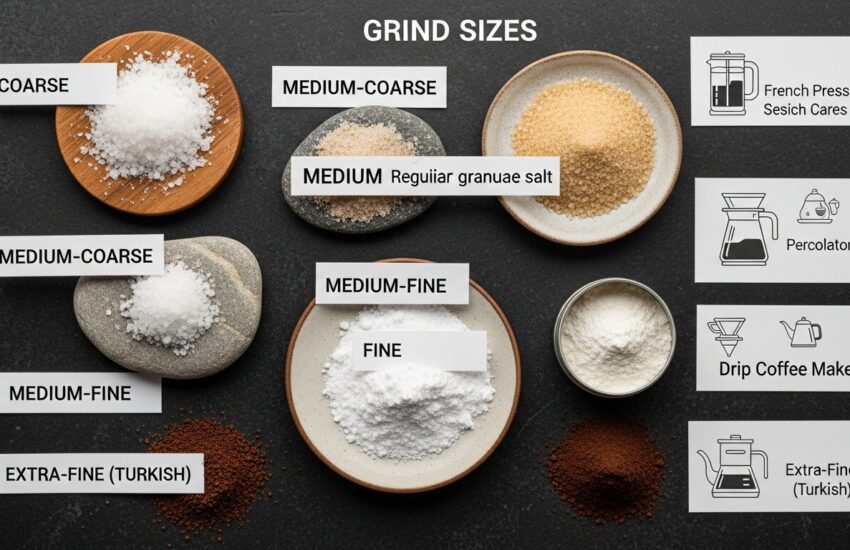
The journey into specialty coffee often leads to a desire to recreate café-quality experiences at home. Building a home barista setup doesn’t require an extravagant budget, but it does demand thoughtful investment in key pieces of equipment.
Essential Equipment: Grinders, Scales, Kettles
These are the foundational pieces for elevating your home coffee game:
- Grinder (The Most Important Investment):
- Why: Freshly ground coffee makes an incomparable difference. Pre-ground coffee stales rapidly, losing volatile aromatics.
- Burr Grinders (Recommended): These grind beans uniformly, which is crucial for even extraction.
- Electric Burr Grinders: Offer convenience and speed. Look for models with ceramic or stainless steel conical burrs. Brands like Baratza and Fellow are popular choices.
- Manual Burr Grinders: Excellent for portability and budget-conscious users, offering superb grind quality at a lower cost. Brands like Comandante and Timemore are highly regarded.
- Blade Grinders (Avoid): They chop beans unevenly, leading to inconsistent extraction and a less flavorful, often bitter cup.
- Tip: Invest as much as you can afford in your grinder. It will impact your coffee quality more than almost any other piece of equipment.
- Digital Scale with Timer:
- Why: Precision is paramount in specialty coffee. Brewing by volume (e.g., scoops) is inconsistent. Weighing your coffee beans and water ensures accuracy in your brew ratio, leading to repeatable results.
- Features: Look for scales that measure to 0.1 gram and have an integrated timer, which is incredibly useful for pour-over and other manual methods.
- Brands: Acaia, Hario, and Timemore offer excellent coffee-specific scales, but even a good kitchen scale will be a vast improvement.
- Kettle (Especially a Gooseneck Kettle):
- Why: Water temperature and flow control are critical, particularly for pour-over methods.
- Gooseneck Kettles: The narrow, curved spout allows for precise control over the water stream, essential for saturating coffee grounds evenly.
- Temperature Control: Electric gooseneck kettles with variable temperature settings allow you to dial in the exact water temperature (typically 195-205°F / 90-96°C), preventing scorching or under-extraction.
- Brands: Fellow Stagg EKG, Hario Buono, and Brewista are popular.
- Water Filter:
- Why: Water constitutes over 98% of your coffee. Tap water often contains impurities or undesirable mineral content that can negatively impact flavor and even damage your equipment.
- Options: A simple Brita filter pitcher or a more advanced inline filter system can make a significant difference in taste.
- Tip: Aim for water with a balanced mineral content (TDS around 100-150 ppm) for optimal extraction.
Advanced Tools for the Enthusiast
Once you’ve mastered the basics, these tools can further refine your brewing process:
- Espresso Machine: For those dedicated to espresso. Options range from entry-level semi-automatics (e.g., Gaggia Classic Pro, Rancilio Silvia) to high-end prosumer machines with PID control and rotary pumps.
- Tamper and Distribution Tool: For espresso, ensuring an even, level bed of coffee grounds for consistent extraction.
- Refractometer: A scientific tool to measure the Total Dissolved Solids (TDS) in your brewed coffee, helping you calculate extraction yield and optimize your brewing.
- Roasting Machine (Home Roaster): For the truly dedicated, home roasting allows for ultimate control over the flavor development. Small drum roasters or air roasters are available.
- Specific Brewing Devices: Beyond the initial pour-over or French press, explore specific devices like a Clever Dripper (immersion and pour-over hybrid), Syphon (vacuum pot), or a high-end automatic drip machine (SCA-certified).
Maintenance and Care for Longevity
Proper maintenance ensures your equipment performs optimally and lasts for years:
- Clean Your Grinder: Coffee oils and fine particles can build up, leading to stale flavors. Brush out your grinder regularly, and use grinder cleaning tablets monthly.
- Descale Kettles and Espresso Machines: Mineral buildup from water can clog heating elements and affect performance. Descale according to manufacturer recommendations.
- Wash Brewing Devices: Rinse and clean pour-over drippers, French presses, and Aeropresses immediately after use to prevent oil residue buildup.
- Replace Filters: Change water filters regularly and use fresh paper filters for pour-overs.
A well-maintained setup not only produces better coffee but also protects your investment. A guide to maintaining your coffee gear can provide more detailed instructions.
The Cafe Experience: Beyond the Brew
While home brewing offers control and convenience, the specialty coffee shop provides a unique experience, a vibrant hub of coffee culture that transcends just the drink. In 2026, cafes continue to evolve as essential community spaces.
Navigating a Specialty Coffee Shop
Visiting a specialty coffee shop can be an enriching experience, different from a conventional chain coffee shop. Here’s how to make the most of it:
- Look at the Menu Board (or Bean Offerings): Specialty cafes often highlight their current single-origin offerings, roast profiles, and brewing methods. Don’t be afraid to ask about the daily features.
- Ask Questions: Baristas in specialty cafes are typically knowledgeable and passionate. Ask about the origin of a specific bean, its flavor notes, or which brewing method they recommend for a particular coffee.
- Experiment with Brewing Methods: Many specialty cafes offer various manual brewing options (pour-over, Aeropress) alongside espresso. Try a pour-over of a single-origin coffee to appreciate its distinct characteristics.
- Taste Black First: If you usually add milk and sugar, try a small sip of your coffee black first. This allows you to truly taste the inherent flavors and appreciate the barista’s craft.
- Observe and Appreciate: Watch the baristas at work. Notice the care they take in weighing, grinding, and brewing. This is part of the experience.
- Consider the Environment: Specialty cafes are often designed with intention – from the music to the lighting, creating a comfortable and inspiring atmosphere.
The pricing might be slightly higher than a chain, but this reflects the higher cost of ethically sourced, high-quality beans, the skill of the roaster and barista, and the overall premium experience.
The Role of the Barista
The barista in a specialty coffee shop is more than just a server; they are the final craftsman in the long chain from farm to cup. Their role is multi-faceted:
- Brewing Expertise: They are skilled in operating complex espresso machines, dialing in grinders, and executing precise manual brews. They understand extraction principles and how to adjust variables to bring out the best in each coffee.
- Product Knowledge: A good barista can articulate the origin, processing method, roast level, and flavor notes of each coffee they serve. They can guide you through the menu and help you discover new favorites.
- Customer Service: Beyond technical skill, baristas cultivate a welcoming and educational environment, eager to share their passion and knowledge with customers.
- Quality Control: They are the last line of defense, ensuring that every shot of espresso is perfectly pulled and every pour-over is meticulously brewed before it reaches your hand.
In many ways, the barista is an ambassador for the entire specialty coffee industry, bridging the gap between producers and consumers.
Community and Third Place Culture
Since the time of the first coffee houses, cafes have served as vital “third places” – environments separate from home (first place) and work (second place) where people can gather, socialize, relax, and foster a sense of community. In 2026, specialty coffee shops continue this tradition, often becoming local hubs:
- Social Hubs: Places for friends to meet, colleagues to collaborate, or individuals to simply observe the world go by.
- Creative Spaces: Many artists, writers, and remote workers find inspiration and focus within the
The Ultimate Specialty Coffee Guide 2026: Elevating Your Coffee Experience with cafeserre
Affiliate disclosure: This article may contain affiliate links. Recommendations are independent and editorially driven.
Welcome to the definitive resource for navigating the exciting and intricate world of specialty coffee. At cafeserre, we believe coffee is more than just a beverage; it’s an experience, a culture, and an art form. In 2026, the landscape of coffee appreciation is richer and more diverse than ever before. From the meticulous cultivation on distant farms to the precise brewing in your favorite café or home kitchen, every step contributes to the unparalleled sensory journey that defines specialty coffee.
This comprehensive guide is designed for both budding enthusiasts and seasoned connoisseurs. We’ll peel back the layers of the coffee industry, exploring its origins, the science behind its flavors, and the craftsmanship that brings a perfect cup to life. Whether you’re curious about ethical sourcing, eager to master a new brewing technique, or simply want to deepen your appreciation for your daily ritual, join us as we embark on a journey through the aromatic, complex, and utterly captivating realm of specialty coffee.
What is Specialty Coffee? Defining Excellence in Every Sip
The term “specialty coffee” is often used, but its true meaning encompasses a rigorous standard of quality that sets it apart from conventional coffee. It’s not just about taste; it’s about a commitment to excellence at every stage, from the seed to the cup. In 2026, this dedication is more vital than ever, as consumers seek transparency, sustainability, and exceptional flavor profiles.
The Journey from Bean to Cup: A Symphony of Care
Unlike commercial coffee, which prioritizes volume and consistency of a basic flavor profile, specialty coffee focuses on singular, unique characteristics. This journey begins at the farm. Specialty coffee beans are typically Arabica varietals, grown in specific microclimates at high altitudes, where the soil composition, rainfall, and temperature create ideal conditions for developing complex flavors. Farmers employ sustainable practices, often hand-picking ripe cherries, ensuring only the highest quality fruit is selected. This meticulous harvesting prevents unripe or overripe cherries from diluting the batch’s flavor potential.
Following harvest, the processing method plays a critical role. Whether it’s the bright acidity of a washed coffee, the fruity sweetness of a natural process, or the balanced complexity of a honey process, each method profoundly influences the final flavor profile. This requires skilled hands and precise environmental controls, often in remote locations where infrastructure can be challenging. Post-processing, the green beans are carefully sorted, graded, and stored, preparing them for their journey to roasters worldwide. The traceability of specialty coffee is paramount; consumers often know the specific farm, region, and even lot number their beans originated from.
Key Characteristics of Specialty Coffee
Specialty coffee distinguishes itself through several defining characteristics, all meticulously evaluated. The Specialty Coffee Association (SCA) uses a scoring system, with coffees scoring 80 points or above on a 100-point scale qualifying as “specialty.”
- Exceptional Flavor & Aroma: This is the hallmark. Specialty coffees boast a diverse range of flavors—from floral and citrus notes to chocolate, caramel, and nutty undertones—all without artificial flavoring. The aroma is equally complex, contributing significantly to the tasting experience.
- Absence of Defects: These beans are virtually free of primary defects (like severe insect damage or mold) and minimal secondary defects. This translates to a cleaner, purer cup.
- Traceability & Transparency: Consumers can often trace their coffee back to the specific farm or cooperative, understanding the conditions under which it was grown and processed. This fosters trust and appreciation for the hard work involved.
- Freshness: Specialty coffee is typically roasted and consumed soon after, ensuring peak flavor. Roasters provide roast dates, empowering consumers to enjoy their coffee at its optimal freshness.
- Ethical Sourcing & Sustainability: A core tenet of specialty coffee is a commitment to fair trade practices, living wages for farmers, and environmentally sound cultivation methods. This ensures the longevity of both the industry and the planet.
- Expert Craftsmanship: From the farmer to the barista, every individual involved in the specialty coffee chain possesses a deep understanding and passion for their craft, aiming to highlight the unique potential of each bean.
[INLINE IMAGE 1: place after second H2 | alt=”concept illustration of coffee bean journey from farm to cup, highlighting quality checks”]
The Global Landscape of Coffee Cultivation
Coffee cultivation is a global endeavor, spanning the “Bean Belt” – the tropical regions between the Tropics of Cancer and Capricorn. Each region, country, and even specific farm imparts unique characteristics to the coffee cherry, a testament to the influence of terroir.
Major Coffee Growing Regions: A World of Flavors
The vast diversity of specialty coffee flavors is directly linked to its geographical origins. Each continent and region offers a distinct cup profile:
- Africa (Ethiopia, Kenya, Rwanda): Often considered the birthplace of coffee, African coffees are renowned for their vibrant acidity, floral aromatics, and complex fruity notes. Ethiopian Yirgacheffe, for instance, is famous for its bright citrus and jasmine notes, while Kenyan coffees often present blackcurrant and tomato-like flavors with a full body. Rwanda’s coffees are celebrated for their sweet, citrusy profiles and creamy texture.
- The Americas (Colombia, Brazil, Costa Rica, Guatemala): This expansive region produces a wide spectrum of flavors.
- Colombia: Known for its consistent quality, medium body, bright acidity, and notes of caramel, chocolate, and citrus.
- Brazil: The largest coffee producer, Brazil offers a vast range, from bold, nutty, and chocolatey profiles often used in espresso blends to sweeter, fruitier naturals.
- Costa Rica: Emphasizes sustainability and quality, yielding clean, bright coffees with notes of honey, apple, and stone fruit.
- Guatemala: Celebrated for its complex, full-bodied coffees with spicy, chocolatey, and nutty notes, often with a pleasant smokiness.
- El Salvador, Honduras, Nicaragua, Peru: These countries are increasingly recognized for their diverse, high-quality offerings, often featuring balanced profiles with chocolate, nut, and fruit notes.
- Asia & Oceania (Indonesia, Vietnam, Papua New Guinea): While traditionally known for Robusta, this region also produces distinctive Arabica specialty coffees.
- Indonesia (Sumatra, Java, Sulawesi): Famous for its earthy, bold, full-bodied coffees with low acidity and notes of dark chocolate, spice, and sometimes a characteristic herbaceousness.
- Papua New Guinea: Offers a cleaner, brighter cup than some Indonesian counterparts, with notes of tropical fruit, chocolate, and a pleasant acidity.
Understanding these regional distinctions allows enthusiasts to embark on a guided exploration of coffee flavors, much like wine tasting. A guide to coffee tasting notes can further enhance this journey.
Understanding Varietals and Terroir
Just as grapes define wine, coffee varietals play a crucial role in flavor. Arabica, the dominant species in specialty coffee, has numerous varietals, each with unique genetic traits. Common varietals include:
- Typica: One of the oldest and most important varietals, known for its clean, sweet, and floral notes.
- Bourbon: A natural mutation of Typica, yielding sweet, complex, and balanced cups, often with chocolate and caramel notes.
- Geisha/Gesha: A highly prized varietal, especially from Panama, famed for its intensely floral (jasmine), tea-like, and tropical fruit flavors.
- Pacamara: A hybrid known for its large beans and complex flavors, often featuring notes of citrus and florals with a full body.
- Caturra: A compact mutation of Bourbon, widely planted, offering bright acidity and medium body.
Beyond varietals, “terroir” is the French term borrowed from winemaking, referring to the complete natural environment in which a particular coffee is produced, including factors such as the soil, topography, and climate. The altitude, temperature fluctuations, sunlight exposure, rainfall, and even the surrounding flora and fauna all contribute to the unique chemical composition and flavor development of the coffee cherry. A coffee grown on a volcanic slope in high-altitude Guatemala will taste vastly different from one grown at lower elevations in Brazil, even if they are the same varietal. This intricate interplay of genetics and environment makes every specialty coffee a unique expression of its origin.
Roasting: The Art and Science of Flavor Transformation
Roasting is perhaps the most transformative step in the coffee journey, where green beans are subjected to controlled heat, developing their aroma, color, and flavor. It’s a delicate balance of art and science, requiring an acute understanding of thermodynamics, chemistry, and sensory perception.
Light, Medium, Dark Roasts Explained
Coffee roasts are typically categorized by color, which directly correlates with the degree of heat and duration of the roast. This categorization is a general guide, as nuances exist within each category.
- Light Roast:
- Characteristics: Light brown color, no oil on the surface, often retains most of the original bean characteristics.
- Flavor Profile: Bright acidity, delicate body, prominent fruit, floral, and citrus notes. Complex and nuanced, reflecting the bean’s origin and varietal. Often characterized by a “fruity” or “winey” taste.
- First Crack: Roasted just past the “first crack” (when the beans expand and make popping sounds like popcorn).
- Example: Many single-origin specialty coffees, especially those from Ethiopia or Kenya, are roasted light to highlight their inherent acidity and unique characteristics.
- Medium Roast:
- Characteristics: Medium brown color, rarely oily surface.
- Flavor Profile: Balanced acidity and body, with developed sweetness and aromatics. A good balance between the bean’s inherent flavors and the flavors imparted by the roasting process (e.g., chocolate, caramel, nutty notes).
- First to Second Crack: Roasted between the first and “second crack” (a softer, more rapid popping sound).
- Example: Coffees labeled “City,” “American,” or “Breakfast” roasts often fall into this category. Colombian and Central American coffees are frequently roasted to a medium level.
- Dark Roast:
- Characteristics: Dark brown, often shiny with oil on the surface due to sugars and oils migrating to the exterior.
- Flavor Profile: Low acidity, heavy body, pronounced roasty flavors (smoky, bitter, charry). Original bean characteristics are largely overshadowed by roast-imparted notes.
- Second Crack: Roasted to or past the second crack.
- Example: “French,” “Italian,” or “Espresso” roasts typically fall into this category, popular for bold, intense flavor profiles often used in espresso beverages or with milk.
Roasting Profiles and Flavor Development
Beyond the final color, the “roast profile” – the specific temperature curve over time – dictates flavor development. A skilled roaster manipulates heat and airflow to unlock specific characteristics. This includes:
- Drying Phase: Removing moisture from the green bean, typically at lower temperatures.
- Maillard Reaction: As temperatures rise, amino acids and sugars react, creating hundreds of new flavor compounds. This is where “browning” flavors like chocolate, caramel, and toast emerge.
- First Crack: An exothermic reaction, releasing steam and CO2, causing the beans to expand. Critical for acidity and floral notes.
- Sugar Caramelization: Sugars within the bean begin to caramelize, adding sweetness and complexity.
- Second Crack: A more intense stage of pyrolysis, where the bean structure breaks down further, leading to more bitter, smoky, and thinner body notes.
Roasters develop specific profiles for each coffee, considering its origin, varietal, density, and desired final taste. A complex Ethiopian might receive a shorter, lighter roast to preserve its delicate floral notes, while a denser Brazilian bean might benefit from a slightly longer, medium roast to develop chocolatey sweetness.
How to Choose the Right Roast
Choosing the right roast depends largely on personal preference and intended brewing method:
- For intricate flavors and clarity: Opt for light roasts. Best enjoyed black, especially with pour-over or Aeropress, to appreciate their delicate nuances.
- For balance and versatility: Medium roasts are an excellent all-rounder. They work well with most brewing methods and can be enjoyed black or with milk.
- For bold intensity and milk drinks: Dark roasts are ideal. Their robust flavors cut through milk in lattes and cappuccinos, and they create a rich, crema-heavy espresso.
Experimentation is key. Don’t be afraid to try different roasts from the same origin to understand how roasting transforms the bean’s inherent potential. Always check the roast date; freshness is paramount for specialty coffee, typically within 2-4 weeks post-roast for optimal flavor.
Brewing Methods for the Discerning Palate
The final, crucial step in the specialty coffee journey is brewing. Even the finest beans, perfectly roasted, can be ruined by poor brewing. Conversely, understanding and mastering various brewing methods allows you to unlock the full potential and highlight specific characteristics of your chosen coffee.
Pour Over: Precision and Clarity
The pour-over method (e.g., Hario V60, Chemex, Kalita Wave) is beloved for its ability to produce an exceptionally clean, aromatic, and nuanced cup. It emphasizes clarity of flavor and bright acidity.
- Principle: Hot water is slowly and deliberately poured over coffee grounds in a cone-shaped filter, allowing gravity to draw the brewed coffee into a vessel below.
- Ideal for: Light to medium roasted single-origin coffees with complex floral or fruity notes.
- Key Variables: Grind size (medium-fine), water temperature (195-205°F / 90-96°C), pour rate and pattern, bloom time, and brew ratio (typically 1:15 to 1:17 coffee to water).
- Tips: Use a gooseneck kettle for precise pouring, weigh everything with a digital scale, and practice consistent pouring.
Espresso: The Concentrated Elixir
Espresso is a highly concentrated coffee brewed by forcing hot water under high pressure through finely-ground coffee. It forms the base for a multitude of popular milk-based drinks.
- Principle: High pressure extracts a small, intense shot of coffee, characterized by its crema (a reddish-brown foam layer).
- Ideal for: Medium to dark roasted coffees, often blends, designed to offer a balanced, rich, and full-bodied shot.
- Key Variables: Grind size (very fine), dose (typically 18-20g for a double shot), yield (36-40g), brew time (25-30 seconds), pressure (9 bars), and water temperature.
- Tips: Invest in a quality espresso machine and grinder. Tamping consistently is crucial. Learn to dial in your grinder for perfect extraction.
French Press: Full Bodied Immersion
The French Press (or cafetière) is a full-immersion brewing method that produces a rich, full-bodied cup with substantial mouthfeel, retaining more of the coffee’s natural oils and fine sediments.
- Principle: Coarsely ground coffee is steeped in hot water, then separated by pressing down a plunger with a mesh filter.
- Ideal for: Medium to dark roasted coffees, or those where a robust body and lingering finish are desired.
- Key Variables: Grind size (coarse), water temperature (195-205°F / 90-96°C), steep time (4-6 minutes), brew ratio (1:12 to 1:15).
- Tips: Use a coarse, even grind to avoid sludge. Don’t over-steep, which can lead to bitterness. Pour immediately after pressing.
Aeropress: Versatility in a Compact Form
The Aeropress is celebrated for its versatility, portability, and ability to brew a clean cup resembling a hybrid between French Press and pour-over, often with a richer body than pour-over.
- Principle: Coffee is steeped, then forced through a paper filter by pressing a plunger, creating pressure.
- Ideal for: Almost any roast level, excels with medium roasts, offering a clean, concentrated brew that can be diluted.
- Key Variables: Grind size (medium-fine to fine), water temperature, steep time (1-3 minutes), and brew ratio. Both “standard” and “inverted” methods offer different results.
- Tips: Experiment with different grind sizes and steep times. It’s forgiving and great for travel.
Cold Brew: Smooth and Refreshing
Cold brew involves steeping coarse coffee grounds in cold or room-temperature water for an extended period, resulting in a low-acid, naturally sweet, and incredibly smooth concentrate.
- Principle: Time, not heat, extracts flavors. The long, slow extraction at low temperatures draws out sweetness and reduces acidity.
- Ideal for: Medium to dark roasted coffees, especially those with chocolatey or nutty notes. Perfect for iced coffee.
- Key Variables: Grind size (very coarse), water temperature (cold), steep time (12-24 hours), brew ratio (1:4 to 1:8 for concentrate).
- Tips: Use good quality filtered water. Strain thoroughly. Dilute concentrate with water, milk, or ice to taste.
Automatic Drip: Convenience Meets Quality
While often associated with basic coffee, modern automatic drip machines can produce excellent specialty coffee, especially those with features like temperature control and bloom cycles.
- Principle: Water is heated and dripped over ground coffee in a filter basket, and gravity draws the brewed coffee into a carafe.
- Ideal for: Medium roasts, offering a consistent and convenient brew for everyday enjoyment.
- Key Variables: Grind size (medium-coarse), water temperature (good machines reach 195-205°F), brew ratio (1:16 to 1:18).
- Tips: Look for SCA-certified machines. Always use fresh, good quality beans and grind them just before brewing. Clean your machine regularly.
[INLINE IMAGE 2: place after fourth H2 | alt=”comparison illustration of different coffee brewing methods side-by-side”]
Comparison Table: Popular Brewing Methods
To help you choose the best method for your preferences, here’s a comparative overview:
Brewing Method Flavor Profile Body Acidity Preparation Time Ideal Coffee Type Pour Over Clean, clear, nuanced, bright, aromatic Light to Medium High, vibrant 5-8 minutes (active) Light/Medium Roasts, Single Origins (fruity/floral) Espresso Intense, concentrated, bold, rich Full, syrupy Low to Medium (can vary) 25-30 seconds (active) Medium/Dark Roasts, Espresso Blends French Press Rich, full, rustic, sediment-heavy Heavy, viscous Low to Medium 5-7 minutes (steep) Medium/Dark Roasts, Bold Single Origins Aeropress Clean, concentrated, versatile, often rich Medium to Full Medium 1-3 minutes (active/steep) All Roast Levels, great for experimentation Cold Brew Smooth, naturally sweet, low bitterness Medium to Full Very Low 12-24 hours (passive) Medium/Dark Roasts, those with chocolate/nutty notes Automatic Drip Balanced, consistent, approachable Medium Medium 5-10 minutes (passive) Medium Roasts, daily drinkers Decoding the Flavor Wheel: Tasting and Appreciation
Tasting specialty coffee is an art, a sensory exploration that transforms a simple beverage into a complex experience. The Specialty Coffee Association (SCA) Flavor Wheel is an invaluable tool for identifying and articulating the myriad flavors and aromas found in coffee, moving beyond a simple “good” or “bad.”
Aromatic Profiles and Sensory Evaluation
Our sense of smell plays a monumental role in flavor perception. Before even taking a sip, the aroma of freshly ground beans or a brewed cup can hint at its complexity. The Flavor Wheel categorizes these notes:
- Enzymatic (Floral, Fruity, Herby): These aromas are typically found in lighter roasted coffees and reflect the inherent characteristics of the green bean. Think jasmine, rose, blueberry, strawberry, lemon, or even mint. They indicate freshness and specific origin characteristics.
- Sugar Browning (Caramel, Chocolate, Nutty, Vanilla): These notes develop during the Maillard reaction and caramelization phases of roasting. They are often associated with medium roasts and bring comforting sweetness and depth, such as milk chocolate, roasted almonds, or honey.
- Dry Distillation (Smoky, Ashy, Carbonized): These are generally associated with darker roasts and the more intense pyrolysis that occurs past the second crack. While some smoky notes can be pleasant, excessive notes can indicate over-roasting.
To conduct a sensory evaluation:
- Smell the Dry Grounds: Before brewing, take a deep sniff of the freshly ground coffee. What initial aromas do you detect?
- Smell the Wet Grounds (Bloom): After adding hot water for the bloom, smell again. The heat will release more volatile aromatics.
- Taste (Slurp): Take a noisy slurp! This atomizes the coffee, spreading it across your palate and allowing volatile aromatics to reach your retro-nasal cavity.
- Evaluate: Consider the specific flavors, the intensity, and how they evolve as the coffee cools.
A comprehensive guide to using the coffee flavor wheel can teach you to articulate your perceptions with precision.
Acidity, Body, and Finish
Beyond specific flavor notes, three core attributes define the texture and overall experience of coffee:
- Acidity: In coffee, acidity is desirable, providing vibrancy, brightness, and a clean finish. It’s often mistaken for sourness, but proper acidity is like the tang in a green apple or the zest in a lemon – refreshing and complex. It contributes to a lively, crisp cup. Common descriptors include citric, malic, tartaric, or phosphoric. Different origins are known for distinct acidities; African coffees, for example, often exhibit bright, wine-like acidity.
- Body (Mouthfeel): This refers to the physical sensation and weight of the coffee on your tongue. It can be described as light, medium, full, syrupy, buttery, or creamy. Body is influenced by the concentration of dissolved solids and oils in the brew. French Press often produces a fuller-bodied coffee due to its immersion brewing, while pour-overs tend to be lighter.
- Finish (Aftertaste): This is the lingering sensation on your palate after you’ve swallowed the coffee. A good finish is pleasant, long-lasting, and often echoes some of the primary flavors. It can be clean, sweet, dry, or even bitter (though bitterness in specialty coffee is typically balanced and integrated, not harsh).
Practical Tips for Developing Your Palate
Developing a sophisticated coffee palate takes practice and intentionality. Here’s how to hone your sensory skills:
- Cup Regularly: Participate in coffee cuppings (professional tasting sessions) if possible, or organize your own at home. Brew different coffees side-by-side using the same method.
- Taste Mindfully: Don’t just drink your coffee; taste it. Ask yourself: What do I smell? What do I taste on the first sip? How does it feel in my mouth? What flavors emerge as it cools?
- Use the Flavor Wheel: Keep a copy of the SCA Flavor Wheel handy. When you identify a flavor, try to pinpoint it on the wheel. This builds your vocabulary.
- Expand Your Palate Beyond Coffee: Taste fruits, nuts, spices, and chocolates intentionally. The more flavors you recognize outside of coffee, the better you’ll be at identifying them within it.
- Brew Consistently: Stick to one brewing method for a while to minimize variables and focus on the coffee itself.
- Take Notes: Journal your tasting experiences. Note the origin, roast level, brewing parameters, and your sensory perceptions. This helps track progress and identify preferences.
- Don’t Be Afraid to Be Wrong: Tasting is subjective. The goal isn’t always to get the “right” answer, but to expand your personal lexicon and enjoyment.
Building Your Home Barista Setup
The journey into specialty coffee often leads to a desire to recreate café-quality experiences at home. Building a home barista setup doesn’t require an extravagant budget, but it does demand thoughtful investment in key pieces of equipment.
Essential Equipment: Grinders, Scales, Kettles
These are the foundational pieces for elevating your home coffee game:
- Grinder (The Most Important Investment):
- Why: Freshly ground coffee makes an incomparable difference. Pre-ground coffee stales rapidly, losing volatile aromatics.
- Burr Grinders (Recommended): These grind beans uniformly, which is crucial for even extraction.
- Electric Burr Grinders: Offer convenience and speed. Look for models with ceramic or stainless steel conical burrs. Brands like Baratza and Fellow are popular choices.
- Manual Burr Grinders: Excellent for portability and budget-conscious users, offering superb grind quality at a lower cost. Brands like Comandante and Timemore are highly regarded.
- Blade Grinders (Avoid): They chop beans unevenly, leading to inconsistent extraction and a less flavorful, often bitter cup.
- Tip: Invest as much as you can afford in your grinder. It will impact your coffee quality more than almost any other piece of equipment.
- Digital Scale with Timer:
- Why: Precision is paramount in specialty coffee. Brewing by volume (e.g., scoops) is inconsistent. Weighing your coffee beans and water ensures accuracy in your brew ratio, leading to repeatable results.
- Features: Look for scales that measure to 0.1 gram and have an integrated timer, which is incredibly useful for pour-over and other manual methods.
- Brands: Acaia, Hario, and Timemore offer excellent coffee-specific scales, but even a good kitchen scale will be a vast improvement.
- Kettle (Especially a Gooseneck Kettle):
- Why: Water temperature and flow control are critical, particularly for pour-over methods.
- Gooseneck Kettles: The narrow, curved spout allows for precise control over the water stream, essential for saturating coffee grounds evenly.
- Temperature Control: Electric gooseneck kettles with variable temperature settings allow you to dial in the exact water temperature (typically 195-205°F / 90-96°C), preventing scorching or under-extraction.
- Brands: Fellow Stagg EKG, Hario Buono, and Brewista are popular.
- Water Filter:
- Why: Water constitutes over 98% of your coffee. Tap water often contains impurities or undesirable mineral content that can negatively impact flavor and even damage your equipment.
- Options: A simple Brita filter pitcher or a more advanced inline filter system can make a significant difference in taste.
- Tip: Aim for water with a balanced mineral content (TDS around 100-150 ppm) for optimal extraction.
Advanced Tools for the Enthusiast
Once you’ve mastered the basics, these tools can further refine your brewing process:
- Espresso Machine: For those dedicated to espresso. Options range from entry-level semi-automatics (e.g., Gaggia Classic Pro, Rancilio Silvia) to high-end prosumer machines with PID control and rotary pumps.
- Tamper and Distribution Tool: For espresso, ensuring an even, level bed of coffee grounds for consistent extraction.
- Refractometer: A scientific tool to measure the Total Dissolved Solids (TDS) in your brewed coffee, helping you calculate extraction yield and optimize your brewing.
- Roasting Machine (Home Roaster): For the truly dedicated, home roasting allows for ultimate control over the flavor development. Small drum roasters or air roasters are available.
- Specific Brewing Devices: Beyond the initial pour-over or French press, explore specific devices like a Clever Dripper (immersion and pour-over hybrid), Syphon (vacuum pot), or a high-end automatic drip machine (SCA-certified).
Maintenance and Care for Longevity
Proper maintenance ensures your equipment performs optimally and lasts for years:
- Clean Your Grinder: Coffee oils and fine particles can build up, leading to stale flavors. Brush out your grinder regularly, and use grinder cleaning tablets monthly.
- Descale Kettles and Espresso Machines: Mineral buildup from water can clog heating elements and affect performance. Descale according to manufacturer recommendations.
- Wash Brewing Devices: Rinse and clean pour-over drippers, French presses, and Aeropresses immediately after use to prevent oil residue buildup.
- Replace Filters: Change water filters regularly and use fresh paper filters for pour-overs.
A well-maintained setup not only produces better coffee but also protects your investment. A guide to maintaining your coffee gear can provide more detailed instructions.
The Cafe Experience: Beyond the Brew
While home brewing offers control and convenience, the specialty coffee shop provides a unique experience, a vibrant hub of coffee culture that transcends just the drink. In 2026, cafes continue to evolve as essential community spaces.
Navigating a Specialty Coffee Shop
Visiting a specialty coffee shop can be an enriching experience, different from a conventional chain coffee shop. Here’s how to make the most of it:
- Look at the Menu Board (or Bean Offerings): Specialty cafes often highlight their current single-origin offerings, roast profiles, and brewing methods. Don’t be afraid to ask about the daily features.
- Ask Questions: Baristas in specialty cafes are typically knowledgeable and passionate. Ask about the origin of a specific bean, its flavor notes, or which brewing method they recommend for a particular coffee.
- Experiment with Brewing Methods: Many specialty cafes offer various manual brewing options (pour-over, Aeropress) alongside espresso. Try a pour-over of a single-origin coffee to appreciate its distinct characteristics.
- Taste Black First: If you usually add milk and sugar, try a small sip of your coffee black first. This allows you to truly taste the inherent flavors and appreciate the barista’s craft.
- Observe and Appreciate: Watch the baristas at work. Notice the care they take in weighing, grinding, and brewing. This is part of the experience.
- Consider the Environment: Specialty cafes are often designed with intention – from the music to the lighting, creating a comfortable and inspiring atmosphere.
The pricing might be slightly higher than a chain, but this reflects the higher cost of ethically sourced, high-quality beans, the skill of the roaster and barista, and the overall premium experience.
The Role of the Barista
The barista in a specialty coffee shop is more than just a server; they are the final craftsman in the long chain from farm to cup. Their role is multi-faceted:
- Brewing Expertise: They are skilled in operating complex espresso machines, dialing in grinders, and executing precise manual brews. They understand extraction principles and how to adjust variables to bring out the best in each coffee.
- Product Knowledge: A good barista can articulate the origin, processing method, roast level, and flavor notes of each coffee they serve. They can guide you through the menu and help you discover new favorites.
- Customer Service: Beyond technical skill, baristas cultivate a welcoming and educational environment, eager to share their passion and knowledge with customers.
- Quality Control: They are the last line of defense, ensuring that every shot of espresso is perfectly pulled and every pour-over is meticulously brewed before it reaches your hand.
In many ways, the barista is an ambassador for the entire specialty coffee industry, bridging the gap between producers and consumers.
Community and Third Place Culture
Since the time of the first coffee houses, cafes have served as vital “third places” – environments separate from home (first place) and work (second place) where people can gather, socialize, relax, and foster a sense of community. In 2026, specialty coffee shops continue this tradition, often becoming local hubs:
- Social Hubs: Places for friends to meet, colleagues to collaborate, or individuals to simply observe the world go by.
- Creative Spaces: Many artists, writers, and remote workers find inspiration and focus within the