best coffee beans pour over
The Ultimate Guide to the Best Coffee Beans for Pour Over (2026 Edition)
For the dedicated home barista, the ritual of the pour-over is more than just a caffeine delivery system; it is an exercise in precision, patience, and sensory exploration. Unlike the immersion of a French press or the pressure of an espresso machine, pour-over brewing relies on gravity and a steady stream of water to gently extract the complex nuances of the coffee bean. Because this method emphasizes clarity and highlights delicate top notes, your choice of bean is the most critical variable in the equation.
As we look toward the coffee landscape of 2026, the focus has shifted even further toward traceability, experimental processing, and “terroir-forward” selections. Finding the best coffee beans for pour over requires understanding how roast levels, origins, and processing methods interact with the paper filter and the slow extraction process. Whether you are using a Hario V60, a Chemex, or a Kalita Wave, this guide will help you navigate the world of specialty coffee to find the perfect bean for your morning brew.
Understanding the Pour-Over Profile: Why Bean Selection is Vital
The pour-over method is celebrated by coffee enthusiasts primarily for its “cleanliness.” When you use a paper filter, many of the oils and fine sediments that would otherwise end up in your cup are trapped. This results in a brew with a thinner body but significantly higher clarity of flavor.
Because the body is lighter, the subtle flavors—the florals, the bright acids, and the tea-like aromatics—are allowed to shine. This is why you cannot simply use any bean for a pour-over and expect a world-class result. A bean that is oily or over-roasted will often produce a thin, bitter, and one-dimensional cup when brewed through a V60.
In 2026, the industry has seen a rise in “precision roasting,” where roasters aim to highlight the genetic potential of the bean rather than the flavor of the roaster itself. When shopping for the best coffee beans for pour over, you are looking for beans that have a story to tell—beans that carry the characteristics of their soil, altitude, and climate.
Roast Profiles: Why Light and Medium Roasts Reign Supreme
While taste is subjective, the consensus among professional brewers is that light to medium-light roasts are the gold standard for pour-over coffee.
#
Light Roasts
Light roasts are removed from the roaster shortly after the “first crack.” These beans are dry (no surface oil) and retain the most “origin character.” If you enjoy notes of jasmine, lemon zest, green apple, or stone fruit, a light roast is your best bet. In a pour-over, these beans produce a vibrant, acidic, and complex cup that evolves as it cools.
#
Medium Roasts
Medium roasts offer a balance between the acidity of a light roast and the sweetness of a darker roast. You will often find notes of milk chocolate, toasted nuts, and caramel. For those who find light roasts too “sour” or “tea-like,” a medium roast provides a more rounded mouthfeel and a comforting, classic coffee flavor while still maintaining enough complexity to make the pour-over process worthwhile.
#
Avoiding Dark Roasts
Generally, dark roasts are less ideal for pour-over. The high temperatures used in dark roasting break down the delicate organic compounds that the pour-over method is designed to highlight. Furthermore, the oils present on dark-roasted beans can clog paper filters, leading to a stalled draw-down and an over-extracted, bitter taste.
The Terroir Factor: Top Coffee Growing Regions for Pour Over
When searching for the best coffee beans for pour over, the origin on the label acts as a flavor map. In 2026, several regions continue to dominate the specialty market due to their unique flavor profiles.
#
Ethiopia: The Birthplace of Nuance
Ethiopian beans, particularly those from the Yirgacheffe and Sidamo regions, are legendary in the pour-over world. They are often described as having “high-toned” acidity and floral aromatics. An Ethiopian Washed coffee might taste like Earl Grey tea and bergamot, while a Natural processed Ethiopian bean can taste like an explosion of blueberries and strawberries.
#
Kenya: Bold and Acidic
If you want a cup that wakes up your palate, Kenyan coffees are unmatched. Grown in volcanic soil at high altitudes, these beans are famous for their intense phosphoric acidity and savory-sweet profiles. Look for tasting notes like blackcurrant, tomato jam, and grapefruit. They perform exceptionally well in a Chemex, where the thick filter tames the intensity just enough to reveal a sparkling clarity.
#
Colombia: The Balanced Classic
Colombia has moved far beyond the “standard” coffee profile. While you can still find excellent beans with notes of caramel and red apple, many Colombian micro-lots in 2026 are experimenting with varieties like Pink Bourbon or Sidra. These offer a stunning middle ground: the body and sweetness of South American coffee with the floral complexity of African varieties.
#
Panama: The Luxury of Gesha
For the home barista looking for a “grail” experience, Panamanian Gesha (or Geisha) remains the pinnacle. This variety is known for its incredible jasmine aroma and tea-like body. While expensive, it is a bean that is practically built for the pour-over method, as any other brewing style would mask its delicate elegance.
Processing Methods: Washed, Natural, and Honey-Processed Beans
The way a coffee cherry is handled after harvest significantly impacts the final flavor in your cup. Understanding these methods is key to choosing the best coffee beans for pour over.
* **Washed (Wet) Process:** The fruit is removed from the bean before drying. This is the preferred process for those who love “clean” coffee. It highlights the bean’s inherent acidity and provides a crisp, transparent flavor profile.
* **Natural (Dry) Process:** The coffee cherry is dried with the fruit still on the bean. This allows the sugars to ferment and soak into the seed. Natural coffees are often “funkier,” with heavy fruit notes, a creamier body, and a slight wine-like fermentation flavor.
* **Honey Process:** A middle ground where some of the sticky fruit mucilage is left on the bean during drying. This often results in a cup with enhanced sweetness and a syrupy mouthfeel, perfect for a balanced medium-roast pour-over.
* **Anaerobic Fermentation:** A trend that has exploded leading into 2026. Beans are fermented in oxygen-free tanks, leading to wild, lactic, and often experimental flavors like cinnamon, tropical fruit, or even bubblegum. These are exciting for pour-over because the filter keeps the “funky” sediment out of the cup, leaving only the vibrant aromatics.
Single-Origin vs. Blends: Which One Should You Choose?
In the world of pour-over, **Single-Origin** beans are generally considered superior. A single-origin coffee comes from one specific farm, region, or even a specific lot on a farm. This allows the brewer to experience the “terroir”—the unique characteristics imparted by the environment. If you want to learn about coffee and train your palate, single-origins are the way to go.
**Blends**, on the other hand, are designed for consistency. Roasters mix beans from different regions to create a specific flavor profile (e.g., “The Morning Blend”). While blends are excellent for drip machines or espresso, they can sometimes lack the distinct “sparkle” that makes pour-over brewing so rewarding. However, some high-end roasters now offer “Craft Blends” specifically designed for pour-overs, combining two high-quality single origins to create a complex, multi-layered experience.
Maximizing Flavor: Freshness, Grinding, and Storage Tips
Even the best coffee beans for pour over will produce a mediocre cup if they aren’t handled with care.
#
The “Golden Window” of Freshness
Coffee is a fresh produce item. For pour-over, the “peak” flavor usually occurs between 7 and 21 days after the roast date. This allows the beans to “degas” (release carbon dioxide). If you brew too early, the gas can interfere with water contact; if you brew too late (after 6 weeks), the volatile aromatics have vanished, leaving the coffee tasting flat or “stale.”
#
The Importance of the Grind
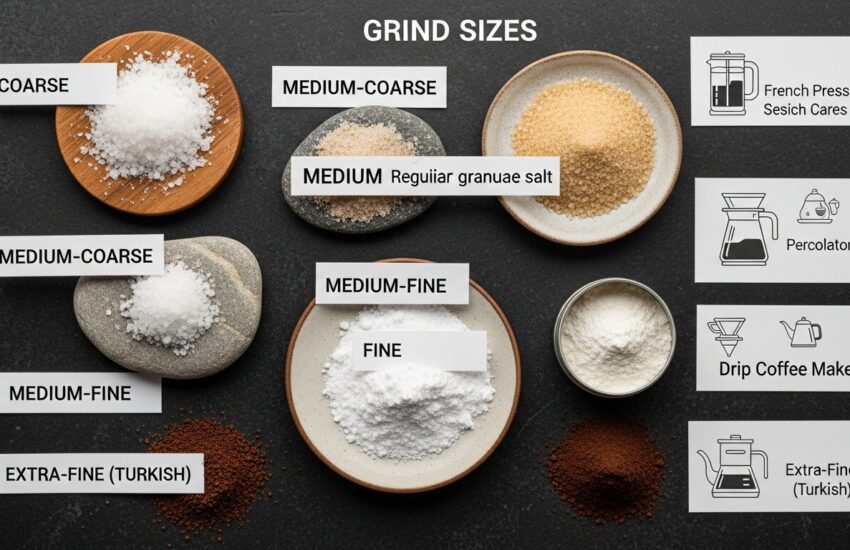
Pour-over requires a medium-coarse grind, similar to the consistency of sea salt. If the grind is too fine, the water will pool, leading to over-extraction and bitterness. If it is too coarse, the water will rush through, leading to under-extraction and a sour, weak cup. Investing in a high-quality burr grinder is just as important as the beans themselves.
#
Storage Secrets
Keep your beans in a cool, dark place in an airtight container. Oxygen is the enemy of coffee flavor. Many modern coffee bags come with one-way valves; these are great, but for 2026-level quality, consider vacuum-sealed canisters that actively push air out to keep those delicate floral notes alive as long as possible.
—
FAQ: Frequently Asked Questions
**Q: Can I use espresso beans for a pour-over?**
A: Technically, yes, but “espresso beans” are often roasted darker to stand up to milk and pressure. In a pour-over, these may taste overly charred or bitter. If the beans are a light or medium roast, they will work fine, but check the roast profile first.
**Q: Why does my pour-over coffee taste sour?**
A: Sourness is usually a sign of under-extraction. This happens if your water is too cold, your grind is too coarse, or your brew time was too short. Try grinding a bit finer or using water closer to 205°F (96°C).
**Q: Is “expensive” coffee always better for pour-over?**
A: Not necessarily. Price is often dictated by rarity (like the Gesha variety). While rare beans offer unique flavors, you can find incredible Ethiopian or Colombian single-origins at a moderate price point that provide a world-class pour-over experience.
**: How much coffee should I use for one pour-over?**
A: A standard starting ratio is 1:16. For every 1 gram of coffee, use 16 grams of water. For a standard mug, this is usually about 20 grams of coffee to 320 grams of water.
**Q: Does the paper filter really matter?**
A: Yes. Different filters have different thicknesses and textures. For example, Chemex filters are thicker and produce a cleaner cup, while Hario V60 filters are thinner and allow more oils through. Always rinse your paper filter with hot water before adding coffee to remove any “papery” taste.
—
Conclusion
The journey to finding the best coffee beans for pour over is a continuous path of discovery. In 2026, the diversity of coffee available to the home barista is greater than ever before. By focusing on light to medium roasts, exploring the high-altitude regions of Africa and South America, and paying attention to processing methods, you can transform your kitchen into a world-class cafe.
Remember that the “best” bean is ultimately the one that brings you the most joy in the cup. Don’t be afraid to experiment with a “funky” anaerobic natural or a classic washed Colombian. The pour-over method is a celebration of the bean’s journey from the farm to your mug—so take your time, pour slowly, and enjoy the nuances of every sip.