top espresso beans 2026 reviews
Top Espresso Beans 2026 Reviews: The Ultimate Guide for Home Baristas
The pursuit of the perfect shot of espresso is an evolving journey, one that marries scientific precision with artisanal soul. As we move through 2026, the landscape of home brewing has shifted. We are no longer satisfied with “just coffee”; the modern home barista demands transparency, sustainable sourcing, and flavor profiles that push the boundaries of the traditional 1:2 ratio. Whether you are operating a high-end dual-boiler machine or a modest manual lever press, the bean remains the most critical variable in your equation. This year, we are seeing a fascinating trend toward regenerative agriculture and anaerobic fermentation processes that bring unprecedented clarity to the cup. In this comprehensive review, we dive deep into the top espresso beans of 2026, evaluating them on body, acidity, sweetness, and how they stand up to milk. From the sun-drenched hills of Ethiopia to the volcanic soils of Central America, these are the beans defining the gold standard of espresso today.
What Makes an Espresso Bean “Top-Tier” in 2026?
In 2026, the definition of a premium espresso bean has expanded beyond the simple “dark roast” label of decades past. Today, quality is defined by three pillars: traceability, roast consistency, and chemical potential. When we look for top-tier beans, we are looking for high-density seeds grown at elevations often exceeding 1,500 meters. These altitudes slow the maturation of the coffee cherry, allowing complex sugars to develop.
Furthermore, the “espresso roast” has become more nuanced. While traditionalists still crave the oils and chocolatey bitterness of a dark roast, the 2026 market favors a “Medium-Plus” profile. This roasting style ensures the bean is porous enough for easy extraction at 9 bars of pressure while preserving the delicate floral and fruity acids that characterize high-end Arabica.
Sustainability is the final, non-negotiable metric. The best beans of 2026 are those that support the ecosystem. Look for certifications that go beyond “Fair Trade,” focusing instead on regenerative organic practices that ensure the coffee industry thrives despite a changing global climate. When you buy these beans, you aren’t just buying a morning caffeine fix; you are investing in the future of the species *Coffea arabica*.
The Modern Classic: Best Overall Blend for 2026
For the barista who wants a reliable, honey-sweet, and thick-bodied shot every single morning, the “Equinox Heritage Blend” (or its regional equivalents) stands as the champion of 2026. This blend represents the pinnacle of modern blending theory, typically utilizing a base of Brazilian Pulped Natural for body and a washed Guatemalan component for acidity.
**Flavor Profile:**
Expect a dominant note of milk chocolate followed by toasted hazelnuts and a lingering finish of dried cherry. What makes this the “best overall” is its forgiveness. Even if your grind size is slightly off or your water temperature fluctuates by a degree, this blend maintains a stable structure.
**Extraction Performance:**
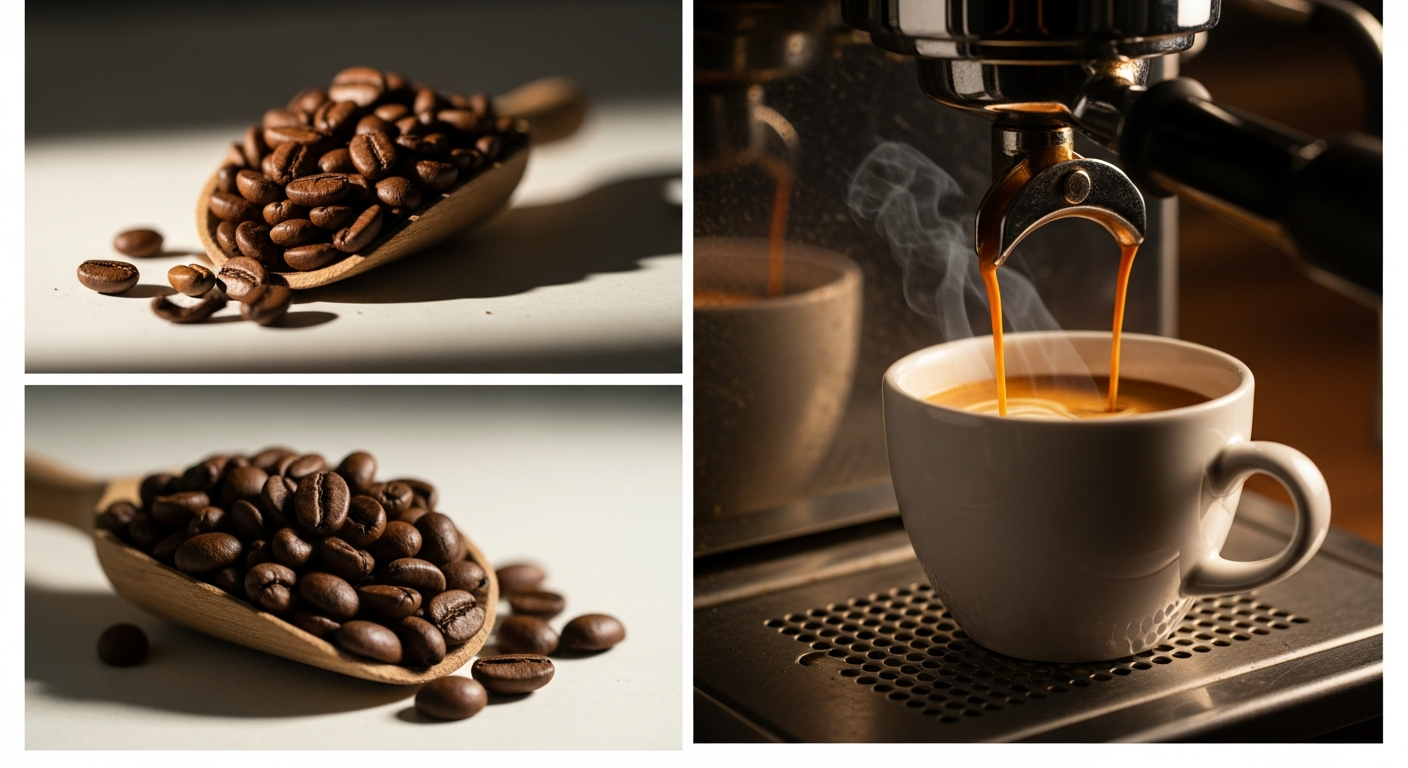
On the bench, these beans produce a voluminous, tiger-striped crema. When pulled at a standard 18g in, 36g out in approximately 28 seconds, the mouthfeel is buttery and coating. It is the quintessential “crowd-pleaser” that shines as a straight double shot but possesses enough character to cut through 10 ounces of steamed oat milk without losing its identity. In 2026, this balance of versatility and sophistication is what sets the leaders apart.
The Purist’s Choice: Best Single-Origin Espresso
While blends offer stability, single-origin beans offer a story. In 2026, the standout single-origin for espresso comes from the Sidama region of Ethiopia, specifically those processed using the “Carbonic Maceration” technique. This method, borrowed from the wine industry, involves fermenting the coffee cherries in a CO2-rich environment before drying.
**Flavor Profile:**
This is espresso for the adventurous. It breaks the “chocolate and nut” mold, offering a vibrant acidity reminiscent of bergamot and candied peach. There is a floral jasmine aroma that fills the room the moment you engage the grinder. It is light-bodied compared to a blend, but what it lacks in weight, it makes up for in crystalline clarity.
**Technical Challenges:**
Using these beans requires a skilled hand. Because they are typically roasted lighter to preserve volatile aromatics, they are less soluble. To get the best out of these in 2026, we recommend a longer ratio—perhaps 1:2.5—and a higher brew temperature (94°C–95°C). This is the bean that proves espresso can be as complex and nuanced as a fine Riesling.
The Dark Arts: Best “Modern Dark” Roast
There is a common misconception that specialty coffee has abandoned the dark roast. On the contrary, 2026 has seen the rise of the “Specialty Dark” movement. These beans are roasted into the second crack to develop those classic smoky, caramelized flavors, but without the charred, ashy bitterness associated with lower-quality commodity coffee.
**The Selection:**
The “Midnight Velvet” style of beans—often sourced from Sumatra or India—utilizes high-quality Arabica that can withstand the heat of a prolonged roast. The result is a bean that is oily, dark, and incredibly fragrant.
**Flavor Profile:**
Think of molten dark chocolate, black molasses, and a hint of pipe tobacco. There is virtually no acidity here; instead, the focus is on a heavy, syrupy body. This bean is the gold standard for those who drink cortados or flat whites. The sugar browning during the roast creates a natural sweetness that mimics caramel when paired with the lactose in milk. For the home barista who wants that “Italian Cafe” vibe with a 2026 quality upgrade, this is the definitive choice.
The Future of Flavor: Best Experimental & Anaerobic Beans
As we look at the cutting edge of 2026, we cannot ignore the experimental processing wing of the industry. These are the beans that undergo 72-hour anaerobic fermentation or are “yeast-inoculated” during processing. These methods manipulate the organic acids within the bean to create flavors that don’t seem possible for coffee.
**What to Expect:**
The top-rated experimental beans this year are producing notes of strawberry yogurt, tropical pineapple, and even cinnamon. While these can be polarizing, they are essential for any home barista looking to expand their palate.
**Why They Matter:**
These beans are usually produced in small “micro-lots.” They represent the highest level of collaboration between the farmer and the roaster. When pulled as an espresso, the intensity is amplified. It is a sensory explosion—a “funky” espresso that challenges your perception of what coffee can be. They require precise puck preparation, as the high sugar content can make them prone to channeling, but the reward is a shot that lingers on the palate for thirty minutes.
Ethical Sourcing and Sustainability in 2026
In 2026, the best espresso beans are measured as much by their impact on the planet as by their flavor. The “Top Reviews” of this year heavily favor roasters who utilize “Direct Trade 2.0.” This means total financial transparency, where the farmer receives a significant percentage above the C-market price, often 300% or more, to ensure a living wage.
Sustainability also extends to the packaging. The top beans of 2026 are packaged in 100% compostable bags that don’t sacrifice the freshness valve. When choosing your beans, look for “Regenerative Organic Certified” (ROC) labels. These farms focus on soil health, carbon sequestration, and biodiversity. Drinking an espresso made from these beans means you are contributing to a system that leaves the earth better than it found it. The flavor of “guilt-free” coffee is perhaps the most satisfying note of all in the 2026 landscape.
How to Dial In Your 2026 Selection
Even the best beans in the world will taste subpar if they aren’t “dialed in.” As of 2026, the tools available to home baristas—such as high-precision scales and flow-profiling machines—allow us to extract every ounce of potential from our beans.
1. **Freshness Window:** For the 2026 roasts, the “sweet spot” has shifted. Due to modern roasting techniques that focus on internal development, many beans actually peak 14 to 21 days after the roast date, rather than the old “within a week” rule. Give your beans time to degas.
2. **Water Chemistry:** Do not use distilled water or hard tap water. The magnesium and calcium content in your water act as “hooks” that pull flavor out of the coffee. Use a dedicated espresso water recipe or a mineralization filter.
3. **The “Salami Shot” Method:** If you are trying a new top-tier bean, use the salami shot technique. Divide your 30-second extraction into three separate cups (0-10s, 10-20s, 20-30s). Taste the acidity of the first, the sweetness of the second, and the bitterness of the third. This helps you understand where to cut your shot for the perfect balance.
FAQ: Frequently Asked Questions
**Q1: Why should I choose whole bean over pre-ground in 2026?**
A1: Oxidation is the enemy of flavor. Within 15 minutes of grinding, coffee loses a significant portion of its volatile aromatics. To truly experience the “top-tier” notes described in 2026 reviews, a high-quality burr grinder is an essential companion to your beans.
**Q2: What is the best way to store my espresso beans?**
A2: Keep them in a cool, dark place in an airtight container with a one-way valve. Vacuum-sealed canisters are the gold standard in 2026. Avoid the refrigerator or freezer unless you are vacuum-sealing for long-term storage (more than a month), as moisture can ruin the bean’s cellular structure.
**Q3: Does the roast date really matter that much?**
A3: Yes, but not in the way it used to. In 2026, “fresher” isn’t always better. Beans need time to release CO2. If you brew too early, the gas creates turbulence in the portafilter, leading to uneven extraction and “sour” notes. Aim for the 10–21 day window post-roast.
**Q4: Are “Espresso Beans” different from “Coffee Beans”?**
A4: Technically, no. Any coffee bean can be used for espresso. However, beans labeled “Espresso Roast” have been roasted with a profile specifically designed to be soluble enough for the rapid, high-pressure extraction process of an espresso machine.
**Q5: Why does my espresso taste sour even with top-rated beans?**
A5: Sourness is usually a sign of under-extraction. This could mean your grind is too coarse, your water temperature is too low, or your yield is too short. Try grinding finer or increasing your shot time to move from sour (under-extracted) to sweet (balanced).
Conclusion
As we have seen in our 2026 reviews, the world of espresso beans is more diverse and exciting than ever. We are living in a golden age where technology at the farm level meets sophisticated roasting profiles, resulting in a cup of coffee that is a true culinary experience. Whether you gravitate toward the reliable, chocolatey comfort of a modern blend or the vibrant, experimental acidity of a fermented single-origin, the “top” bean is ultimately the one that brings you joy in your morning ritual.
The key to success in 2026 is exploration. Don’t be afraid to step outside your comfort zone and try a roast profile you previously avoided. With the right beans, a bit of patience in the dialing-in process, and a commitment to sustainable sourcing, your home espresso setup can easily rival the best specialty cafes in the world. Here’s to the perfect shot—may your crema be thick, your sweetness be high, and your 2026 be filled with exceptional coffee.