best light roast coffee beans
Discover the Best Light Roast Coffee Beans: A Connoisseur’s Guide for 2026
For the modern coffee lover, the journey toward the perfect cup often leads to a vibrant, tea-like, and complex destination: the light roast. Unlike the oily, smoky profiles of dark roasts that dominated the previous decades, light roast coffee beans are celebrated for what they retain rather than what the roasting process adds. These beans are the darlings of the “Third Wave” coffee movement, offering a transparent window into the soil, altitude, and climate—the *terroir*—where the coffee was grown.
In 2026, the appreciation for nuance has reached an all-time high. Home baristas are no longer looking for a simple caffeine kick; they are seeking an experience characterized by floral aromatics, crisp acidity, and sweetness reminiscent of stone fruits or berries. Choosing the best light roast coffee beans requires an understanding of origin, processing methods, and the delicate chemistry of the roast. This guide will navigate the landscape of premium specialty coffee to help you find your next favorite bag.
—
The Science and Art: What Makes Light Roast Coffee Unique?
At its core, a light roast is defined by the “first crack.” During the roasting process, coffee beans expand as moisture evaporates. Around 380°F to 400°F, the beans emit a distinct popping sound known as the first crack. Light roasts are pulled from the roaster shortly after this event. Because they spend less time in the heat, the internal sugars have not fully caramelized into the bittersweet notes of a medium roast, nor have the fibers carbonized into the smokiness of a dark roast.
The result is a bean that is physically denser and more complex. Light roasts contain higher concentrations of chlorogenic acids, which contribute to a bright, “citrusy” acidity that many enthusiasts crave. Because the beans are dense, they require a slightly different approach to brewing—often needing higher water temperatures to extract the tightly packed flavors. In 2026, the trend has shifted toward “omni-roasts,” where the light roast is balanced enough for both filter coffee and modern, high-acid espresso.
—
Top Picks: The Best Light Roast Coffee Beans for 2026
When searching for the best light roast coffee beans, the focus should always be on “Specialty Grade” coffee. These beans are scored 80 or above on a 100-point scale by certified Q-graders. Here are the top profiles currently defining the market:
#
1. Ethiopian Yirgacheffe (Washed)
Often considered the birthplace of Arabica coffee, Ethiopia continues to produce the gold standard for light roasts. A washed Yirgacheffe is prized for its “clean” profile. Expect an explosion of jasmine aromatics, followed by notes of lemon zest and Earl Grey tea. It is light-bodied and effervescent, making it the perfect choice for a morning pour-over.
#
2. Panama Geisha (Gesha)
If you are looking for the “Champagne of coffee,” the Panama Geisha is it. While expensive, this varietal offers a flavor profile unlike any other. It is incredibly floral—think bergamot and honeysuckle—with a silky mouthfeel and a lingering sweetness of peach and apricot. In 2026, Geisha remains the ultimate luxury for the home barista.
#
3. Kenyan AA
Kenyan coffees are famous for their bold, wine-like acidity. The “AA” refers to the bean size (the largest and often highest quality). A light roast Kenyan coffee often tastes like blackcurrant, cranberry, or grapefruit. It is a “punchy” light roast that stands out even when served over ice, making it a favorite for Japanese-style flash chilled coffee.
#
4. Costa Rican Tarrazu (Honey Processed)
For those who find light roasts a bit too “thin,” a honey-processed Costa Rican bean provides the perfect middle ground. The honey process leaves some of the coffee cherry’s mucilage on the bean during drying, resulting in a light roast with boosted sweetness and a creamy body. Expect notes of red apple, honey, and a hint of milk chocolate.
#
5. Colombian Huila
Colombia has mastered the art of consistency. Beans from the Huila region, when roasted light, offer a beautiful balance of malic acidity (like green apples) and a caramel-like sweetness. It is an approachable light roast that serves as an excellent “daily driver” for those transitioning from medium roasts.
—
Decoding the Label: Origin, Altitude, and Process
Finding the best light roast coffee beans involves more than just looking for the word “light” on the bag. To truly predict how a coffee will taste, you must learn to read the fine print.
#
The Power of Altitude
Look for the elevation, usually measured in meters above sea level (MASL). High-altitude coffee (above 1,500 MASL) grows more slowly, resulting in denser beans with more concentrated sugars and acids. These are the prime candidates for light roasting, as they can withstand the heat while retaining their delicate botanical qualities.
#
Processing Methods: Washed vs. Natural
The way the fruit is removed from the seed (the bean) drastically alters the flavor:
* **Washed (Wet) Process:** The fruit is stripped immediately. This leads to a “clean” cup where the bean’s inherent flavor shines. It is typically more acidic and floral.
* **Natural (Dry) Process:** The fruit dries on the bean. This imparts heavy fruit flavors (like strawberry or blueberry) and a funkier, wine-like fermented quality.
* **Anaerobic Fermentation:** A trend peaking in 2026, where coffee is fermented in oxygen-free tanks. This produces wild, experimental flavors like cinnamon, tropical fruit punch, or even bubblegum in light roasts.
—
The Home Barista’s Guide to Brewing Light Roasts
The density of light roast beans makes them notoriously difficult to extract if you aren’t careful. If your coffee tastes sour or salty, it is likely under-extracted. To get the best out of your 2026 specialty beans, follow these professional tips:
#
1. Water Temperature is Key
While traditional advice suggests brewing at 195°F, light roasts thrive at higher temperatures. Don’t be afraid to use water straight off the boil (205°F to 212°F). The high heat is necessary to break down the dense cell structure of the light-roasted bean and pull out those sweet, floral compounds.
#
2. Perfecting the Grind
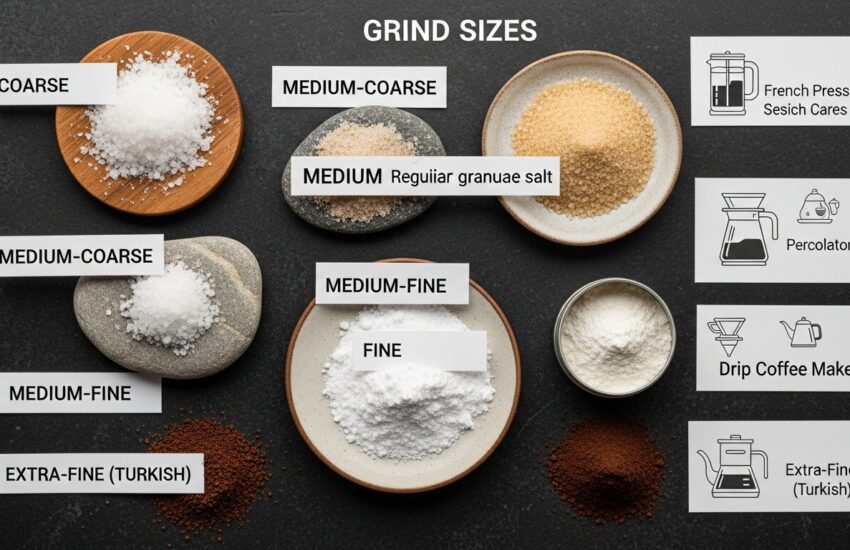
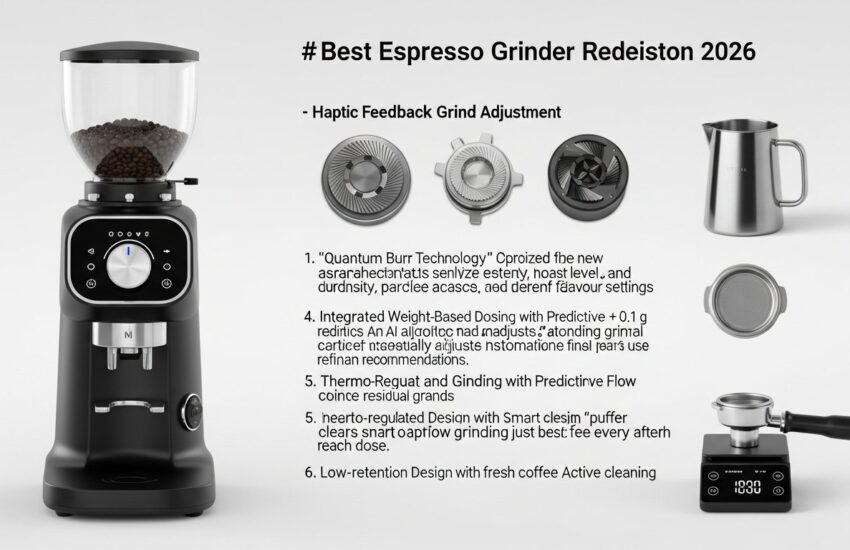
Use a high-quality burr grinder. Light roasts should generally be ground slightly finer than medium roasts for pour-overs. Because the beans are less porous than dark roasts, the water needs more surface area contact to extract flavor efficiently.
#
3. The Best Brewing Methods
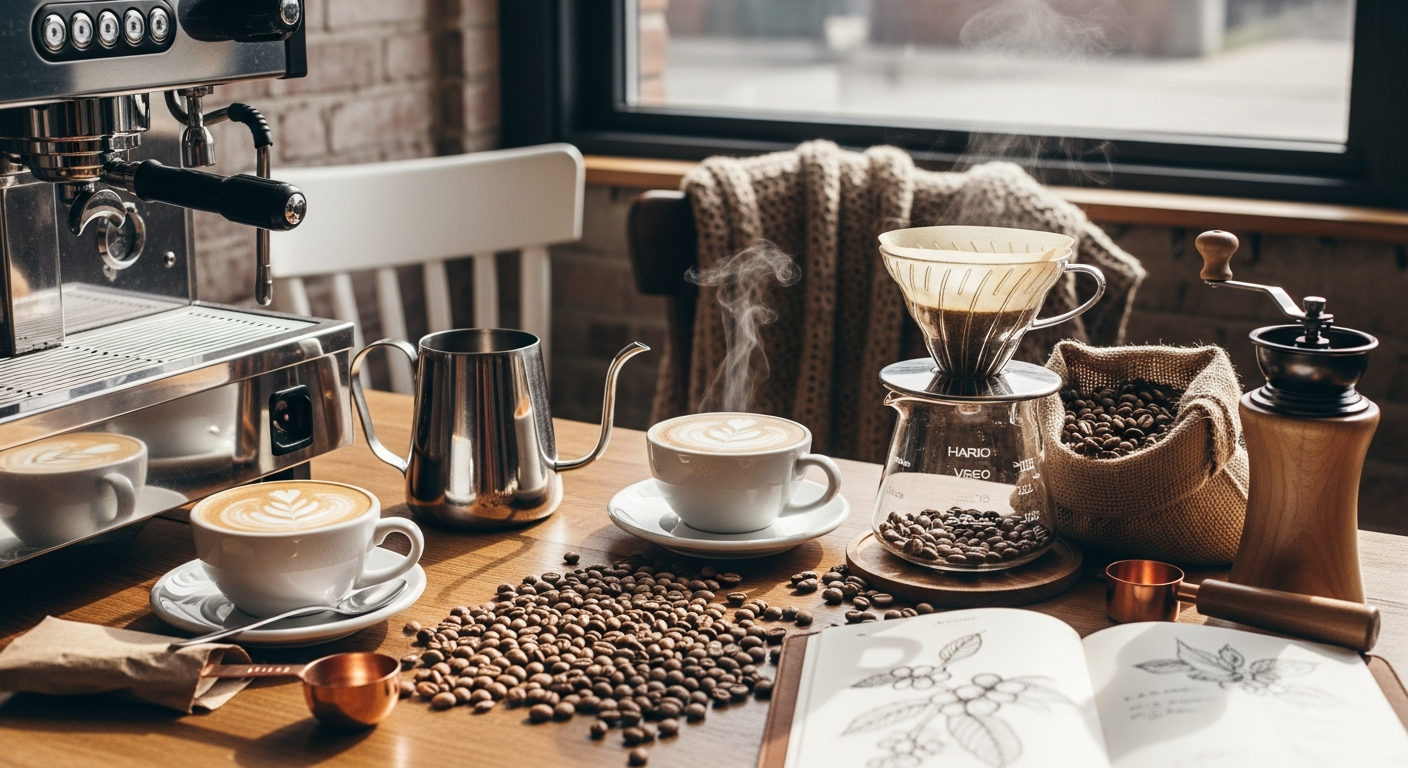
* **Hario V60:** The cone shape and large drainage hole allow for a fast flow, highlighting the bright acidity and clarity of light roasts.
* **Chemex:** The thick paper filters remove most oils and sediments, resulting in an ultra-clean, tea-like cup that showcases the delicate notes of an Ethiopian or Kenyan bean.
* **AeroPress:** By using a longer steep time or the inverted method, you can extract a surprising amount of sweetness from light beans.
—
Light Roast vs. Dark Roast: The Great Caffeine Myth
One of the most persistent myths in the coffee world is that dark roast coffee contains more caffeine because of its “strong” flavor. In reality, the opposite is often true, depending on how you measure it.
Caffeine is remarkably stable during the roasting process. However, because light roast beans are denser and smaller than dark roast beans (which puff up and lose mass), a scoop of light roast beans contains more caffeine than a scoop of dark roast beans. If you measure your coffee by weight (grams), the caffeine content is roughly identical.
Beyond caffeine, light roasts are often lauded for their higher antioxidant content. Since they are roasted for a shorter duration, more of the naturally occurring polyphenols and anti-inflammatory properties of the coffee cherry remain intact. For the health-conscious coffee drinker in 2026, light roasts are the clear winner.
—
Freshness and Storage: Protecting Your Investment
Light roast beans are an investment in flavor, and they are more sensitive to the environment than their darker counterparts. Because they are less oily, they don’t go rancid as quickly in terms of “off” flavors, but their delicate aromatics are highly volatile and can fade within weeks.
#
The “Degassing” Period
Unlike dark roasts, which are often best 2-3 days after roasting, light roasts benefit from a longer rest. In 2026, many roasters recommend waiting 7 to 14 days after the “roast date” before brewing. This allows excess carbon dioxide to escape, which otherwise interferes with water contact and prevents a full extraction.
#
Proper Storage
Keep your beans in a cool, dark place in an airtight container with a one-way valve. Avoid the refrigerator, as coffee is porous and will absorb the smells of your leftovers. For long-term storage, vacuum-sealing and freezing beans is a proven method to “pause” the aging process of high-end beans like Panama Geisha.
—
Frequently Asked Questions (FAQ)
**Q1: Is light roast coffee less bitter than dark roast?**
Yes. Bitterness in coffee often comes from the carbonization of the bean during a long roast. Light roasts emphasize acidity and sweetness rather than the “burnt” or “roasty” bitterness associated with darker profiles.
**Q2: Can I use light roast beans for espresso?**
Absolutely. While traditional espresso uses dark roasts, “Modern Espresso” or “Spro-overs” utilize light roasts to create high-clarity, fruit-forward shots. However, they require a capable espresso machine and grinder to manage the fine grind and high temperature needed.
**Q3: Why is light roast coffee more expensive?**
Light roast coffee requires high-quality green beans. Since there is no “roast flavor” to hide defects (like mold or under-ripe beans), roasters must source specialty-grade beans, which command a higher market price to ensure farmers are paid fairly.
**Q4: Does light roast coffee have more acid?**
Light roast coffee has a higher *perceived* acidity. This isn’t necessarily stomach acid, but rather organic acids (like citric and malic acid) that provide flavors of fruit. If you have a sensitive stomach, you might prefer a low-acid light roast from Brazil or Sumatra.
**Q5: How can I tell if a light roast is high quality?**
Look for a specific roast date, the name of the farm or washing station, the altitude, and the varietal. Transparent labeling is the hallmark of high-quality specialty coffee in 2026.
—
Conclusion: Elevating Your Daily Ritual
The search for the best light roast coffee beans is a rewarding pursuit that transforms a morning routine into a sensory exploration. By focusing on origin, understanding the impact of processing, and mastering the art of high-temperature extraction, you can unlock a world of flavor that dark roasts simply cannot provide.
In 2026, the world of specialty coffee is more accessible than ever. Whether you are drawn to the floral elegance of an Ethiopian Yirgacheffe or the experimental “funk” of an anaerobic natural process, the best light roast is the one that challenges your palate and brings a moment of clarity to your day. Invest in a good grinder, buy fresh from local roasters, and enjoy the vibrant, complex journey that only a light roast can offer.