Electric Burr Grinder vs Blade Grinder: Which Is Better?
Electric Burr Grinder vs. Blade Grinder: Elevating Your Coffee & Culinary Lifestyle
For any enthusiast of the coffee and culinary lifestyle, the choice between an electric burr grinder vs. blade grinder is pivotal. While both can turn whole beans into grounds, only the electric burr grinder consistently delivers the uniform particle size essential for optimal flavor extraction, directly impacting the quality of your brew. Blade grinders, conversely, offer a less precise, chopping action that often compromises taste. This guide will dissect the mechanisms, benefits, and drawbacks of each, empowering you to make an informed decision that elevates your daily coffee ritual and enhances your overall culinary lifestyle.
Understanding the fundamental differences in how each grinder operates is key, but the true impact lies in how these mechanisms translate to your cup. Let’s delve into the specific advantages and disadvantages of each, directly influencing your coffee and culinary lifestyle.
What is an Electric Burr Grinder?
To truly appreciate the nuances of a great cup of coffee within your culinary lifestyle, understanding the tools that create it is paramount. An electric burr grinder stands as the cornerstone for many, revered for its ability to transform whole beans into perfectly uniform grounds. But what exactly makes this piece of coffee equipment so effective?
An electric burr grinder produces a consistent, uniform grind by crushing coffee beans between two abrasive surfaces, known as burrs. This meticulous process preserves the delicate aromatic compounds essential for a superior coffee and culinary lifestyle experience. Unlike its blade counterpart, a burr grinder offers precise control over grind settings, allowing users to select the ideal fineness or coarseness required for specific brewing methods, from the fine consistency needed for espresso to the coarse particles for French press.
How Burr Grinders Work: Conical vs. Flat Burrs
The magic of an electric burr grinder lies in its burr design, typically falling into two main categories: conical and flat. Both are engineered to methodically break down coffee beans, but they achieve this with subtle differences in mechanism and resulting grind characteristics.
- Conical Burrs: These burrs consist of two cone-shaped abrasive elements. One burr remains stationary, while the other rotates, drawing beans down into the grinding chamber. The beans are progressively crushed as they pass through the narrowing gap between the burrs.
- Advantages: Conical burrs are often lauded for their efficiency, requiring less motor power and generating less heat, which is crucial for preserving coffee oils and aroma. They also tend to be quieter and have a longer lifespan, making them a durable choice for a long-term coffee and culinary lifestyle investment.
- Grind Output: While producing a highly consistent grind, conical burrs can sometimes result in a slightly wider particle distribution compared to flat burrs, leading to what some describe as a more “complex” or “full-bodied” extraction.
- Flat Burrs: These grinders feature two parallel, flat abrasive rings. Beans are fed between these two flat surfaces, which spin rapidly to pulverize the coffee.
- Advantages: Flat burrs are known for producing an exceptionally uniform particle size, often described as having a very “tight” distribution. This consistency is highly sought after by baristas and connoisseurs for its ability to yield incredibly clear, clean, and predictable flavor extraction, particularly important for delicate pour-over methods or precise espresso shots.
- Grind Output: The uniformity from flat burrs typically leads to a more defined and brighter flavor profile. However, they may generate slightly more heat and require a more powerful motor than conical burrs.
Regardless of the burr type, an electric burr grinder uses a gear reduction system to spin the burrs at a relatively slow speed, which further minimizes heat generation. This slow, controlled crushing action is fundamental to preventing the degradation of delicate coffee compounds, ensuring that every cup contributes positively to your coffee and culinary lifestyle.
The Advantages of Electric Burr Grinders for Quality Coffee
The superior design and operation of electric burr grinders translate into a host of benefits for anyone serious about the quality of their coffee and their overall culinary lifestyle. These advantages are what make burr grinders a non-negotiable tool for optimal flavor extraction and aroma preservation.
- Unmatched Grind Consistency: The primary advantage is their ability to produce an incredibly uniform particle size. This consistency is paramount because it ensures all coffee particles extract at a similar rate during brewing, leading to a balanced and delicious cup without the undesirable bitterness of over-extraction or the sourness of under-extraction.
- Superior Flavor Extraction: With consistent grounds, water flows evenly through the coffee bed, dissolving the desirable compounds (acids, sugars, oils) in the optimal proportion. This results in a fuller, richer, and more nuanced flavor profile, highlighting the unique characteristics of your chosen coffee beans.
- Adjustable Grind Settings: Electric burr grinders offer a wide range of grind settings, from extra-fine for espresso to coarse for French press or cold brew. This versatility allows you to perfectly match your grind to your preferred brewing method, unlocking the full potential of each technique.
- Low Heat Generation: The slow, controlled grinding process of burr grinders generates minimal heat. High heat can “cook” the beans, stripping away volatile aromatic compounds and contributing to a stale or burnt taste. Burr grinders protect these delicate flavors.
- Durability and Longevity: Built with robust motors and high-quality burrs (often stainless steel or ceramic), burr grinders are designed for frequent, long-term use. While the initial cost is higher, their durability makes them a sound investment over time for the dedicated coffee lover.
- Preservation of Aroma: By minimizing heat and consistently crushing beans, burr grinders ensure that the natural aroma of your coffee beans is preserved from the moment of grinding until it hits your cup, a crucial element for a truly sensory culinary lifestyle experience.
Potential Drawbacks of Burr Grinders
While electric burr grinders are undeniably superior for coffee quality, they do come with a few considerations that prospective buyers should be aware of, especially when balancing quality with practicalities for their coffee and culinary lifestyle.
- Higher Cost: The most significant drawback is their initial investment. Electric burr grinders are considerably more expensive than blade grinders, with entry-level models starting around $50 and high-end options reaching several hundred dollars or more. This cost range reflects the precision engineering and quality materials involved.
- Size and Counter Space: Many burr grinders, especially those with larger hoppers and more powerful motors, can be quite bulky. This might be a concern for individuals with limited space in their kitchen or those who prefer a minimalist aesthetic.
- Noise Levels (Relative): While generally quieter than blade grinders during their actual crushing action, burr grinders still produce a grinding sound. This can vary by model, with some being noticeably louder than others, particularly when grinding coarser for French press or very fine for espresso.
- Maintenance and Cleaning: To maintain optimal performance and prevent stale coffee oils from impacting flavor, burr grinders require regular cleaning of their burrs and grinding chamber. This process, while not overly complicated, takes more effort than simply wiping out a blade grinder.
- Potential for Static Electricity: Some burr grinders, particularly those with plastic components, can generate static electricity, causing coffee grounds to cling to the grinding chamber or dispenser. While not a performance issue, it can make cleanup slightly messier.
What is a Blade Grinder?
[INLINE IMAGE 1: place after second H2]
In stark contrast to the precise engineering of burr grinders, a blade grinder offers a much simpler, albeit less effective, approach to processing coffee beans. Often resembling a small food processor, a blade grinder chops coffee beans with a spinning blade, a mechanism that fundamentally limits its ability to produce consistent results for a discerning coffee and culinary lifestyle.
A blade grinder results in an inconsistent grind with a mix of fine dust and large chunks, which compromises the flavor profile of your brew. This inconsistency is the root cause of many brewing frustrations, from bitter over-extraction to weak, sour under-extraction. While appealing due to its low cost and apparent simplicity, understanding the mechanics of a blade grinder reveals why it falls short for quality coffee preparation.
How Blade Grinders Operate: The Chopping Mechanism
The operation of a blade grinder is straightforward: coffee beans are placed in a chamber where a single or double-pronged stainless steel blade, similar to a propeller, rapidly spins at a very high speed. This chopping action is akin to how a blender or food processor works, pulverizing whatever is in its path through violent impact rather than controlled crushing.
The speed of the blade is often regulated by a simple on/off button or a pulse function. The longer the grinder runs, the finer the “grind” becomes, but this is a deceptive measure. Because the blades simply chop and smash, they cannot produce uniform particles. Instead, they create a chaotic mixture of:
- Fine Dust: Extremely small particles that are easily over-extracted, leading to bitterness and clogging filters.
- Large Chunks: Undersized pieces that are under-extracted, contributing weak and sour notes.
- Everything In Between: A spectrum of irregular sizes that will all extract at different rates during brewing.
This inconsistent particle size is the fundamental flaw of a blade grinder. Furthermore, the high-speed operation generates significant heat generation through friction, which can prematurely “cook” and degrade the delicate aromatic compounds within the coffee beans even before brewing begins, negatively impacting the final flavor preservation. The fast, uncontrolled impact also tends to create more static electricity, causing coffee grounds to cling stubbornly to the grinding chamber, making cleanup messy.
The Limitations of Blade Grinders for Consistent Brewing
The inherent design of blade grinders places significant limitations on their ability to contribute positively to a sophisticated coffee and culinary lifestyle. These limitations directly compromise grind consistency and, consequently, the flavor extraction and overall quality of your brewed coffee.
- Poor Grind Consistency: As highlighted, the chopping mechanism produces an inconsistent grind. This means you’ll have a mix of powder and large fragments. When brewing, the small particles will extract quickly, leading to over-extraction and bitterness, while the large chunks will under-extract, resulting in sourness and a weak body. It’s nearly impossible to achieve a balanced cup.
- Degraded Flavor Profile: The uneven extraction directly compromises the flavor profile. Instead of tasting the nuanced notes inherent in your coffee, you’ll often experience a muddled, harsh, or bland cup. The high heat generation from the rapidly spinning blades also burns off volatile aromatic compounds, stripping the coffee of its natural fragrance and vitality even before brewing.
- Lack of Adjustable Grind Settings: Blade grinders offer no true grind settings. The fineness is controlled solely by how long you run the grinder, which is a crude and unreliable method. Achieving specific grind sizes for different brewing methods (e.g., fine for espresso, coarse for French press) is practically impossible with any precision.
- High Heat Generation: The friction created by the fast-moving blades quickly heats the coffee beans. This heat damages the fragile coffee oils and aromas, leading to a dull, sometimes metallic, taste. This is antithetical to the goal of flavor preservation.
- High Noise Level: Blade grinders are notoriously loud. The rapid chopping action creates a sharp, high-pitched whirring sound that can be jarring, especially early in the morning, detracting from the peaceful ritual of coffee preparation.
- Short Lifespan and Dull Blades: The stainless steel blades can dull over time, further reducing their already poor grinding effectiveness. They are generally not designed for long-term, high-performance use, often having a shorter overall durability compared to burr grinders.
Why Blade Grinders Might Still Be Considered (for specific use cases)
Despite their significant drawbacks for coffee, blade grinders aren’t entirely obsolete and can still find a place in a broader culinary lifestyle, albeit with specific, non-coffee-centric use cases. It’s crucial to understand these limitations to make an informed decision and manage expectations regarding your coffee and culinary lifestyle.
- Extremely Low Cost: This is the primary driver for their popularity. Blade grinders are significantly cheaper than even entry-level burr grinders, making them an accessible option for those on a very tight budget who just need to break up whole beans. Their cost range typically falls between $15-$50.
- Multi-Purpose Use: Perhaps the most practical application for a blade grinder is not coffee at all. They excel as spice grinders. Their chopping action is perfectly adequate for pulverizing whole spices like peppercorns, cumin seeds, or dried herbs. This versatility can make them a useful, inexpensive tool in a kitchen that prepares a variety of dishes, even if not for daily coffee.
- Occasional, Non-Critical Grinding: For someone who drinks coffee very infrequently, isn’t particular about flavor, or is just experimenting with whole beans for the first time, a blade grinder might serve as a temporary solution. It’s an entry point for breaking whole beans, but it should not be considered a serious piece of coffee equipment for enthusiasts.
- Portability: Due to their simple design and often compact size, some blade grinders can be quite portable, making them easy to pack for travel or for use in small spaces where a dedicated coffee grinder is not practical.
However, for any serious coffee drinker or anyone aspiring to enhance their coffee and culinary lifestyle, a blade grinder represents a compromise that will invariably lead to disappointment in the cup. The minimal benefits in cost and versatility are often outweighed by the significant detriment to coffee flavor extraction and grind consistency.
Electric Burr Grinder vs. Blade Grinder: Which Delivers Superior Coffee?
When the question shifts from “what are they?” to “which is better for my coffee and culinary lifestyle?”, the answer becomes unequivocally clear: the electric burr grinder delivers a vastly superior coffee experience. The differences in their fundamental operation directly translate to the quality of your brew, affecting everything from taste to aroma and even the brewing process itself. Let’s make a direct comparison across the most critical metrics.
Grind Consistency and Particle Uniformity
This is the single most important factor differentiating the two grinders and the cornerstone of superior coffee. An electric burr grinder produces an exceptionally uniform particle size because it crushes beans methodically between two burrs. This means nearly every ground particle is the same size, allowing for even water flow and consistent flavor extraction during brewing. Whether you need a fine powder for espresso or a coarse grind for French press, a burr grinder can achieve it with precision.
In stark contrast, a blade grinder chops beans with a spinning blade, resulting in an inconsistent grind. This produces a mix of fine dust, medium-sized particles, and large chunks. The fine dust over-extracts quickly, releasing bitterness, while the large chunks under-extract, leading to sourness and a thin body. The result is a muddled, unbalanced, and often unpleasant cup of coffee. For any coffee and culinary lifestyle enthusiast, this lack of grind consistency is a fatal flaw.
Impact on Flavor Extraction and Aroma Preservation
The method of grinding directly impacts the flavor extraction and aroma preservation in your coffee. The controlled, low-heat crushing of an electric burr grinder preserves the delicate aromatic compounds and oils within the coffee beans. This allows for optimal extraction of desirable flavors during brewing, leading to a rich, nuanced, and truly representative flavor profile of the bean’s origin and roast.
Conversely, the high-speed chopping of a blade grinder generates significant heat generation. This heat effectively “cooks” the beans as they are ground, causing the volatile aromatic compounds to dissipate before they even reach your brewer. The inconsistent grind also leads to uneven extraction, resulting in a cup that is often bitter, sour, or flat, lacking depth and vibrancy. The compromise on flavor preservation is considerable, making it impossible to achieve a truly elevated coffee and culinary lifestyle experience with a blade grinder.
Cost, Durability, and Maintenance Comparison
The differences extend beyond taste to practical considerations for your coffee equipment investment.
- Cost: Blade grinders are significantly cheaper, typically ranging from $15-$50. Electric burr grinders are a higher initial investment, usually starting around $50 for basic models and going up to $300+ for high-quality, durable units.
- Durability: Burr grinders, with their robust motors and high-quality burr sets (often ceramic or hardened steel), are built for durability and long-term performance. With proper care, they can last for many years. Blade grinders, conversely, tend to have a shorter lifespan. Their stainless steel blades can dull, and the motors are often less robust, making them prone to wear and tear with regular use.
- Maintenance: Both require cleaning, but in different ways. Burr grinders need regular brushing and occasional deeper cleaning of the burrs to prevent oil buildup, which can affect flavor. Blade grinders are simpler to wipe out, but the residual coffee dust and oils can be harder to remove completely due to static electricity, and dull blades are often not replaceable, meaning the unit’s effectiveness diminishes over time.
[INLINE IMAGE 2: place after fourth H2]
Noise Levels and User Experience
The daily ritual of coffee preparation should be a pleasant one, and noise levels play a role in that user experience. Blade grinders are often characterized by a high-pitched, jarring whirring sound due to their high-speed motor and chopping action. This can be quite loud and disruptive, especially in a quiet morning setting.
Electric burr grinders, while not entirely silent, typically produce a more subdued, grinding rumble. Many models are designed with sound dampening features, and the slower, more controlled crushing action inherently generates less sharp noise. This contributes to a more peaceful and enjoyable start to your day and complements a thoughtful coffee and culinary lifestyle.
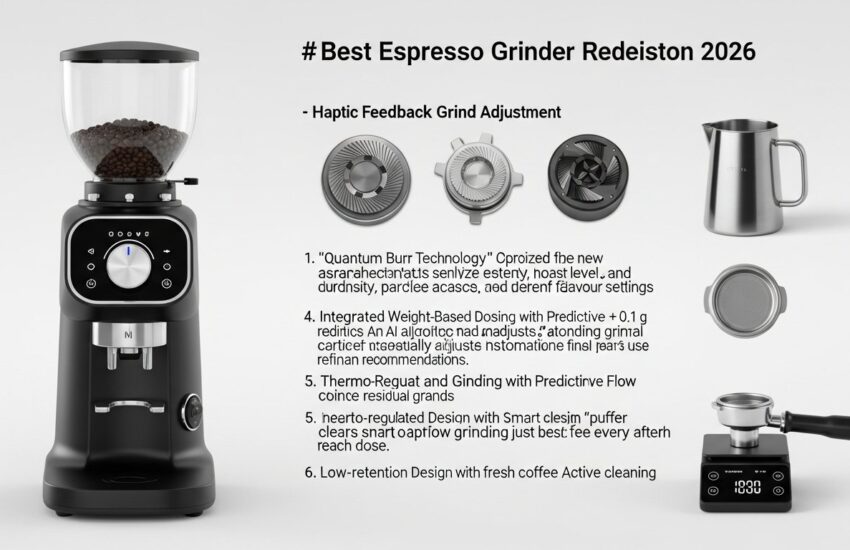
For a quick overview, refer to our comparison table:
| Feature/Attribute | Electric Burr Grinder | Blade Grinder |
|---|---|---|
| Grind Mechanism | Crushes beans between two abrasive burrs (conical/flat) | Chops beans with a spinning blade (like a propeller) |
| Grind Consistency | Excellent; uniform particle size | Poor; inconsistent mix of fine dust and large chunks |
| Heat Generation | Minimal; preserves coffee oils and aroma | High; can “cook” beans, degrading flavor |
| Flavor Impact | Optimal extraction, rich, nuanced flavor | Uneven extraction, bitter, dull flavor |
| Adjustable Grind Settings | Wide range (fine to coarse) for various brew methods | Limited to “pulse” duration; no true grind size control |
| Cost | Higher (typically $50-$300+) | Lower (typically $15-$50) |
| Noise Level | Moderate to low (grinding sound) | High (whirring/chopping sound) |
| Durability | Generally high, with proper maintenance | Lower; blades dull over time |
| Recommended Use | All coffee brewing methods (espresso, pour-over, etc.) | Occasional, non-critical grinding; spices |
| Maintenance | Regular cleaning of burrs | Simple wiping; blades may need sharpening/replacement |
How to Choose the Right Grinder for Your Coffee & Culinary Lifestyle?
Making the right choice between an electric burr grinder vs. blade grinder boils down to understanding your priorities and how committed you are to your coffee and culinary lifestyle. While the quality debate heavily favors burr grinders, practical factors like budget, brewing methods, and even kitchen space play a crucial role in your final decision.
Considering Your Brewing Methods
Your preferred way of brewing coffee is perhaps the most critical factor in choosing a grinder. Different brewing methods require very specific grind sizes to achieve optimal flavor extraction. For example:
- Espresso: Requires an extra-fine, consistent grind. An electric burr grinder with precise micro-adjustments is absolutely essential for pulling quality espresso shots. A blade grinder simply cannot achieve this.
- Pour Over & Drip Coffee: These methods need a medium to medium-fine grind. Consistency is still key to prevent channeling (in pour-over) or uneven extraction (in drip), which a burr grinder excels at.
- French Press & Cold Brew: These immersion methods require a coarse, uniform grind to prevent sludge and over-extraction. A burr grinder will produce distinct, evenly sized particles that are ideal. A blade grinder will create too much fine dust, resulting in a muddy, bitter brew.
If you’re brewing anything other than instant coffee or simply don’t care about the taste, an electric burr grinder is the only viable option for a truly rewarding coffee and culinary lifestyle.
Budget and Investment in Quality
The financial aspect is often a primary concern. Blade grinders are inexpensive, typically costing between $15 and $50. If your budget is extremely limited and you absolutely cannot stretch it, a blade grinder *can* technically break up whole beans. However, this comes at a significant cost to flavor preservation and overall coffee quality.
An electric burr grinder represents a greater initial investment, with quality entry-level models starting around $50-$100, and more advanced options ranging from $150 to $300+. When considering this, think of it as an investment in the consistent enjoyment of your daily coffee. A good burr grinder is a durable piece of coffee equipment that will elevate every cup for years to come, making the higher upfront cost worthwhile for a committed coffee and culinary lifestyle enthusiast.
Space and Aesthetic Preferences
While less impactful on coffee quality, the physical presence of your grinder can matter. Blade grinders are generally more compact and lightweight, making them easier to store or transport if space is at a premium or if you need a portable option for camping (though manual burr grinders are better for portability).
Electric burr grinders tend to be larger and heavier due to their more robust motors and burr mechanisms. Consider your available counter space and kitchen aesthetic preferences. Many burr grinders are designed to be attractive countertop appliances, becoming a visual complement to your coffee and culinary lifestyle setup. Others might be more utilitarian. Measure your space and compare it with grinder dimensions to ensure a comfortable fit.
Does Grind Size Really Matter for Different Brewing Methods?
Yes, grind size matters immensely – it is arguably the most crucial variable, after bean quality, for flavor extraction. For anyone invested in a serious coffee and culinary lifestyle, understanding why grind consistency and appropriate grind size are so important is fundamental to unlocking the full potential of their coffee.
The science of coffee brewing revolves around the controlled dissolution of soluble compounds from coffee grounds into hot water. The surface area of these grounds directly impacts the rate at which these compounds extract. Too fine, and too much extracts too quickly, leading to bitterness and astringency. Too coarse, and not enough extracts, resulting in a weak, sour, or watery cup. This is why a precise, adjustable, and consistent grinder like an electric burr grinder is indispensable.
The Science of Extraction and Grind Size
The principles of extraction are straightforward but profound:
- Surface Area: A finer grind means more surface area is exposed to water. This increases the rate of extraction. Conversely, a coarser grind has less surface area, slowing down extraction.
- Brew Time: Different brewing methods have varying contact times between water and coffee.
- Espresso, with its very short contact time (20-30 seconds), requires an extra-fine grind to ensure sufficient extraction within that brief window.
- French Press, with a much longer immersion time (4-5 minutes), needs a very coarse grind to prevent over-extraction and bitterness.
- Water Flow Rate: Grind size also affects how easily water can flow through the coffee bed. A very fine grind can restrict water flow (like in espresso, creating pressure for extraction), while too fine a grind in a pour-over can choke the brewer, leading to uneven extraction or clogging. A coarser grind allows for faster flow.
- Particle Uniformity: This is where grind consistency from an electric burr grinder becomes critical. If you have a mix of fine dust and large chunks (as with a blade grinder), the fine particles will over-extract while the large ones under-extract. This leads to a coffee that is simultaneously bitter (from the fines) and sour/weak (from the coarse pieces), a truly undesirable outcome for any coffee and culinary lifestyle.
By controlling grind size, you gain control over the variables that dictate the final taste. It allows you to tailor your coffee to each brewing method, ensuring you always extract the sweet, aromatic compounds while leaving behind the less desirable bitter elements.
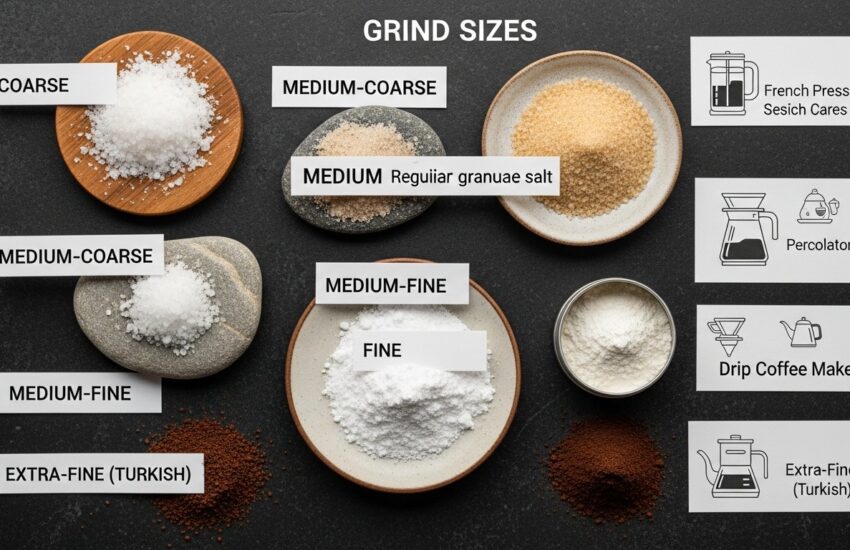
Recommended Grind Sizes for Popular Brews
Having an electric burr grinder with a wide range of precise grind settings empowers you to perfectly match the grind to your chosen brewing method. Here’s a general guide:
| Brewing Method | Recommended Grind Size | Ideal Grinder Type |
|---|---|---|
| Espresso | Extra-Fine (like powdered sugar) | Electric Burr |
| Turkish | Powder (finer than espresso) | Electric Burr |
| Pour Over | Medium-Fine (like table salt) | Electric Burr |
| Drip Coffee | Medium (like regular sand) | Electric Burr |
| Aeropress | Fine to Medium (method dependent) | Electric Burr |
| French Press | Coarse (like sea salt) | Electric Burr |
| Cold Brew | Extra-Coarse (like breadcrumbs) | Electric Burr |
This table underscores the necessity of a burr grinder. A blade grinder cannot consistently produce any of these specific grind sizes, making it a severe limitation for anyone serious about their coffee and culinary lifestyle.
Beyond the Grind: Other Essential Coffee Equipment for Enthusiasts
While the grinder is paramount, it’s just one piece of the puzzle in cultivating an exceptional coffee and culinary lifestyle. To truly elevate your experience, consider these other essential coffee equipment:
- Quality Coffee Beans: Freshly roasted, high-quality whole beans are the foundation of any great cup. Explore various origins and roast levels to discover your preferences.
- Accurate Scale: Precision matters. A digital scale that measures in grams is vital for accurately weighing your coffee beans and water, ensuring consistent ratios for optimal extraction.
- Temperature-Controlled Kettle: Water temperature significantly impacts extraction. A kettle with precise temperature control (especially for pour-over) ensures you hit the ideal range (typically 195-205°F or 90-96°C) for brewing.
- Preferred Brewing Device: Whether it’s an espresso machine, a pour-over dripper, a French press, or a high-quality automatic drip coffee maker, choose a device that matches your style and desired flavor profile.
- Storage Solutions: Airtight, opaque containers (like specialized coffee canisters) help protect your whole beans from light, air, and moisture, prolonging their freshness.
- Cleaning Supplies: Regular cleaning of all your coffee equipment, from your grinder to your brewer, is essential to prevent stale coffee oils from accumulating and tainting the flavor of your fresh brews.
Investing in these tools, alongside a top-tier electric burr grinder, forms a comprehensive setup for anyone passionate about experiencing coffee at its finest and integrating it seamlessly into their enriched culinary lifestyle.
Conclusion: The Undeniable Choice for a Refined Coffee Experience
In the debate of electric burr grinder vs. blade grinder, the path to a superior coffee and culinary lifestyle is unequivocally clear: the electric burr grinder is the only choice for achieving truly outstanding coffee. Its ability to produce a consistent, uniform grind directly translates to optimal flavor extraction, delicate aroma preservation, and the versatility to perfect any brewing method, from espresso to French press.
While the blade grinder may entice with its lower cost and multi-purpose appeal for spice grinding, its crude chopping mechanism inevitably results in an inconsistent grind, high heat generation, and a compromised flavor profile that will leave serious coffee drinkers perpetually disappointed. The fleeting savings are not worth the sacrifice in taste and aroma.
For those who view coffee not just as a beverage, but as an integral part of their culinary lifestyle – a daily ritual to be savored and perfected – investing in a quality electric burr grinder is a non-negotiable step. It is an investment in precision, flavor, and the consistent joy of a truly great cup, ensuring that every sip contributes to a richer, more aromatic experience in your home in 2026 and beyond.