how to make oat latte
The Ultimate Guide to the Perfect Oat Latte: Crafting Barista-Quality Coffee at Home
There is a reason the oat latte has claimed the throne as the most popular plant-based beverage in specialty coffee shops worldwide. As we move into 2026, the trend of home brewing has evolved from a simple morning necessity into a sophisticated craft. Coffee lovers are no longer satisfied with a watery substitute; they demand the creamy, buttery, and naturally sweet profile that only high-quality oat milk can provide. Unlike almond or soy milk, which can sometimes curdle or overpower the delicate notes of a light roast, oat milk behaves remarkably like dairy. Its ability to stretch, foam, and marry with espresso makes it the gold standard for vegan caffeine enthusiasts. In this comprehensive guide, we will break down the science and technique behind the perfect oat latte, ensuring that your home kitchen rivaled the best cafes in the city. Whether you are using a professional espresso machine or a simple handheld frother, mastering the oat latte is your ticket to a superior coffee experience.
Why Oat Milk is the Superior Choice for Home Baristas
When discussing plant-based alternatives, the chemistry of the milk is just as important as the flavor. For a long time, home baristas struggled with plant milks that would “break” or separate when hitting the acidic environment of a hot espresso shot. Oat milk changed the game because of its unique carbohydrate and protein structure.
Most high-quality “Barista Edition” oat milks are formulated with a slightly higher fat content—usually through the addition of rapeseed or sunflower oil—and acidity regulators like dipotassium phosphate. These additions aren’t just for taste; they ensure the milk can withstand the heat of steam without curdling. In 2026, we are seeing even more refined formulas that mimic the mouthfeel of whole milk without the heavy aftertaste of nuts or legumes.
From a flavor perspective, oat milk is naturally sweet thanks to the enzymatic process that breaks down oat starches into maltose. This means you often don’t need added syrups to enjoy a well-balanced latte. The toasted, cereal-like notes of the oats complement the chocolatey and nutty profiles of medium to dark roast coffees, creating a cohesive beverage that feels indulgent yet remains entirely plant-based.
The Essential Toolkit: Ingredients and Equipment
To make a truly exceptional oat latte, you need more than just any coffee and any milk. The quality of your components dictates the ceiling of your results.
#
1. The Beans
For an oat latte, look for a medium or medium-dark roast. While light roasts are excellent for pour-overs, their high acidity can sometimes clash with the earthy tones of oat milk. Look for beans with tasting notes of milk chocolate, caramel, or toasted pecans. Ensure your beans are fresh—ideally roasted within the last 14 to 21 days—to ensure a thick, rich crema on your espresso.
#
2. The Oat Milk
Not all oat milks are created equal. For frothing, you **must** use a “Barista Edition” or “Professional” version. Standard oat milk from the refrigerated aisle is often too thin and lacks the stabilizers necessary to hold microfoam. Barista versions are designed to be steamed to 140°F (60°C) while maintaining a silky texture.
#
3. The Water
Coffee is 98% water. If your tap water is hard or contains chlorine, your latte will taste dull. Use filtered water to protect your equipment from scale buildup and to allow the nuances of the coffee to shine through.
#
4. The Hardware
While an espresso machine is the gold standard, you can achieve great results with:
* **A Moka Pot or AeroPress:** To create a “concentrated” coffee base.
* **A Steam Wand, Electric Frother, or French Press:** To texture the milk.
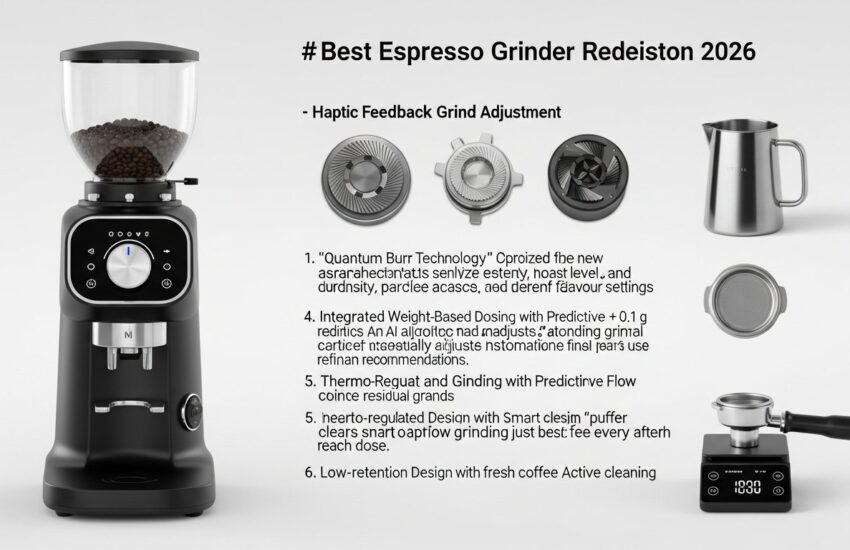
* **A Digital Scale:** For consistency. 2026 brewing is all about precision.
Step-By-Step: Pulling the Perfect Espresso Base
The foundation of every great latte is the espresso. If the extraction is sour or bitter, no amount of creamy oat milk can save it.
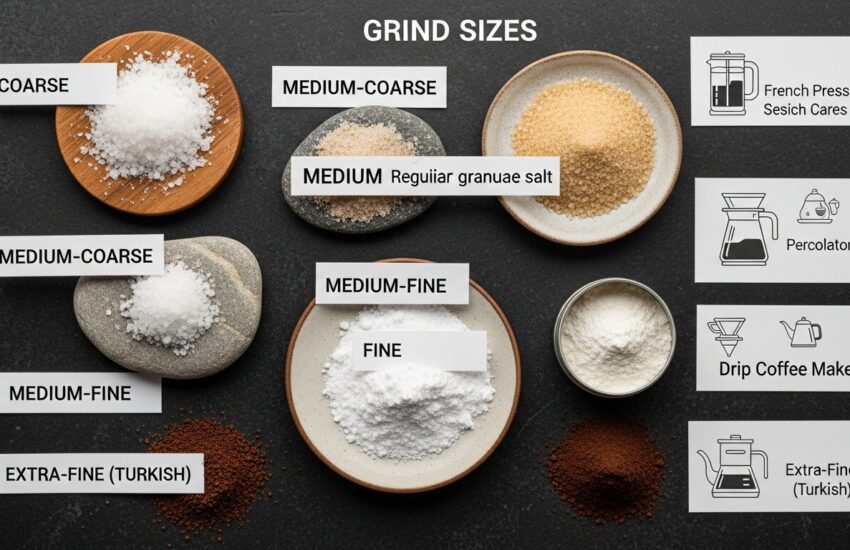
**Step 1: The Dose.** Weigh out 18 grams of finely ground coffee into your portafilter. Consistency is the hallmark of a home barista; using a scale ensures that every shot tastes the same.
**Step 2: The Distribution and Tamp.** Level the grounds with a distribution tool or your finger to ensure there are no air pockets. Apply firm, even pressure with your tamper. A crooked tamp leads to “channeling,” where water rushes through one side of the puck, resulting in a weak, uneven flavor.
**Step 3: The Extraction.** Aim for a “brew ratio” of 1:2. This means for your 18 grams of dry coffee, you want about 36 grams of liquid espresso in the cup. This should ideally take between 25 and 30 seconds. If it’s too fast, grind finer. If it’s too slow, grind coarser.
**Step 4: The Evaluation.** Look for a rich, hazelnut-colored crema on top. Give it a quick stir to incorporate the different layers of the shot before adding your milk. If you don’t have an espresso machine, use a Moka pot to create a 2-ounce concentrated “shot” of coffee.
Mastering the Art of Steaming Oat Milk
Texturing oat milk is the most challenging part of the process, but also the most rewarding. Unlike dairy milk, oat milk has a “sweet spot” for temperature that is slightly lower. If you overheat oat milk (above 150°F/65°C), it begins to lose its sweetness and takes on a burnt, grainy flavor.
#
The Aeration Phase (The “Stretch”)
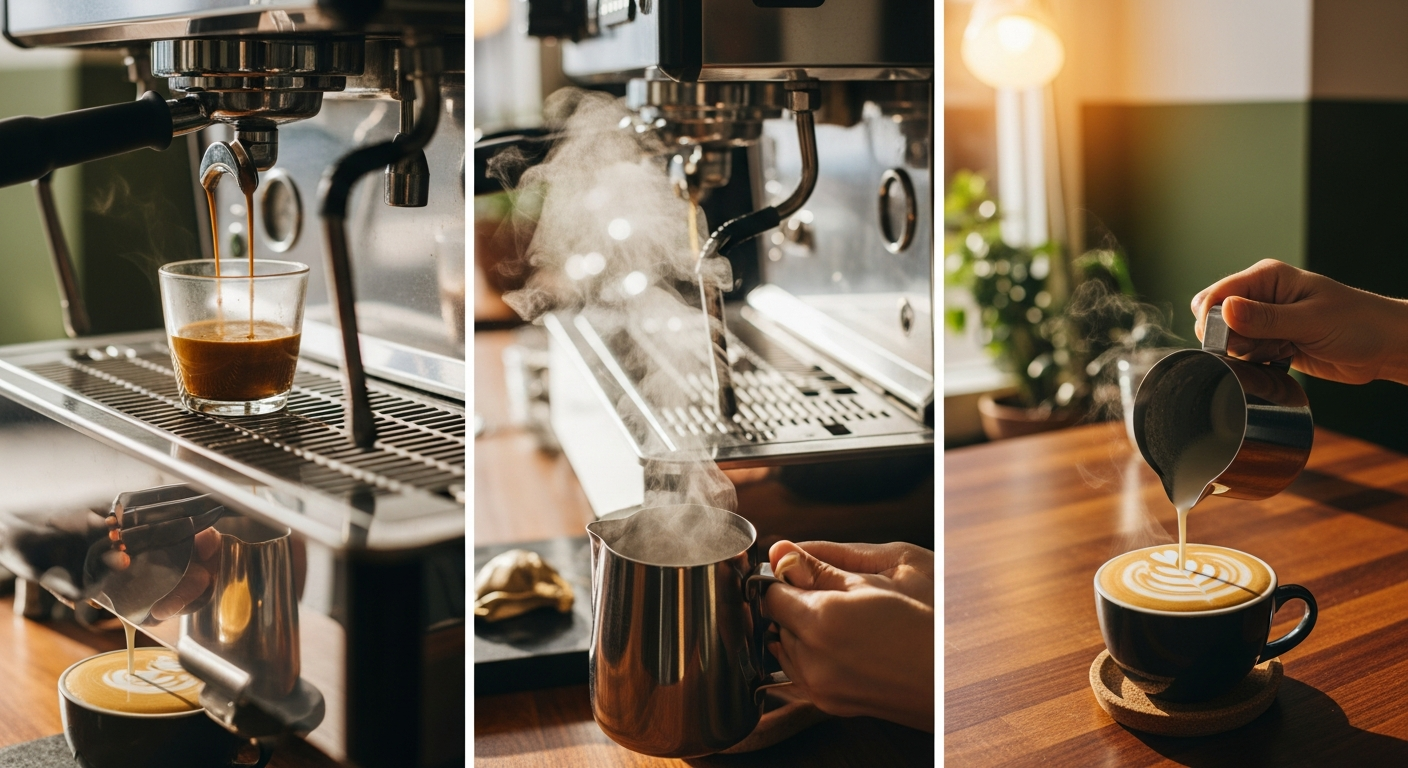
Submerge the tip of the steam wand just below the surface of the milk. Turn on the steam and listen for a “paper tearing” sound. This is the sound of air being introduced into the milk. For a latte, you only want to do this for 2 to 3 seconds. You want microfoam—tiny, invisible bubbles—not big, soapy suds.
#
The Integration Phase (The “Roll”)
Once you’ve added enough air, submerge the wand slightly deeper and tilt the pitcher to create a vortex. This “rolls” the milk, breaking down any larger bubbles and integrating the foam into the liquid. This creates “wet paint” texture—the silky, glossy finish required for latte art.
#
The Temperature
Hold the bottom of the pitcher with your hand. When it becomes uncomfortably hot to the touch, you are at approximately 140°F (60°C). Turn off the steam immediately. Tap the pitcher on the counter and swirl it to maintain that glossy finish before pouring.
Flavor Variations and Modern Twists for 2026
While a classic oat latte is a masterpiece on its own, the versatility of oat milk allows for incredible flavor experimentation. As we look toward the coffee trends of 2026, several variations have emerged as favorites among home baristas.
* **The Brown Sugar & Cinnamon Oat Latte:** Inspired by the popular “shaken espresso” trend, adding a teaspoon of dark brown sugar and a pinch of cinnamon to your hot espresso before adding the milk creates a warm, autumnal flavor profile that highlights the grain notes of the oats.
* **The Miso-Caramel Latte:** For those who enjoy a savory-sweet balance, a tiny drop of white miso paste whisked into caramel sauce provides a complex, umami depth that pairs beautifully with the creaminess of oat milk.
* **Iced Oat Milk Matcha Latte:** While not coffee-based, the technique remains the same. The earthiness of ceremonial grade matcha is famously improved by the natural sweetness of oat milk.
* **The Honey and Sea Salt Latte:** A drizzle of high-quality wildflower honey and a tiny pinch of flakey sea salt can elevate an everyday latte into a gourmet experience.
Regardless of the flavoring, remember the rule of thumb: always add your syrups or spices to the espresso *first*. This allows the heat of the coffee to dissolve the ingredients properly before the milk dilutes the mixture.
Troubleshooting and Latte Art Tips
Many home baristas get frustrated when their oat milk doesn’t produce the beautiful heart or rosetta patterns they see on Instagram. Oat milk is slightly less “elastic” than dairy, which means your technique must be precise.
**If your milk is too thick:** You aerated for too long. Next time, reduce the “tearing” sound to just a second or two. Thick foam is great for a cappuccino, but for a latte, you want it to flow easily.
**If your milk is too thin:** You didn’t introduce enough air at the beginning. Ensure the tip of the wand is close enough to the surface to create those chirping sounds.
**For Latte Art:** Start your pour high and in the center of the cup to allow the milk to sink under the espresso. Once the cup is half full, bring the spout of the pitcher down close to the surface and increase the flow rate. This is when the white foam will begin to “bloom” on top of the crema. With oat milk, you have to move a bit faster than you would with dairy, as the foam tends to settle and separate more quickly.
FAQ: Everything You Need to Know About Oat Lattes
**1. Can I use homemade oat milk for a latte?**
While you can, it is notoriously difficult to froth. Homemade oat milk often lacks the fats and stabilizers found in commercial “Barista Edition” brands. Without these, the milk tends to become “slimy” when heated or simply fails to hold any air. For the best results, stick to professional-grade store-bought options.
**2. Why does my oat milk curdle in my coffee?**
Curdling is usually caused by a reaction between the acidity of the coffee and the temperature of the milk. This is common with lighter roast coffees which are naturally more acidic. To prevent this, try “tempering” the milk by adding a small amount of coffee to the milk first, or use a Barista Edition milk which contains acidity regulators.
**3. Is an oat latte healthier than a dairy latte?**
“Healthy” depends on your dietary goals. Oat milk is typically lower in saturated fat than whole dairy milk and is, of course, lactose-free and vegan. However, it is often higher in carbohydrates and may contain added oils or sugars. Always check the label if you are monitoring your caloric or sugar intake.
**4. What is the best temperature for an oat latte?**
The sweet spot is 140°F (60°C). Going above 150°F will cause the proteins to break down, resulting in a loss of sweetness and a thin, watery texture. If you like your coffee extra hot, you may find that oat milk is not the best candidate for high-temperature steaming.
**5. How long does barista oat milk stay fresh after opening?**
Once opened, most barista oat milks should be consumed within 7 to 10 days. Always keep it refrigerated. Because it contains fats and proteins, it can spoil just like dairy, though it generally has a slightly longer shelf life.
Conclusion: The Joy of the Home Brew
Mastering the oat latte is a journey of precision, patience, and high-quality ingredients. By 2026, the technology available to home baristas—from high-end grinders to specialized plant-based milks—has made it possible to replicate the cafe experience without leaving your kitchen. The key lies in the details: choosing the right medium roast bean, using a Barista Edition oat milk, and respecting the temperature limits of the steam wand.
Beyond the technicalities, making an oat latte at home is a rewarding ritual. It’s an opportunity to slow down, focus on the sensory experience of the grind and the pour, and enjoy a beverage that is as sustainable as it is delicious. With the tips and techniques outlined in this guide, you are well on your way to pouring the perfect, silky-smooth oat latte every single morning. Happy brewing!