
pull perfect espresso shots guide
Master the Craft: The Ultimate Guide to Pulling Perfect Espresso Shots
For the home barista, the quest for the “God Shot”—that elusive, syrupy, perfectly balanced extraction—is both a science and a ritual. Espresso is perhaps the most demanding way to brew coffee; it requires precision, patience, and a deep understanding of how variables interact under pressure. Whether you are unboxing your first semi-automatic machine or you are a seasoned enthusiast looking to refine your technique, mastering the espresso pull is a journey of constant adjustment. This guide is designed to strip away the intimidation and provide a definitive roadmap to excellence. By focusing on the core pillars of extraction—grind, dose, yield, and time—you can transform your kitchen into a high-end café. In 2026, the technology available to home users is better than ever, but the fundamentals remains the same. Let’s dive into the mechanics of how to pull perfect espresso shots every single time.
—
1. The Foundation: Fresh Beans and Chemistry-Grade Water
Before you ever engage the pump on your machine, the quality of your output is capped by your input. You cannot “extract” flavor that isn’t there. When following a pull perfect espresso shots guide, the first rule is always the freshness of the bean.
#
The Roast Date
Ideally, you should use beans that were roasted between 7 and 21 days ago. Beans that are too fresh (under 5 days) contain excessive carbon dioxide, which creates a “fizzy” crema and uneven extraction. Conversely, stale beans lose their volatile oils, resulting in a thin, watery shot with no body. Look for medium to medium-dark roasts, as they offer the soluble sugars necessary for that classic chocolatey, syrupy espresso mouthfeel.
#
Water Quality: The Silent Ingredient
Espresso is 98% water. If your water tastes like chlorine or is excessively hard, your espresso will suffer regardless of your technique. Hard water leads to lime-scale buildup in your machine and a chalky taste in the cup. On the other hand, distilled or “too soft” water can lead to a flat, overly acidic extraction because minerals are needed to “grab” the coffee flavors. For 2026 standards, many baristas use third-wave water mineral packets or specialized filtration pitchers to ensure a Total Dissolved Solids (TDS) count of around 150ppm.
—
2. The Grind: Finding the “Sweet Spot”
The most important tool in your arsenal isn’t actually your espresso machine—it’s your grinder. To pull a perfect shot, you need a high-quality burr grinder capable of “stepless” adjustments.
#
Why Grind Size Matters
Espresso requires a very fine grind, similar to the texture of powdered sugar or fine table salt. The grind size determines the “resistance” the coffee puck provides against the pressurized water.
* **Too Coarse:** The water gushes through too quickly (under-extraction), resulting in a sour, salty, and thin shot.
* **Too Fine:** The water struggles to pass through (over-extraction), resulting in a bitter, burnt, and “ashy” taste.
#
Dialing In
“Dialing in” is the process of adjusting your grinder to find the perfect flow rate. In 2026, many home grinders feature digital micro-adjustments, but the sensory check remains the same. If your shot is running too fast, move the grind finer. If it’s choking the machine, go coarser. Remember: even a microscopic change in grind size can result in a 5-second difference in brew time.
—
3. Puck Preparation: The Art of Consistency
Even with the perfect grind, your shot can fail due to “channeling.” Channeling occurs when water finds a path of least resistance through the coffee bed, bypassing the rest of the grounds. This leads to a shot that is simultaneously sour and bitter.
#
Dosing
Use a digital scale to weigh your coffee. A standard double shot usually requires 18 grams of coffee. Consistency is key; if you use 17.5g one day and 18.5g the next, your shots will never be the same.
#
Distribution (WDT Technique)
Once the grounds are in the portafilter, they are often clumped. Use a WDT (Weiss Distribution Technique) tool—a set of fine needles—to stir the grounds. This breaks up clumps and ensures an even density across the basket. This step has become a gold standard in 2026 for home baristas who want professional-level results.
#
Tamping
The goal of tamping is not to “crush” the coffee, but to remove air pockets.
1. Ensure the bed is level.
2. Apply firm, even pressure (about 20-30 lbs, though the exact weight matters less than being level).
3. Ensure the tamp is perfectly horizontal. A “slanted” tamp causes the water to flow to one side, ruining the extraction.
—
4. The Extraction: Managing the Variables
Once the portafilter is locked in, the magic happens. To pull perfect espresso shots, you must monitor three primary variables: the **Dose**, the **Yield**, and the **Time**.
#
The 1:2 Ratio
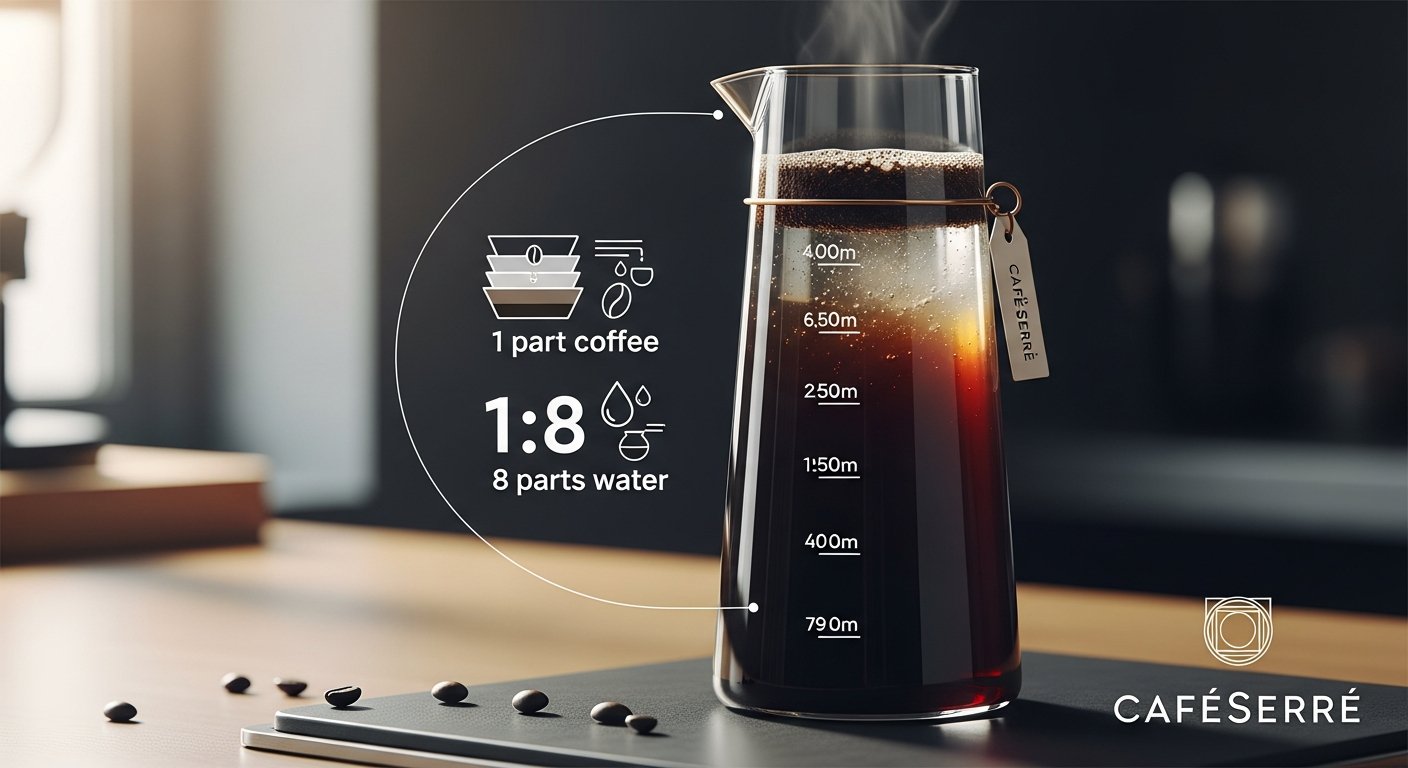
A classic starting point for espresso is a 1:2 ratio. This means for every 1 gram of dry coffee in the basket, you want 2 grams of liquid espresso in the cup.
* **Input:** 18g of ground coffee.
* **Target Output:** 36g of liquid espresso.
#
The Brew Window
Generally, a 1:2 extraction should take between **25 and 30 seconds**. This includes “pre-infusion” time (the first few seconds where the pump is quiet or running at low pressure).
* **0–8 seconds:** The pump starts; the first dark, syrupy drops appear.
* **8–20 seconds:** The stream turns into a “mouse tail” with a rich, reddish-brown color.
* **20–30 seconds:** The stream lightens (blondeing). This is where you stop the shot.
If your 36g yield finishes in 15 seconds, your grind is too coarse. If it takes 45 seconds, your grind is too fine.
—
5. Troubleshooting the Shot: Using Your Palate
The clock and the scale are just guides. The final judge is your tongue. Understanding how to troubleshoot flavor is what separates a beginner from a master.
#
The Sour-Bitter Spectrum
* **Under-extracted (Sour):** If the shot tastes like lemon juice, is unpleasantly sharp, or lacks body, it is under-extracted.
* *The Fix:* Grind finer, increase the water temperature, or pull a slightly longer yield (e.g., 1:2.2).
* **Over-extracted (Bitter):** If the shot is dry, astringent (like over-steeped tea), or has a harsh burnt flavor, it is over-extracted.
* *The Fix:* Grind coarser, decrease the water temperature, or ensure you aren’t tamping too hard.
#
Visual Cues
A perfect shot should have a thick layer of “crema” on top. Crema is the emulsified oils and CO2. While it looks beautiful, it actually tastes quite bitter on its own. Stir your espresso before drinking to incorporate the layers and achieve a harmonious flavor profile.
—
6. Advanced 2026 Techniques: Pushing the Limits
As we move through 2026, the technology in home espresso machines has reached a plateau of excellence. Here are a few advanced ways to elevate your shots:
#
Pressure Profiling
Higher-end machines now allow you to change the pressure mid-shot. You might start at 3 bars for a long pre-infusion, ramp up to 9 bars for the main extraction, and then taper down to 6 bars at the end to prevent the extraction of harsh tannins. This mimics the flow of a traditional lever machine and produces a much softer, sweeter shot.
#
Precision Baskets
Upgrading your stock portafilter basket to a precision basket (like those from VST or IMS) can make a massive difference. These baskets have laser-drilled holes that are perfectly uniform, allowing for a more even flow and allowing you to grind even finer without clogging.
#
The Bottomless Portafilter
If you want to diagnose your technique, use a bottomless (naked) portafilter. It allows you to see the espresso as it exits the basket. If you see “spurts” of coffee or bald spots where no coffee is flowing, you have a puck preparation issue that needs addressing.
—
FAQ: Frequently Asked Questions
**Q: Why does my espresso taste “ashy” even though I followed the timing?**
A: Ashy flavors usually point to two things: either your water temperature is too high (burning the grounds) or your coffee beans are roasted too dark for the ratio you are using. Try lowering your PID temperature by 2 degrees or shortening your yield.
**Q: Do I really need a scale? Can’t I just use volume?**
A: Volume is unreliable because of crema. Darker roasts produce more CO2, making the shot look larger than it actually is. Weighing your output in grams is the only way to ensure 100% consistency.
**Q: How often should I clean my espresso machine?**
A: You should “backflush” with water after every session. Once a week, use a specialized espresso machine cleaner (like Cafiza) to remove coffee oils from the group head and portafilter. Dirty equipment is the number one cause of “off” flavors.
**Q: What is the best water temperature for espresso?**
A: Most baristas aim for between 195°F and 205°F (90°C–96°C). Lighter roasts generally require higher temperatures to extract sweetness, while darker roasts benefit from lower temperatures to avoid bitterness.
**Q: My shot starts out well but then “blondes” very quickly. What’s wrong?**
A: This is usually a sign of channeling. The water has found a hole in the puck and is rushing through, exhausted of flavors. Improve your distribution technique using a WDT tool or ensure your tamp is level.
—
Conclusion: The Path to the Perfect Pull
Pulling the perfect espresso shot is a balancing act between physics and art. While the technical aspects—the 18-gram dose, the 30-second pull, the 9 bars of pressure—provide the framework, your sensory experience is the ultimate guide. Don’t be discouraged by a few “sink shots” along the way. Even the best baristas in the world have to dial in their beans every morning.
By focusing on high-quality water, fresh beans, and meticulous puck preparation, you are already ahead of 90% of home coffee drinkers. As you continue into 2026 and beyond, keep experimenting with ratios and temperatures. The beauty of espresso lies in its complexity; there is always a new flavor note to discover or a technique to refine. Grab your portafilter, start your timer, and enjoy the process of crafting the perfect cup. Happy brewing!
