espresso machines under 500 dollars
The Best Espresso Machines Under 500 Dollars: 2026 Home Barista Guide
For many coffee enthusiasts, the dream of owning a home espresso bar often feels like an expensive endeavor. We see the gleaming stainless steel behemoths in local cafes and assume that “real” espresso requires a four-figure investment. However, the landscape of home brewing has shifted dramatically. In 2026, the market for espresso machines under 500 dollars has become the “sweet spot” for quality, offering a perfect balance between entry-level affordability and professional-grade extraction.
Whether you are a seasoned hobbyist looking to refine your puck prep or a beginner tired of the watery results from a pod machine, this price bracket is where the magic happens. At this level, you move away from “espresso-style” coffee and into the realm of true 9-bar pressure extraction, textured microfoam, and temperature stability. In this comprehensive guide, we will explore the best espresso machines under 500 dollars that deliver cafe-quality results without breaking the bank.
Why the Under $500 Category is the Sweet Spot for Home Baristas
If you spend less than $200 on an espresso machine, you are often dealing with steam-driven units or machines that rely entirely on pressurized portafilters to “fudge” the crema. These machines lack the temperature stability and pressure control needed to extract the complex notes of a specialty light roast. Conversely, once you cross the $1,000 threshold, you are often paying for dual boilers, rotary pumps, or intricate plumbing—features that are convenient but don’t necessarily guarantee a better-tasting shot if you know what you’re doing.
The $300 to $500 range is where manufacturers focus on the essentials: high-quality heating elements (like thermocoils or small boilers), reliable vibratory pumps, and professional-style steam wands. At this price point, you are investing in a tool that respects the science of coffee. You get the ability to “dial in” your beans, adjust your grind size, and practice milk steaming techniques that allow for latte art. It is the definitive gateway to the home barista lifestyle.
Top 5 Espresso Machines Under 500 Dollars
Choosing the right machine depends on your workflow and what kind of drinks you prefer. Here are the top contenders that currently dominate the market.
#
1. The Breville Bambino Plus
The Breville Bambino Plus has revolutionized the entry-level market. Its most standout feature is the ThermoJet heating system, which reaches extraction temperature in just three seconds. For the busy morning commuter, this is a game-changer. Despite its small footprint, it packs a powerful punch with a 54mm portafilter and an automatic steam wand that can texture milk to three different temperatures and foam levels. It’s the perfect blend of automation and manual control.
#
2. Gaggia Classic Pro (Evo Series)
For the purist, the Gaggia Classic Pro is a legend. It is one of the few machines in this price range that uses a standard 58mm chrome-plated brass portafilter—the same size used in commercial cafes. This allows you to use a wide array of professional accessories. It is built like a tank in Italy and is famous for its “modability.” Many enthusiasts buy this machine and eventually add a PID (Proportional Integral Derivative) controller to manage temperature more precisely, making it a machine that can grow with your skills.
#
3. De’Longhi Dedica Arte
If counter space is your primary concern, the Dedica Arte is incredibly slim (only 6 inches wide). The “Arte” version is an upgrade over the original Dedica, featuring a commercial-style steam wand rather than a panarello attachment. This allows for much better control over milk aeration. While it primarily uses 51mm baskets, it is a sturdy, reliable machine for those who want a simple, aesthetic, and effective espresso solution for a small kitchen.
#
4. Solis Barista Perfetta
The Solis Barista Perfetta is often overlooked but offers features usually reserved for more expensive models. It includes a pressure gauge on the front—an essential tool for troubleshooting your extraction—and comes with both pressurized and non-pressurized filter baskets. It also features a pre-infusion function, which gently soaks the coffee puck before applying full pressure, leading to a more even extraction and better flavor.
#
5. Flair 58LE (Manual Espresso Maker)
For the true “hands-on” enthusiast, the Flair 58 is a manual lever machine that can compete with machines costing $3,000 in terms of shot quality. Because it has no electric pump, all the pressure is generated by your arm. This allows for “pressure profiling,” where you can vary the pressure throughout the shot. While it doesn’t have a milk frother, it is the ultimate tool for someone who only drinks straight espresso and wants total control over every variable.
Key Features to Look for in a Sub-$500 Machine
When shopping for espresso machines under 500 dollars, it is easy to get distracted by flashy lights or marketing jargon. To get the best value, focus on these four pillars of espresso:
#
Temperature Stability and PID
Temperature is the most volatile variable in espresso. A few degrees can be the difference between a sour shot and a bitter one. Some modern machines in this price range come with a PID controller, which is a digital chip that monitors and adjusts the heater to keep the water at a precise temperature. If a machine doesn’t have a PID, you may need to learn “temperature surfing,” which involves purging hot water to trick the boiler into a specific state.
#
Portafilter Size and Type
Standard commercial portafilters are 58mm. Many home machines use 54mm or 51mm. While size doesn’t inherently change flavor, a 58mm portafilter gives you access to a massive world of third-party precision baskets, tampers, and distribution tools. Furthermore, ensure the machine includes “unpressurized” (single-wall) baskets. Pressurized baskets are great for pre-ground coffee, but for fresh beans, you need an unpressurized basket to achieve a true extraction.
#
Steam Wand Style
Avoid “Panarello” wands—these are thick plastic or metal sleeves that inject air automatically. They often produce “soapy” foam that is too thick for latte art. Look for a “traditional” or “commercial” steam wand with a small tip. These require more skill to use but allow you to create the silky microfoam necessary for high-quality milk drinks.
#
Pump Pressure
You will often see machines advertised as having “15-bar” or “19-bar” pumps. Don’t be fooled—espresso is ideally brewed at 9 bars of pressure. Most entry-level machines use a 15-bar vibratory pump because it’s cost-effective, but the machine should have an over-pressure valve (OPV) that restricts that pressure to 9 or 10 bars at the group head. High pressure doesn’t mean better coffee; it often leads to channeling and harsh flavors.
The Hidden Cost: The Grinder Dilemma
A common mistake new home baristas make is spending their entire $500 budget on the machine and nothing on a grinder. In the world of espresso, **the grinder is more important than the machine.**
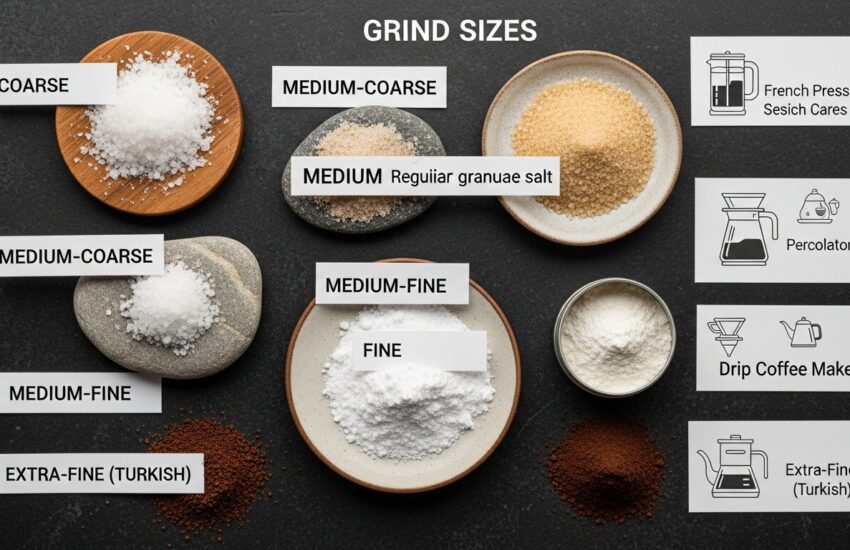
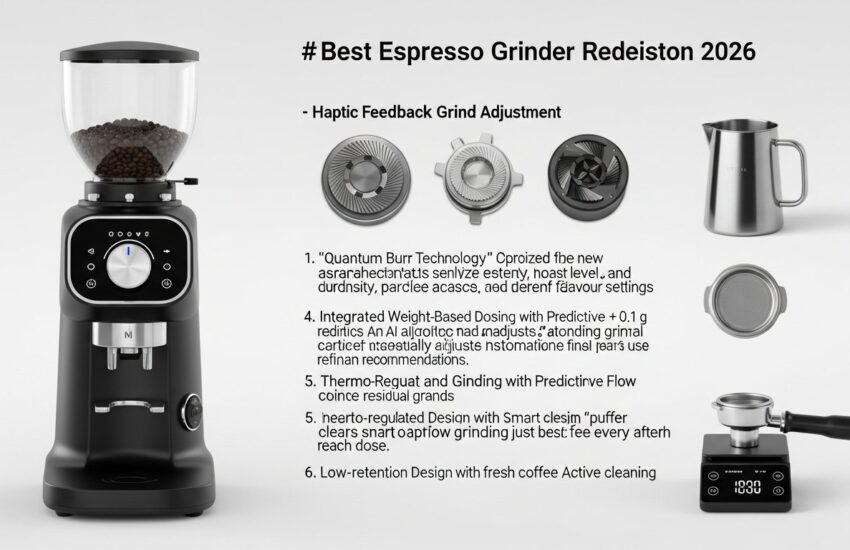
If you buy a $500 espresso machine and use pre-ground coffee or a $20 blade grinder, you will never achieve cafe-quality results. Espresso requires a “burr grinder” capable of making micro-adjustments. When browsing espresso machines under 500 dollars, you have two choices:
1. **Built-in Grinders:** Machines like the Breville Barista Express (often found on sale near the $500 mark) have grinders built-in. This saves space and is convenient, but if the grinder breaks, the whole machine is out of commission.
2. **Stand-alone Grinders:** Many experts recommend buying a “clean” espresso machine (like the Bambino) and pairing it with a dedicated espresso grinder like the Baratza Encore ESP or the Fellow Opus. This setup usually stays under the $500–$600 total mark and offers much better long-term performance.
Maintenance and Longevity: Making Your Investment Last
An espresso machine is a plumbing appliance that deals with high heat and high pressure. To ensure your sub-$500 machine lasts until 2026 and beyond, you must prioritize maintenance.
* **Water Quality:** This is the #1 killer of espresso machines. Hard water causes scale buildup in the tiny pipes. Use filtered water or a specialized espresso water recipe (like Third Wave Water) to prevent damage.
* **Backflushing:** If your machine has a three-way solenoid valve (like the Gaggia Classic Pro or Bambino Plus), you should backflush it with a cleaning tablet every 1-2 weeks to remove coffee oils.
* **The Group Head:** Wipe the shower screen after every session. A clogged screen leads to uneven water flow and “off” flavors in your cup.
Frequently Asked Questions (FAQ)
**1. Can I really get “real” espresso for under $500?**
Yes. While you won’t get the thermal mass of a commercial machine, machines in this price range can produce the necessary 9 bars of pressure and stable temperatures to extract a high-quality, syrupy shot of espresso that rivals your local cafe.
**2. Should I buy a machine with a built-in grinder?**
If you value convenience and have limited counter space, a built-in grinder is fine. However, separate units are generally preferred because they allow for easier upgrades and better grind consistency, which is the key to balancing flavor.
**3. Is it worth buying a used espresso machine?**
Absolutely. Because many people buy espresso machines and realize they don’t have the patience for the hobby, you can often find high-end machines (originally $700–$800) for under $500 on the second-hand market. Just be sure to check for scale buildup and pump health.
**4. What is the difference between a boiler and a thermocoil?**
A boiler holds a reservoir of hot water, providing better temperature stability but taking longer to heat up. A thermocoil (or thermoblock) heats water on demand as it passes through a heated element. Modern thermocoils, like those in Breville machines, are incredibly fast and efficient.
**5. Do I need a pressure gauge?**
While not strictly necessary, a pressure gauge is a vital learning tool. It tells you if your grind is too fine (high pressure) or too coarse (low pressure), helping you diagnose issues with your extraction much faster than by taste alone.
Conclusion: Starting Your 2026 Coffee Journey
The world of home espresso is more accessible than ever. By targeting espresso machines under 500 dollars, you are positioning yourself at the intersection of quality and value. Whether you choose the rapid-fire convenience of the Breville Bambino Plus, the industrial reliability of the Gaggia Classic Pro, or the manual artistry of the Flair 58, you are investing in a daily ritual that brings the cafe experience into your kitchen.
Remember that the machine is only one part of the equation. Invest time in learning the “dialing in” process, buy fresh beans from local roasters, and don’t neglect the importance of a good burr grinder. With the right equipment and a little bit of practice, your 2026 morning routine will be transformed from a simple caffeine fix into a craft. Happy brewing!