What Is Third Wave Coffee
What is Third Wave Coffee? A Deep Dive into the Specialty Coffee Movement
Affiliate disclosure: This article may contain affiliate links. Recommendations are independent and editorially driven.
In the vast and ever-evolving world of coffee, the term “Third Wave” has become a cornerstone of contemporary coffee culture, signifying a profound shift in how we perceive, prepare, and consume this beloved beverage. For many, it represents the pinnacle of coffee appreciation, elevating it from a mere commodity or a quick caffeine fix to an artisanal craft, akin to fine wine or gourmet food. But beyond the buzzwords and the aesthetic of minimalist cafés, what exactly is Third Wave coffee, and why has it so dramatically reshaped the global coffee landscape?
At its core, Third Wave coffee is a movement driven by an unwavering commitment to quality, transparency, and sustainability across the entire supply chain. It’s about recognizing coffee as an agricultural product with unique origins, varietals, and processing methods, each contributing to a distinct flavor profile. This meticulous approach extends from the farm, through the roaster, to the barista, and ultimately to the consumer’s cup, fostering an appreciation for every step of the journey. cafeserre is here to guide you through the intricate layers of this movement, exploring its origins, defining characteristics, and the lasting impact it has had on our daily coffee rituals.
The Genesis of Third Wave Coffee: Understanding the Waves
To truly grasp the significance of Third Wave coffee, it’s essential to understand the “waves” that preceded it. This conceptual framework helps contextualize the evolution of coffee consumption and culture, illustrating how each era built upon or reacted against the previous one, culminating in the sophisticated world we inhabit today.
The First Wave: Coffee as a Commodity
The First Wave of coffee, spanning roughly from the late 19th century through the mid-20th century, was characterized by the widespread commoditization of coffee. The primary goal was accessibility and affordability. Coffee was seen as a utilitarian beverage, a morning ritual to kickstart the day or a convenient pick-me-up. Brands like Folgers and Maxwell House dominated the market, focusing on mass production, consistency, and ease of preparation (think instant coffee or pre-ground beans in vacuum-sealed cans).
During this era, emphasis was placed on quantity over quality, often masking bean imperfections through dark roasting. Consumers rarely considered the coffee’s origin, processing, or nuanced flavors. The act of drinking coffee was normalized, becoming an indispensable part of daily life for millions, but without much thought given to its inherent complexities or potential for sensory delight. It laid the groundwork for coffee’s ubiquity, establishing it as a household staple across Western cultures and beyond, but it did little to celebrate the bean itself.
The Second Wave: The Rise of the Café Experience
The Second Wave of coffee emerged in the 1960s and 70s, gaining significant momentum with the rise of chains like Starbucks in the 1980s and 90s. This wave marked a crucial shift from coffee as a mere commodity to coffee as an experience. While still prioritizing accessibility, the Second Wave introduced consumers to a broader range of coffee drinks, particularly espresso-based beverages like lattes, cappuccinos, and mochas.
Cafés became social hubs, offering a “third place” — neither home nor work — where people could relax, socialize, or work remotely. The focus broadened to include flavored coffees, specific roast levels (e.g., French Roast), and the introduction of coffee-related accessories. The Second Wave educated consumers about regional differences to some extent (e.g., “Sumatra” or “Colombia” blends) and popularized specialized brewing equipment. However, while an improvement in quality and variety from the First Wave, the emphasis often remained on consistency and brand recognition, sometimes masking the origin flavors with sweeteners, milk, or aggressive roasting profiles. The art of the barista began to emerge, but often as a functional role rather than a highly skilled craft.
Defining Third Wave Coffee: Beyond the Basics
The Third Wave coffee movement, blossoming in the early 2000s, represents a profound departure from its predecessors. It’s not just an evolution; it’s a revolution in mindset, an academic and artisanal pursuit that seeks to treat coffee with the same reverence afforded to fine wine or craft beer. It’s a journey from bean to cup, where every step is meticulously managed and celebrated.
A Focus on Quality and Transparency
At the heart of Third Wave coffee is an unwavering dedication to quality. This begins at the source, with an emphasis on acquiring high-quality green beans. Roasters and cafés involved in the Third Wave actively seek out specialty-grade coffee, which is a classification based on strict grading standards (e.g., Specialty Coffee Association, or SCA, scoring 80 points or higher out of 100). This pursuit of excellence is coupled with a demand for transparency.
Consumers in the Third Wave want to know where their coffee comes from: the specific farm or cooperative, the region, the altitude, the varietal (e.g., Geisha, Bourbon, Typica), and the processing method (e.g., washed, natural, honey). This transparency builds trust and allows for a deeper understanding and appreciation of the agricultural process and the producers’ efforts. It moves beyond generic country-of-origin labels to specific, traceable narratives, connecting consumers directly to the source of their beverage.
The Bean-to-Cup Journey as an Art Form
For Third Wave enthusiasts, the entire process of making coffee is elevated to an art form. It’s a meticulous journey, where each stage—from farming and harvesting to roasting and brewing—is handled with precision, passion, and expertise. This holistic approach ensures that the inherent flavors and unique characteristics of the coffee bean are not just preserved but enhanced and celebrated.
It’s about understanding the science behind extraction, the chemistry of roasting, and the intricate dynamics of flavor perception. This artistic and scientific pursuit transforms the daily coffee ritual into a sensory exploration, inviting drinkers to engage with their beverage on a much deeper, more intellectual, and more enjoyable level. The goal is to highlight the natural beauty of the bean, allowing its unique story to unfold in every sip.
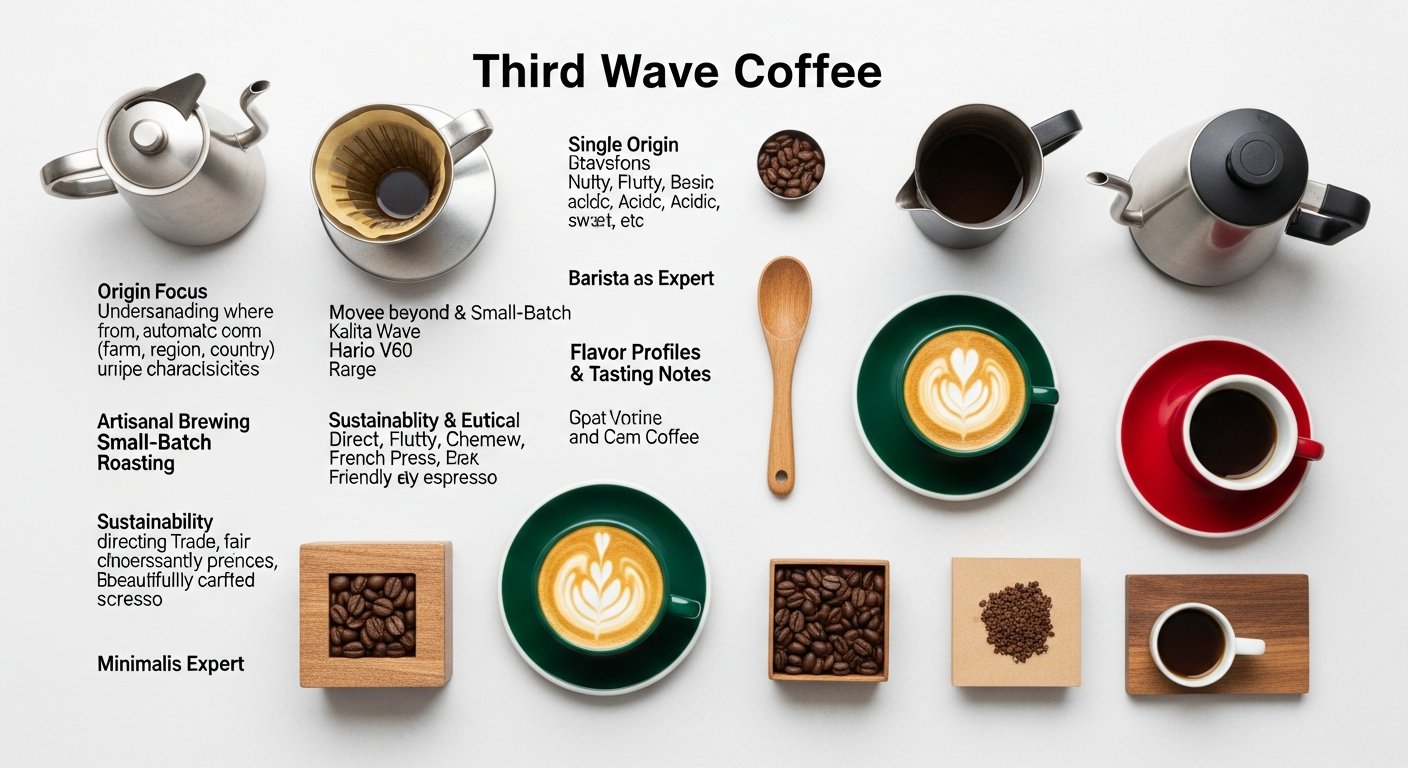
[INLINE IMAGE 1: place after second H2 | alt=”what is third wave coffee concept illustration”]
Key Pillars of the Third Wave Movement
The philosophical underpinnings of Third Wave coffee translate into several distinct practices and characteristics that set it apart. These pillars define the movement and shape the experience for both producers and consumers.
Single-Origin and Direct Trade Sourcing
One of the most defining characteristics of Third Wave coffee is its emphasis on single-origin beans. Unlike blends that combine beans from various regions to achieve a consistent, often generic, flavor profile, single-origin coffees highlight the unique terroir of a specific farm, region, or even a particular lot within a farm. This allows for the expression of distinct flavors influenced by climate, soil, altitude, and varietal.
Complementing this is the practice of direct trade. Rather than relying on multiple layers of intermediaries, many Third Wave roasters establish direct relationships with coffee farmers. This model fosters greater transparency, ensures that a larger share of the profit reaches the producers, and often leads to higher quality beans as farmers are incentivized and supported to implement sustainable and quality-focused practices. Direct trade is not just about economics; it’s about building long-term, equitable partnerships based on mutual respect and shared commitment to excellence.
Mastering the Roast Profile
Third Wave roasting is a scientific and artistic endeavor aimed at accentuating the coffee’s intrinsic flavors, rather than burning them away. Unlike the dark roasts prevalent in previous waves, which often prioritized consistency and masked imperfections, Third Wave roasters typically favor lighter and medium roasts. These profiles are designed to highlight the origin characteristics—fruity notes, floral aromas, nutty undertones, or bright acidity—that would be obliterated by darker roasting.
Roasters meticulously develop specific roast profiles for each batch of beans, considering the varietal, processing method, and intended brew method. This involves precise control over temperature, airflow, and time, often employing sophisticated equipment and sensory evaluation (cupping) to achieve the perfect balance. The goal is to bring out the inherent sweetness, complexity, and aromatic nuances of the green coffee bean, treating each batch as a unique culinary ingredient.
Precision Brewing Techniques
The Third Wave movement places immense importance on the brewing process, viewing it as the final, crucial step in unlocking the coffee’s full potential. Baristas and home brewers alike meticulously control every variable: water temperature, grind size, brew time, coffee-to-water ratio, and even water quality. This contrasts sharply with the often-automated and less precise brewing methods of previous waves.
A diverse array of brewing methods is celebrated, each offering a different way to experience the coffee’s profile. Pour-over methods (e.g., Hario V60, Chemex, Kalita Wave) are popular for their ability to highlight clarity and nuance. Immersion brewers like the AeroPress or French press offer full-bodied extractions. Precisely calibrated espresso machines produce shots that are not just strong, but balanced, sweet, and complex. The emphasis is on understanding how each variable impacts extraction and flavor, allowing for a tailored brewing experience that celebrates the individual characteristics of each coffee.
The Barista as an Artisan and Educator
In the Third Wave, the barista transcends the role of a mere server; they are skilled artisans, flavor experts, and educators. They possess a deep understanding of coffee’s origins, roast profiles, and brewing science. They can explain the nuances between a naturally processed Ethiopian Yirgacheffe and a washed Colombian Geisha, recommend the best brewing method for a particular bean, and even guide customers through tasting notes.
Baristas are expected to execute drinks with precision and consistency, often employing latte art as a visual representation of their craft. Beyond technical skills, they are ambassadors of coffee culture, sharing their knowledge and passion with customers, fostering a greater appreciation for the beverage. Their expertise is crucial in bridging the gap between the producer and the consumer, ensuring the bean’s journey culminates in an exceptional cup.
The Café as a Communal Hub and Learning Space
Third Wave cafés are more than just places to grab a quick coffee; they are thoughtfully designed spaces that invite contemplation, conversation, and education. The aesthetics often lean towards minimalist design, emphasizing clean lines, natural materials, and an uncluttered environment that allows the focus to remain on the coffee itself. The equipment, from the gleaming espresso machine to the various pour-over stations, is often prominently displayed, signaling the café’s commitment to the craft.
These cafés serve as communal hubs where coffee enthusiasts can gather, share experiences, and learn from knowledgeable staff. Many host tasting events, brewing workshops, and educational sessions, further deepening the community’s understanding and appreciation of coffee. The atmosphere is typically more subdued and focused than the bustling environment of a Second Wave chain, encouraging patrons to slow down and savor their experience, fostering a true coffee culture.
The Impact and Influence of Third Wave Coffee
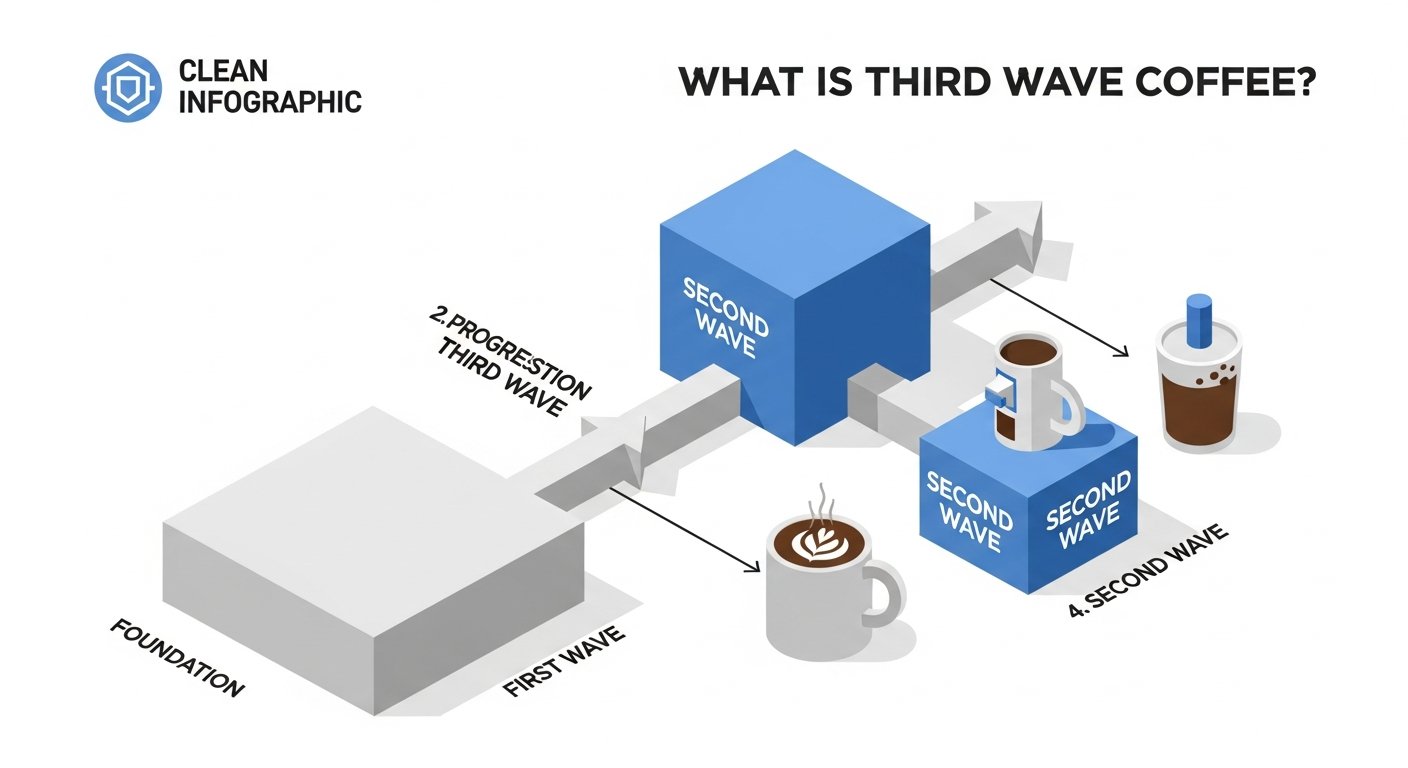
The Third Wave movement has not only transformed how we drink coffee but has also had a profound impact on the entire coffee industry, from agricultural practices to consumer expectations. Its influence is far-reaching, catalyzing innovation and shifting paradigms across the globe.
Elevating Consumer Palates and Education
Perhaps one of the most significant impacts of the Third Wave is the dramatic elevation of consumer expectations and palates. Before this movement, many consumers accepted bitter, dark-roasted coffee as the norm. The Third Wave introduced them to a spectrum of flavors previously unimagined: bright citrus, sweet berries, delicate florals, rich chocolate, and complex spices. This exposure to diverse flavor profiles has made consumers more discerning and eager to explore.
Through informed baristas, detailed menu descriptions, and educational events, the Third Wave has fostered a culture of learning among coffee drinkers. People are now more interested in understanding the story behind their cup, the differences between varietals, and the impact of processing. This increased knowledge empowers consumers to make more informed choices and to truly appreciate the depth and complexity of specialty coffee. This heightened awareness also extends to the social and environmental aspects of coffee production, leading to greater demand for ethical sourcing.
For those looking to deepen their understanding, cafeserre offers comprehensive guides and workshops on coffee tasting and home brewing.
Innovation in Equipment and Methods
The demand for precision and quality within the Third Wave has spurred incredible innovation in coffee equipment and brewing methods. On the commercial side, espresso machines have become more sophisticated, offering unparalleled temperature stability, pressure profiling, and precise control over extraction variables. Grinders are designed for extreme consistency, minimizing fines and maximizing flavor potential.
For home brewers, the market has exploded with high-quality, accessible tools. Manual pour-over devices, precision scales, temperature-controlled kettles, and advanced home espresso machines are now commonplace. This accessibility to professional-grade equipment allows enthusiasts to replicate the quality of their favorite cafés at home. The continuous pursuit of the perfect cup fuels ongoing research and development in all aspects of coffee technology, pushing the boundaries of what’s possible in brewing.
Sustainability and Ethical Considerations
While not universally exclusive to the Third Wave, sustainability and ethical considerations are deeply ingrained in its ethos. The direct trade model, as discussed, often results in better prices for farmers, allowing them to invest in sustainable farming practices, improve living conditions, and focus on long-term environmental stewardship. Many Third Wave roasters and cafés actively seek out certifications like Fair Trade or Rainforest Alliance, but often go beyond them, engaging in personal relationships that offer even greater transparency and impact.
There’s a strong focus on minimizing environmental impact throughout the supply chain, from water conservation at the farm level to responsible waste management at the café. This commitment extends to social equity, ensuring fair wages, safe working conditions, and community development initiatives in coffee-producing regions. The Third Wave encourages consumers to view their coffee purchase as an investment in a more equitable and sustainable global food system, aligning their values with their daily habit.
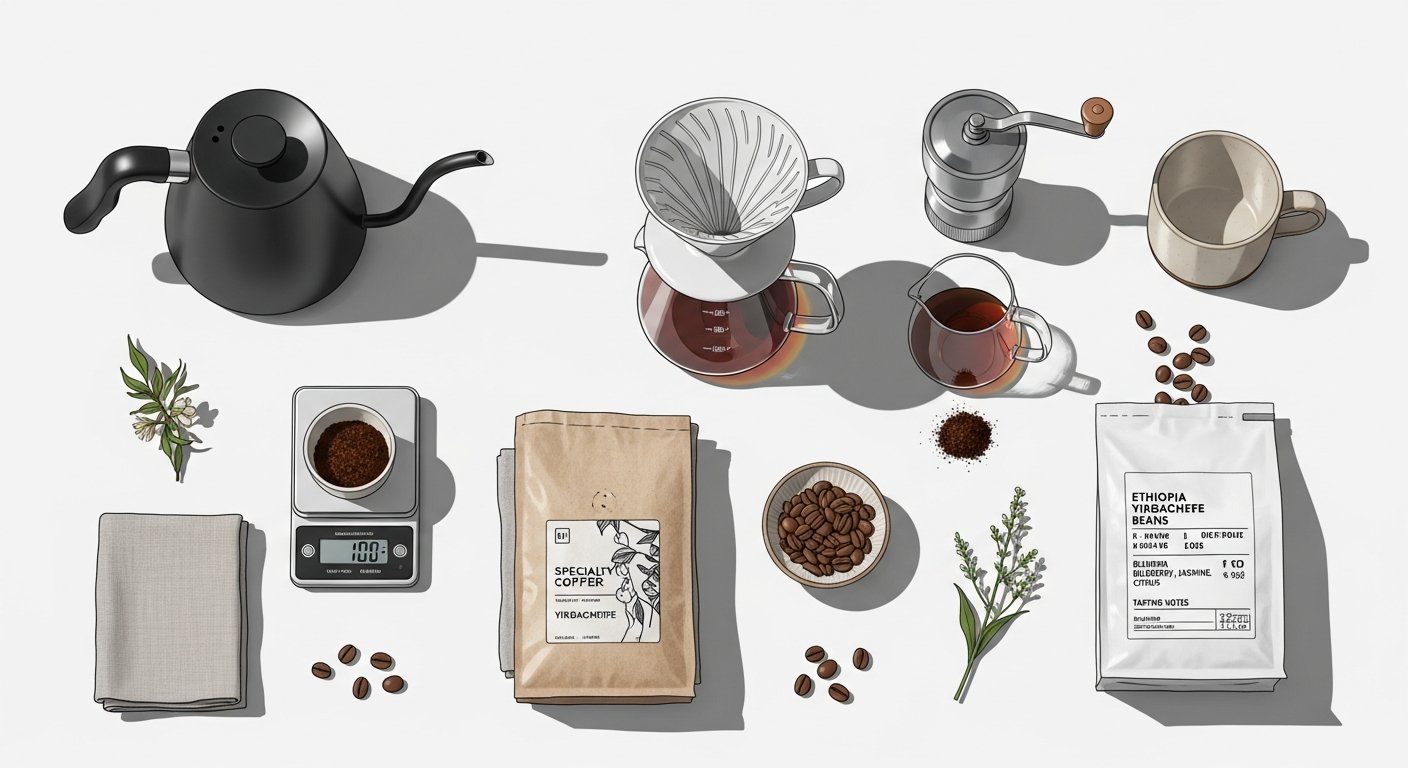
[INLINE IMAGE 2: place after fourth H2 | alt=”what is third wave coffee comparison illustration”]
Third Wave Coffee in Practice: Finding and Enjoying It
Now that we’ve delved into the philosophy and impact of Third Wave coffee, let’s explore how you can find, recognize, and fully enjoy this elevated coffee experience, both in cafés and in your own home.
Identifying a True Third Wave Café
Spotting a Third Wave café often involves looking for specific markers that signify their commitment to quality and craft. While there’s no strict checklist, here are common indicators:
- Minimalist Aesthetics: Often, the interior design will be clean, uncluttered, and perhaps industrial or natural in style. The focus is usually on functionality and allowing the coffee to be the star.
- Knowledgeable Baristas: Staff should be able to discuss origins, processing methods, roast profiles, and brew techniques with confidence and passion. Don’t hesitate to ask questions!
- Visible Brewing Equipment: Expect to see various pour-over devices, precise grinders, and high-end espresso machines prominently displayed.
- Detailed Menu Descriptions: Menus often list specific bean origins (e.g., “Ethiopia Guji Uraga,” not just “Ethiopian”), varietals, processing methods, and tasting notes.
- Limited Blends, Emphasis on Single-Origin: While some cafés might offer a house blend, the star will almost always be their rotating selection of single-origin coffees.
- Focus on Filter Coffee: Many Third Wave cafés will offer a strong selection of filter or drip coffee, often brewed to order via pour-over, alongside espresso drinks.
- No Syrups or Flavored Lattes (or very few): The emphasis is on the natural flavor of the coffee, so artificial flavors are usually avoided.
- Roastery On-Site or Locally Sourced: Many Third Wave cafés are also roasteries, or they source from local, transparent specialty roasters.
Look for cafés that treat coffee like a culinary art, where the focus is on showcasing the unique characteristics of each bean. You might even find dedicated cafeserre reviews of top Third Wave establishments in your area.
Navigating the Menu: Understanding Brew Methods and Varietals
Once inside a Third Wave café, the menu might seem daunting at first due to the array of options and terminology. Here’s a quick guide:
- Espresso: The concentrated coffee shot, often the base for milk drinks. A well-pulled Third Wave espresso will be balanced, sweet, and complex, not just bitter.
- Pour-Over (e.g., V60, Chemex): A manual brew method where hot water is slowly poured over ground coffee, allowing for precise control and highlighting clarity, sweetness, and delicate aromas.
- Aeropress: A versatile immersion brewer, known for producing a clean, rich cup with minimal bitterness.
- French Press: An immersion method that produces a full-bodied, rich coffee with some sediment. Less common for showcasing delicate single-origins in Third Wave settings.
- Batch Brew (Filter Coffee): Often a higher quality, more controlled version of drip coffee, brewed in larger batches for efficiency, but still with a focus on highlighting the bean’s characteristics.
- Varietal: Refers to the specific type of coffee plant (e.g., Geisha, Bourbon, Typica). Each varietal has distinct genetic characteristics that influence flavor.
- Process: Describes how the coffee cherry is processed after harvest (e.g., Washed, Natural, Honey). This dramatically impacts the final flavor profile.
- Tasting Notes: Descriptions of the flavors and aromas you might detect (e.g., “blueberry, jasmine, milk chocolate”). These are guides, not definitive statements.
Don’t be afraid to ask your barista for recommendations based on your preferences. They are there to help you explore and discover new favorite flavors.
Bringing Third Wave Home: Brewing at an Advanced Level
The beauty of the Third Wave is that its principles can be applied to home brewing, allowing you to elevate your daily cup. Here’s what you’ll need and how to approach it:
- Quality Beans: Start with freshly roasted, whole bean specialty coffee. Look for transparent sourcing information and a recent roast date (within 2-3 weeks for optimal flavor).
- Grinder: A high-quality burr grinder (not blade grinder) is essential for consistent grind size, which is critical for proper extraction.
- Precision Scale: Weighing your coffee and water precisely is fundamental to consistent and delicious results.
- Temperature-Controlled Kettle: Different brew methods and roast levels benefit from specific water temperatures.
- Preferred Brewing Device: A pour-over cone (like a Hario V60 or Chemex) is a great starting point for Third Wave home brewing.
- Filtered Water: Coffee is 98% water, so good quality, filtered water is paramount to a clean-tasting cup.
Experiment with grind size, water temperature, and brew ratios. Keep notes on what works best for different coffees. Learning to brew specialty coffee at home is a rewarding journey of continuous discovery and refinement.
Comparing the Waves: A Shifting Paradigm
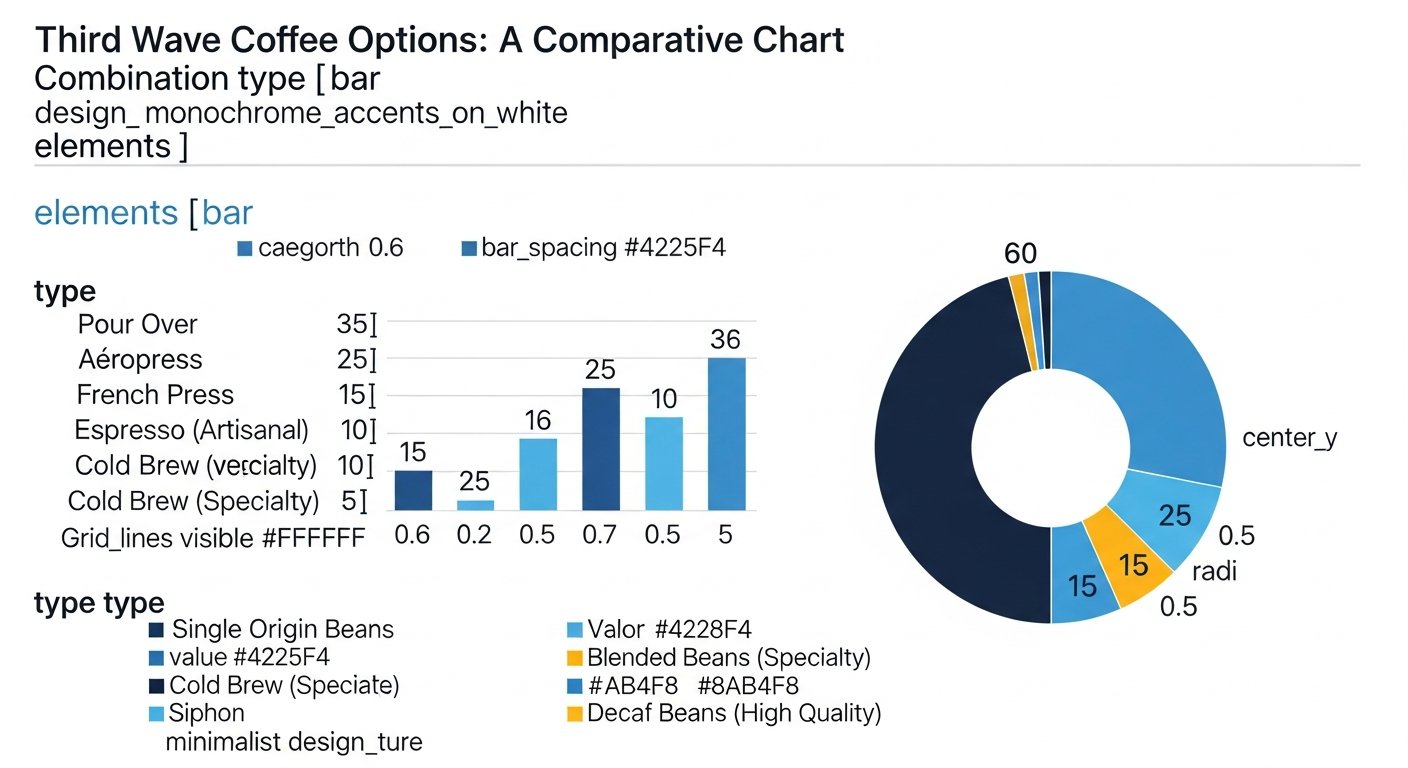
To fully appreciate the transformation brought about by the Third Wave, it’s helpful to see how it contrasts with its predecessors. This comparison highlights the evolution of coffee from a simple beverage to a complex, artisanal product.
| Characteristic | First Wave Coffee | Second Wave Coffee | Third Wave Coffee |
|---|---|---|---|
| Primary Focus | Accessibility, affordability, convenience | Experience, variety, social hub | Quality, transparency, artistry, sustainability |
| Typical Coffee | Pre-ground, instant, mass-produced blends | Dark-roasted blends, flavored coffees, espresso-based drinks | Single-origin, light/medium roasts, specialty-grade beans |
| Sourcing & Transparency | Commodity market, no transparency | Limited transparency (country of origin), bulk purchasing | Direct trade, farm-level transparency, ethical sourcing |
| Roasting Style | Dark, consistent, masked imperfections | Darker roasts (e.g., French Roast), blend-focused | Light to medium, profile-driven, highlights origin flavors |
| Brewing Method | Automatic drip, instant, percolator | Automated espresso machines, drip coffee makers | Pour-over, AeroPress, precise espresso, manual methods |
| Barista Role | None or basic server | Functional, consistent drink preparation | Artisan, educator, flavor expert, craftsman |
| Consumer Mindset | Caffeine fix, daily routine | Socializing, treat, personalized drink | Appreciation, sensory exploration, ethical consumption |
| Café Ambiance | Diner, home kitchen | Comfortable, branded, “third place” | Minimalist, focused, educational, communal |
| Price Point | Very low | Moderate | Higher (reflecting quality and labor) |
First Wave vs. Second Wave vs. Third Wave: A Comprehensive Overview
This comparison table illustrates a clear trajectory: from coffee as a generic fuel, to coffee as a branded experience, to coffee as an artisanal product deserving of deep appreciation. Each wave has contributed to the coffee culture we know today, but the Third Wave stands out for its commitment to revealing the intrinsic beauty and complexity of the coffee bean itself.
The First Wave made coffee a household staple, accessible to all. The Second Wave fostered a café culture and introduced espresso drinks, making coffee a social ritual. The Third Wave, however, pushed the boundaries of quality, transparency, and education, transforming coffee into a gourmet pursuit. It demanded more from every actor in the supply chain, from farmer to roaster to barista, and in doing so, offered an unparalleled experience to the consumer.
The shift isn’t about one wave being “better” than another in absolute terms, but rather about a progression of understanding and priorities. The Third Wave represents a maturation of coffee culture, one that values craftsmanship, provenance, and the rich narrative behind every cup. It asks us to slow down, engage our senses, and truly taste the journey of the bean.
Challenges, Criticisms, and the Evolution Beyond Third Wave
While the Third Wave movement has brought immense positive changes to the coffee world, it is not without its challenges and criticisms. Furthermore, as with any dynamic industry, the evolution of coffee culture continues, with discussions already emerging about a “Fourth Wave.”
Addressing Concerns: Accessibility, Price, and Perceived Elitism
One of the most common criticisms leveled against the Third Wave is its perceived elitism and lack of accessibility. The focus on single-origin, specialty-grade beans, precise brewing, and artisanal preparation often translates into higher prices, making Third Wave coffee less affordable for a broader demographic. This can create a barrier for entry, limiting the enjoyment of high-quality coffee to those with disposable income.
The intricate terminology and emphasis on technical details (grind size, water temperature, varietals) can also be intimidating for casual coffee drinkers, leading to a sense of exclusion. Critics argue that while the pursuit of quality is commendable, it sometimes comes at the expense of approachability and widespread enjoyment. There’s a balance to be struck between educating consumers and making coffee feel overly academic or exclusive.
Furthermore, the minimalist aesthetic of many Third Wave cafés can sometimes feel unwelcoming or overly serious to those accustomed to the warmer, more bustling environments of Second Wave chains. The challenge for the Third Wave going forward is to maintain its core values of quality and transparency while actively working to be more inclusive and accessible to a wider audience, demystifying the craft without diluting its essence. Initiatives like offering well-explained “gateway” coffees or simplified educational materials are crucial for future growth.
The Fourth Wave: A Glimpse into Coffee’s Future
As the Third Wave matures, conversations have begun about the emergence of a “Fourth Wave” of coffee. While not yet as clearly defined as its predecessors, the Fourth Wave is generally understood to push the boundaries of scientific understanding and data-driven optimization in coffee. It’s an evolution that seeks to formalize and further refine the principles of the Third Wave through rigorous research and technological advancement.
Key characteristics often associated with the nascent Fourth Wave include:
- Deep Scientific Inquiry: Extensive research into coffee genomics, flavor compounds, impact of processing on a molecular level, and advanced sensory analysis.
- Data-Driven Brewing: Utilizing sophisticated sensors, AI, and algorithms to achieve unprecedented levels of precision and consistency in roasting and brewing.
- Hyper-Personalization: Tailoring coffee experiences based on individual preferences, genetics, and even health data.
- Complete Traceability and Supply Chain Optimization: Leveraging blockchain and other technologies for absolute transparency from farm to cup, ensuring ethical practices and fair compensation.
- Advanced Agricultural Innovation: Developing climate-resilient coffee varietals, sustainable farming practices through biotechnology, and precise post-harvest processing techniques.
- Focus on Health and Wellness: Exploring coffee’s health benefits, customized functional coffee blends, and minimizing environmental footprint.
The Fourth Wave aims to take the “art and science” of Third Wave coffee to a new level, using empirical data and cutting-edge technology to unlock even greater flavor potential, improve sustainability, and create highly optimized, personalized coffee experiences. It envisions a future where every variable is understood, measured, and controlled to produce the perfect, most sustainable cup possible.
The Enduring Legacy of Third Wave Coffee
Regardless of what the Fourth Wave may bring, the Third Wave of coffee has undeniably left an indelible mark on global coffee culture, fundamentally transforming our relationship with this cherished beverage. It moved coffee beyond mere function and commercialism, imbuing it with a sense of craftsmanship, artistry, and ethical responsibility. It taught us to appreciate coffee not just for its caffeine, but for its complex flavors, its diverse origins, and the human endeavor behind its creation.
The Third Wave has cultivated a generation of educated consumers who demand quality, transparency, and sustainability. It has empowered farmers by fostering direct relationships and fair compensation. It has elevated the role of the barista to a highly respected artisan. It has spurred innovation in equipment, brewing techniques, and café design. Most importantly, it has opened up a world of sensory exploration, inviting us to slow down, engage our senses, and savor the rich, nuanced journey of a single coffee bean.
As we look to the future, the principles championed by the Third Wave—quality, transparency, and appreciation—will continue to be foundational. Whether through hyper-scientific advancement or continued human artistry, the pursuit of the perfect, most ethical, and most delicious cup of coffee will undoubtedly endure. The Third Wave wasn’t just a trend; it was a cultural awakening, reshaping our collective coffee consciousness for generations to come. For anyone passionate about their daily brew, understanding what is Third Wave coffee is essential to truly appreciating the depth and potential of this extraordinary drink.
Frequently Asked Questions
Q1: What are the main differences between First, Second, and Third Wave coffee?
A1: The First Wave focused on coffee as a commodity, prioritizing accessibility and affordability (e.g., instant coffee). The Second Wave introduced the café experience and espresso-based drinks, making coffee a social ritual (e.g., Starbucks). The Third Wave, our current focus, emphasizes quality, transparency, single-origin beans, precise brewing, and the barista as an artisan, treating coffee as a gourmet product.
Q2: Why is Third Wave coffee often more expensive than other types?
A2: Third Wave coffee is typically more expensive due to several factors. It uses specialty-grade beans (scoring 80+ points), which are inherently higher quality and more carefully cultivated. Roasters often engage in direct trade, paying farmers higher, more equitable prices. The meticulous roasting and precise brewing methods require specialized equipment and highly skilled, well-trained baristas. All these elements contribute to a higher cost of production and, consequently, a higher price for the consumer, reflecting the true value and effort involved.
Q3: What does “single-origin” mean in Third Wave coffee?
A3: “Single-origin” means the coffee beans come from a specific, identifiable geographic location – often a single farm, estate, or a small cooperative within a defined region. This contrasts with “blends” which combine beans from various sources. Single-origin coffees are celebrated for showcasing the unique flavor characteristics (terroir) of their specific growing environment, allowing drinkers to experience distinct nuances like fruity, floral, or earthy notes tied directly to their source.
Q4: How can I identify a Third Wave coffee shop?
A4: Look for several key indicators: a minimalist, clean aesthetic, a focus on single-origin coffees with detailed descriptions (origin, varietal, processing), a diverse range of precision brewing methods (like pour-over), highly knowledgeable baristas who can discuss coffee specifics, and usually a lack of excessive flavored syrups. The overall atmosphere often encourages a slower, more contemplative appreciation of the coffee itself.
Q5: Is Third Wave coffee sustainable?
A5: Sustainability and ethical practices are core tenets of the Third Wave movement. Many Third Wave roasters and cafés prioritize direct trade relationships, ensuring fair compensation and fostering long-term partnerships with coffee farmers. This often leads to farmers investing in sustainable farming practices, environmental conservation, and social programs in their communities. While not all Third Wave establishments are certified, the underlying philosophy strongly promotes responsible sourcing and environmental stewardship throughout the supply chain.
What is Third Wave Coffee? A Deep Dive into the Specialty Coffee Movement
Affiliate disclosure: This article may contain affiliate links. Recommendations are independent and editorially driven.
In the vast and ever-evolving world of coffee, the term “Third Wave” has become a cornerstone of contemporary coffee culture, signifying a profound shift in how we perceive, prepare, and consume this beloved beverage. For many, it represents the pinnacle of coffee appreciation, elevating it from a mere commodity or a quick caffeine fix to an artisanal craft, akin to fine wine or gourmet food. But beyond the buzzwords and the aesthetic of minimalist cafés, what exactly is Third Wave coffee, and why has it so dramatically reshaped the global coffee landscape?
At its core, Third Wave coffee is a movement driven by an unwavering commitment to quality, transparency, and sustainability across the entire supply chain. It’s about recognizing coffee as an agricultural product with unique origins, varietals, and processing methods, each contributing to a distinct flavor profile. This meticulous approach extends from the farm, through the roaster, to the barista, and ultimately to the consumer’s cup, fostering an appreciation for every step of the journey. cafeserre is here to guide you through the intricate layers of this movement, exploring its origins, defining characteristics, and the lasting impact it has had on our daily coffee rituals.
The Genesis of Third Wave Coffee: Understanding the Waves
To truly grasp the significance of Third Wave coffee, it’s essential to understand the “waves” that preceded it. This conceptual framework helps contextualize the evolution of coffee consumption and culture, illustrating how each era built upon or reacted against the previous one, culminating in the sophisticated world we inhabit today.
The First Wave: Coffee as a Commodity
The First Wave of coffee, spanning roughly from the late 19th century through the mid-20th century, was characterized by the widespread commoditization of coffee. The primary goal was accessibility and affordability. Coffee was seen as a utilitarian beverage, a morning ritual to kickstart the day or a convenient pick-me-up. Brands like Folgers and Maxwell House dominated the market, focusing on mass production, consistency, and ease of preparation (think instant coffee or pre-ground beans in vacuum-sealed cans).
During this era, emphasis was placed on quantity over quality, often masking bean imperfections through dark roasting. Consumers rarely considered the coffee’s origin, processing, or nuanced flavors. The act of drinking coffee was normalized, becoming an indispensable part of daily life for millions, but without much thought given to its inherent complexities or potential for sensory delight. It laid the groundwork for coffee’s ubiquity, establishing it as a household staple across Western cultures and beyond, but it did little to celebrate the bean itself.
The Second Wave: The Rise of the Café Experience
The Second Wave of coffee emerged in the 1960s and 70s, gaining significant momentum with the rise of chains like Starbucks in the 1980s and 90s. This wave marked a crucial shift from coffee as a mere commodity to coffee as an experience. While still prioritizing accessibility, the Second Wave introduced consumers to a broader range of coffee drinks, particularly espresso-based beverages like lattes, cappuccinos, and mochas.
Cafés became social hubs, offering a “third place” — neither home nor work — where people could relax, socialize, or work remotely. The focus broadened to include flavored coffees, specific roast levels (e.g., French Roast), and the introduction of coffee-related accessories. The Second Wave educated consumers about regional differences to some extent (e.g., “Sumatra” or “Colombia” blends) and popularized specialized brewing equipment. However, while an improvement in quality and variety from the First Wave, the emphasis often remained on consistency and brand recognition, sometimes masking the origin flavors with sweeteners, milk, or aggressive roasting profiles. The art of the barista began to emerge, but often as a functional role rather than a highly skilled craft.
Defining Third Wave Coffee: Beyond the Basics
The Third Wave coffee movement, blossoming in the early 2000s, represents a profound departure from its predecessors. It’s not just an evolution; it’s a revolution in mindset, an academic and artisanal pursuit that seeks to treat coffee with the same reverence afforded to fine wine or craft beer. It’s a journey from bean to cup, where every step is meticulously managed and celebrated.
A Focus on Quality and Transparency
At the heart of Third Wave coffee is an unwavering dedication to quality. This begins at the source, with an emphasis on acquiring high-quality green beans. Roasters and cafés involved in the Third Wave actively seek out specialty-grade coffee, which is a classification based on strict grading standards (e.g., Specialty Coffee Association, or SCA, scoring 80 points or higher out of 100). This pursuit of excellence is coupled with a demand for transparency.
Consumers in the Third Wave want to know where their coffee comes from: the specific farm or cooperative, the region, the altitude, the varietal (e.g., Geisha, Bourbon, Typica), and the processing method (e.g., washed, natural, honey). This transparency builds trust and allows for a deeper understanding and appreciation of the agricultural process and the producers’ efforts. It moves beyond generic country-of-origin labels to specific, traceable narratives, connecting consumers directly to the source of their beverage.
The Bean-to-Cup Journey as an Art Form
For Third Wave enthusiasts, the entire process of making coffee is elevated to an art form. It’s a meticulous journey, where each stage—from farming and harvesting to roasting and brewing—is handled with precision, passion, and expertise. This holistic approach ensures that the inherent flavors and unique characteristics of the coffee bean are not just preserved but enhanced and celebrated.
It’s about understanding the science behind extraction, the chemistry of roasting, and the intricate dynamics of flavor perception. This artistic and scientific pursuit transforms the daily coffee ritual into a sensory exploration, inviting drinkers to engage with their beverage on a much deeper, more intellectual, and more enjoyable level. The goal is to highlight the natural beauty of the bean, allowing its unique story to unfold in every sip.
[INLINE IMAGE 1: place after second H2 | alt=”what is third wave coffee concept illustration”]
Key Pillars of the Third Wave Movement
The philosophical underpinnings of Third Wave coffee translate into several distinct practices and characteristics that set it apart. These pillars define the movement and shape the experience for both producers and consumers.
Single-Origin and Direct Trade Sourcing
One of the most defining characteristics of Third Wave coffee is its emphasis on single-origin beans. Unlike blends that combine beans from various regions to achieve a consistent, often generic, flavor profile, single-origin coffees highlight the unique terroir of a specific farm, region, or even a particular lot within a farm. This allows for the expression of distinct flavors influenced by climate, soil, altitude, and varietal.
Complementing this is the practice of direct trade. Rather than relying on multiple layers of intermediaries, many Third Wave roasters establish direct relationships with coffee farmers. This model fosters greater transparency, ensures that a larger share of the profit reaches the producers, and often leads to higher quality beans as farmers are incentivized and supported to implement sustainable and quality-focused practices. Direct trade is not just about economics; it’s about building long-term, equitable partnerships based on mutual respect and shared commitment to excellence.
Mastering the Roast Profile
Third Wave roasting is a scientific and artistic endeavor aimed at accentuating the coffee’s intrinsic flavors, rather than burning them away. Unlike the dark roasts prevalent in previous waves, which often prioritized consistency and masked imperfections, Third Wave roasters typically favor lighter and medium roasts. These profiles are designed to highlight the origin characteristics—fruity notes, floral aromas, nutty undertones, or bright acidity—that would be obliterated by darker roasting.
Roasters meticulously develop specific roast profiles for each batch of beans, considering the varietal, processing method, and intended brew method. This involves precise control over temperature, airflow, and time, often employing sophisticated equipment and sensory evaluation (cupping) to achieve the perfect balance. The goal is to bring out the inherent sweetness, complexity, and aromatic nuances of the green coffee bean, treating each batch as a unique culinary ingredient.
Precision Brewing Techniques
The Third Wave movement places immense importance on the brewing process, viewing it as the final, crucial step in unlocking the coffee’s full potential. Baristas and home brewers alike meticulously control every variable: water temperature, grind size, brew time, coffee-to-water ratio, and even water quality. This contrasts sharply with the often-automated and less precise brewing methods of previous waves.
A diverse array of brewing methods is celebrated, each offering a different way to experience the coffee’s profile. Pour-over methods (e.g., Hario V60, Chemex, Kalita Wave) are popular for their ability to highlight clarity and nuance. Immersion brewers like the AeroPress or French press offer full-bodied extractions. Precisely calibrated espresso machines produce shots that are not just strong, but balanced, sweet, and complex. The emphasis is on understanding how each variable impacts extraction and flavor, allowing for a tailored brewing experience that celebrates the individual characteristics of each coffee.
The Barista as an Artisan and Educator
In the Third Wave, the barista transcends the role of a mere server; they are skilled artisans, flavor experts, and educators. They possess a deep understanding of coffee’s origins, roast profiles, and brewing science. They can explain the nuances between a naturally processed Ethiopian Yirgacheffe and a washed Colombian Geisha, recommend the best brewing method for a particular bean, and even guide customers through tasting notes.
Baristas are expected to execute drinks with precision and consistency, often employing latte art as a visual representation of their craft. Beyond technical skills, they are ambassadors of coffee culture, sharing their knowledge and passion with customers, fostering a greater appreciation for the beverage. Their expertise is crucial in bridging the gap between the producer and the consumer, ensuring the bean’s journey culminates in an exceptional cup.
The Café as a Communal Hub and Learning Space
Third Wave cafés are more than just places to grab a quick coffee; they are thoughtfully designed spaces that invite contemplation, conversation, and education. The aesthetics often lean towards minimalist design, emphasizing clean lines, natural materials, and an uncluttered environment that allows the focus to remain on the coffee itself. The equipment, from the gleaming espresso machine to the various pour-over stations, is often prominently displayed, signaling the café’s commitment to the craft.
These cafés serve as communal hubs where coffee enthusiasts can gather, share experiences, and learn from knowledgeable staff. Many host tasting events, brewing workshops, and educational sessions, further deepening the community’s understanding and appreciation of coffee. The atmosphere is typically more subdued and focused than the bustling environment of a Second Wave chain, encouraging patrons to slow down and savor their experience, fostering a true coffee culture.
The Impact and Influence of Third Wave Coffee
The Third Wave movement has not only transformed how we drink coffee but has also had a profound impact on the entire coffee industry, from agricultural practices to consumer expectations. Its influence is far-reaching, catalyzing innovation and shifting paradigms across the globe.
Elevating Consumer Palates and Education
Perhaps one of the most significant impacts of the Third Wave is the dramatic elevation of consumer expectations and palates. Before this movement, many consumers accepted bitter, dark-roasted coffee as the norm. The Third Wave introduced them to a spectrum of flavors previously unimagined: bright citrus, sweet berries, delicate florals, rich chocolate, and complex spices. This exposure to diverse flavor profiles has made consumers more discerning and eager to explore.
Through informed baristas, detailed menu descriptions, and educational events, the Third Wave has fostered a culture of learning among coffee drinkers. People are now more interested in understanding the story behind their cup, the differences between varietals, and the impact of processing. This increased knowledge empowers consumers to make more informed choices and to truly appreciate the depth and complexity of specialty coffee. This heightened awareness also extends to the social and environmental aspects of coffee production, leading to greater demand for ethical sourcing.
For those looking to deepen their understanding, cafeserre offers comprehensive guides and workshops on coffee tasting and home brewing.
Innovation in Equipment and Methods
The demand for precision and quality within the Third Wave has spurred incredible innovation in coffee equipment and brewing methods. On the commercial side, espresso machines have become more sophisticated, offering unparalleled temperature stability, pressure profiling, and precise control over extraction variables. Grinders are designed for extreme consistency, minimizing fines and maximizing flavor potential.
For home brewers, the market has exploded with high-quality, accessible tools. Manual pour-over devices, precision scales, temperature-controlled kettles, and advanced home espresso machines are now commonplace. This accessibility to professional-grade equipment allows enthusiasts to replicate the quality of their favorite cafés at home. The continuous pursuit of the perfect cup fuels ongoing research and development in all aspects of coffee technology, pushing the boundaries of what’s possible in brewing.
Sustainability and Ethical Considerations
While not universally exclusive to the Third Wave, sustainability and ethical considerations are deeply ingrained in its ethos. The direct trade model, as discussed, often results in better prices for farmers, allowing them to invest in sustainable farming practices, improve living conditions, and focus on long-term environmental stewardship. Many Third Wave roasters and cafés actively seek out certifications like Fair Trade or Rainforest Alliance, but often go beyond them, engaging in personal relationships that offer even greater transparency and impact.
There’s a strong focus on minimizing environmental impact throughout the supply chain, from water conservation at the farm level to responsible waste management at the café. This commitment extends to social equity, ensuring fair wages, safe working conditions, and community development initiatives in coffee-producing regions. The Third Wave encourages consumers to view their coffee purchase as an investment in a more equitable and sustainable global food system, aligning their values with their daily habit.
[INLINE IMAGE 2: place after fourth H2 | alt=”what is third wave coffee comparison illustration”]
Third Wave Coffee in Practice: Finding and Enjoying It
Now that we’ve delved into the philosophy and impact of Third Wave coffee, let’s explore how you can find, recognize, and fully enjoy this elevated coffee experience, both in cafés and in your own home.
Identifying a True Third Wave Café
Spotting a Third Wave café often involves looking for specific markers that signify their commitment to quality and craft. While there’s no strict checklist, here are common indicators:
- Minimalist Aesthetics: Often, the interior design will be clean, uncluttered, and perhaps industrial or natural in style. The focus is usually on functionality and allowing the coffee to be the star.
- Knowledgeable Baristas: Staff should be able to discuss origins, processing methods, roast profiles, and brew techniques with confidence and passion. Don’t hesitate to ask questions!
- Visible Brewing Equipment: Expect to see various pour-over devices, precise grinders, and high-end espresso machines prominently displayed.
- Detailed Menu Descriptions: Menus often list specific bean origins (e.g., “Ethiopia Guji Uraga,” not just “Ethiopian”), varietals, processing methods, and tasting notes.
- Limited Blends, Emphasis on Single-Origin: While some cafés might offer a house blend, the star will almost always be their rotating selection of single-origin coffees.
- Focus on Filter Coffee: Many Third Wave cafés will offer a strong selection of filter or drip coffee, often brewed to order via pour-over, alongside espresso drinks.
- No Syrups or Flavored Lattes (or very few): The emphasis is on the natural flavor of the coffee, so artificial flavors are usually avoided.
- Roastery On-Site or Locally Sourced: Many Third Wave cafés are also roasteries, or they source from local, transparent specialty roasters.
Look for cafés that treat coffee like a culinary art, where the focus is on showcasing the unique characteristics of each bean. You might even find dedicated cafeserre reviews of top Third Wave establishments in your area.
Navigating the Menu: Understanding Brew Methods and Varietals
Once inside a Third Wave café, the menu might seem daunting at first due to the array of options and terminology. Here’s a quick guide:
- Espresso: The concentrated coffee shot, often the base for milk drinks. A well-pulled Third Wave espresso will be balanced, sweet, and complex, not just bitter.
- Pour-Over (e.g., V60, Chemex): A manual brew method where hot water is slowly poured over ground coffee, allowing for precise control and highlighting clarity, sweetness, and delicate aromas.
- Aeropress: A versatile immersion brewer, known for producing a clean, rich cup with minimal bitterness.
- French Press: An immersion method that produces a full-bodied, rich coffee with some sediment. Less common for showcasing delicate single-origins in Third Wave settings.
- Batch Brew (Filter Coffee): Often a higher quality, more controlled version of drip coffee, brewed in larger batches for efficiency, but still with a focus on highlighting the bean’s characteristics.
- Varietal: Refers to the specific type of coffee plant (e.g., Geisha, Bourbon, Typica). Each varietal has distinct genetic characteristics that influence flavor.
- Process: Describes how the coffee cherry is processed after harvest (e.g., Washed, Natural, Honey). This dramatically impacts the final flavor profile.
- Tasting Notes: Descriptions of the flavors and aromas you might detect (e.g., “blueberry, jasmine, milk chocolate”). These are guides, not definitive statements.
Don’t be afraid to ask your barista for recommendations based on your preferences. They are there to help you explore and discover new favorite flavors.
Bringing Third Wave Home: Brewing at an Advanced Level
The beauty of the Third Wave is that its principles can be applied to home brewing, allowing you to elevate your daily cup. Here’s what you’ll need and how to approach it:
- Quality Beans: Start with freshly roasted, whole bean specialty coffee. Look for transparent sourcing information and a recent roast date (within 2-3 weeks for optimal flavor).
- Grinder: A high-quality burr grinder (not blade grinder) is essential for consistent grind size, which is critical for proper extraction.
- Precision Scale: Weighing your coffee and water precisely is fundamental to consistent and delicious results.
- Temperature-Controlled Kettle: Different brew methods and roast levels benefit from specific water temperatures.
- Preferred Brewing Device: A pour-over cone (like a Hario V60 or Chemex) is a great starting point for Third Wave home brewing.
- Filtered Water: Coffee is 98% water, so good quality, filtered water is paramount to a clean-tasting cup.
Experiment with grind size, water temperature, and brew ratios. Keep notes on what works best for different coffees. Learning to brew specialty coffee at home is a rewarding journey of continuous discovery and refinement.
Comparing the Waves: A Shifting Paradigm
To fully appreciate the transformation brought about by the Third Wave, it’s helpful to see how it contrasts with its predecessors. This comparison highlights the evolution of coffee from a simple beverage to a complex, artisanal product.
| Characteristic | First Wave Coffee | Second Wave Coffee | Third Wave Coffee |
|---|---|---|---|
| Primary Focus | Accessibility, affordability, convenience | Experience, variety, social hub | Quality, transparency, artistry, sustainability |
| Typical Coffee | Pre-ground, instant, mass-produced blends | Dark-roasted blends, flavored coffees, espresso-based drinks | Single-origin, light/medium roasts, specialty-grade beans |
| Sourcing & Transparency | Commodity market, no transparency | Limited transparency (country of origin), bulk purchasing | Direct trade, farm-level transparency, ethical sourcing |
| Roasting Style | Dark, consistent, masked imperfections | Darker roasts (e.g., French Roast), blend-focused | Light to medium, profile-driven, highlights origin flavors |
| Brewing Method | Automatic drip, instant, percolator | Automated espresso machines, drip coffee makers | Pour-over, AeroPress, precise espresso, manual methods |
| Barista Role | None or basic server | Functional, consistent drink preparation | Artisan, educator, flavor expert, craftsman |
| Consumer Mindset | Caffeine fix, daily routine | Socializing, treat, personalized drink | Appreciation, sensory exploration, ethical consumption |
| Café Ambiance | Diner, home kitchen | Comfortable, branded, “third place” | Minimalist, focused, educational, communal |
| Price Point | Very low | Moderate | Higher (reflecting quality and labor) |
First Wave vs. Second Wave vs. Third Wave: A Comprehensive Overview
This comparison table illustrates a clear trajectory: from coffee as a generic fuel, to coffee as a branded experience, to coffee as an artisanal product deserving of deep appreciation. Each wave has contributed to the coffee culture we know today, but the Third Wave stands out for its commitment to revealing the intrinsic beauty and complexity of the coffee bean itself.
The First Wave made coffee a household staple, accessible to all. The Second Wave fostered a café culture and introduced espresso drinks, making coffee a social ritual. The Third Wave, however, pushed the boundaries of quality, transparency, and education, transforming coffee into a gourmet pursuit. It demanded more from every actor in the supply chain, from farmer to roaster to barista, and in doing so, offered an unparalleled experience to the consumer.
The shift isn’t about one wave being “better” than another in absolute terms, but rather about a progression of understanding and priorities. The Third Wave represents a maturation of coffee culture, one that values craftsmanship, provenance, and the rich narrative behind every cup. It asks us to slow down, engage our senses, and truly taste the journey of the bean.
Challenges, Criticisms, and the Evolution Beyond Third Wave
While the Third Wave movement has brought immense positive changes to the coffee world, it is not without its challenges and criticisms. Furthermore, as with any dynamic industry, the evolution of coffee culture continues, with discussions already emerging about a “Fourth Wave.”
Addressing Concerns: Accessibility, Price, and Perceived Elitism
One of the most common criticisms leveled against the Third Wave is its perceived elitism and lack of accessibility. The focus on single-origin, specialty-grade beans, precise brewing, and artisanal preparation often translates into higher prices, making Third Wave coffee less affordable for a broader demographic. This can create a barrier for entry, limiting the enjoyment of high-quality coffee to those with disposable income.
The intricate terminology and emphasis on technical details (grind size, water temperature, varietals) can also be intimidating for casual coffee drinkers, leading to a sense of exclusion. Critics argue that while the pursuit of quality is commendable, it sometimes comes at the expense of approachability and widespread enjoyment. There’s a balance to be struck between educating consumers and making coffee feel overly academic or exclusive.
Furthermore, the minimalist aesthetic of many Third Wave cafés can sometimes feel unwelcoming or overly serious to those accustomed to the warmer, more bustling environments of Second Wave chains. The challenge for the Third Wave going forward is to maintain its core values of quality and transparency while actively working to be more inclusive and accessible to a wider audience, demystifying the craft without diluting its essence. Initiatives like offering well-explained “gateway” coffees or simplified educational materials are crucial for future growth.
The Fourth Wave: A Glimpse into Coffee’s Future
As the Third Wave matures, conversations have begun about the emergence of a “Fourth Wave” of coffee. While not yet as clearly defined as its predecessors, the Fourth Wave is generally understood to push the boundaries of scientific understanding and data-driven optimization in coffee. It’s an evolution that seeks to formalize and further refine the principles of the Third Wave through rigorous research and technological advancement.
Key characteristics often associated with the nascent Fourth Wave include:
- Deep Scientific Inquiry: Extensive research into coffee genomics, flavor compounds, impact of processing on a molecular level, and advanced sensory analysis.
- Data-Driven Brewing: Utilizing sophisticated sensors, AI, and algorithms to achieve unprecedented levels of precision and consistency in roasting and brewing.
- Hyper-Personalization: Tailoring coffee experiences based on individual preferences, genetics, and even health data.
- Complete Traceability and Supply Chain Optimization: Leveraging blockchain and other technologies for absolute transparency from farm to cup, ensuring ethical practices and fair compensation.
- Advanced Agricultural Innovation: Developing climate-resilient coffee varietals, sustainable farming practices through biotechnology, and precise post-harvest processing techniques.
- Focus on Health and Wellness: Exploring coffee’s health benefits, customized functional coffee blends, and minimizing environmental footprint.
The Fourth Wave aims to take the “art and science” of Third Wave coffee to a new level, using empirical data and cutting-edge technology to unlock even greater flavor potential, improve sustainability, and create highly optimized, personalized coffee experiences. It envisions a future where every variable is understood, measured, and controlled to produce the perfect, most sustainable cup possible.
The Enduring Legacy of Third Wave Coffee
Regardless of what the Fourth Wave may bring, the Third Wave of coffee has undeniably left an indelible mark on global coffee culture, fundamentally transforming our relationship with this cherished beverage. It moved coffee beyond mere function and commercialism, imbuing it with a sense of craftsmanship, artistry, and ethical responsibility. It taught us to appreciate coffee not just for its caffeine, but for its complex flavors, its diverse origins, and the human endeavor behind its creation.
The Third Wave has cultivated a generation of educated consumers who demand quality, transparency, and sustainability. It has empowered farmers by fostering direct relationships and fair compensation. It has elevated the role of the barista to a highly respected artisan. It has spurred innovation in equipment, brewing techniques, and café design. Most importantly, it has opened up a world of sensory exploration, inviting us to slow down, engage our senses, and savor the rich, nuanced journey of a single coffee bean.
As we look to the future, the principles championed by the Third Wave—quality, transparency, and appreciation—will continue to be foundational. Whether through hyper-scientific advancement or continued human artistry, the pursuit of the perfect, most ethical, and most delicious cup of coffee will undoubtedly endure. The Third Wave wasn’t just a trend; it was a cultural awakening, reshaping our collective coffee consciousness for generations to come. For anyone passionate about their daily brew, understanding what is Third Wave coffee is essential to truly appreciating the depth and potential of this extraordinary drink.
Frequently Asked Questions
Q1: What are the main differences between First, Second, and Third Wave coffee?
A1: The First Wave focused on coffee as a commodity, prioritizing accessibility and affordability (e.g., instant coffee). The Second Wave introduced the café experience and espresso-based drinks, making coffee a social ritual (e.g., Starbucks). The Third Wave, our current focus, emphasizes quality, transparency, single-origin beans, precise brewing, and the barista as an artisan, treating coffee as a gourmet product.
Q2: Why is Third Wave coffee often more expensive than other types?
A2: Third Wave coffee is typically more expensive due to several factors. It uses specialty-grade beans (scoring 80+ points), which are inherently higher quality and more carefully cultivated. Roasters often engage in direct trade, paying farmers higher, more equitable prices. The meticulous roasting and precise brewing methods require specialized equipment and highly skilled, well-trained baristas. All these elements contribute to a higher cost of production and, consequently, a higher price for the consumer, reflecting the true value and effort involved.
Q3: What does “single-origin” mean in Third Wave coffee?
A3: “Single-origin” means the coffee beans come from a specific, identifiable geographic location – often a single farm, estate, or a small cooperative within a defined region. This contrasts with “blends” which combine beans from various sources. Single-origin coffees are celebrated for showcasing the unique flavor characteristics (terroir) of their specific growing environment, allowing drinkers to experience distinct nuances like fruity, floral, or earthy notes tied directly to their source.
Q4: How can I identify a Third Wave coffee shop?
A4: Look for several key indicators: a minimalist, clean aesthetic, a focus on single-origin coffees with detailed descriptions (origin, varietal, processing), a diverse range of precision brewing methods (like pour-over), highly knowledgeable baristas who can discuss coffee specifics, and usually a lack of excessive flavored syrups. The overall atmosphere often encourages a slower, more contemplative appreciation of the coffee itself.
Q5: Is Third Wave coffee sustainable?
A5: Sustainability and ethical practices are core tenets of the Third Wave movement. Many Third Wave roasters and cafés prioritize direct trade relationships, ensuring fair compensation and fostering long-term partnerships with coffee farmers. This often leads to farmers investing in sustainable farming practices, environmental conservation, and social programs in their communities. While not all Third Wave establishments are certified, the underlying philosophy strongly promotes responsible sourcing and environmental stewardship throughout the supply chain.