best espresso cups home baristas
The Ultimate Guide to the Best Espresso Cups for Home Baristas (2026 Edition)
For the dedicated home barista, the journey to the perfect shot of espresso doesn’t end when the pump stops clicking or the lever is pulled. While we obsess over grind size, water chemistry, and pressure profiles, the final vessel—the espresso cup—is often treated as an afterthought. However, in 2026, the specialty coffee community has come to realize that the vessel is just as critical to the sensory experience as the bean itself. An espresso cup is not merely a container; it is a specialized tool designed to preserve temperature, showcase crema, and direct the complex aromas toward your palate. Whether you are pulling shots on a high-end Decent or a classic Gaggia, the right demitasse can elevate a daily caffeine hit into a meditative ritual. This guide explores the best espresso cups available for home baristas today, analyzing the intersection of material science, thermal physics, and aesthetic design.
1. The Anatomy of a Perfect Espresso Cup: Material and Thermal Mass
When selecting an espresso cup, the first consideration must be the material. The goal of an espresso cup is twofold: to retain the heat of the liquid and to provide a comfortable tactile experience. In the world of 2026 espresso gear, three materials dominate the market: porcelain, borosilicate glass, and double-walled stainless steel.
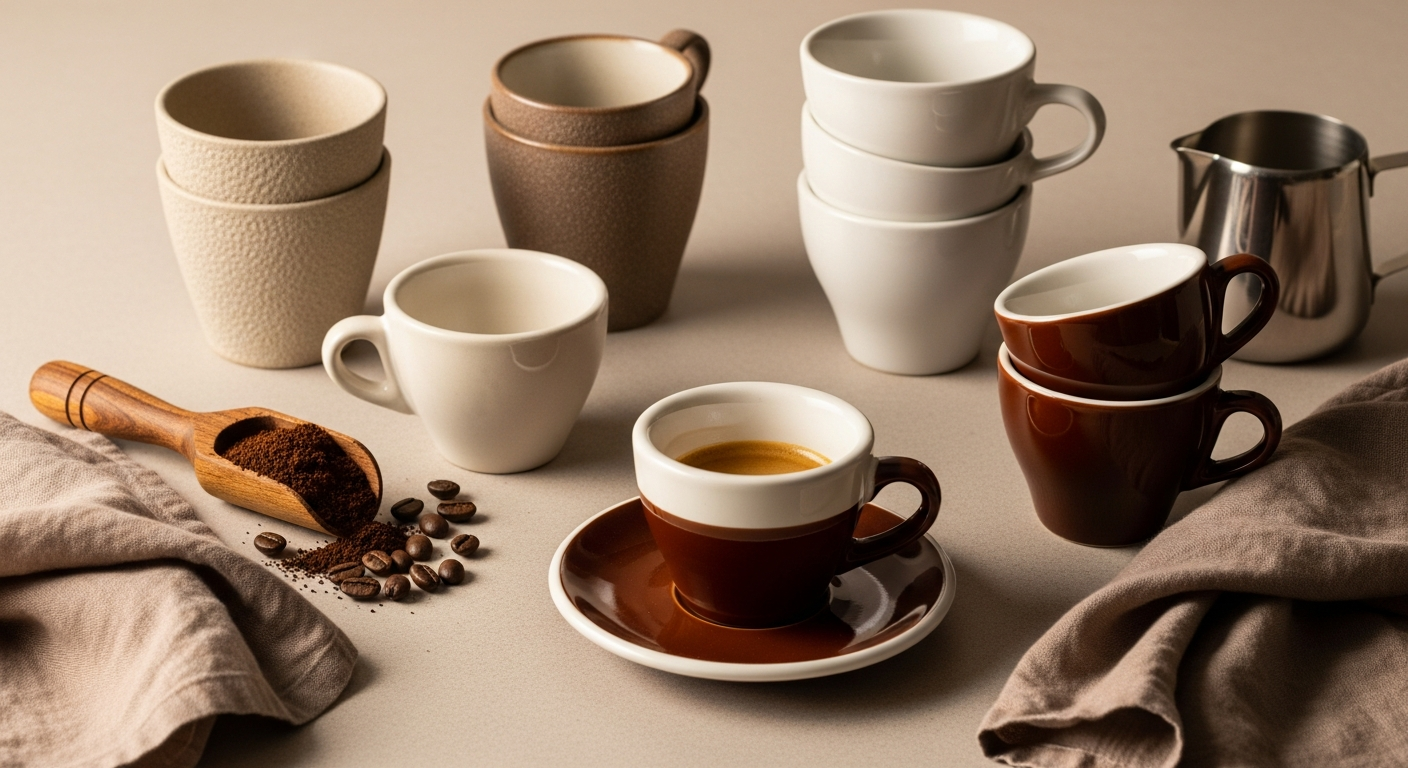
**Porcelain and Ceramic:** High-fired porcelain remains the industry gold standard for a reason. Its high thermal mass means that once pre-heated, it maintains the temperature of the espresso throughout the three to five minutes it usually takes to enjoy a double shot. For a home barista, the “heft” of a thick-walled porcelain cup, such as those made by iconic brands like Acme or Ancap, signifies quality. The thickness of the rim also plays a role in how the coffee hits your tongue; a rounded, thick rim tends to spread the liquid across the palate, enhancing the perception of body and sweetness.
**Borosilicate Glass:** For those who prioritize the visual theater of coffee, glass is king. Double-walled borosilicate glass allows you to see the distinct layers of the espresso—the dark, viscous body and the golden, bubbly crema on top. From a technical standpoint, double-walled glass offers superior insulation compared to single-walled ceramic, as the vacuum layer between the walls prevents heat transfer. However, many purists argue that glass lacks the “soul” and traditional mouthfeel of porcelain.
**The Importance of Pre-heating:** Regardless of material, no cup can perform its job if it is cold. A cold cup will instantly drop the temperature of a 2oz shot by 10–15 degrees Fahrenheit, killing the complexity of the flavors. The best espresso cups for home use are those that can easily sit atop your machine’s cup warmer or withstand a quick blast of hot water from the group head.
2. Shape and Ergonomics: More Than Just Aesthetics
The internal geometry of an espresso cup is where science meets art. If you look at the interior of a professional-grade demitasse, you will notice a continuous, bowl-shaped curve rather than a flat bottom. This is known as the “toroidal” shape.
**Crema Preservation:** When espresso falls from the portafilter into the cup, a curved bottom allows the liquid to swirl smoothly, preserving the bubbles that form the crema. A flat-bottomed cup creates turbulence that can break the crema apart, leading to a thinner mouthfeel. In 2026, we see many brands leaning into “egg-shaped” interiors specifically to protect the delicate lipid-protein foam that defines a great shot.
**Aromatics and Tapering:** The diameter of the cup’s rim also influences the tasting experience. A wider rim allows for more surface area, which helps the espresso cool slightly to a drinkable temperature while releasing more aromatics. Conversely, a narrower, tapered rim (similar to a wine glass) concentrates the aromas toward the nose. This “sensory-forward” design has become a major trend among home baristas who experiment with light-roast, high-altitude coffees that have floral or tea-like notes.
**The Handle Dilemma:** Ergonomics are deeply personal. Some baristas prefer the classic “one-finger” handle found on Italian demitasses, while others prefer handleless designs (often called “cupping bowls” or “tumblers”) that allow the drinker to wrap their hands around the vessel, feeling the warmth of the brew. In the modern kitchen, the “comfort grip” has become a priority, leading to handles that are more inclusive of different hand sizes.
3. Top Picks for 2026: The Best Ceramic and Porcelain Options
If you are looking for the quintessential home barista experience, you cannot go wrong with these ceramic staples. These brands have stood the test of time and continue to lead the market in 2026.
**Acme & Co. (The Evolution Series):** Originally from New Zealand, Acme cups are found in the world’s best specialty cafes. Their “Evolution” demitasse features a heavy, thick base and a tapered lip. They are incredibly durable and come in a range of “mid-century modern” colors that look stunning on any coffee bar.
**NotNeutral (Lino Collection):** Designed in collaboration with baristas at Intelligentsia Coffee, the Lino line is famous for its iconic handle. The top of the handle is flat, providing a resting place for the thumb, which offers unparalleled control while sipping. The interior is perfectly curved for latte art (if you’re making macchiatos) and crema retention.
**Fellow (Joey Mugs and Monty Milk Art Cups):** Fellow has revolutionized the aesthetic of the modern home coffee bar. Their Monty cups feature a double-walled ceramic construction with a sleek, handleless design and a copper or graphite bottom. They are stackable, which is a massive plus for home baristas with limited counter space. The hidden “parabolic” slope inside helps lift the crema to the top effortlessly.
**Ancap (The Italian Classic):** For the traditionalist, Ancap remains the peak of Italian craftsmanship. Made from pure white porcelain, these cups are heavy, heat-retentive, and virtually indestructible. If you want your home bar to feel like a street-side cafe in Rome, Ancap is the only choice.
4. Innovations in Glassware: Seeing is Believing
The 2026 market has seen a surge in “sensory glassware.” Home baristas are increasingly moving away from basic shot glasses toward high-performance glass vessels.
**Kruve (EQ Glassware):** Kruve has changed the game by applying the principles of wine science to coffee. Their espresso glasses (like the ‘Propel’) feature internal fins that agitate the coffee when swirled, de-stratifying the layers and enhancing the aroma. The double-walled base keeps the coffee hot, while the single-walled rim allows for a thin, elegant drinking experience.
**Bodum (Pavina Series):** The Pavina remains a classic for a reason. These double-walled borosilicate glasses are affordable, elegant, and highly functional. They create an optical illusion where the espresso appears to be floating in mid-air. For a home barista on a budget who still wants a “wow” factor, Bodum is the gold standard.
**Luigi Bormioli:** This Italian glassmaker produces the “Thermic” line, which is specifically treated to be extra resistant to thermal shock. Their espresso glasses often feature a slightly flared lip, which is ideal for those who enjoy the bright acidity of African light roasts.
5. Capacity Matters: 2oz vs. 3oz and Beyond
One of the most common mistakes home baristas make is buying a cup that is too large. A traditional single espresso is roughly 1 ounce (30ml), and a double (doppio) is 2 ounces (60ml). If you put a 2oz shot into a 6oz cup, the liquid will lose its heat almost instantly due to the large surface area and air volume.
**The 2.5oz “Sweet Spot”:** For most home baristas in 2026, a 2.5oz (75ml) to 3oz (90ml) cup is the ideal choice. This provides enough room for a standard double shot with a thick layer of crema, without the liquid looking “lost” in the vessel. It also leaves just enough room for a “dollop” of foam if you decide to turn your shot into an espresso macchiato.
**The Cortado Exception:** If you frequently add a small amount of steamed milk (equal parts milk and espresso), you should look for “Gibraltar” or “Cortado” glasses, which usually range from 4oz to 4.5oz. These are slightly larger than a demitasse but smaller than a cappuccino cup, maintaining the intensity of the espresso while accommodating the milk.
6. Maintenance and Longevity: Keeping Your Collection Pristine
Investing in high-quality espresso cups requires a commitment to proper care. Even the best porcelain can become stained over time if not treated correctly.
**Dealing with Coffee Oils:** Espresso is rich in oils, which can leave a residue on the porous surface of some ceramics. To keep your cups sparkling white, a periodic soak in a coffee equipment cleaner (like Cafiza) will remove stubborn brown stains that regular dish soap might miss.
**Dishwasher vs. Handwashing:** While most modern porcelain and borosilicate glass are dishwasher safe, handwashing is always recommended for “designer” cups with metallic finishes or delicate double-walls. The high-pressure jets and abrasive detergents in a dishwasher can eventually etch glass or dull the glaze of hand-painted ceramics.
**The “Cold Crack” Warning:** Never take a cup directly from a cold cupboard and blast it with boiling water. Even borosilicate glass can succumb to thermal shock if the temperature change is too extreme. Always allow your cups to warm up on the top of your espresso machine or rinse them with lukewarm water first.
FAQ: Common Questions from Home Baristas
**Q: Does the color of the cup affect the taste of the espresso?**
A: Surprisingly, yes. Psychological studies have shown that the color of the vessel can influence flavor perception. For example, white cups often enhance the perceived “intensity” and “bitterness” of coffee, while blue or pink cups can make the coffee seem sweeter.
**Q: Are handleless cups better than cups with handles?**
A: It is purely a matter of preference. Handleless cups offer a more “intimate” connection to the beverage and are easier to store, but they require a double-walled design to ensure you don’t burn your fingers. Cups with handles are easier to hold, especially for those with larger hands.
**Q: Why are espresso cups so thick?**
A: Thickness equals thermal mass. A thick-walled cup acts as a battery for heat; it absorbs the heat of the water and then reflects it back into the coffee, keeping it at the ideal drinking temperature for longer.
**Q: What is a “Demitasse”?**
A: “Demitasse” is French for “half cup.” It is the traditional name for the small cups (usually 2-3oz) used to serve espresso.
**Q: Can I use a regular shot glass for my espresso?**
A: You can, but regular glass is rarely tempered for heat. If you use a standard “bar” shot glass, it may crack under the heat of the espresso. Furthermore, single-walled glass loses heat very quickly. It is better to use dedicated espresso glassware.
Conclusion
The pursuit of the perfect espresso is a holistic endeavor. While the beans, the grind, and the extraction are the heart of the process, the cup is the soul. In 2026, the “best” espresso cup is the one that fits your personal ritual—whether that involves the clinical precision of a Kruve sensory glass or the comforting, heavy porcelain of an Acme demitasse. By choosing a cup with the right material, shape, and thermal properties, you aren’t just buying a kitchen accessory; you are completing the circuit of flavor that began on a coffee farm thousands of miles away. Invest in quality, pre-heat your vessel, and take the time to appreciate the visual and aromatic beauty of your craft. After all, a shot of espresso is a fleeting luxury—ensure it is served in a vessel worthy of the effort you put into brewing it.