Role Of A Barista
The Essential Role of a Barista: More Than Just a Coffee Maker
Affiliate disclosure: This article may contain affiliate links. Recommendations are independent and editorially driven.
In the vibrant tapestry of global café culture, few figures are as central and celebrated as the barista. Often perceived merely as someone who operates an espresso machine, the true role of a barista extends far beyond simply brewing coffee. They are artisans, educators, confidantes, and often the very heart of the community that gathers around the ritual of a daily cup. From the meticulous science of extraction to the warm art of hospitality, the barista embodies a unique blend of technical skill, sensory mastery, and genuine human connection. This comprehensive exploration delves into the intricate responsibilities, evolving expertise, and profound impact of the barista in today’s sophisticated coffee landscape.
The journey of coffee, from bean to cup, is a complex one, fraught with variables at every stage. The barista stands at the culmination of this journey, entrusted with the sacred duty of transforming raw ingredients into a sublime beverage experience. Their hands are the final arbiters of quality, their knowledge the guide to unlocking the full potential of each coffee bean. As we navigate the nuances of their craft, it becomes clear that the role of a barista is not just a job; it is a vocation, a passionate pursuit that shapes not only our daily routines but also the very fabric of our social lives.
Beyond the Bean: Deconstructing the Barista’s Core Responsibilities
To truly appreciate the multifaceted role of a barista, one must look beyond the gleaming espresso machine and steaming pitchers. Their responsibilities are a complex weave of technical expertise, artistic flair, and profound interpersonal skills. It’s a demanding profession that requires constant attention to detail and a genuine passion for both coffee and people.
The Art and Science of Coffee Preparation
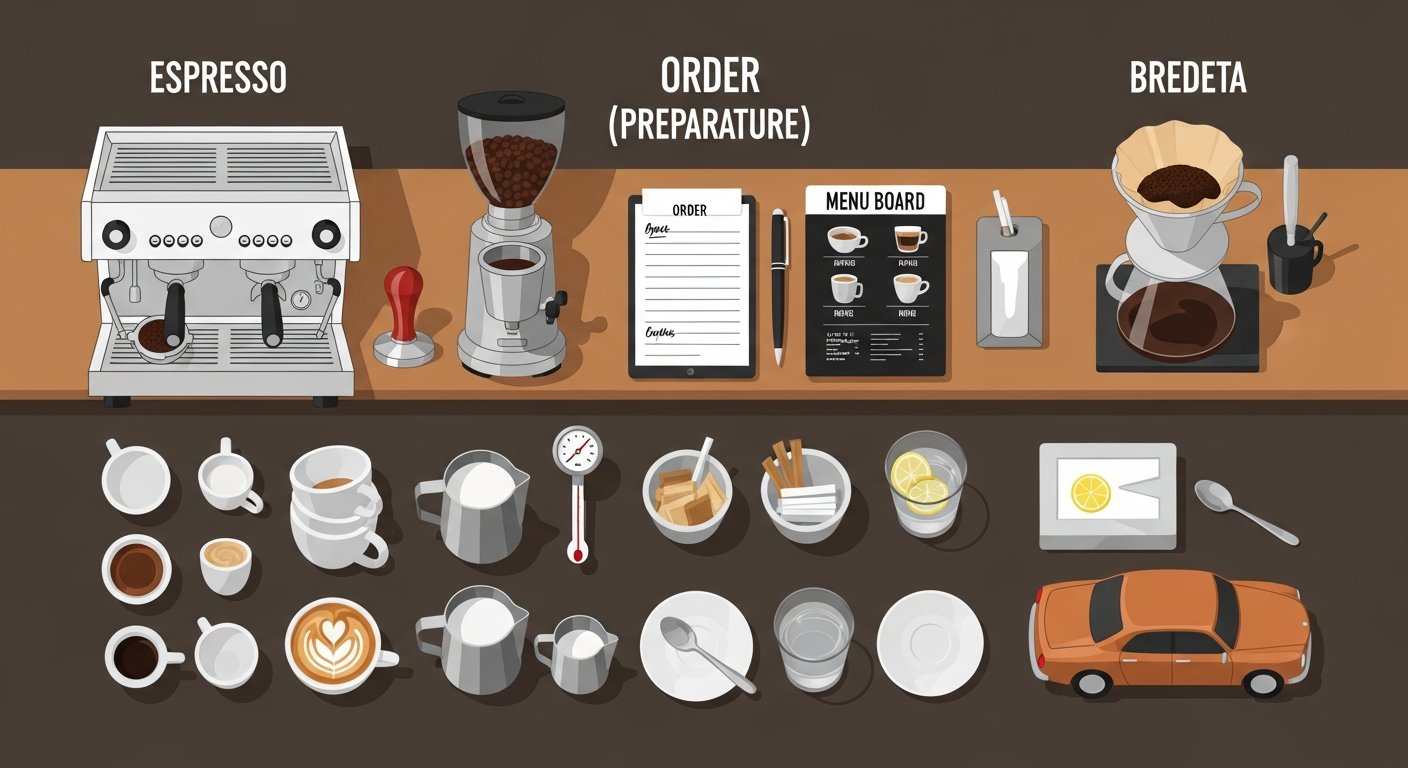
At the core of the barista’s identity is the masterful preparation of coffee. This isn’t just about pushing buttons; it’s a sophisticated blend of art and science. Baristas must possess an in-depth understanding of coffee varietals, roast profiles, and their impact on flavor. They meticulously control variables like grind size, dose, water temperature, pressure, and extraction time to coax the ideal flavor profile from every bean. Whether it’s a perfectly balanced espresso shot, a delicate pour-over, or a rich cold brew, the barista’s expertise ensures consistency and excellence. This requires a keen palate, a precise hand, and an unwavering commitment to quality. The precision involved can often feel like a scientific experiment, yet the creativity in crafting a unique drink or presenting it beautifully elevates it to an art form. The modern barista is also expected to be proficient across various brewing methods, understanding the distinct characteristics each method imparts and advising customers accordingly. This holistic understanding transforms raw ingredients into an experience.
Customer Interaction: The Face of the Café
Beyond the technical prowess, the barista is the primary point of contact for customers, serving as the face and voice of the café. Their ability to engage, listen, and communicate effectively is paramount to creating a welcoming atmosphere. This involves taking orders accurately, providing informed recommendations, and often engaging in friendly conversation that can brighten a customer’s day. A barista’s role is intrinsically linked to customer satisfaction, and their demeanor can significantly influence a patron’s overall experience. They are adept at reading social cues, understanding unspoken needs, and adapting their approach to suit individual personalities. From the hurried commuter to the leisurely laptop warrior, each customer receives personalized attention. This human element is irreplaceable, transforming a simple transaction into a meaningful interaction and fostering loyalty. It’s about more than just serving coffee; it’s about serving people, making them feel valued and understood within the café’s comforting embrace.
Maintaining Quality and Consistency
Consistency is the bedrock of any successful coffee establishment, and it’s a responsibility that falls squarely on the barista’s shoulders. Customers expect their favorite drink to taste the same, every single time, regardless of who prepares it or what time of day it is. Achieving this requires rigorous adherence to standards, regular calibration of equipment, and an acute awareness of environmental factors that can affect brewing. Baristas are trained to identify and troubleshoot issues such as under-extraction, over-extraction, or incorrect milk texture. They perform quality checks throughout their shift, ensuring that every beverage meets the café’s exacting standards. This commitment to consistency builds trust with customers and solidifies the café’s reputation for excellence. It’s a relentless pursuit of perfection, where even minor deviations can impact the final product. This dedication ensures that the café’s brand promise is upheld with every cup served, creating a reliable and enjoyable experience for all patrons.
Operational Savvy and Problem-Solving
The role of a barista extends well beyond the counter. They are often involved in various operational tasks that keep the café running smoothly. This can include managing inventory for coffee beans, milk, and other supplies, maintaining cleanliness standards across all areas, and performing routine maintenance on espresso machines and grinders. When equipment malfunctions, baristas are often the first line of defense, capable of basic troubleshooting to minimize downtime. They must also be adept at managing rushes, prioritizing orders, and working efficiently under pressure, often multitasking with grace. This operational acumen ensures that the café maintains a high level of productivity and customer service, even during peak hours. Their ability to proactively identify potential issues and resolve them swiftly is crucial for maintaining seamless operations. This blend of front-of-house charm and back-of-house efficiency makes the barista an invaluable asset to any café.
The Craft of Extraction: Precision in Every Shot
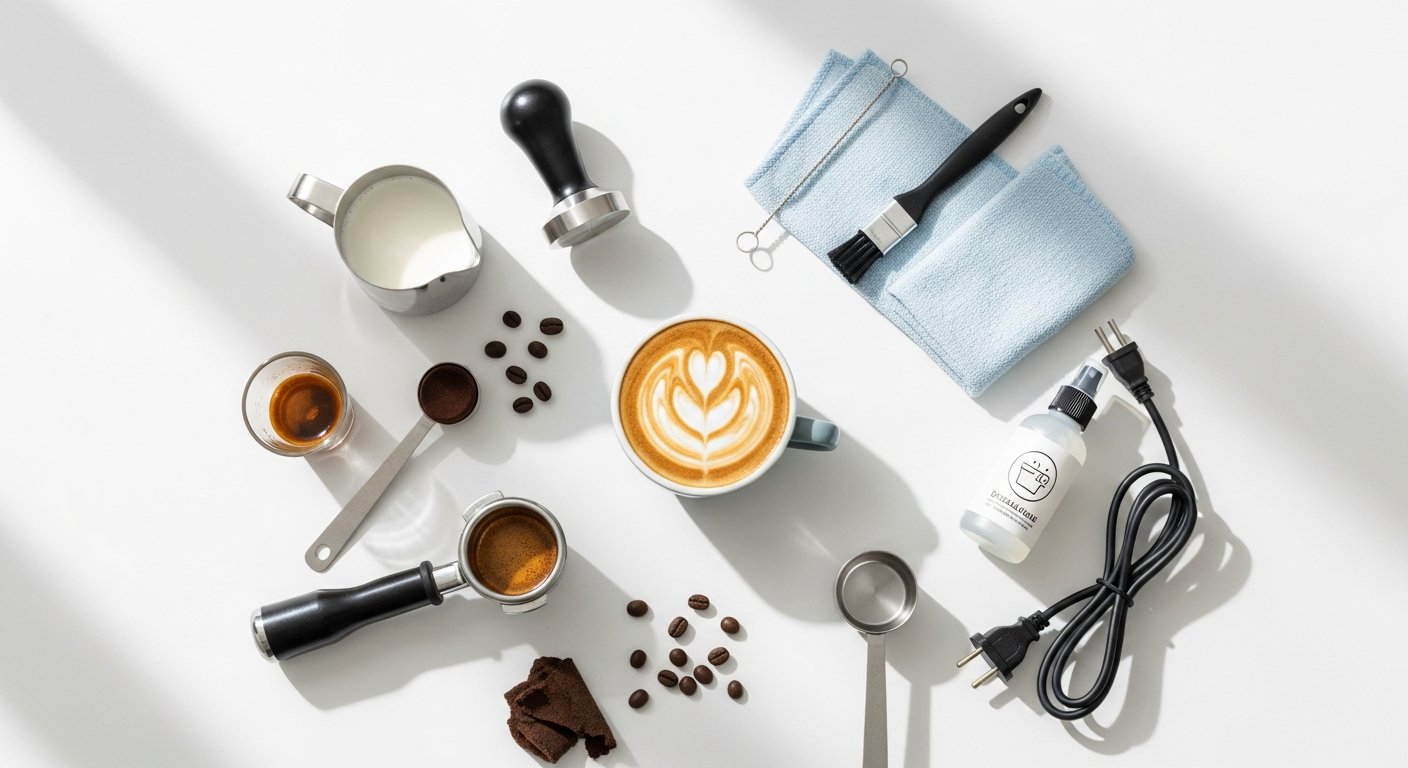
At the heart of specialty coffee lies the espresso, a concentrated elixir that forms the foundation for countless popular beverages. The barista’s mastery of espresso extraction is perhaps their most defining technical skill, demanding an intricate understanding of physics, chemistry, and sensory evaluation. It is a delicate dance between machine and human, where subtle adjustments yield dramatically different results.
[INLINE IMAGE 1: place after second H2 | alt=”role of a barista concept illustration”]
Understanding Espresso Machines and Grinders
A barista’s relationship with their tools is akin to a musician’s with their instrument. The espresso machine is a complex piece of equipment, involving boilers, pumps, group heads, and PID controllers, all designed to deliver water at precise temperatures and pressures. A skilled barista understands the mechanics of their specific machine, knowing how to clean, calibrate, and troubleshoot it. Equally crucial is the grinder. Coffee beans are at their peak freshness only moments after grinding, and the grind size profoundly impacts extraction. Too coarse, and the shot will be under-extracted, thin, and sour; too fine, and it will be over-extracted, bitter, and choked. Baristas must be proficient in adjusting the grinder’s settings, often several times throughout the day, to compensate for changes in humidity, temperature, and bean freshness. This intimate knowledge of their equipment allows them to consistently produce high-quality espresso. Understanding these intricate machines and their specific quirks is fundamental to mastering the craft, allowing the barista to manipulate variables with expert precision. They are not just users but custodians of these powerful tools, ensuring their optimal performance day in and day out.
Dialing In: The Pursuit of the Perfect Shot
“Dialing in” is a term central to the barista’s lexicon, referring to the iterative process of adjusting grind size, dose (amount of coffee), and yield (output volume) to achieve the ideal espresso shot. This process begins anew with each fresh bag of coffee and requires continuous micro-adjustments throughout the day. A barista uses their senses – sight, smell, taste, and even sound – to assess each shot. They look for the perfect flow rate, the rich color of the crema, and most importantly, the balanced flavor profile: sweetness, acidity, bitterness, and body all in harmony. This pursuit of perfection is relentless, as environmental factors and the natural variability of coffee beans mean that what worked an hour ago might not be optimal now. It’s a testament to the barista’s dedication that they embrace this constant calibration, ensuring every customer receives an espresso that truly sings. This continuous experimentation and refinement are what elevate espresso preparation from a mechanical task to a nuanced art form. The satisfaction of pulling a truly exceptional shot is a reward in itself, driving the barista’s unwavering commitment to quality.
Coffee Bean Knowledge: Origins, Roasts, and Flavors
A truly exceptional barista is also an ambassador of coffee knowledge. They understand that the journey of the bean begins long before it reaches their grinder. This involves knowledge of different coffee origins (Ethiopian Yirgacheffe, Colombian Supremo, Sumatran Mandheling, etc.), each with its unique flavor characteristics influenced by terroir, processing methods, and varietals. They can identify various roast levels – light, medium, dark – and explain how roasting impacts the final taste profile. This knowledge allows them to confidently recommend coffees based on a customer’s preferences, explaining tasting notes like fruity, nutty, chocolatey, or floral. For cafeserre, fostering this depth of understanding is key to enhancing the customer experience, turning a simple purchase into an educational and engaging discovery. An understanding of coffee bean processing methods, from washed to natural to honey, further enriches their ability to describe flavor nuances and educate curious patrons, solidifying their role as a true coffee connoisseur.
Brewing Beyond Espresso: Pourovers, French Press, and More
While espresso is central, a versatile barista’s repertoire extends far beyond it. Many specialty cafés offer a range of alternative brewing methods, each designed to highlight different aspects of a coffee’s flavor profile. Pourovers, such as the Hario V60 or Chemex, require precise control over water temperature, pour rate, and bloom time to create clean, aromatic cups. French press, AeroPress, and siphon brewers each have their own techniques and ideal applications. Baristas must be proficient in all of these, understanding the specific grind sizes, ratios, and brewing times for each method. This versatility allows them to cater to a wider range of customer preferences and demonstrates their comprehensive understanding of coffee extraction principles. Offering these diverse options showcases the café’s dedication to coffee artistry and the barista’s commitment to exploring the full spectrum of coffee experiences. It’s about providing a curated experience, ensuring every coffee lover finds their perfect brew.
The Art of Milk: Steaming, Pouring, and Latte Art
Milk, in its various forms, is an indispensable component in many popular coffee beverages. The transformation of cold liquid milk into velvety, sweet microfoam is a skill that distinguishes a good barista from an exceptional one. This process demands precision, speed, and an artistic touch, contributing significantly to both the taste and visual appeal of drinks like lattes, cappuccinos, and flat whites.
Mastering Milk Chemistry and Texture
Steaming milk is not merely about heating it; it’s about altering its chemical structure to create a specific texture and sweetness. Baristas understand that milk contains proteins and fats that, when heated and aerated correctly, form a stable microfoam. The goal is to achieve a silky, glossy texture – often described as “wet paint” – with tiny, uniform bubbles, free from large, airy foam. This requires precise control over the steam wand, incorporating just enough air to create the desired volume, then texturing the milk to break down larger bubbles and integrate the air smoothly. Overheating can burn the milk, leading to an unpleasant sulfurous taste, while underheating results in a thin, watery beverage. Different types of milk (whole, skim, oat, almond, soy) react differently to steaming, requiring adaptable techniques. A skilled barista intuitively knows how to work with each, achieving optimal texture and sweetness every time. This deep understanding of milk chemistry allows them to consistently produce beverages that are both delicious and aesthetically pleasing.
The Techniques of Latte Art: From Hearts to Rosettas
Latte art is the visual signature of a skilled barista, transforming a simple beverage into a miniature canvas. It’s the final flourish that delights customers and showcases the barista’s dexterity. Achieving intricate designs like hearts, rosettas, swans, or tulips requires two key elements: perfectly textured microfoam and a steady, controlled pour. The barista must seamlessly integrate the steamed milk into the espresso, using specific pouring angles and movements to manipulate the contrast between the dark espresso and the white foam. This is not just for show; good latte art is often an indicator of correctly steamed milk, as uneven foam will not hold a design. Practice, patience, and precise hand-eye coordination are essential to mastering this art form. For many cafés, latte art has become an expected standard, a testament to the barista’s commitment to delivering a complete and exceptional beverage experience. It’s a blend of performance and precision, turning a routine task into a moment of beauty.
Alternative Milks: Adapting to Dietary Needs
The culinary landscape has evolved, with a growing demand for plant-based and lactose-free options. The modern barista must be equally proficient in working with a wide array of alternative milks, including oat, almond, soy, coconut, and even pea milk. Each of these alternatives presents its own unique challenges and opportunities during the steaming process. Oat milk, for instance, often steams beautifully, producing a creamy texture, while almond milk can be more temperamental. Baristas must understand the specific properties of each alternative milk – their protein content, fat composition, and how they react to heat and aeration – to achieve the best possible texture and taste without compromising the integrity of the drink. This adaptability is crucial for catering to diverse dietary needs and preferences, ensuring that every customer can enjoy a perfectly crafted beverage, regardless of their milk choice. It reflects a broader commitment to inclusivity and customer satisfaction in the contemporary café environment. This flexibility showcases the barista’s comprehensive skill set and dedication to meeting all customer requirements.
Maintaining Hygiene and Equipment
Beyond the glamour of latte art, a critical aspect of working with milk is maintaining impeccable hygiene. Milk is a perishable product that can harbor bacteria if not handled properly. Baristas are rigorously trained in food safety protocols, which include regularly purging and wiping steam wands immediately after each use to prevent milk residue buildup and bacterial growth. They also ensure that milk pitchers are thoroughly cleaned and sanitized, and that milk is stored at correct temperatures. The cleanliness of the steam wand directly impacts milk quality and taste, as leftover milk can scorch and taint subsequent drinks. This diligent attention to hygiene is non-negotiable, safeguarding customer health and ensuring the quality and integrity of every milk-based beverage. It’s a behind-the-scenes responsibility that underpins the entire operation, demonstrating a professional barista’s commitment to safety and quality. This meticulous approach extends to all aspects of the workstation, ensuring a pristine environment.
The Heart of Hospitality: Creating Unforgettable Customer Experiences
While technical prowess is fundamental, the human element is arguably what elevates the role of a barista from a mere service provider to a cherished purveyor of daily joy and comfort. Baristas are at the forefront of customer interaction, acting as ambassadors for their café and creating an atmosphere that encourages connection and community.
[INLINE IMAGE 2: place after fourth H2 | alt=”role of a barista comparison illustration”]
The Barista as a Brand Ambassador
For many customers, the barista is the café. Their demeanor, efficiency, and personality directly reflect on the establishment’s brand image. A friendly, knowledgeable barista can transform a routine coffee run into a memorable experience, fostering loyalty and positive word-of-mouth. They are responsible for embodying the café’s values, whether that’s a commitment to speed and efficiency in a bustling city spot or a relaxed, educational approach in a specialty coffee shop. Their ability to represent the brand with authenticity and enthusiasm is crucial for building a strong customer base and distinguishing the café in a competitive market. This role goes beyond serving coffee; it’s about selling an experience, a lifestyle, and a connection to a specific brand identity. The barista’s passion for the product and the people they serve becomes contagious, radiating a positive energy that defines the café’s unique character. They are effectively the living, breathing manifestation of the brand’s promise.
Building Rapport and Community
One of the most rewarding aspects of a barista’s role is the opportunity to build genuine rapport with regular customers. They often remember names, preferred drinks, and even snippets of personal stories, creating a sense of familiarity and belonging. This personalized interaction can transform a transactional relationship into a communal one, making the café a “third place” – a cherished space outside of home and work. Baristas facilitate connections not just between themselves and customers, but often between customers themselves, fostering a vibrant social hub. This community-building aspect is invaluable, turning a simple coffee shop into a local institution. The ability to engage in lighthearted banter, offer a comforting word, or simply acknowledge a regular with a smile contributes significantly to the café’s atmosphere and its place within the neighborhood. A barista, through their daily interactions, often becomes an integral part of their customers’ lives, a constant and comforting presence.
Handling Special Requests and Challenging Situations
The service industry inevitably presents its share of special requests and challenging situations, and baristas must navigate these with professionalism and grace. From accommodating intricate custom drink orders to calmly addressing complaints or resolving misunderstandings, their problem-solving skills and patience are constantly tested. This requires active listening, clear communication, and a calm demeanor, even under pressure. A skilled barista can turn a potentially negative experience into a positive one through empathetic understanding and effective resolution. Their ability to remain composed and polite, while still asserting necessary boundaries or policies, is a hallmark of exceptional customer service. This resilience and adaptability are crucial for maintaining a positive atmosphere and upholding the café’s reputation, ensuring that even difficult interactions end on a respectful note. Effective communication strategies for customer service are an essential part of their ongoing training.
Educating Customers on Coffee Culture
Many customers are curious about their coffee, and the barista serves as an approachable educator, demystifying the complexities of coffee culture. They can explain the differences between various origins, brewing methods, and flavor profiles, guiding customers towards new discoveries without being condescending. This educational role helps to elevate the customer’s appreciation for specialty coffee, deepening their understanding and enjoyment. Whether it’s explaining why a certain single-origin espresso has fruity notes or how a pour-over differs from a French press, the barista shares their passion and knowledge, enriching the customer’s experience. This informal education fosters a more engaged and informed coffee community, transforming casual drinkers into connoisseurs. Their ability to break down complex information into digestible, engaging explanations makes them invaluable resources for anyone looking to learn more about the world of coffee. They bridge the gap between expert knowledge and everyday appreciation.
Operational Excellence: Behind the Scenes Contributions
While the customer-facing aspects of a barista’s role are often highlighted, a significant portion of their responsibilities takes place behind the scenes, ensuring the smooth and efficient operation of the café. These operational duties are crucial for maintaining quality, cleanliness, and profitability.
Inventory Management and Stock Rotation
A well-run café depends on efficient inventory management, and baristas play an integral part in this. They are often responsible for monitoring stock levels of coffee beans, milk, syrups, cups, lids, and other consumables. This involves accurately tracking usage, identifying popular items that need frequent replenishment, and alerting management when supplies are running low. Proper stock rotation, often following the “first in, first out” (FIFO) principle, is also critical to ensure product freshness and minimize waste. For perishable items like milk and pre-ground coffee, this is especially important. Baristas contribute to daily or weekly inventory counts, helping to maintain accurate records and reduce financial losses due to spoilage or misplacement. Their diligence in this area directly impacts the café’s bottom line and operational efficiency, preventing embarrassing stock-outs during peak hours. This detail-oriented work ensures that the café is always prepared to meet customer demand without unnecessary expenditure.
Equipment Maintenance and Troubleshooting
The sophisticated equipment used in a café – espresso machines, grinders, batch brewers, dishwashers – requires regular cleaning and maintenance to function optimally. Baristas are trained in daily cleaning routines, which include backflushing espresso machines, disassembling and cleaning grinder burrs, and sanitizing steam wands and milk pitchers. Beyond routine cleaning, they are often the first to notice and diagnose minor equipment issues, such as a leaky portafilter gasket, an inconsistent grind, or a slow flow rate. Their ability to perform basic troubleshooting can prevent more serious breakdowns, reducing repair costs and minimizing operational downtime. Knowing when to call a technician versus when to perform a simple fix saves time and money. This proactive approach to equipment care ensures the longevity of expensive machinery and consistent drink quality. A barista’s mechanical aptitude is thus a key, often unsung, aspect of their professional skill set.
Cleanliness and Health Standards
Maintaining a spotless and hygienic environment is paramount in any food and beverage establishment, and baristas bear a significant responsibility for upholding these standards. This includes routine cleaning of workstations, floors, public areas, and restrooms. They ensure that all surfaces are wiped down, spills are promptly cleaned, and waste is managed appropriately. Adherence to health and safety regulations, such as proper handwashing techniques, wearing gloves when handling food, and maintaining correct food storage temperatures, is non-negotiable. Baristas are often tasked with closing duties that involve thorough cleaning and sanitization of all equipment and surfaces, ensuring the café is ready for the next day’s operation. This commitment to cleanliness not only provides a pleasant environment for customers but also prevents the spread of illness and ensures compliance with health codes. It reinforces the café’s commitment to professionalism and customer well-being. Their vigilance in these areas protects both patrons and the business’s reputation.
Workflow Optimization and Efficiency
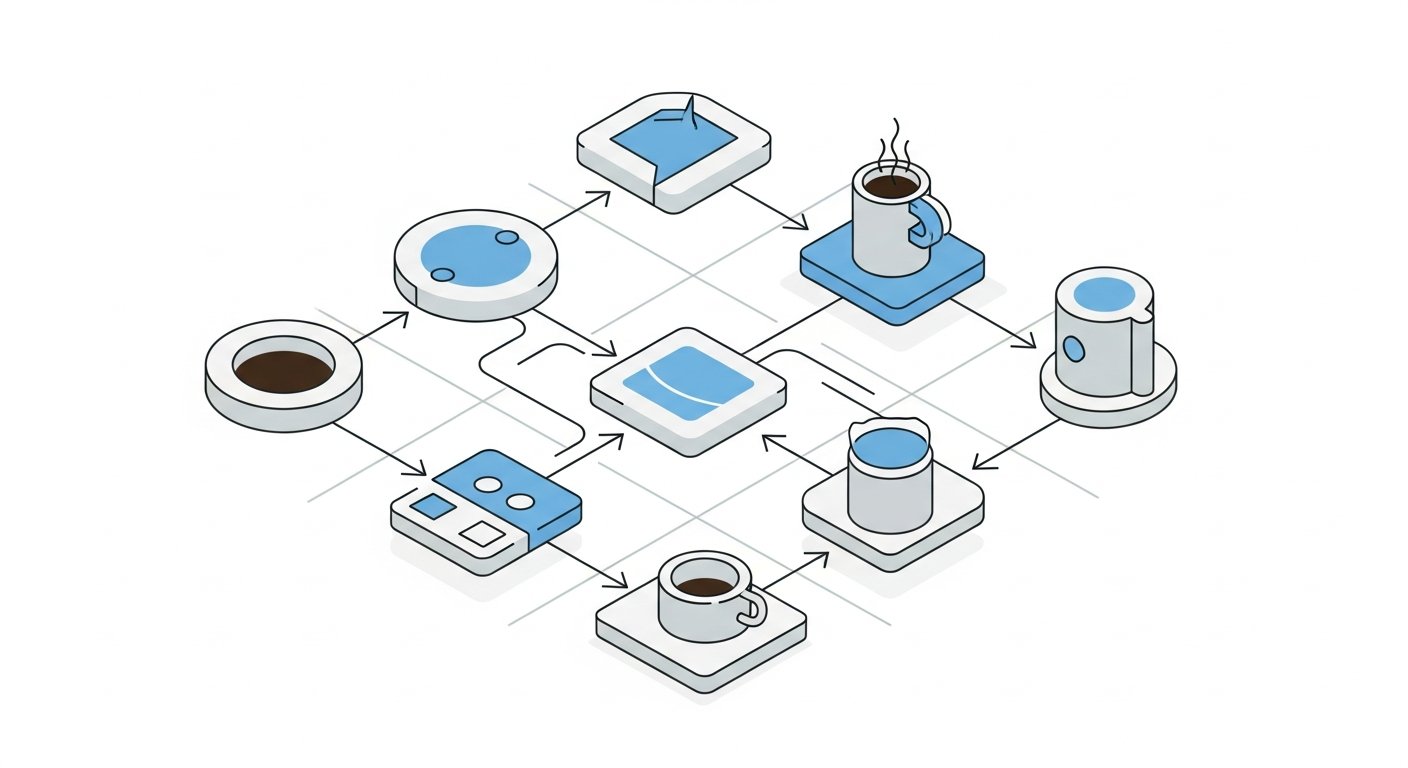
In a busy café, efficiency is key to customer satisfaction and profitability. Baristas are constantly engaged in optimizing their workflow to serve customers quickly and accurately, especially during peak hours. This involves strategic placement of tools and ingredients, anticipating customer needs, and mastering the art of multitasking – pulling shots, steaming milk, and taking orders simultaneously. They learn to prioritize tasks, communicate effectively with teammates, and move with purpose and precision. A well-designed workflow allows a barista to maintain high output without sacrificing quality, ensuring that wait times are minimized and customer flow is smooth. This efficiency is a testament to their training and experience, allowing them to remain calm and productive even when faced with a long line of eager patrons. Their ability to perform under pressure and maintain a consistent pace is critical to the overall success of the café. They are the conductors of the café’s symphony of service.
Evolution of the Barista: From Server to Specialist

The role of a barista has undergone a significant transformation over the past few decades, evolving from a simple server to a highly skilled, respected professional. This evolution mirrors the broader changes in coffee culture, particularly with the rise of specialty coffee.
The Rise of Third Wave Coffee
The “Third Wave” of coffee, beginning in the early 2000s, marked a paradigm shift in how coffee is perceived and prepared. It emphasized coffee as an artisan product, focusing on single-origin beans, lighter roasts, and precise brewing methods that highlight distinct flavor profiles. This movement directly elevated the barista’s status. No longer just tasked with making a generic cup of coffee, they became the ultimate gatekeepers of quality, responsible for bringing out the nuanced characteristics of meticulously sourced and roasted beans. The Third Wave demanded a higher level of knowledge, skill, and passion, transforming the barista into an expert craftsman and an educator. This cultural shift placed coffee on par with fine wine, requiring a sophisticated palate and an understanding of its entire value chain, from farm to cup. The barista became the vital link, translating the efforts of farmers and roasters into a sublime experience for the consumer. This era cemented the barista’s role as a true coffee specialist, indispensable to the integrity of the bean’s journey.
Specialization: Roasting, Sourcing, and Training Roles
As the coffee industry matured, so too did the career paths available to experienced baristas. Many seasoned professionals now specialize in areas beyond the counter. Some transition into coffee roasting, where their intimate knowledge of flavor profiles and extraction helps them develop optimal roast curves. Others become green coffee buyers or sourcers, traveling to origin countries to establish direct trade relationships and ensure ethical, sustainable practices. Training and development roles are also prevalent, with experienced baristas educating new recruits on brewing techniques, customer service, and coffee knowledge. This specialization reflects the growing complexity and professionalism within the coffee industry, offering diverse and fulfilling career trajectories for those passionate about the bean. The once linear path of a barista has branched out, demonstrating the depth of expertise and impact these professionals can have across the entire coffee supply chain. They are truly becoming architects of the coffee experience, influencing everything from cultivation to consumption.
The Competitive Landscape: Barista Competitions
A clear indicator of the barista’s elevated status is the proliferation and prestige of barista competitions, both nationally and internationally. Events like the World Barista Championship (WBC) showcase the highest levels of skill, precision, and artistry. Competitors are judged on everything from espresso quality and milk technique to presentation, professionalism, and their ability to articulate their coffee’s unique qualities. These competitions push the boundaries of the craft, fostering innovation and inspiring excellence within the global barista community. Winning a major competition can launch a barista’s career, earning them recognition and opportunities for further growth. These events celebrate the immense talent and dedication involved in the role, providing a platform for baristas to showcase their mastery and contribute to the ongoing evolution of coffee culture. They are a true testament to the professionalism and artistry embedded in the role, elevating the craft to a competitive sport and a form of culinary excellence.
Impact on Café Business Models
The evolving role of the barista has had a profound impact on café business models. Specialty cafés now often invest heavily in high-quality equipment, premium beans, and extensive barista training, recognizing that the barista is a key differentiator. The focus has shifted from high-volume, generic coffee to quality, experience-driven service. This model emphasizes transparency, educating customers about bean origins and processing, and fostering a deeper appreciation for the product. Baristas are integral to this value proposition, as their expertise justifies the premium pricing often associated with specialty coffee. Their skill set helps create customer loyalty, reduces staff turnover (as skilled baristas are valuable assets), and ultimately contributes to the café’s financial success and reputation. The barista isn’t just an employee; they are a critical component of the café’s brand and profitability, directly influencing customer perception and driving sustained business growth. This strategic shift highlights the barista’s central role in modern coffee retail.
| Role | Key Responsibilities | Required Skills | Career Path & Outlook |
|---|---|---|---|
| Junior Barista | Basic drink preparation, order taking, cleaning, customer greeting. Focus on learning core techniques. | Basic coffee knowledge, eager to learn, customer service fundamentals, speed, cleanliness. | Entry-level position, often starting with on-the-job training. Pathway to Senior Barista. |
| Senior Barista | Expert drink crafting (espresso/latte art), troubleshooting, training juniors, opening/closing duties, inventory assistance. | Advanced coffee knowledge, consistent latte art, problem-solving, strong communication, multitasking. | Requires 1-3 years experience. Can lead to Head Barista, Trainer, or Roaster Assistant. |
| Head Barista / Lead Barista | Quality control, staff scheduling, advanced training, new drink development, equipment maintenance, managing shifts. | Leadership, deep understanding of café operations, advanced sensory skills, mentorship, inventory management. | Requires 3-5+ years experience. Often a stepping stone to Café Manager or Coffee Trainer. |
| Coffee Master / Trainer | Developing training programs, leading cupping sessions, advanced sensory evaluation, sourcing input, quality assurance across multiple locations. | Exceptional palate, extensive coffee science knowledge, teaching skills, program development, industry networking. | Requires 5-7+ years experience. Can lead to Coffee Roaster, Green Buyer, or Director of Coffee. |
| Café Manager (with Barista Duties) | Overall café operations, financial management, staff hiring/firing, marketing, supplier relations, maintaining barista standards. | Business acumen, leadership, human resources, financial literacy, advanced barista skills (for training/QA). | Requires significant experience in senior barista/lead roles. Can lead to multi-unit management or business ownership. |
Training, Development, and Continuous Learning
The journey to becoming a truly exceptional barista is one of continuous learning and refinement. The coffee industry is dynamic, with new techniques, equipment, and ethical considerations constantly emerging. A dedicated barista embraces this lifelong pursuit of knowledge and skill.
Formal Training Programs and Certifications
While on-the-job training is crucial, many aspiring and professional baristas opt for formal training programs and certifications. Institutions like the Specialty Coffee Association (SCA) offer comprehensive modules covering everything from Introduction to Coffee, Green Coffee, Roasting, Brewing, and Barista Skills. These certifications provide a structured curriculum, validate expertise, and demonstrate a commitment to professional development. They delve into coffee science, sensory analysis, advanced milk techniques, and equipment maintenance in a theoretical and practical manner. Completing such programs not only enhances a barista’s skill set but also improves their career prospects and reinforces their credibility within the industry. This formalized education complements practical experience, providing a deeper scientific and theoretical understanding of the craft. It establishes a global benchmark for competence, ensuring that certified baristas are recognized for their rigorous training and expertise, regardless of where they work. This structured learning provides a robust foundation for continuous improvement.
On-the-Job Mentorship
Beyond formal education, much of a barista’s expertise is honed through hands-on experience and mentorship from senior colleagues. Working alongside seasoned professionals provides invaluable opportunities to learn nuanced techniques, absorb practical tips, and gain insights into handling diverse customer situations. Mentors can guide new baristas through the intricacies of “dialing in” espresso, mastering challenging latte art patterns, and developing a keen palate for coffee tasting. This apprenticeship model allows for personalized feedback and accelerated learning, fostering a supportive environment where skills are passed down through direct interaction. The informal wisdom shared by an experienced barista often proves just as valuable as any classroom lesson, creating a culture of continuous improvement within the café. This direct guidance helps new baristas navigate the complex demands of the role and quickly develop the confidence and competence required to excel. It’s a critical component of professional growth, transforming novices into skilled practitioners.
Staying Current with Trends and Techniques
The coffee world is constantly innovating, with new brewing methods, flavor trends, and sustainability practices emerging regularly. A dedicated barista stays current by reading industry publications, attending workshops, participating in online forums, and experimenting with new techniques. Whether it’s the latest batch brewing technology, a novel approach to cold brew, or understanding the impact of anaerobic fermentation on bean flavor, continuous learning is essential. This proactive approach ensures that the barista remains at the cutting edge of their craft, capable of offering customers the newest and most exciting coffee experiences. It demonstrates a passion for coffee that extends beyond daily duties, contributing to their reputation as a knowledgeable and forward-thinking professional. This commitment to ongoing education helps cafés remain competitive and relevant in a rapidly evolving market, providing patrons with access to the latest and greatest in coffee innovation. Baristas are often the first to embrace and master these new trends, bringing fresh ideas to the counter.
Developing Sensory Skills: Cupping and Tasting
A fundamental aspect of advanced barista training is the development of acute sensory skills, primarily through cupping and tasting. Cupping is a standardized method used to evaluate coffee beans for quality and flavor characteristics. Baristas learn to identify specific aromas (fragrance of dry grounds) and flavors (taste in liquid form), distinguish between different types of acidity, body, and finish, and detect potential defects. This rigorous training hones their palate and olfactory senses, enabling them to objectively assess coffee quality and consistency. For cafeserre, baristas with refined sensory skills are invaluable for quality control and for accurately describing complex flavor profiles to customers, enhancing their appreciation and understanding. Mastering coffee cupping techniques is a hallmark of true coffee expertise, allowing baristas to speak with authority and nuance about the coffees they serve. It transforms the act of tasting into a precise, analytical process.
Challenges and Rewards: The Barista’s Journey
Like any profession that demands both technical skill and constant human interaction, the role of a barista comes with its unique set of challenges and profound rewards. Understanding these aspects provides a fuller picture of what it truly means to pursue this craft.
Physical Demands and Fast-Paced Environments
The life of a barista is often physically demanding. Long shifts spent standing, repetitive motions for making drinks, and the constant lifting of heavy bags of coffee or milk cartons can take a toll on the body. The environment itself is often fast-paced and high-pressure, especially during peak hours. Baristas must work quickly and efficiently, often juggling multiple orders and tasks simultaneously, all while maintaining a pleasant demeanor. This constant demand for speed, precision, and physical endurance requires a high level of stamina and resilience. The heat from espresso machines, the noise of grinders, and the bustling energy of a busy café contribute to an intense working environment. It is a testament to their dedication that baristas consistently deliver exceptional service under such conditions. This often-overlooked aspect of the job highlights the significant physical commitment required, making the profession more than just a casual pursuit. Their ability to thrive in this demanding setting speaks volumes about their professionalism.
Navigating Customer Expectations
Customers arrive at a café with a wide range of expectations – some seeking a quick caffeine fix, others a leisurely escape, and many bringing specific preferences or dietary needs. Baristas must adeptly navigate these diverse expectations, sometimes dealing with impatient, demanding, or even rude individuals. The challenge lies in maintaining professionalism and empathy, even when faced with difficult interactions. This requires excellent conflict resolution skills, a thick skin, and the ability to de-escalate tensions while upholding café policies. Balancing speed with personalized service, and catering to varied tastes while maintaining quality standards, is a delicate act. Successfully managing these expectations is crucial for customer satisfaction and maintaining a positive work environment. A barista’s ability to remain calm and focused, offering consistent, high-quality service despite external pressures, is a mark of true professionalism. This emotional labor is an integral, though often invisible, part of their daily work.
The Satisfaction of Craft and Connection
Despite the challenges, the rewards of being a barista are deeply gratifying. There’s immense satisfaction in mastering a craft, in consistently pulling the perfect espresso shot, creating exquisite latte art, or brewing a pour-over that truly highlights a coffee’s unique characteristics. This
The Essential Role of a Barista: More Than Just a Coffee Maker
Affiliate disclosure: This article may contain affiliate links. Recommendations are independent and editorially driven.
In the vibrant tapestry of global café culture, few figures are as central and celebrated as the barista. Often perceived merely as someone who operates an espresso machine, the true role of a barista extends far beyond simply brewing coffee. They are artisans, educators, confidantes, and often the very heart of the community that gathers around the ritual of a daily cup. From the meticulous science of extraction to the warm art of hospitality, the barista embodies a unique blend of technical skill, sensory mastery, and genuine human connection. This comprehensive exploration delves into the intricate responsibilities, evolving expertise, and profound impact of the barista in today’s sophisticated coffee landscape.
The journey of coffee, from bean to cup, is a complex one, fraught with variables at every stage. The barista stands at the culmination of this journey, entrusted with the sacred duty of transforming raw ingredients into a sublime beverage experience. Their hands are the final arbiters of quality, their knowledge the guide to unlocking the full potential of each coffee bean. As we navigate the nuances of their craft, it becomes clear that the role of a barista is not just a job; it is a vocation, a passionate pursuit that shapes not only our daily routines but also the very fabric of our social lives.
Beyond the Bean: Deconstructing the Barista’s Core Responsibilities
To truly appreciate the multifaceted role of a barista, one must look beyond the gleaming espresso machine and steaming pitchers. Their responsibilities are a complex weave of technical expertise, artistic flair, and profound interpersonal skills. It’s a demanding profession that requires constant attention to detail and a genuine passion for both coffee and people.
The Art and Science of Coffee Preparation
At the core of the barista’s identity is the masterful preparation of coffee. This isn’t just about pushing buttons; it’s a sophisticated blend of art and science. Baristas must possess an in-depth understanding of coffee varietals, roast profiles, and their impact on flavor. They meticulously control variables like grind size, dose, water temperature, pressure, and extraction time to coax the ideal flavor profile from every bean. Whether it’s a perfectly balanced espresso shot, a delicate pour-over, or a rich cold brew, the barista’s expertise ensures consistency and excellence. This requires a keen palate, a precise hand, and an unwavering commitment to quality. The precision involved can often feel like a scientific experiment, yet the creativity in crafting a unique drink or presenting it beautifully elevates it to an art form. The modern barista is also expected to be proficient across various brewing methods, understanding the distinct characteristics each method imparts and advising customers accordingly. This holistic understanding transforms raw ingredients into an experience.
Customer Interaction: The Face of the Café
Beyond the technical prowess, the barista is the primary point of contact for customers, serving as the face and voice of the café. Their ability to engage, listen, and communicate effectively is paramount to creating a welcoming atmosphere. This involves taking orders accurately, providing informed recommendations, and often engaging in friendly conversation that can brighten a customer’s day. A barista’s role is intrinsically linked to customer satisfaction, and their demeanor can significantly influence a patron’s overall experience. They are adept at reading social cues, understanding unspoken needs, and adapting their approach to suit individual personalities. From the hurried commuter to the leisurely laptop warrior, each customer receives personalized attention. This human element is irreplaceable, transforming a simple transaction into a meaningful interaction and fostering loyalty. It’s about more than just serving coffee; it’s about serving people, making them feel valued and understood within the café’s comforting embrace.
Maintaining Quality and Consistency
Consistency is the bedrock of any successful coffee establishment, and it’s a responsibility that falls squarely on the barista’s shoulders. Customers expect their favorite drink to taste the same, every single time, regardless of who prepares it or what time of day it is. Achieving this requires rigorous adherence to standards, regular calibration of equipment, and an acute awareness of environmental factors that can affect brewing. Baristas are trained to identify and troubleshoot issues such as under-extraction, over-extraction, or incorrect milk texture. They perform quality checks throughout their shift, ensuring that every beverage meets the café’s exacting standards. This commitment to consistency builds trust with customers and solidifies the café’s reputation for excellence. It’s a relentless pursuit of perfection, where even minor deviations can impact the final product. This dedication ensures that the café’s brand promise is upheld with every cup served, creating a reliable and enjoyable experience for all patrons.
Operational Savvy and Problem-Solving
The role of a barista extends well beyond the counter. They are often involved in various operational tasks that keep the café running smoothly. This can include managing inventory for coffee beans, milk, and other supplies, maintaining cleanliness standards across all areas, and performing routine maintenance on espresso machines and grinders. When equipment malfunctions, baristas are often the first line of defense, capable of basic troubleshooting to minimize downtime. They must also be adept at managing rushes, prioritizing orders, and working efficiently under pressure, often multitasking with grace. This operational acumen ensures that the café maintains a high level of productivity and customer service, even during peak hours. Their ability to proactively identify potential issues and resolve them swiftly is crucial for maintaining seamless operations. This blend of front-of-house charm and back-of-house efficiency makes the barista an invaluable asset to any café.
The Craft of Extraction: Precision in Every Shot
At the heart of specialty coffee lies the espresso, a concentrated elixir that forms the foundation for countless popular beverages. The barista’s mastery of espresso extraction is perhaps their most defining technical skill, demanding an intricate understanding of physics, chemistry, and sensory evaluation. It is a delicate dance between machine and human, where subtle adjustments yield dramatically different results.
[INLINE IMAGE 1: place after second H2 | alt=”role of a barista concept illustration”]
Understanding Espresso Machines and Grinders
A barista’s relationship with their tools is akin to a musician’s with their instrument. The espresso machine is a complex piece of equipment, involving boilers, pumps, group heads, and PID controllers, all designed to deliver water at precise temperatures and pressures. A skilled barista understands the mechanics of their specific machine, knowing how to clean, calibrate, and troubleshoot it. Equally crucial is the grinder. Coffee beans are at their peak freshness only moments after grinding, and the grind size profoundly impacts extraction. Too coarse, and the shot will be under-extracted, thin, and sour; too fine, and it will be over-extracted, bitter, and choked. Baristas must be proficient in adjusting the grinder’s settings, often several times throughout the day, to compensate for changes in humidity, temperature, and bean freshness. This intimate knowledge of their equipment allows them to consistently produce high-quality espresso. Understanding these intricate machines and their specific quirks is fundamental to mastering the craft, allowing the barista to manipulate variables with expert precision. They are not just users but custodians of these powerful tools, ensuring their optimal performance day in and day out.
Dialing In: The Pursuit of the Perfect Shot
“Dialing in” is a term central to the barista’s lexicon, referring to the iterative process of adjusting grind size, dose (amount of coffee), and yield (output volume) to achieve the ideal espresso shot. This process begins anew with each fresh bag of coffee and requires continuous micro-adjustments throughout the day. A barista uses their senses – sight, smell, taste, and even sound – to assess each shot. They look for the perfect flow rate, the rich color of the crema, and most importantly, the balanced flavor profile: sweetness, acidity, bitterness, and body all in harmony. This pursuit of perfection is relentless, as environmental factors and the natural variability of coffee beans mean that what worked an hour ago might not be optimal now. It’s a testament to the barista’s dedication that they embrace this constant calibration, ensuring every customer receives an espresso that truly sings. This continuous experimentation and refinement are what elevate espresso preparation from a mechanical task to a nuanced art form. The satisfaction of pulling a truly exceptional shot is a reward in itself, driving the barista’s unwavering commitment to quality.
Coffee Bean Knowledge: Origins, Roasts, and Flavors
A truly exceptional barista is also an ambassador of coffee knowledge. They understand that the journey of the bean begins long before it reaches their grinder. This involves knowledge of different coffee origins (Ethiopian Yirgacheffe, Colombian Supremo, Sumatran Mandheling, etc.), each with its unique flavor characteristics influenced by terroir, processing methods, and varietals. They can identify various roast levels – light, medium, dark – and explain how roasting impacts the final taste profile. This knowledge allows them to confidently recommend coffees based on a customer’s preferences, explaining tasting notes like fruity, nutty, chocolatey, or floral. For cafeserre, fostering this depth of understanding is key to enhancing the customer experience, turning a simple purchase into an educational and engaging discovery. An understanding of coffee bean processing methods, from washed to natural to honey, further enriches their ability to describe flavor nuances and educate curious patrons, solidifying their role as a true coffee connoisseur.
Brewing Beyond Espresso: Pourovers, French Press, and More
While espresso is central, a versatile barista’s repertoire extends far beyond it. Many specialty cafés offer a range of alternative brewing methods, each designed to highlight different aspects of a coffee’s flavor profile. Pourovers, such as the Hario V60 or Chemex, require precise control over water temperature, pour rate, and bloom time to create clean, aromatic cups. French press, AeroPress, and siphon brewers each have their own techniques and ideal applications. Baristas must be proficient in all of these, understanding the specific grind sizes, ratios, and brewing times for each method. This versatility allows them to cater to a wider range of customer preferences and demonstrates their comprehensive understanding of coffee extraction principles. Offering these diverse options showcases the café’s dedication to coffee artistry and the barista’s commitment to exploring the full spectrum of coffee experiences. It’s about providing a curated experience, ensuring every coffee lover finds their perfect brew.
The Art of Milk: Steaming, Pouring, and Latte Art
Milk, in its various forms, is an indispensable component in many popular coffee beverages. The transformation of cold liquid milk into velvety, sweet microfoam is a skill that distinguishes a good barista from an exceptional one. This process demands precision, speed, and an artistic touch, contributing significantly to both the taste and visual appeal of drinks like lattes, cappuccinos, and flat whites.
Mastering Milk Chemistry and Texture
Steaming milk is not merely about heating it; it’s about altering its chemical structure to create a specific texture and sweetness. Baristas understand that milk contains proteins and fats that, when heated and aerated correctly, form a stable microfoam. The goal is to achieve a silky, glossy texture – often described as “wet paint” – with tiny, uniform bubbles, free from large, airy foam. This requires precise control over the steam wand, incorporating just enough air to create the desired volume, then texturing the milk to break down larger bubbles and integrate the air smoothly. Overheating can burn the milk, leading to an unpleasant sulfurous taste, while underheating results in a thin, watery beverage. Different types of milk (whole, skim, oat, almond, soy) react differently to steaming, requiring adaptable techniques. A skilled barista intuitively knows how to work with each, achieving optimal texture and sweetness every time. This deep understanding of milk chemistry allows them to consistently produce beverages that are both delicious and aesthetically pleasing.
The Techniques of Latte Art: From Hearts to Rosettas
Latte art is the visual signature of a skilled barista, transforming a simple beverage into a miniature canvas. It’s the final flourish that delights customers and showcases the barista’s dexterity. Achieving intricate designs like hearts, rosettas, swans, or tulips requires two key elements: perfectly textured microfoam and a steady, controlled pour. The barista must seamlessly integrate the steamed milk into the espresso, using specific pouring angles and movements to manipulate the contrast between the dark espresso and the white foam. This is not just for show; good latte art is often an indicator of correctly steamed milk, as uneven foam will not hold a design. Practice, patience, and precise hand-eye coordination are essential to mastering this art form. For many cafés, latte art has become an expected standard, a testament to the barista’s commitment to delivering a complete and exceptional beverage experience. It’s a blend of performance and precision, turning a routine task into a moment of beauty.
Alternative Milks: Adapting to Dietary Needs
The culinary landscape has evolved, with a growing demand for plant-based and lactose-free options. The modern barista must be equally proficient in working with a wide array of alternative milks, including oat, almond, soy, coconut, and even pea milk. Each of these alternatives presents its own unique challenges and opportunities during the steaming process. Oat milk, for instance, often steams beautifully, producing a creamy texture, while almond milk can be more temperamental. Baristas must understand the specific properties of each alternative milk – their protein content, fat composition, and how they react to heat and aeration – to achieve the best possible texture and taste without compromising the integrity of the drink. This adaptability is crucial for catering to diverse dietary needs and preferences, ensuring that every customer can enjoy a perfectly crafted beverage, regardless of their milk choice. It reflects a broader commitment to inclusivity and customer satisfaction in the contemporary café environment. This flexibility showcases the barista’s comprehensive skill set and dedication to meeting all customer requirements.
Maintaining Hygiene and Equipment
Beyond the glamour of latte art, a critical aspect of working with milk is maintaining impeccable hygiene. Milk is a perishable product that can harbor bacteria if not handled properly. Baristas are rigorously trained in food safety protocols, which include regularly purging and wiping steam wands immediately after each use to prevent milk residue buildup and bacterial growth. They also ensure that milk pitchers are thoroughly cleaned and sanitized, and that milk is stored at correct temperatures. The cleanliness of the steam wand directly impacts milk quality and taste, as leftover milk can scorch and taint subsequent drinks. This diligent attention to hygiene is non-negotiable, safeguarding customer health and ensuring the quality and integrity of every milk-based beverage. It’s a behind-the-scenes responsibility that underpins the entire operation, demonstrating a professional barista’s commitment to safety and quality. This meticulous approach extends to all aspects of the workstation, ensuring a pristine environment.
The Heart of Hospitality: Creating Unforgettable Customer Experiences
While technical prowess is fundamental, the human element is arguably what elevates the role of a barista from a mere service provider to a cherished purveyor of daily joy and comfort. Baristas are at the forefront of customer interaction, acting as ambassadors for their café and creating an atmosphere that encourages connection and community.
[INLINE IMAGE 2: place after fourth H2 | alt=”role of a barista comparison illustration”]
The Barista as a Brand Ambassador
For many customers, the barista is the café. Their demeanor, efficiency, and personality directly reflect on the establishment’s brand image. A friendly, knowledgeable barista can transform a routine coffee run into a memorable experience, fostering loyalty and positive word-of-mouth. They are responsible for embodying the café’s values, whether that’s a commitment to speed and efficiency in a bustling city spot or a relaxed, educational approach in a specialty coffee shop. Their ability to represent the brand with authenticity and enthusiasm is crucial for building a strong customer base and distinguishing the café in a competitive market. This role goes beyond serving coffee; it’s about selling an experience, a lifestyle, and a connection to a specific brand identity. The barista’s passion for the product and the people they serve becomes contagious, radiating a positive energy that defines the café’s unique character. They are effectively the living, breathing manifestation of the brand’s promise.
Building Rapport and Community
One of the most rewarding aspects of a barista’s role is the opportunity to build genuine rapport with regular customers. They often remember names, preferred drinks, and even snippets of personal stories, creating a sense of familiarity and belonging. This personalized interaction can transform a transactional relationship into a communal one, making the café a “third place” – a cherished space outside of home and work. Baristas facilitate connections not just between themselves and customers, but often between customers themselves, fostering a vibrant social hub. This community-building aspect is invaluable, turning a simple coffee shop into a local institution. The ability to engage in lighthearted banter, offer a comforting word, or simply acknowledge a regular with a smile contributes significantly to the café’s atmosphere and its place within the neighborhood. A barista, through their daily interactions, often becomes an integral part of their customers’ lives, a constant and comforting presence.
Handling Special Requests and Challenging Situations
The service industry inevitably presents its share of special requests and challenging situations, and baristas must navigate these with professionalism and grace. From accommodating intricate custom drink orders to calmly addressing complaints or resolving misunderstandings, their problem-solving skills and patience are constantly tested. This requires active listening, clear communication, and a calm demeanor, even under pressure. A skilled barista can turn a potentially negative experience into a positive one through empathetic understanding and effective resolution. Their ability to remain composed and polite, while still asserting necessary boundaries or policies, is a hallmark of exceptional customer service. This resilience and adaptability are crucial for maintaining a positive atmosphere and upholding the café’s reputation, ensuring that even difficult interactions end on a respectful note. Effective communication strategies for customer service are an essential part of their ongoing training.
Educating Customers on Coffee Culture
Many customers are curious about their coffee, and the barista serves as an approachable educator, demystifying the complexities of coffee culture. They can explain the differences between various origins, brewing methods, and flavor profiles, guiding customers towards new discoveries without being condescending. This educational role helps to elevate the customer’s appreciation for specialty coffee, deepening their understanding and enjoyment. Whether it’s explaining why a certain single-origin espresso has fruity notes or how a pour-over differs from a French press, the barista shares their passion and knowledge, enriching the customer’s experience. This informal education fosters a more engaged and informed coffee community, transforming casual drinkers into connoisseurs. Their ability to break down complex information into digestible, engaging explanations makes them invaluable resources for anyone looking to learn more about the world of coffee. They bridge the gap between expert knowledge and everyday appreciation.
Operational Excellence: Behind the Scenes Contributions
While the customer-facing aspects of a barista’s role are often highlighted, a significant portion of their responsibilities takes place behind the scenes, ensuring the smooth and efficient operation of the café. These operational duties are crucial for maintaining quality, cleanliness, and profitability.
Inventory Management and Stock Rotation
A well-run café depends on efficient inventory management, and baristas play an integral part in this. They are often responsible for monitoring stock levels of coffee beans, milk, syrups, cups, lids, and other consumables. This involves accurately tracking usage, identifying popular items that need frequent replenishment, and alerting management when supplies are running low. Proper stock rotation, often following the “first in, first out” (FIFO) principle, is also critical to ensure product freshness and minimize waste. For perishable items like milk and pre-ground coffee, this is especially important. Baristas contribute to daily or weekly inventory counts, helping to maintain accurate records and reduce financial losses due to spoilage or misplacement. Their diligence in this area directly impacts the café’s bottom line and operational efficiency, preventing embarrassing stock-outs during peak hours. This detail-oriented work ensures that the café is always prepared to meet customer demand without unnecessary expenditure.
Equipment Maintenance and Troubleshooting
The sophisticated equipment used in a café – espresso machines, grinders, batch brewers, dishwashers – requires regular cleaning and maintenance to function optimally. Baristas are trained in daily cleaning routines, which include backflushing espresso machines, disassembling and cleaning grinder burrs, and sanitizing steam wands and milk pitchers. Beyond routine cleaning, they are often the first to notice and diagnose minor equipment issues, such as a leaky portafilter gasket, an inconsistent grind, or a slow flow rate. Their ability to perform basic troubleshooting can prevent more serious breakdowns, reducing repair costs and minimizing operational downtime. Knowing when to call a technician versus when to perform a simple fix saves time and money. This proactive approach to equipment care ensures the longevity of expensive machinery and consistent drink quality. A barista’s mechanical aptitude is thus a key, often unsung, aspect of their professional skill set.
Cleanliness and Health Standards
Maintaining a spotless and hygienic environment is paramount in any food and beverage establishment, and baristas bear a significant responsibility for upholding these standards. This includes routine cleaning of workstations, floors, public areas, and restrooms. They ensure that all surfaces are wiped down, spills are promptly cleaned, and waste is managed appropriately. Adherence to health and safety regulations, such as proper handwashing techniques, wearing gloves when handling food, and maintaining correct food storage temperatures, is non-negotiable. Baristas are often tasked with closing duties that involve thorough cleaning and sanitization of all equipment and surfaces, ensuring the café is ready for the next day’s operation. This commitment to cleanliness not only provides a pleasant environment for customers but also prevents the spread of illness and ensures compliance with health codes. It reinforces the café’s commitment to professionalism and customer well-being. Their vigilance in these areas protects both patrons and the business’s reputation.
Workflow Optimization and Efficiency
In a busy café, efficiency is key to customer satisfaction and profitability. Baristas are constantly engaged in optimizing their workflow to serve customers quickly and accurately, especially during peak hours. This involves strategic placement of tools and ingredients, anticipating customer needs, and mastering the art of multitasking – pulling shots, steaming milk, and taking orders simultaneously. They learn to prioritize tasks, communicate effectively with teammates, and move with purpose and precision. A well-designed workflow allows a barista to maintain high output without sacrificing quality, ensuring that wait times are minimized and customer flow is smooth. This efficiency is a testament to their training and experience, allowing them to remain calm and productive even when faced with a long line of eager patrons. Their ability to perform under pressure and maintain a consistent pace is critical to the overall success of the café. They are the conductors of the café’s symphony of service.
Evolution of the Barista: From Server to Specialist
The role of a barista has undergone a significant transformation over the past few decades, evolving from a simple server to a highly skilled, respected professional. This evolution mirrors the broader changes in coffee culture, particularly with the rise of specialty coffee.
The Rise of Third Wave Coffee
The “Third Wave” of coffee, beginning in the early 2000s, marked a paradigm shift in how coffee is perceived and prepared. It emphasized coffee as an artisan product, focusing on single-origin beans, lighter roasts, and precise brewing methods that highlight distinct flavor profiles. This movement directly elevated the barista’s status. No longer just tasked with making a generic cup of coffee, they became the ultimate gatekeepers of quality, responsible for bringing out the nuanced characteristics of meticulously sourced and roasted beans. The Third Wave demanded a higher level of knowledge, skill, and passion, transforming the barista into an expert craftsman and an educator. This cultural shift placed coffee on par with fine wine, requiring a sophisticated palate and an understanding of its entire value chain, from farm to cup. The barista became the vital link, translating the efforts of farmers and roasters into a sublime experience for the consumer. This era cemented the barista’s role as a true coffee specialist, indispensable to the integrity of the bean’s journey.
Specialization: Roasting, Sourcing, and Training Roles
As the coffee industry matured, so too did the career paths available to experienced baristas. Many seasoned professionals now specialize in areas beyond the counter. Some transition into coffee roasting, where their intimate knowledge of flavor profiles and extraction helps them develop optimal roast curves. Others become green coffee buyers or sourcers, traveling to origin countries to establish direct trade relationships and ensure ethical, sustainable practices. Training and development roles are also prevalent, with experienced baristas educating new recruits on brewing techniques, customer service, and coffee knowledge. This specialization reflects the growing complexity and professionalism within the coffee industry, offering diverse and fulfilling career trajectories for those passionate about the bean. The once linear path of a barista has branched out, demonstrating the depth of expertise and impact these professionals can have across the entire coffee supply chain. They are truly becoming architects of the coffee experience, influencing everything from cultivation to consumption.
The Competitive Landscape: Barista Competitions
A clear indicator of the barista’s elevated status is the proliferation and prestige of barista competitions, both nationally and internationally. Events like the World Barista Championship (WBC) showcase the highest levels of skill, precision, and artistry. Competitors are judged on everything from espresso quality and milk technique to presentation, professionalism, and their ability to articulate their coffee’s unique qualities. These competitions push the boundaries of the craft, fostering innovation and inspiring excellence within the global barista community. Winning a major competition can launch a barista’s career, earning them recognition and opportunities for further growth. These events celebrate the immense talent and dedication involved in the role, providing a platform for baristas to showcase their mastery and contribute to the ongoing evolution of coffee culture. They are a true testament to the professionalism and artistry embedded in the role, elevating the craft to a competitive sport and a form of culinary excellence.
Impact on Café Business Models
The evolving role of the barista has had a profound impact on café business models. Specialty cafés now often invest heavily in high-quality equipment, premium beans, and extensive barista training, recognizing that the barista is a key differentiator. The focus has shifted from high-volume, generic coffee to quality, experience-driven service. This model emphasizes transparency, educating customers about bean origins and processing, and fostering a deeper appreciation for the product. Baristas are integral to this value proposition, as their expertise justifies the premium pricing often associated with specialty coffee. Their skill set helps create customer loyalty, reduces staff turnover (as skilled baristas are valuable assets), and ultimately contributes to the café’s financial success and reputation. The barista isn’t just an employee; they are a critical component of the café’s brand and profitability, directly influencing customer perception and driving sustained business growth. This strategic shift highlights the barista’s central role in modern coffee retail.
| Role | Key Responsibilities | Required Skills | Career Path & Outlook |
|---|---|---|---|
| Junior Barista | Basic drink preparation, order taking, cleaning, customer greeting. Focus on learning core techniques. | Basic coffee knowledge, eager to learn, customer service fundamentals, speed, cleanliness. | Entry-level position, often starting with on-the-job training. Pathway to Senior Barista. |
| Senior Barista | Expert drink crafting (espresso/latte art), troubleshooting, training juniors, opening/closing duties, inventory assistance. | Advanced coffee knowledge, consistent latte art, problem-solving, strong communication, multitasking. | Requires 1-3 years experience. Can lead to Head Barista, Trainer, or Roaster Assistant. |
| Head Barista / Lead Barista | Quality control, staff scheduling, advanced training, new drink development, equipment maintenance, managing shifts. | Leadership, deep understanding of café operations, advanced sensory skills, mentorship, inventory management. | Requires 3-5+ years experience. Often a stepping stone to Café Manager or Coffee Trainer. |
| Coffee Master / Trainer | Developing training programs, leading cupping sessions, advanced sensory evaluation, sourcing input, quality assurance across multiple locations. | Exceptional palate, extensive coffee science knowledge, teaching skills, program development, industry networking. | Requires 5-7+ years experience. Can lead to Coffee Roaster, Green Buyer, or Director of Coffee. |
| Café Manager (with Barista Duties) | Overall café operations, financial management, staff hiring/firing, marketing, supplier relations, maintaining barista standards. | Business acumen, leadership, human resources, financial literacy, advanced barista skills (for training/QA). | Requires significant experience in senior barista/lead roles. Can lead to multi-unit management or business ownership. |
Training, Development, and Continuous Learning
The journey to becoming a truly exceptional barista is one of continuous learning and refinement. The coffee industry is dynamic, with new techniques, equipment, and ethical considerations constantly emerging. A dedicated barista embraces this lifelong pursuit of knowledge and skill.
Formal Training Programs and Certifications
While on-the-job training is crucial, many aspiring and professional baristas opt for formal training programs and certifications. Institutions like the Specialty Coffee Association (SCA) offer comprehensive modules covering everything from Introduction to Coffee, Green Coffee, Roasting, Brewing, and Barista Skills. These certifications provide a structured curriculum, validate expertise, and demonstrate a commitment to professional development. They delve into coffee science, sensory analysis, advanced milk techniques, and equipment maintenance in a theoretical and practical manner. Completing such programs not only enhances a barista’s skill set but also improves their career prospects and reinforces their credibility within the industry. This formalized education complements practical experience, providing a deeper scientific and theoretical understanding of the craft. It establishes a global benchmark for competence, ensuring that certified baristas are recognized for their rigorous training and expertise, regardless of where they work. This structured learning provides a robust foundation for continuous improvement.
On-the-Job Mentorship
Beyond formal education, much of a barista’s expertise is honed through hands-on experience and mentorship from senior colleagues. Working alongside seasoned professionals provides invaluable opportunities to learn nuanced techniques, absorb practical tips, and gain insights into handling diverse customer situations. Mentors can guide new baristas through the intricacies of “dialing in” espresso, mastering challenging latte art patterns, and developing a keen palate for coffee tasting. This apprenticeship model allows for personalized feedback and accelerated learning, fostering a supportive environment where skills are passed down through direct interaction. The informal wisdom shared by an experienced barista often proves just as valuable as any classroom lesson, creating a culture of continuous improvement within the café. This direct guidance helps new baristas navigate the complex demands of the role and quickly develop the confidence and competence required to excel. It’s a critical component of professional growth, transforming novices into skilled practitioners.
Staying Current with Trends and Techniques
The coffee world is constantly innovating, with new brewing methods, flavor trends, and sustainability practices emerging regularly. A dedicated barista stays current by reading industry publications, attending workshops, participating in online forums, and experimenting with new techniques. Whether it’s the latest batch brewing technology, a novel approach to cold brew, or understanding the impact of anaerobic fermentation on bean flavor, continuous learning is essential. This proactive approach ensures that the barista remains at the cutting edge of their craft, capable of offering customers the newest and most exciting coffee experiences. It demonstrates a passion for coffee that extends beyond daily duties, contributing to their reputation as a knowledgeable and forward-thinking professional. This commitment to ongoing education helps cafés remain competitive and relevant in a rapidly evolving market, providing patrons with access to the latest and greatest in coffee innovation. Baristas are often the first to embrace and master these new trends, bringing fresh ideas to the counter.
Developing Sensory Skills: Cupping and Tasting
A fundamental aspect of advanced barista training is the development of acute sensory skills, primarily through cupping and tasting. Cupping is a standardized method used to evaluate coffee beans for quality and flavor characteristics. Baristas learn to identify specific aromas (fragrance of dry grounds) and flavors (taste in liquid form), distinguish between different types of acidity, body, and finish, and detect potential defects. This rigorous training hones their palate and olfactory senses, enabling them to objectively assess coffee quality and consistency. For cafeserre, baristas with refined sensory skills are invaluable for quality control and for accurately describing complex flavor profiles to customers, enhancing their appreciation and understanding. Mastering coffee cupping techniques is a hallmark of true coffee expertise, allowing baristas to speak with authority and nuance about the coffees they serve. It transforms the act of tasting into a precise, analytical process.
Challenges and Rewards: The Barista’s Journey
Like any profession that demands both technical skill and constant human interaction, the role of a barista comes with its unique set of challenges and profound rewards. Understanding these aspects provides a fuller picture of what it truly means to pursue this craft.
Physical Demands and Fast-Paced Environments
The life of a barista is often physically demanding. Long shifts spent standing, repetitive motions for making drinks, and the constant lifting of heavy bags of coffee or milk cartons can take a toll on the body. The environment itself is often fast-paced and high-pressure, especially during peak hours. Baristas must work quickly and efficiently, often juggling multiple orders and tasks simultaneously, all while maintaining a pleasant demeanor. This constant demand for speed, precision, and physical endurance requires a high level of stamina and resilience. The heat from espresso machines, the noise of grinders, and the bustling energy of a busy café contribute to an intense working environment. It is a testament to their dedication that baristas consistently deliver exceptional service under such conditions. This often-overlooked aspect of the job highlights the significant physical commitment required, making the profession more than just a casual pursuit. Their ability to thrive in this demanding setting speaks volumes about their professionalism.
Navigating Customer Expectations
Customers arrive at a café with a wide range of expectations – some seeking a quick caffeine fix, others a leisurely escape, and many bringing specific preferences or dietary needs. Baristas must adeptly navigate these diverse expectations, sometimes dealing with impatient, demanding, or even rude individuals. The challenge lies in maintaining professionalism and empathy, even when faced with difficult interactions. This requires excellent conflict resolution skills, a thick skin, and the ability to de-escalate tensions while upholding café policies. Balancing speed with personalized service, and catering to varied tastes while maintaining quality standards, is a delicate act. Successfully managing these expectations is crucial for customer satisfaction and maintaining a positive work environment. A barista’s ability to remain calm and focused, offering consistent, high-quality service despite external pressures, is a mark of true professionalism. This emotional labor is an integral, though often invisible, part of their daily work.
The Satisfaction of Craft and Connection
Despite the challenges, the rewards of being a barista are deeply gratifying. There’s immense satisfaction in mastering a craft, in consistently pulling the perfect espresso shot, creating exquisite latte art, or brewing a pour-over that truly highlights a coffee’s unique characteristics. This