
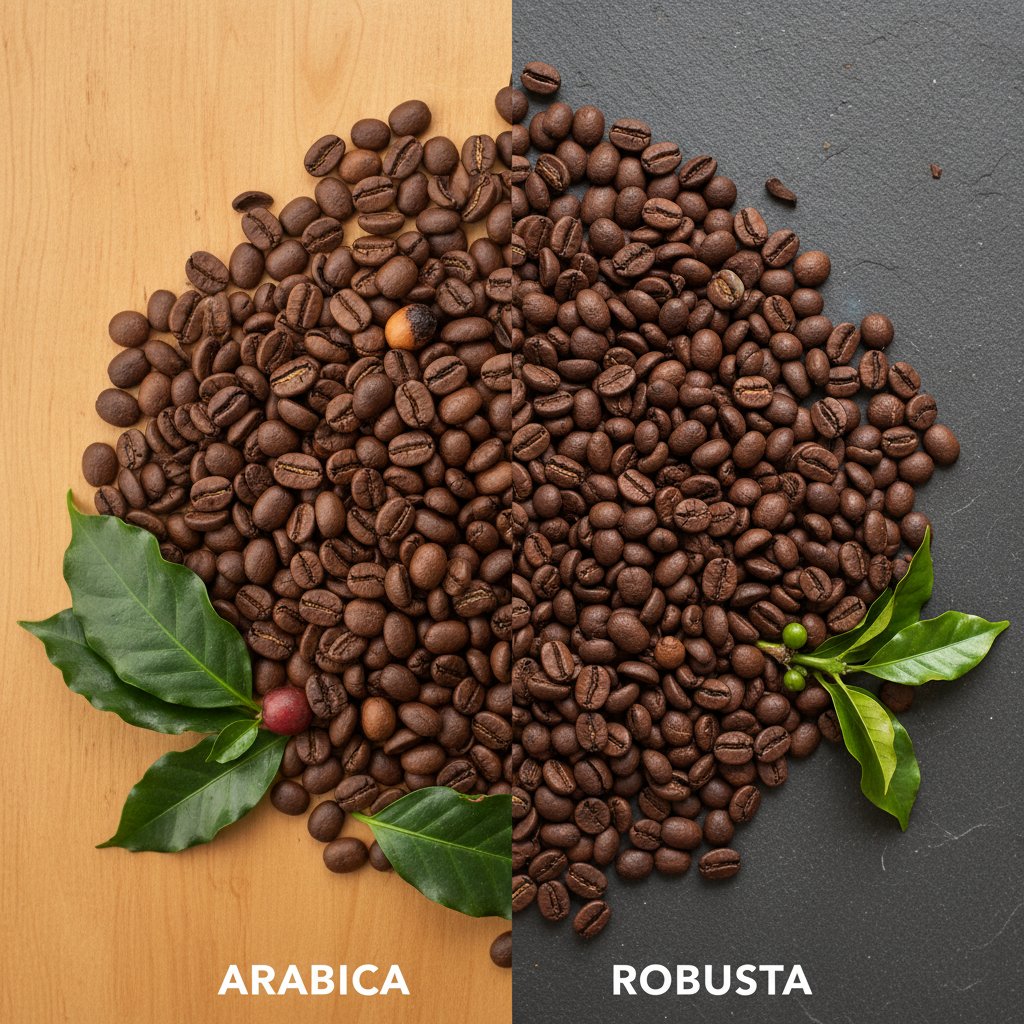
Arabica Vs Robusta
Arabica vs Robusta: Deciphering the World’s Dominant Coffee Beans
Affiliate disclosure: This article may contain affiliate links. Recommendations are independent and editorially driven.
For coffee connoisseurs and casual drinkers alike, the journey into the world of coffee inevitably leads to a fundamental question: what’s the difference between Arabica and Robusta? These two species of coffee plants account for over 95% of the world’s coffee production, yet they offer vastly different taste experiences, growing conditions, and economic implications. Understanding the nuances between Arabica vs Robusta isn’t just about trivia; it’s about making informed choices for your daily cup, appreciating the craft of coffee cultivation, and even understanding global coffee market trends.
At cafeserre, we believe that a truly exceptional coffee experience begins with knowledge. Whether you’re brewing at home, ordering at your favorite cafe, or simply wondering why some espresso shots taste different from others, delving into the characteristics of Arabica and Robusta is essential. This comprehensive guide will explore everything from their botanical origins and genetic makeup to their distinctive flavor profiles, cultivation challenges, and impact on various brewing methods. By the end, you’ll be equipped with the expertise to confidently identify, appreciate, and select your preferred coffee bean, elevating your coffee journey to new heights.
Botanical Origins and Global Dominance: Where Do They Come From?
The story of coffee truly begins with its plant species. While there are over 120 known species in the Coffea genus, only a handful are commercially cultivated, with Arabica and Robusta stealing the spotlight. Their botanical heritage deeply influences their genetic traits, which in turn dictate their ideal growing conditions and sensory characteristics.
The Regal History of Coffea Arabica
Coffea arabica, commonly known as Arabica, is the undisputed king of the coffee world, accounting for approximately 60-70% of global production. Its origins trace back to the highlands of Ethiopia, where coffee was first discovered and consumed. From there, it journeyed to Yemen, where cultivation began in earnest, and then outward to the rest of the world, largely through the Dutch and French colonial empires.
- Chromosome Count: Arabica is tetraploid, meaning it has four sets of chromosomes (2n=4x=44). This genetic complexity contributes to its diverse flavor potential.
- Ideal Climate: It thrives in specific, high-altitude conditions between 1,000 and 2,000 meters above sea level, requiring consistent rainfall (1,500-2,500 mm annually), moderate temperatures (15-24°C or 59-75°F), and distinct wet and dry seasons.
- Major Producers: Brazil, Colombia, Ethiopia, Honduras, and Peru are among the top Arabica producers.
- Cultivar Diversity: Within the Arabica species, there are numerous cultivars like Typica, Bourbon, Geisha, Caturra, and Pacamara, each offering unique adaptations and flavor nuances. This diversity is a significant factor in the vast spectrum of tastes found in Arabica coffees.
The Resilient Rise of Coffea Canephora (Robusta)
Coffea canephora, universally known as Robusta, is the second most prominent coffee species, making up about 25-35% of the global market. Discovered much later than Arabica, its origins are in sub-Saharan Africa, particularly around the Congo basin. Its name, “Robusta,” is a direct nod to its robust nature and resilience.
- Chromosome Count: Robusta is diploid, possessing two sets of chromosomes (2n=2x=22). This simpler genetic structure makes it more adaptable but also tends to result in less flavor complexity.
- Ideal Climate: Robusta is far more tolerant of varied, hotter climates (20-30°C or 68-86°F) and can grow at lower altitudes (200-800 meters above sea level). It requires slightly less rainfall than Arabica (1,000-2,000 mm annually) and is more resistant to diseases and pests.
- Major Producers: Vietnam, Brazil, Indonesia, Uganda, and India are the leading Robusta cultivators. Vietnam, in particular, has seen a dramatic increase in Robusta production, becoming a global powerhouse. This growth has fundamentally reshaped the global coffee market.
- Limited Cultivar Diversity: While there are some Robusta varieties, the genetic diversity is less pronounced compared to Arabica, leading to a more consistent, albeit less varied, flavor profile across different origins.
[INLINE IMAGE 1: place after second H2 | alt=”arabica vs robusta concept illustration”]
Flavor Profiles: A Tale of Two Coffees
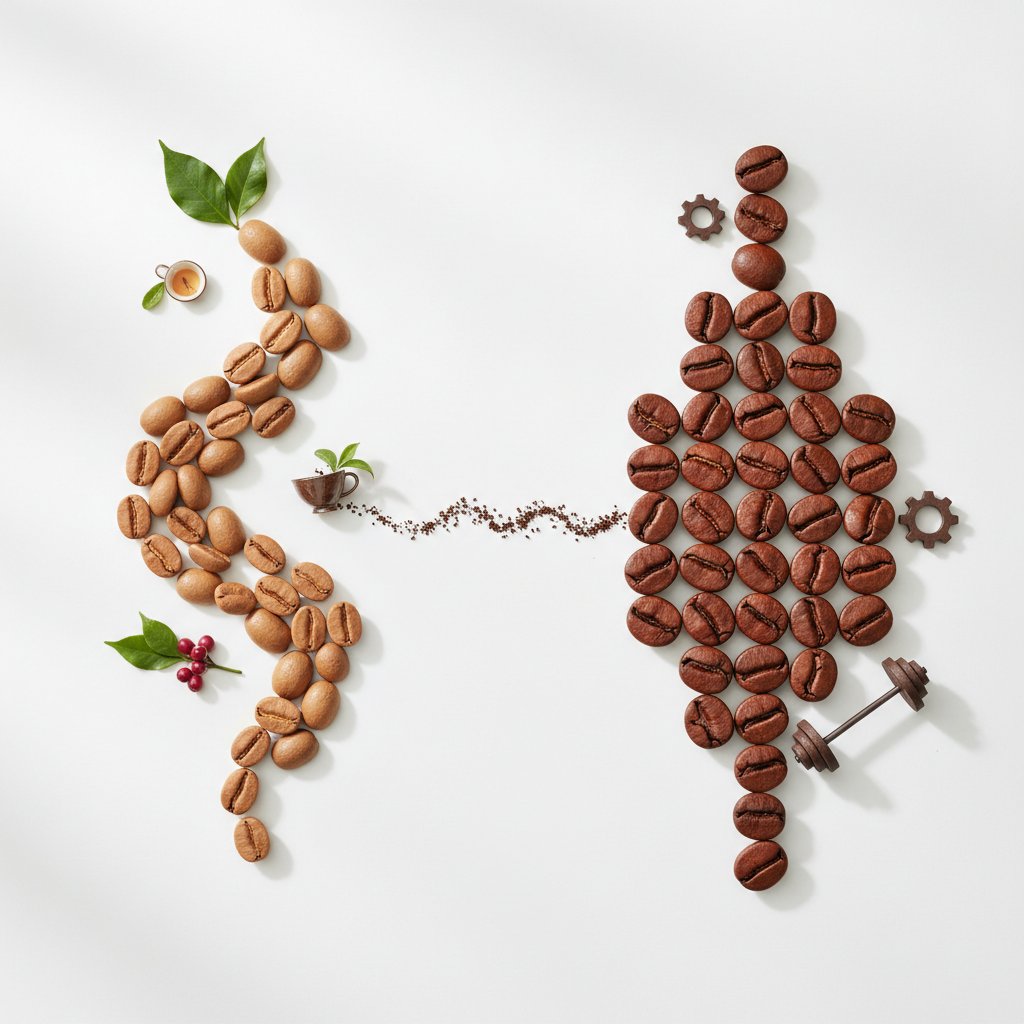
The most significant distinction between Arabica and Robusta, for most consumers, lies in their taste. While both offer a distinctly “coffee” flavor, the nuances are so profound that they can make or break a brewing experience. Understanding these differences allows us to appreciate why certain coffee preparations favor one over the other.
The Sophisticated Spectrum of Arabica Flavor
Arabica beans are celebrated for their complex and aromatic flavor profile. When roasted and brewed correctly, Arabica coffee offers a symphony of tastes and aromas that are often described as:
- Acidity: High, bright, and often citrusy or wine-like, contributing to a vibrant and lively cup. This desirable acidity is what gives Arabica its distinct “zing.”
- Sweetness: Pronounced and natural, often manifesting as notes of caramel, chocolate, nuts, or fruit. The sugars in Arabica beans caramelize beautifully during roasting.
- Body: Generally lighter to medium-bodied, with a smooth, clean mouthfeel.
- Aroma: Rich and fragrant, encompassing floral, fruity, chocolatey, nutty, and even spice notes. The volatile aromatic compounds in Arabica are numerous and delicate.
- Aftertaste: Often clean, pleasant, and lingering, with a gentle fading of the initial flavors.
- Noteworthy Notes: Depending on origin and processing, Arabica can present notes of blueberries, jasmine, bergamot, dark chocolate, hazelnut, peach, and more. For example, an Ethiopian Yirgacheffe might have distinct floral and citrus notes, while a Colombian Supremo could offer balanced caramel and nutty tones.
It’s this complexity and delicate balance that makes Arabica highly sought after for specialty coffee, pour-overs, and French presses, where its nuanced flavors can truly shine.
The Bold and Robust Character of Robusta Flavor
Robusta, true to its name, delivers a much bolder, stronger, and often earthier flavor profile. While it lacks the delicate complexity of Arabica, it brings its own set of characteristics to the table:
- Acidity: Low to virtually non-existent, resulting in a less bright, sometimes flat taste.
- Sweetness: Minimal natural sweetness, often leading to a more bitter or rubbery taste if over-roasted or poorly prepared.
- Body: Full-bodied, often described as heavy or thick, contributing to a creamy mouthfeel, especially in espresso.
- Aroma: Less aromatic and more intense, often with characteristics described as rubbery, earthy, burnt, woody, or even peanut-like.
- Aftertaste: Often strong, lingering, and can be perceived as harsh or bitter.
- Noteworthy Notes: While not as diverse as Arabica, quality Robusta can exhibit notes of dark chocolate, nuts (especially peanut), and a pleasant earthiness. When skillfully processed and roasted, particularly in certain regions like Vietnam or parts of Italy, Robusta can contribute a desired “kick” and crema to espresso.
Robusta is often used in espresso blends, instant coffee, and as an economic filler due to its lower cost and higher yield. Its strong flavor also allows it to stand up well to milk and sweeteners.
Caffeine Content: The Jolt Factor
For many coffee drinkers, the primary purpose of their morning cup is a caffeine kick. Here, the difference between Arabica and Robusta is stark and significant, directly linking to the plant’s natural defense mechanisms.
Arabica: The Milder Stimulant
Arabica beans contain a relatively lower amount of caffeine. On average, Arabica coffee typically contains about 1.5% caffeine by weight, ranging from 0.8% to 1.6%.
- Average Caffeine Per Cup: A typical 8-ounce (236ml) cup of brewed Arabica coffee contains approximately 95-130mg of caffeine.
- Evolutionary Purpose: The lower caffeine content in Arabica suggests that its primary defense against pests and diseases might rely on other mechanisms or that its natural growing environments present fewer threats mitigated by caffeine. The plant primarily evolved in cooler, higher altitudes where pest pressure is lower.
Robusta: The Powerhouse Punch
Robusta beans live up to their name in terms of caffeine content, boasting significantly higher levels than Arabica. Robusta typically contains around 2.5% caffeine by weight, with a range of 1.7% to 4.5%.
- Average Caffeine Per Cup: An 8-ounce (236ml) cup of brewed Robusta coffee can contain anywhere from 170-250mg or even more.
- Evolutionary Purpose: The high caffeine content in Robusta is a crucial natural defense mechanism. Caffeine is a natural pesticide and herbicide, deterring insects and inhibiting the growth of competing plants. This evolutionary advantage helps Robusta thrive in hotter, pest-prone environments at lower elevations.
Why Caffeine Matters in Your Brew
The caffeine differential has several practical implications:
- Energy Boost: If your priority is a strong energy jolt, Robusta is the clear winner.
- Flavor Masking: High caffeine combined with higher levels of chlorogenic acids (another chemical compound found in coffee) contributes to the perceived bitterness in Robusta, which can sometimes mask more subtle flavors.
- Espresso Creation: The high caffeine content is precisely why Robusta is often included in espresso blends. It provides a more robust punch and contributes to the coveted thick, reddish-brown “crema” that defines a well-pulled espresso shot. The lipids and CO2 trapped within the Robusta bean contribute to this foam.
- Health Considerations: Individuals sensitive to caffeine might prefer Arabica, or lower their consumption of Robusta-heavy blends.
Cultivation and Agricultural Challenges: Growing the Beans
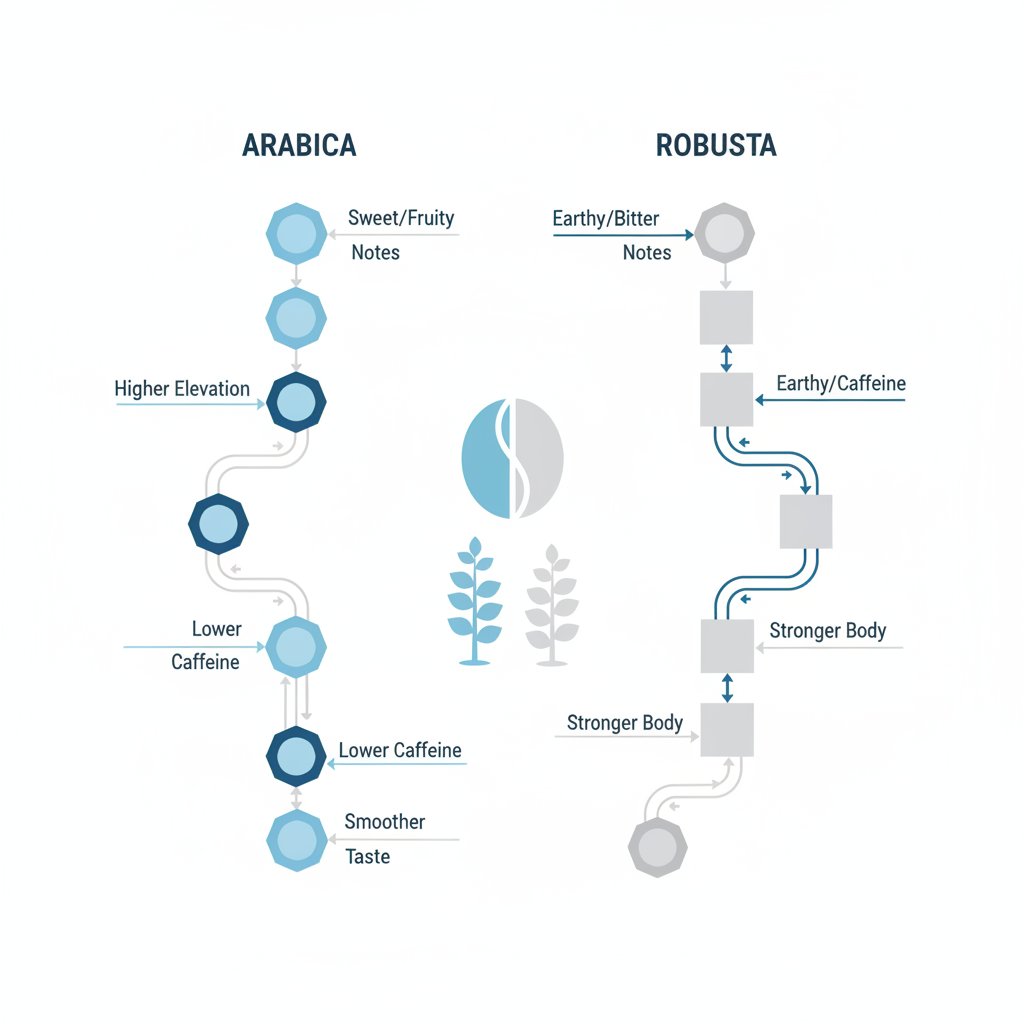
The journey from seed to cup is heavily influenced by the distinct agricultural requirements and vulnerabilities of Arabica and Robusta. These differences have profound impacts on farming practices, economic viability, and global supply chains.
Arabica’s Demanding Environment
Arabica is often referred to as a “finicky” plant, requiring a very particular set of environmental conditions to flourish. This makes its cultivation more labor-intensive and susceptible to climate fluctuations.
- Altitude: Prefers high altitudes (1,000-2,000 meters / 3,300-6,600 feet).
- Temperature: Requires consistent mild temperatures (15-24°C / 59-75°F) without extreme fluctuations or frost.
- Rainfall: Needs ample and well-distributed rainfall (1,500-2,500 mm annually).
- Soil: Thrives in rich, volcanic soils.
- Shade: Often grown
under shade trees, which helps regulate temperature, preserve soil moisture, and support biodiversity. - Pest and Disease Susceptibility: Highly vulnerable to diseases like coffee leaf rust (Hemileia vastatrix) and pests such as the coffee berry borer. Its delicate nature means outbreaks can devastate crops.
- Yield: Generally lower yields per plant compared to Robusta.
- Economic Impact: The demanding conditions and susceptibility mean higher production costs and greater risk for farmers. Coupled with its high demand, this contributes to its premium pricing.
Robusta’s Resilient Nature
Robusta, as its name suggests, is a much hardier and more adaptable species. This resilience makes it a more forgiving crop for farmers in challenging environments.
- Altitude: Can be grown at lower altitudes (200-800 meters / 660-2,600 feet).
- Temperature: Tolerates hotter temperatures (20-30°C / 68-86°F) and less consistent conditions.
- Rainfall: Needs less rainfall (1,000-2,000 mm annually) and can withstand drier periods.
- Soil: Less particular about soil types, thriving in a wider range.
- Shade: Can be grown in full sun, though some farmers are now experimenting with shade-grown Robusta for quality improvements.
- Pest and Disease Resistance: Significantly more resistant to diseases and pests, largely due to its higher caffeine content (a natural pesticide) and other chemical compounds.
- Yield: Higher yields per plant, making it more economically efficient to produce in large volumes.
- Economic Impact: Lower production costs and higher yields translate to a more affordable per-pound price, making it a staple in bulk coffee production and instant coffee.
[INLINE IMAGE 2: place after fourth H2 | alt=”arabica vs robusta comparison illustration”]
Processing Methods and Their Influence
Once harvested, coffee cherries undergo various processing methods that strip away the fruit surrounding the bean. These methods significantly impact the final flavor profile and can sometimes blur the lines of classification, influencing how Arabica vs Robusta might taste.
Washed Process (Wet Process)
The washed process is a labor-intensive method where the outer fruit is removed before the beans are dried. This process typically involves depulping the cherries, fermenting them in water to break down the mucilage, and then washing off any remaining fruit material before drying.
- Affects Arabica: Most commonly applied to Arabica beans, it produces cleaner, brighter, and more acidic coffees with distinct flavor clarity. It allows the inherent characteristics of the bean to shine through. Think crisp citrus notes or delicate florals.
- Affects Robusta: Less common for Robusta, but increasingly used by specialty Robusta producers to enhance quality and reduce woody or rubbery notes, aiming for a cleaner cup.
Natural Process (Dry Process)
The natural process is the oldest and simplest method, where coffee cherries are dried whole, with the fruit intact, typically on raised beds or patios. Once dried, the fruit is removed mechanically.
- Affects Arabica: Used for Arabica, especially in regions with limited water like Ethiopia and Yemen. It often imparts fruity, jammy, and sweet characteristics to the coffee, sometimes with a heavier body. Notes of berries or tropical fruits are common.
- Affects Robusta: Very common for Robusta. It can intensify the body and sweetness, but also sometimes accentuates earthy or “fermented” notes if not carefully managed. Some high-quality natural Robustas can offer surprisingly pleasant chocolate and nut notes.
Honey Process (Pulped Natural)
A hybrid method that removes the skin and pulp but leaves some of the sticky mucilage intact during drying. The amount of mucilage left on the bean determines the “color” of the honey process (yellow, red, black).
- Affects Arabica: Predominantly used for Arabica, especially in Central America. It often results in a coffee with a balance of sweetness, body, and acidity. Flavors can range from caramel and honey to stone fruit.
- Affects Robusta: Not traditionally used for Robusta, but some experimental producers are exploring it to add sweetness and complexity.
The choice of processing method highlights that even within the broad categories of Arabica and Robusta, there’s a vast spectrum of potential flavors waiting to be explored. A naturally processed Arabica from Brazil, for instance, might share some heavy-bodied, fruiter characteristics with a well-processed Robusta, demonstrating the intricate nature of coffee.
The Impact on Brewing Methods: Choosing the Right Bean for the Job
The inherent characteristics of Arabica and Robusta beans make them better suited for different brewing methods. Understanding this can significantly improve your home brewing results and your appreciation for espresso blends.
Arabica: The Versatile Connoisseur’s Choice
Arabica’s complex flavor profile, lower bitterness, and desirable acidity make it ideal for brewing methods that emphasize clarity and nuance.
- Pour-Over & Drip Coffee: Perfect for showcasing Arabica’s delicate aromas and nuanced flavors. The slower extraction allows for a full development of its characteristic notes.
- French Press: Its full immersion method extracts a rich body and allows the sweetness and often fruitier notes of Arabica to shine through, without the over-extraction bitterness often associated with Robusta in this method.
- Aeropress: Offers flexibility to highlight Arabica’s brightness or body, depending on the brewing recipe.
- Cold Brew: Arabica produces a smooth, low-acid cold brew with a wide range of flavor notes, from chocolate to floral. The cold extraction minimizes bitterness.
- Espresso (Single Origin): While most espresso blends include Robusta, high-quality single-origin Arabica espressos are celebrated for their clarity, brightness, and complex aromatics, offering a different, often more nuanced, espresso experience.
When selecting beans for these methods, look for 100% Arabica, often labeled with origin and roast level, to get the most out of your brew. For further guidance on optimizing your brewing techniques, check out our piece on advanced home brewing guides.
Robusta: The Backbone of Espresso and Instant Coffee
Robusta’s intensity, high caffeine, and ability to produce excellent crema make it a workhorse for specific applications.
- Espresso Blends: This is where Robusta truly shines. A typical Italian espresso blend might contain 10-20% Robusta, sometimes more, for several reasons:
- Crema: Robusta contributes a thick, stable, and visually appealing crema, which is essential for traditional espresso.
- Body: It adds desirable body and mouthfeel, preventing the espresso from tasting thin.
- Caffeine Kick: Provides a robust caffeine boost that many espresso drinkers seek.
- Cost: Its lower cost helps make espresso more affordable while maintaining quality characteristics.
- Instant Coffee: Due to its strong flavor and high yield, Robusta is the primary bean used in the production of instant coffee granules. Its robustness ensures the coffee flavor remains pronounced even after industrial processing.
- “Booster” Blends: Some coffee drinkers deliberately seek out high-Robusta blends for an extra energy kick, especially in the context of espresso or stronger drip coffee.
- Turkish Coffee: The fine grind and strong nature of Robusta can be well-suited for Turkish coffee preparations, where a thick, rich brew is desired.
When you see “espresso blend” without a detailed Arabica-to-Robusta ratio, assume there’s a significant Robusta component designed to optimize the crema and body.
Commercial Value and Economic Impact
The differences in cultivation, yield, and consumer demand create distinct commercial values and economic impacts for Arabica and Robusta, influencing global coffee markets and the livelihoods of millions of farmers.
The Premium Price of Arabica
Arabica commands a significantly higher price in the global commodity market. This premium is driven by several factors:
- Higher Demand: Its perceived superior flavor quality makes it the preferred choice for specialty coffee and premium blends worldwide.
- Lower Yields: As discussed, Arabica plants produce less per tree compared to Robusta, increasing the cost of production per pound.
- Sensitive Cultivation: The specific environmental requirements and susceptibility to disease mean higher farming risks and greater investment in pest control and quality management.
- Labor-Intensive: Often grown on steep slopes, requiring manual harvesting (“picking” ripe cherries), which is more costly than mechanical harvesting typical in flatter Robusta-growing regions.
- Specialty Market: The rise of the specialty coffee movement has further amplified demand and price for high-quality, traceable Arabica, creating new economic opportunities for farmers who prioritize excellence.
The Essential Affordability of Robusta
Robusta, while fetching a lower price per pound than Arabica, plays a crucial role in making coffee accessible and affordable on a global scale.
- Lower Production Costs: Its hardiness, higher yields, and ability to be grown in less favorable conditions make it cheaper to produce.
- Mechanical Harvesting: In many major Robusta-producing regions, the flatter terrains allow for mechanical harvesting, further reducing labor costs.
- Bulk Market: It’s the dominant bean in mass-produced coffee products, including most instant coffees, pre-ground blends, and as a filler for many commercial blends.
- Economic Stability: For many smallholder farmers in less suitable Arabica-growing regions, Robusta offers a more reliable and resilient cash crop, contributing to economic stability.
The price differential between Arabica (traded on the ICE Futures US, “C” contract) and Robusta (traded on Liffe, “R” contract) can vary significantly, but Arabica consistently trades at a higher premium. This economic reality shapes planting decisions, research into drought/disease-resistant varieties, and strategic national agricultural policies.
The Emergence of Specialty Robusta and Blending Trends
While historically, the Arabica vs Robusta debate positioned Robusta as the inferior bean, a new wave of specialty Robusta production and refined blending techniques are challenging these long-held perceptions.
The Rise of Specialty Robusta
In recent years, producers, roasters, and even coffee consumers have started to pay more attention to the potential of Robusta. Just as Arabica has its high-quality “specialty” grades, efforts are now being made to cultivate and process Robusta with equal care.
- Improved Cultivation: Farmers are adopting better agricultural practices, including selective harvesting of ripe cherries, better drying techniques, and even shade cultivation, similar to Arabica.
- Advanced Processing: Experimentation with washed and honey processes for Robusta is leading to cleaner, sweeter, and more complex flavor profiles, mitigating the traditional “rubbery” notes.
- Sensory Evaluation: Organizations like the Coffee Quality Institute (CQI) have developed a Robusta Q-Grader program, similar to the Arabica Q-Grader, to objectively evaluate and certify high-quality Robusta beans.
Learn more about coffee certification bodies. - Flavor Descriptors: Specialty Robustas can exhibit pleasant notes of dark chocolate, nuts (almond, hazelnut, peanut butter), spices, and a rich, creamy body, with significantly reduced bitterness.
This movement suggests that “bad Robusta” is often a result of poor cultivation and processing, rather than an inherent flaw of the species itself. Quality Robusta, particularly from regions like India (Monsooned Malabar Robusta) or specific Vietnamese farms, is gaining recognition.
The Art of Blending: Arabica and Robusta in Harmony
Traditionally, espresso blends have always included a percentage of Robusta. However, modern blending has become a sophisticated art, aiming to leverage the best of both worlds:
- Balancing Act: Roasters carefully select Arabica beans for their aromatics, acidity, and sweetness, and then add a percentage of Robusta for crema, body, and an extra caffeine punch.
- The “Magic” of Crema: Robusta’s unique ability to produce a stable, thick crema is highly valued in espresso. This crema not only enhances the visual appeal but also traps volatile aromatics, contributing to a more intense sensory experience.
- Cost-Effectiveness: Including Robusta in a blend can help manage overall costs while still delivering a high-quality product, especially for larger commercial operations.
- Tailoring Flavor Profiles: Blending allows roasters to create specific flavor profiles designed for different tastes or brewing applications. A blend for milk-based drinks might have a higher Robusta content to cut through the milk, while a blend for black espresso might lean more heavily on Arabica for complexity.
The ideal ratio for an espresso blend is continuously debated and varies greatly by region and roaster philosophy. Italian espresso, for example, is renowned for its bold character, often achieved through higher percentages of high-quality Robusta. As consumers become more educated, the demand for transparency in blending is also growing, allowing us to make more informed choices.
| Characteristic | Arabica (Coffea arabica) | Robusta (Coffea canephora) |
|---|---|---|
| Global Production Share | ~60-70% | ~25-35% |
| Botanical Origin | Ethiopian Highlands | Sub-Saharan Africa, Congo Basin |
| Ideal Altitude | High (1,000-2,000m) | Low (200-800m) |
| Preferred Temperature | Mild (15-24°C / 59-75°F) | Hotter (20-30°C / 68-86°F) |
| Pest/Disease Resistance | Low (Susceptible) | High (Resilient) |
| Caffeine Content (by weight) | 0.8% – 1.6% (Avg. 1.5%) | 1.7% – 4.5% (Avg. 2.5%) |
| Acidity | High, bright, complex | Low, often flat or negligible |
| Sweetness | High, natural (caramel, fruit, chocolate) | Low, minimal (sometimes bitter) |
| Body/Mouthfeel | Lighter to medium, smooth, clean | Full-bodied, heavy, creamy |
| Flavor Profile | Aromatic, complex, fruity, floral, chocolatey, nutty | Bold, strong, earthy, rubbery, peanut, dark chocolate |
| Aftertaste | Clean, pleasant, lingering | Strong, often harsh or bitter |
| Bean Shape | Oval, larger, distinct ridge | Rounder, smaller, straighter ridge |
| Cost (relative) | Higher / Premium | Lower / Affordable |
| Primary Uses | Specialty coffee, pour-over, drip, French press, single-origin espresso | Espresso blends, instant coffee, commercial blends |
Conclusion: The Dynamic Relationship of Arabica vs Robusta
The journey from the Ethiopian highlands to the bustling cafes of Milan and beyond is a testament to the enduring appeal of coffee. At the heart of this global phenomenon are Arabica and Robusta—two distinct species that, despite their differences, collectively shape the world’s coffee culture. Understanding the fundamental distinctions in flavor, cultivation, caffeine, and commercial value between Arabica vs Robusta empowers you, the coffee drinker, to make more informed choices and appreciate the incredible diversity within your cup.
While Arabica has long reigned supreme in the specialty coffee world, celebrated for its nuanced acidity, aromatic complexity, and natural sweetness, Robusta is steadily carving out its own niche. The rise of specialty Robusta and the intelligent use of Robusta in espresso blends highlights a growing appreciation for its unique strengths: its robust body, impressive crema, and powerful caffeine kick. The perception of Robusta is evolving, moving away from being merely an “inferior” bean to being recognized as a valuable component in a sophisticated coffee ecosystem.
Ultimately, there is no single “best” coffee bean. The ideal choice depends on your personal preferences, your desired brewing method, and even the context of your coffee moment. Do you crave a bright, delicate pour-over to savor intricate floral notes? Reach for a single-origin Arabica. Do you need a strong, crema-rich espresso that stands up to milk, delivering a powerful morning jolt? A well-crafted blend with quality Robusta might be your perfect match.
At cafeserre, we encourage exploration. Experiment with different origins, roasts, and blends. Pay attention to how a higher percentage of Robusta impacts your espresso, or how a meticulously processed Arabica reveals unexpected flavors. The world of coffee is vast and endlessly fascinating, and by understanding the foundational differences between Arabica and Robusta, you’re better equipped to navigate its depths and discover your truly perfect brew. So, next time you’re enjoying your coffee, take a moment to consider the incredible journey these beans have taken and the distinct characteristics they bring to your cup.
Frequently Asked Questions
Q1: Is Arabica coffee always better than Robusta?
A1: Not necessarily. While Arabica is highly prized for its complex, nuanced flavors and higher acidity, “better” is subjective. High-quality, well-processed Robusta can offer a rich, full-bodied coffee with chocolatey or nutty notes and excellent crema, particularly desirable in espresso blends. Poorly cultivated or roasted Arabica can taste flat or bitter, while expertly handled Robusta can be surprisingly good. It truly depends on quality and personal preference.
Q2: Why is Robusta coffee cheaper than Arabica?
A2: Robusta is cheaper primarily due to higher yields per plant, its ability to thrive in harsher climates at lower altitudes, and its greater resistance to pests and diseases. These factors lead to lower production costs. Arabica, being a more delicate plant requiring specific high-altitude conditions and being more susceptible to issues, incurs higher cultivation and harvesting costs, which translates to a higher market price.
Q3: Which type of coffee has more caffeine?
A3: Robusta coffee has significantly more caffeine than Arabica. On average, Robusta beans contain about 2.5% caffeine by weight (ranging 1.7-4.5%), while Arabica beans typically contain about 1.5% (ranging 0.8-1.6%). If you’re looking for a stronger caffeine kick, Robusta is the clear choice.
Q4: Can I use 100% Robusta for espresso?
A4: Yes, you certainly can. Many traditional Italian espresso blends feature a high percentage of Robusta, or even 100% Robusta in some cases, particularly for a very strong, bold espresso with a thick, stable crema. However, it will result in an espresso with a more intense, sometimes harsher, bitter flavor and less aromatic complexity compared to an Arabica-heavy blend. Some specialty Robusta producers are creating 100% Robusta espresso options that are quite palatable.
Q5: How can I tell if my coffee is Arabica or Robusta?
A5: The easiest way to tell is by checking the packaging, which usually specifies the bean type (e.g., “100% Arabica” or “Espresso Blend”). If tasting, Arabica will generally present with brighter acidity, more complex flavors (fruity, floral, chocolate), and a cleaner finish. Robusta will typically be bolder, more full-bodied, earthier, and potentially more bitter or “roasty,” with less acidity. Visually, Arabica beans are typically larger and more oval with a curved crease, while Robusta beans are smaller, rounder, and have a straighter crease. However, visual identification can be tricky without training.
Arabica vs Robusta: Deciphering the World’s Dominant Coffee Beans
Affiliate disclosure: This article may contain affiliate links. Recommendations are independent and editorially driven.
For coffee connoisseurs and casual drinkers alike, the journey into the world of coffee inevitably leads to a fundamental question: what’s the difference between Arabica and Robusta? These two species of coffee plants account for over 95% of the world’s coffee production, yet they offer vastly different taste experiences, growing conditions, and economic implications. Understanding the nuances between Arabica vs Robusta isn’t just about trivia; it’s about making informed choices for your daily cup, appreciating the craft of coffee cultivation, and even understanding global coffee market trends.
At cafeserre, we believe that a truly exceptional coffee experience begins with knowledge. Whether you’re brewing at home, ordering at your favorite cafe, or simply wondering why some espresso shots taste different from others, delving into the characteristics of Arabica and Robusta is essential. This comprehensive guide will explore everything from their botanical origins and genetic makeup to their distinctive flavor profiles, cultivation challenges, and impact on various brewing methods. By the end, you’ll be equipped with the expertise to confidently identify, appreciate, and select your preferred coffee bean, elevating your coffee journey to new heights.
Botanical Origins and Global Dominance: Where Do They Come From?
The story of coffee truly begins with its plant species. While there are over 120 known species in the Coffea genus, only a handful are commercially cultivated, with Arabica and Robusta stealing the spotlight. Their botanical heritage deeply influences their genetic traits, which in turn dictate their ideal growing conditions and sensory characteristics.
The Regal History of Coffea Arabica
Coffea arabica, commonly known as Arabica, is the undisputed king of the coffee world, accounting for approximately 60-70% of global production. Its origins trace back to the highlands of Ethiopia, where coffee was first discovered and consumed. From there, it journeyed to Yemen, where cultivation began in earnest, and then outward to the rest of the world, largely through the Dutch and French colonial empires.
- Chromosome Count: Arabica is tetraploid, meaning it has four sets of chromosomes (2n=4x=44). This genetic complexity contributes to its diverse flavor potential.
- Ideal Climate: It thrives in specific, high-altitude conditions between 1,000 and 2,000 meters above sea level, requiring consistent rainfall (1,500-2,500 mm annually), moderate temperatures (15-24°C or 59-75°F), and distinct wet and dry seasons.
- Major Producers: Brazil, Colombia, Ethiopia, Honduras, and Peru are among the top Arabica producers.
- Cultivar Diversity: Within the Arabica species, there are numerous cultivars like Typica, Bourbon, Geisha, Caturra, and Pacamara, each offering unique adaptations and flavor nuances. This diversity is a significant factor in the vast spectrum of tastes found in Arabica coffees.
The Resilient Rise of Coffea Canephora (Robusta)
Coffea canephora, universally known as Robusta, is the second most prominent coffee species, making up about 25-35% of the global market. Discovered much later than Arabica, its origins are in sub-Saharan Africa, particularly around the Congo basin. Its name, “Robusta,” is a direct nod to its robust nature and resilience.
- Chromosome Count: Robusta is diploid, possessing two sets of chromosomes (2n=2x=22). This simpler genetic structure makes it more adaptable but also tends to result in less flavor complexity.
- Ideal Climate: Robusta is far more tolerant of varied, hotter climates (20-30°C or 68-86°F) and can grow at lower altitudes (200-800 meters above sea level). It requires slightly less rainfall than Arabica (1,000-2,000 mm annually) and is more resistant to diseases and pests.
- Major Producers: Vietnam, Brazil, Indonesia, Uganda, and India are the leading Robusta cultivators. Vietnam, in particular, has seen a dramatic increase in Robusta production, becoming a global powerhouse. This growth has fundamentally reshaped the global coffee market.
- Limited Cultivar Diversity: While there are some Robusta varieties, the genetic diversity is less pronounced compared to Arabica, leading to a more consistent, albeit less varied, flavor profile across different origins.
[INLINE IMAGE 1: place after second H2 | alt=”arabica vs robusta concept illustration”]
Flavor Profiles: A Tale of Two Coffees
The most significant distinction between Arabica and Robusta, for most consumers, lies in their taste. While both offer a distinctly “coffee” flavor, the nuances are so profound that they can make or break a brewing experience. Understanding these differences allows us to appreciate why certain coffee preparations favor one over the other.
The Sophisticated Spectrum of Arabica Flavor
Arabica beans are celebrated for their complex and aromatic flavor profile. When roasted and brewed correctly, Arabica coffee offers a symphony of tastes and aromas that are often described as:
- Acidity: High, bright, and often citrusy or wine-like, contributing to a vibrant and lively cup. This desirable acidity is what gives Arabica its distinct “zing.”
- Sweetness: Pronounced and natural, often manifesting as notes of caramel, chocolate, nuts, or fruit. The sugars in Arabica beans caramelize beautifully during roasting.
- Body: Generally lighter to medium-bodied, with a smooth, clean mouthfeel.
- Aroma: Rich and fragrant, encompassing floral, fruity, chocolatey, nutty, and even spice notes. The volatile aromatic compounds in Arabica are numerous and delicate.
- Aftertaste: Often clean, pleasant, and lingering, with a gentle fading of the initial flavors.
- Noteworthy Notes: Depending on origin and processing, Arabica can present notes of blueberries, jasmine, bergamot, dark chocolate, hazelnut, peach, and more. For example, an Ethiopian Yirgacheffe might have distinct floral and citrus notes, while a Colombian Supremo could offer balanced caramel and nutty tones.
It’s this complexity and delicate balance that makes Arabica highly sought after for specialty coffee, pour-overs, and French presses, where its nuanced flavors can truly shine.
The Bold and Robust Character of Robusta Flavor
Robusta, true to its name, delivers a much bolder, stronger, and often earthier flavor profile. While it lacks the delicate complexity of Arabica, it brings its own set of characteristics to the table:
- Acidity: Low to virtually non-existent, resulting in a less bright, sometimes flat taste.
- Sweetness: Minimal natural sweetness, often leading to a more bitter or rubbery taste if over-roasted or poorly prepared.
- Body: Full-bodied, often described as heavy or thick, contributing to a creamy mouthfeel, especially in espresso.
- Aroma: Less aromatic and more intense, often with characteristics described as rubbery, earthy, burnt, woody, or even peanut-like.
- Aftertaste: Often strong, lingering, and can be perceived as harsh or bitter.
- Noteworthy Notes: While not as diverse as Arabica, quality Robusta can exhibit notes of dark chocolate, nuts (especially peanut), and a pleasant earthiness. When skillfully processed and roasted, particularly in certain regions like Vietnam or parts of Italy, Robusta can contribute a desired “kick” and crema to espresso.
Robusta is often used in espresso blends, instant coffee, and as an economic filler due to its lower cost and higher yield. Its strong flavor also allows it to stand up well to milk and sweeteners.
Caffeine Content: The Jolt Factor
For many coffee drinkers, the primary purpose of their morning cup is a caffeine kick. Here, the difference between Arabica and Robusta is stark and significant, directly linking to the plant’s natural defense mechanisms.
Arabica: The Milder Stimulant
Arabica beans contain a relatively lower amount of caffeine. On average, Arabica coffee typically contains about 1.5% caffeine by weight, ranging from 0.8% to 1.6%.
- Average Caffeine Per Cup: A typical 8-ounce (236ml) cup of brewed Arabica coffee contains approximately 95-130mg of caffeine.
- Evolutionary Purpose: The lower caffeine content in Arabica suggests that its primary defense against pests and diseases might rely on other mechanisms or that its natural growing environments present fewer threats mitigated by caffeine. The plant primarily evolved in cooler, higher altitudes where pest pressure is lower.
Robusta: The Powerhouse Punch
Robusta beans live up to their name in terms of caffeine content, boasting significantly higher levels than Arabica. Robusta typically contains around 2.5% caffeine by weight, with a range of 1.7% to 4.5%.
- Average Caffeine Per Cup: An 8-ounce (236ml) cup of brewed Robusta coffee can contain anywhere from 170-250mg or even more.
- Evolutionary Purpose: The high caffeine content in Robusta is a crucial natural defense mechanism. Caffeine is a natural pesticide and herbicide, deterring insects and inhibiting the growth of competing plants. This evolutionary advantage helps Robusta thrive in hotter, pest-prone environments at lower elevations.
Why Caffeine Matters in Your Brew
The caffeine differential has several practical implications:
- Energy Boost: If your priority is a strong energy jolt, Robusta is the clear winner.
- Flavor Masking: High caffeine combined with higher levels of chlorogenic acids (another chemical compound found in coffee) contributes to the perceived bitterness in Robusta, which can sometimes mask more subtle flavors.
- Espresso Creation: The high caffeine content is precisely why Robusta is often included in espresso blends. It provides a more robust punch and contributes to the coveted thick, reddish-brown “crema” that defines a well-pulled espresso shot. The lipids and CO2 trapped within the Robusta bean contribute to this foam.
- Health Considerations: Individuals sensitive to caffeine might prefer Arabica, or lower their consumption of Robusta-heavy blends.
Cultivation and Agricultural Challenges: Growing the Beans
The journey from seed to cup is heavily influenced by the distinct agricultural requirements and vulnerabilities of Arabica and Robusta. These differences have profound impacts on farming practices, economic viability, and global supply chains.
Arabica’s Demanding Environment
Arabica is often referred to as a “finicky” plant, requiring a very particular set of environmental conditions to flourish. This makes its cultivation more labor-intensive and susceptible to climate fluctuations.
- Altitude: Prefers high altitudes (1,000-2,000 meters / 3,300-6,600 feet).
- Temperature: Requires consistent mild temperatures (15-24°C / 59-75°F) without extreme fluctuations or frost.
- Rainfall: Needs ample and well-distributed rainfall (1,500-2,500 mm annually).
- Soil: Thrives in rich, volcanic soils.
- Shade: Often grown
under shade trees, which helps regulate temperature, preserve soil moisture, and support biodiversity. - Pest and Disease Susceptibility: Highly vulnerable to diseases like coffee leaf rust (Hemileia vastatrix) and pests such as the coffee berry borer. Its delicate nature means outbreaks can devastate crops.
- Yield: Generally lower yields per plant compared to Robusta.
- Economic Impact: The demanding conditions and susceptibility mean higher production costs and greater risk for farmers. Coupled with its high demand, this contributes to its premium pricing.
Robusta’s Resilient Nature
Robusta, as its name suggests, is a much hardier and more adaptable species. This resilience makes it a more forgiving crop for farmers in challenging environments.
- Altitude: Can be grown at lower altitudes (200-800 meters / 660-2,600 feet).
- Temperature: Tolerates hotter temperatures (20-30°C / 68-86°F) and less consistent conditions.
- Rainfall: Needs less rainfall (1,000-2,000 mm annually) and can withstand drier periods.
- Soil: Less particular about soil types, thriving in a wider range.
- Shade: Can be grown in full sun, though some farmers are now experimenting with shade-grown Robusta for quality improvements.
- Pest and Disease Resistance: Significantly more resistant to diseases and pests, largely due to its higher caffeine content (a natural pesticide) and other chemical compounds.
- Yield: Higher yields per plant, making it more economically efficient to produce in large volumes.
- Economic Impact: Lower production costs and higher yields translate to a more affordable per-pound price, making it a staple in bulk coffee production and instant coffee.
[INLINE IMAGE 2: place after fourth H2 | alt=”arabica vs robusta comparison illustration”]
Processing Methods and Their Influence
Once harvested, coffee cherries undergo various processing methods that strip away the fruit surrounding the bean. These methods significantly impact the final flavor profile and can sometimes blur the lines of classification, influencing how Arabica vs Robusta might taste.
Washed Process (Wet Process)
The washed process is a labor-intensive method where the outer fruit is removed before the beans are dried. This process typically involves depulping the cherries, fermenting them in water to break down the mucilage, and then washing off any remaining fruit material before drying.
- Affects Arabica: Most commonly applied to Arabica beans, it produces cleaner, brighter, and more acidic coffees with distinct flavor clarity. It allows the inherent characteristics of the bean to shine through. Think crisp citrus notes or delicate florals.
- Affects Robusta: Less common for Robusta, but increasingly used by specialty Robusta producers to enhance quality and reduce woody or rubbery notes, aiming for a cleaner cup.
Natural Process (Dry Process)
The natural process is the oldest and simplest method, where coffee cherries are dried whole, with the fruit intact, typically on raised beds or patios. Once dried, the fruit is removed mechanically.
- Affects Arabica: Used for Arabica, especially in regions with limited water like Ethiopia and Yemen. It often imparts fruity, jammy, and sweet characteristics to the coffee, sometimes with a heavier body. Notes of berries or tropical fruits are common.
- Affects Robusta: Very common for Robusta. It can intensify the body and sweetness, but also sometimes accentuates earthy or “fermented” notes if not carefully managed. Some high-quality natural Robustas can offer surprisingly pleasant chocolate and nut notes.
Honey Process (Pulped Natural)
A hybrid method that removes the skin and pulp but leaves some of the sticky mucilage intact during drying. The amount of mucilage left on the bean determines the “color” of the honey process (yellow, red, black).
- Affects Arabica: Predominantly used for Arabica, especially in Central America. It often results in a coffee with a balance of sweetness, body, and acidity. Flavors can range from caramel and honey to stone fruit.
- Affects Robusta: Not traditionally used for Robusta, but some experimental producers are exploring it to add sweetness and complexity.
The choice of processing method highlights that even within the broad categories of Arabica and Robusta, there’s a vast spectrum of potential flavors waiting to be explored. A naturally processed Arabica from Brazil, for instance, might share some heavy-bodied, fruiter characteristics with a well-processed Robusta, demonstrating the intricate nature of coffee.
The Impact on Brewing Methods: Choosing the Right Bean for the Job
The inherent characteristics of Arabica and Robusta beans make them better suited for different brewing methods. Understanding this can significantly improve your home brewing results and your appreciation for espresso blends.
Arabica: The Versatile Connoisseur’s Choice
Arabica’s complex flavor profile, lower bitterness, and desirable acidity make it ideal for brewing methods that emphasize clarity and nuance.
- Pour-Over & Drip Coffee: Perfect for showcasing Arabica’s delicate aromas and nuanced flavors. The slower extraction allows for a full development of its characteristic notes.
- French Press: Its full immersion method extracts a rich body and allows the sweetness and often fruitier notes of Arabica to shine through, without the over-extraction bitterness often associated with Robusta in this method.
- Aeropress: Offers flexibility to highlight Arabica’s brightness or body, depending on the brewing recipe.
- Cold Brew: Arabica produces a smooth, low-acid cold brew with a wide range of flavor notes, from chocolate to floral. The cold extraction minimizes bitterness.
- Espresso (Single Origin): While most espresso blends include Robusta, high-quality single-origin Arabica espressos are celebrated for their clarity, brightness, and complex aromatics, offering a different, often more nuanced, espresso experience.
When selecting beans for these methods, look for 100% Arabica, often labeled with origin and roast level, to get the most out of your brew. For further guidance on optimizing your brewing techniques, check out our piece on advanced home brewing guides.
Robusta: The Backbone of Espresso and Instant Coffee
Robusta’s intensity, high caffeine, and ability to produce excellent crema make it a workhorse for specific applications.
- Espresso Blends: This is where Robusta truly shines. A typical Italian espresso blend might contain 10-20% Robusta, sometimes more, for several reasons:
- Crema: Robusta contributes a thick, stable, and visually appealing crema, which is essential for traditional espresso.
- Body: It adds desirable body and mouthfeel, preventing the espresso from tasting thin.
- Caffeine Kick: Provides a robust caffeine boost that many espresso drinkers seek.
- Cost: Its lower cost helps make espresso more affordable while maintaining quality characteristics.
- Instant Coffee: Due to its strong flavor and high yield, Robusta is the primary bean used in the production of instant coffee granules. Its robustness ensures the coffee flavor remains pronounced even after industrial processing.
- “Booster” Blends: Some coffee drinkers deliberately seek out high-Robusta blends for an extra energy kick, especially in the context of espresso or stronger drip coffee.
- Turkish Coffee: The fine grind and strong nature of Robusta can be well-suited for Turkish coffee preparations, where a thick, rich brew is desired.
When you see “espresso blend” without a detailed Arabica-to-Robusta ratio, assume there’s a significant Robusta component designed to optimize the crema and body.
Commercial Value and Economic Impact
The differences in cultivation, yield, and consumer demand create distinct commercial values and economic impacts for Arabica and Robusta, influencing global coffee markets and the livelihoods of millions of farmers.
The Premium Price of Arabica
Arabica commands a significantly higher price in the global commodity market. This premium is driven by several factors:
- Higher Demand: Its perceived superior flavor quality makes it the preferred choice for specialty coffee and premium blends worldwide.
- Lower Yields: As discussed, Arabica plants produce less per tree compared to Robusta, increasing the cost of production per pound.
- Sensitive Cultivation: The specific environmental requirements and susceptibility to disease mean higher farming risks and greater investment in pest control and quality management.
- Labor-Intensive: Often grown on steep slopes, requiring manual harvesting (“picking” ripe cherries), which is more costly than mechanical harvesting typical in flatter Robusta-growing regions.
- Specialty Market: The rise of the specialty coffee movement has further amplified demand and price for high-quality, traceable Arabica, creating new economic opportunities for farmers who prioritize excellence.
The Essential Affordability of Robusta
Robusta, while fetching a lower price per pound than Arabica, plays a crucial role in making coffee accessible and affordable on a global scale.
- Lower Production Costs: Its hardiness, higher yields, and ability to be grown in less favorable conditions make it cheaper to produce.
- Mechanical Harvesting: In many major Robusta-producing regions, the flatter terrains allow for mechanical harvesting, further reducing labor costs.
- Bulk Market: It’s the dominant bean in mass-produced coffee products, including most instant coffees, pre-ground blends, and as a filler for many commercial blends.
- Economic Stability: For many smallholder farmers in less suitable Arabica-growing regions, Robusta offers a more reliable and resilient cash crop, contributing to economic stability.
The price differential between Arabica (traded on the ICE Futures US, “C” contract) and Robusta (traded on Liffe, “R” contract) can vary significantly, but Arabica consistently trades at a higher premium. This economic reality shapes planting decisions, research into drought/disease-resistant varieties, and strategic national agricultural policies.
The Emergence of Specialty Robusta and Blending Trends
While historically, the Arabica vs Robusta debate positioned Robusta as the inferior bean, a new wave of specialty Robusta production and refined blending techniques are challenging these long-held perceptions.
The Rise of Specialty Robusta
In recent years, producers, roasters, and even coffee consumers have started to pay more attention to the potential of Robusta. Just as Arabica has its high-quality “specialty” grades, efforts are now being made to cultivate and process Robusta with equal care.
- Improved Cultivation: Farmers are adopting better agricultural practices, including selective harvesting of ripe cherries, better drying techniques, and even shade cultivation, similar to Arabica.
- Advanced Processing: Experimentation with washed and honey processes for Robusta is leading to cleaner, sweeter, and more complex flavor profiles, mitigating the traditional “rubbery” notes.
- Sensory Evaluation: Organizations like the Coffee Quality Institute (CQI) have developed a Robusta Q-Grader program, similar to the Arabica Q-Grader, to objectively evaluate and certify high-quality Robusta beans.
Learn more about coffee certification bodies. - Flavor Descriptors: Specialty Robustas can exhibit pleasant notes of dark chocolate, nuts (almond, hazelnut, peanut butter), spices, and a rich, creamy body, with significantly reduced bitterness.
This movement suggests that “bad Robusta” is often a result of poor cultivation and processing, rather than an inherent flaw of the species itself. Quality Robusta, particularly from regions like India (Monsooned Malabar Robusta) or specific Vietnamese farms, is gaining recognition.
The Art of Blending: Arabica and Robusta in Harmony
Traditionally, espresso blends have always included a percentage of Robusta. However, modern blending has become a sophisticated art, aiming to leverage the best of both worlds:
- Balancing Act: Roasters carefully select Arabica beans for their aromatics, acidity, and sweetness, and then add a percentage of Robusta for crema, body, and an extra caffeine punch.
- The “Magic” of Crema: Robusta’s unique ability to produce a stable, thick crema is highly valued in espresso. This crema not only enhances the visual appeal but also traps volatile aromatics, contributing to a more intense sensory experience.
- Cost-Effectiveness: Including Robusta in a blend can help manage overall costs while still delivering a high-quality product, especially for larger commercial operations.
- Tailoring Flavor Profiles: Blending allows roasters to create specific flavor profiles designed for different tastes or brewing applications. A blend for milk-based drinks might have a higher Robusta content to cut through the milk, while a blend for black espresso might lean more heavily on Arabica for complexity.
The ideal ratio for an espresso blend is continuously debated and varies greatly by region and roaster philosophy. Italian espresso, for example, is renowned for its bold character, often achieved through higher percentages of high-quality Robusta. As consumers become more educated, the demand for transparency in blending is also growing, allowing us to make more informed choices.
| Characteristic | Arabica (Coffea arabica) | Robusta (Coffea canephora) |
|---|---|---|
| Global Production Share | ~60-70% | ~25-35% |
| Botanical Origin | Ethiopian Highlands | Sub-Saharan Africa, Congo Basin |
| Ideal Altitude | High (1,000-2,000m) | Low (200-800m) |
| Preferred Temperature | Mild (15-24°C / 59-75°F) | Hotter (20-30°C / 68-86°F) |
| Pest/Disease Resistance | Low (Susceptible) | High (Resilient) |
| Caffeine Content (by weight) | 0.8% – 1.6% (Avg. 1.5%) | 1.7% – 4.5% (Avg. 2.5%) |
| Acidity | High, bright, complex | Low, often flat or negligible |
| Sweetness | High, natural (caramel, fruit, chocolate) | Low, minimal (sometimes bitter) |
| Body/Mouthfeel | Lighter to medium, smooth, clean | Full-bodied, heavy, creamy |
| Flavor Profile | Aromatic, complex, fruity, floral, chocolatey, nutty | Bold, strong, earthy, rubbery, peanut, dark chocolate |
| Aftertaste | Clean, pleasant, lingering | Strong, often harsh or bitter |
| Bean Shape | Oval, larger, distinct ridge | Rounder, smaller, straighter ridge |
| Cost (relative) | Higher / Premium | Lower / Affordable |
| Primary Uses | Specialty coffee, pour-over, drip, French press, single-origin espresso | Espresso blends, instant coffee, commercial blends |
Conclusion: The Dynamic Relationship of Arabica vs Robusta
The journey from the Ethiopian highlands to the bustling cafes of Milan and beyond is a testament to the enduring appeal of coffee. At the heart of this global phenomenon are Arabica and Robusta—two distinct species that, despite their differences, collectively shape the world’s coffee culture. Understanding the fundamental distinctions in flavor, cultivation, caffeine, and commercial value between Arabica vs Robusta empowers you, the coffee drinker, to make more informed choices and appreciate the incredible diversity within your cup.
While Arabica has long reigned supreme in the specialty coffee world, celebrated for its nuanced acidity, aromatic complexity, and natural sweetness, Robusta is steadily carving out its own niche. The rise of specialty Robusta and the intelligent use of Robusta in espresso blends highlights a growing appreciation for its unique strengths: its robust body, impressive crema, and powerful caffeine kick. The perception of Robusta is evolving, moving away from being merely an “inferior” bean to being recognized as a valuable component in a sophisticated coffee ecosystem.
Ultimately, there is no single “best” coffee bean. The ideal choice depends on your personal preferences, your desired brewing method, and even the context of your coffee moment. Do you crave a bright, delicate pour-over to savor intricate floral notes? Reach for a single-origin Arabica. Do you need a strong, crema-rich espresso that stands up to milk, delivering a powerful morning jolt? A well-crafted blend with quality Robusta might be your perfect match.
At cafeserre, we encourage exploration. Experiment with different origins, roasts, and blends. Pay attention to how a higher percentage of Robusta impacts your espresso, or how a meticulously processed Arabica reveals unexpected flavors. The world of coffee is vast and endlessly fascinating, and by understanding the foundational differences between Arabica and Robusta, you’re better equipped to navigate its depths and discover your truly perfect brew. So, next time you’re enjoying your coffee, take a moment to consider the incredible journey these beans have taken and the distinct characteristics they bring to your cup.
Frequently Asked Questions
Q1: Is Arabica coffee always better than Robusta?
A1: Not necessarily. While Arabica is highly prized for its complex, nuanced flavors and higher acidity, “better” is subjective. High-quality, well-processed Robusta can offer a rich, full-bodied coffee with chocolatey or nutty notes and excellent crema, particularly desirable in espresso blends. Poorly cultivated or roasted Arabica can taste flat or bitter, while expertly handled Robusta can be surprisingly good. It truly depends on quality and personal preference.
Q2: Why is Robusta coffee cheaper than Arabica?
A2: Robusta is cheaper primarily due to higher yields per plant, its ability to thrive in harsher climates at lower altitudes, and its greater resistance to pests and diseases. These factors lead to lower production costs. Arabica, being a more delicate plant requiring specific high-altitude conditions and being more susceptible to issues, incurs higher cultivation and harvesting costs, which translates to a higher market price.
Q3: Which type of coffee has more caffeine?
A3: Robusta coffee has significantly more caffeine than Arabica. On average, Robusta beans contain about 2.5% caffeine by weight (ranging 1.7-4.5%), while Arabica beans typically contain about 1.5% (ranging 0.8-1.6%). If you’re looking for a stronger caffeine kick, Robusta is the clear choice.
Q4: Can I use 100% Robusta for espresso?
A4: Yes, you certainly can. Many traditional Italian espresso blends feature a high percentage of Robusta, or even 100% Robusta in some cases, particularly for a very strong, bold espresso with a thick, stable crema. However, it will result in an espresso with a more intense, sometimes harsher, bitter flavor and less aromatic complexity compared to an Arabica-heavy blend. Some specialty Robusta producers are creating 100% Robusta espresso options that are quite palatable.
Q5: How can I tell if my coffee is Arabica or Robusta?
A5: The easiest way to tell is by checking the packaging, which usually specifies the bean type (e.g., “100% Arabica” or “Espresso Blend”). If tasting, Arabica will generally present with brighter acidity, more complex flavors (fruity, floral, chocolate), and a cleaner finish. Robusta will typically be bolder, more full-bodied, earthier, and potentially more bitter or “roasty,” with less acidity. Visually, Arabica beans are typically larger and more oval with a curved crease, while Robusta beans are smaller, rounder, and have a straighter crease. However, visual identification can be tricky without training.