
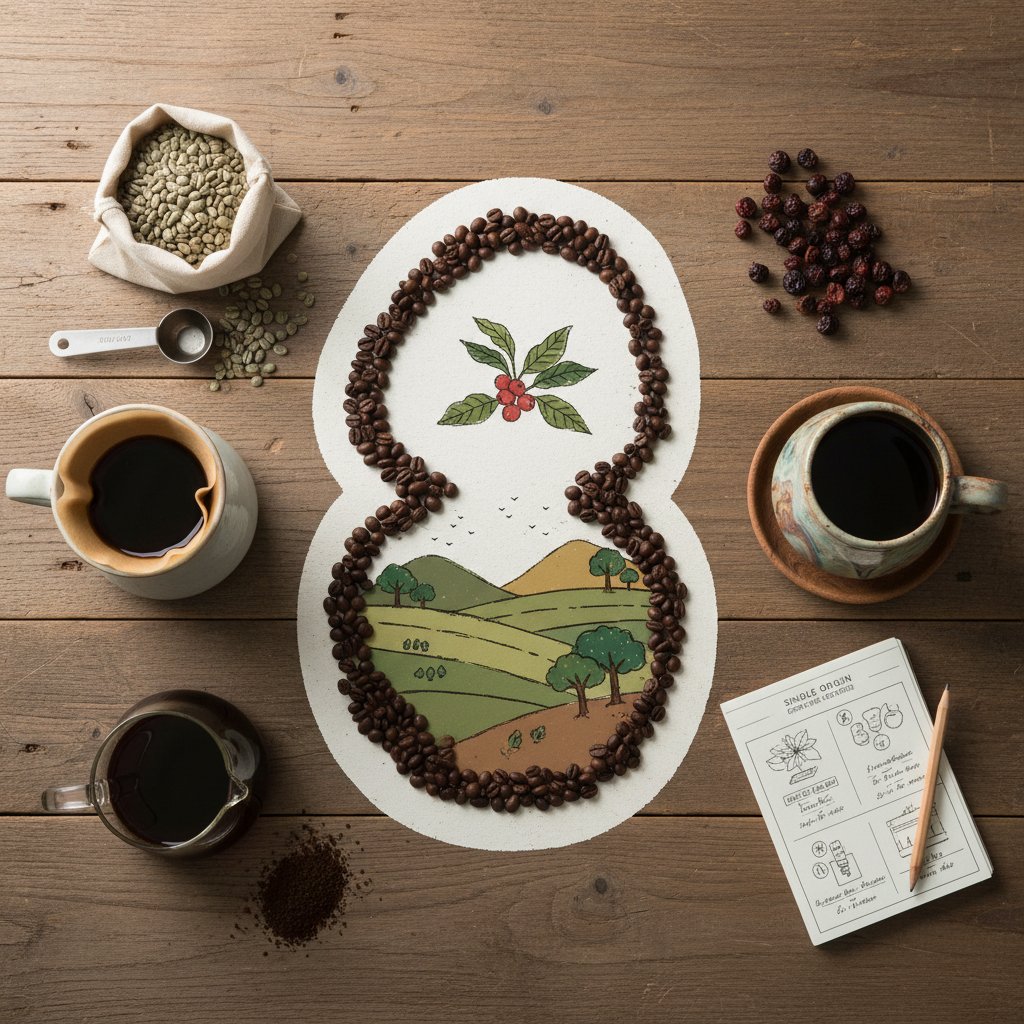
Single Origin Coffee
Single Origin Coffee Guide: Terroir, Taste & Brewing Tips
Affiliate disclosure: This article may contain affiliate links. Recommendations are independent and editorially driven.
Understanding Single Origin Coffee: More Than Just a Bean
In the vast and aromatic world of coffee, the term “single origin” has become a beacon for connoisseurs and casual drinkers alike seeking a unique and authentic experience. But what, precisely, does “single origin coffee” truly mean, and why has it captivated the hearts and palates of so many? At its core, single origin coffee refers to coffee beans sourced from a single, identifiable geographic location. This can be as broad as a country or region, or as specific as a particular farm, estate, or even a single lot within a farm. The crucial differentiator is its traceability and the notion that the unique characteristics of that specific place—its terroir—are unmistakably reflected in the finished brew.
Unlike coffee blends, which combine beans from various regions to achieve a consistent flavor profile, single origin coffee is celebrated for its individuality and the story it tells about its birthplace. Each cup offers a glimpse into the microclimate, soil composition, altitude, and processing practices of its origin. This focus on provenance allows for a deeper appreciation of coffee’s incredible diversity, uncovering a spectrum of flavors, aromas, and sensory experiences that might otherwise be lost in a blend.
The rise of single origin coffee parallels a broader movement towards transparency and quality in the food and beverage industry. Consumers are increasingly interested in knowing where their food comes from, how it’s produced, and who is involved in its journey. For coffee, this means understanding the dedication of farmers, the nuances of the land, and the meticulous care taken from cultivation to harvesting and processing. This pursuit of authenticity transforms a simple morning ritual into an exploration of global cultures and agricultural artistry. Join us as we delve into the intricate world of single origin coffee, exploring its defining characteristics, the impact of its terroir, and how you can best appreciate its distinctive charm.
The Essence of Terroir: How Place Shapes Your Cup
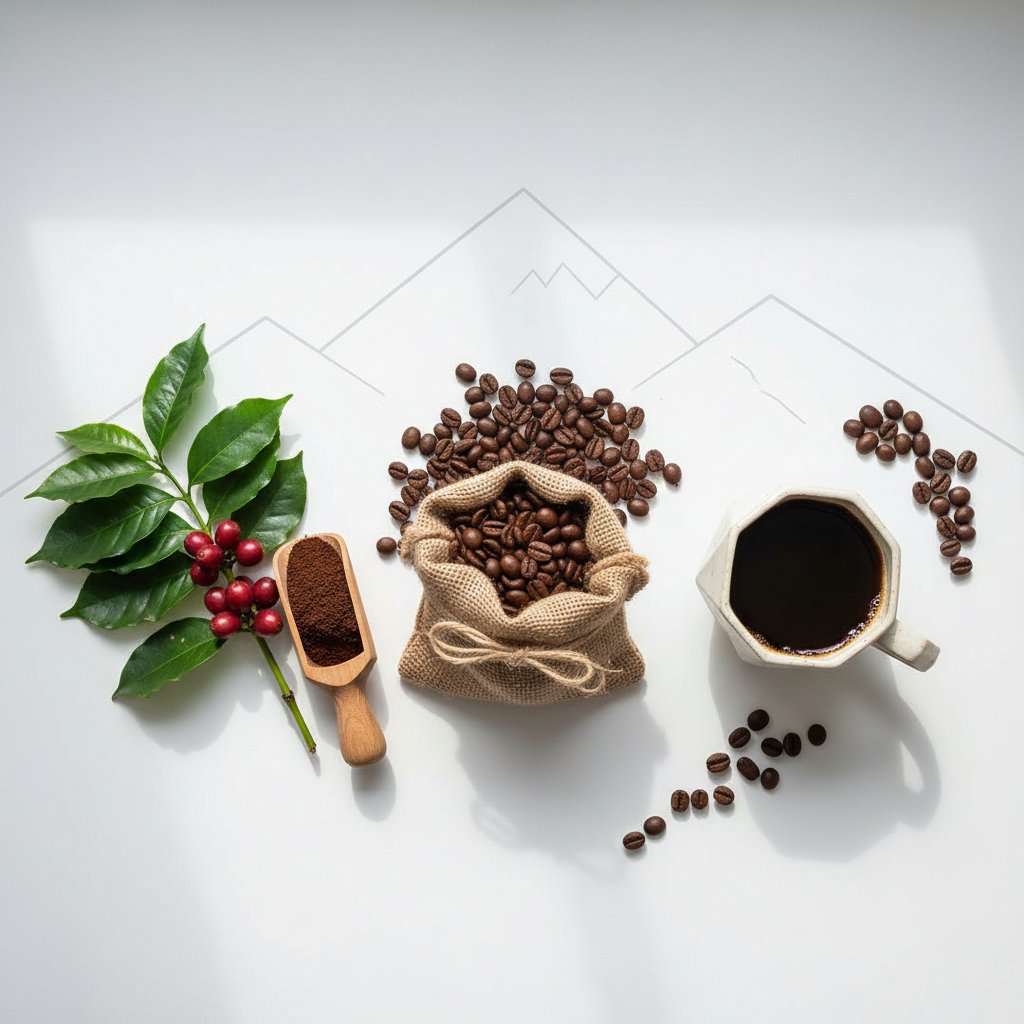
The concept of terroir is fundamental to understanding the profound appeal of single origin coffee. Borrowed from the wine industry, terroir encapsulates the complete natural environment in which a particular coffee is produced, including factors such as soil, topography, and climate. It’s the invisible hand that sculpts the bean’s flavor profile, making each single origin a unique expression of its geographical home. Imagine two coffee plants of the exact same varietal, grown in different parts of the world. Despite identical genetics, the climatic variations, mineral composition of the soil, and even the local flora and fauna contribute to vastly different flavor outcomes. This is the magic of terroir at play.
The primary components of terroir influencing coffee flavor include:
- Altitude: Higher altitudes typically lead to slower bean maturation, resulting in denser beans with more complex sugars and acids. This often translates to brighter acidity and more intricate flavor notes.
- Soil Composition: The nutrients and minerals present in the soil directly impact the coffee plant’s health and the chemical compounds that develop within the cherry. Volcanic soils, for instance, are renowned for producing coffees with distinct mineral notes.
- Climate: Factors like rainfall, sunlight exposure, temperature fluctuations, and humidity are critical. Consistent, moderate temperatures and distinct wet and dry seasons are ideal for coffee growth, influencing ripening and sugar development.
- Microclimate: Within a larger region, specific hillsides, valleys, or even individual plots can have unique microclimates that further differentiate the coffee grown there.
- Varietal (Genetics): While not strictly terroir, the specific coffee species and varietal (e.g., Arabica vs. Robusta, and within Arabica: Geisha, Bourbon, Typica, etc.) dictates the bean’s inherent genetic potential for flavor, which terroir then expresses.
- Human Element (Processing): This bridges the gap between natural environment and agricultural practice. While not terroir itself, traditional and modern processing methods (washed, natural, honey) are deeply tied to regional practices and greatly influence the final cup profile, often accentuating traits gifted by the terroir.
Understanding terroir helps us appreciate why a coffee from, say, Ethiopia’s Yirgacheffe region can taste remarkably different from one grown in Colombia’s Huila, even if both are Arabica beans. It encourages us to approach each cup as a narrative—a story of the land, the weather, and the dedicated hands that brought it to us. It’s this deep connection to place that makes single origin coffee an endless journey of delightful discovery.
[INLINE IMAGE 1: place after second H2 | alt=”single origin coffee concept illustration”]
Exploring Global Single Origin Wonders: A Regional Flavor Map
The world of single origin coffee is a vivid tapestry of flavors, each thread woven from the unique terroir and processing traditions of its origin. Embarking on a journey through these regions is to discover the incredible range of experiences coffee can offer. This flavor map provides a general guide, but remember that within each region, microclimates and varietals ensure endless variations.
Africa: The Cradle of Coffee
Africa is the birthplace of coffee, home to ancient varietals and some of the most dynamic and complex flavor profiles. Coffees from this continent are often celebrated for their bright acidity, floral aromatics, and fruity notes.
-
Ethiopia
Ethiopia is arguably the spiritual home of coffee, with a rich genetic diversity that produces an astonishing array of flavors. Coffees are often washed or natural processed.
- Yirgacheffe: Renowned for its delicate, tea-like body, sparkling acidity, and intense floral (jasmine, bergamot) and citrus (lemon, lime) notes. Often washed.
- Sidamo: Features a full body, bright acidity, and complex notes of berries, chocolate, herbal tones, and sometimes wine. Both washed and natural processes are common.
- Harrar: Typically natural processed, these coffees are known for their wild, rustic character with notes of blueberries, wine, and a hint of mocha.
-
Kenya
Kenyan coffees are often considered among the world’s finest, celebrated for their vibrant acidity, full body, and complex savory-sweet flavors. The unique “Kenya AB” or “Kenya AA” grading system (referring to bean size) is widely recognized.
- Flavor Profile: Bright, wine-like acidity, notes of blackcurrant, tomato, grapefruit, and sometimes savory umami hints. Generally washed processed.
-
Rwanda
Emerging as a specialty coffee powerhouse, Rwandan coffees are known for their balance and clarity.
- Flavor Profile: Creamy body, bright citrus acidity, and notes of red berries, orange blossom, and sometimes caramel. Predominantly washed.
Explore more African coffee origins and their unique characteristics.
The Americas: Diversity from North to South
The Americas offer an expansive range of single origin coffees, from the nuanced delicacy of Central America to the robust characteristics of South American giants.
-
Colombia
Colombia is a major coffee producer, renowned for its consistently high-quality Arabica. The focus on single-estate and micro-lot coffees has grown significantly.
- Huila: Coffees from this region are highly sought after for their sweet, full-bodied character, bright acidity, and notes of orange, caramel, and red apple.
- Narino: Often grown at very high altitudes, Narino coffees display a delicate sweetness, bright citrus acidity, and floral notes.
- Tolima: Known for producing balanced cups with notes of tropical fruit, molasses, and a clean finish.
-
Brazil
The world’s largest coffee producer, Brazil is famous for its consistent, lower-acidity, nutty, and chocolatey coffees, often used as a base for espresso blends due to their excellent body and crema. Brazilian coffee cultivation spans vast areas, with distinct regional differences.
- Sul de Minas: This region is the heart of Brazilian coffee production. Coffees are typically known for their pronounced nutty (almond, hazelnut), chocolatey, and caramel notes, often with a heavier body and low acidity. Natural and pulped natural (honey) processes are very common, contributing to their sweetness and body.
-
Guatemala
Guatemalan coffees are celebrated for their distinctive full body, bright acidity, and intriguing spice notes, often grown in volcanic soils.
- Antigua: Known for its exceptional quality, Antigua coffee boasts a full body, spicy notes (cacao, tobacco), delicate floral aromas, and a refined acidity.
- Huehuetenango: High-altitude coffees with crisp apple-like acidity, chocolate, and nutty undertones.
-
Costa Rica
Costa Rica is famous for its high-quality, fully washed Arabica beans, known for their clean cup profiles and bright acidity. The country has a long-standing commitment to sustainability.
- Tarrazú: Produces clean, bright, and fruity coffees with intense aroma, pronounced acidity, and notes of citrus and stone fruit.
- West Valley: Known for its diverse profiles, from chocolatey and nutty to bright and clean, often with a hint of honey.
[INLINE IMAGE 2: place after fourth H2 | alt=”single origin coffee comparison illustration”]
Asia-Pacific: Earthy Aromatics and Unique Processes
The Asia-Pacific region offers a stark contrast to African and most American coffees, with distinctive earthy, woody, and spicy profiles, often influenced by unique processing methods.
-
Indonesia (Sumatra)
Indonesian coffees, particularly from Sumatra, are famous for their unique processing method called Giling Basah (wet-hulled), which imparts a distinct flavor profile.
- Flavor Profile: Very full body, low acidity, earthy, woody, and savory notes, often with hints of dark chocolate, tobacco, and tropical fruits. The Giling Basah process reduces acidity and enhances body and specific earthiness.
-
Vietnam
While primarily known for Robusta production, Vietnam is increasingly producing specialty Arabica, particularly in regions like Dalat. Traditional Vietnamese coffee often refers to strong, Robusta-based brews, but the specialty Arabica scene is growing.
- Flavor Profile (Arabica): Generally balanced, medium body with notes of chocolate, caramel, and nuts, often with a subtle fruity sweetness depending on processing.
-
Papua New Guinea
Coffees from Papua New Guinea (PNG) often share some characteristics with Indonesian coffees but tend to be cleaner and brighter.
- Flavor Profile: Medium body, moderate acidity, notes of chocolate, tropical fruit, and sometimes earthy or herbal undertones.
| Region | Typical Flavor Profile | Acidity | Body | Common Processing |
|---|---|---|---|---|
| Ethiopia (Yirgacheffe) | Floral, Citrus, Tea-like, Berry | Bright, sparkling | Delicate, light | Washed, Natural |
| Kenya | Blackcurrant, Tomato, Wine-like, Grapefruit | Vibrant, sharp | Full, juicy | Washed |
| Colombia (Huila) | Caramel, Red Apple, Orange, Sweet | Bright, balanced | Medium, creamy | Washed |
| Brazil (Sul de Minas) | Chocolate, Nutty, Caramel, Low acidity | Low, mellow | Heavy, round | Natural, Pulped Natural |
| Guatemala (Antigua) | Cacao, Spice, Floral, Clean | Bright, refined | Full, dense | Washed |
| Sumatra, Indonesia | Earthy, Woody, Dark Chocolate, Tobacco | Very low, rustic | Very full, syrupy | Wet-hulled (Giling Basah) |
View our interactive coffee bean origins map for more detailed information.
The Influence of Processing Methods on Single Origin Flavor
Beyond terroir, the way coffee cherries are processed after harvest profoundly impacts the final flavor in your cup. Processing methods essentially dictate how the coffee bean (the seed) is separated from the fruit (the cherry). Each method highlights different characteristics of the bean, enhancing or modulating the inherent flavors gifted by the terroir. Understanding these methods is key to appreciating the diversity of single origin coffees.
Natural (Dry) Process
The oldest and most traditional method, natural processing involves drying the entire coffee cherry (with the pulp and skin intact) under the sun on raised beds or patios. This can take several weeks, during which the sugars and flavors from the fruit are absorbed into the coffee bean.
- Process: Cherries are spread out and regularly raked to ensure even drying and prevent mold.
- Flavor Impact: Produces coffees with a heavy body, intense sweetness, and pronounced fruity notes (often berry-like, tropical fruit, or stone fruit). Acidity tends to be lower, and the flavor profile can sometimes be described as “winey” or “fermented” in a pleasing way.
- Common Regions: Widely used in regions with limited water resources or strong sun, such as Ethiopia (Harrar, some Sidamo), Brazil, and parts of Yemen.
Washed (Wet) Process
Considered the most common and meticulous processing method, the washed process involves removing the coffee cherry’s skin and pulp almost immediately after harvest, before drying. This is achieved through a combination of mechanical pulping and fermentation in water tanks, followed by thorough washing.
- Process: Cherries are pulped, then fermented in water to break down any remaining mucilage. After fermentation, beans are washed clean and then dried.
- Flavor Impact: Results in a clean, bright, and typically more transparent cup, allowing the inherent acidity and varietal characteristics to shine through. Flavors are often crisp, floral, citrusy, and well-defined, with a lighter body compared to natural processed coffees.
- Common Regions: Prevalent in Central and South America (e.g., Colombia, Costa Rica, Guatemala), East Africa (e.g., Kenya, Rwanda, some Ethiopia).
Honey (Pulped Natural) Process
The honey process is a hybrid method that combines elements of both natural and washed processes. The skin is removed from the cherry, but a significant portion of the fruit’s sticky mucilage (often referred to as ‘honey’) is left on the bean during the drying stage.
- Process: Cherries are pulped, but unlike washed processing, the beans go directly to the drying beds with mucilage still attached. The amount of mucilage left on can vary (white, yellow, red, black honey), influencing the final flavor.
- Flavor Impact: Produces coffees with enhanced sweetness, a rounder body, and a balanced complexity. Notes often include caramel, chocolate, stone fruit, and a pleasant, syrupy mouthfeel. It offers a profile somewhere between the fruitiness of naturals and the clarity of washed coffees.
- Common Regions: Popular in Costa Rica, Brazil, and El Salvador, among others.
Giling Basah (Wet-Hulled) Process
Unique to Indonesia, particularly Sumatra, the Giling Basah method is distinct. It involves hulling the parchment layer from the bean at a much higher moisture content than other processing methods (around 30-50% vs. 10-12%).
- Process: Cherries are pulped, fermented, and briefly dried to about 30-50% moisture. Then, the parchment layer is removed (“wet-hulled”), and the naked beans are dried further.
- Flavor Impact: This unconventional process results in signature low-acidity, heavy-bodied coffees with distinct earthy, woody, savory, and sometimes spicy or herbal notes. It contributes to the characteristic “Sumatran funk” that many coffee lovers adore.
- Common Regions: Primarily in Sumatra and other parts of Indonesia.
Each processing method is a deliberate choice, often dictated by local climate, resources, and tradition, all aimed at coaxing out specific and desired characteristics from the single origin bean. Experimenting with different processing methods from the same region can be a revelation, showcasing coffee’s incredible versatility. For more on how these methods directly impact flavor, consider consulting our comprehensive guide to coffee processing.
How to Brew Single Origin Coffee to Highlight Terroir
Brewing single origin coffee isn’t just about making a cup; it’s about showcasing the unique personality of the bean, letting its terroir and processing shine. Unlike blends designed for consistency across various brewing methods, single origin coffees, particularly light-to-medium roasted ones, truly sing when brewed with methods that emphasize clarity, aroma, and delicate flavor extraction. Pressure-based methods like espresso or immersion methods like French Press can sometimes mask the more subtle nuances of a single origin. For maximum appreciation of a single origin’s unique profile, manual filter/drip methods are often superior.
General Principles for Brewing Single Origin Coffee:
- Grind Fresh: Always grind your beans just before brewing. Pre-ground coffee loses its volatile aromatics rapidly.
- Water Quality: Use filtered, fresh water. Water that’s too hard or too soft can significantly alter extraction and flavor. Ideal brewing temperature is typically between 195-205°F (90-96°C).
- Right Roast Level: Most specialty single origin coffees are light to medium roasted. This preserves their intrinsic flavors. Dark roasts often overpower terroir.
- Ratio is Key: A common starting point is a 1:15 to 1:17 coffee-to-water ratio (e.g., 1g coffee to 15-17ml water). Adjust to taste.
- Blooming: For pour-over methods, allow the coffee to “bloom” by pouring a small amount of hot water over the grounds (typically double the coffee weight) and letting it sit for 30-45 seconds. This degasses the coffee, allowing for more even extraction.
Recommended Brewing Methods for Light to Medium Single Origins:
1. Pour Over (Hario V60, Chemex, Kalita Wave)
These methods are revered for their ability to produce a clean, bright, and aromatic cup, making them ideal for highlighting the delicate notes of single origin coffees.
- Why it works: The paper filter captures fines and oils, resulting in a clean cup that allows complex flavors and bright acidity to stand out. The controlled pour allows for precise saturation and extraction.
- Hario V60: (Conical dripper) Known for accentuating acidity and clarity. Requires a precise, spiral pour.
- Grind: Medium-fine.
- Technique: Bloom, then slow, even pours.
- Chemex: (Hourglass shape with thick paper filter) Produces an exceptionally clean, transparent cup with minimal body due to its denser filter.
- Grind: Medium-coarse.
- Technique: Slower draw-down time than V60, typically a single pour after blooming.
- Kalita Wave: (Flat-bottomed dripper with three holes) More forgiving than the V60 due to its design, promoting even extraction, and a balanced cup.
- Grind: Medium.
- Technique: Easier to achieve even extraction due to flat bed and multiple holes.
2. Aeropress
Highly versatile and portable, the Aeropress can create a clean, full-bodied cup that still preserves the nuances of single origins.
- Why it works: Total immersion followed by pressure ensures efficient extraction. Its paper filter ensures a clean cup while retaining more body than pour-overs.
- Grind: Medium-fine (for traditional method) to medium-coarse (for inverted method).
- Technique: Experiment with inverted vs. standard, brew times (1-3 minutes), and different water temperatures to find what best suits your bean.
3. Drip Machine (High-Quality Automatic Brewer)
While often less control than manual methods, a high-quality automatic drip machine that heats water to the correct temperature and showers it evenly over the grounds can produce an excellent cup of single origin coffee, especially for larger batches.
- Why it works: Convenience combined with sufficient extraction for daily drinking without sacrificing too much quality, provided the machine is well-designed.
- Grind: Medium.
- Technique: Ensure the machine has consistent temperature and a good shower head for even water distribution.
When brewing single origin coffee, think of yourself as an interpreter, guiding the bean’s natural expressions into your cup. Experimentation is key – slight adjustments to grind size, water temperature, or pour technique can dramatically alter the perception of flavor. Embrace the journey of discovery with each new bean!
Tasting Notes: Deciphering the Language of Flavor
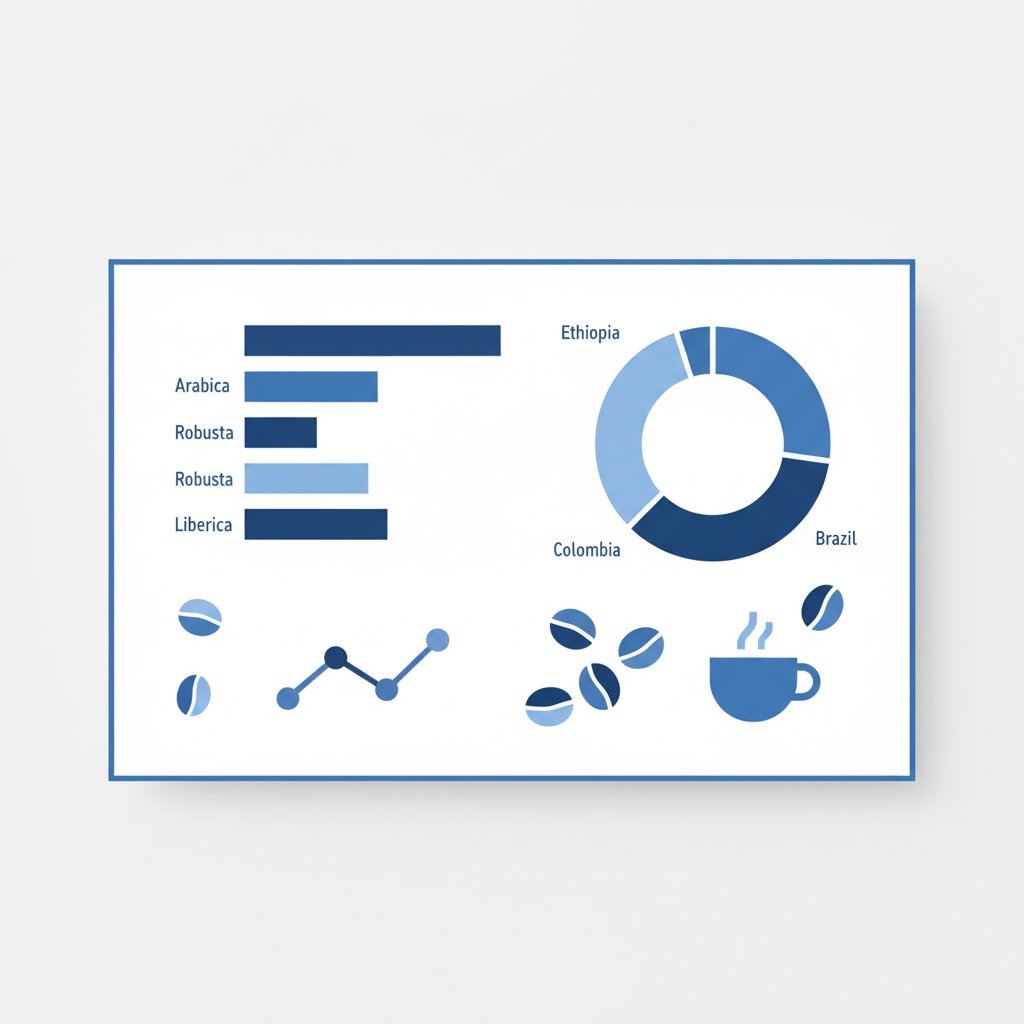
The beauty of single origin coffee lies in its diverse and often complex flavor profile, a symphony of notes that tell the story of its origin. Learning to identify these tasting notes can profoundly enhance your appreciation for coffee. It’s not about finding specific, overt flavors like biting into an apple, but rather perceiving aromatic and gustatory reminders or associations. This skill, often refined through practice and guided tasting, involves engaging all your senses.
The Coffee Flavor Wheel: Your Navigational Tool
The Specialty Coffee Association (SCA) Flavor Wheel is an invaluable resource for coffee tasters. It graphically organizes the vast lexicon of coffee flavors and aromas, moving from general categories (e.g., Fruity, Floral, Nutty, Sweet, Spices) to more specific descriptors (e.g., Berry, Citrus, Jasmine, Hazelnut, Caramel, Cinnamon). Using the wheel involves starting broad and narrowing down your perceptions.
Key Sensory Attributes to Focus On:
- Aroma: This is arguably the most crucial element in flavor perception. Before you even taste, take a deep inhale of the dry grounds, and then the freshly brewed coffee. What do you smell? Is it floral, nutty, fruity, smoky, spicy?
- Acidity: Often misunderstood, acidity in coffee refers to a pleasant, bright, often sharp sensation, much like the tang in an apple or a ripe berry. It’s not the same as sourness, which is typically undesirable. High acidity (e.g., Kenyan, some Ethiopian) can make a coffee lively and vibrant. Low acidity (e.g., some Brazilian, Sumatran) results in a smoother, mellower cup.
- Body (Mouthfeel): This describes the tactile sensation of coffee on your tongue – its weight, texture, and density. Is it light and tea-like (e.g., Yirgacheffe), creamy and buttery (e.g., some Colombian), or heavy and syrupy (e.g., Sumatran, some Brazilian)?
- Flavor: The actual tastes perceived by your palate. This is where you connect with the specific notes on the flavor wheel. Common categories include:
- Fruity: Berry (blueberry, raspberry), Citrus (lemon, orange), Stone Fruit (peach, apricot), Tropical (mango, pineapple).
- Floral: Jasmine, Rose, Bergamot, Orange Blossom.
- Nutty: Hazelnut, Almond, Peanut.
- Chocolatey: Milk Chocolate, Dark Chocolate, Cacao.
- Caramel/Sweet: Honey, Molasses, Brown Sugar, Vanilla.
- Spicy: Cinnamon, Clove, Cardamom, Black Pepper.
- Earthy/Woody: Cedar, Tobacco, Mushroom (common in certain Giling Basah processed coffees).
- Finish/Aftertaste: The flavors and sensations that linger after you’ve swallowed. Is it clean and short, or long and pleasant? Does it evolve or fade quickly?
Practicing Your Palate:
- Compare and Contrast: Taste two different single origin coffees side-by-side, ideally from different regions or processed differently. This helps highlight distinguishing features.
- Cupping: Participate in a coffee cupping session, a professional tasting method, to systematically evaluate coffee.
- Take Notes: Keep a journal of the coffees you try, noting down the region, processing, and your perceived flavors. Over time, you’ll build a personal reference library.
- Expand Your “Flavor Library”: Taste and smell a wide variety of non-coffee items – fruits, spices, herbs, chocolates, nuts. The more familiar you are with these foundational flavors, the easier it will be to identify them in coffee.
Unlock the secrets of professional coffee sensory evaluation with our expert guide.
Remember, tasting notes are subjective and personal. There’s no right or wrong answer, only what you perceive. The goal is to articulate what you experience and deepen your connection with the incredible world of single origin coffee.
The Difference: Single Origin vs. Blends
The distinction between single origin coffee and coffee blends is perhaps one of the most fundamental concepts to grasp when navigating the vast world of specialty coffee. While both can offer exceptional quality, their purpose, philosophy, and ultimately, their flavor profiles, are distinctly different. Understanding this difference is key to choosing the right coffee for your preference and desired experience.
Single Origin Coffee: The Soloist
As discussed extensively, single origin coffee refers to beans sourced from a single, specific geographical location. This could be a single country, a particular region, a specific farm, or even a micro-lot within that farm. The defining characteristic is traceability and a commitment to showcasing the unique attributes of that sole origin.
- Purpose: To highlight the unique characteristics imparted by a specific terroir, varietal, and processing method. It tells a story of its origin.
- Flavor Profile: Often distinct, nuanced, and complex, with a clear expression of its origin’s typical notes (e.g., bright acidity and floral notes from Ethiopia, earthy richness from Sumatra, chocolatey sweetness from Brazil). It can be less consistent from harvest to harvest, as natural variations in climate and growing conditions will directly impact the flavor.
- Roast: Typically roasted lighter to preserve and accentuate the delicate, intrinsic flavors.
- Ideal Consumer: The adventurous drinker, the connoisseur, or anyone looking to explore the diversity of coffee flavors, appreciate specific regional characteristics, and understand the impact of terroir.
- Best Brewing Methods: Often shines in methods that emphasize clarity and aroma, such as pour-over, Chemex, or Aeropress.
Coffee Blends: The Orchestra
A coffee blend, in contrast, combines beans from two or more different origins. The art of blending lies in carefully selecting and combining various beans to create a flavor profile that is greater than the sum of its parts, or to achieve a specific, consistent taste or characteristic.
- Purpose: To achieve a balanced, consistent, and often more complex flavor profile that can be maintained year-round. Blenders can compensate for the seasonal unavailability of certain beans or use different origins to achieve desired characteristics like body, acidity, and specific notes. It’s about consistency and synergy.
- Flavor Profile: Designed for balance and consistency. A good blend aims for a harmonious combination of attributes, often featuring a fuller body, well-rounded acidity, and a cohesive set of flavors (e.g., a rich chocolate base with hints of nuttiness and a clean finish). The individual notes from each origin might be subdued for overall harmony.
- Roast: Can vary. Some blends are designed for lighter roasts, but many dark roast blends are popular for espresso or bold drip coffee.
- Ideal Consumer: Those who prefer a consistent flavor experience, often for daily consumption, or specific applications like espresso where consistency in grind and extraction is paramount.
- Best Brewing Methods: Versatile, often performing well across a range of methods, including espresso, drip, and French Press, as they are designed for broader appeal and robustness.
Which is Better?
Neither is inherently “better” than the other; they simply serve different purposes. Single origins offer a journey of discovery, celebrating individuality and the artistry of natural processes. Blends provide reliability, consistency, and often a broader appeal, making them perfect for everyday enjoyment or specific uses where a predictable outcome is desired. Many coffee lovers enjoy both, depending on their mood, time of day, or brewing method.
The world of coffee encourages exploration. Start with single origins to understand the foundational flavors of different regions, and then appreciate how blenders artfully combine these unique elements to create something new and constant.
The Future of Single Origin Coffee: Sustainability and Innovation
The trajectory of single origin coffee is not merely about appreciating past flavors; it’s also deeply intertwined with the future of global coffee production, sustainability, and continuous innovation. As consumer awareness grows, so does the demand for transparent and ethically sourced coffee, pushing the industry towards more responsible practices and exciting advancements.
Sustainability at the Core
Single origin coffee, by its very nature, encourages a closer relationship between consumers, roasters, and farmers. This direct trade model often bypasses intermediaries, ensuring more of the coffee’s value goes back to the growers. This direct connection fosters significant progress in sustainability:
- Environmental Stewardship: Farmers are increasingly adopting sustainable agricultural practices, such as shade-grown coffee, organic farming, water conservation, and biodiversity preservation. These practices not only benefit the environment but often lead to higher quality beans, further enhancing their single origin appeal.
- Social Equity: Direct trade agreements often include fair prices, leading to improved living conditions, education, and healthcare for farming communities. This empowers coffee farmers and allows them to invest in their land and future, securing the supply of specialty coffee for years to come.
- Economic Viability: By rewarding farmers for quality and sustainable practices, the single origin movement helps ensure the long-term economic viability of coffee farming, preventing the abandonment of farms due to low commodity prices.
Consumers who choose single origin often implicitly support these sustainable initiatives, making their coffee choice a small but meaningful contribution to global well-being. For more on ethical sourcing, check out our guide on ethical coffee sourcing and its impact.
Innovation in Farming and Processing
The single origin movement also drives innovation, as farmers and producers seek to differentiate their offerings and bring even more unique flavors to market:
- Varietal Experimentation: The discovery and cultivation of new or heirloom coffee varietals, like Geisha (Gesha) from Panama, have dramatically expanded the flavor lexicon of coffee. Farmers are constantly experimenting with varietals best suited to their specific terroir.
- Advanced Processing Techniques: While traditional processing methods remain vital, innovation is rampant. Controlled fermentation (anaerobic, aerobic), carbonic maceration (borrowed from wine-making), and experimental drying techniques are being used to create unprecedented flavor profiles. These methods can amplify fruitiness, introduce new aromatics, or enhance sweetness in remarkable ways.
- Precision Agriculture: Technology is playing an increasing role, with data-driven approaches to monitoring soil health, irrigation, and climate, allowing for more precise and optimized growing conditions.
- Traceability and Transparency: Blockchain technology is even being explored to provide immutable records of a coffee’s journey from seed to cup, bolstering authenticity and consumer trust in single origin claims.
The future of single origin coffee is dynamic and exciting. It’s a continuous quest for quality, a commitment to sustainability, and an adventurous exploration of new flavors. As roasters continue to partner directly with innovative farmers, and consumers continue to seek unique and ethically produced coffees, the single origin category will undoubtedly continue to evolve, offering endless possibilities for appreciation and enjoyment. Supporting single origin coffee means investing in this vibrant future.
Frequently Asked Questions
Q1: What is the difference between single origin and blend coffee?
A1: Single origin coffee comes from a single, identifiable geographic location (like a specific farm or region), highlighting its unique characteristics dictated by terroir and processing. Coffee blends combine beans from multiple origins to achieve a consistent or balanced flavor profile, often designed for specific applications like espresso, ensuring a year-round, predictable taste.
Q2: Why is single origin coffee often roasted lighter?
A2: Single origin coffees are typically roasted lighter to preserve and accentuate their delicate, intrinsic tasting notes produced by their specific geographic location and terroir. Dark roasting can overpower these subtle nuances, making all coffees taste somewhat similar due to the roast’s caramelized sugars rather than the bean’s inherent flavors.
Q3: Does “single origin” guarantee quality?
A3: The term “single origin” itself does not guarantee quality. However, it signifies traceability and often implies a focus on specialty-grade coffee. Roasters who highlight single origins typically source high-quality beans with distinct flavor profiles. Always look for additional indicators like transparent sourcing, reputable roasters, and clear tasting notes to ensure quality.
Q4: What are the main processing methods for single origin coffee?
A4: The main processing methods are: Natural (Dry) Process, where cherries are dried whole (resulting in fruity, sweet coffees); Washed (Wet) Process, where pulp is removed before drying (resulting in clean, bright, acidic coffees); and Honey (Pulped Natural) Process, where part of the mucilage is left on during drying (offering a balanced sweetness and body). Unique methods like Indonesia’s Giling Basah (Wet-hulled) also exist.
Q5: How should I store single origin coffee?
A5: To maintain freshness, store single origin coffee beans in an airtight container, away from direct sunlight, heat, and moisture. A cool, dark pantry is ideal. Avoid storing in the refrigerator as it can introduce moisture and odors. For best results, buy coffee in smaller quantities and consume within 2-4 weeks of the roast date.
Single Origin Coffee Guide: Terroir, Taste & Brewing Tips
Affiliate disclosure: This article may contain affiliate links. Recommendations are independent and editorially driven.
Understanding Single Origin Coffee: More Than Just a Bean
In the vast and aromatic world of coffee, the term “single origin” has become a beacon for connoisseurs and casual drinkers alike seeking a unique and authentic experience. But what, precisely, does “single origin coffee” truly mean, and why has it captivated the hearts and palates of so many? At its core, single origin coffee refers to coffee beans sourced from a single, identifiable geographic location. This can be as broad as a country or region, or as specific as a particular farm, estate, or even a single lot within a farm. The crucial differentiator is its traceability and the notion that the unique characteristics of that specific place—its terroir—are unmistakably reflected in the finished brew.
Unlike coffee blends, which combine beans from various regions to achieve a consistent flavor profile, single origin coffee is celebrated for its individuality and the story it tells about its birthplace. Each cup offers a glimpse into the microclimate, soil composition, altitude, and processing practices of its origin. This focus on provenance allows for a deeper appreciation of coffee’s incredible diversity, uncovering a spectrum of flavors, aromas, and sensory experiences that might otherwise be lost in a blend.
The rise of single origin coffee parallels a broader movement towards transparency and quality in the food and beverage industry. Consumers are increasingly interested in knowing where their food comes from, how it’s produced, and who is involved in its journey. For coffee, this means understanding the dedication of farmers, the nuances of the land, and the meticulous care taken from cultivation to harvesting and processing. This pursuit of authenticity transforms a simple morning ritual into an exploration of global cultures and agricultural artistry. Join us as we delve into the intricate world of single origin coffee, exploring its defining characteristics, the impact of its terroir, and how you can best appreciate its distinctive charm.
The Essence of Terroir: How Place Shapes Your Cup
The concept of terroir is fundamental to understanding the profound appeal of single origin coffee. Borrowed from the wine industry, terroir encapsulates the complete natural environment in which a particular coffee is produced, including factors such as soil, topography, and climate. It’s the invisible hand that sculpts the bean’s flavor profile, making each single origin a unique expression of its geographical home. Imagine two coffee plants of the exact same varietal, grown in different parts of the world. Despite identical genetics, the climatic variations, mineral composition of the soil, and even the local flora and fauna contribute to vastly different flavor outcomes. This is the magic of terroir at play.
The primary components of terroir influencing coffee flavor include:
- Altitude: Higher altitudes typically lead to slower bean maturation, resulting in denser beans with more complex sugars and acids. This often translates to brighter acidity and more intricate flavor notes.
- Soil Composition: The nutrients and minerals present in the soil directly impact the coffee plant’s health and the chemical compounds that develop within the cherry. Volcanic soils, for instance, are renowned for producing coffees with distinct mineral notes.
- Climate: Factors like rainfall, sunlight exposure, temperature fluctuations, and humidity are critical. Consistent, moderate temperatures and distinct wet and dry seasons are ideal for coffee growth, influencing ripening and sugar development.
- Microclimate: Within a larger region, specific hillsides, valleys, or even individual plots can have unique microclimates that further differentiate the coffee grown there.
- Varietal (Genetics): While not strictly terroir, the specific coffee species and varietal (e.g., Arabica vs. Robusta, and within Arabica: Geisha, Bourbon, Typica, etc.) dictates the bean’s inherent genetic potential for flavor, which terroir then expresses.
- Human Element (Processing): This bridges the gap between natural environment and agricultural practice. While not terroir itself, traditional and modern processing methods (washed, natural, honey) are deeply tied to regional practices and greatly influence the final cup profile, often accentuating traits gifted by the terroir.
Understanding terroir helps us appreciate why a coffee from, say, Ethiopia’s Yirgacheffe region can taste remarkably different from one grown in Colombia’s Huila, even if both are Arabica beans. It encourages us to approach each cup as a narrative—a story of the land, the weather, and the dedicated hands that brought it to us. It’s this deep connection to place that makes single origin coffee an endless journey of delightful discovery.
[INLINE IMAGE 1: place after second H2 | alt=”single origin coffee concept illustration”]
Exploring Global Single Origin Wonders: A Regional Flavor Map
The world of single origin coffee is a vivid tapestry of flavors, each thread woven from the unique terroir and processing traditions of its origin. Embarking on a journey through these regions is to discover the incredible range of experiences coffee can offer. This flavor map provides a general guide, but remember that within each region, microclimates and varietals ensure endless variations.
Africa: The Cradle of Coffee
Africa is the birthplace of coffee, home to ancient varietals and some of the most dynamic and complex flavor profiles. Coffees from this continent are often celebrated for their bright acidity, floral aromatics, and fruity notes.
-
Ethiopia
Ethiopia is arguably the spiritual home of coffee, with a rich genetic diversity that produces an astonishing array of flavors. Coffees are often washed or natural processed.
- Yirgacheffe: Renowned for its delicate, tea-like body, sparkling acidity, and intense floral (jasmine, bergamot) and citrus (lemon, lime) notes. Often washed.
- Sidamo: Features a full body, bright acidity, and complex notes of berries, chocolate, herbal tones, and sometimes wine. Both washed and natural processes are common.
- Harrar: Typically natural processed, these coffees are known for their wild, rustic character with notes of blueberries, wine, and a hint of mocha.
-
Kenya
Kenyan coffees are often considered among the world’s finest, celebrated for their vibrant acidity, full body, and complex savory-sweet flavors. The unique “Kenya AB” or “Kenya AA” grading system (referring to bean size) is widely recognized.
- Flavor Profile: Bright, wine-like acidity, notes of blackcurrant, tomato, grapefruit, and sometimes savory umami hints. Generally washed processed.
-
Rwanda
Emerging as a specialty coffee powerhouse, Rwandan coffees are known for their balance and clarity.
- Flavor Profile: Creamy body, bright citrus acidity, and notes of red berries, orange blossom, and sometimes caramel. Predominantly washed.
Explore more African coffee origins and their unique characteristics.
The Americas: Diversity from North to South
The Americas offer an expansive range of single origin coffees, from the nuanced delicacy of Central America to the robust characteristics of South American giants.
-
Colombia
Colombia is a major coffee producer, renowned for its consistently high-quality Arabica. The focus on single-estate and micro-lot coffees has grown significantly.
- Huila: Coffees from this region are highly sought after for their sweet, full-bodied character, bright acidity, and notes of orange, caramel, and red apple.
- Narino: Often grown at very high altitudes, Narino coffees display a delicate sweetness, bright citrus acidity, and floral notes.
- Tolima: Known for producing balanced cups with notes of tropical fruit, molasses, and a clean finish.
-
Brazil
The world’s largest coffee producer, Brazil is famous for its consistent, lower-acidity, nutty, and chocolatey coffees, often used as a base for espresso blends due to their excellent body and crema. Brazilian coffee cultivation spans vast areas, with distinct regional differences.
- Sul de Minas: This region is the heart of Brazilian coffee production. Coffees are typically known for their pronounced nutty (almond, hazelnut), chocolatey, and caramel notes, often with a heavier body and low acidity. Natural and pulped natural (honey) processes are very common, contributing to their sweetness and body.
-
Guatemala
Guatemalan coffees are celebrated for their distinctive full body, bright acidity, and intriguing spice notes, often grown in volcanic soils.
- Antigua: Known for its exceptional quality, Antigua coffee boasts a full body, spicy notes (cacao, tobacco), delicate floral aromas, and a refined acidity.
- Huehuetenango: High-altitude coffees with crisp apple-like acidity, chocolate, and nutty undertones.
-
Costa Rica
Costa Rica is famous for its high-quality, fully washed Arabica beans, known for their clean cup profiles and bright acidity. The country has a long-standing commitment to sustainability.
- Tarrazú: Produces clean, bright, and fruity coffees with intense aroma, pronounced acidity, and notes of citrus and stone fruit.
- West Valley: Known for its diverse profiles, from chocolatey and nutty to bright and clean, often with a hint of honey.
[INLINE IMAGE 2: place after fourth H2 | alt=”single origin coffee comparison illustration”]
Asia-Pacific: Earthy Aromatics and Unique Processes
The Asia-Pacific region offers a stark contrast to African and most American coffees, with distinctive earthy, woody, and spicy profiles, often influenced by unique processing methods.
-
Indonesia (Sumatra)
Indonesian coffees, particularly from Sumatra, are famous for their unique processing method called Giling Basah (wet-hulled), which imparts a distinct flavor profile.
- Flavor Profile: Very full body, low acidity, earthy, woody, and savory notes, often with hints of dark chocolate, tobacco, and tropical fruits. The Giling Basah process reduces acidity and enhances body and specific earthiness.
-
Vietnam
While primarily known for Robusta production, Vietnam is increasingly producing specialty Arabica, particularly in regions like Dalat. Traditional Vietnamese coffee often refers to strong, Robusta-based brews, but the specialty Arabica scene is growing.
- Flavor Profile (Arabica): Generally balanced, medium body with notes of chocolate, caramel, and nuts, often with a subtle fruity sweetness depending on processing.
-
Papua New Guinea
Coffees from Papua New Guinea (PNG) often share some characteristics with Indonesian coffees but tend to be cleaner and brighter.
- Flavor Profile: Medium body, moderate acidity, notes of chocolate, tropical fruit, and sometimes earthy or herbal undertones.
| Region | Typical Flavor Profile | Acidity | Body | Common Processing |
|---|---|---|---|---|
| Ethiopia (Yirgacheffe) | Floral, Citrus, Tea-like, Berry | Bright, sparkling | Delicate, light | Washed, Natural |
| Kenya | Blackcurrant, Tomato, Wine-like, Grapefruit | Vibrant, sharp | Full, juicy | Washed |
| Colombia (Huila) | Caramel, Red Apple, Orange, Sweet | Bright, balanced | Medium, creamy | Washed |
| Brazil (Sul de Minas) | Chocolate, Nutty, Caramel, Low acidity | Low, mellow | Heavy, round | Natural, Pulped Natural |
| Guatemala (Antigua) | Cacao, Spice, Floral, Clean | Bright, refined | Full, dense | Washed |
| Sumatra, Indonesia | Earthy, Woody, Dark Chocolate, Tobacco | Very low, rustic | Very full, syrupy | Wet-hulled (Giling Basah) |
View our interactive coffee bean origins map for more detailed information.
The Influence of Processing Methods on Single Origin Flavor
Beyond terroir, the way coffee cherries are processed after harvest profoundly impacts the final flavor in your cup. Processing methods essentially dictate how the coffee bean (the seed) is separated from the fruit (the cherry). Each method highlights different characteristics of the bean, enhancing or modulating the inherent flavors gifted by the terroir. Understanding these methods is key to appreciating the diversity of single origin coffees.
Natural (Dry) Process
The oldest and most traditional method, natural processing involves drying the entire coffee cherry (with the pulp and skin intact) under the sun on raised beds or patios. This can take several weeks, during which the sugars and flavors from the fruit are absorbed into the coffee bean.
- Process: Cherries are spread out and regularly raked to ensure even drying and prevent mold.
- Flavor Impact: Produces coffees with a heavy body, intense sweetness, and pronounced fruity notes (often berry-like, tropical fruit, or stone fruit). Acidity tends to be lower, and the flavor profile can sometimes be described as “winey” or “fermented” in a pleasing way.
- Common Regions: Widely used in regions with limited water resources or strong sun, such as Ethiopia (Harrar, some Sidamo), Brazil, and parts of Yemen.
Washed (Wet) Process
Considered the most common and meticulous processing method, the washed process involves removing the coffee cherry’s skin and pulp almost immediately after harvest, before drying. This is achieved through a combination of mechanical pulping and fermentation in water tanks, followed by thorough washing.
- Process: Cherries are pulped, then fermented in water to break down any remaining mucilage. After fermentation, beans are washed clean and then dried.
- Flavor Impact: Results in a clean, bright, and typically more transparent cup, allowing the inherent acidity and varietal characteristics to shine through. Flavors are often crisp, floral, citrusy, and well-defined, with a lighter body compared to natural processed coffees.
- Common Regions: Prevalent in Central and South America (e.g., Colombia, Costa Rica, Guatemala), East Africa (e.g., Kenya, Rwanda, some Ethiopia).
Honey (Pulped Natural) Process
The honey process is a hybrid method that combines elements of both natural and washed processes. The skin is removed from the cherry, but a significant portion of the fruit’s sticky mucilage (often referred to as ‘honey’) is left on the bean during the drying stage.
- Process: Cherries are pulped, but unlike washed processing, the beans go directly to the drying beds with mucilage still attached. The amount of mucilage left on can vary (white, yellow, red, black honey), influencing the final flavor.
- Flavor Impact: Produces coffees with enhanced sweetness, a rounder body, and a balanced complexity. Notes often include caramel, chocolate, stone fruit, and a pleasant, syrupy mouthfeel. It offers a profile somewhere between the fruitiness of naturals and the clarity of washed coffees.
- Common Regions: Popular in Costa Rica, Brazil, and El Salvador, among others.
Giling Basah (Wet-Hulled) Process
Unique to Indonesia, particularly Sumatra, the Giling Basah method is distinct. It involves hulling the parchment layer from the bean at a much higher moisture content than other processing methods (around 30-50% vs. 10-12%).
- Process: Cherries are pulped, fermented, and briefly dried to about 30-50% moisture. Then, the parchment layer is removed (“wet-hulled”), and the naked beans are dried further.
- Flavor Impact: This unconventional process results in signature low-acidity, heavy-bodied coffees with distinct earthy, woody, savory, and sometimes spicy or herbal notes. It contributes to the characteristic “Sumatran funk” that many coffee lovers adore.
- Common Regions: Primarily in Sumatra and other parts of Indonesia.
Each processing method is a deliberate choice, often dictated by local climate, resources, and tradition, all aimed at coaxing out specific and desired characteristics from the single origin bean. Experimenting with different processing methods from the same region can be a revelation, showcasing coffee’s incredible versatility. For more on how these methods directly impact flavor, consider consulting our comprehensive guide to coffee processing.
How to Brew Single Origin Coffee to Highlight Terroir
Brewing single origin coffee isn’t just about making a cup; it’s about showcasing the unique personality of the bean, letting its terroir and processing shine. Unlike blends designed for consistency across various brewing methods, single origin coffees, particularly light-to-medium roasted ones, truly sing when brewed with methods that emphasize clarity, aroma, and delicate flavor extraction. Pressure-based methods like espresso or immersion methods like French Press can sometimes mask the more subtle nuances of a single origin. For maximum appreciation of a single origin’s unique profile, manual filter/drip methods are often superior.
General Principles for Brewing Single Origin Coffee:
- Grind Fresh: Always grind your beans just before brewing. Pre-ground coffee loses its volatile aromatics rapidly.
- Water Quality: Use filtered, fresh water. Water that’s too hard or too soft can significantly alter extraction and flavor. Ideal brewing temperature is typically between 195-205°F (90-96°C).
- Right Roast Level: Most specialty single origin coffees are light to medium roasted. This preserves their intrinsic flavors. Dark roasts often overpower terroir.
- Ratio is Key: A common starting point is a 1:15 to 1:17 coffee-to-water ratio (e.g., 1g coffee to 15-17ml water). Adjust to taste.
- Blooming: For pour-over methods, allow the coffee to “bloom” by pouring a small amount of hot water over the grounds (typically double the coffee weight) and letting it sit for 30-45 seconds. This degasses the coffee, allowing for more even extraction.
Recommended Brewing Methods for Light to Medium Single Origins:
1. Pour Over (Hario V60, Chemex, Kalita Wave)
These methods are revered for their ability to produce a clean, bright, and aromatic cup, making them ideal for highlighting the delicate notes of single origin coffees.
- Why it works: The paper filter captures fines and oils, resulting in a clean cup that allows complex flavors and bright acidity to stand out. The controlled pour allows for precise saturation and extraction.
- Hario V60: (Conical dripper) Known for accentuating acidity and clarity. Requires a precise, spiral pour.
- Grind: Medium-fine.
- Technique: Bloom, then slow, even pours.
- Chemex: (Hourglass shape with thick paper filter) Produces an exceptionally clean, transparent cup with minimal body due to its denser filter.
- Grind: Medium-coarse.
- Technique: Slower draw-down time than V60, typically a single pour after blooming.
- Kalita Wave: (Flat-bottomed dripper with three holes) More forgiving than the V60 due to its design, promoting even extraction, and a balanced cup.
- Grind: Medium.
- Technique: Easier to achieve even extraction due to flat bed and multiple holes.
2. Aeropress
Highly versatile and portable, the Aeropress can create a clean, full-bodied cup that still preserves the nuances of single origins.
- Why it works: Total immersion followed by pressure ensures efficient extraction. Its paper filter ensures a clean cup while retaining more body than pour-overs.
- Grind: Medium-fine (for traditional method) to medium-coarse (for inverted method).
- Technique: Experiment with inverted vs. standard, brew times (1-3 minutes), and different water temperatures to find what best suits your bean.
3. Drip Machine (High-Quality Automatic Brewer)
While often less control than manual methods, a high-quality automatic drip machine that heats water to the correct temperature and showers it evenly over the grounds can produce an excellent cup of single origin coffee, especially for larger batches.
- Why it works: Convenience combined with sufficient extraction for daily drinking without sacrificing too much quality, provided the machine is well-designed.
- Grind: Medium.
- Technique: Ensure the machine has consistent temperature and a good shower head for even water distribution.
When brewing single origin coffee, think of yourself as an interpreter, guiding the bean’s natural expressions into your cup. Experimentation is key – slight adjustments to grind size, water temperature, or pour technique can dramatically alter the perception of flavor. Embrace the journey of discovery with each new bean!
Tasting Notes: Deciphering the Language of Flavor
The beauty of single origin coffee lies in its diverse and often complex flavor profile, a symphony of notes that tell the story of its origin. Learning to identify these tasting notes can profoundly enhance your appreciation for coffee. It’s not about finding specific, overt flavors like biting into an apple, but rather perceiving aromatic and gustatory reminders or associations. This skill, often refined through practice and guided tasting, involves engaging all your senses.
The Coffee Flavor Wheel: Your Navigational Tool
The Specialty Coffee Association (SCA) Flavor Wheel is an invaluable resource for coffee tasters. It graphically organizes the vast lexicon of coffee flavors and aromas, moving from general categories (e.g., Fruity, Floral, Nutty, Sweet, Spices) to more specific descriptors (e.g., Berry, Citrus, Jasmine, Hazelnut, Caramel, Cinnamon). Using the wheel involves starting broad and narrowing down your perceptions.
Key Sensory Attributes to Focus On:
- Aroma: This is arguably the most crucial element in flavor perception. Before you even taste, take a deep inhale of the dry grounds, and then the freshly brewed coffee. What do you smell? Is it floral, nutty, fruity, smoky, spicy?
- Acidity: Often misunderstood, acidity in coffee refers to a pleasant, bright, often sharp sensation, much like the tang in an apple or a ripe berry. It’s not the same as sourness, which is typically undesirable. High acidity (e.g., Kenyan, some Ethiopian) can make a coffee lively and vibrant. Low acidity (e.g., some Brazilian, Sumatran) results in a smoother, mellower cup.
- Body (Mouthfeel): This describes the tactile sensation of coffee on your tongue – its weight, texture, and density. Is it light and tea-like (e.g., Yirgacheffe), creamy and buttery (e.g., some Colombian), or heavy and syrupy (e.g., Sumatran, some Brazilian)?
- Flavor: The actual tastes perceived by your palate. This is where you connect with the specific notes on the flavor wheel. Common categories include:
- Fruity: Berry (blueberry, raspberry), Citrus (lemon, orange), Stone Fruit (peach, apricot), Tropical (mango, pineapple).
- Floral: Jasmine, Rose, Bergamot, Orange Blossom.
- Nutty: Hazelnut, Almond, Peanut.
- Chocolatey: Milk Chocolate, Dark Chocolate, Cacao.
- Caramel/Sweet: Honey, Molasses, Brown Sugar, Vanilla.
- Spicy: Cinnamon, Clove, Cardamom, Black Pepper.
- Earthy/Woody: Cedar, Tobacco, Mushroom (common in certain Giling Basah processed coffees).
- Finish/Aftertaste: The flavors and sensations that linger after you’ve swallowed. Is it clean and short, or long and pleasant? Does it evolve or fade quickly?
Practicing Your Palate:
- Compare and Contrast: Taste two different single origin coffees side-by-side, ideally from different regions or processed differently. This helps highlight distinguishing features.
- Cupping: Participate in a coffee cupping session, a professional tasting method, to systematically evaluate coffee.
- Take Notes: Keep a journal of the coffees you try, noting down the region, processing, and your perceived flavors. Over time, you’ll build a personal reference library.
- Expand Your “Flavor Library”: Taste and smell a wide variety of non-coffee items – fruits, spices, herbs, chocolates, nuts. The more familiar you are with these foundational flavors, the easier it will be to identify them in coffee.
Unlock the secrets of professional coffee sensory evaluation with our expert guide.
Remember, tasting notes are subjective and personal. There’s no right or wrong answer, only what you perceive. The goal is to articulate what you experience and deepen your connection with the incredible world of single origin coffee.
The Difference: Single Origin vs. Blends
The distinction between single origin coffee and coffee blends is perhaps one of the most fundamental concepts to grasp when navigating the vast world of specialty coffee. While both can offer exceptional quality, their purpose, philosophy, and ultimately, their flavor profiles, are distinctly different. Understanding this difference is key to choosing the right coffee for your preference and desired experience.
Single Origin Coffee: The Soloist
As discussed extensively, single origin coffee refers to beans sourced from a single, specific geographical location. This could be a single country, a particular region, a specific farm, or even a micro-lot within that farm. The defining characteristic is traceability and a commitment to showcasing the unique attributes of that sole origin.
- Purpose: To highlight the unique characteristics imparted by a specific terroir, varietal, and processing method. It tells a story of its origin.
- Flavor Profile: Often distinct, nuanced, and complex, with a clear expression of its origin’s typical notes (e.g., bright acidity and floral notes from Ethiopia, earthy richness from Sumatra, chocolatey sweetness from Brazil). It can be less consistent from harvest to harvest, as natural variations in climate and growing conditions will directly impact the flavor.
- Roast: Typically roasted lighter to preserve and accentuate the delicate, intrinsic flavors.
- Ideal Consumer: The adventurous drinker, the connoisseur, or anyone looking to explore the diversity of coffee flavors, appreciate specific regional characteristics, and understand the impact of terroir.
- Best Brewing Methods: Often shines in methods that emphasize clarity and aroma, such as pour-over, Chemex, or Aeropress.
Coffee Blends: The Orchestra
A coffee blend, in contrast, combines beans from two or more different origins. The art of blending lies in carefully selecting and combining various beans to create a flavor profile that is greater than the sum of its parts, or to achieve a specific, consistent taste or characteristic.
- Purpose: To achieve a balanced, consistent, and often more complex flavor profile that can be maintained year-round. Blenders can compensate for the seasonal unavailability of certain beans or use different origins to achieve desired characteristics like body, acidity, and specific notes. It’s about consistency and synergy.
- Flavor Profile: Designed for balance and consistency. A good blend aims for a harmonious combination of attributes, often featuring a fuller body, well-rounded acidity, and a cohesive set of flavors (e.g., a rich chocolate base with hints of nuttiness and a clean finish). The individual notes from each origin might be subdued for overall harmony.
- Roast: Can vary. Some blends are designed for lighter roasts, but many dark roast blends are popular for espresso or bold drip coffee.
- Ideal Consumer: Those who prefer a consistent flavor experience, often for daily consumption, or specific applications like espresso where consistency in grind and extraction is paramount.
- Best Brewing Methods: Versatile, often performing well across a range of methods, including espresso, drip, and French Press, as they are designed for broader appeal and robustness.
Which is Better?
Neither is inherently “better” than the other; they simply serve different purposes. Single origins offer a journey of discovery, celebrating individuality and the artistry of natural processes. Blends provide reliability, consistency, and often a broader appeal, making them perfect for everyday enjoyment or specific uses where a predictable outcome is desired. Many coffee lovers enjoy both, depending on their mood, time of day, or brewing method.
The world of coffee encourages exploration. Start with single origins to understand the foundational flavors of different regions, and then appreciate how blenders artfully combine these unique elements to create something new and constant.
The Future of Single Origin Coffee: Sustainability and Innovation
The trajectory of single origin coffee is not merely about appreciating past flavors; it’s also deeply intertwined with the future of global coffee production, sustainability, and continuous innovation. As consumer awareness grows, so does the demand for transparent and ethically sourced coffee, pushing the industry towards more responsible practices and exciting advancements.
Sustainability at the Core
Single origin coffee, by its very nature, encourages a closer relationship between consumers, roasters, and farmers. This direct trade model often bypasses intermediaries, ensuring more of the coffee’s value goes back to the growers. This direct connection fosters significant progress in sustainability:
- Environmental Stewardship: Farmers are increasingly adopting sustainable agricultural practices, such as shade-grown coffee, organic farming, water conservation, and biodiversity preservation. These practices not only benefit the environment but often lead to higher quality beans, further enhancing their single origin appeal.
- Social Equity: Direct trade agreements often include fair prices, leading to improved living conditions, education, and healthcare for farming communities. This empowers coffee farmers and allows them to invest in their land and future, securing the supply of specialty coffee for years to come.
- Economic Viability: By rewarding farmers for quality and sustainable practices, the single origin movement helps ensure the long-term economic viability of coffee farming, preventing the abandonment of farms due to low commodity prices.
Consumers who choose single origin often implicitly support these sustainable initiatives, making their coffee choice a small but meaningful contribution to global well-being. For more on ethical sourcing, check out our guide on ethical coffee sourcing and its impact.
Innovation in Farming and Processing
The single origin movement also drives innovation, as farmers and producers seek to differentiate their offerings and bring even more unique flavors to market:
- Varietal Experimentation: The discovery and cultivation of new or heirloom coffee varietals, like Geisha (Gesha) from Panama, have dramatically expanded the flavor lexicon of coffee. Farmers are constantly experimenting with varietals best suited to their specific terroir.
- Advanced Processing Techniques: While traditional processing methods remain vital, innovation is rampant. Controlled fermentation (anaerobic, aerobic), carbonic maceration (borrowed from wine-making), and experimental drying techniques are being used to create unprecedented flavor profiles. These methods can amplify fruitiness, introduce new aromatics, or enhance sweetness in remarkable ways.
- Precision Agriculture: Technology is playing an increasing role, with data-driven approaches to monitoring soil health, irrigation, and climate, allowing for more precise and optimized growing conditions.
- Traceability and Transparency: Blockchain technology is even being explored to provide immutable records of a coffee’s journey from seed to cup, bolstering authenticity and consumer trust in single origin claims.
The future of single origin coffee is dynamic and exciting. It’s a continuous quest for quality, a commitment to sustainability, and an adventurous exploration of new flavors. As roasters continue to partner directly with innovative farmers, and consumers continue to seek unique and ethically produced coffees, the single origin category will undoubtedly continue to evolve, offering endless possibilities for appreciation and enjoyment. Supporting single origin coffee means investing in this vibrant future.
Frequently Asked Questions
Q1: What is the difference between single origin and blend coffee?
A1: Single origin coffee comes from a single, identifiable geographic location (like a specific farm or region), highlighting its unique characteristics dictated by terroir and processing. Coffee blends combine beans from multiple origins to achieve a consistent or balanced flavor profile, often designed for specific applications like espresso, ensuring a year-round, predictable taste.
Q2: Why is single origin coffee often roasted lighter?
A2: Single origin coffees are typically roasted lighter to preserve and accentuate their delicate, intrinsic tasting notes produced by their specific geographic location and terroir. Dark roasting can overpower these subtle nuances, making all coffees taste somewhat similar due to the roast’s caramelized sugars rather than the bean’s inherent flavors.
Q3: Does “single origin” guarantee quality?
A3: The term “single origin” itself does not guarantee quality. However, it signifies traceability and often implies a focus on specialty-grade coffee. Roasters who highlight single origins typically source high-quality beans with distinct flavor profiles. Always look for additional indicators like transparent sourcing, reputable roasters, and clear tasting notes to ensure quality.
Q4: What are the main processing methods for single origin coffee?
A4: The main processing methods are: Natural (Dry) Process, where cherries are dried whole (resulting in fruity, sweet coffees); Washed (Wet) Process, where pulp is removed before drying (resulting in clean, bright, acidic coffees); and Honey (Pulped Natural) Process, where part of the mucilage is left on during drying (offering a balanced sweetness and body). Unique methods like Indonesia’s Giling Basah (Wet-hulled) also exist.
Q5: How should I store single origin coffee?
A5: To maintain freshness, store single origin coffee beans in an airtight container, away from direct sunlight, heat, and moisture. A cool, dark pantry is ideal. Avoid storing in the refrigerator as it can introduce moisture and odors. For best results, buy coffee in smaller quantities and consume within 2-4 weeks of the roast date.